Attractions and Places To See around Fuentes De Oñoro - Top 11
Best attractions and places to see around Fuentes De Oñoro include a blend of historical, cultural, and natural sites. This Spanish municipality, located in the province of Salamanca, is notable for its strategic position as a border town with Portugal, known as "La Raya." The area played a significant role in the Peninsular War and offers insights into shared Iberian history and culture. Visitors can explore ancient landmarks, archaeological sites, and natural environments suitable for birdwatching.
Best attractions and places to see around Fuentes De Oñoro
- The most popular attractions is Castelo Mendo Historic Village, a historical site with medieval roots. It features 12th and 14th-century walls, a castle, and the Church of Santa Maria, guarding strategic passages over the Côa River.
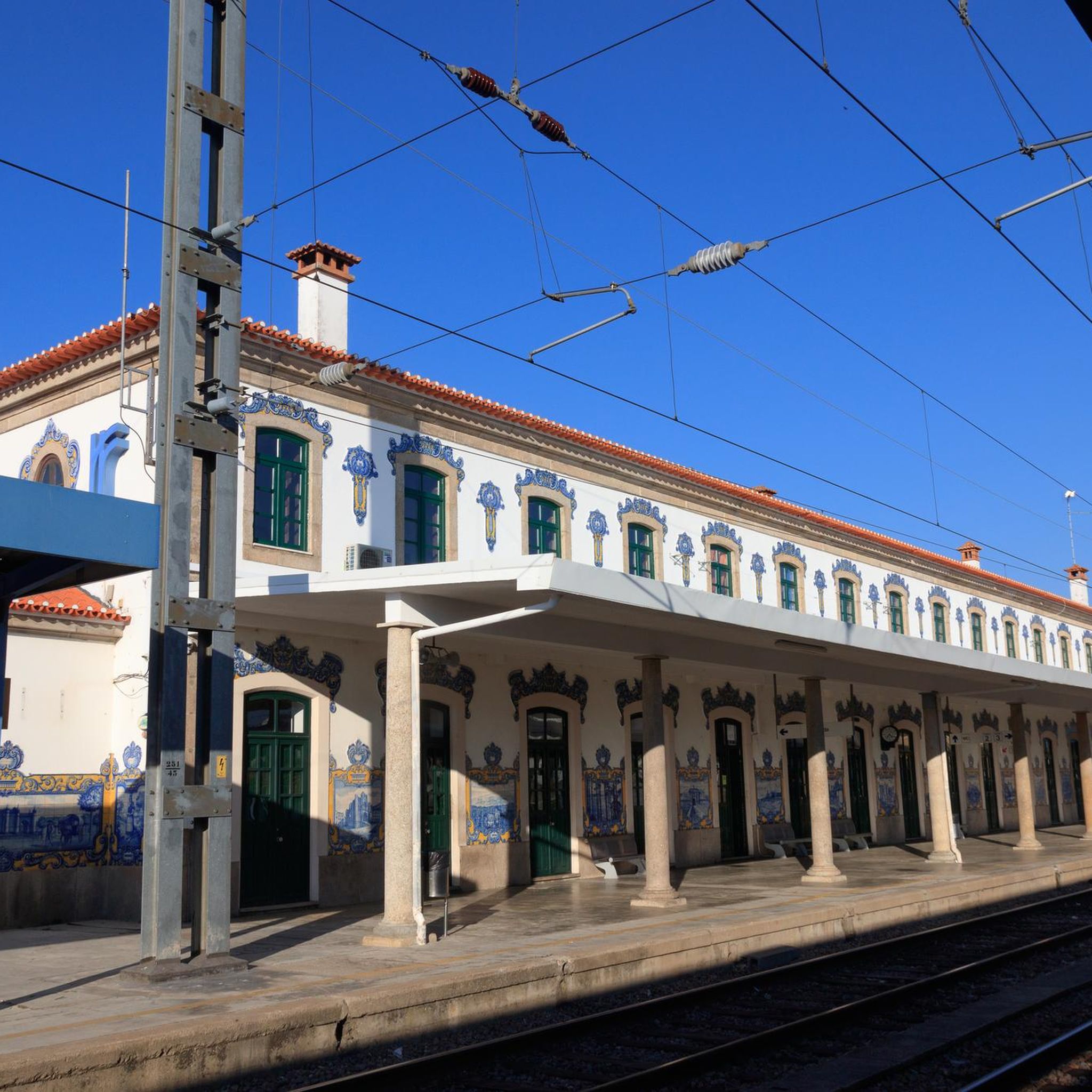
- Another must-see spot is Vilar Formoso, a settlement that forms a border population center with Fuentes de Oñoro. This area represents a shared cultural and historical unity between Spain and Portugal, serving as a significant railway gateway.
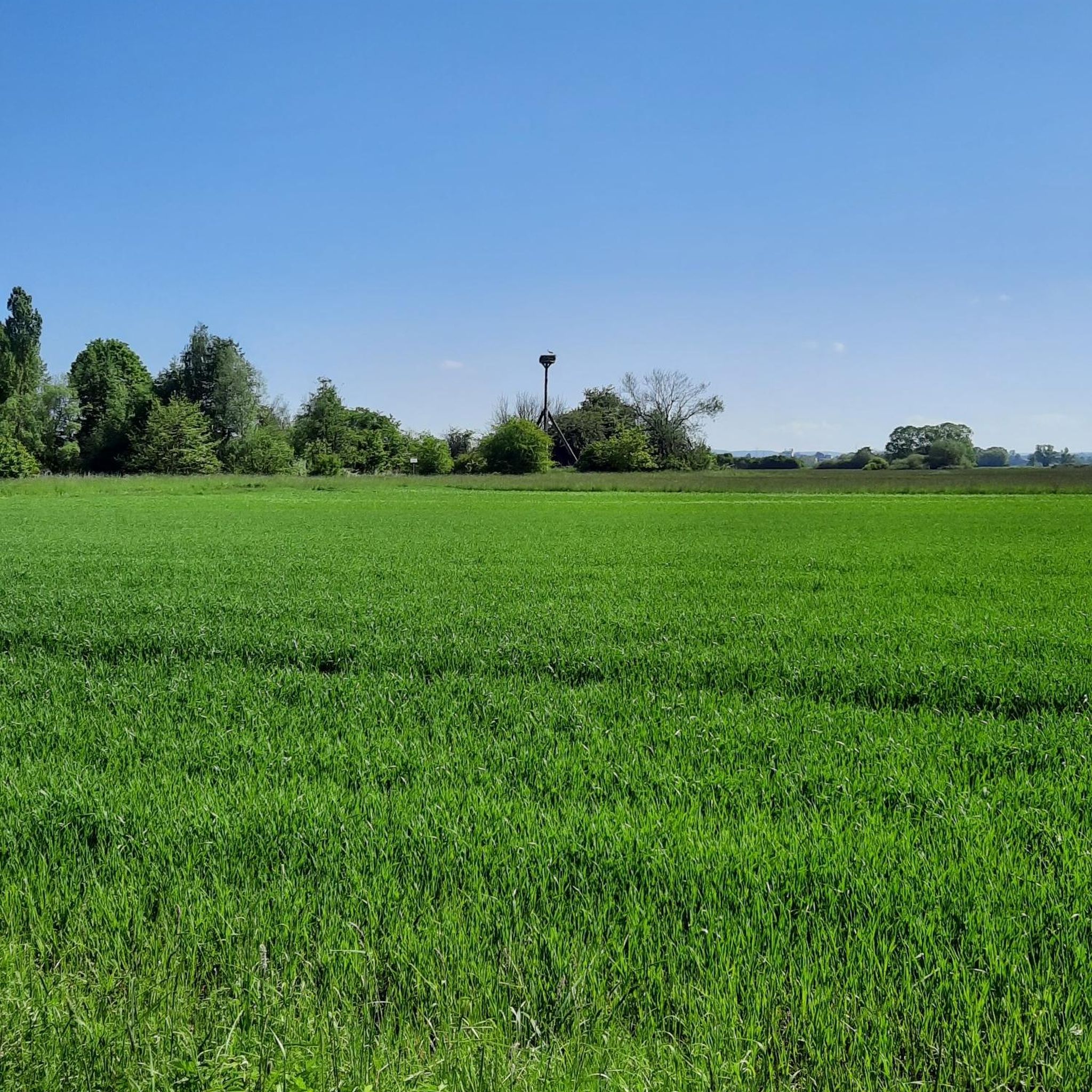
- Visitors also love Gallegos de Argañán, a classic Salamancan town bordering Portugal. It is surrounded by grain fields and farms, offering a glimpse into the region's traditional economy and rural life.
- Fuentes De Oñoro is known for its historical sites, border experiences, and natural features. The region offers a variety of attractions to see and explore, from ancient fortresses to archaeological caves and birdwatching opportunities.
- The attractions around Fuentes De Oñoro are appreciated by the komoot community, with 3 upvotes and 29 photos shared.
Last updated: May 17, 2026
Castelo Mendo Historic Village
Highlight • Historical Site
Translated by Google •
Tip by

Vilar Formoso
Highlight • Settlement
Vilar de Formoso has traditionally been a border post. Today it is the railway gateway to the Portuguese country from Europe on the surexpress train that connects Lisbon with France. It is also a prosperous commercial crossroads in the region.
Translated by Google •
Tip by

Sign up now to discover places like this
Get recommendations on the best single tracks, peaks, & plenty of other exciting outdoor places.
Sign up for free
Real Fuerte de la Concepción
Highlight • Historical Site
The fort had two phases. The first, in the 17th century, when after the uprising in Lisbon that deposed Philip of Habsburg, it was built to serve as a base for an army that would recover Portugal. The Second, in the 18th century, when it was rebuilt to oppose the Portuguese stronghold of Almeida. During the war of independence, it was partially blown up and, for much of the 19th century, the surrounding inhabitants took advantage of it as a quarry until its sale to the private sector gave rise to the current construction.
Translated by Google •
Tip by
Freineda
Highlight • Settlement
Today, it remains modest and small, but keeps the memory of that time alive: on the facade of the house where Wellington lived, a plaque commemorates his visit.
Translated by Google •
Tip by
Gallegos de Argañán
Highlight • Settlement
Translated by Google •
Tip by
Sign up for free to discover even more attractions around Fuentes De Oñoro.
Sign up for free
Already have an account?
Start today with a free account
Your next adventure awaits.
Login or Signup
Popular around Fuentes De Oñoro
Tips from the Community

Castelo Mendo is a historic village with medieval roots, marked by two walls: the oldest, dating from the 12th century, surrounds the old town with its castle and the church of Santa Maria; the second, built by King Dinis in the 14th century, protected the Gothic suburb. The site was a living border between Portugal and León until the Treaty of Alcanices (1297), guarding strategic passages over the Côa River. At the entrance, two Vetón bellows, stone figures in the shape of wild boars, recall even more remote origins. Classified as a Property of Public Interest since 1984, Castelo Mendo today stands as a rare testament to the border region's history and Portuguese medieval splendor.
2
0
Freineda, a small border village, welcomed Lord Wellington between late 1812 and the spring of 1813, during the Peninsular War. In a stone house next to the church, the general established his headquarters, while the rest of the general staff dispersed to neighboring villages. Although described at the time as poverty-stricken, the village became the scene of major military decisions. Today, it remains modest and small, but keeps the memory of that time alive: on the facade of the house where Wellington lived, a plaque commemorates his visit.
1
0

Castelo Mendo is surrounded by a fortified wall with six medieval gates. Two wild boar sculptures stand to the left and right of the main entrance. The simple stone houses originally consisted of two floors. The ground floor housed livestock, while the upper floor served as a residential building. The extremely narrow streets made it relatively easy to defend the town, which was repeatedly a battlefield during the wars in which Portugal participated, especially against Spain.
2
2

The refurbishment and reconversion project of this 17th-century fortress won, in 2014, the prize for the best restoration of a military building in Spain. What are now luxury rooms on the Spanish-Portuguese border could house 1,500 infantrymen and 200 horses at his creation. The fort had two phases. The first, in the 17th century, when after the uprising in Lisbon that deposed Philip of Habsburg, it was built to serve as a base for an army that would recover Portugal. The Second, in the 18th century, when it was rebuilt to oppose the Portuguese stronghold of Almeida. During the war of independence, it was partially blown up and, for much of the 19th century, the surrounding inhabitants took advantage of it as a quarry until its sale to the private sector gave rise to the current construction.
1
0
Together with Fuentes de Oñoro they form a border population center known as La Raya. This denomination is the colloquial way of calling the more than 1,200 kilometers of border between the two Iberian countries, but it is used especially in places where the political border is a mere anecdote and both sides share a cultural and historical unity. Vilar de Formoso has traditionally been a border post. Today it is the railway gateway to the Portuguese country from Europe on the surexpress train that connects Lisbon with France. It is also a prosperous commercial crossroads in the region.
0
0
Classic Salamancan town bordering Portugal. It has just 280 inhabitants, but its abandoned houses tell stories of more prosperous times. It is surrounded by the grain fields and farms that are the main engine of its current economy. There are a couple of bars ideal for a stop on the way.
0
0
Frequently Asked Questions
What historical sites can I explore around Fuentes de Oñoro?
The region is rich in history, particularly from the Peninsular War. You can visit the 13th-century Church of Nuestra Señora de la Asunción, known for its significant mural paintings. Another key historical site is the Real Fuerte de la Concepción, a 17th-century fortress that underwent an award-winning restoration. Additionally, the area around Fuentes de Oñoro was the site of a major battle in 1811, and battlefield tours are available.
Are there any family-friendly attractions or activities in the area?
Yes, several settlements nearby offer a glimpse into traditional life that can be interesting for families. Gallegos de Argañán is a classic Salamancan town surrounded by farms, providing a look at rural life. The historic village of Freineda, where Lord Wellington once had his headquarters, also offers a historical context in a modest setting.
What natural features or outdoor activities are available near Fuentes de Oñoro?
The natural environment is ideal for birdwatching, with diverse species like the European bee-eater, hoopoe, and various eagles. For those interested in archaeology, the Cueva de los Leones features ancient rock carvings of animals. You can also explore the historic "Ruta del Contrabando" (Smuggling Route) on foot, which follows paths historically used between Spain and Portugal.
Can I find any archaeological sites in the vicinity?
Yes, the surroundings of Fuentes de Oñoro host archaeological discoveries. Notably, the "Cueva de los Leones" (Cave of the Lions) features figures carved into the rock, including two lions in combat, a bull, a dog, and a cross. Further afield, the UNESCO World Heritage site of Siega Verde, about 25 km away, is renowned for its Paleolithic rock art.
What is the significance of Fuentes de Oñoro as a border town?
Fuentes de Oñoro's strategic location on the border with Portugal, known as "La Raya," has shaped its history and culture. It played a crucial role in the Peninsular War and historically served as a significant point for communications and trade. The nearby Portuguese settlement of Vilar Formoso forms a shared cultural and historical border center, acting as a railway gateway between Portugal and the rest of Europe.
Are there cycling routes available around Fuentes de Oñoro?
Yes, there are several cycling routes for different skill levels. For road cycling, you can explore routes like the "Fuerte de la Concepción, Reducto de San José y La Alameda de Gardón — circular through the fields of Argañán and Azaba" or the "Fortress of Almeida – Almeida Castle loop from Fuentes de Oñoro." You can find more details and routes on the Cycling around Fuentes De Oñoro guide and the Road Cycling Routes around Fuentes De Oñoro guide.
What are some unique cultural aspects or landmarks related to the town's name?
The town's name, Fuentes de Oñoro, likely originates from the various fountains found around the old town. These include historical fountains such as the Fuente de los Cascabeles, Pozo Girón, Fuente de San Pedro, La Fontana, and Fuente del Ejido, which are integral to the local heritage.
What is the best time to visit Fuentes de Oñoro for exploring attractions?
The region generally experiences pleasant weather for exploration during spring and autumn, when temperatures are milder. These seasons are ideal for walking, cycling, and visiting historical sites without the intense heat of summer or the colder, wetter conditions of winter.
Are there any nearby historic villages worth visiting across the border in Portugal?
Absolutely. Just across the border, you can visit Castelo Mendo Historic Village. This medieval village boasts 12th and 14th-century walls, a castle, and the Church of Santa Maria, and features ancient Vettonian boar sculptures at its entrance. It's a significant historical site that guarded strategic passages over the Côa River.
What can I expect from the railway station in Fuentes de Oñoro?
The Estación de Ferrocarril (Railway Station), inaugurated in 1886, is a historical landmark itself. It marked the beginning of the "Colonia de la Estación" neighborhood and became a crucial hub for communication and trade between Spain and Portugal, reflecting the town's border significance.
Are there any places to stop for refreshments in the smaller towns nearby?
Yes, in towns like Gallegos de Argañán, a classic Salamancan town bordering Portugal, you can find a couple of bars that are ideal for a stop to refresh during your exploration of the area.
Most popular routes around Fuentes De Oñoro

Get inspired with the komoot mobile app


Explore more
Still not found the Highlight you’re looking for? See guides of the top attractions in other regions:
