Attractions and Places To See around Villablino - Top 20
Best attractions and places to see around Villablino are found within the Laciana Valley, a UNESCO Biosphere Reserve in León, Spain. This region is characterized by its natural beauty, including high peaks, diverse forests, and the Sil River. The area also features a rich cultural heritage with traditional architecture and historical sites. Villablino offers a blend of natural landscapes and cultural points of interest for visitors.
Best attractions and places to see around Villablino
- The most popular attractions is Braña de Mumián, a historical site that features traditional constructions like olleras and pallozas associated with livestock farming. This site offers views towards the Caunedo valley.
- Another must-see spot is El Curuxéu Thatched Cottage, an other man-made structure. This traditional cabin with a vegetal roof (teito) is located at the foot of El Canalón peak in a shaded, treed area.
- Visitors also love Pico Cornón, a summit reaching 2,182 meters above sea level. This peak is one of the highest in the Sierra de Gistredo and offers views of the surroundings.
- Villablino is known for its natural features like mountain passes and waterfalls, historical sites such as Roman forts, and cultural sites including museums and traditional architecture. The area offers a variety of attractions to see and explore, from ancient yew trees to mining heritage routes.
- The attractions around Villablino are appreciated by the komoot community, with 29 upvotes and 18 photos shared by visitors.
Last updated: July 8, 2026
Braña de Mumián
Highlight • Historical Site
The two easiest ways to get here are from El Llamardal or from the town of El Coto, crossing the beautiful beech forest of La Enramada.
Translated by Google •
Tip by

Pola de Somiedo
Highlight • Settlement
Translated by Google •
Tip by

Sign up now to discover places like this
Get recommendations on the best single tracks, peaks, & plenty of other exciting outdoor places.
Sign up for free
Pico Cornón
Highlight • Summit
Translated by Google •
Tip by
El Curuxéu Thatched Cottage
Highlight • Structure
It is located next to a shady area with many trees.
The name refers to the place where owls, also known as curuxos, live.
Translated by Google •
Tip by
Puerto de Leitariegos
Highlight • Mountain Pass
Tip by

Sign up for free to discover even more attractions around Villablino.
Sign up for free
Already have an account?
Start today with a free account
Your next adventure awaits.
Login or Signup
Tips from the Community

The Leitariegos Pass is a mountain pass located at an altitude of 1,520 meters in a beautiful natural setting. It's an ideal stopover point on the trails and has a bar and restaurant.
0
1


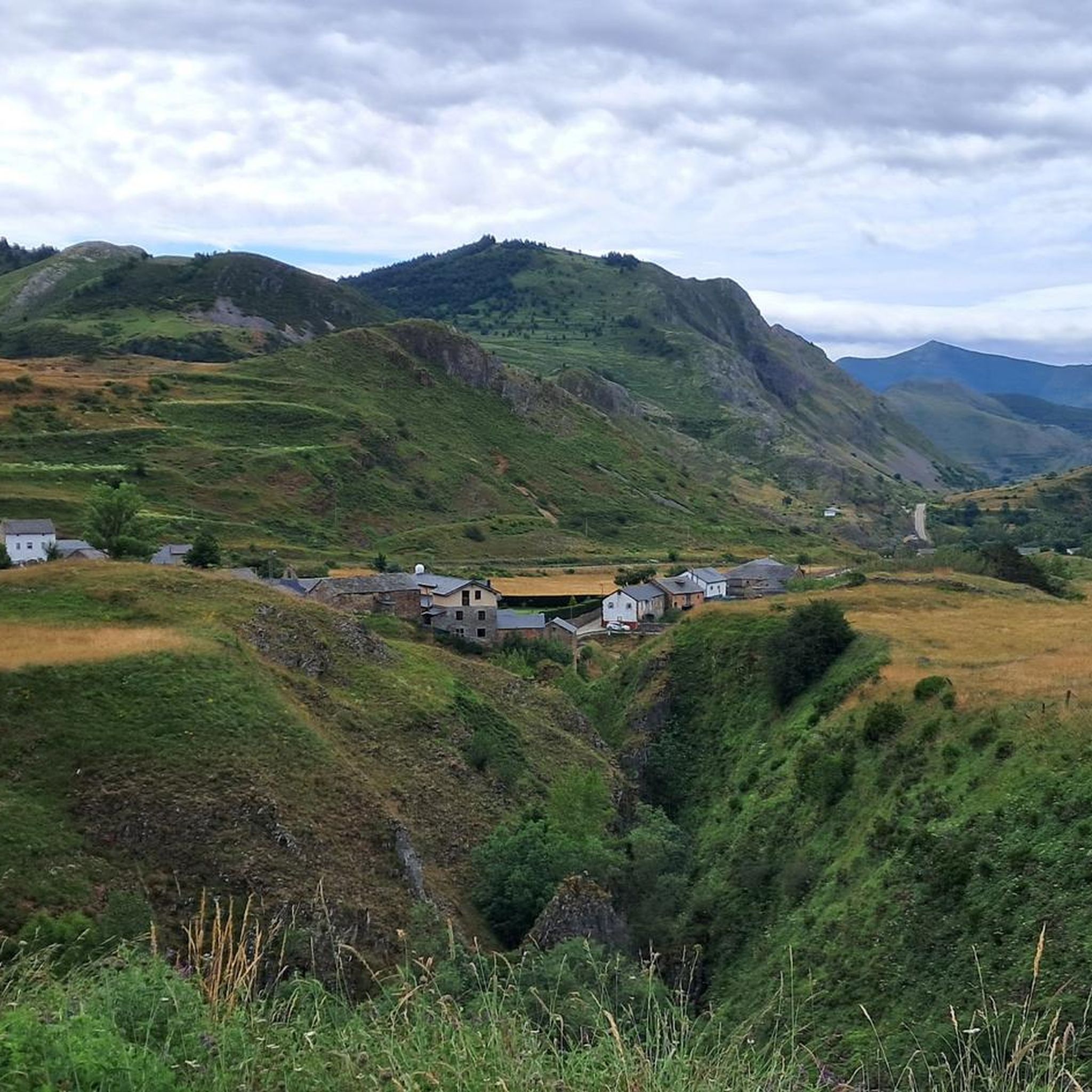
In this meadow or braña there are various traditional constructions, such as olleras and pallozas, associated with livestock farming and cheese making. The pots are stone constructions, located next to fountains, in order to use the water to cool the milk that the pots contained. The pallozas are traditional circular constructions made of stone and with wooden roofs covered with straw. This place was occupied from May to October, and has good views towards the Caunedo valley.
2
0

An ideal place to cool off, drink delicious water, and protect yourself from the sun on the hottest summer days.
0
0

One of the most beautiful brañas in the Somiedo Natural Park. From Llamardal, in just over two kilometers you can reach this place.
1
0

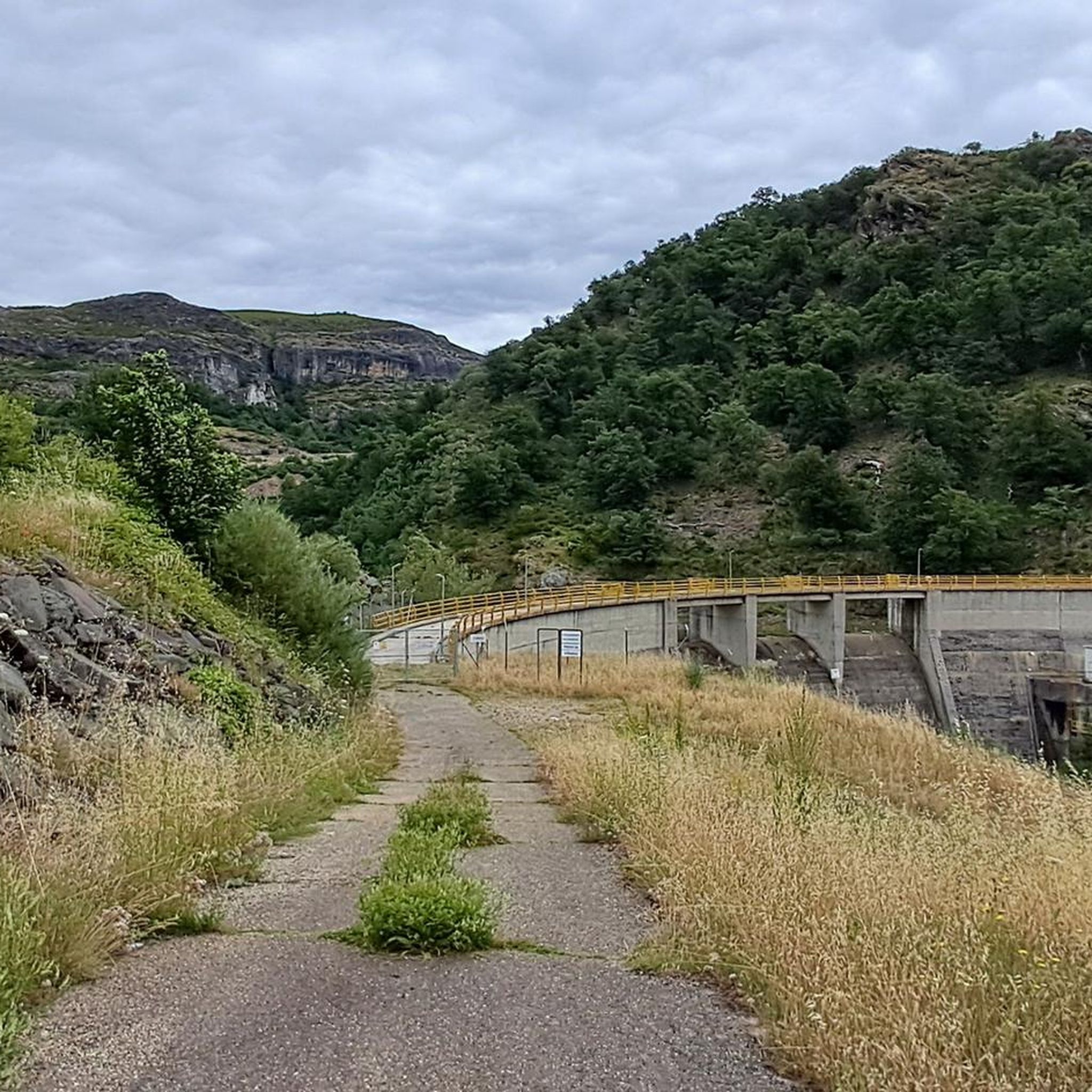
This 1,525 meter mountain pass is one of the highest climbs in the area. There is a small ski resort here and also good hiking and mountain biking trails.
0
0
Border port of Asturias and the province of León. On the Asturian side, starting from Cangas del Narcea, and following the traditional route along the AS-213 road, there are 34 km long and very steep climb, where the first 10 km to the town of Bimeda are on a false level. There is an alternative on this side by taking the detour towards Cibea / Sonande (CN-4 road) in the town of Las Mestas and returning to the main road (AS-213) in the town of Vallado. This alternative presents 4 km at 10% when leaving Sonande. I recommend going up the alternative route and going down the main road.
0
0

The Braña de Mumián or Momián is one of the most important brañas in Somiedo. The two easiest ways to get here are from El Llamardal or from the town of El Coto, crossing the beautiful beech forest of La Enramada.
4
0
Frequently Asked Questions
What natural features can I explore in the Villablino area?
The Villablino area, part of the UNESCO Biosphere Reserve of Laciana Valley, is rich in natural beauty. You can visit the Pico Cornón, one of the highest peaks in the Sierra de Gistredo, offering breathtaking views. The Puerto de Leitariegos mountain pass is another significant natural landmark, featuring a ski station and a glacier lagoon. The region is also home to ancient yew trees, such as the Milenary Yew Trees of Rioscuro, and the picturesque Cascada de Lumajo waterfall.
Are there any historical sites or traditional architecture to see around Villablino?
Yes, the region offers a rich historical and cultural heritage. You can explore Braña de Mumián, a historical site with traditional constructions like olleras and pallozas related to livestock farming. Another unique example is El Curuxéu Thatched Cottage, a traditional cabin with a vegetal roof. The area also features numerous pre-Roman forts (Castros) and traditional elements like mills, hórreos, and washing places in the villages.
What cultural attractions are available in Villablino?
Villablino offers several cultural attractions. The Casa de Cultura y Oficina de Turismo serves as a hub for cultural activities. You can also visit the Lavadero de carbón, a former coal washing facility that stands as a reminder of the region's mining heritage. For those interested in geology, the Aula Geológica de Robles houses over 500 fossils and minerals. Additionally, the Centro del Urogallo in Caboalles de Arriba provides insights into local flora, fauna, and the Cantabrian grouse.
What kind of outdoor activities can I do near Villablino's attractions?
The Villablino area is excellent for outdoor activities, especially cycling and running. For cycling, you can find routes like the 'Las Rozas Reservoir – Matalavilla Lake loop' or the 'Caboalles de Abajo loop'. If you prefer running, consider trails such as 'El Miro de Rabón y Pico Nevadín' or the 'Brañas de la Seita, Zaramedo, and Degollada Loop'. You can find more details on these and other routes in the Cycling around Villablino and Running Trails around Villablino guides.
Are there any family-friendly attractions or activities in the area?
Yes, the region offers options for families. While not directly in Villablino, the nearby town of Pola de Somiedo is considered family-friendly, with its charming streets and the Ethnographic Museum. The Puerto de Leitariegos also offers a natural setting that can be enjoyed by families, especially during winter for skiing or in warmer months for gentle walks. The Centro del Urogallo in Caboalles de Arriba provides an engaging exhibition about local wildlife and culture.
What is the best way to experience the region's mining heritage?
To experience the region's mining heritage, you can follow the Camino Natural del Ferrocarril Minero, a route that traces the old mining railway. This path allows you to admire the industrial history of the area. Additionally, the Lavadero de carbón, a former coal washing facility, stands as a tangible reminder of Villablino's past as a mining hub.
Where can I find panoramic views of the Laciana Valley?
For panoramic views of the Laciana Valley, consider hiking to Pico Cornón, which offers extensive vistas from its summit. The Puerto de Leitariegos also provides beautiful natural settings and viewpoints. Additionally, the peak of Cueto Nidio, over 1,700 meters high, is known for its excellent panoramic views of the valley.
What is special about the Laciana Valley Biosphere Reserve?
The Laciana Valley Biosphere Reserve is recognized by UNESCO for its exceptional ecological value. It features stunning valleys, high peaks, and diverse forests of oaks, birches, maples, and beeches. It's a crucial habitat for endangered species like the Cantabrian brown bear and the capercaillie, with the Sil River winding through its picturesque landscape.
Are there any unique traditional buildings to see in the villages?
Yes, the villages around Villablino preserve traditional architecture. You can see 'brañas,' which are high grazing areas featuring traditional huts, some converted into mountain refuges. The streets of Villablino and its neighboring villages showcase traditional elements like water troughs (potros), mills, hórreos (raised granaries), and houses with thick stone walls and large patios.
What do visitors enjoy most about the attractions around Villablino?
Visitors particularly appreciate the blend of natural beauty and historical significance. The traditional constructions at Braña de Mumián and the unique El Curuxéu Thatched Cottage are often highlighted. The challenging yet rewarding ascent to Pico Cornón for its views is also a favorite among mountaineers and hikers. The area's charm is further enhanced by its diverse fauna and flora.
Can I find any museums or interpretation centers in the area?
Yes, there are several. In Pola de Somiedo, you can visit the Ethnographic Museum, which provides insight into Asturian history and culture. The Castros Interpretation Center in Rioscuro offers information on the ancient pre-Roman forts. Additionally, La Lechería la Popular is a 1920s hydraulic dairy converted into a museum that still operates with its original machinery.
What are some notable landmarks within Villablino town itself?
Within Villablino, you can visit the Fundación Sierra-Pambley, an imposing stately home with a cultural and educational purpose. The Parque El Minero is the largest green space in the upper part of the town, offering a pleasant area for relaxation. The Iglesia de San Miguel is also an important example of rural Romanesque architecture.
Most popular attractions around Villablino

Get inspired with the komoot mobile app


Explore more
Still not found the Highlight you’re looking for? See guides of the top attractions in other regions:
