The best walks and hikes around Villanova
4.5
(665)
6,164
hikers
218
hikes
Hiking trails around Villanova are situated in a mountainous region, characterized by varied terrain including valleys, hills, and river areas. The landscape features a mix of natural paths and routes connecting small villages and historical sites. Elevation changes are common, offering diverse hiking experiences.
Best hiking trails around Villanova
- The most popular hiking route is Es Solans Trail – Church of San Andrés de Sos loop from Villanova/Villanoba, a 7.8 miles (12.6 km) trail that takes 3 hours 37…
Last updated: July 4, 2026
4.0
(1)
20
hikers
Moderate hike. Good fitness required. Easily-accessible paths. Suitable for all skill levels.
5.0
(2)
25
hikers
2.66km
01:09
180m
180m
Moderate hike. Great for any fitness level. Mostly accessible paths. Sure-footedness required.

Sign up for free
5.0
(1)
19
hikers
9.66km
02:31
70m
70m
Moderate hike. Good fitness required. Easily-accessible paths. Suitable for all skill levels.
4.0
(2)
19
hikers
Moderate hike. Good fitness required. Mostly accessible paths. Sure-footedness required.
5.0
(1)
18
hikers
16.0km
04:25
270m
270m
Moderate hike. Good fitness required. Easily-accessible paths. Suitable for all skill levels.
Get access to more routes and recommendations from other explorers.
Sign up for free
Already have an account?
Our route recommendations are based on thousands of hikes, rides, and runs completed by other people on komoot.
Start today with a free account
Your next adventure awaits.
Login or Signup
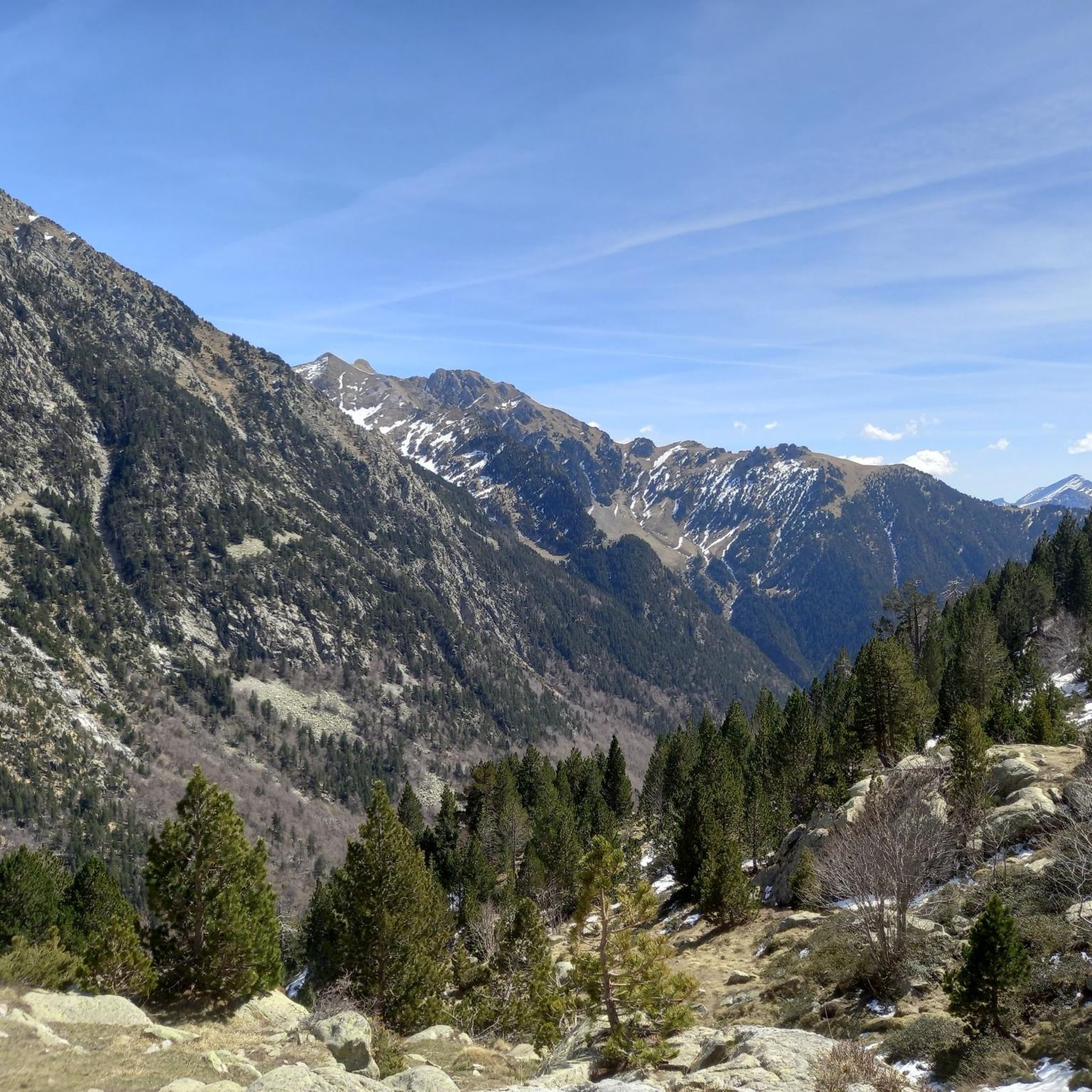
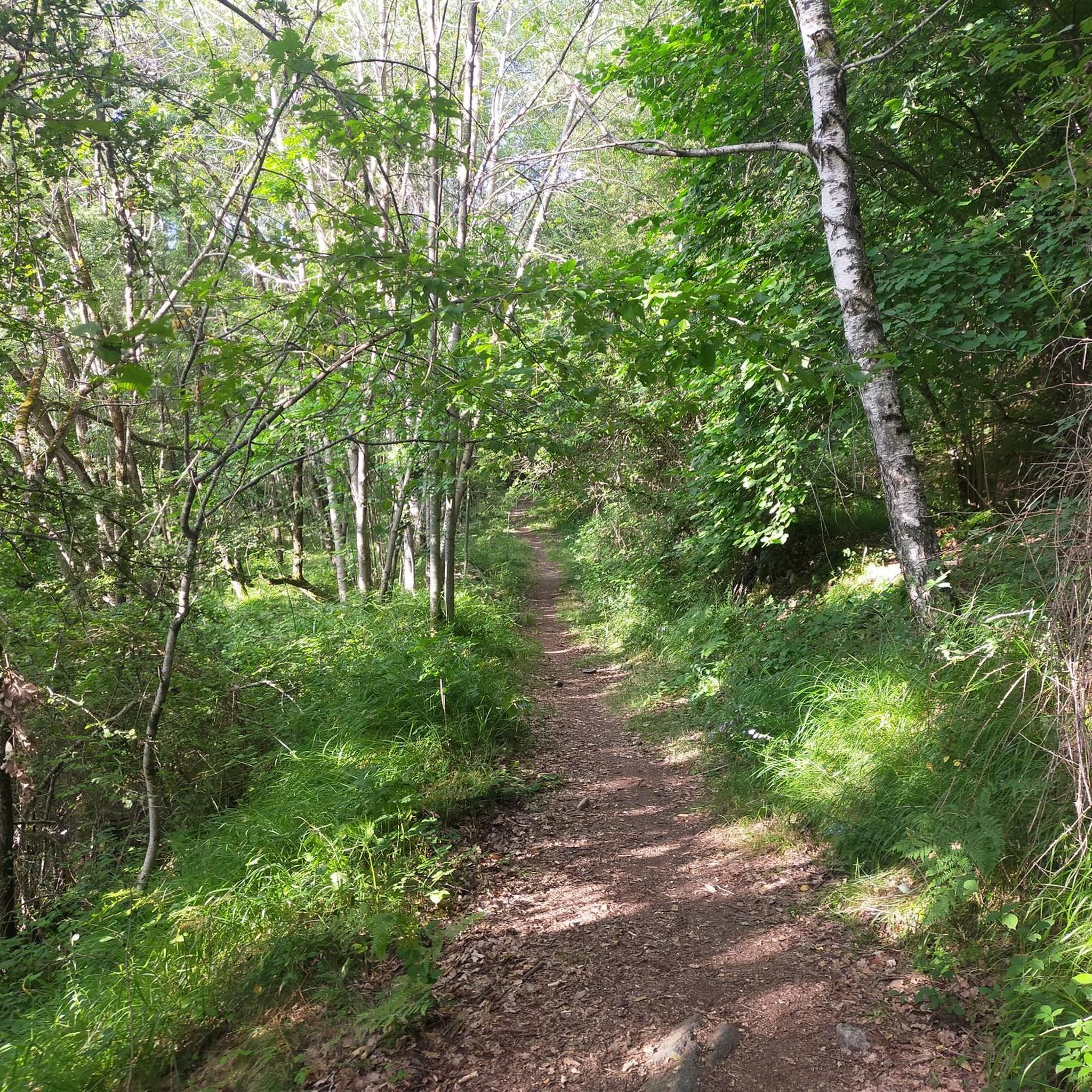

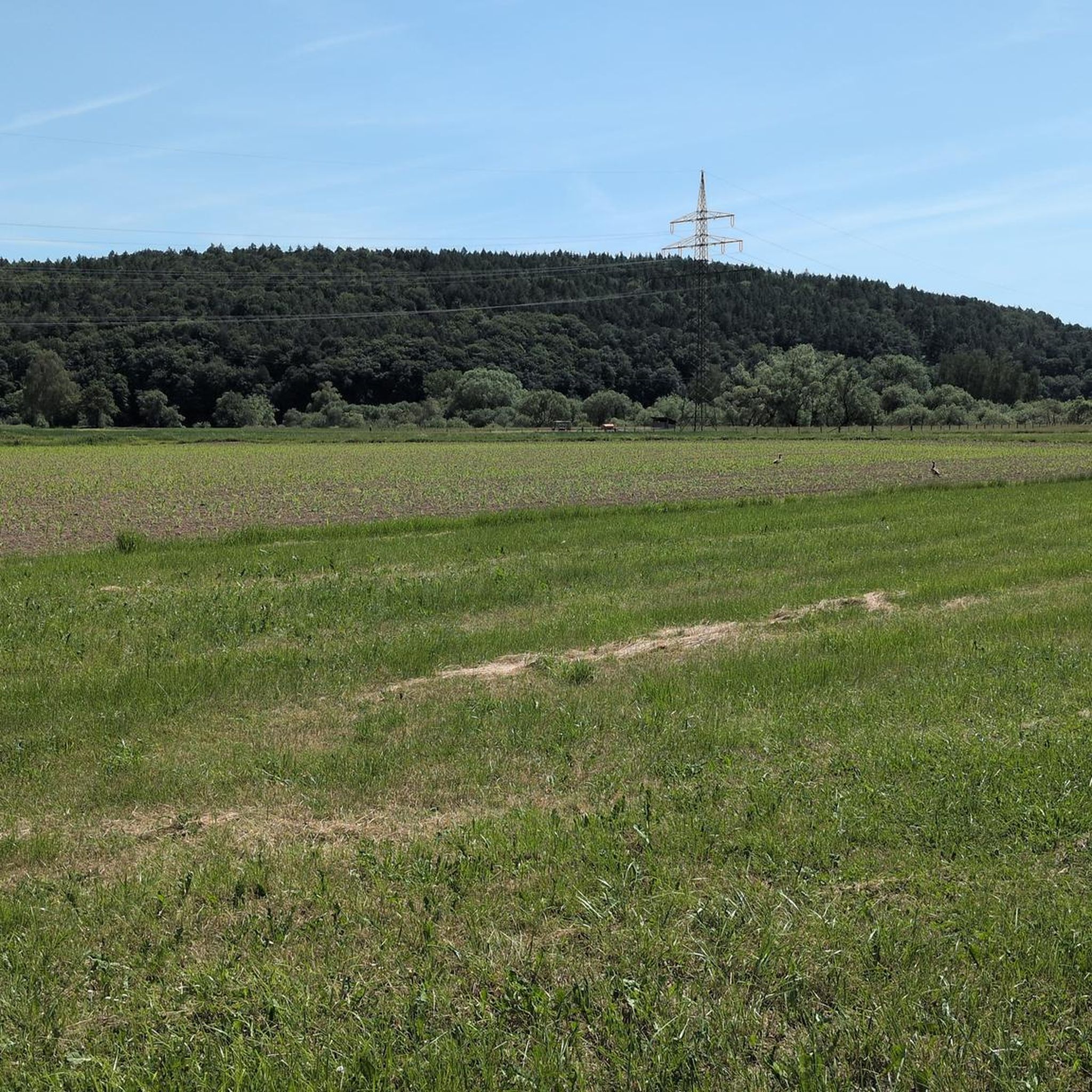
Tips from the Community

The first documentation that mentions the existence of the population dates back to the beginning of the 11th century. It is precisely in 1006 when the sale of a vineyard owned by Guinta to Enardo is certified. This space received the name of Billanue del Valle de Sos. Later, in 1017, another document indicates the purchase of this land by Enardo from Bonofolio de Sos. The main history of Villanova converges with that of other municipalities in the Alto del Ésera Valley, as a stop halfway between Castejón de Sos and Benasque. The outstanding architecture of the 16th century, a century in which the church of San Pedro was expanded and the houses of the Lord of Bardaixí, Betrán and Riu were built or improved, denotes a flourishing period for the progress of Villanova.
0
0
The nucleus of Sos is known as the oldest inhabited point in the Sositania Valley. Land for cultivating vines and cereals, it was an important medieval redoubt, which proves that in the 11th century Benasque and Cerler were under its government. The church of San Andrés illustrates this rich history. Romanesque, its construction dates back to the 12th century, although it was built on a previous temple. Around the town there are several hermitages, among which the Virgen del Puy and Santa Lucía stand out. The name Sos comes from the Latin Susum-Sursum which means 'upwards'.
0
0
Open during the summer months from 10 a.m. to 6:30 p.m. Kayaks can be rented for €12 per person per hour.
0
0
Currently called Lake Eriste, it has also been known as the Eriste or Linsoles Reservoir. It was built in the 1960s as part of the creation of the Eriste Hydroelectric Power Station, although its function is to collect water from the power station and accumulate it for the Sesué generating station. A pleasant path runs along its left bank with numerous benches and picnic tables where you can make stops.
0
0
On July 28, 1963, there was a major flood that delayed the inauguration of this dam. Anecdotally, the gates of the dam stayed closed and the swamp water began to overflow. The neighbors came to pull with chains, like a ratchet, to open the gates and allow the water to come out.
0
0
The top of Castellaso, which can also be reached without doing the via ferrata, has one of the best views of the Collado de Sahún and the valley formed by the Surri ravine.
1
0
This wooden lever (bridge) is wide enough for a car to pass over it, since it is located on the traditional road that connects Sahún with Villanova.
0
0
The urban area of Sahún is one of those that best preserves the traditional architecture of the area (stone masonry houses, carved stone gates and windows, Romanesque Church of San Juan Bautista, old troughs for cattle), in addition to being located between two basins, that of Cambra and that of Llisat or Surri, fed by water from the lakes (high mountain lakes) of Barbarisa and Bagüeña, nestled in the Posets Malade Natural Park. ta.
0
0
Frequently Asked Questions
How many hiking trails are available around Villanova?
There are over 200 hiking routes around Villanova, offering a wide range of options for different skill levels. This includes 35 easy trails, 105 moderate routes, and 65 difficult paths for more experienced hikers.
Are there any circular hiking routes in Villanova?
Yes, many routes around Villanova are circular. For example, you can explore the Es Solans Trail – Church of San Andrés de Sos loop from Villanova/Villanoba, a moderate 7.8-mile trail, or the shorter Castellaso summit loop from Villanova/Villanoba, which is 1.6 miles and offers summit views.
What kind of terrain can I expect on hikes around Villanova?
Hiking trails around Villanova are characterized by varied terrain, including mountainous paths, river valleys, and routes connecting small villages and historical sites. You'll encounter elevation changes, offering diverse experiences from moderate climbs to less strenuous paths.
What do other hikers say about the trails in Villanova?
The komoot community highly rates the trails in Villanova, with an average score of 4.5 stars from over 600 reviews. Hikers often praise the varied terrain, the well-maintained paths, and the opportunities to explore historical sites and natural beauty.
Are there any notable natural attractions or landmarks to see while hiking?
Yes, the region offers several natural attractions. You can find stunning waterfalls like the Ardonés Waterfall or the Remáscaro Gorge Waterfalls. For those seeking panoramic views, there are mountain peaks such as Collado de Sahún and Posets Summit.
Are there any easy hiking options for beginners or families?
Yes, Villanova offers 35 easy hiking routes suitable for beginners or families. While specific family-friendly routes are not detailed, these easier paths generally have less challenging terrain and elevation changes, making them accessible for a wider range of abilities.
Can I find trails that connect villages or historical sites?
Absolutely. Many routes in Villanova are designed to connect historical churches and villages. An example is the Church of San Juan Bautista – Sahún Historic Village Center loop from Villanova/Villanoba, which allows you to explore local heritage while hiking.
What is the longest moderate hike available?
One of the longer moderate hikes is the Lago de Eriste – Eriste (Grist) loop from Villanova/Villanoba. This route spans 10 miles (16.0 km) and typically takes around 4 hours 25 minutes to complete.
Are there opportunities for birdwatching or wildlife spotting?
While specific details on birdwatching are not provided for Villanova, the diverse natural landscapes, including river valleys and mountainous areas, generally offer good opportunities for observing local wildlife and birds. Many hikers enjoy the tranquility of these natural settings.
What is the elevation gain like on the trails?
Elevation changes are common in Villanova. For instance, the Es Solans Trail – Church of San Andrés de Sos loop from Villanova/Villanoba has a notable elevation gain of 967 feet (295 m), while the Castellaso summit loop from Villanova/Villanoba features a gain of 588 feet (179 m) to its summit.
How can I find less crowded hiking trails in Villanova?
To find less crowded trails, consider exploring some of the 200+ routes that are not among the most popular. While specific 'less crowded' labels aren't available, opting for trails outside of peak times or slightly longer, more challenging routes can often lead to a more solitary experience.
Most popular routes around Villanova
Most popular attractions around Villanova

Get inspired with the komoot mobile app


Explore more
Browse the best Hikes in other regions.
