The best road cycling routes around El Cabaco
4.8
(8)
751
riders
36
rides
Road cycling routes around El Cabaco are situated within the Las Batuecas-Sierra de Francia Natural Park in Salamanca, Spain. The region features diverse and challenging landscapes, including the prominent Peña de Francia mountain, which offers significant elevation changes and panoramic views. Extensive pine and oak forests, interspersed with ancient chestnut trees, characterize the terrain. Deep, isolated valleys and streams also contribute to the varied environment for road cyclists.
Best road cycling routes around El Cabaco
- The most popular road cycling…
Last updated: July 16, 2026
5.0
(1)
37
riders
48.2km
02:42
1,090m
1,090m
This difficult 30.0-mile (48.2 km) road cycling loop from El Maíllo climbs Peña de Francia, offering panoramic views and a significant chall
19
riders
95.2km
05:10
1,940m
1,940m
This difficult 59.2-mile road cycling route from El Maíllo features 6352 feet of elevation gain, passing Portillo Viewpoint and Robledo Pass

Sign up for free
4.0
(4)
155
riders
77.2km
04:01
1,410m
1,410m
Hard road ride. Very good fitness required. Mostly well-paved surfaces and easy to ride.
41
riders
94.8km
05:01
1,780m
1,780m
Hard road ride. Very good fitness required. Some segments of this route may be unpaved and difficult to ride.
18
riders
89.8km
04:14
1,180m
1,180m
Hard road ride. Very good fitness required. Mostly well-paved surfaces and easy to ride.
Get access to more routes and recommendations from other explorers.
Sign up for free
Already have an account?
Our route recommendations are based on thousands of hikes, rides, and runs completed by other people on komoot.
Start today with a free account
Your next adventure awaits.
Login or Signup
Tips from the Community

At the village's social meeting point, the Plaza Mayor with its arcades, stands a beautiful granite pilgrim's cross.
11
0
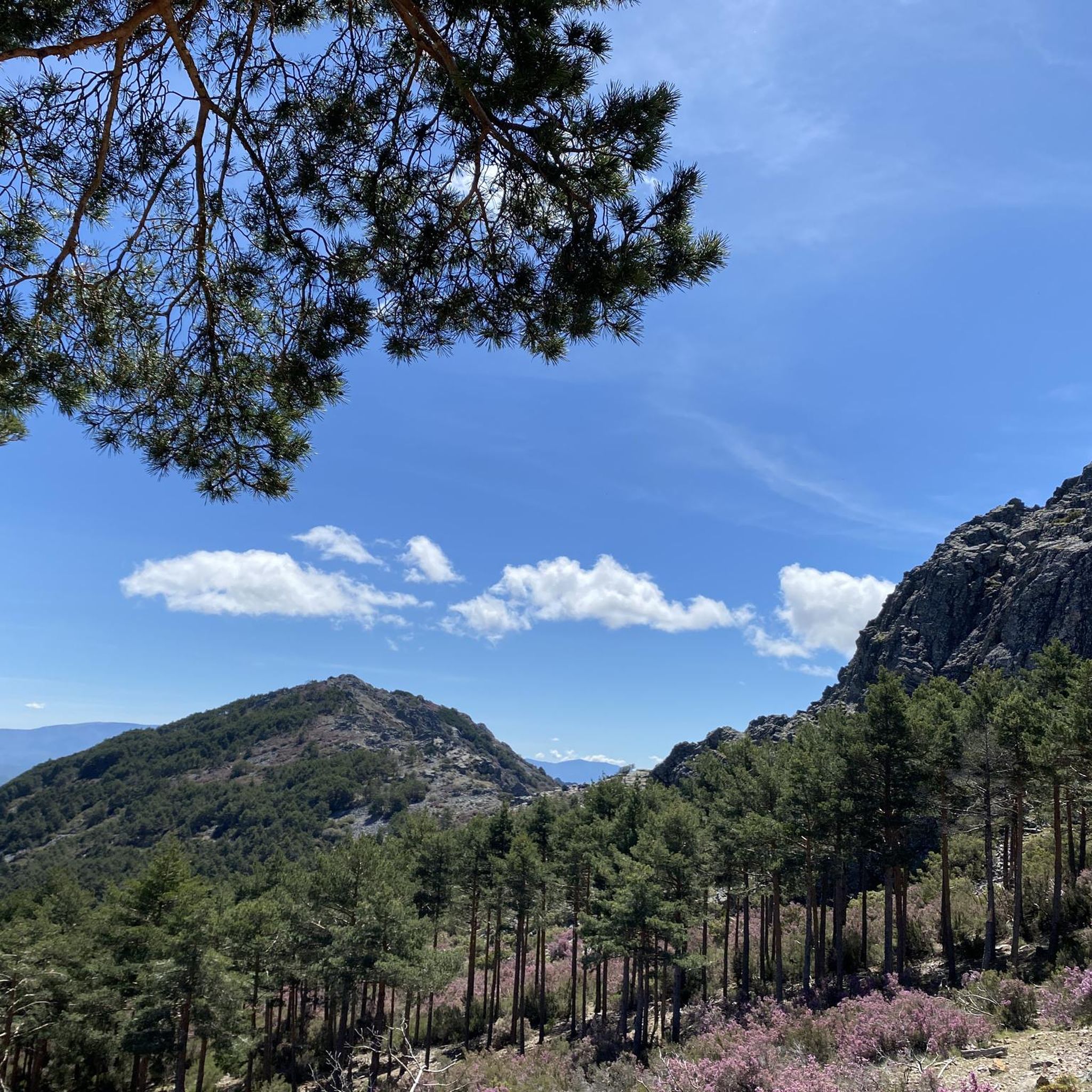
Beautiful top with views and a restaurant run by modern monks.
0
0
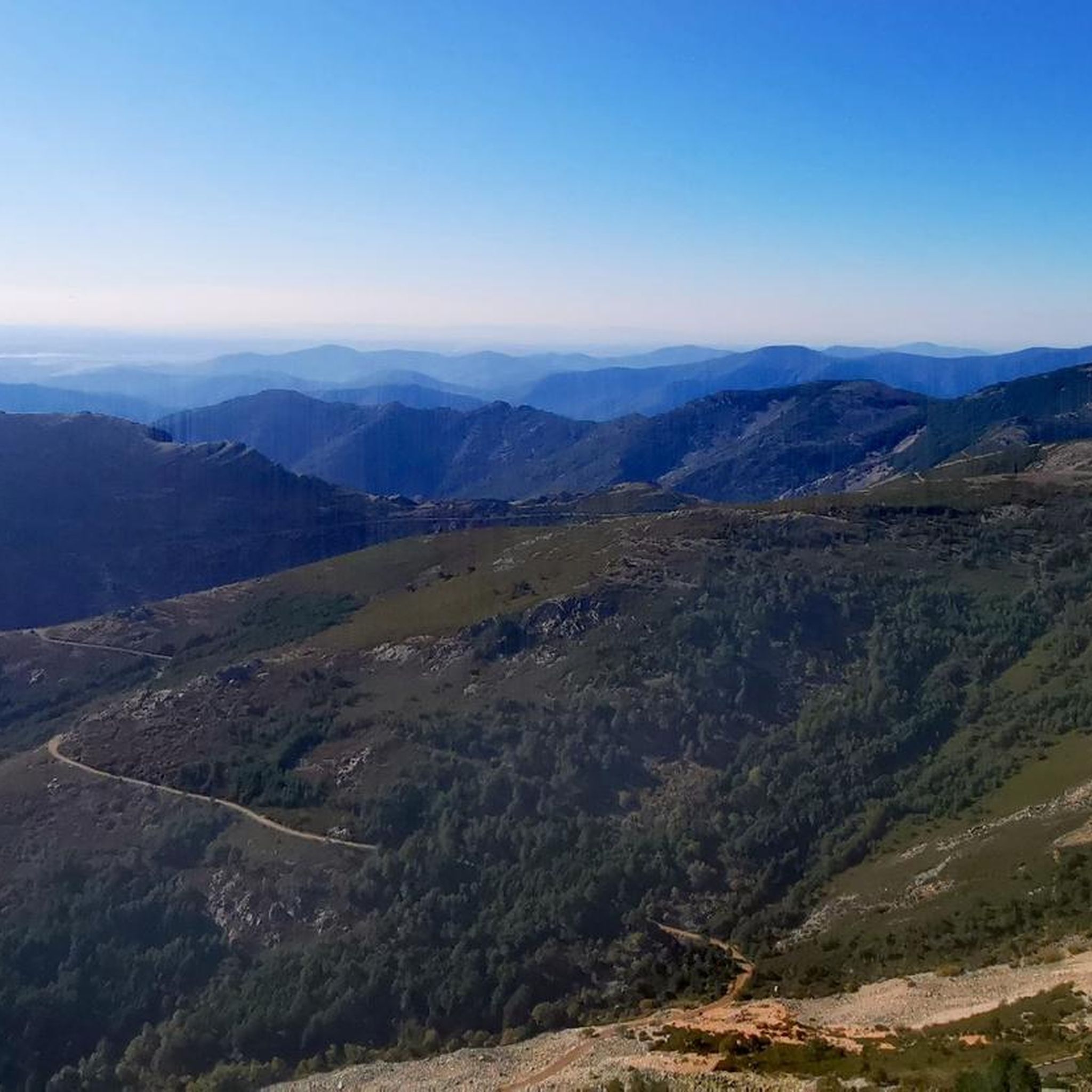
Beautiful view here, now the last stretch to the top with 200 altitude meters to go.
0
0

On the SA-205 highway, just outside San Esteban de la Sierra heading towards Santibáñez de la Sierra, you'll find the entrance to the Sierra Viewpoints Route, which includes several spectacular panoramic viewpoints. Views: The Alagón River Valley and its meanders. The Sierra de Francia mountain range with the Peña de Francia peak in the background. The Sierra de Béjar mountain range and the Las Quilamas Natural Area. This viewpoint is a magnificent natural balcony, perfect for photography and birdwatching (vultures, eagles, black storks).
2
0
What to see in Miranda del Castañar Medieval Walls: Over 600 meters remain intact, with four gates facing the cardinal directions: San Ginés, Nuestra Señora, La Villa, and El Postigo. Zúñiga Castle: A 15th-century fortress, symbol of the former County of Miranda. Although the interior is not open to the public, its exterior and keep are impressive. Square Bullring: Considered one of the oldest in Spain, built in the 16th century on the site of the former parade ground. Church of Santiago and San Ginés: Gothic in style (13th-16th centuries), with a detached 17th-century bell tower. Houses with Coats of Arms: More than 80 noble coats of arms adorn the facades, reflecting the town's aristocratic past.
8
0
Miranda del Castañar, one of the most beautiful villages in Spain, is located in the Sierra de Francia (Salamanca): Founded in 1213 by Alfonso IX of León as a town and council, it was the administrative capital of the Sierra de Francia. In the 15th century, the County of Miranda was created under the control of the Zúñiga family, consolidating its strategic importance.
9
0
The Plaza Mayor of Ciudad Rodrigo is the historical and social heart of the city, with a rich history that reflects its importance as an urban center: Since the Middle Ages, the Plaza Mayor has been the hub of public life: markets, proclamations, and council meetings were held there in the cloister of the former Church of San Juan. In the 16th century, public butcher shops were built, and it became a consolidated space for commercial and festive activities. Until then, the square was home to the Three Roman Columns, a vestige of the ancient Miróbriga, which had been a symbol of the city since the 13th century. In 1580, the square was expanded, incorporating the space that once housed the old prison and the Audiencia (Courthouse). It even had corridors for watching bullfights, a tradition that continues during carnivals.
7
0

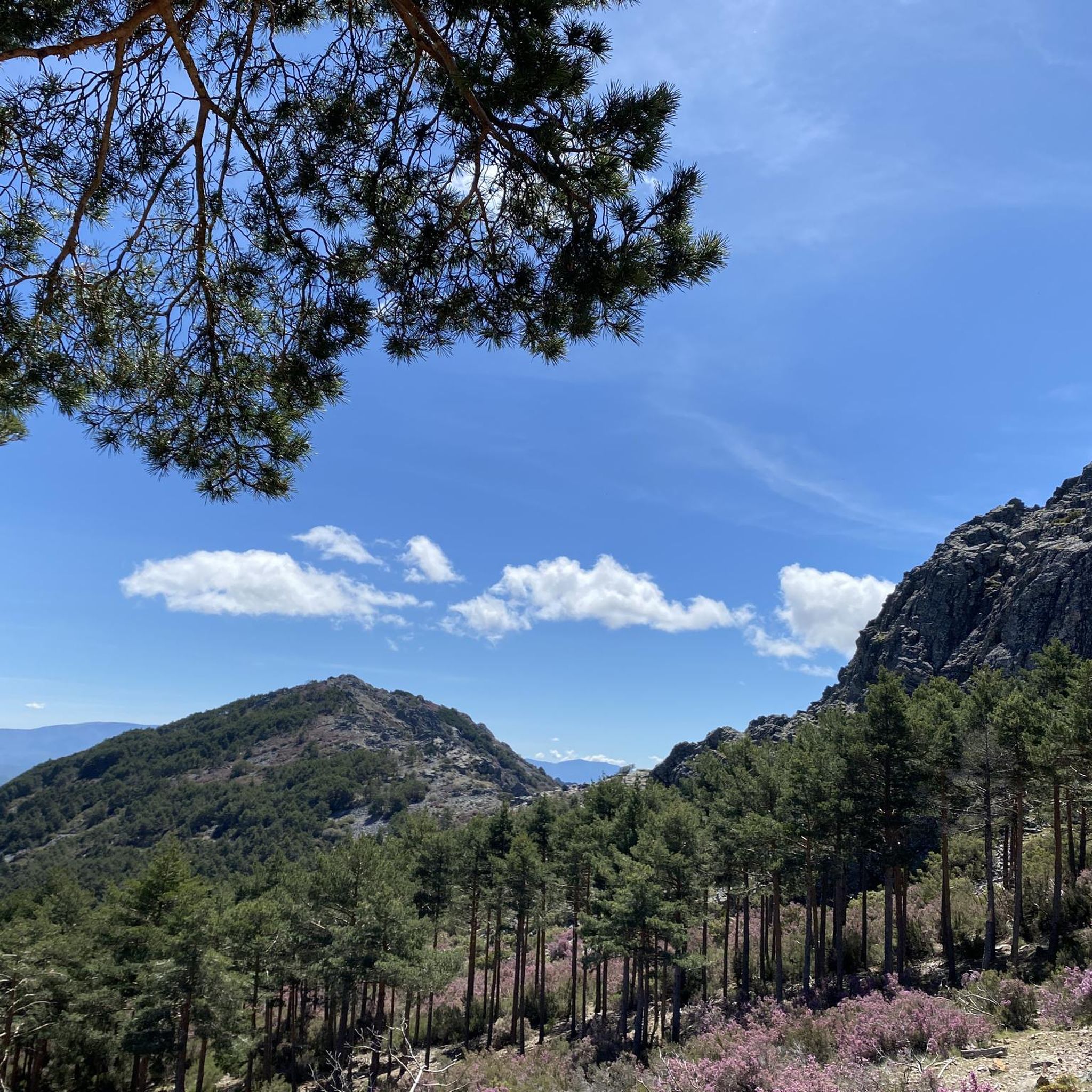
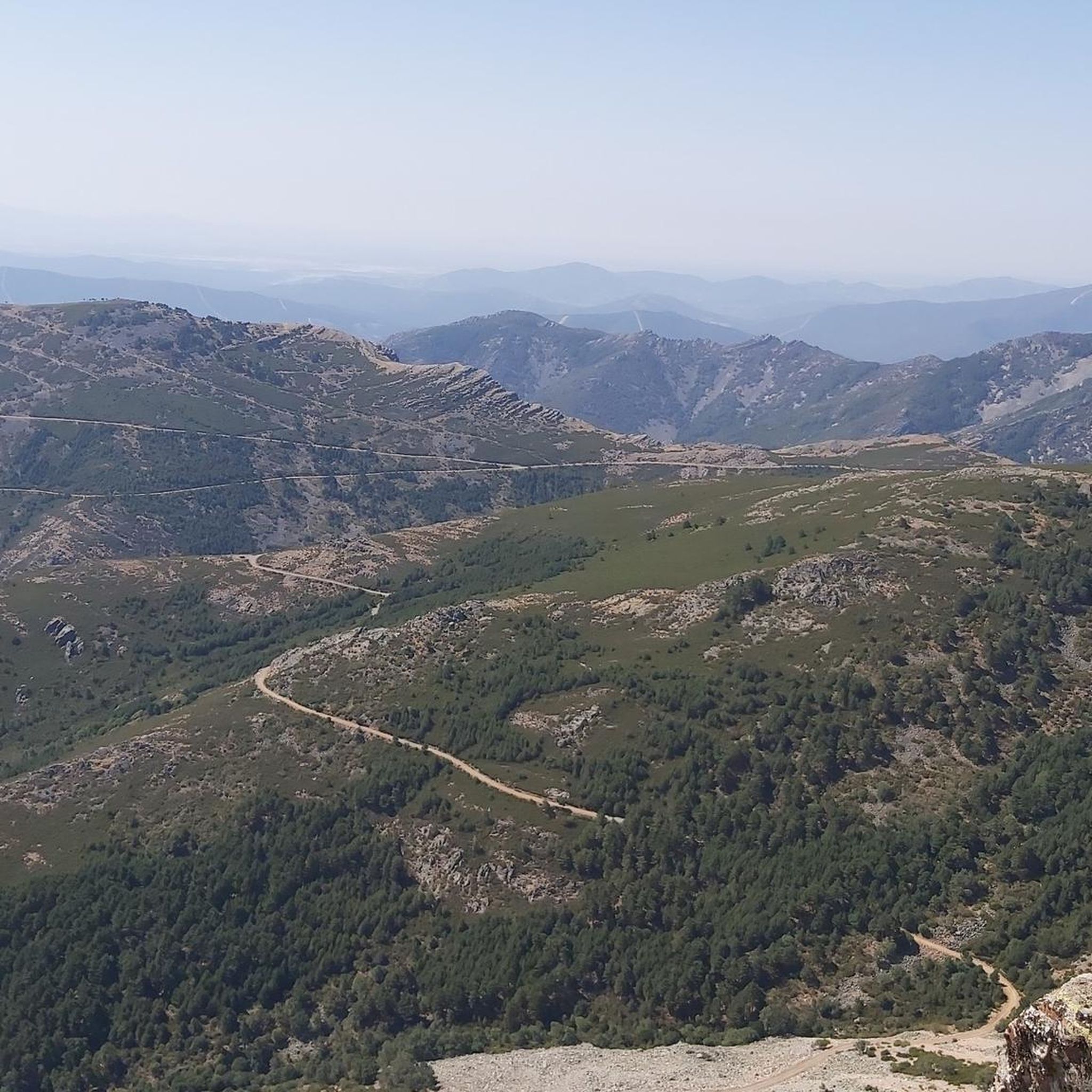
This is the Wolves Pass, the end of the climb to Peña de Francia (Granite Throne) ;)
0
0
Frequently Asked Questions
What kind of terrain can I expect on road cycling routes around El Cabaco?
Road cycling routes around El Cabaco traverse diverse and challenging landscapes within the Las Batuecas-Sierra de Francia Natural Park. You'll encounter prominent mountains like Peña de Francia, offering significant elevation changes and panoramic views. The terrain also features extensive pine and oak forests, ancient chestnut trees, and deep, isolated valleys with streams, providing a dynamic environment for cyclists.
How many road cycling routes are available in the El Cabaco area?
There are nearly 30 road cycling routes available around El Cabaco. These routes cater to various skill levels, with 12 moderate and 17 difficult options, ensuring there's a suitable challenge for most road cyclists.
Are there challenging climbs for experienced road cyclists in El Cabaco?
Yes, El Cabaco is known for its challenging ascents, particularly to Peña de Francia. Routes like the Peña de Francia CIMA Loop from El Maíllo feature over 1,000 meters of elevation gain over 48.2 km. Another demanding option is the Alto del Portillo and Puerto de Robledo Loop, which covers 95.2 km with nearly 2,000 meters of ascent.
Are there any circular road cycling routes around El Cabaco?
Yes, many routes in the area are circular. For instance, the La Alberca Main Square – Portillo Viewpoint loop from El Maíllo is a 77.2 km circular trail offering varied landscapes and scenic viewpoints. Another option is the Ascent to Puerto de Valero – La Alberca Main Square loop from El Maíllo, a 94.8 km circular route.
What are some notable landmarks or attractions I can see while road cycling in El Cabaco?
The region offers several interesting landmarks. You can visit the historic Sanctuary of Our Lady of the Peña de Francia at the summit of Peña de Francia. Other natural attractions include San Marcos Lagoon and the ancient Roman gold mines known as 'Cavenes' which have shaped a unique landscape.
What do other road cyclists say about the routes in El Cabaco?
The road cycling routes around El Cabaco are highly rated by the komoot community, with an average score of 4.5 stars from over 5 reviews. Cyclists often praise the challenging ascents, panoramic views from peaks like Peña de Francia, and the diverse natural beauty of the Las Batuecas-Sierra de Francia Natural Park.
Are there any routes that offer panoramic viewpoints?
Absolutely. The ascent to Peña de Francia is a highlight for panoramic views, encompassing plains, villages, other mountain ranges, and even the Gabriel y Galán reservoir. Routes like the La Alberca Main Square – Portillo Viewpoint loop from El Maíllo are specifically designed to lead through varied landscapes with scenic viewpoints.
What is the best time of year for road cycling in El Cabaco?
The region's diverse flora, including extensive pine and oak forests, suggests that spring and autumn would offer pleasant temperatures and beautiful scenery. Summer can be warm, especially on exposed climbs, while winter might bring colder conditions at higher elevations like Peña de Francia.
Are there any routes that pass through historical sites?
Yes, beyond natural beauty, you can encounter historical sites. The 'Cavenes,' ancient Roman gold mines, have sculpted a unique landscape that some routes may pass through. Additionally, the Canchal de las Cabras Pintadas is another historical site in the area.
What kind of wildlife might I encounter while cycling in the area?
The Las Batuecas-Sierra de Francia Natural Park is home to diverse wildlife. You might spot wild goats, deer, foxes, and wild boars. The slopes of Peña de Francia are also a habitat for the ibex, an emblematic species of Spanish hunting fauna.
Are there any less crowded road cycling routes in El Cabaco?
While specific crowd levels vary, the region offers a wide network of routes. Exploring some of the less-trafficked roads through the extensive pine and oak forests or deep valleys might provide a more secluded experience. Consider routes that venture further into the natural park away from the most popular ascents.
Most popular attractions around El Cabaco

Get inspired with the komoot mobile app


Explore more
Browse the best Road cycling routes in other regions.
