Attractions and Places To See around Hueva - Top 19
Best attractions and places to see around Hueva include historical sites, religious buildings, and charming village centers. This region offers a glimpse into historical architecture and local culture. Visitors can explore ancient ruins and well-preserved town squares, providing diverse experiences for those interested in history and local heritage.
Best attractions and places to see around Hueva
- The most popular attractions is Pastrana Village Center, a settlement known for its narrow streets and historical significance. It is often associated with the Duchess of Éboli and offers a glimpse into a preserved historical environment.
- Another must-see spot is Collegiate Church (Pastrana), a religious building located in the historic center of Pastrana. This Catholic temple houses the Parish Tapestry Museum and features a grand interior despite its simple exterior.
- Visitors also love Ruins of the Ermita de Nuestra Señora de los Llanos, a religious building and historical site. These monumental ruins are located on a hill overlooking the Tajuña and Hontoba stream valleys, offering extensive panoramas.
- Hueva is known for historical sites, religious buildings, and village centers. The region offers a variety of attractions to see and explore, from ancient ruins to well-preserved town squares.
- The attractions around Hueva are appreciated by the komoot community, with 3 upvotes and 10 photos shared by visitors.
Last updated: May 10, 2026
Ruins of the Ermita de Nuestra Señora de los Llanos
Highlight • Religious Site
At the top of the hill that guards Hontoba to the north, there are still the monumental ruins of what was the hermitage of Nuestra Señora de los LLanos, of ancient medieval origin, according to a legend that tells how the Virgin appeared to a shepherd there, and to the one who asked for a hermitage to be erected. For centuries there was a large influx of devotees and the celebration of pilgrimages at that height, from which extensive panoramas are contemplated.
Next to it, the Hieronymite monks from Tendilla installed a house, who attended the cult of the hermitage, and collected alms. And the Dukes of the Infantado also liked to spend long periods of time there, especially the fourth Duke, the elderly Don Íñigo López de Mendoza, in the middle of the 16th century. The current remains are from the hermitage that, in a grandiose baroque style, was built around the 18th century, and they contain nothing artistic.
Source: aache.com/hontoba
Translated by Google •
Tip by

Pastrana
Highlight • Settlement
Pastrana is enriched with figures and literary stories; Thus, its Carmelite convents were founded by Saint Teresa and Saint John of the Cross. Moratín later settled in the town for long periods of time and, closer to our days, Camilo José Cela immortalized it by portraying it in his Viaje a la Alcarria.
The Plaza de la Hora is governed by the imposing Ducal Palace, in Renaissance style and with an abundance of Mannerist elements. Some wonderful coffered ceilings also designed by Alonso de Covarrubias, in Plateresque style, have been preserved. Likewise, the skirting boards of Toledo tiles in the Mudejar style stand out.
It offers its visitors the opportunity to visit various museums and emblematic monuments of the town.
DUCAL PALACE
TAPESTRY MUSEUM
SANTA TERESA V CENTENARY MUSEUM
Translated by Google •
Tip by

Sign up now to discover places like this
Get recommendations on the best single tracks, peaks, & plenty of other exciting outdoor places.
Sign up for free
Church of San Pedro (Hontoba)
Highlight • Religious Site
Translated by Google •
Tip by
Plaza de la Hora
Highlight • Historical Site
It was designed within a palatial complex as a parade ground by the great architect Alonso de Covarrubias in 1541, at the request of Ana de la Cerda, the grandmother of the princess of Esboli. When his son-in-law, Ruy Gómez de Silva, took possession of the town, he ordered the construction of stone arcades on the two opposing sides to transform it into a market square. The Moors brought to Pastrana in 1570 by the Prince of Éboli were masters of horticulture and managed to prepare the land to the south of the square to create orchards and introduce fruit trees.
Later, the square was a place for public shows, including bullfights; the great balcony was added to the palace to enjoy them. Today it is the nerve center of the town, its main square, although it is not called that. It owes its name to a curious story:
The Princess of Éboli was imprisoned in her palace for years by order of Felipe II. Legend has it that for the last two years of her life she was confined to her room and was only allowed to go out on the balcony railing for one hour a day to sunbathe.
Translated by Google •
Tip by
Collegiate Church (Pastrana)
Highlight • Religious Site
In the 13th century, under the patronage of the Order of Calatrava, a first repopulated Romanesque-style church was built in a simple way in the space now occupied by the choir. In the following centuries there were several extensions and transformations of style.
Translated by Google •
Tip by
Sign up for free to discover even more attractions around Hueva.
Sign up for free
Already have an account?
Start today with a free account
Your next adventure awaits.
Login or Signup

Tips from the Community

The hermitage is located on a hill north of Hontoba, in the La Alcarria region, overlooking the Tajuña and Hontoba stream valleys from a promontory that reaches an altitude of approximately 901 meters. Its origins are unclear, although according to legend, the Virgin Mary appeared to a shepherd and asked that a hermitage be built. There are indications of a 13th-century chapel where the Virgin was already venerated. It was also a place of retreat for nobles such as Íñigo López de Mendoza, 4th Duke of the Infantado, in the 16th century. The hermitage is listed on the Red List of Endangered Heritage due to its alarming state of general ruin.
1
0
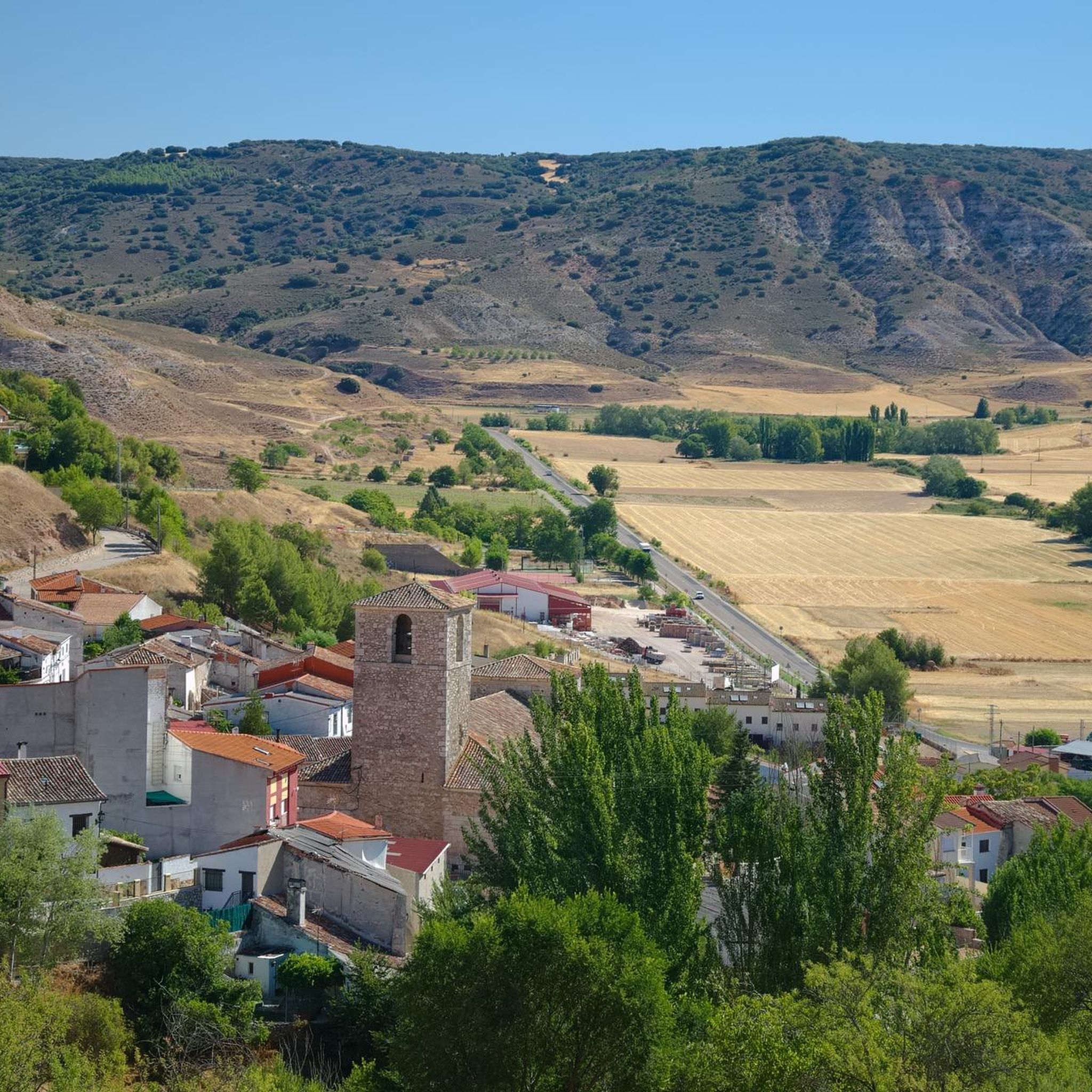
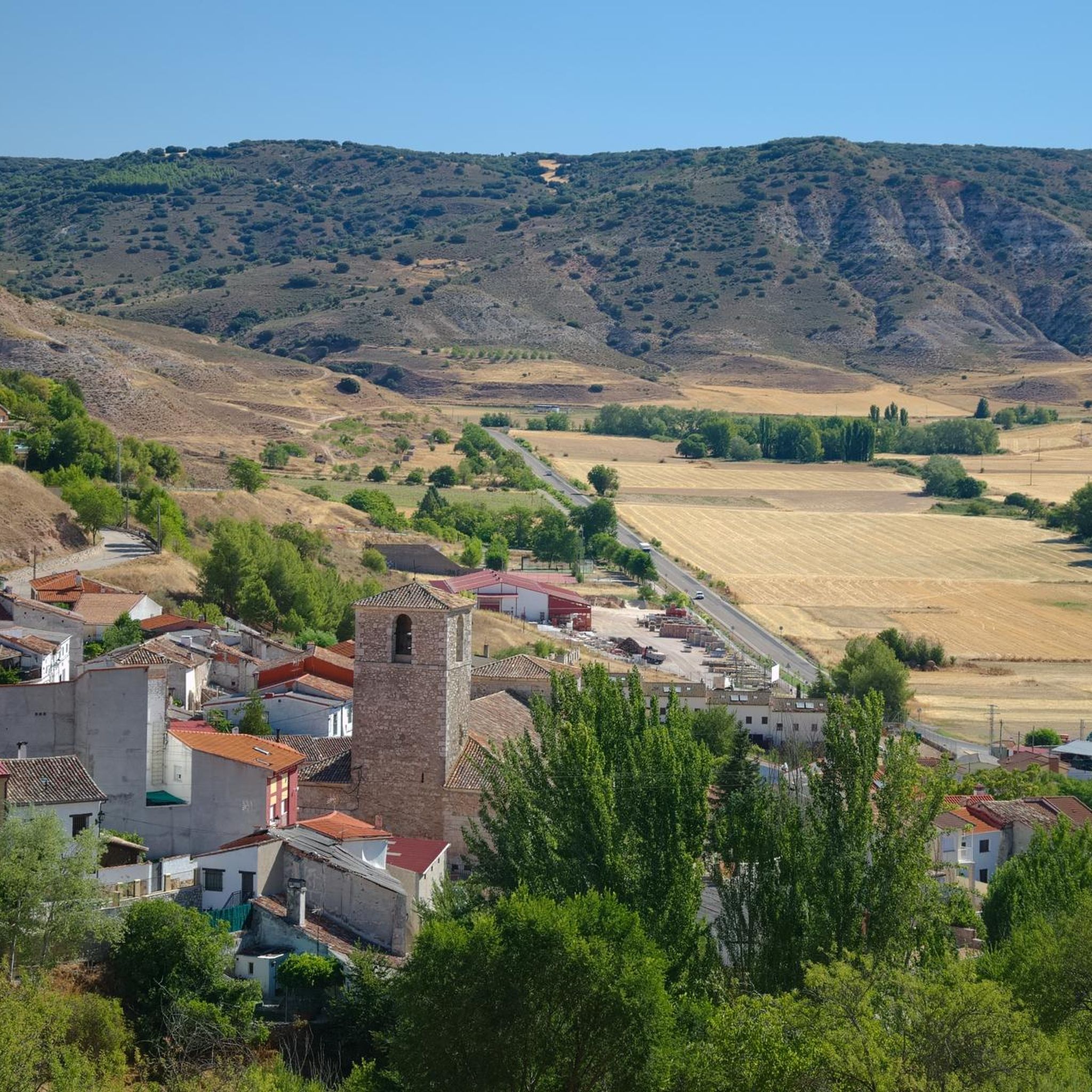
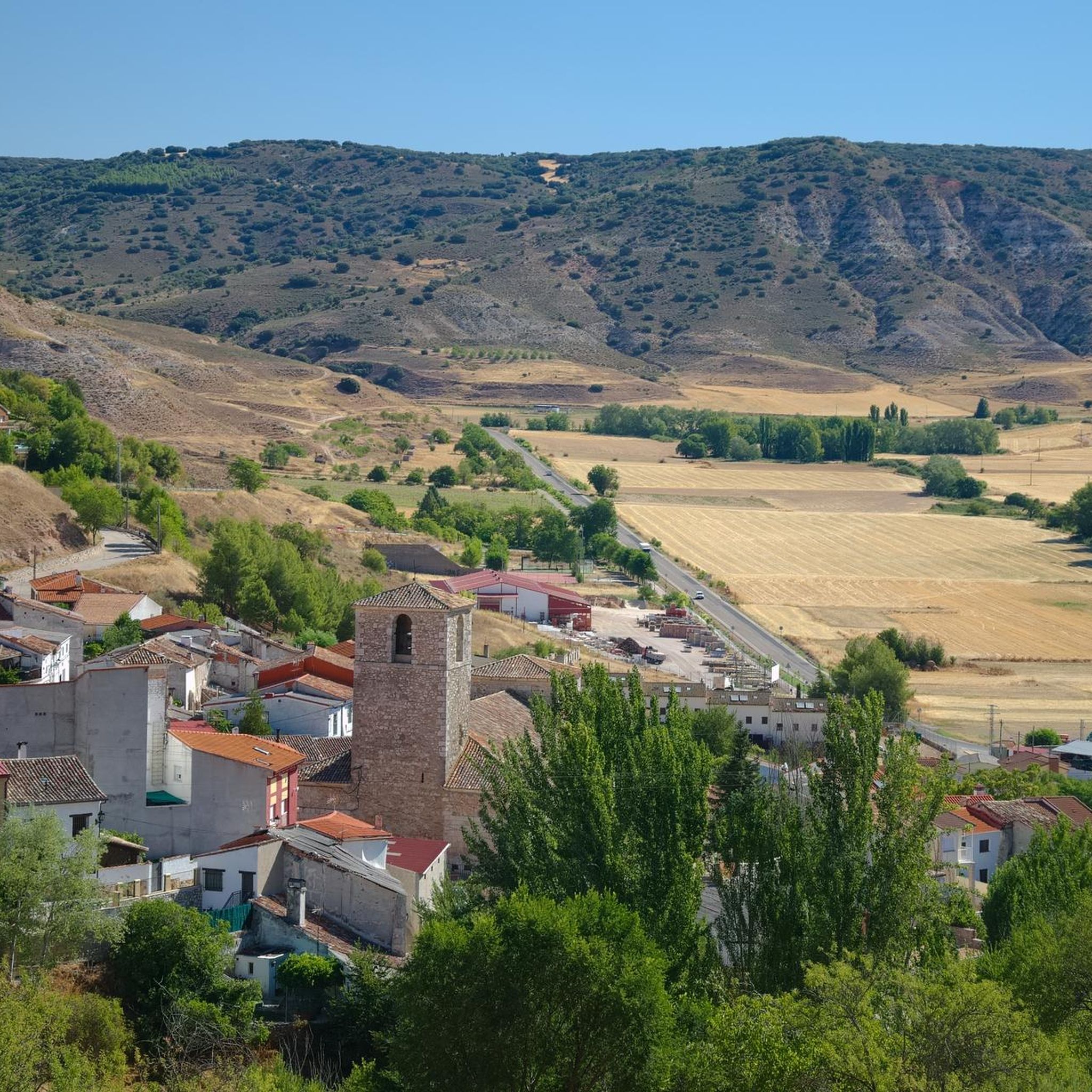
The church dedicated to San Pedro is from the 13th century but important reforms were carried out in it during the 15th century, the main nave was redone and two other lateral ones were added, for example. It preserves its original Romanesque head, the belfry and the presbytery. Inside, don't miss the Gothic ornaments, the Mudejar pair and knuckle armor; and the small ivory carving of the Virgen de los Llanos. It was declared B.I.C with the category of Monument in 1990.
3
0
In the plain of the Arles river, between the Tagus and the Tajuña, the Villa Ducal de Pastrana welcomes us. Its multiple samples of artistic and cultural heritage have given it the title of Artistic Historical Site. Pastrana is enriched with figures and literary stories; Thus, its Carmelite convents were founded by Saint Teresa and Saint John of the Cross. Moratín later settled in the town for long periods of time and, closer to our days, Camilo José Cela immortalized it by portraying it in his Viaje a la Alcarria. The Plaza de la Hora is governed by the imposing Ducal Palace, in Renaissance style and with an abundance of Mannerist elements. Some wonderful coffered ceilings also designed by Alonso de Covarrubias, in Plateresque style, have been preserved. Likewise, the skirting boards of Toledo tiles in the Mudejar style stand out. It offers its visitors the opportunity to visit various museums and emblematic monuments of the town. DUCAL PALACE TAPESTRY MUSEUM SANTA TERESA V CENTENARY MUSEUM
18
0

Catholic temple located in the main square of the Spanish town of Hontoba, belonging to the province of Guadalajara
1
0

Hontoba is a municipality in the province of Guadalajara and is located between Hueva and Loranca de Tajuña. The church is in perfect condition and right next to the road that passes through the town.
0
0
Pastrana is a Spanish town and municipality in the south of the province of Guadalajara and is located in the region of La Alcarria, where it had its peak between the 16th and 17th centuries. It was declared a historical-artistic complex in 1966.
0
0

Located in the region of La Alcarria, this small but picturesque town offers several places to visit with a lot of history to tell. Among them are its Plaza Mayor, the fountain of the Cuatro Caños, the Convent of San José and the Ducal Palace.
1
0

The Hermitage of the Plains At the top of the hill that guards Hontoba to the north, there are still the monumental ruins of what was the hermitage of Nuestra Señora de los LLanos, of ancient medieval origin, according to a legend that tells how the Virgin appeared to a shepherd there, and to the one who asked for a hermitage to be erected. For centuries there was a large influx of devotees and the celebration of pilgrimages at that height, from which extensive panoramas are contemplated. Next to it, the Hieronymite monks from Tendilla installed a house, who attended the cult of the hermitage, and collected alms. And the Dukes of the Infantado also liked to spend long periods of time there, especially the fourth Duke, the elderly Don Íñigo López de Mendoza, in the middle of the 16th century. The current remains are from the hermitage that, in a grandiose baroque style, was built around the 18th century, and they contain nothing artistic. Source: http://aache.com/hontoba/
2
0
Frequently Asked Questions
What types of attractions can I find around Hueva?
The Hueva region is rich in historical sites, religious buildings, and charming village centers. You can explore ancient ruins, well-preserved town squares, and significant architectural landmarks that offer a glimpse into the area's history and local culture.
Are there any notable historical sites to visit in Hueva?
Absolutely. The region boasts several historical sites, including the Pastrana Village Center, known for its historical significance and narrow streets. Another key site is the Plaza de la Hora, a grand square designed in 1541, which served as a parade ground and later a market square. You can also visit the Old Palace, which once housed Calatravo knights and later Doña Ana de la Cerda.
What religious buildings are prominent in the Hueva area?
The Collegiate Church (Pastrana) is a significant Catholic temple in the historic center of Pastrana, housing the Parish Tapestry Museum. Additionally, the monumental Ruins of the Ermita de Nuestra Señora de los Llanos, an ancient medieval hermitage, offer extensive panoramas from a hill overlooking the Tajuña and Hontoba stream valleys.
Are there family-friendly attractions in Hueva?
Yes, the Pastrana Village Center and the Plaza de la Hora are considered family-friendly. Exploring these historical areas allows families to immerse themselves in the local culture and history together.
What kind of outdoor activities can I do near Hueva's attractions?
The Hueva region offers excellent opportunities for outdoor activities. You can enjoy hiking, road cycling, and general cycling. There are various routes available, ranging from easy to difficult, allowing you to explore the scenic landscapes and historical surroundings.
Are there hiking trails near the attractions in Hueva?
Yes, there are several hiking trails available. For instance, you can try the 'Pastrana Cultural Heritage Route' for an easy walk, or the 'Hontoba and Ermita de los Llanos Loop' for a moderate challenge. More options can be found in the Hiking around Hueva guide.
What cycling routes are available around Hueva?
Cyclists can choose from various routes, including road cycling and general cycling tours. Notable road cycling routes include the 'Pastrana and Zorita de los Canes Castle Loop' and the 'Pioz Castle – Church of San Pedro (Hontoba) loop from Hontoba'. For more options, check the Road Cycling Routes around Hueva guide and the Cycling around Hueva guide.
What do visitors enjoy most about the attractions in Hueva?
Visitors appreciate the well-preserved historical environment, the narrow, charming streets of places like Pastrana Village Center, and the stunning panoramic views offered from sites such as the Ruins of the Ermita de Nuestra Señora de los Llanos. The blend of history and natural beauty is a common highlight.
Can I find viewpoints with scenic panoramas in Hueva?
Yes, the Ruins of the Ermita de Nuestra Señora de los Llanos are situated on a hill that provides extensive panoramas over the Tajuña and Hontoba stream valleys. The Plaza de la Hora also offers views over the green valley of orchards to its south.
Are there any unique architectural features to look out for?
The Old Palace features preserved Gothic arches or archivolts on its façade, similar to those found on the Collegiate Church. The Collegiate Church (Pastrana) itself, despite a simple exterior, boasts a grand and splendid interior with a history of extensions and transformations since the 13th century.
What is the significance of the Pastrana Village Center?
The Pastrana Village Center is renowned for its historical importance, particularly its association with the Duchess of Éboli. It offers a unique experience of a preserved historical environment with narrow streets, allowing visitors to step back in time.

Get inspired with the komoot mobile app


Explore more
Still not found the Highlight you’re looking for? See guides of the top attractions in other regions:
