The best cycling routes around Quesada
4.5
(21)
607
riders
15
rides
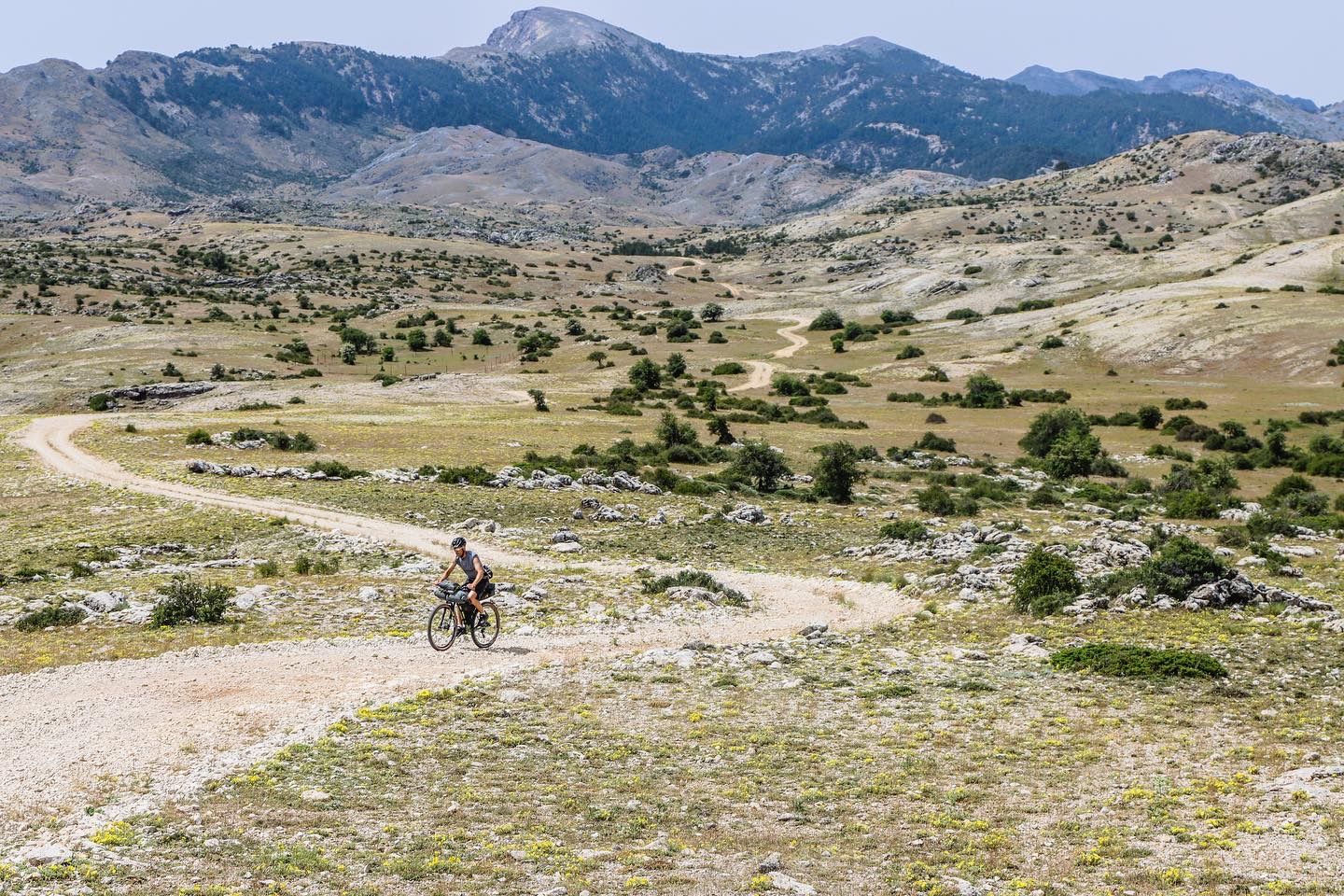
Touring cycling routes around Quesada traverse a mountainous landscape characterized by significant elevation changes and rugged terrain. The region is part of the Sierras de Cazorla, Segura y las Villas Natural Park, featuring dense forests, deep valleys, and high mountain passes. Cyclists can expect challenging climbs and rewarding descents through varied natural environments.
Best touring cycling routes around Quesada
- The most popular touring cycling route is Puerto de Tíscar Loop from Quesada, a 22.0 miles (35.5 km) trail that takes 2 hours 48 minutes to complete. This route features substantial elevation gain through mountainous terrain.
- Another top favourite among local touring cyclists is Puerto del Tiscar and refugio del Collado Zamora - circular gravel through the P. N. de las Sierras de Cazorla, Segura y las Villas, a difficult 24.2 miles (38.9 km) path. This route offers a challenging gravel experience through a protected natural park.
- Local touring cyclists also love the Cazorla – Collado Zamora Refuge loop from Cazorla, a 25.7 miles (41.3 km) trail leading through the high mountains, often completed in about 4 hours 15 minutes.
- Touring cycling around Quesada is defined by mountainous passes, dense forests, and challenging ascents. The network offers options for experienced cyclists seeking significant elevation gains.
- The routes in Quesada are highly rated by the komoot community with an average score of 4.5 stars from around 10 reviews. More than 400 touring cyclists have used komoot to explore Quesada's varied terrain.
Last updated: August 30, 2026
11
riders
35.5km
02:48
960m
960m
Hard bike ride. Very good fitness required. Some segments of this route may be unpaved and difficult to ride.
10
riders
Hard bike ride. Very good fitness required. You may need to push your bike for some segments of this route.

Sign up for free
15
riders
19.7km
01:31
530m
530m
Hard bike ride. Very good fitness required. Mostly paved surfaces. Suitable for all skill levels.
12
riders
56.1km
04:51
1,460m
1,460m
Hard bike ride. Very good fitness required. Mostly paved surfaces. Suitable for all skill levels.
8
riders
59.7km
06:46
2,240m
2,230m
Hard bike ride. Very good fitness required. Mostly paved surfaces. Suitable for all skill levels.
Get access to more routes and recommendations from other explorers.
Sign up for free
Already have an account?
Our route recommendations are based on thousands of hikes, rides, and runs completed by other people on komoot.
Start today with a free account
Your next adventure awaits.
Login or Signup
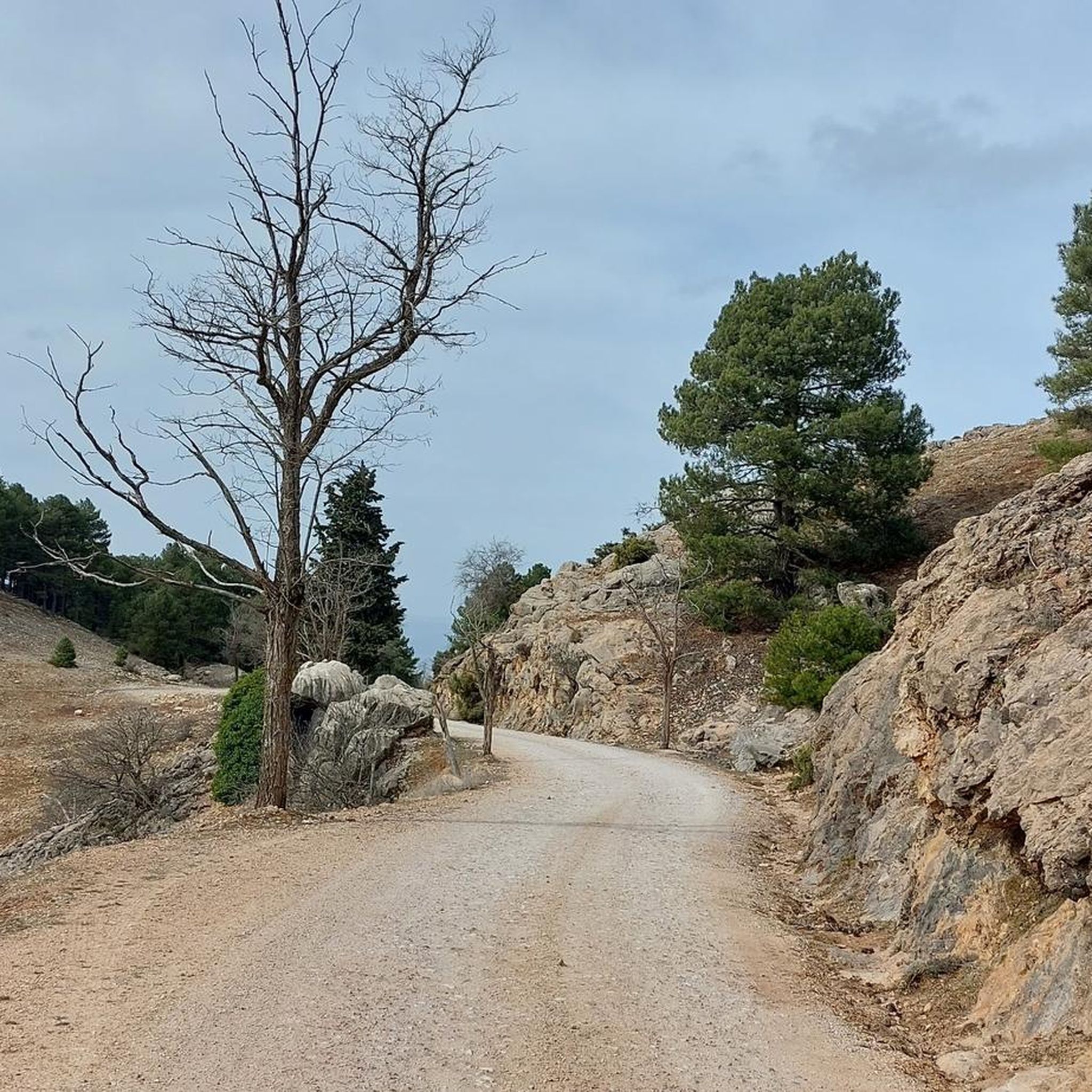
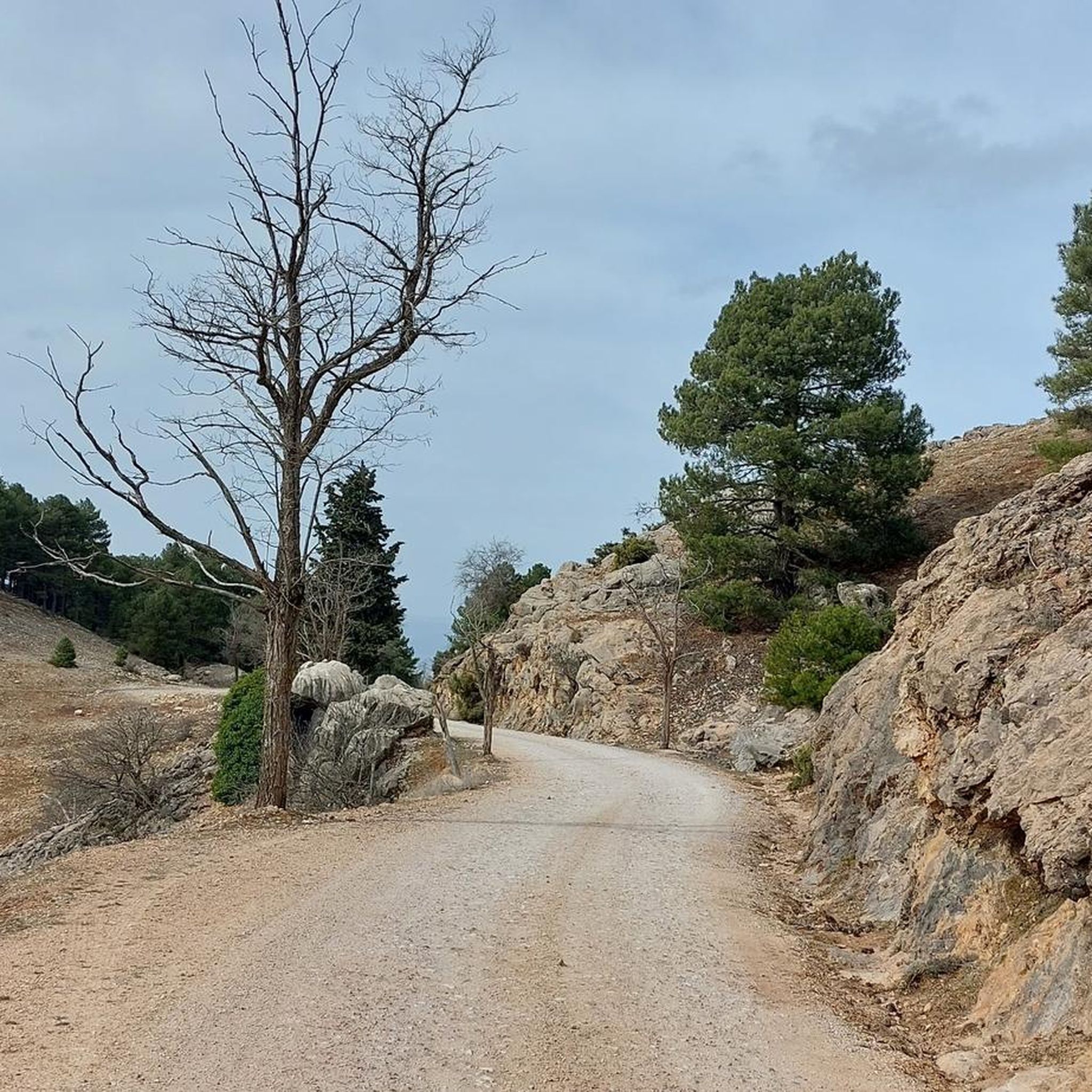



Tips from the Community

El Refugio del Collado Zamora (often associated with the route to Gilillo) is a rehabilitated forest refuge located in the Sierra de Cazorla, key to the GR-247 trail. It is frequently used as a starting point or stopover to ascend to Gilillo or connect to areas such as Cuerda del Gilillo.
0
0

Added to the collection: https://www.komoot.com/de-de/collection/3600632/-naturdenkmaeler-besondere-baeume-und-weitere-schaetze-der-natur
0
0


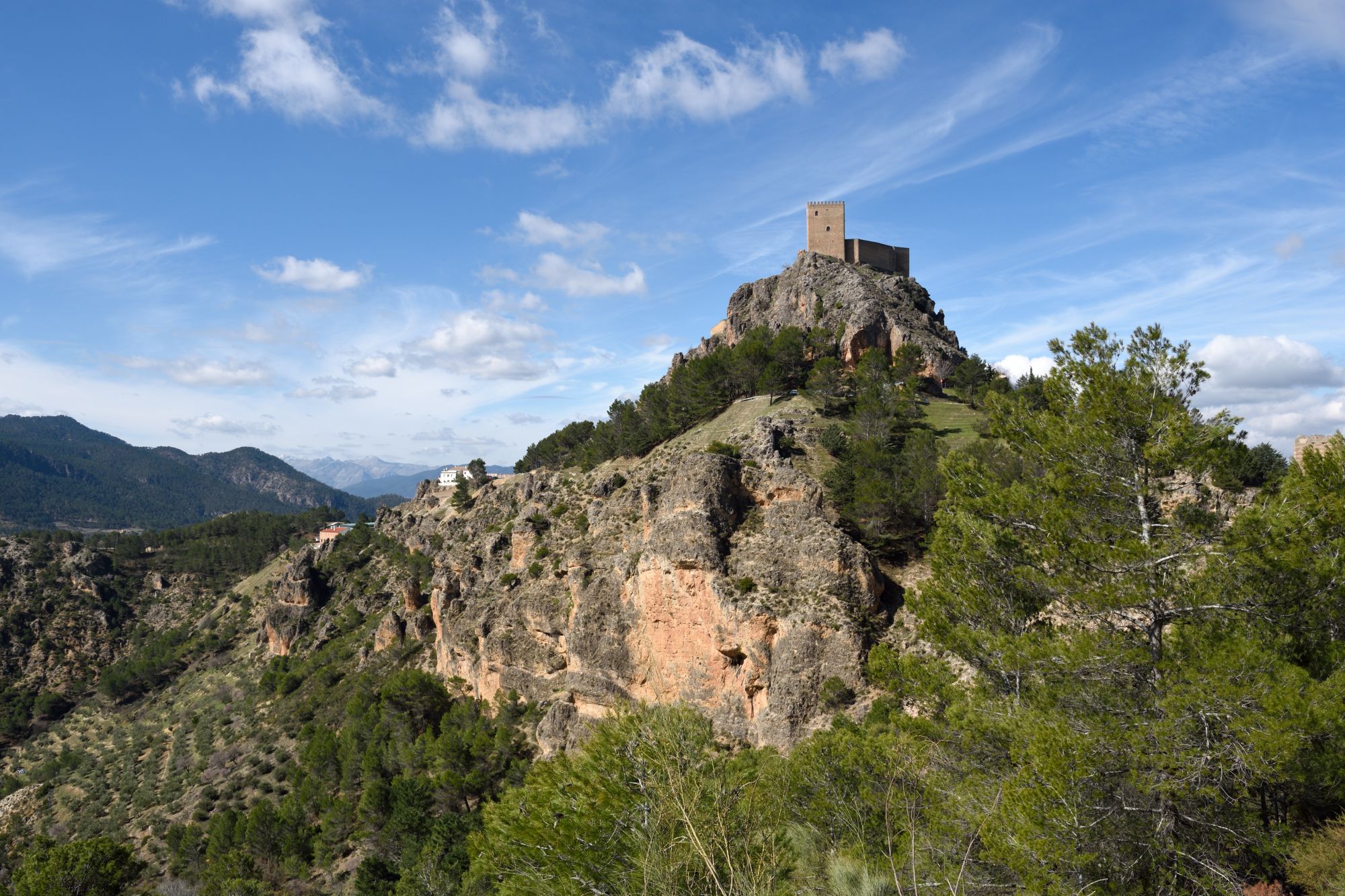
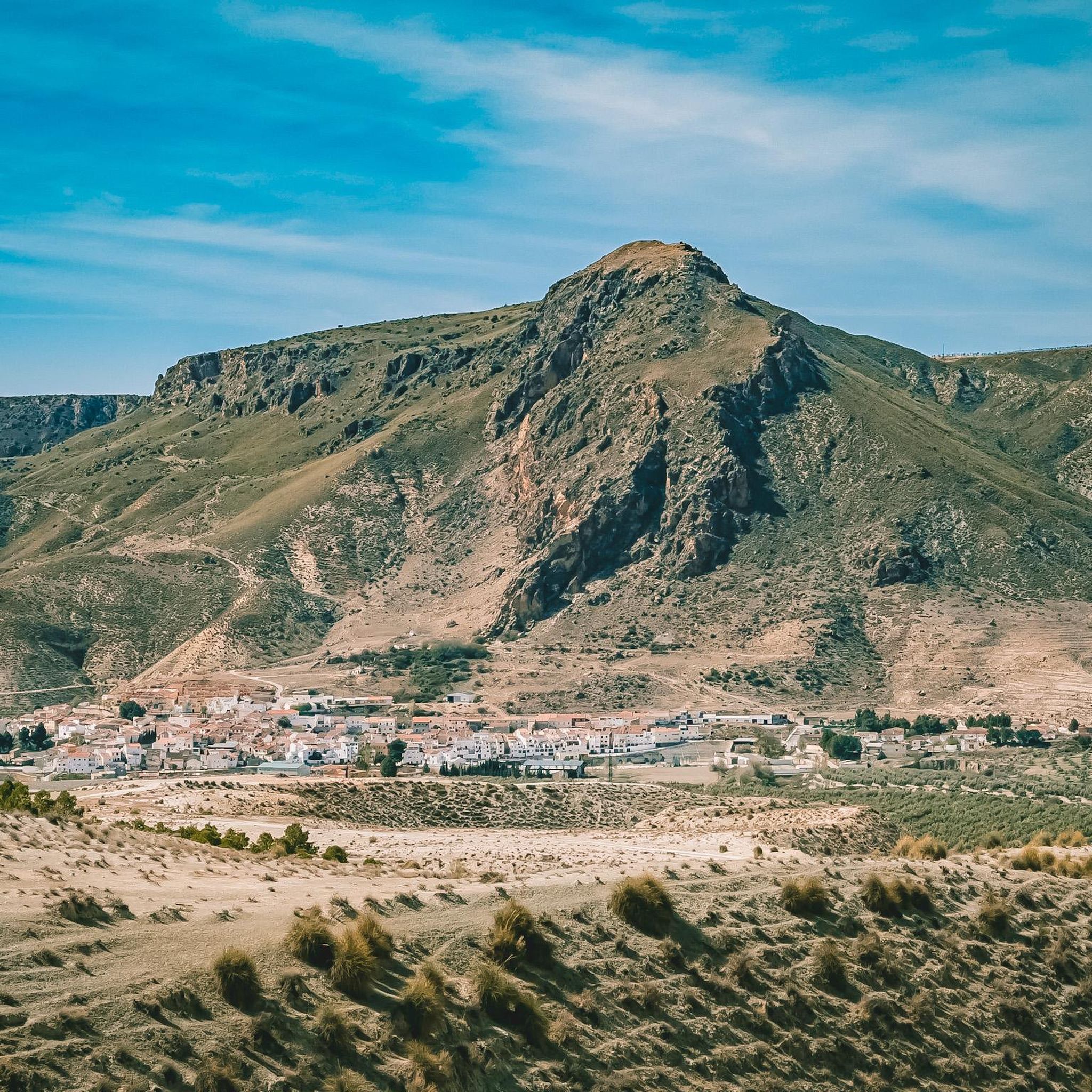
A town located in the southeast of the province, at the foot of the Sierra de Cazorla and facing the olive-growing countryside. Birthplace of the painter Rafael Zabaleta, to whom he has dedicated a museum with a large part of his work. It is a colorful collection of narrow streets with white houses in which the church of San Pedro and San Pablo, the church of the hospital, the Arco de la Manquita de Utrera and the Arco de Los Santos or del Señor stand out.
11
0
This viewpoint is marked on the map at the playground.
7
0

This rest area is located just 200 metres from the source of the Guadalquivir River, and in addition to a small spring where you can drink water, there are also benches and shade where you can rest.
11
0
This is what is known as the pine of the three crosses, located a few meters ahead of the one that some consider as such. The specimen is truly striking due to its development and its enormous size.
16
0
Frequently Asked Questions
How many touring cycling routes are available around Quesada?
There are over 60 touring cycling routes around Quesada, offering a wide range of options for exploring the mountainous landscape of the Sierras de Cazorla, Segura y las Villas Natural Park.
What is the typical terrain and difficulty level for touring cycling in Quesada?
Touring cycling around Quesada is characterized by mountainous terrain with significant elevation changes, dense forests, deep valleys, and high mountain passes. The majority of routes are classified as difficult (41 routes), with a good number of moderate options (19 routes), and a few easy routes (1 route) for less experienced cyclists.
Are there any circular touring cycling routes in Quesada?
Yes, many routes around Quesada are circular, allowing you to start and end in the same location. A popular option is the Puerto de Tíscar Loop from Quesada, which covers 22.0 miles (35.5 km) with substantial elevation gain. Another challenging circular gravel route is Puerto del Tiscar and refugio del Collado Zamora, offering a demanding experience through the natural park.
What natural features and landmarks can I see along the touring cycling routes?
The routes traverse the stunning Sierras de Cazorla, Segura y las Villas Natural Park, offering views of dense forests, deep valleys, and high mountain passes. You can also discover natural monuments such as the Los Coloraos Badlands, the Source of the Guadalquivir River, and the impressive Pico Gilillo. The region also features traditional Spanish villages and citrus groves.
Are there any waterfalls accessible by touring bike in Quesada?
Yes, you can find the beautiful Linarejos Waterfall within reach of some touring cycling routes. It's a notable natural monument in the area, offering a scenic stop during your ride.
Are there any huts or refuges along the touring cycling routes for rest stops?
Yes, the area around Quesada features several huts and refuges that can serve as rest stops or overnight accommodations. Notable options include Collado Zamora Refuge, El Hornico Hostel and Nature Center, and Refugio de la Cañada de los Mojones.
What do other touring cyclists say about the routes in Quesada?
The touring cycling routes in Quesada are highly rated by the komoot community, with an average score of 4.5 stars from over 10 reviews. More than 400 touring cyclists have used komoot to explore the varied and challenging terrain, often praising the significant elevation gains and the beauty of the natural park.
What is the best time of year for touring cycling in Quesada?
Ciudad Quesada, Spain, benefits from a sunny climate year-round, making it an ideal location for cycling enthusiasts. While the mountainous routes can be challenging, the pleasant climate generally allows for touring cycling throughout most of the year. Always check local weather conditions before heading out, especially for higher elevations.
Are there any touring cycling routes suitable for families or beginners?
While many routes around Quesada are challenging, there is at least one easy touring cycling route available. For families or beginners, it's advisable to look for routes with minimal elevation gain and shorter distances. The region's diverse landscapes also include flatter coastal and rural paths outside the immediate mountainous area, which might be more suitable for a relaxed family ride.
Is parking available near the trailheads for touring cycling routes?
Given the popularity of outdoor activities in the region, parking is generally available near trailheads and key access points to the natural park. However, specific parking availability can vary by route and location, especially in more remote areas. It's recommended to check route details or local information for specific parking facilities.
What kind of elevation gain can I expect on touring cycling routes in Quesada?
Touring cycling routes in Quesada are known for significant elevation gains due to the mountainous landscape. For example, the Puerto de Tíscar Loop from Quesada involves over 950 meters of ascent, and the Puerto del Tiscar and refugio del Collado Zamora route features over 1100 meters of climbing. Cyclists should be prepared for challenging ascents.
Are there any dog-friendly touring cycling routes in Quesada?
While the guide data doesn't specifically highlight dog-friendly routes, many natural parks and rural areas in Spain allow dogs on trails, often requiring them to be on a leash. It's always best to check the specific regulations of the Sierras de Cazorla, Segura y las Villas Natural Park or individual route details before bringing your dog.
Most popular attractions around Quesada

Get inspired with the komoot mobile app


Explore more
Browse the best Cycling routes in other regions.
