Attractions and Places To See around Cuevas Del Campo - Top 20
Attractions and places to see around Cuevas Del Campo are situated in the northeast of Granada Province, Spain, offering a blend of natural landscapes and cultural sites. The region is located between the Sierra de Baza and Sierra de Cazorla, Segura y Las Villas. It features semi-desert environments, badlands, and unique geological formations, alongside traditional cave houses. This area provides opportunities for exploring diverse ecosystems and historical points of interest.
Best attractions and places to see around Cuevas Del Campo
…Last updated: May 10, 2026
Los Coloraos Badlands
Highlight • Canyon
Translated by Google •
Tip by

Gorafe Desert
Highlight • Canyon
Los Coloraos is one of its most popular areas, owing its …
Tip by

Sign up now to discover places like this
Get recommendations on the best single tracks, peaks, & plenty of other exciting outdoor places.
Sign up for free
Gorafe Desert Canyons
Highlight • Canyon
Translated by Google •
Tip by

Old railway gravel path: Via Verde, Baza - Baúl
Highlight (Segment) • Cycleway
Translated by Google •
Tip by

Ojo de la Heredad
Highlight • Natural Monument
Translated by Google •
Tip by

Sign up for free to discover even more attractions around Cuevas Del Campo.
Sign up for free
Already have an account?
Start today with a free account
Your next adventure awaits.
Login or Signup

Other adventures around Cuevas Del Campo

Tips from the Community

The 47 km loop is breathtaking for about half of the tour: mind-blowing views as far as the eye can see over 360°. Then in the second part, lots of roads that climb constantly... you have to be in good shape for this loop. The little extra: the tapas bar in the city center after that.
1
0

The Gorafe Desert is a natural gem located in the province of Granada. This desert is characterized by its impressive geological formations, known as “badlands”, which create a landscape of canyons, ravines and fairy chimneys. The desert is located in the Guadix-Baza Depression, a sedimentary basin that once housed a lake. Today, it is famous for its changing colors throughout the day, ranging from ochres and reds to yellows. In addition, the area is rich in paleontological and archaeological sites, including more than 240 dolmens in the Gorafe Megalithic Park.
1
0

Capricious nature that, in hundreds of thousands of years, has eroded a natural element of unmatched beauty.
1
0
Greenway intended for walkers and cyclists who decide to move without large unevenness. It is true that its pavement can be improved and we hope that the administrations can repair it soon!
0
0

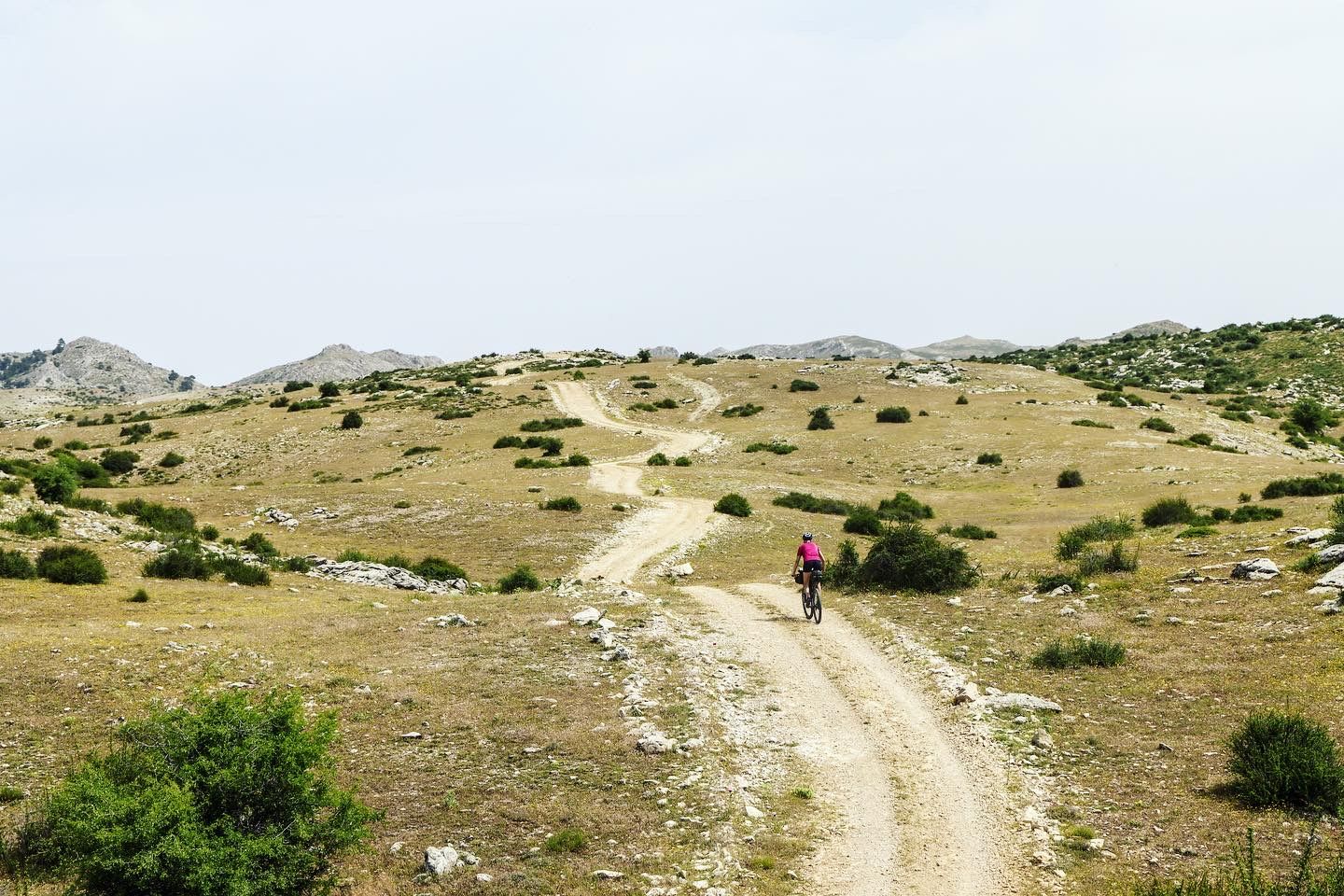
Beautiful gravel path through the desert between Baza and the beginning or end of the cycle path at Baúl. Part of the Via Verde Valle Almazora. At Baúl you can cycle an impressive railway bridge over the ravine. Along the way you will also encounter several old train stations and an old railway tunnel through which you can cycle. Only once was the route briefly interrupted by a tunnel under the motorway. Towards the west this is a climbing route, but only a few percent ascent and very easy to cycle.
2
0

The view is just mind-blowing! This is truly gravel riding paradise.
2
0

Beautiful area of clayey soil located in Gorafe. It receives the name of Los Coloraos due to the color of the geological formations. Sunrise and sunset are especially ideal to enjoy this natural wonder in all its splendor.
4
0

Singular arch of limestone rock formed by karstic dissolution. It also receives the names of Horro de la Heredad and Piedra Perforated. It is a very photogenic place.
2
0
Frequently Asked Questions
What unique natural landscapes can I explore around Cuevas del Campo?
The region offers a diverse range of natural landscapes, from the dramatic semi-desert environment of the Gorafe Desert with its impressive 'badlands' formations, to the vast blue waters of the Negratín Reservoir. You'll find canyons, ravines, and unique geological features, set against the backdrop of the Sierra de Baza and Sierra de Cazorla.
Where can I experience the striking 'badlands' landscape near Cuevas del Campo?
The 'badlands' landscape is prominently featured in the Gorafe Desert, particularly at Los Coloraos Badlands. This area is renowned for its vibrant red hues, especially stunning during sunrise or sunset, and features canyons and fairy chimneys. The Gorafe Desert Canyons also offer challenging conditions for exploring these unique geological formations.
Are there any notable geological formations or natural arches to see?
Yes, a significant geological feature is Ojo de la Heredad, also known as Piedra Horadada or Horro. This natural arch is carved from limestone rock and is a very photogenic site. Additionally, the Negratín Reservoir area features unique geological formations known as the 'Phalluses of Negratín'.
What outdoor activities are available near Cuevas del Campo?
The area is excellent for various outdoor activities. You can enjoy hiking and trail running through diverse ecosystems, mountain biking on challenging terrains, and road cycling along scenic routes. The Negratín Reservoir also offers water sports like sailing, canoeing, and fishing. For specific routes, explore the nearby guides for Running Trails, MTB Trails, and Road Cycling Routes.
Can I go cycling around Cuevas del Campo?
Absolutely! Cycling is a popular activity. The Via Verde, Baza - Baúl is an old railway gravel path that traverses a desert landscape, offering a scenic route past old train stations and through tunnels. You can also find numerous Road Cycling Routes and MTB Trails in the surrounding area, catering to various difficulty levels.
What water activities can I do at the Negratín Reservoir?
The Negratín Reservoir, the largest of its kind in Andalusia, is a hub for water activities. Visitors can enjoy sailing, canoeing, and fishing on its vast blue waters. It also uniquely features the only inland nudist beach in Andalusia, offering a different kind of experience.
What cultural or historical sites are unique to Cuevas del Campo?
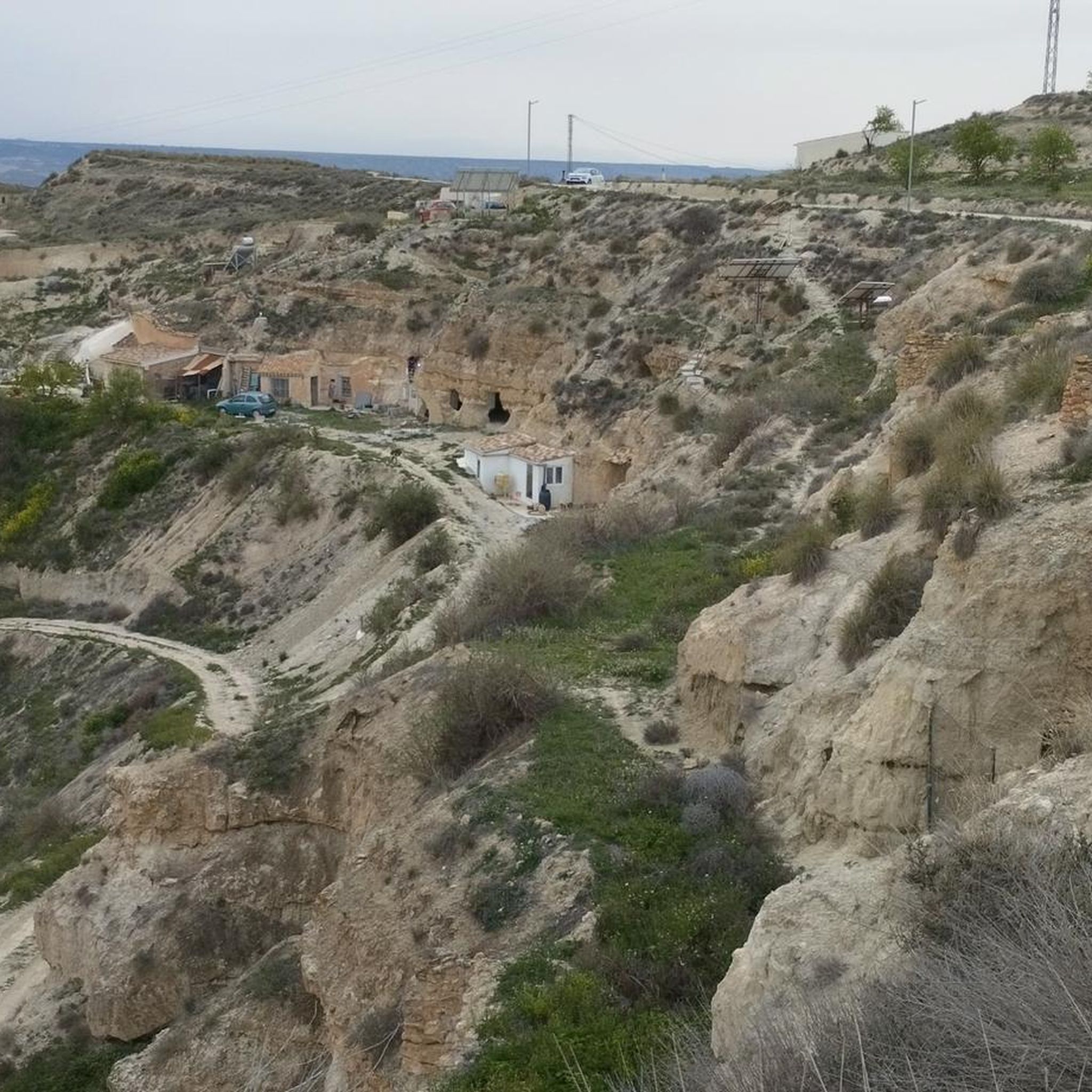
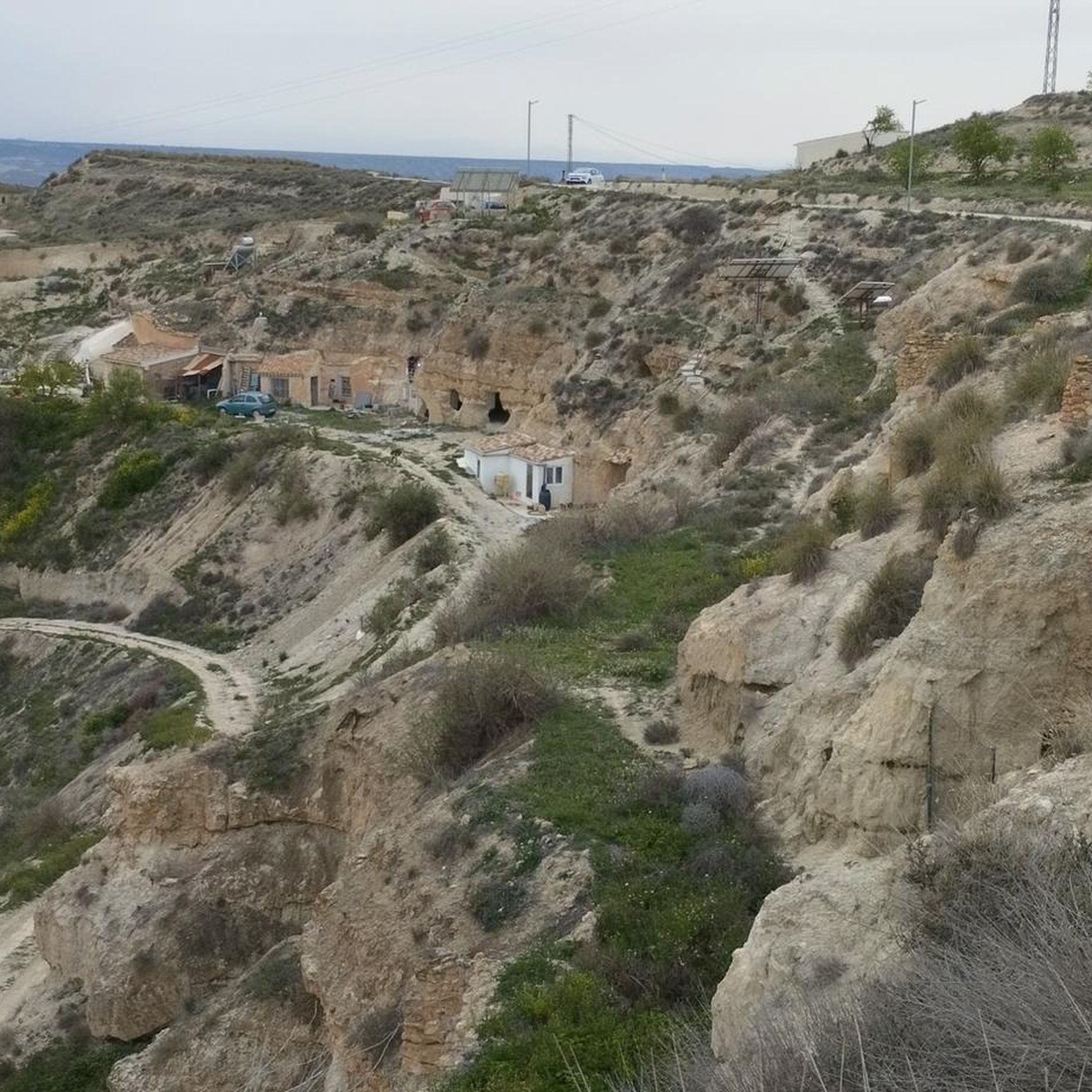
Cuevas del Campo is famous for its unique Cave Houses (Casas Cueva), many of which are still inhabited today. These dwellings are carved directly into the soft clay hillsides, offering natural insulation. The Parish Church of San Isidro is another notable architectural landmark. The region also holds archaeological significance, with traces of Roman rain tanks and ancient dolmens in the nearby Gorafe Megalithic Park.
Are there family-friendly attractions or activities in the area?
Yes, the natural beauty of the region offers many family-friendly opportunities. Exploring the unique geological formations like Ojo de la Heredad can be an engaging experience for all ages. Gentle walks along parts of the Via Verde or enjoying the shores of the Negratín Reservoir are also great options for families.
When is the best time to visit Cuevas del Campo to enjoy its attractions?
The spring and autumn months are generally ideal for visiting Cuevas del Campo, as the weather is pleasant for outdoor activities and exploring the natural landscapes. Summers can be very hot, making early mornings or late evenings preferable for excursions. The village also hosts several traditional festivities throughout the year, such as the spectacular Semana Santa Viviente (Living Holy Week) and the Fiestas de San Isidro Labrador in May, which offer unique cultural experiences.
What do visitors enjoy most about the attractions around Cuevas del Campo?
Visitors frequently praise the dramatic and colorful landscapes, especially the 'badlands' of the Gorafe Desert and Los Coloraos Badlands, noting their resemblance to the Grand Canyon. The unique geological formations like Ojo de la Heredad are also highly appreciated for their photogenic qualities. The area is loved for its excellent conditions for gravel riders and mountain bikers, and the overall tranquility and scenic beauty.
Are there opportunities for hiking or trail running near the attractions?
Definitely. The proximity to natural parks like Sierra de Baza and Sierra de Cazorla, Segura y Las Villas, provides ample opportunities for hiking. You can find various trails, from moderate to difficult, that explore the diverse ecosystems and geological features. For detailed routes, check out the Running Trails around Cuevas Del Campo guide, which includes routes like the 'Enchanted Forest of Las Higueras Trail' and 'Ojo de la Heredad loop'.
What is the significance of the traditional cave houses in Cuevas del Campo?
The cave houses are a defining characteristic of Cuevas del Campo, reflecting a unique architectural heritage. Carved into the soft clay hillsides, these dwellings are prized for their natural insulation, providing coolness in summer and warmth in winter. They represent a historical way of life and are an integral part of the village's cultural identity, with some suggesting Moorish origins.
Most popular routes around Cuevas Del Campo
Most popular attractions around Cuevas Del Campo

Get inspired with the komoot mobile app


Explore more
Still not found the Highlight you’re looking for? See guides of the top attractions in other regions:
