Top 20 Lakes around Gistaín
Best lakes around Gistaín are located in the Gistaín Valley, a part of the Aragonese Pyrenees known for its glacial "ibones" or mountain lakes. This region features a diverse natural landscape, including dramatic rock formations, dense forests, and alpine meadows surrounding its water bodies. The lakes are often found at high altitudes, offering a serene atmosphere and a sense of untouched wilderness.
Best lakes around Gistaín
- The most popular lakes is Lake Espingo and Espingo Refuge, a lake that…
Last updated: June 29, 2026
Lac d'Oô
Highlight • Lake
Its emblematic waterfall of 275 …
Translated by Google •
Tip by

Ibonet de Batisielles
Highlight • Lake
Translated by Google •
Tip by

Sign up now to discover places like this
Get recommendations on the best single tracks, peaks, & plenty of other exciting outdoor places.
Sign up for free
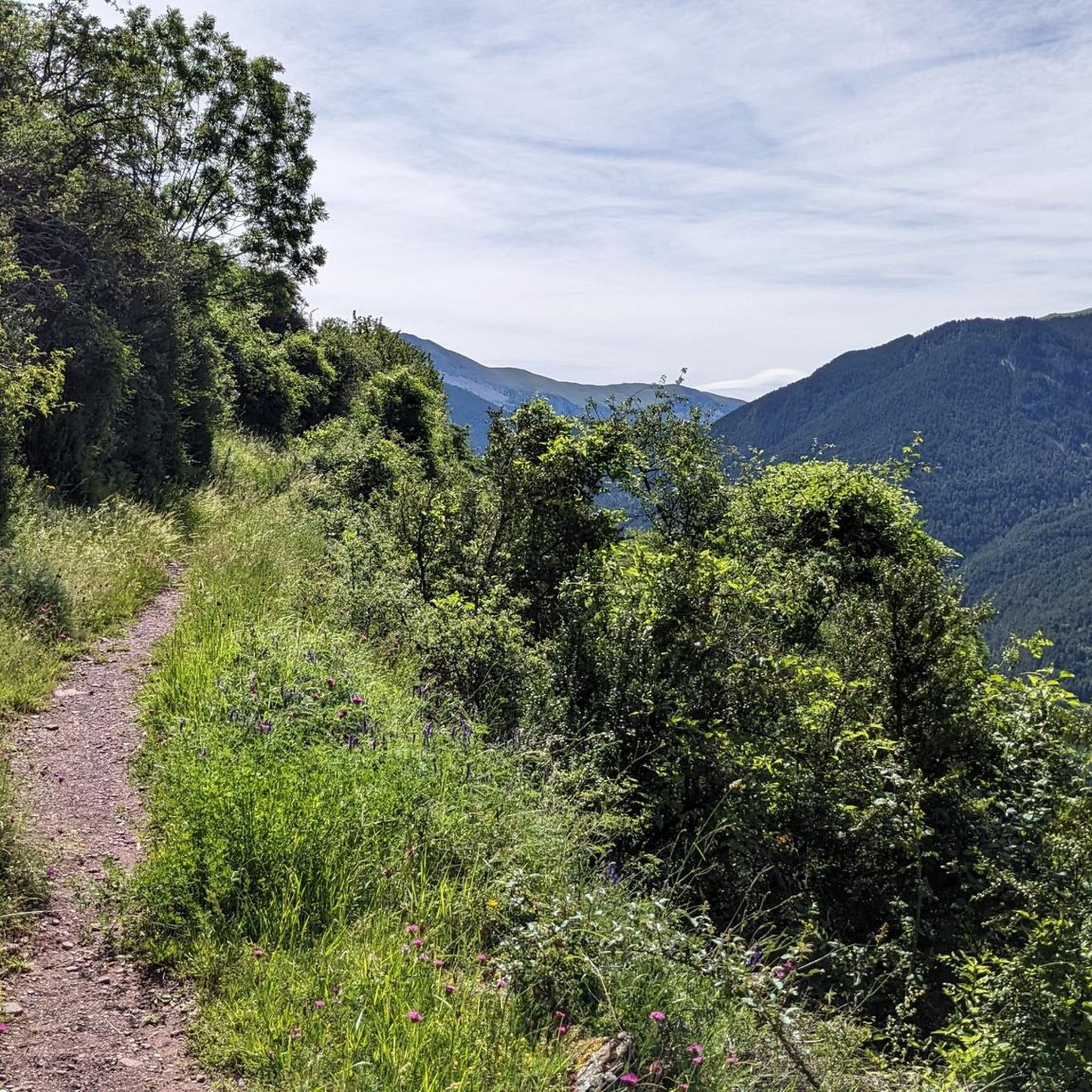
Ibón of Plan (Basa de la Mora)
Highlight • Lake
The name of Basa de la …
Translated by Google •
Tip by

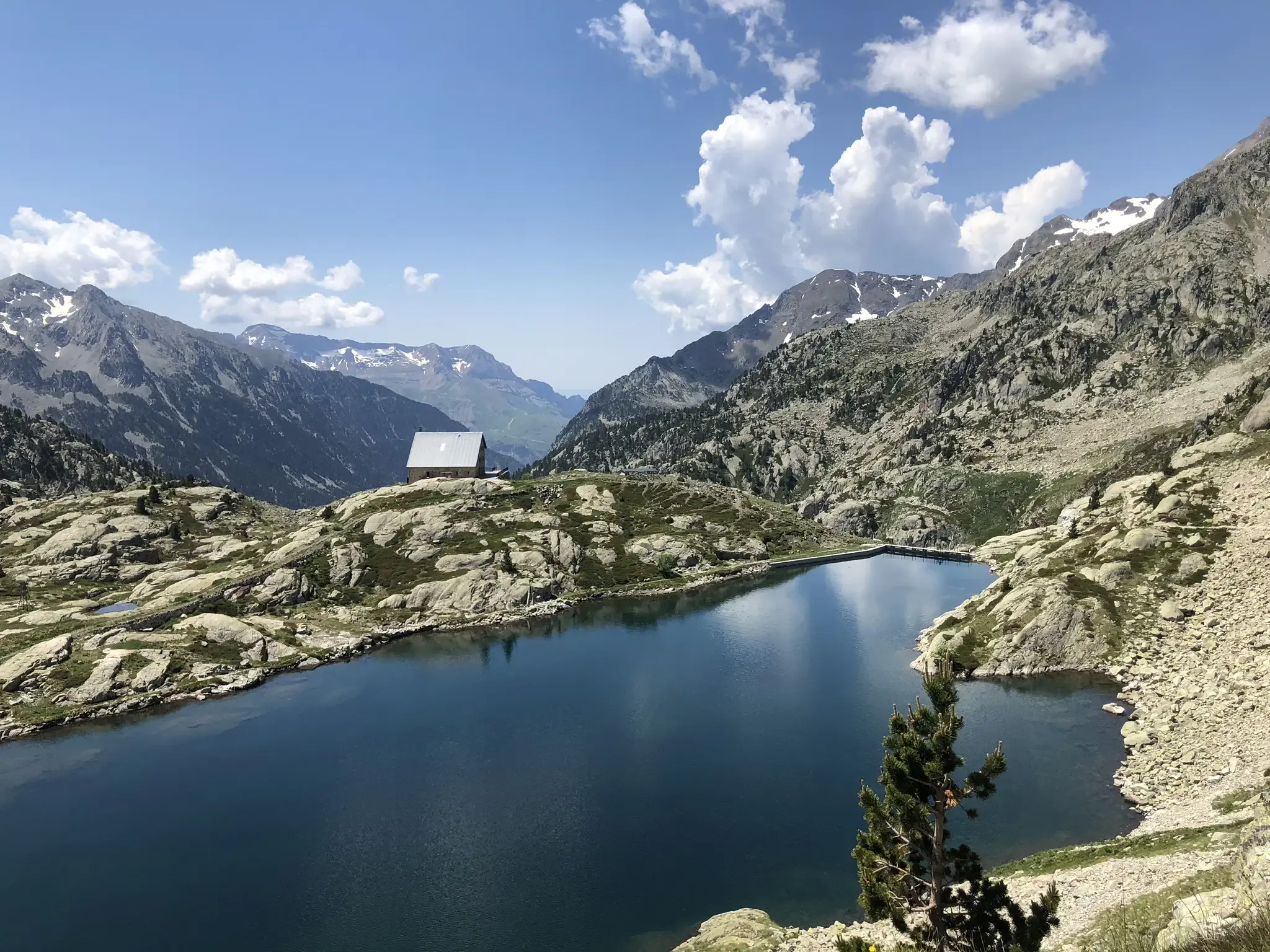
Lake Espingo and Espingo Refuge
Highlight • Lake
Translated by Google •
Tip by

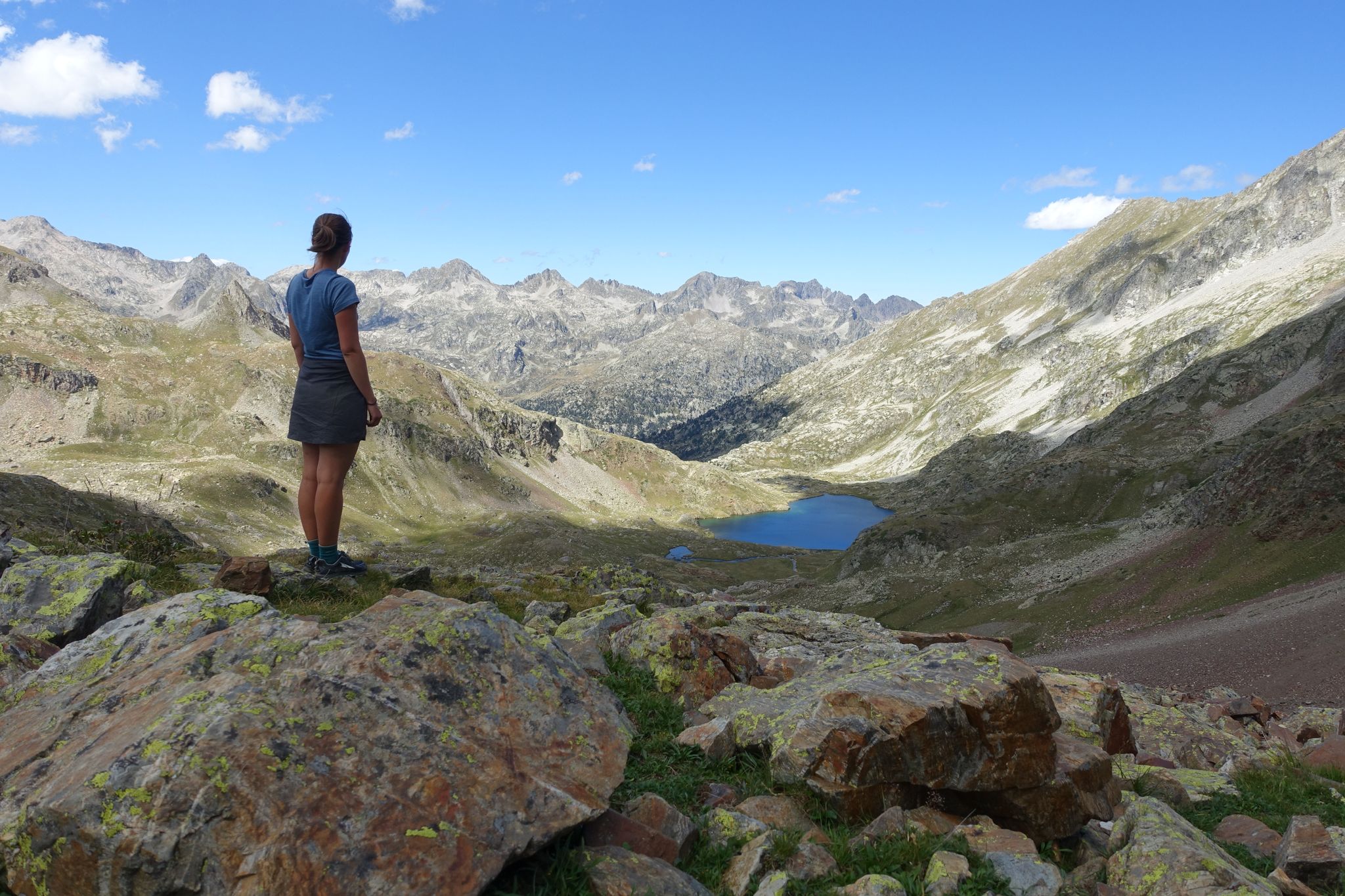
View of Lac d'Oô
Highlight • Lake
Translated by Google •
Tip by

Sign up for free to discover even more lakes around Gistaín.
Sign up for free
Already have an account?
Start today with a free account
Your next adventure awaits.
Login or Signup
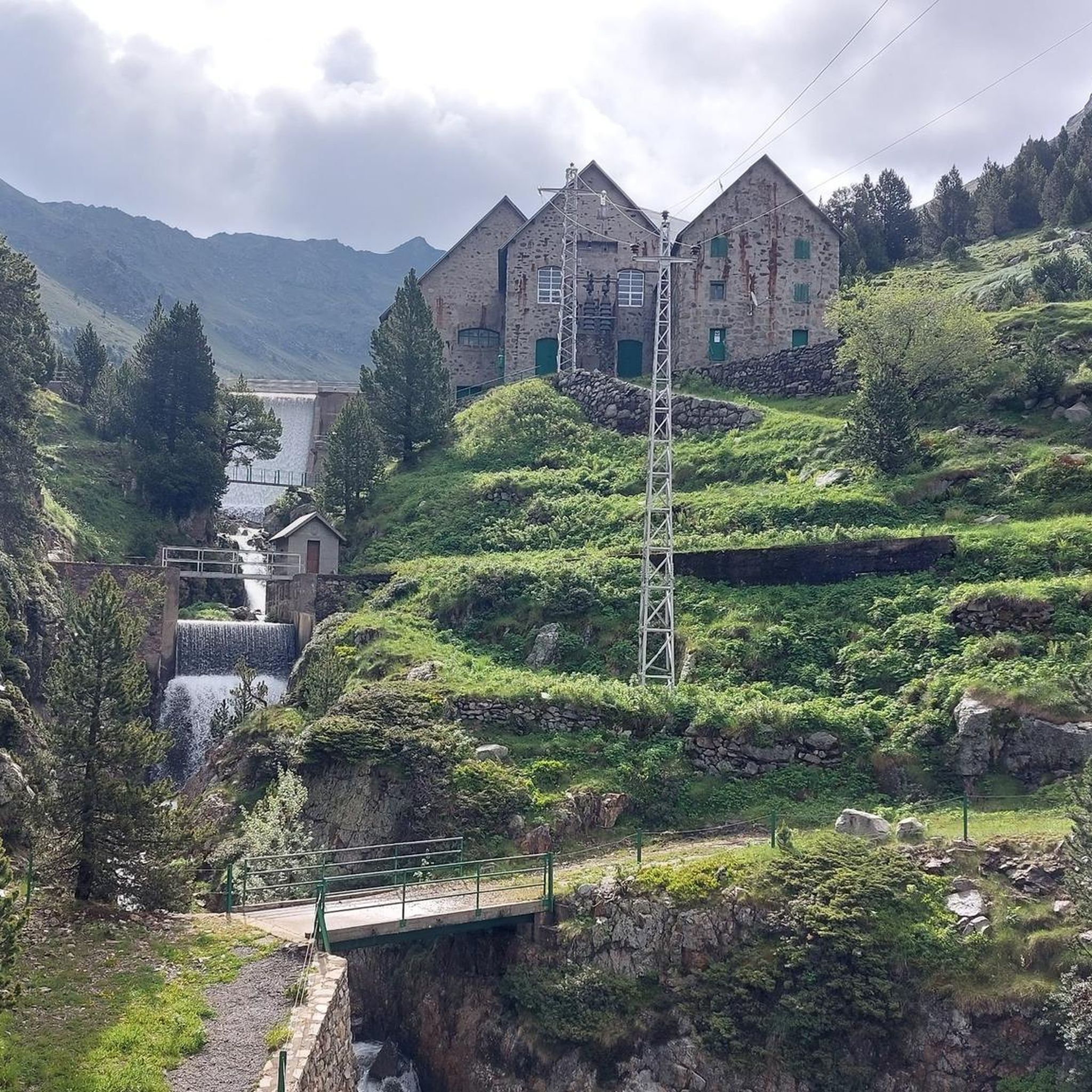
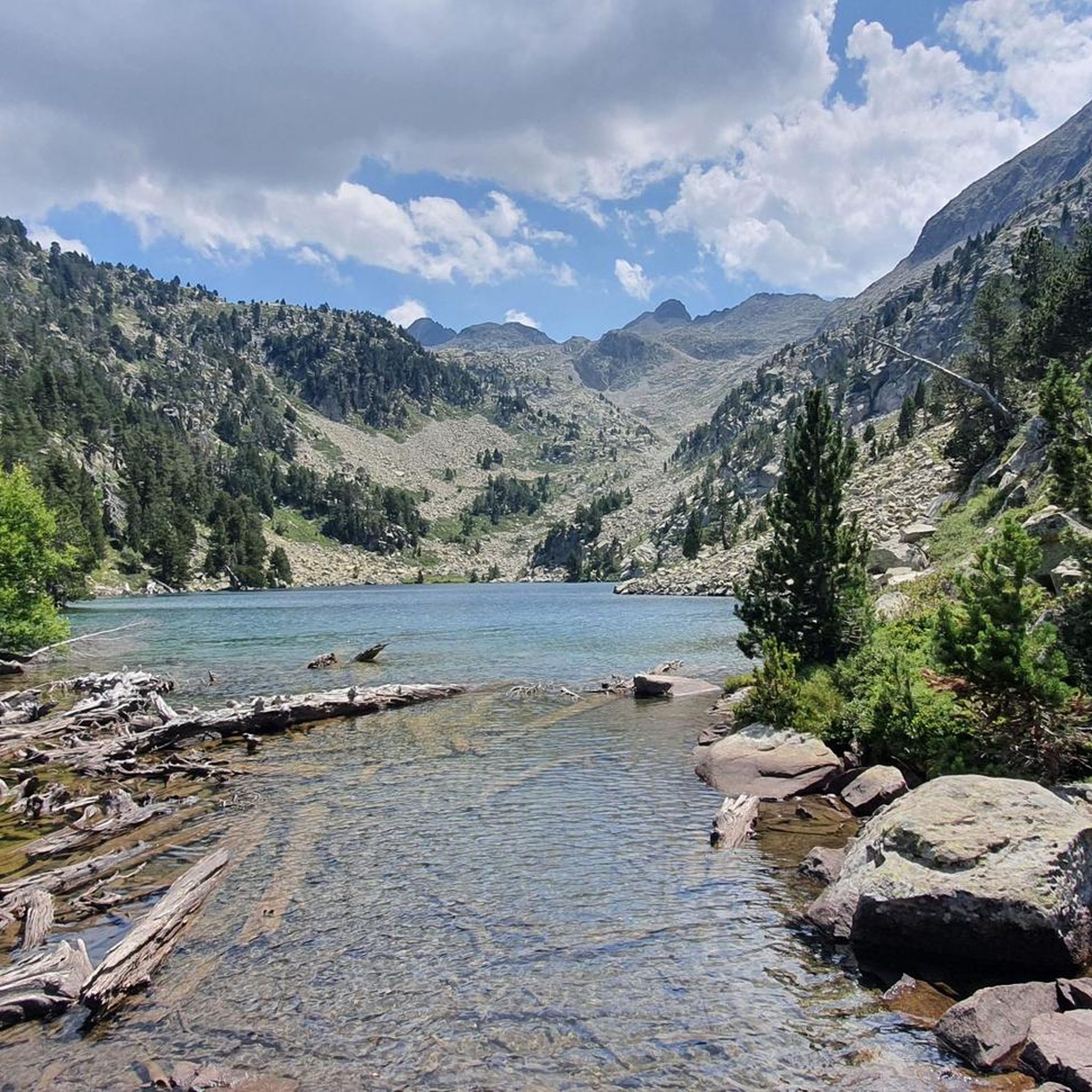
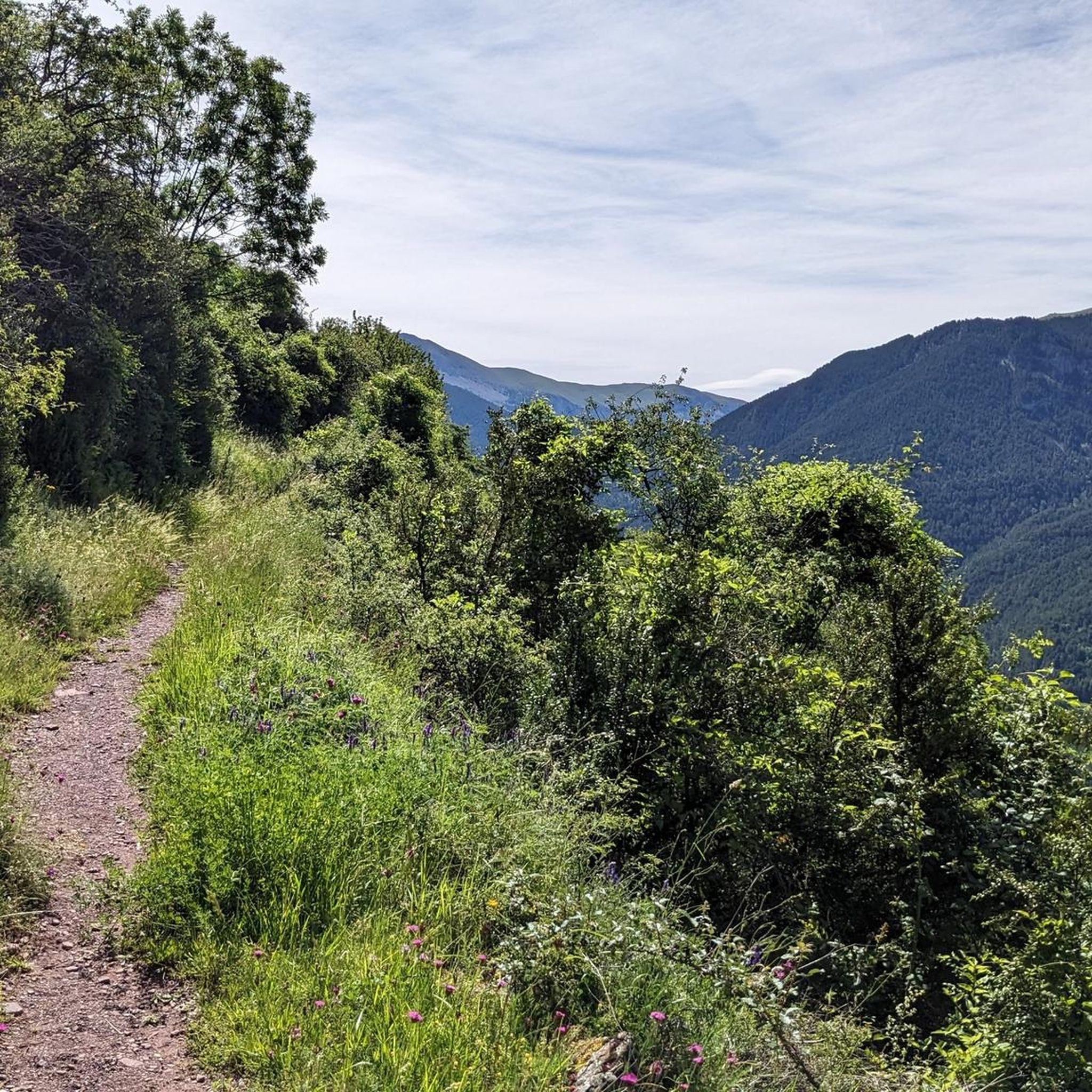




Tips from the Community

The lake, which I had never heard of before my Pyrenees tour, is obviously a "must see" in this region. Together with the waterfall at the end of the lake, it is also a truly worthwhile hiking destination.
1
0

Splendid view of the surrounding peaks.
0
0


Hike to the stunning Lac d’Oô, a beautiful glacial lake nestled in the Pyrenees. As you approach the lake, you’ll be treated to breathtaking views of its clear, turquoise waters, surrounded by sheer cliffs and lush forest. The hike is moderately challenging, with rocky paths leading to a perfect viewpoint where the lake and surrounding peaks create a truly picturesque scene. Take some time to appreciate the tranquility of the area, where you can also catch a glimpse of the impressive Oô waterfall cascading down the mountainside.
0
0


Lake Espingo offers a superb setting for a stopover before setting off again towards Lake Portillon. You can admire the peaks of Luchon such as the Tusse de Montarqué or Perdiguères. Its refuge is located overlooking and offers beds in high season and non-custodial beds in winter. You can find all the necessary information here: https://refugedespingo.ffcam.fr/FR_home.html
0
0

You can have a nice stop here and also descend briefly to the lake to swim or dangle your feet in the water
0
1

Frequently Asked Questions
What are the most popular lakes to visit in the Gistaín Valley?
The Gistaín Valley is renowned for its glacial "ibones." Among the most popular are Ibón of Plan (Basa de la Mora), known for its stunning setting and local legend, and Lake Espingo, which offers a superb stopover with views of the Luchon peaks. Lac d'Oô, with its emblematic 275-meter waterfall, is also a must-see.
Are there any easy or family-friendly hikes to the lakes in Gistaín?
Yes, the Ibón de Plan (Basa de la Mora) is quite accessible. An easy option is a short 20-minute walk from the Refugio de Lavasar, making it suitable for families, children, and even pets. While not directly in Gistaín, the lower Ibones de Villamuerta in the nearby Benasque Valley are also known for being scenic and relatively easy for families with young children.
How challenging are the hikes to Gistaín's high-altitude lakes?
Hikes to high-altitude lakes like Ibón de Lenés, located at 2,520 meters, are generally more strenuous and rewarding, appealing to experienced hikers. For example, the "Ibón de Lenés por La Solana desde Refugio de Viadós" is a demanding route. Many routes in the region, such as those found in the Hiking around Gistaín guide, are rated as difficult due to significant ascents and technical terrain.
What unique natural features or viewpoints can I expect to see around the Gistaín lakes?
The lakes are set amidst dramatic rock formations, dense pine forests, and lush alpine meadows. The Ibón de Plan is particularly noted for its breathtaking panoramic views and serene atmosphere. Many lakes, like Lake Espingo, offer wide views of surrounding peaks such as the Tusse de Montarqué or Perdiguères.
What is the best time of year to visit the Gistaín lakes for hiking?
The best time to visit the Gistaín lakes for hiking is typically during the warmer months, from late spring to early autumn, when trails are clear of snow and the weather is more stable. The Ibón of Plan, for instance, fills up after the winter thaw, offering its full beauty during this period.
Are there any refuges or facilities near the high-altitude lakes in Gistaín?
Yes, several lakes have nearby refuges. Lake Espingo has the Espingo Refuge, which offers beds in high season. The Portillon Refuge, located at 2,570 meters on the edge of its namesake lake, provides 80 beds and access to several 3,000-meter peaks. The Ibonet de Batisielles also has a small cabin nearby that can serve as a shelter.
What outdoor activities can I do near the Gistaín lakes?
Beyond hiking to the lakes, the Gistaín region offers a variety of outdoor activities. You can explore challenging mountain hikes, such as those leading to Posets Summit, or enjoy road cycling routes through valleys like Pineta or along the Cinqueta river.
Are there any cultural or historical aspects associated with the Gistaín lakes?
Yes, the Ibón of Plan (Basa de la Mora) is steeped in local legend. It's known for a folktale about a Moorish princess who is said to dance on the lake's surface on the night of San Juan. The area near the Refugio de Lavasar also features megalithic stone circles (cromlechs), adding a historical dimension to the visit.
How accessible are the lakes in Gistaín, and what are the parking options?
Accessibility varies. For Ibón de Plan, an easy route starts from Refugio de Lavasar, which is accessible via a 14 km track from Saravillo (sometimes requiring a 4x4 or payment). More challenging trails depart from villages like Plan or Saravillo, where parking might be available at trailheads. High-altitude lakes often require longer hikes from designated parking areas further down the valleys.
Is wild swimming permitted in the lakes around Gistaín?
While the glacial lakes are beautiful, specific regulations regarding wild swimming can vary by location within the Pyrenees. Generally, high mountain lakes are very cold, and swimming might be discouraged or prohibited in certain protected areas to preserve the delicate ecosystem. It's advisable to check local signage or inquire with park authorities for specific rules at each ibón.
What do visitors enjoy most about the lakes around Gistaín?
Visitors frequently praise the stunning natural beauty, the serene atmosphere of the high-altitude glacial lakes, and the rewarding hiking experiences. The panoramic views, especially from spots like Lake Espingo, are often highlighted. The sense of untouched wilderness and the unique geological features also contribute to a memorable visit.
Are there any permits required for visiting or fishing in the Gistaín lakes?
While general access to most hiking trails around the lakes does not typically require permits, specific activities like fishing often do. Fishing in the Pyrenean ibones usually requires a special permit from the regional environmental authorities. It's always best to check with local information centers or park management for the most current regulations regarding permits for fishing or other specific activities.
Most popular attractions around Gistaín

Get inspired with the komoot mobile app


Explore more
Still not found your perfect lake around Gistaín? Check out the guides of these regions to see even more beautiful places.
