The best walks and hikes around Valldemossa
4.4
(5244)
20,730
hikers
84
hikes
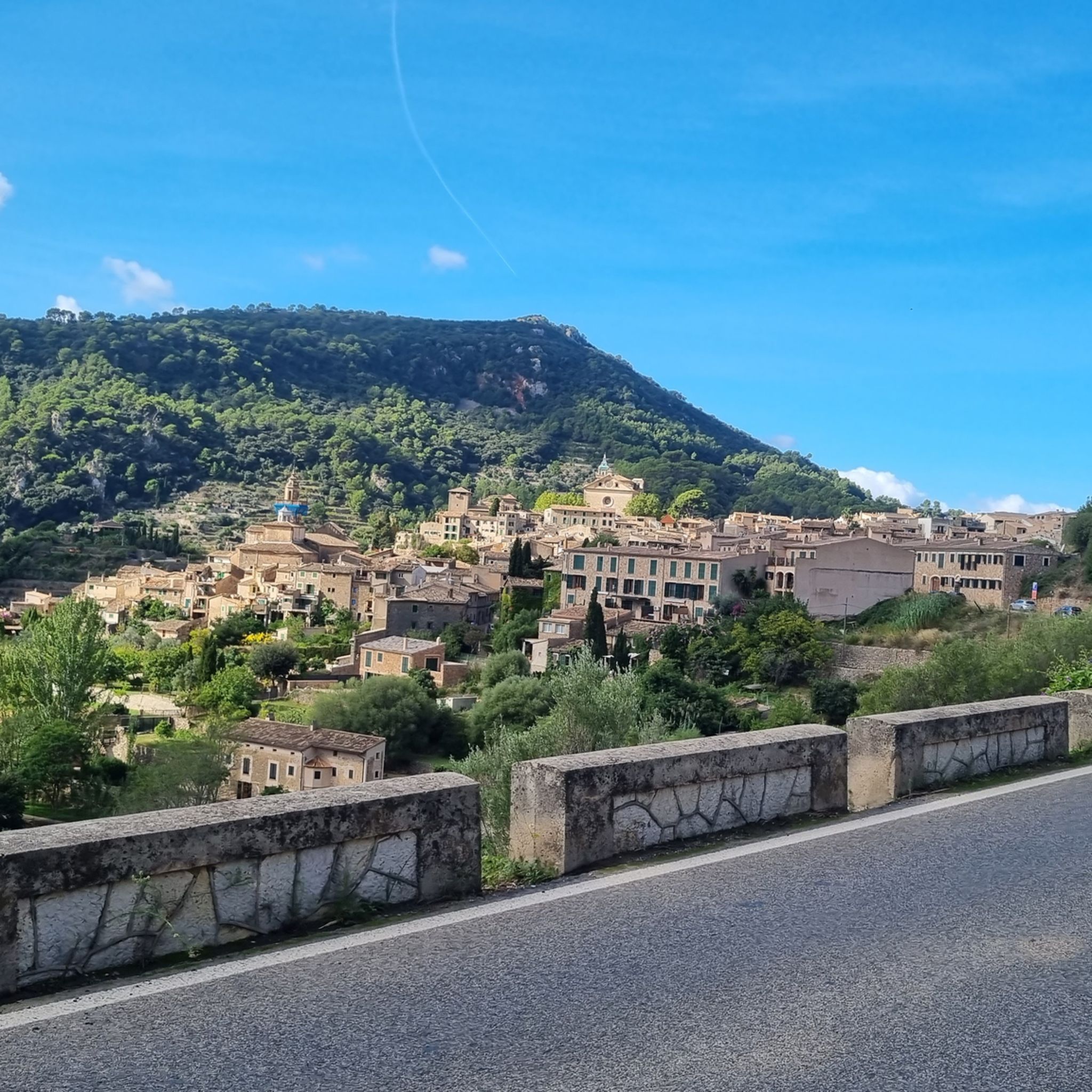
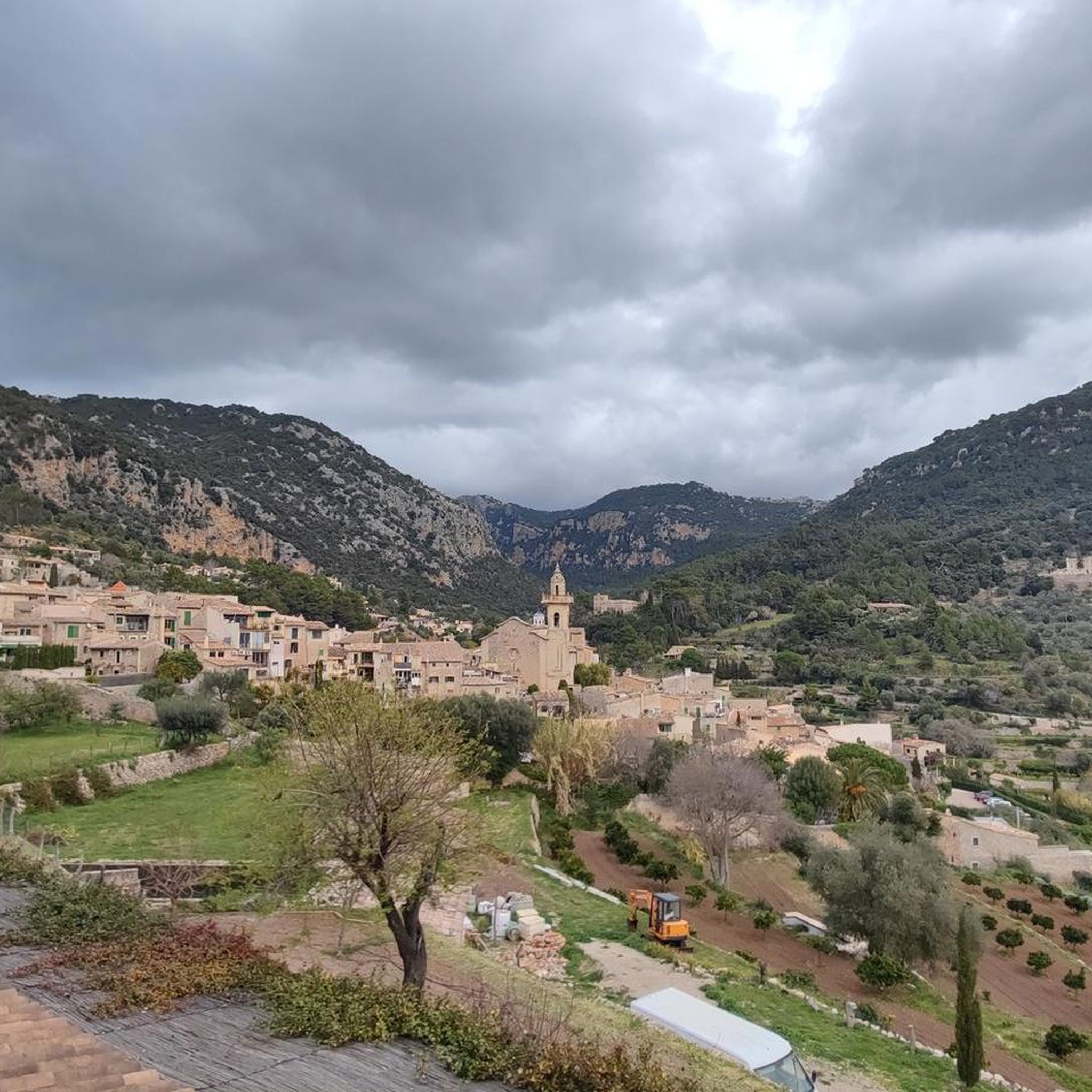
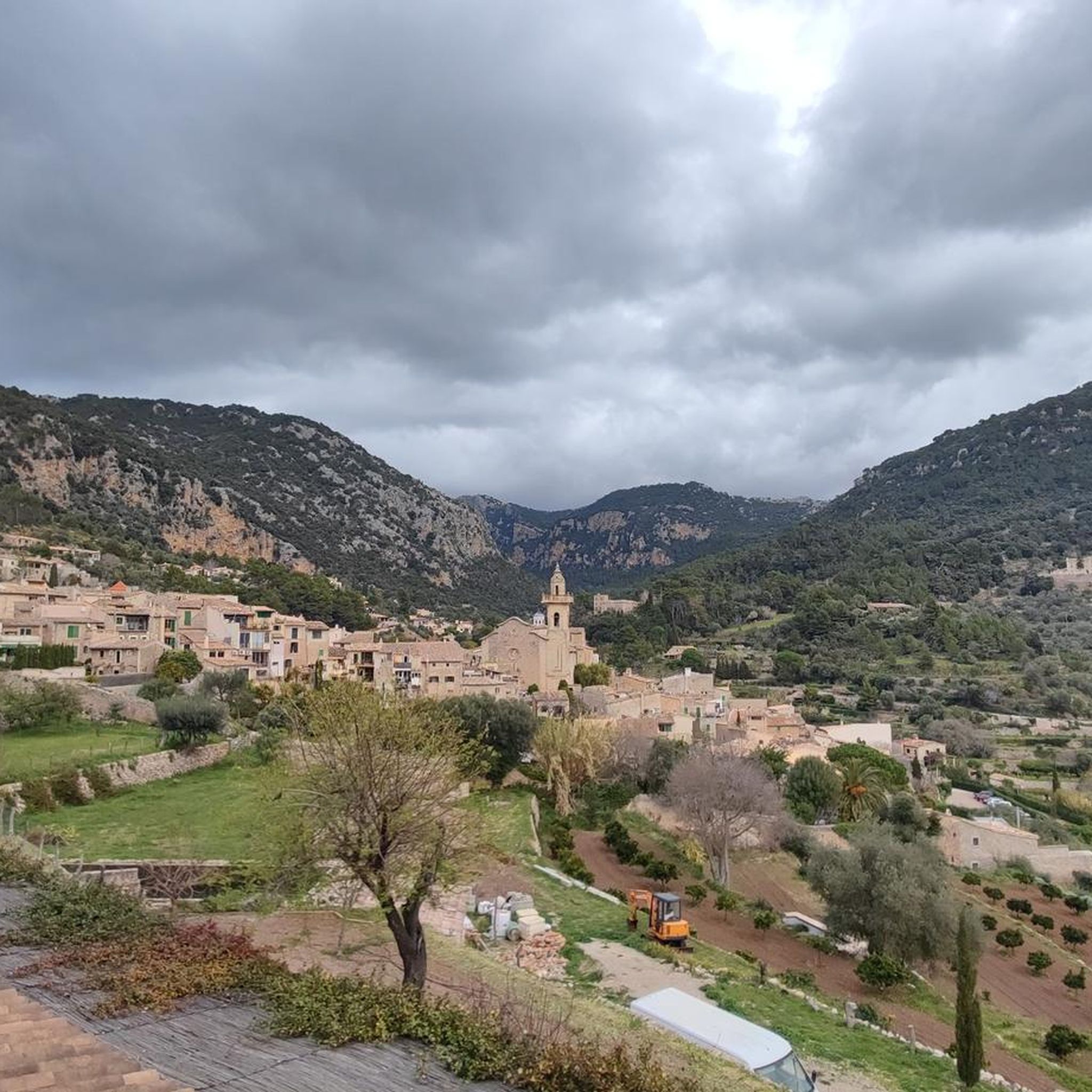
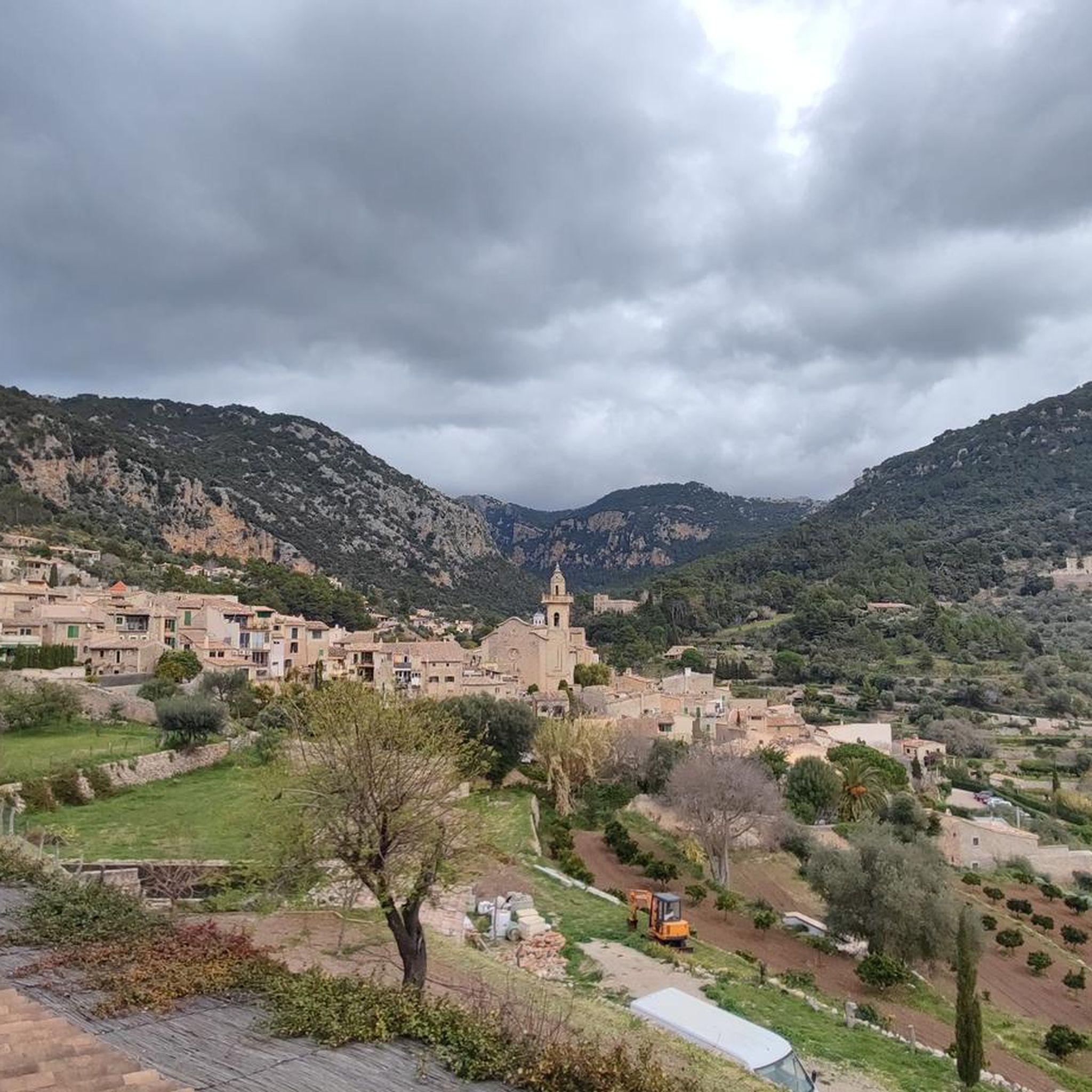
Hiking around Valldemossa offers access to the diverse landscapes of the Serra de Tramuntana mountains, a UNESCO World Heritage site on Mallorca. The region features rugged limestone formations, extensive holm oak and pine forests, and terraced olive groves. Many trails provide views of the Mediterranean Sea, contrasting with the mountainous terrain. High-altitude limestone plateaus offer expansive vistas of the natural environment.
Best hiking trails around Valldemossa
- The most popular hiking route is Caragolí from Valldemossa — circular through the Serra de Tramuntana Natural Area, a 7.5 miles (12.1 km) trail that takes 4 hours 21 minutes to complete. This route offers a circular path through the natural area.
- Another top favourite among local hikers is View of Valldemossa – View of Sa Foradada loop from Valldemossa, a moderate 6.0 miles (9.6 km) path. This trail provides views of Valldemossa and the coastal feature of Sa Foradada.
- Local hikers also love the View of Valldemossa loop from Valldemossa, a 4.2 miles (6.8 km) trail leading through the local landscape, often completed in about 2 hours 35 minutes.
- Hiking around Valldemossa is defined by rugged limestone mountains, dense holm oak forests, and coastal viewpoints. The network offers options for various ability levels, from gentle paths to demanding mountain ascents.
- The routes in Valldemossa are highly rated by the komoot community with an average score of 4.4 stars from over 4,200 reviews. More than 17,000 hikers have used komoot to explore Valldemossa's varied terrain.
Last updated: August 19, 2026
4.8
(1157)
4,245
hikers
Moderate hike. Good fitness required. Mostly accessible paths. Sure-footedness required.
4.8
(750)
2,763
hikers
9.73km
03:52
520m
520m
Moderate hike. Good fitness required. Mostly accessible paths. Sure-footedness required.

Sign up for free
4.4
(398)
1,254
hikers
6.99km
02:35
340m
340m
Moderate hike. Good fitness required. Mostly accessible paths. Sure-footedness required.
4.7
(210)
705
hikers
Moderate hike. Good fitness required. Mostly accessible paths. Sure-footedness required.
4.7
(117)
391
hikers
Moderate hike. Good fitness required. Easily-accessible paths. Suitable for all skill levels.
Get access to more routes and recommendations from other explorers.
Sign up for free
Already have an account?
Our route recommendations are based on thousands of hikes, rides, and runs completed by other people on komoot.
Start today with a free account
Your next adventure awaits.
Login or Signup

Tips from the Community

Haven't seen any pirates - but there are supposed to have been some ;-)
0
0

…. and between them the hiking trail
0
0

If you've already made the climb up all those meters, you should definitely make your way up here to the temporary summit cross. Just sit and enjoy the view.
0
0

The Camí de s'Arxiduc (also known as the Archduke's Path) is a famous hiking route in the Serra de Tramuntana on Mallorca. Here's a brief summary: The path was created in the 19th century by the Austrian Archduke Ludwig Salvator of Habsburg-Lothringen, who loved the island and lived there for many years. It runs above Valldemossa and Deià and offers spectacular views of the sea and the mountains. The hike leads along old stone paths and pine forests, passing viewpoints such as the Mirador de Ses Puntes and Es Caragolí. It is considered one of the most beautiful, but also more challenging, routes in Mallorca (approx. 10–12 km, 4–5 hours).
0
0

Beautiful path with great views
0
0

It no longer resembles a mirador much; the view is rather meager. However, it serves well as a shady resting place. The name translates roughly as "viewpoint of the plain with the wild olive tree."
5
0
Not all mountains are created equal on Mallorca: While more pointed elevations are called puig (peak), flatter mountains or plateaus are called mola – which literally means "millstone." Exceptions prove the rule. The term "comuna" also reveals something about the town's history: The Mola de sa Comuna is the municipal mountain of Valldemossa, whose area was formerly used as public pastureland, hunting ground, and for timber production.
3
0
The church's origins date back to 1245, when a house of worship was first mentioned on this site. It was originally dedicated to the Virgin Mary. In the 14th century, the church was enlarged and dedicated to the Apostle Bartholomew (Sant Bartomeu). Over the centuries, the church underwent numerous renovations, including the construction of the current facade and bell tower. Although the tower has a Moorish appearance, it dates only from 1863. Today, the church presents itself in the Gothic style with a cross vault and several side chapels.
4
0
Frequently Asked Questions
How many hiking trails are available around Valldemossa?
Valldemossa offers a wide variety of hiking experiences, with over 90 trails to explore. These routes cater to different skill levels, from easy strolls to more challenging mountain ascents within the Serra de Tramuntana.
What is the best time of year to go hiking in Valldemossa?
The ideal times for hiking in Valldemossa are late summer, autumn, and spring. During these seasons, temperatures are milder and skies are generally clearer, providing more comfortable conditions for exploring the trails and enjoying the scenic views.
Are there easy hiking trails suitable for beginners in Valldemossa?
Yes, Valldemossa has a good selection of easier trails. Approximately one-third of the routes are rated as easy, perfect for beginners or those looking for a more relaxed walk. These often wind through olive groves or offer gentle paths with beautiful scenery.
Where can I find more challenging hikes near Valldemossa?
For more challenging experiences, consider routes that ascend peaks like Puig de Sa Moneda or Puig del Teix, which offer spectacular panoramic views. The historic Archduke's Bridlepath, while moderately difficult, also involves steep sections and takes 4-6 hours to complete, providing a rewarding challenge.
Are there any circular hiking routes in Valldemossa?
Yes, many routes in Valldemossa are circular. A popular option is Caragolí from Valldemossa — circular through the Serra de Tramuntana Natural Area, which is about 7.5 miles long. Another well-liked circular trail is the View of Valldemossa loop from Valldemossa, offering a shorter option at 4.2 miles.
What historical or cultural landmarks can I see while hiking in Valldemossa?
Many trails in Valldemossa weave through areas rich in history. The Archduke's Bridlepath, for instance, showcases remnants of traditional mountain industries like sifjas (charcoal ovens) and casas de neu (snow pits). You can also find sections of the long-distance GR221 Dry Stone Route, known for its ancient dry stone walls. The village itself, with its Carthusian Monastery, offers a cultural complement to your outdoor adventures.
Which trails offer the best coastal views or viewpoints?
Several routes provide breathtaking panoramic views of the Mediterranean Sea. The Archduke's Bridlepath is renowned for its unparalleled coastline vistas from points like Mirador de Ses Puntes and Es Caragolí. The View of Valldemossa – View of Sa Foradada loop from Valldemossa also offers stunning views of the iconic coastal feature of Sa Foradada.
Are there any hidden gems or less-known spots to explore?
Beyond the main trails, you can discover tranquil spots like the Refugi des Cairats, a natural oasis offering impressive views. The peaceful Ermita de la Trinitat near Deià is also accessible via a short trail. For a secluded coastal experience, seek out hidden coves like Caló de s'Estaca or the old fishing village of Port of Valldemossa (Sa Marina).
Is parking available for hikers in Valldemossa?
Valldemossa, being a popular destination, has various parking options available, particularly around the village center. It's advisable to arrive early during peak season to secure a spot, especially for longer hikes. Some trailheads might have limited parking, so planning ahead is recommended.
What do other hikers appreciate most about the trails in Valldemossa?
The hiking trails in Valldemossa are highly rated by the komoot community, with an average score of 4.4 stars from over 4,200 reviews. Hikers frequently praise the diverse landscapes, from rugged limestone mountains and dense holm oak forests to the stunning coastal viewpoints. The well-maintained paths and the sense of wild, untouched nature are also commonly highlighted.
Are there family-friendly hiking options in Valldemossa?
Yes, Valldemossa offers several family-friendly hiking options. Many of the easier trails are suitable for families with children, providing gentle paths through scenic olive groves or short walks to viewpoints. These routes allow families to enjoy the natural beauty of the Serra de Tramuntana without overly strenuous climbs.
What kind of terrain can I expect on Valldemossa's hiking trails?
The terrain around Valldemossa is highly varied, reflecting its location within the Serra de Tramuntana mountains. You can expect rugged limestone formations, extensive holm oak and pine forests, and terraced olive groves. Trails often feature old stone paths, and some lead to high-altitude plateaus, providing a mix of forest, mountain, and coastal environments.
Most popular routes around Valldemossa
Most popular attractions around Valldemossa

Get inspired with the komoot mobile app


Explore more
Browse the best Hikes in other regions.
