The best road cycling routes around Bourg-Saint-Pierre
4.1
(61)
2,570
riders
29
rides
Road cycling routes around Bourg-Saint-Pierre are defined by challenging mountainous terrain, including the iconic Great St. Bernard Pass. The region features significant elevation gains, with routes ascending through the Val d'Entremont and towards high Alpine passes. Cyclists encounter varied landscapes, from the lower valley sections to increasingly barren peaks at higher altitudes.
Best road cycling routes in Bourg-Saint-Pierre
- The most popular road cycling route is Great St Bernard Hospice – Émile Chanoux Square loop from Bourg-Saint-Bernard, a 55.0 miles…
Last updated: May 15, 2026
4.9
(19)
995
riders
88.6km
05:48
2,680m
2,680m
Hard road ride. Very good fitness required. Mostly well-paved surfaces and easy to ride.
1
riders
19.4km
01:26
690m
680m
Moderate road ride. Good fitness required. Mostly well-paved surfaces and easy to ride.

Sign up for free
5.0
(8)
267
riders
85.2km
05:13
2,260m
2,260m
Hard road ride. Very good fitness required. Mostly well-paved surfaces and easy to ride.
5.0
(9)
172
riders
39.6km
02:51
1,490m
1,490m
Hard road ride. Very good fitness required. Mostly well-paved surfaces and easy to ride.
41
riders
36.1km
02:23
1,160m
1,160m
Hard road ride. Very good fitness required. Mostly well-paved surfaces and easy to ride.
Get access to more routes and recommendations from other explorers.
Sign up for free
Already have an account?
Our route recommendations are based on thousands of hikes, rides, and runs completed by other people on komoot.
Start today with a free account
Your next adventure awaits.
Login or Signup
Popular around Bourg-Saint-Pierre
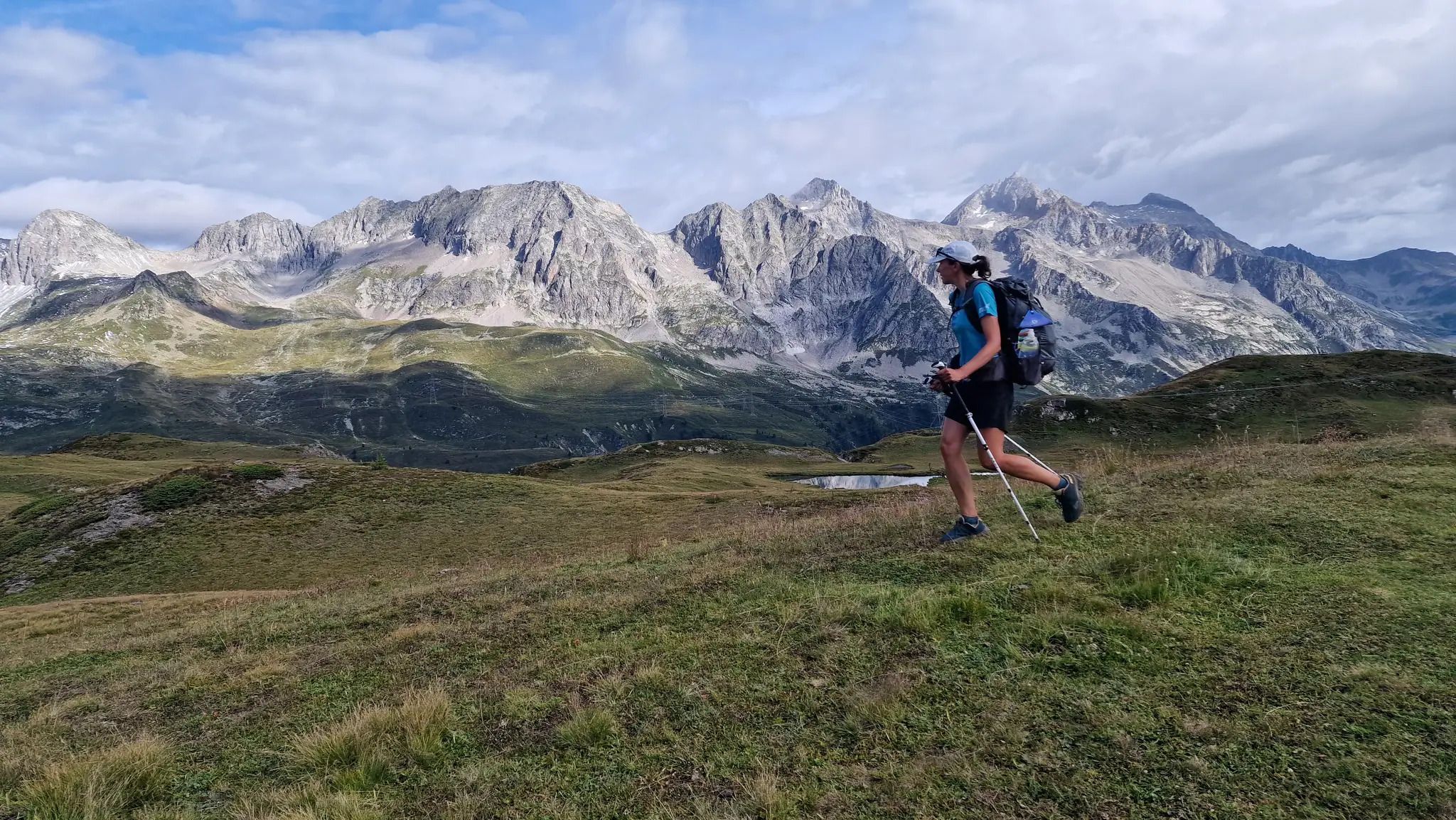
Alpine Passes Trail – hiking 700km across Switzerland
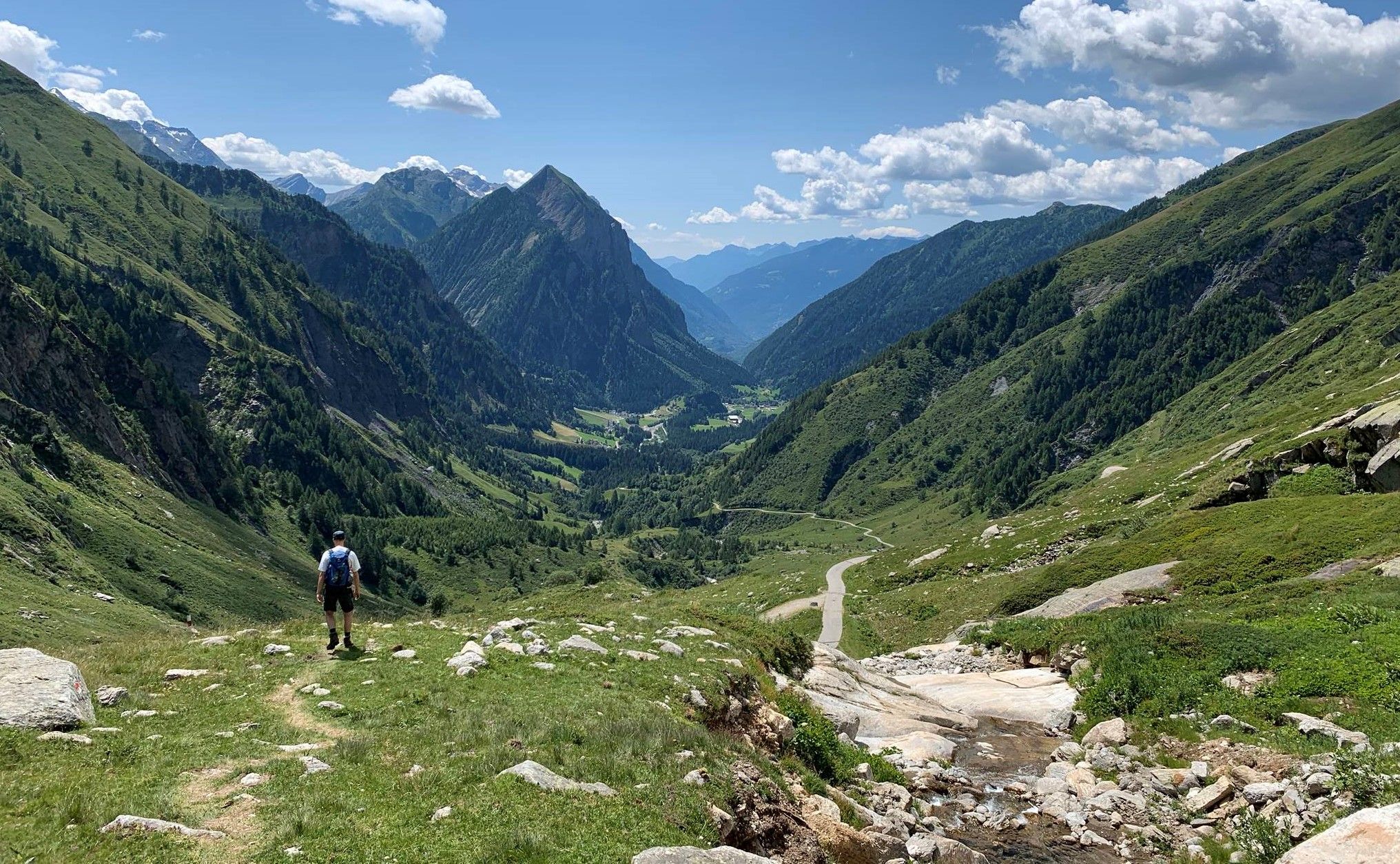
Alpine Passes Trail in Switzerland – 34 stages of pure mountain fun
A cycling pilgrimage — history and nature on Italy’s Via Francigena
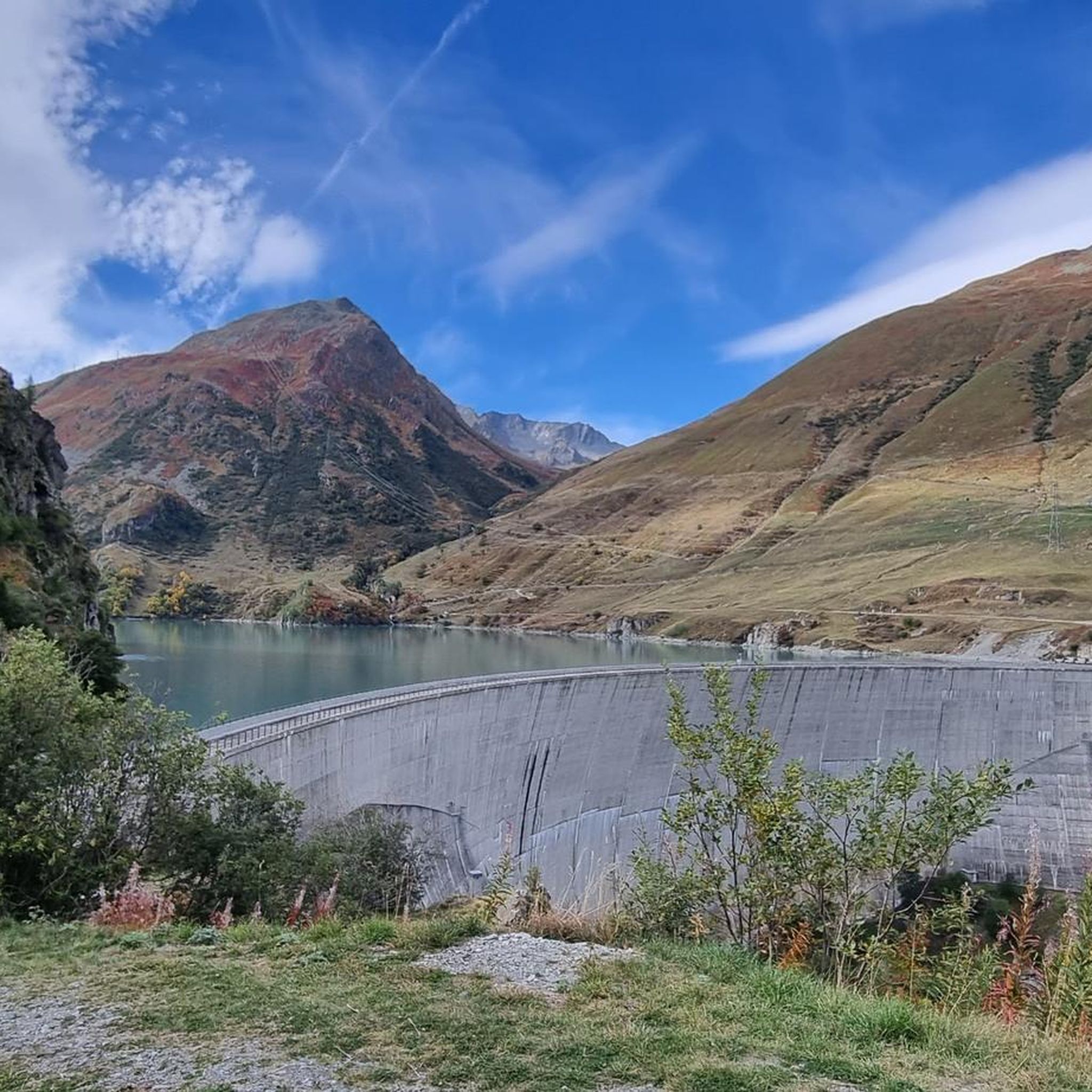
MTB Trails around Bourg-Saint-Pierre
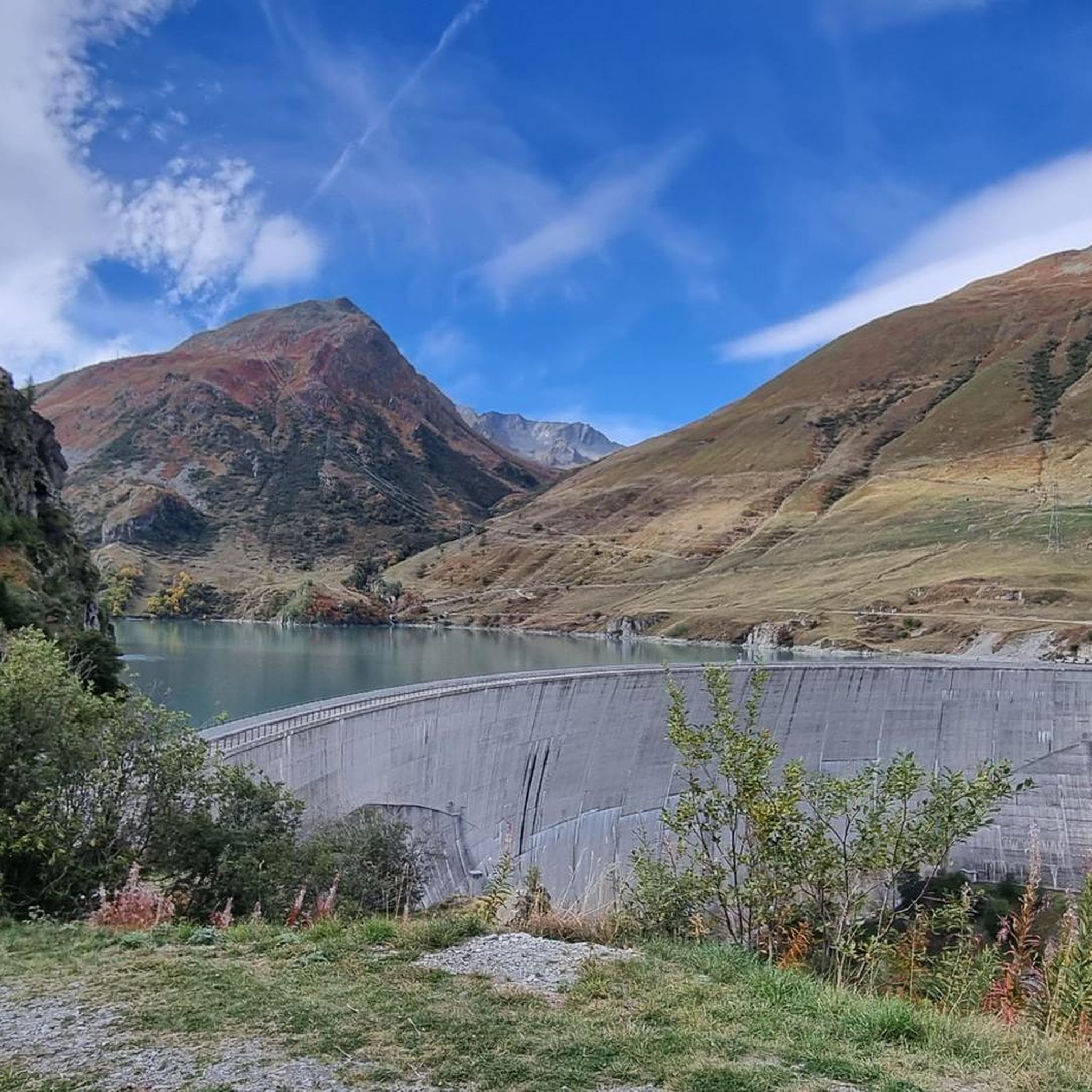
Hiking around Bourg-Saint-Pierre
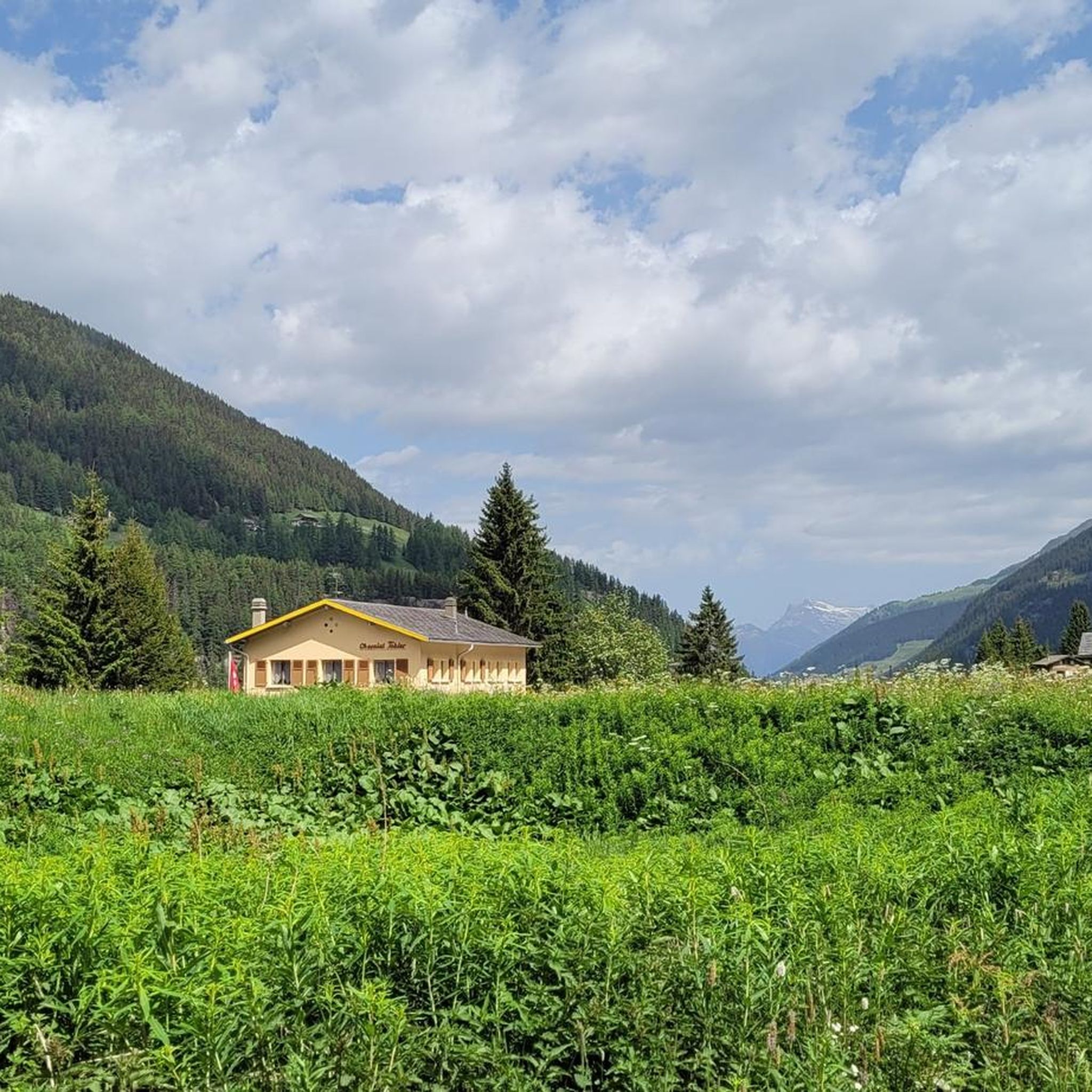
Running Trails around Bourg-Saint-Pierre
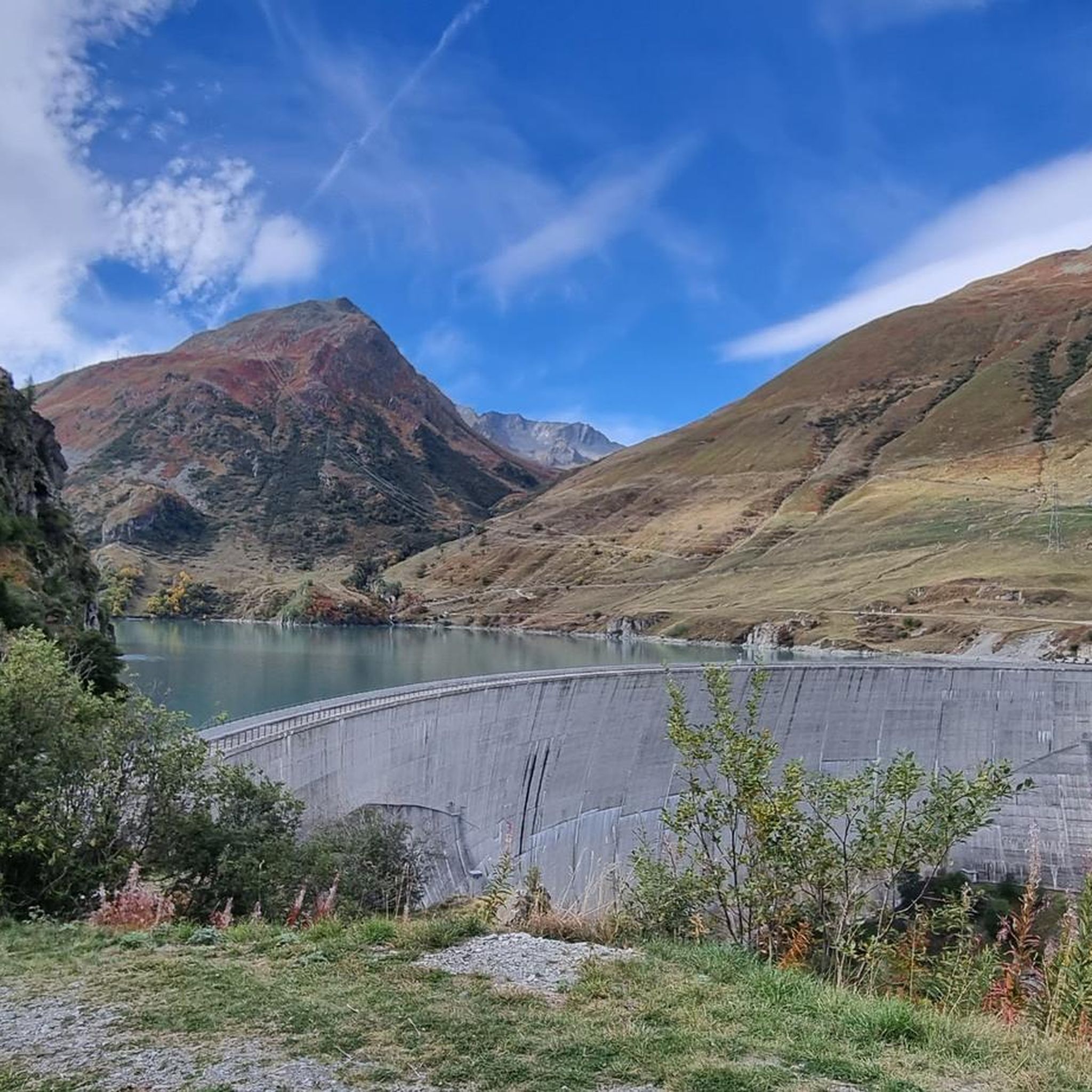
Cycling around Bourg-Saint-Pierre
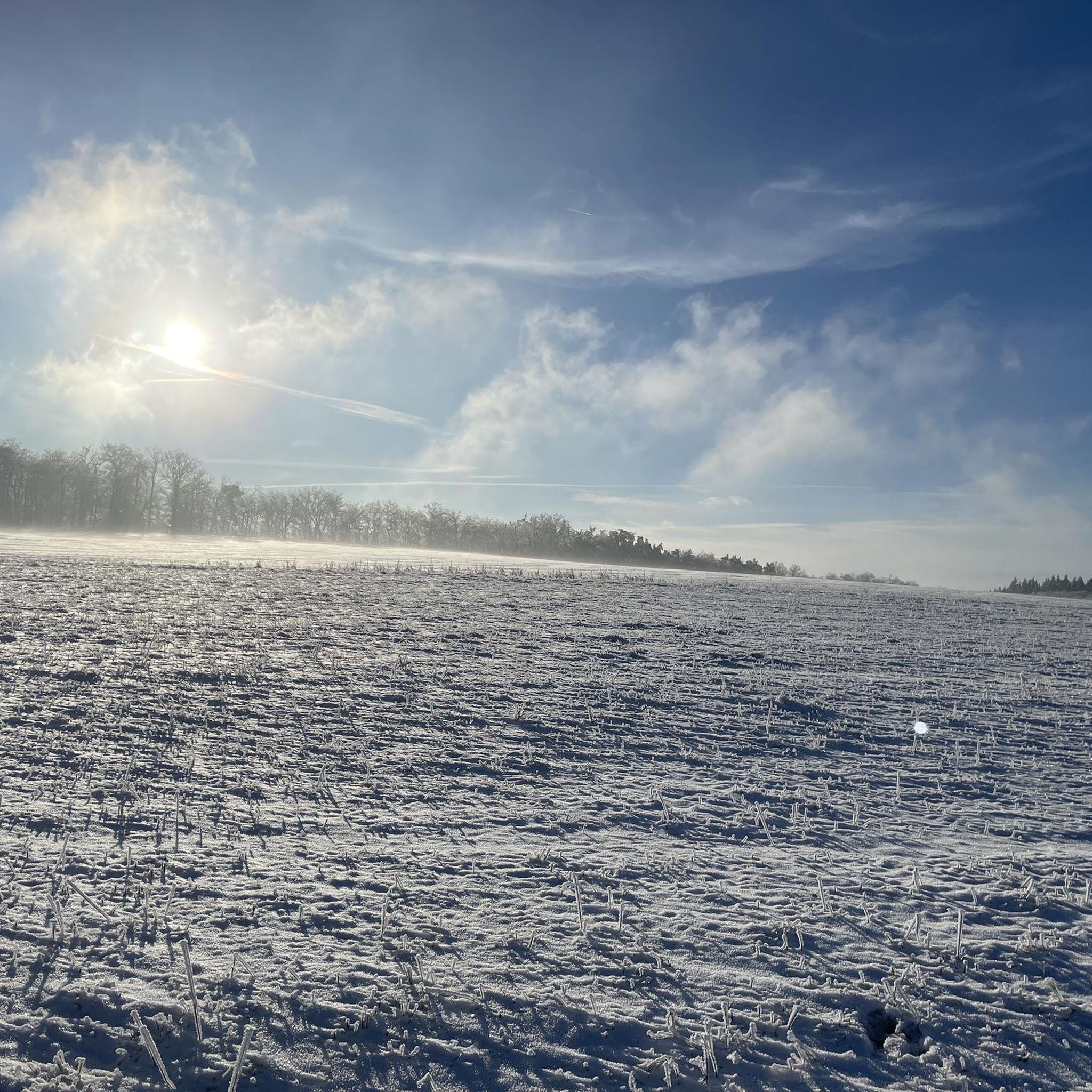
Mountain Hikes around Bourg-Saint-Pierre
Other adventures around Bourg-Saint-Pierre


Tips from the Community

Passing under the imposing covered viaduct that leads to the tunnel marks the beginning of the toughest part of the climb: the gradients become more demanding (though never prohibitive), the fatigue accumulated over the previous 20 km takes its toll, and the winds from Switzerland begin to lash you... you're officially in the high mountains, after all, that's why you came here. If the day is one of the worst, with strong winds from the pass, these last 10 km will be a nightmare, but the beauty and majesty of the landscape will more than make up for even the most intense of efforts.
0
0
The highest road pass in the Aosta Valley and a place that has always fascinated the writer for its thousand-year history, the austere Mauritian hospice and the profound beauty of the landscape.
0
0
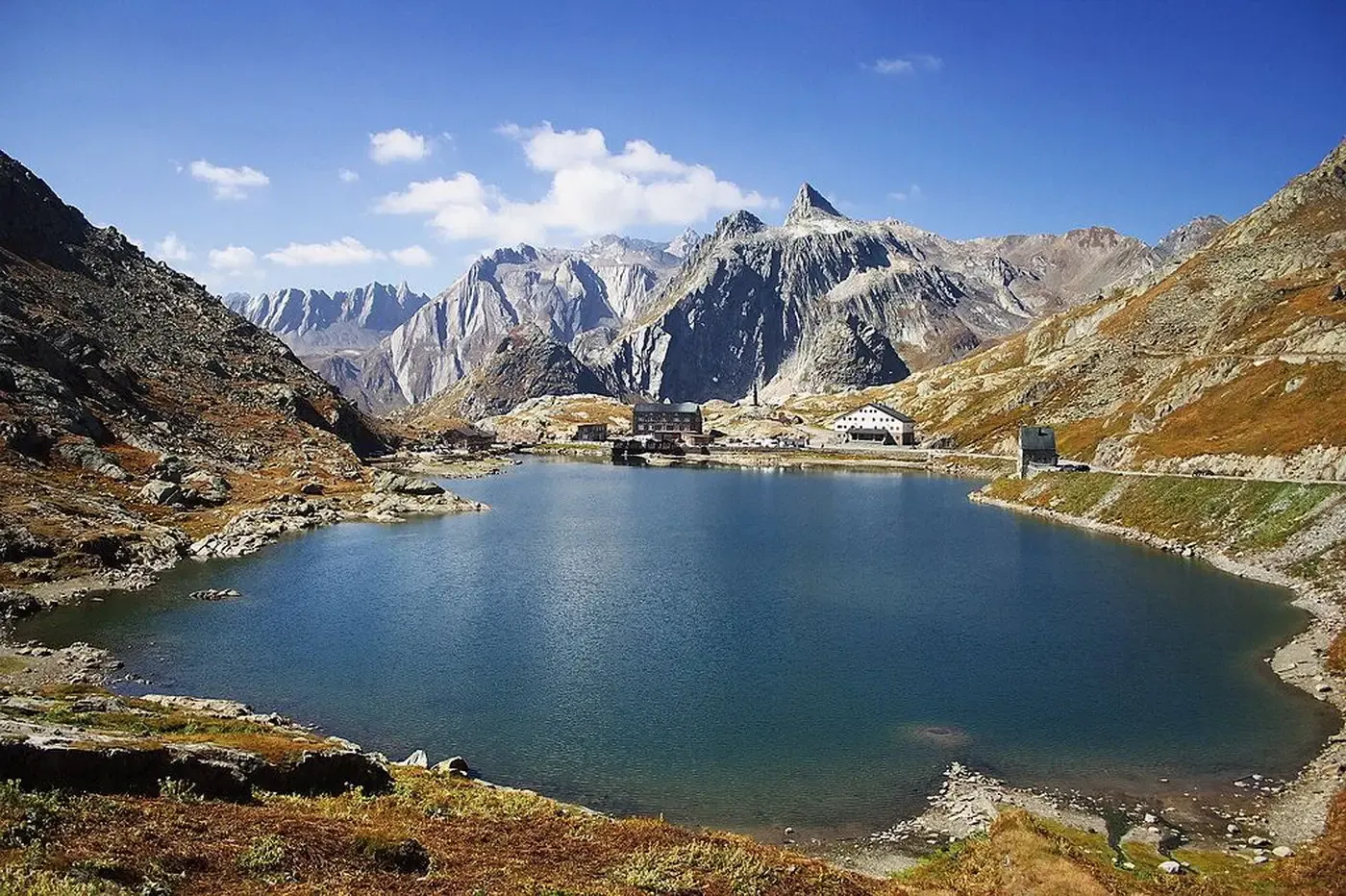
This climb is something incredible: it doesn't have difficult gradients but it's long, very long, endless. You reach a point where you almost hate it: you've been cycling for well over an hour and still can't see the summit, you're running out of energy and the wind keeps whipping your face, you'd like to throw your bike away and say "Enough! I'm stopping here"... but it's only for a moment, because you're the one who chose to face it and you knew perfectly well what you were getting into; you set off again with more grit than before and tackle those last few km of road with all your remaining strength. And then you enter the tunnel, there you start to realize you've made it, you come out, follow the road that turns slightly to the left and, as if in a dream, the lake appears. You reach the top and think about how many people throughout the centuries have traveled this road: Salassi, Romans, monks, migrants, Napoleonic soldiers... you realize you are in a place where History is dense and nature is stunning, and there you can only love this hill
7
0

Hotel Italia is highly recommended
0
0


An intense and very impressive climb. Over 11km you have to overcome around 850 meters in altitude. The roads are narrow and winding. There is little traffic. The splendor of colors in the larch forests is particularly impressive in autumn. Not an easy but highly recommended alternative to the main road in the valley.
0
0

The regional capital is located in the middle of the valley of the same name. The city still has the layout of the old Roman castrum, and in the car-free centre several monuments recall the Roman period. Aosta was a lively religious centre in the Middle Ages. St. Anselm, the later Archbishop of Canterbury who died in 1109, was born here. Today Aosta is a busy tourist hub at the crossroads of the roads to the Great St. Bernard Pass and Switzerland.
7
0
Piazza Émile Chanoux is the central square of Aosta, located in the Valle d’Aosta region of Italy. Named after the notary and resistance leader Émile Chanoux, the square is a rectangular square with its long sides facing north and south. The square is surrounded by elegant buildings, including the neoclassical Town Hall (Hôtel de Ville), which is richly decorated with frescoes and marquetry. In front of the Town Hall is a monument to the Soldier of the Aosta Valley, made by Pietro Canonica in 1924. The square serves as a meeting place and venue for festivals and markets, and is also home to the Hôtel des États, an important 18th-century building now used for temporary exhibitions.
5
0
Frequently Asked Questions
How many road cycling routes are available around Bourg-Saint-Pierre?
There are over 30 road cycling routes available around Bourg-Saint-Pierre, catering to various skill levels. You'll find a mix of challenging climbs and moderate paths through the region's stunning Alpine landscape.
What is the typical terrain and difficulty for road cycling in Bourg-Saint-Pierre?
Road cycling in Bourg-Saint-Pierre is characterized by challenging mountainous terrain, including significant elevation gains. The region features iconic climbs like the Great St. Bernard Pass, with routes ascending through the Val d'Entremont and towards high Alpine passes. While many routes are difficult, such as the Great St Bernard Hospice – Émile Chanoux Square loop, there are also moderate options like the Loop of Liddes, and a few easier routes for less experienced cyclists.
What makes the Great St. Bernard Pass a popular road cycling destination?
The Great St. Bernard Pass is an iconic Alpine climb, recognized as one of the classic cycling passes. It's the third highest paved pass in Switzerland, reaching 2,469 meters (8,100 ft), and offers a significant challenge with an average gradient of 5.7% over 30.6 km from Sembrancher. Cyclists are rewarded with awesome mountain views, especially as they approach the summit, and can find refreshment stops along the way. The pass also holds historical significance, having been used by Romans and Napoleon's army.
What natural attractions and viewpoints can I expect to see along road cycling routes?
The region offers breathtaking natural beauty. Along your rides, you can encounter the picturesque Lac de Grand Saint Bernard at the pass, the impressive landscapes of Val Ferret, and stunning vistas of the Grand Combin and surrounding glaciers from viewpoints like the Refuge du Velan. The area is also known for its rich fauna and flora, especially in autumn when larches glow golden.
Are there any historical or cultural landmarks to explore near the cycling routes?
Yes, the region is rich in history. At the summit of the Great St. Bernard Pass, you can visit the historic Great St Bernard Hospice, an 11th-century monastery famous for its St. Bernard dogs and a museum. The village of Bourg-Saint-Pierre itself has a well-preserved historic center, including the 1681 Valsorey mill and the ruins of the Château du Bourg. You might also encounter Hannibal's Wall, an archaeological site with Roman fortifications.
What is the best time of year for road cycling in Bourg-Saint-Pierre?
The best time for road cycling in Bourg-Saint-Pierre, especially for high Alpine passes like the Great St. Bernard, is typically from late spring to early autumn. The Great St. Bernard Pass road usually opens around late May or early June, depending on snow conditions, and remains open until the first significant snowfalls in October. Autumn offers particularly stunning scenery with golden larches and clear skies.
Are there any circular road cycling routes available?
Yes, several routes are designed as loops, allowing you to start and end in the same location. Examples include the challenging Lac des Toules Dam – Great St Bernard Hospice loop from Bourg-Saint-Bernard and the Great St Bernard Hospice – Col du Grand Saint-Bernard loop from Bourg-Saint-Bernard, which takes you through high Alpine scenery.
What do other road cyclists enjoy the most about road cycling in Bourg-Saint-Pierre?
The area is highly rated by the komoot community, with an average score of 4.2 stars from over 60 reviews. Cyclists frequently praise the challenging climbs, the breathtaking Alpine scenery, and the sense of accomplishment from conquering iconic passes like the Great St. Bernard. The diverse terrain, from deep valleys to barren peaks, is also a highlight for many.
Are there any easy or family-friendly road cycling routes in the area?
While many routes in Bourg-Saint-Pierre are challenging due to the mountainous terrain, there are a few easier options available. These routes typically feature less extreme elevation gains and are suitable for families or beginners looking for a more relaxed ride. It's always recommended to check the route's elevation profile and distance before setting out.
Where can I find places to eat or stay along the cycling routes?
Refreshment stops are available along the Great St. Bernard Pass route and at the summit, including at the Great St. Bernard Hospice. Bourg-Saint-Pierre itself offers accommodation options and places to eat. For routes extending into Val Ferret or other valleys, you may find additional cafes and restaurants in the villages along the way.
Is public transport available to access cycling routes or the Great St. Bernard Pass?
Public transport options, such as post buses, typically serve the Val d'Entremont region and can take you to Bourg-Saint-Pierre. During the summer months, services often extend up to the Great St. Bernard Pass, allowing cyclists to potentially shorten their ride or access different starting points. It's advisable to check local schedules for specific routes and bike transport availability.
Most popular routes around Bourg-Saint-Pierre
Most popular attractions around Bourg-Saint-Pierre

Get inspired with the komoot mobile app


Explore more
Browse the best Road cycling routes in other regions.
