Attractions and Places To See around Moncofa - Top 20
Best attractions and places to see around Moncofa include its diverse 6-kilometer coastline with sandy and pebbly beaches, alongside historical landmarks and cultural sites. This coastal municipality in Castellón province features natural wetlands and ancient structures reflecting its rich past. Visitors can explore a blend of natural beauty, historical architecture, and cultural exhibitions.
Best attractions and places to see around Moncofa
- The most popular attractions is Pic de la Font de Cabres, a summit that offers panoramic views of the coast and valleys from 570 meters above sea level. Reaching the top involves a picturesque route with some technical sections assisted by chains and ropes.
- Another must-see spot is L'Arquet of the Rambla, a bridge and historical site. This emblematic arch, of disputed Roman or Arab origin, was part of an irrigation system that channeled water to a former flour mill.
- Visitors also love Castle of La Vall d'Uixó, a castle built by the Arabs in the 10th century. Although in ruins, its wall structure and the layout of its two enclosures, including the Albarca parade ground and the citadel, are still visible.
- Moncofa is known for its diverse beaches, historical sites, and cultural exhibitions. The area offers a variety of attractions to see and explore, from natural coastal features to ancient defensive structures and local museums.
- The attractions around Moncofa are appreciated by the komoot community, with 26 upvotes and 20 photos shared by visitors.
Last updated: August 30, 2026
Pic de la Font de Cabres
Highlight • Summit
Translated by Google •
Tip by

L'Arquet of the Rambla
Highlight • Bridge
Translated by Google •
Tip by

Sign up now to discover places like this
Get recommendations on the best single tracks, peaks, & plenty of other exciting outdoor places.
Sign up for free
XYZ Line Machine Gun Nest (La Creueta)
Highlight • Historical Site
The XYZ Line was constructed as a final defensive barrier preventing Franco's advance towards Valencia. Its construction meant a boost in morale for those fighting a few kilometers away and a moral duty for those who fortified the fortress while their comrades lost their lives in the trenches on the front line of fire. Although it was caught in time, it largely achieved its objective, being crucial to the defense during the Battle of the Levante and preventing the fighting from reaching the lines closest to Valencia. This resistance is now viewed by many historians as a defensive victory.
Translated by Google •
Tip by

Baix de La Cova Fortress (Spanish Civil War Bunker)
Highlight • Historical Site
The fortress is located in the Portalés area, which was occupied at the end of July 1938 by a machine gun division and a rifle company of the 509th Battalion of the 128*
Meter Republican Mixed Brigade was defended. Later these fortifications were occupied by the 221* Mixed Brigade. Currently, most of the fortifications of the line that runs through these mountains have disappeared, but parapets, trenches, dugouts or machine gun nests can still be seen. Among them, this fortress stands out, as does the trench with machine gun nests and the observatory behind it, high on the mountain of La Cova
Translated by Google •
Tip by
Castle of La Vall d'Uixó
Highlight • Castle
castillosespanyoles.blogspot.com/2011/05/castillo-de-la-vall-duixo-castellon.html
Translated by Google •
Tip by
Sign up for free to discover even more attractions around Moncofa.
Sign up for free
Already have an account?
Start today with a free account
Your next adventure awaits.
Login or Signup
Tips from the Community

L'Arquet is an emblematic arch with a controversial origin (some say it is Roman and others, Arab). Through here the water was transported to the Molinet de Castro, which no longer exists, but was very close.
2
1

Fortress of La Creueta The XYZ Line was constructed as a final defensive barrier preventing Franco's advance towards Valencia. Its construction meant a boost in morale for those fighting a few kilometers away and a moral duty for those who fortified the fortress while their comrades lost their lives in the trenches on the front line of fire. Although it was caught in time, it largely achieved its objective, being crucial to the defense during the Battle of the Levante and preventing the fighting from reaching the lines closest to Valencia. This resistance is now viewed by many historians as a defensive victory.
10
0
The Baix de La Cova fortress The fortress is located in the Portalés area, which was occupied at the end of July 1938 by a machine gun division and a rifle company of the 509th Battalion of the 128* Meter Republican Mixed Brigade was defended. Later these fortifications were occupied by the 221* Mixed Brigade. Currently, most of the fortifications of the line that runs through these mountains have disappeared, but parapets, trenches, dugouts or machine gun nests can still be seen. Among them, this fortress stands out, as does the trench with machine gun nests and the observatory behind it, high on the mountain of La Cova
11
0
Uixó Castle was built by the Arabs in the 10th century. Although it is in a ruined state, you can still clearly see the wall structure that defended it and gives it an imposing appearance. The fortress consisted of two well-differentiated enclosures, of which the first, the Albarca, the large space intended for the parade ground, can be distinguished. In the upper part, which would correspond to the citadel, the bases of some towers, remains of cisterns and remains of some buildings are preserved. https://castillosespanyoles.blogspot.com/2011/05/castillo-de-la-vall-duixo-castellon.html
7
0
The path leads us along the red rocks to the Pic de la Font de Cabres. Sure-footedness and a head for heights are required.
6
0
L'Arquet is an arch of disputed origin (some sources date it back to Roman times, while others attribute it to the Arab people) through which water was channeled from a pond at the entrance to the ravine to transport it to the Molinet de Castro, a flour mill downstream, currently disappeared, on the other side of the Belcaire river. This symbol of the town is part of a series of arches and bridges visible along the river. It indicates the great importance of the irrigation systems for the economy of Alfondeguilla.
7
0

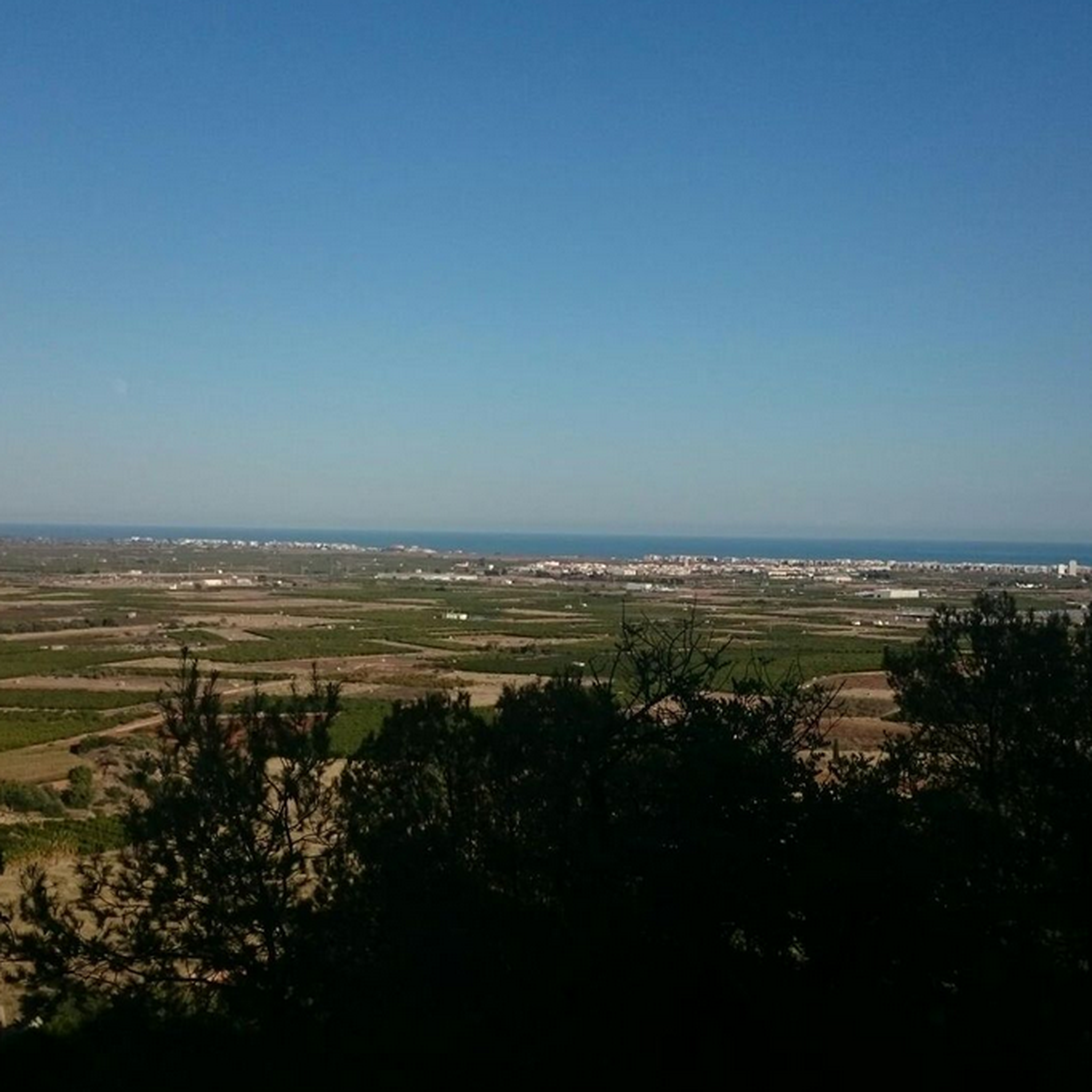
Place with unbeatable views of the Castellón plain.
0
1

XYZ line machine gun nest. Defensive belt built by the army of the Republic in 1938 in order to stop the advance of the coup troops towards Valencia
2
0
Frequently Asked Questions
What natural attractions can I explore in Moncofa?
Moncofa boasts a diverse 6-kilometer coastline with various beaches, including the popular urban Grau Beach and Masbó Beach, known for high water quality. For a tranquil experience, visit Estanyol Beach, which features remnants of old marshland and the small Estanyol lake, along with a flora micro-reserve. The Estanys wetlands are also notable for birdwatching, providing habitats for various waterfowl.
Are there historical sites to visit in Moncofa?
Yes, Moncofa has a rich history reflected in its landmarks. You can see the remnants of the defensive Murallas de Moncofar dating back to 1330, and the foundations of the ancient Torre Vigía (Watchtower) in the maritime district of Grao. The Santa María Magdalena Parish Church, originally built in 1329, showcases Baroque and Valencian Neoclassical styles. Don't miss L'Arquet of the Rambla, an emblematic arch of disputed Roman or Arab origin that was part of an old irrigation system.
What cultural experiences does Moncofa offer?
For cultural insights, visit the Moncofa History and Ethnology Museum, which details the town's evolution from an agricultural and fishing village to a tourist destination. The Santa María Magdalena Chapel, a 15th-century site in El Grao, commemorates a significant historical event and is the focus of an annual festival. Additionally, the Exhibition Halls of Pleamar and Maria Sorolla near the sea host various art displays.
Are there any viewpoints with panoramic views near Moncofa?
Absolutely. For breathtaking panoramic views of the coast and valleys, head to Pic de la Font de Cabres. From its 570 meters above sea level, you can see across the Plana Baixa and even into the province of Valencia. The route to the top is picturesque, with some technical sections assisted by chains and ropes.
What kind of outdoor activities can I do around Moncofa?
Moncofa and its surroundings offer various outdoor activities. You can explore numerous cycling routes, such as the easy 'Nules Pond – Clot de l'Illot loop' or the 'Public Fountain – Palm-Lined Beach Promenade loop'. For mountain biking enthusiasts, there are trails like the 'Punta de Orleys loop'. Running trails are also available, including the 'Riu Belcaire – Platja de Masbó loop'. Find more details on these activities in the dedicated guides for MTB Trails around Moncofa, Cycling around Moncofa, and Running Trails around Moncofa.
Are there any historical military sites or bunkers in the area?
Yes, the region holds significant Spanish Civil War history. You can visit the XYZ Line Machine Gun Nest (La Creueta), part of a defensive barrier built in 1938. Another notable site is the Baix de La Cova Fortress (Spanish Civil War Bunker), where you can still see parapets, trenches, and machine gun nests, offering a glimpse into the past.
Can I visit any ancient castles near Moncofa?
Just a short distance away, you can explore the Castle of La Vall d'Uixó. Built by the Arabs in the 10th century, this castle, though in ruins, still clearly shows its impressive wall structure and the layout of its two enclosures, including the Albarca parade ground and the citadel.
Which beaches are dog-friendly in Moncofa?
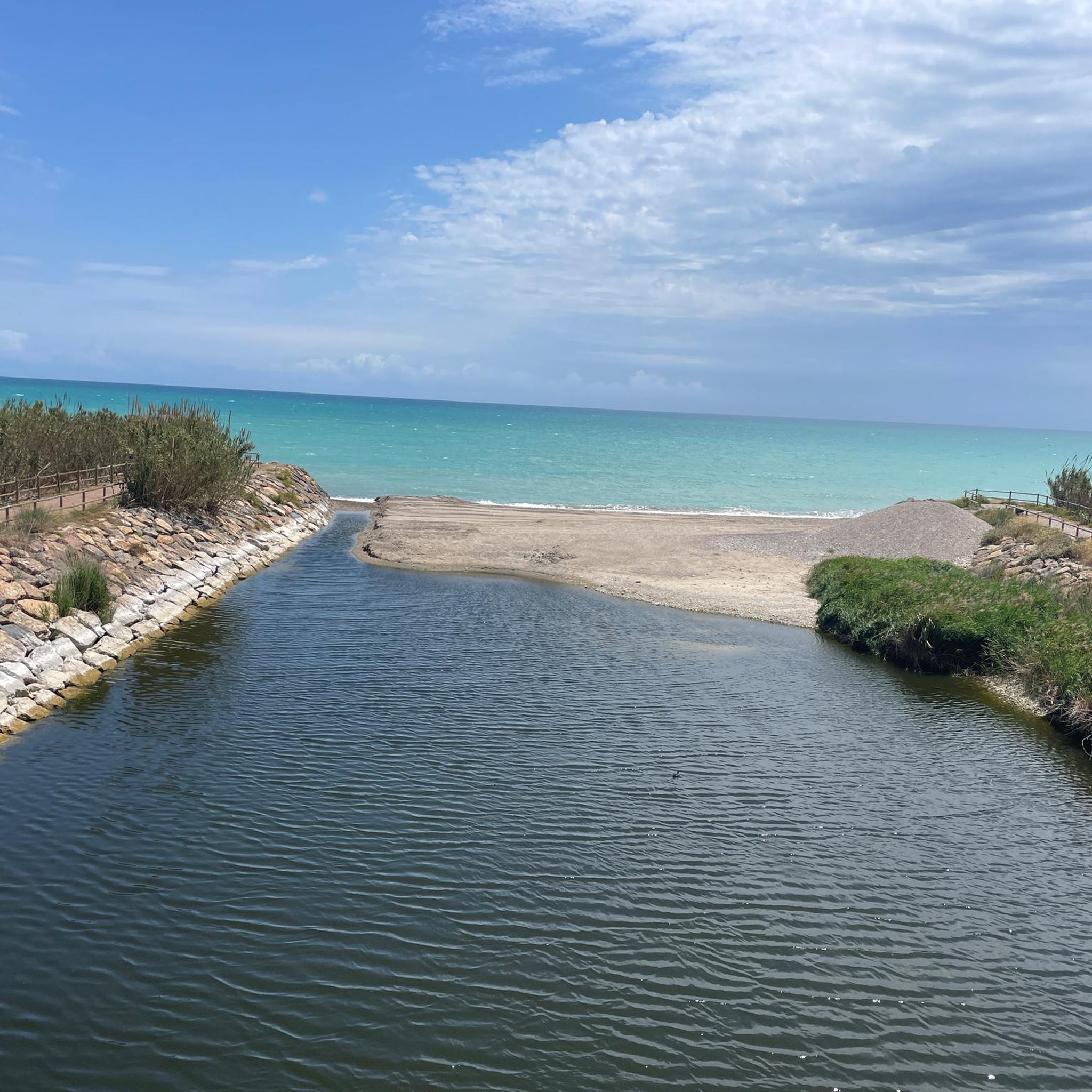
Belcaire Beach is a small, pebbly beach that extends to the estuary of the Belcaire river and is a designated area where dogs are allowed, making it a great spot for pet owners.
What is the significance of the Estanys wetlands?
The Estanys wetlands are important natural features where rainwater collects, creating diverse ecosystems. They provide crucial habitats for various bird species, including resident, nesting, and migratory waterfowl, making them an excellent spot for birdwatching and connecting with nature.
What is the best time to visit Moncofa?
Moncofa enjoys a Mediterranean climate, making it pleasant for visits throughout much of the year. The coastal areas are particularly enjoyable during spring and early autumn when temperatures are mild and ideal for exploring beaches and outdoor attractions without the peak summer heat. Summer is perfect for beach activities and water sports.
Are there any unique historical structures related to water management?
Yes, L'Arquet of the Rambla is a fascinating example. This emblematic arch, of disputed Roman or Arab origin, was an integral part of an irrigation system that channeled water to a former flour mill, highlighting the historical importance of water management in the region.
What can I expect at the Moncofa History and Ethnology Museum?
The Moncofa History and Ethnology Museum offers a permanent exhibition that traces Moncofa's journey from an agricultural and fishing village to a tourist destination. It showcases the town's origins and daily life through a collection of objects, tools, and images. The museum also hosts temporary exhibitions, some of which focus on the town's reconstruction after the Spanish Civil War.
Most popular routes around Moncofa
Most popular attractions around Moncofa

Get inspired with the komoot mobile app


Explore more
Still not found the Highlight you’re looking for? See guides of the top attractions in other regions:
