Attractions and Places To See around Torreblanca - Top 20
Attractions and places to see around Torreblanca include a variety of historical sites, natural features, and scenic viewpoints. This region, located in the province of Castellón, offers diverse landscapes ranging from coastal paths to mountain ranges like the Sierra de Irta. Visitors can explore ancient castles, religious buildings, and lighthouses, often providing extensive views of the surrounding area. The area is suitable for outdoor activities such as hiking and cycling, with numerous routes available.
Best attractions and places to see around Torreblanca
- The most popular attractions is Alcossebre Lighthouse (Faro de Alcossebre) – Cala Mundina, a man-made monument that offers extensive coastal views. It is accessible via a well-maintained promenade, making it suitable for family visits.
- Another must-see spot is Castillo de Xivert, a castle and historical site. This Islamic fortification from the 10th-11th centuries is located at the top of Xivert mountain, offering impressive views within the Parc Natural de la Serra d'Irta.
- Visitors also love Hermitage of Saint Lucy and Saint Benedict, a religious building and historical site. Situated on Mount San Benito at 312 meters above sea level, it provides one of the best viewpoints in the province of Castellón.
- Torreblanca is known for its historical sites, natural features, and coastal trails. The region offers a variety of attractions to see and explore, from ancient fortifications to scenic lighthouses.
- The attractions around Torreblanca are appreciated by the komoot community, with 180 upvotes and 67 photos shared across the highlights.
Last updated: May 9, 2026
Alcossebre Lighthouse (Faro de Alcossebre) – Cala Mundina
Highlight • Monument
Translated by Google •
Tip by

Hermitage of Saint Lucy and Saint Benedict
Highlight • Religious Site
Translated by Google •
Tip by

Sign up now to discover places like this
Get recommendations on the best single tracks, peaks, & plenty of other exciting outdoor places.
Sign up for free
Castillo de Xivert
Highlight • Castle
Translated by Google •
Tip by
Coastal Trail of Alcossebre
Highlight • Trail
Translated by Google •
Tip by

Puerto de la Serratella
Highlight (Segment) • Mountain Pass
Translated by Google •
Tip by
Sign up for free to discover even more attractions around Torreblanca.
Sign up for free
Already have an account?
Start today with a free account
Your next adventure awaits.
Login or Signup

Tips from the Community

The steep 20% driveway is worth it for a short time😉. Here you can enjoy a 360° panoramic view. The peace and color nuances of the fields in their red, ocher and brown tones are wonderfully beautiful.
1
0

IRTA LIGHTHOUSE It is located in Mundina Bay in the Sierra de Irta Natural Park and was designed by Rita Lorite. This makes it, along with Nules, the only lighthouse in Spain designed entirely by women. It features an innovative design and its extreme white tone contrasts with the green tones of the area and the blue of the Mediterranean.
8
0

a great ride, where you have to have muscles in your calves......., and not be afraid to push the bike on places where you could fall. But honestly a ride where I had fun👍
0
0

Hermitage of Santa Lucia located on the side of a mountain with exceptional views and great panoramic views of Alcossebre and part of the Plana Alta.
2
0

It is a beautiful and entertaining port, without major complications and with magnificent views. In the first part, we start with gentle slopes, which will be very good for us to "warm up" our legs, since after km. 4 things get a little more serious. The slope will begin to increase, with some loose ramps around 10%, and horseshoes will appear, until we reach the first hill at km. 12. Afterwards, we will have a short break including a short descent to the town of Serratella, and we will only have the final stretch, quite gentle, until we reach the top at 844 m. of altitude. At that point, we can decide whether to go down towards Albocàsser, or have a little "warm up" going up to the hermitage of S. Juan Nepomuceno along a concrete track that goes out to our left for about 500 m. and with 20% ramps, until reaching 920 m. of altitude.
1
0

On Mount San Benito there is a small hermitage that offers, from its viewpoint, one of the best views in the entire province of Castellón. The Hermitage of Santa Lucía and San Benito is located in the Sierra de Irta at 312 meters above sea level and was built at the end of the 17th century.
7
0
On Mount San Benito there is a small hermitage that offers, from its viewpoint, one of the best views in the entire province of Castellón. The Hermitage of Santa Lucía and San Benito is located in the Sierra de Irta at 312 meters above sea level and was built at the end of the 17th century.
6
0

The tour can also be done with a trekking bike.
3
0
Frequently Asked Questions
What historical sites can I explore around Torreblanca?
The region is rich in history. You can visit Castillo de Xivert, an impressive Islamic fortification from the 10th-11th centuries, offering extensive views within the Parc Natural de la Serra d'Irta. Another significant historical site is the Hermitage of Saint Lucy and Saint Benedict, a religious building from the late 17th century situated on Mount San Benito, providing one of the best viewpoints in Castellón. Additionally, the Fortified Hermitage of Albalat, built in the 14th century, offers a glimpse into the area's past with its Gothic elements and history of defense against pirates.
Are there any family-friendly attractions or activities in Torreblanca?
Yes, several attractions are suitable for families. The Alcossebre Lighthouse (Faro de Alcossebre) – Cala Mundina is accessible via a well-maintained promenade, making it ideal for family visits. Both Castillo de Xivert and the Hermitage of Saint Lucy and Saint Benedict are also categorized as family-friendly, offering historical exploration and scenic views that can be enjoyed by all ages, though access to the hermitage can be steep.
What natural features and viewpoints can I find near Torreblanca?
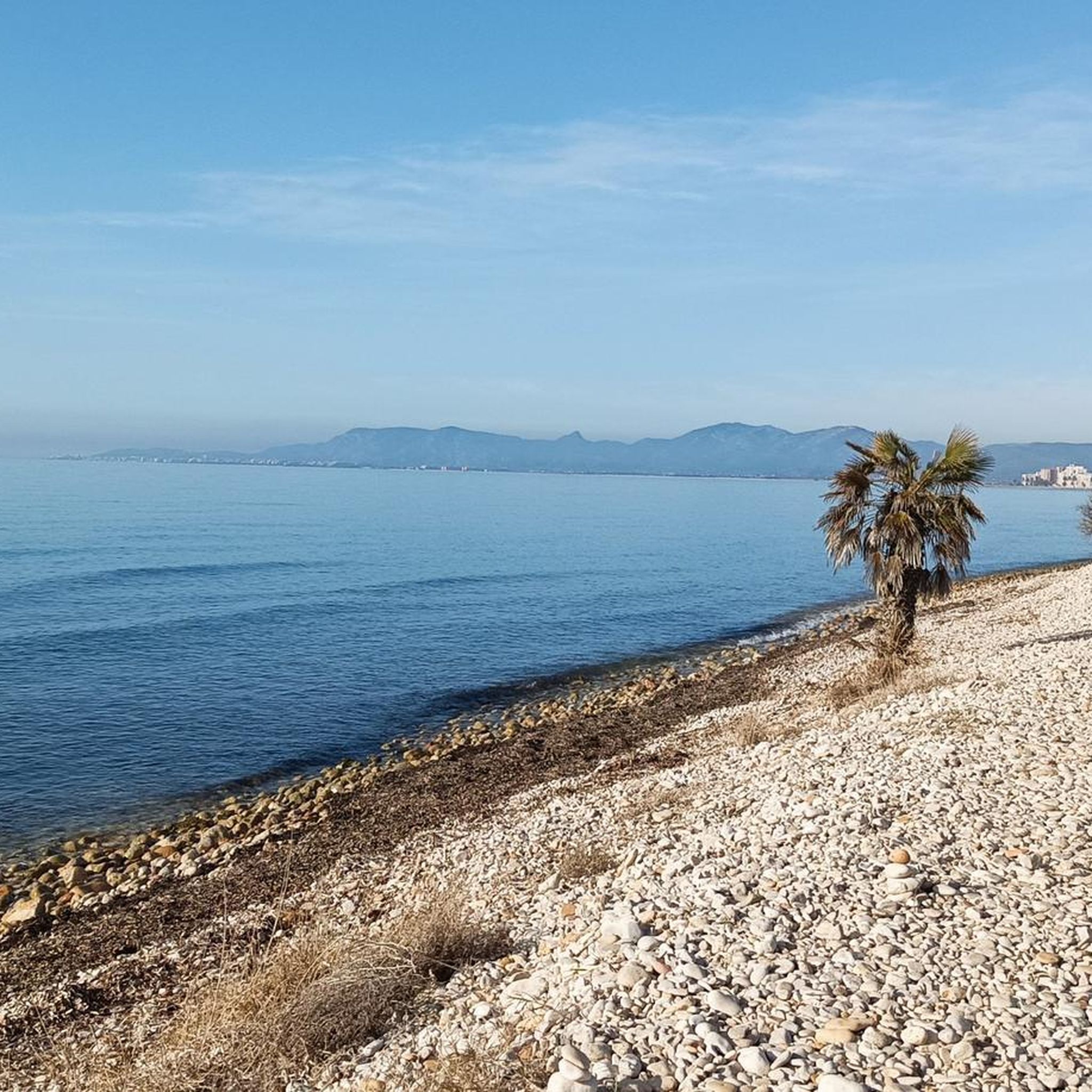
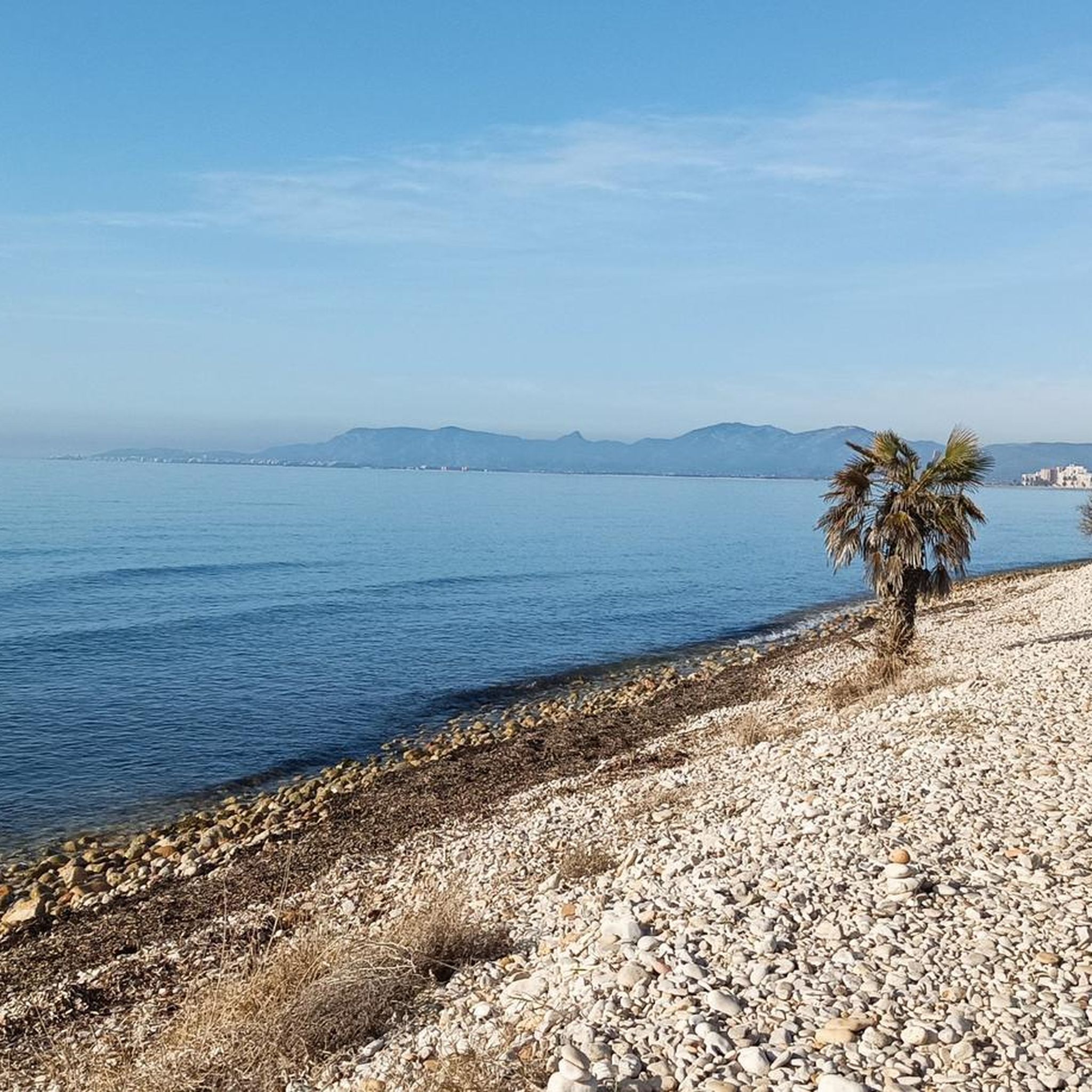
Torreblanca is surrounded by diverse natural landscapes. The Alcossebre Lighthouse (Faro de Alcossebre) – Cala Mundina offers wonderful coastal views and is located in an area of high ecological value with Mediterranean lowland mountains and small coves. The Hermitage of Saint Lucy and Saint Benedict, perched at 312 meters above sea level, provides one of the best panoramic views in the entire province of Castellón. You can also experience the natural beauty along the Coastal Trail of Alcossebre, which offers scenic walks by the sea.
What outdoor activities, like hiking or cycling, are available near these attractions?
The region around Torreblanca is excellent for outdoor activities. You can find numerous routes for hiking, mountain biking, and running. For hiking, explore options like the 'Torrenostra Beach loop' or 'Camino de Ribavaques loop' which are available in the Hiking around Torreblanca guide. Mountain biking enthusiasts can check out routes like the 'Hermitage of Saint Anthony – Alcossebre Coastal Path loop' in the MTB Trails around Torreblanca guide. For runners, there are routes such as the 'Capicorb Castle – Manyetes Beach loop' in the Running Trails around Torreblanca guide.
Is the coastal path near Torreblanca suitable for an easy walk?
Yes, the Coastal Trail of Alcossebre offers smooth paths, especially the first half from the town. It's described as an interesting tour and a beautiful walk by the sea. While some sections past the lighthouse transition to a gravel road that can be a bit rough, many parts are enjoyable for a leisurely stroll.
What is the best time of year to visit Torreblanca for outdoor activities?
The region generally enjoys a Mediterranean climate. Spring and autumn are often ideal for outdoor activities like hiking and cycling, as temperatures are milder and the landscapes are vibrant. Summers can be hot, making coastal walks and early morning or late afternoon activities more comfortable. Winters are generally mild, allowing for year-round exploration, though some services might have reduced hours.
Are there any hidden natural spots or wild swimming opportunities near Torreblanca?
While specific wild swimming spots are not detailed, the area around the Alcossebre Lighthouse (Faro de Alcossebre) – Cala Mundina is noted for its 'wild beautiful coast' and 'small coves' within a highly ecological Mediterranean lowland mountain area. These coves could offer secluded spots for enjoying the natural waters, depending on local regulations and conditions.
What are the parking options for attractions around Torreblanca?
Parking availability varies by attraction. For coastal areas like the Alcossebre Lighthouse, there are often parking areas near the promenade. For historical sites like Castillo de Xivert or the Hermitage of Saint Lucy and Saint Benedict, access might involve driving up a mountain road, with parking typically available at or near the site, though it can be limited or require a short walk.
What do visitors enjoy most about the attractions in Torreblanca?
Visitors particularly appreciate the extensive views offered by sites like the Hermitage of Saint Lucy and Saint Benedict and Castillo de Xivert. The well-maintained coastal paths, such as the one leading to the Alcossebre Lighthouse, are also highly rated for their picturesque scenery and ease of access. The historical significance and preservation of the castles and hermitages are frequently highlighted as well.
Are there any dog-friendly trails or areas near Torreblanca?
While specific dog-friendly designations for beaches are not provided, many natural trails and coastal paths in the region are generally suitable for walks with dogs, provided they are kept on a leash and owners adhere to local regulations regarding waste. The Alcossebre Lighthouse promenade and the Coastal Trail of Alcossebre are popular for walks, and many hiking routes in the surrounding natural parks are often accessible with dogs.
How can I reach attractions like Castillo de Xivert or the Hermitage of Saint Lucy and Saint Benedict?
Both Castillo de Xivert and the Hermitage of Saint Lucy and Saint Benedict are located on mountains, requiring a drive or a hike to reach. Access to the hermitage, for instance, is described as very steep. While public transport options directly to these elevated sites may be limited, you can typically drive to a certain point and then proceed on foot. It's advisable to check local transport information or consider a car for easier access to these more remote attractions.
Most popular routes around Torreblanca
Most popular attractions around Torreblanca

Get inspired with the komoot mobile app


Explore more
Still not found the Highlight you’re looking for? See guides of the top attractions in other regions:
