Attractions and Places To See around El Puig De Santa Maria - Top 20
Best attractions and places to see around El Puig De Santa Maria include a diverse range of historical sites, natural features, and coastal areas. Located just north of Valencia, the region extends from the foothills of the Sierra Calderona to the Mediterranean Sea. Visitors can explore ancient monasteries, historic castles, and scenic beaches. The terrain offers both elevated viewpoints and accessible coastal promenades.
Best attractions and places to see around El Puig De Santa Maria
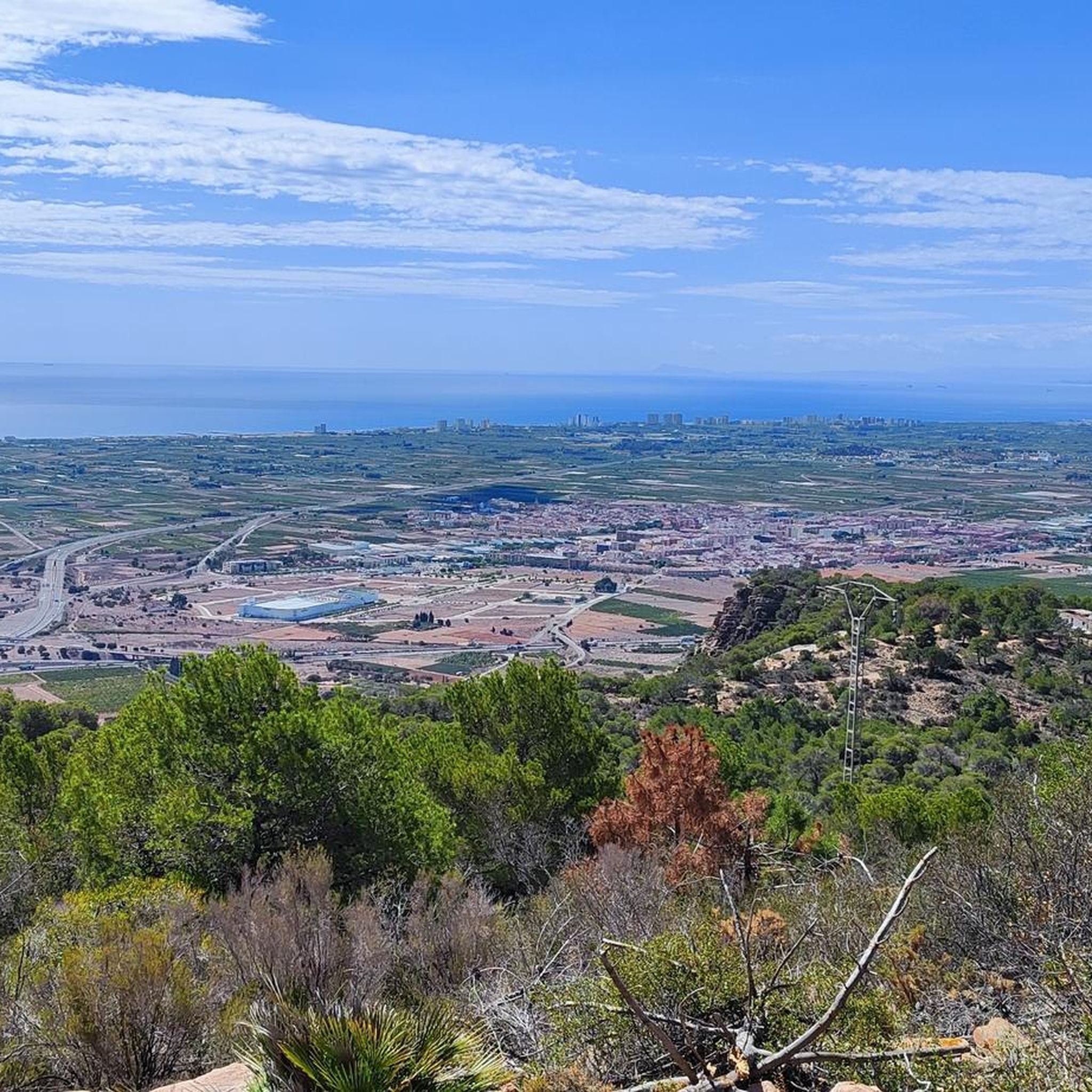
- The most popular attractions is Garbí Viewpoint, a viewpoint that offers views of the Gulf of Valencia. This peak in the Sierra Calderona provides panoramic vistas, with paths leading to the main summit at 601 m.
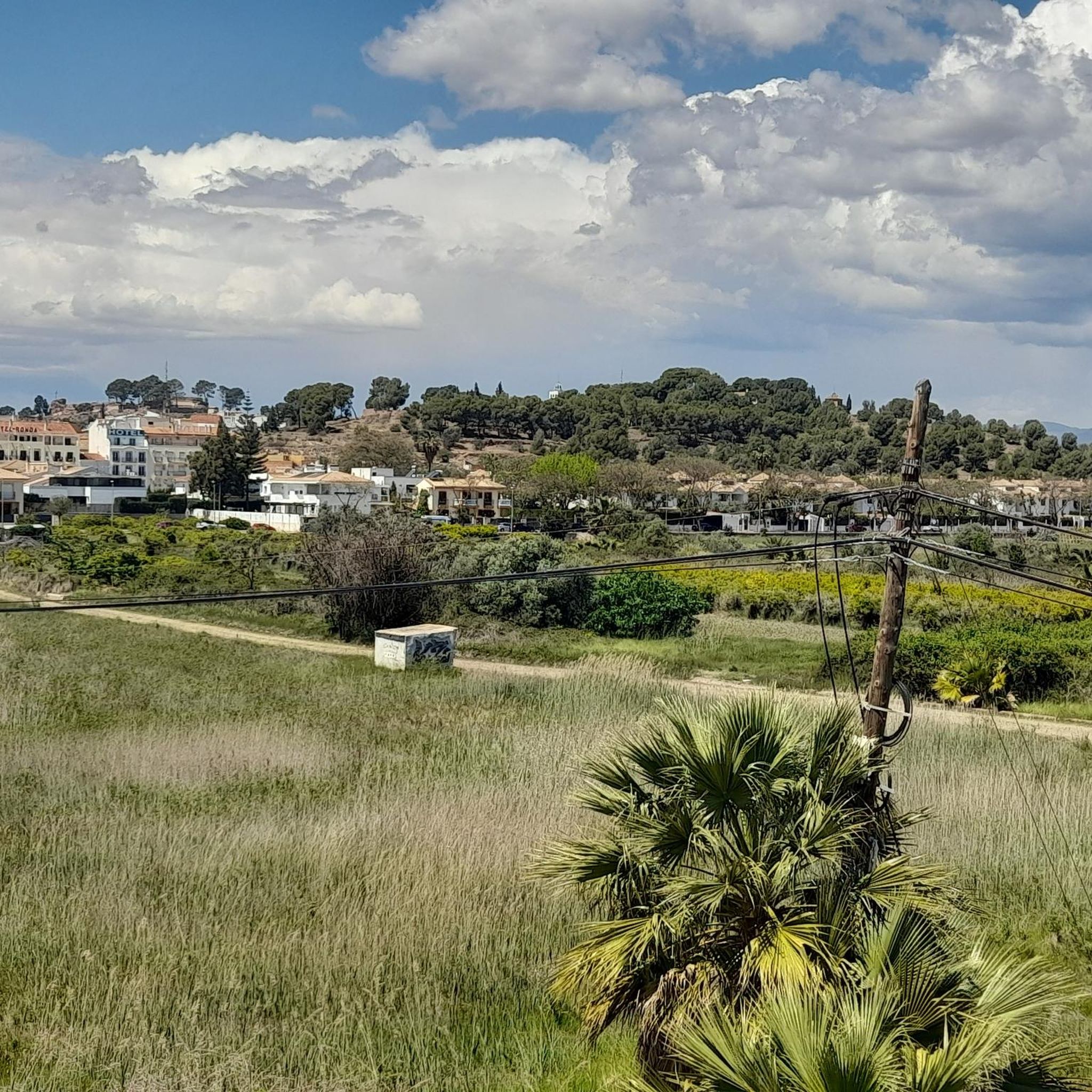
- Another must-see spot is Castell de Serra, a castle. This small fortress of Arab origin, built around the 11th century, offers views of the Sierra Calderona.
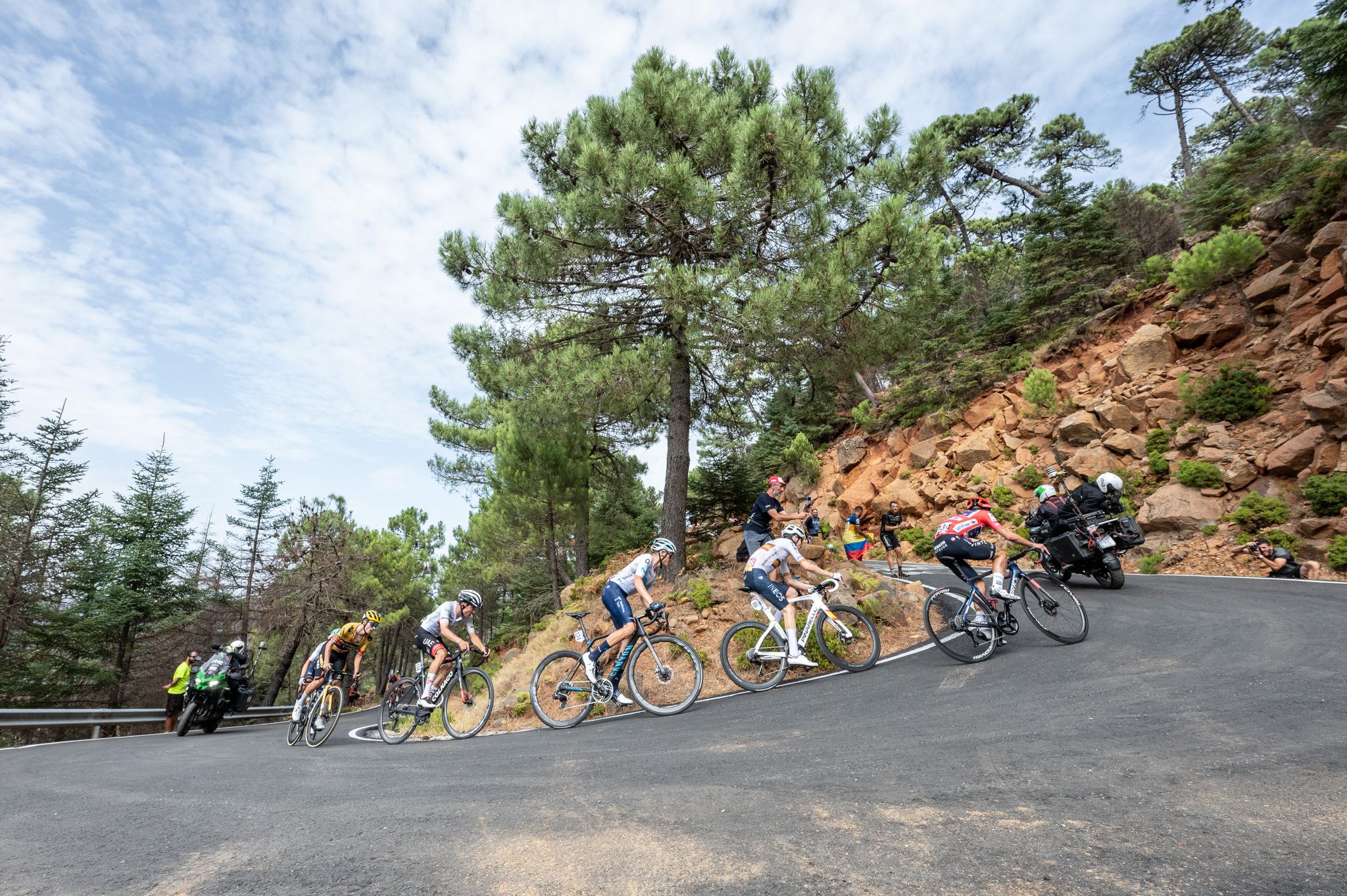
- Visitors also love L'Oronet Pass Climb, a climb. This mountain pass is an emblematic cycling route within the Sierra Calderona, offering views along its zigzag path.
- El Puig De Santa Maria is known for its historical sites, natural viewpoints, and coastal areas. The region offers a variety of attractions to see and explore, from ancient fortresses to scenic mountain passes and beaches.
- The attractions around El Puig De Santa Maria are appreciated by the komoot community, with 9 highlights receiving 169 upvotes and featuring 23 photos.
Last updated: July 20, 2026
Footbridge over the Barranc del Carraixet
Highlight • Bridge
Translated by Google •
Tip by

Garbí Viewpoint
Highlight • Viewpoint
Translated by Google •
Tip by

Sign up now to discover places like this
Get recommendations on the best single tracks, peaks, & plenty of other exciting outdoor places.
Sign up for free
L'Oronet Pass Climb
Highlight (Segment) • Climb
Translated by Google •
Tip by

Castell de Serra
Highlight • Castle
The fortress, which was not intended to house civilians, was part of the defense system of Northern Valencia along with the castles of Náquera and Olocau.
Grandiose view of the Sierra Calderona!
Translated by Google •
Tip by

Oronet Pass
Highlight • Mountain Pass
Translated by Google •
Tip by

Sign up for free to discover even more attractions around El Puig De Santa Maria.
Sign up for free
Already have an account?
Start today with a free account
Your next adventure awaits.
Login or Signup
Popular around El Puig De Santa Maria

Other adventures around El Puig De Santa Maria

Tips from the Community

Visitables ruins of the Serra castle. Beware, if you go by bike you will have to leave it at the beginning of the path up to the castle, it is impossible to go up with the bike. On weekends there are quite a lot of people
0
0

Garbí Viewpoint: Spectacular views of the Gulf of Valencia and, on clear days, as far as the Columbretes Islands. Ideal for sunrises and sunsets.
1
0


A nice pass with good asphalt.
1
0

El Garbí is a mountain of 593 meters located in the Serra Calderona, in its eastern part, a short distance from the Mediterranean Sea, between the municipalities of Estivella, Segart and Albalat dels Tarongers, in the region of Camp de Morvedre, if well it should be noted that the viewpoints and the llossar are in Estivella. It has beautiful views of the north coast of Valencia and south of Castelló, as well as the Serra Calderona, to which it belongs.
1
1
More information here: https://www.valenciabonita.es/2018/05/02/el-garbi/
1
1

Must climb in Valencia, also possible from Serra, continuing downhill to Torres-Torres and Sagunt for a loop back to Valencia.
1
0
The classic in the Calderona. The east side is even more beautiful than the west side.
1
0
Frequently Asked Questions
What natural features and viewpoints can I explore around El Puig de Santa Maria?
The region offers diverse natural beauty, from coastal areas to mountain foothills. A must-see is the Garbí Viewpoint, which provides spectacular panoramic views of the Gulf of Valencia and the Sierra Calderona. You can also enjoy the 4 kilometers of diverse coastline with sandy and stony beaches, and a 1 km seafront promenade.
What historical sites and cultural landmarks are there to visit?
El Puig de Santa Maria is rich in history. The most iconic is the Royal Monastery of El Puig de Santa María, a National Historical-Artistic Monument. Perched atop a hill, the remains of "La Patá" Castle (also known as Cebolla Castle) offer insights into the town's strategic past and magnificent views. Other significant sites include the Carthusian Monastery of Ara Christi and the Hermitage of Saint George, which commemorates the historic Battle of El Puig.
Are there any family-friendly attractions in the area?
Yes, several options cater to families. The beaches of El Puig are well-equipped with recreational sports and children's facilities. Port Saplaya, often called the "Valencian Venice," offers a beautiful and colorful walk along its canals, which is enjoyable for all ages. The Garbí Viewpoint also has recreation areas nearby, making it suitable for a family outing.
Where can I find accessible options for visitors with reduced mobility?
Play-Puig Beach is notable for its "Accessibility Point," which provides special equipment and facilities for individuals with reduced mobility, ensuring everyone can enjoy the coastline. Additionally, the Footbridge over the Barranc del Carraixet is designed to be wheelchair accessible, offering an inclusive experience for cyclists and pedestrians.
What outdoor activities, like hiking or cycling, are available near these attractions?
The region is excellent for outdoor enthusiasts. For cycling, the L'Oronet Pass Climb is an emblematic route within the Sierra Calderona. You can find various cycling routes, including moderate and difficult options, by exploring the Cycling around El Puig De Santa Maria guide. For those who enjoy running, there are several trails, such as the moderate "El Puig – Ruins of Castillo del Puig loop," detailed in the Running Trails around El Puig De Santa Maria guide.
Are there specific hiking trails near the historical sites?
Yes, the area around the castles and monasteries often features paths that can be explored on foot. For instance, the remains of "La Patá" Castle are perched on a hill, offering walking opportunities with panoramic views. The Sierra Calderona foothills, where many historical sites are located, provide numerous trails. While specific hiking trails directly from the historical sites aren't detailed, you can find various running and walking loops in the Running Trails around El Puig De Santa Maria guide that often pass by or near these points of interest.
What unique cultural experiences can I find in El Puig de Santa Maria?
Beyond the main historical sites, you can visit the Printing and Graphic Arts Museum, housed within the Royal Monastery. It's significant as the first of its kind in Spain. Additionally, El Puig de Santa Maria is a stop along the historic Route of the Holy Grail, offering a journey through landscapes and monuments linked to this legendary relic.
What do visitors enjoy most about the attractions in El Puig de Santa Maria?
Visitors frequently praise the breathtaking views, especially from the Garbí Viewpoint and Castell de Serra. The cycling routes, like the L'Oronet Pass Climb, are highly regarded for their scenic zigzag paths and opportunities to refuel. The unique charm of Port Saplaya with its canals and colorful houses is also a favorite.
Are there any challenging climbs for cyclists in the region?
Absolutely. The L'Oronet Pass Climb is an emblematic cycling route within the Sierra Calderona, known for its challenging ascent and rewarding views. It's a must-do for serious cyclists. You can find more challenging road cycling routes, such as the "Aín Village – Coll d’Aín loop," in the Road Cycling Routes around El Puig De Santa Maria guide.
Can I learn about more recent history, such as the Civil War, in El Puig de Santa Maria?
Yes, on the slopes of the castle mountain, you can find a complex of shelters and trenches built during the 20th century. Guided tours are available to explain this period of recent history, offering a different perspective on the region's past.
What is the best time of year to visit El Puig de Santa Maria for outdoor activities?
The region generally enjoys a Mediterranean climate. Spring and autumn are often ideal for outdoor activities like hiking and cycling, as temperatures are milder and more comfortable than the summer heat. These seasons also offer pleasant conditions for exploring historical sites and enjoying the natural landscapes without extreme weather.
Are there any unique architectural or engineering structures to see?
Beyond the historical buildings, the Footbridge over the Barranc del Carraixet is an imposing and interesting structure, particularly for cyclists. Additionally, the Renaissance Watchtower on the beach stands as a historic coastal defense, offering a glimpse into past engineering.
Most popular routes around El Puig De Santa Maria
Most popular attractions around El Puig De Santa Maria

Get inspired with the komoot mobile app


Explore more
Still not found the Highlight you’re looking for? See guides of the top attractions in other regions:
