Attractions and Places To See around Borriana / Burriana - Top 20
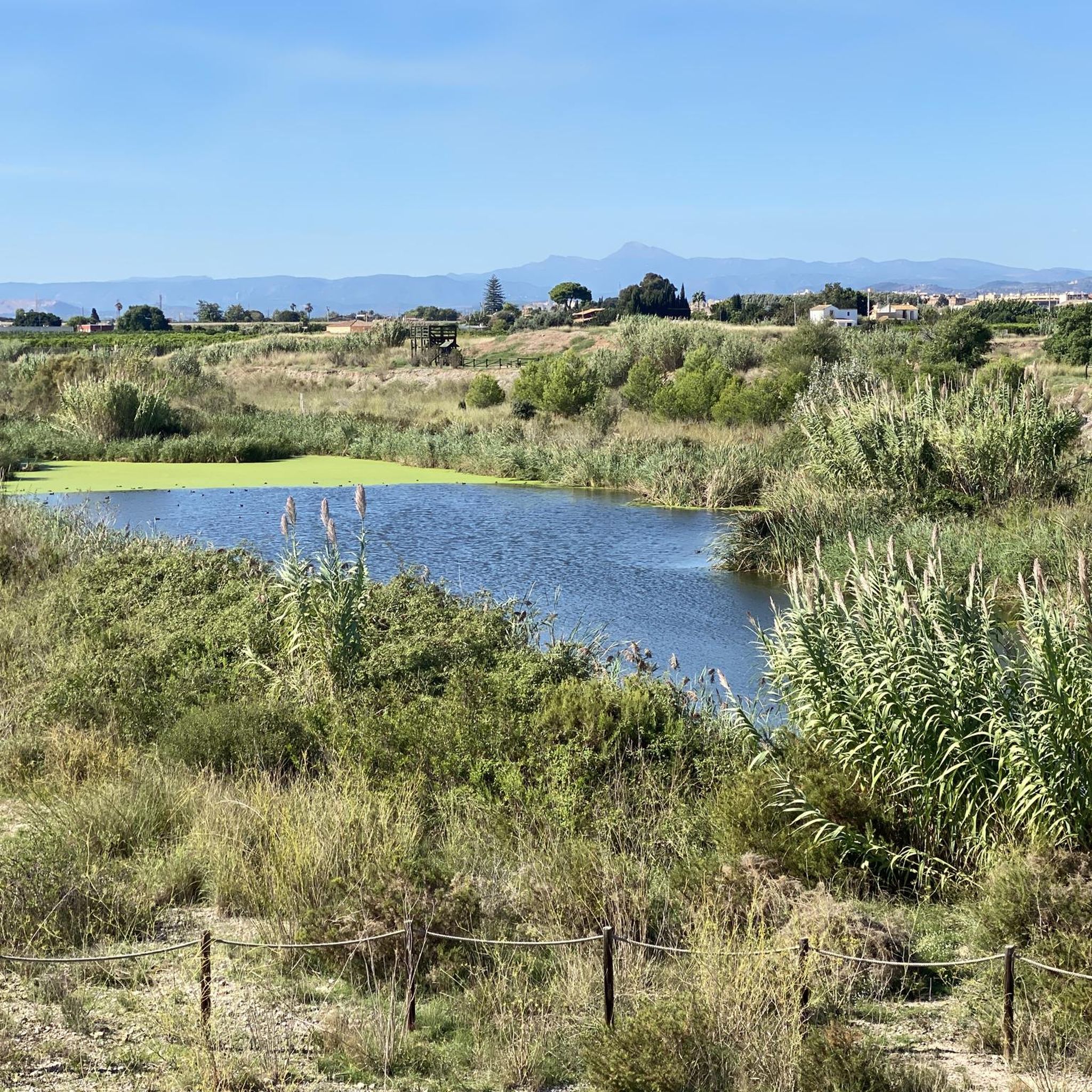
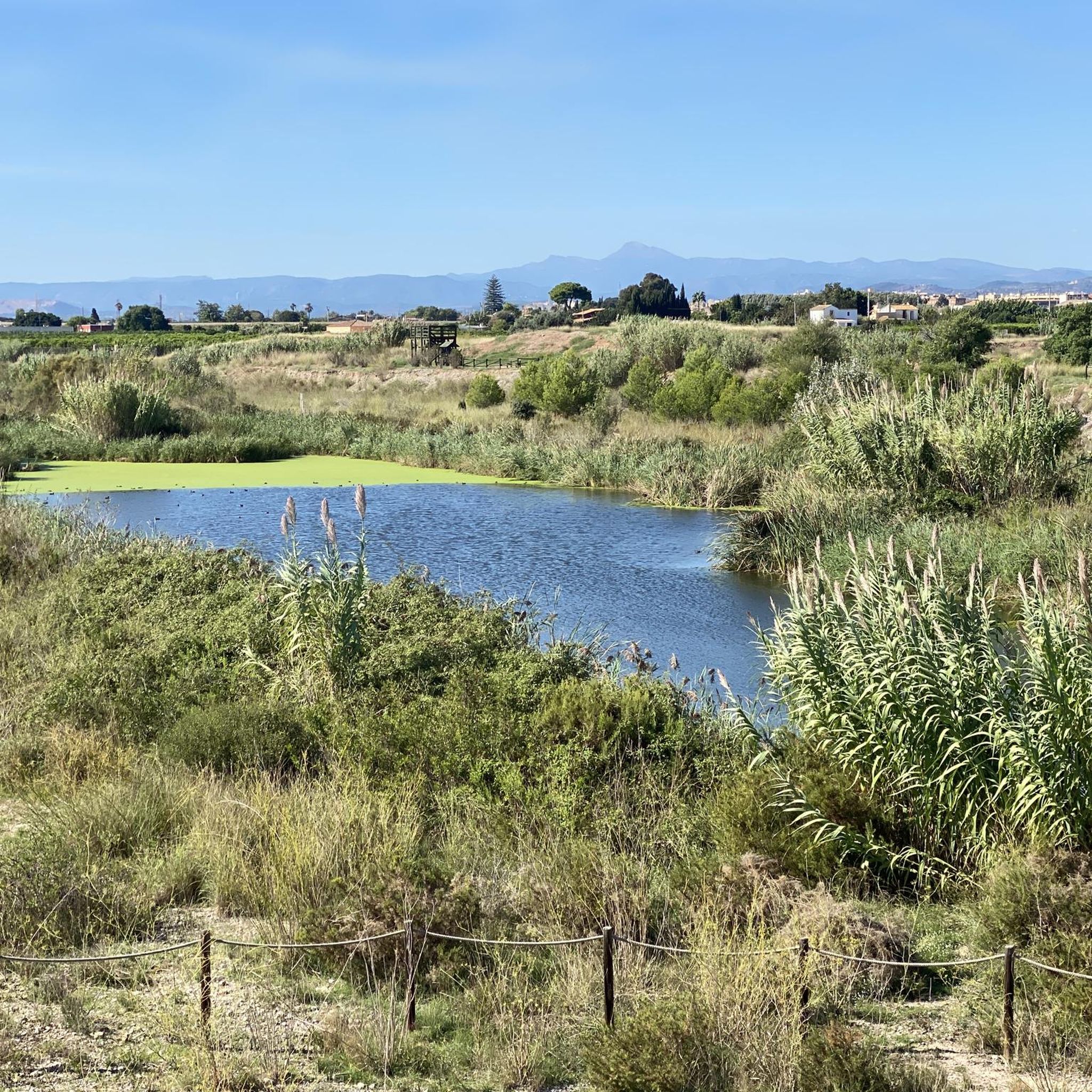
Best attractions and places to see around Borriana / Burriana include a blend of historical, cultural, and natural sites situated on the Costa del Azahar. The town features a rich historical complex with streets reflecting its Muslim "Vila" origins and traditional architecture. Its coastline spans 11 kilometers of fine sand beaches, complemented by unique natural areas like El Clot de la Mare de Déu, a significant wetland and refuge for diverse bird species. Visitors can explore ancient landmarks, religious buildings, and coastal landscapes.
Best attractions and places to see around Borriana / Burriana
- The most popular attractions is Playa del Gurugú, a beach that offers a wide stretch of fine sand and is ideal for walking or cycling along the promenade. It is known for its spaciousness and connection to other bike lanes, making it a popular spot for outdoor activities.
- Another must-see spot is Pic de la Font de Cabres, a summit offering impressive panoramic views of the coast and surrounding valleys. Visitors can expect a picturesque route with some challenging sections, assisted by chains and ropes for the final ascent.
- Visitors also love Hermitage of Santa Quiteria and Medieval Bridge of Almassora, a historical site featuring a religious building and a Gothic bridge. The hermitage is built next to a river cave, and the bridge is a significant example of 13th-century civil engineering, part of the ancient Vía Augusta.
- Borriana / Burriana is known for its historical landmarks, extensive beaches, and unique natural areas. The region offers a variety of attractions, from ancient archaeological sites and religious buildings to coastal walks and panoramic viewpoints.
- The attractions around Borriana / Burriana are appreciated by the komoot community, with over 170 upvotes and 14 photos shared by visitors.
Last updated: July 20, 2026
Playa del Gurugú
Highlight • Beach
Translated by Google •
Tip by

Hermitage of Santa Quiteria and Medieval Bridge of Almassora
Highlight • Religious Site
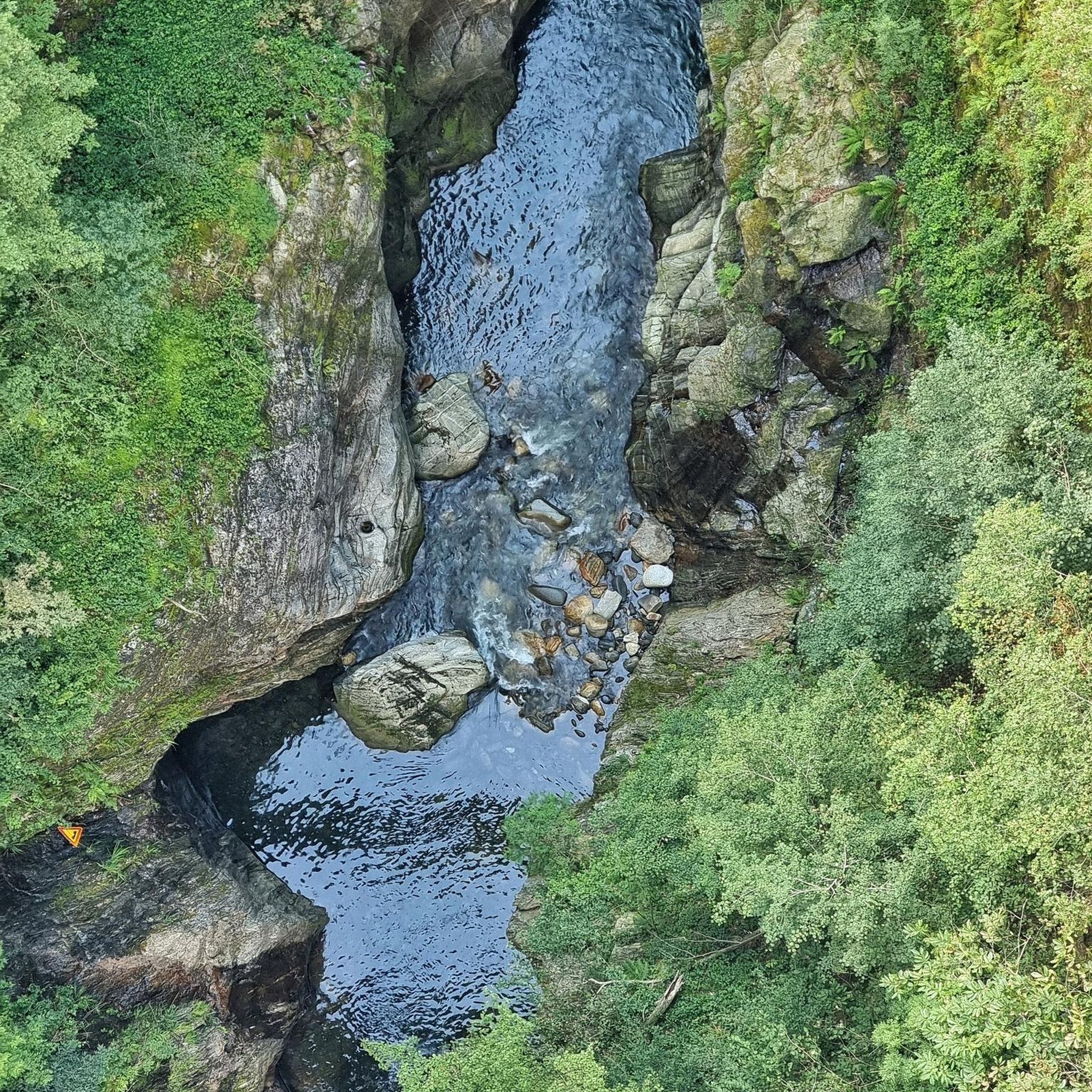
It is built next to a river cave, on the banks of the only bridge that then crossed the Mijares, in the place where, according to tradition, a shepherd found an image of the saint. There are indications that lead to an existence long before these dates. As it is a contract from 1330, the current hermitage was built from 1683, on the remains of an older medieval hermitage. This bridge is the place where the Vía Augusta and the Camí Vell from Onda to Castellón passed, it is a civil work of great importance not only because it is contemporary with King Jaime I, but also because it represents a unique example of a Gothic bridge in the Community Valencian. It was Pere Dahera, who built it in the 13th century by authorization from James I on April 18, 1275. One of the frequent floods destroyed it in 1581 and during its reconstruction a cross was placed in the middle of the bridge that was destroyed by a lightning in 1652, a curious fact that was reflected in an inscription that can still be read today on the base of the stone. "In the year 1692, lightning struck here on June 1 and hit this cross"
Translated by Google •
Tip by

Sign up now to discover places like this
Get recommendations on the best single tracks, peaks, & plenty of other exciting outdoor places.
Sign up for free
Pic de la Font de Cabres
Highlight • Summit
Translated by Google •
Tip by
Torrelló del Boverot archaeological site
Highlight • Historical Site
It is cataloged as an Asset of Cultural Interest, according to the General Directorate of Artistic Heritage of the Valencian Government.
The archaeological excavations that have been carried out have allowed the documentation of some remains of the settlement from the Bronze Age, which could date back to the year 1000 BC. C.. Several superimposed urban structures can be seen, with various moments of occupation. The Ibéra street (partly cobbled) stands out, with its terraced houses (one of them with a child burial in the pavement), dated around 160-140 BC. C. You can also see several walls, with more than 70 longitudinal meters, to protect the settlement from possible invasions.
Translated by Google •
Tip by

Castle of La Vall d'Uixó
Highlight • Castle
castillosespanyoles.blogspot.com/2011/05/castillo-de-la-vall-duixo-castellon.html
Translated by Google •
Tip by

Sign up for free to discover even more attractions around Borriana / Burriana.
Sign up for free
Already have an account?
Start today with a free account
Your next adventure awaits.
Login or Signup
Tips from the Community

Uixó Castle was built by the Arabs in the 10th century. Although it is in a ruined state, you can still clearly see the wall structure that defended it and gives it an imposing appearance. The fortress consisted of two well-differentiated enclosures, of which the first, the Albarca, the large space intended for the parade ground, can be distinguished. In the upper part, which would correspond to the citadel, the bases of some towers, remains of cisterns and remains of some buildings are preserved. https://castillosespanyoles.blogspot.com/2011/05/castillo-de-la-vall-duixo-castellon.html
7
0
The path leads us along the red rocks to the Pic de la Font de Cabres. Sure-footedness and a head for heights are required.
6
0


A beautiful, endless sandy beach. Great section of this tour, easy to drive, lots to see, very relaxed tour.
2
0

The Hermitage of Santa Quiteria It is built next to a river cave, on the banks of the only bridge that then crossed the Mijares, in the place where, according to tradition, a shepherd found an image of the saint. There are indications that lead to an existence long before these dates. As it is a contract from 1330, the current hermitage was built from 1683, on the remains of an older medieval hermitage. This bridge is the place where the Vía Augusta and the Camí Vell from Onda to Castellón passed, it is a civil work of great importance not only because it is contemporary with King Jaime I, but also because it represents a unique example of a Gothic bridge in the Community Valencian. It was Pere Dahera, who built it in the 13th century by authorization from James I on April 18, 1275. One of the frequent floods destroyed it in 1581 and during its reconstruction a cross was placed in the middle of the bridge that was destroyed by a lightning in 1652, a curious fact that was reflected in an inscription that can still be read today on the base of the stone. "In the year 1692, lightning struck here on June 1 and hit this cross"
3
0
Relaxing and very nice place, very clean beach, occasionally you can see amateur skydiving
2
0

Place with unbeatable views of the Castellón plain.
0
1

El Torrelló del Boverot is a settlement, which is located in the western part of the municipality of Almazora, in the Plana Alta, next to the Mijares river bordering the municipality of Onda, province of Castellón, Valencian Community, Spain. It is cataloged as an Asset of Cultural Interest, according to the General Directorate of Artistic Heritage of the Valencian Government. The archaeological excavations that have been carried out have allowed the documentation of some remains of the settlement from the Bronze Age, which could date back to the year 1000 BC. C.. Several superimposed urban structures can be seen, with various moments of occupation. The Ibéra street (partly cobbled) stands out, with its terraced houses (one of them with a child burial in the pavement), dated around 160-140 BC. C. You can also see several walls, with more than 70 longitudinal meters, to protect the settlement from possible invasions.
24
0
Frequently Asked Questions
What historical and cultural sites can I explore in Borriana / Burriana?
Borriana / Burriana offers a rich history. You can visit the impressive Romanesque-Gothic El Salvador Church with its notable bell tower, "El Templat." The restored La Mercé Convent now serves as a Municipal Cultural Centre. Stroll through the Historic Complex of Burriana to see its medieval street layout and traditional architecture. Don't miss the unique Hermitage of Santa Quiteria and Medieval Bridge of Almassora, a significant 13th-century civil engineering work.
Are there any unique museums in Borriana / Burriana?
Yes, Borriana / Burriana is home to the only Orange Museum in Europe, offering a fascinating insight into the region's citrus heritage. Additionally, the Municipal Archaeological Museum provides a comprehensive collection for those interested in the area's past.
Where can I find natural beauty and scenic views around Borriana / Burriana?
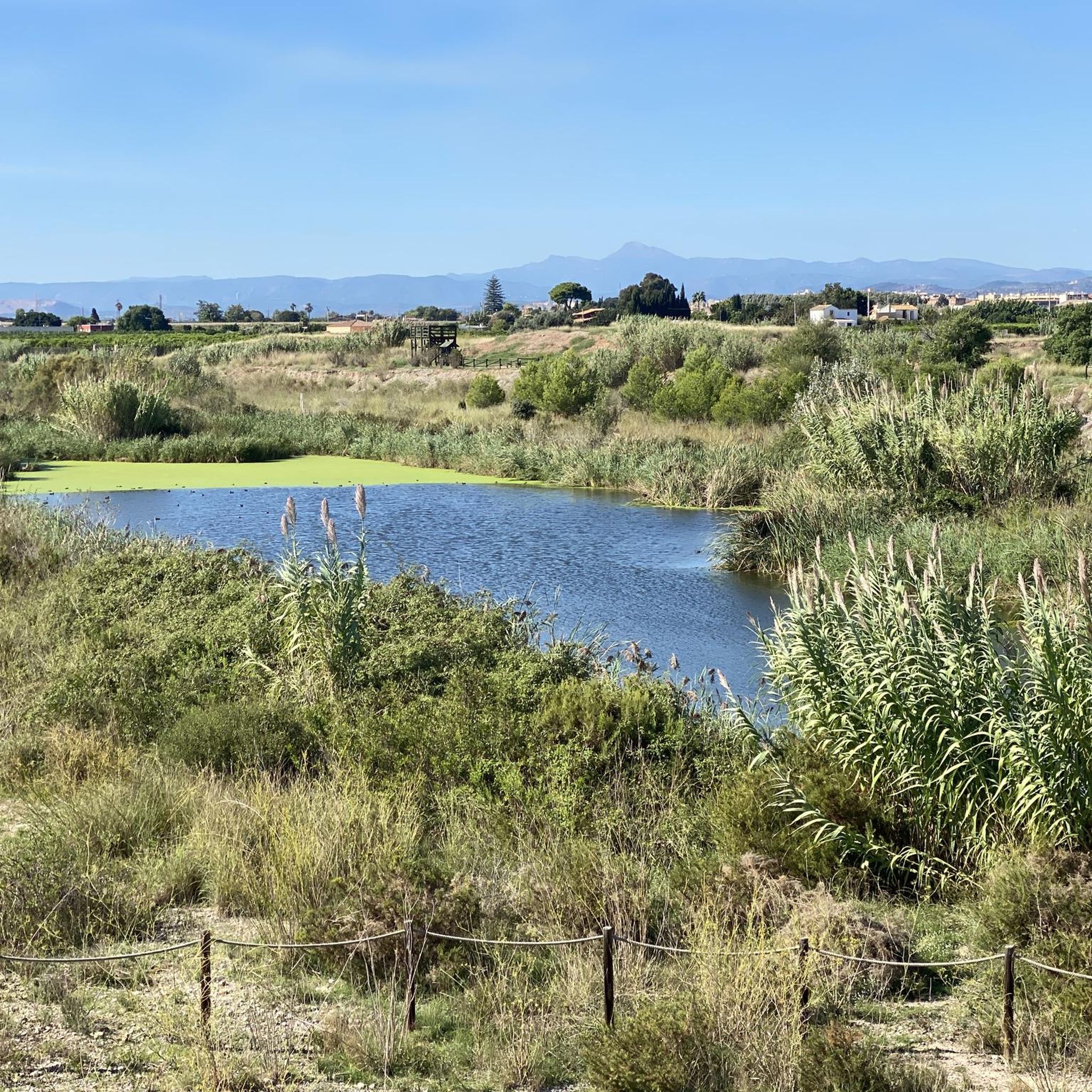
For breathtaking vistas, head to Pic de la Font de Cabres, a summit offering impressive panoramic views of the coast and surrounding valleys. The El Clot de la Mare de Déu Municipal Natural Area is a unique wetland with an oak forest and a refuge for over 200 bird species. The Mouth of the River Millars Protected Area also offers scenic spots for nature lovers.
Which beaches are recommended for visitors in Borriana / Burriana?
Borriana / Burriana boasts 11 kilometers of fine sand and clear waters. Playa del Gurugú is a popular choice, known for its wide stretch of fine sand and connection to bike lanes, making it ideal for walking or cycling. L'Arenal beach is another highly regarded option, offering various services and a lively atmosphere.
What outdoor activities can I do near these attractions?
The region around Borriana / Burriana is excellent for outdoor enthusiasts. You can explore various cycling routes, including easy, moderate, and difficult options. For example, try the 'Nules Pond – Palm-Lined Beach Promenade loop' for an easy ride. There are also gravel biking and mountain biking trails available. You can find more details on routes in the Cycling around Borriana / Burriana, Gravel biking around Borriana / Burriana, and MTB Trails around Borriana / Burriana guides.
Are there family-friendly attractions around Borriana / Burriana?
Yes, many attractions are suitable for families. The wide, sandy expanse of Playa del Gurugú is ideal for children. The El Clot de la Mare de Déu Municipal Natural Area offers a pleasant environment for a family stroll, with opportunities for bird watching. Exploring the historic streets of the Historic Complex of Burriana can also be an engaging activity for all ages.
What do visitors enjoy most about the attractions in Borriana / Burriana?
Visitors particularly appreciate the diverse offerings. They enjoy the spaciousness and cycling opportunities at Playa del Gurugú. The impressive panoramic views from Pic de la Font de Cabres are a highlight, despite some challenging sections. The historical significance and unique architecture of sites like the Hermitage of Santa Quiteria and Medieval Bridge of Almassora also receive high praise.
Can I visit ancient archaeological sites near Borriana / Burriana?
Yes, you can explore the Torrelló del Boverot archaeological site, located in Almazora. This settlement dates back to the Bronze Age, around 1000 BC, and features remains of superimposed urban structures, including an Ibérian street and defensive walls.
Are there any castles or fortresses to visit in the area?
While in a ruined state, the Castle of La Vall d'Uixó, built by the Arabs in the 10th century, is worth a visit. You can still discern its imposing wall structure, the Albarca parade ground, and remains of towers and cisterns in the citadel.
What are the watchtowers around Borriana / Burriana and can I visit them?
Borriana / Burriana has several historic watchtowers, such as Torre del Mar and Torre de Carabona, which were built to protect the city from attacks. While specific visitor access may vary, exploring their surroundings offers a glimpse into the region's defensive past and rural architecture.
What kind of architecture can I expect to see in Borriana / Burriana?
The city showcases a blend of architectural styles. You'll find the Romanesque-Gothic design of El Salvador Church, traditional architecture within the Historic Complex of Burriana reflecting its Muslim origins, and several elegant 19th and 20th-century manor houses. The city also features notable Modernist buildings from the early 20th century.
Most popular routes around Borriana / Burriana
Most popular attractions around Borriana / Burriana

Get inspired with the komoot mobile app


Explore more
Still not found the Highlight you’re looking for? See guides of the top attractions in other regions:
