Attractions and Places To See around Nules - Top 20
Best attractions and places to see around Nules include a diverse range of historical, cultural, and natural sites within the province of Castellón. The region features ancient fortified towns, tranquil natural areas, and significant religious buildings. Visitors can explore unique landmarks, archaeological sites, and extensive orange groves. The landscape transitions from darker earth near reservoirs to lighter coastal soils, offering varied scenery for exploration.
Best attractions and places to see around Nules
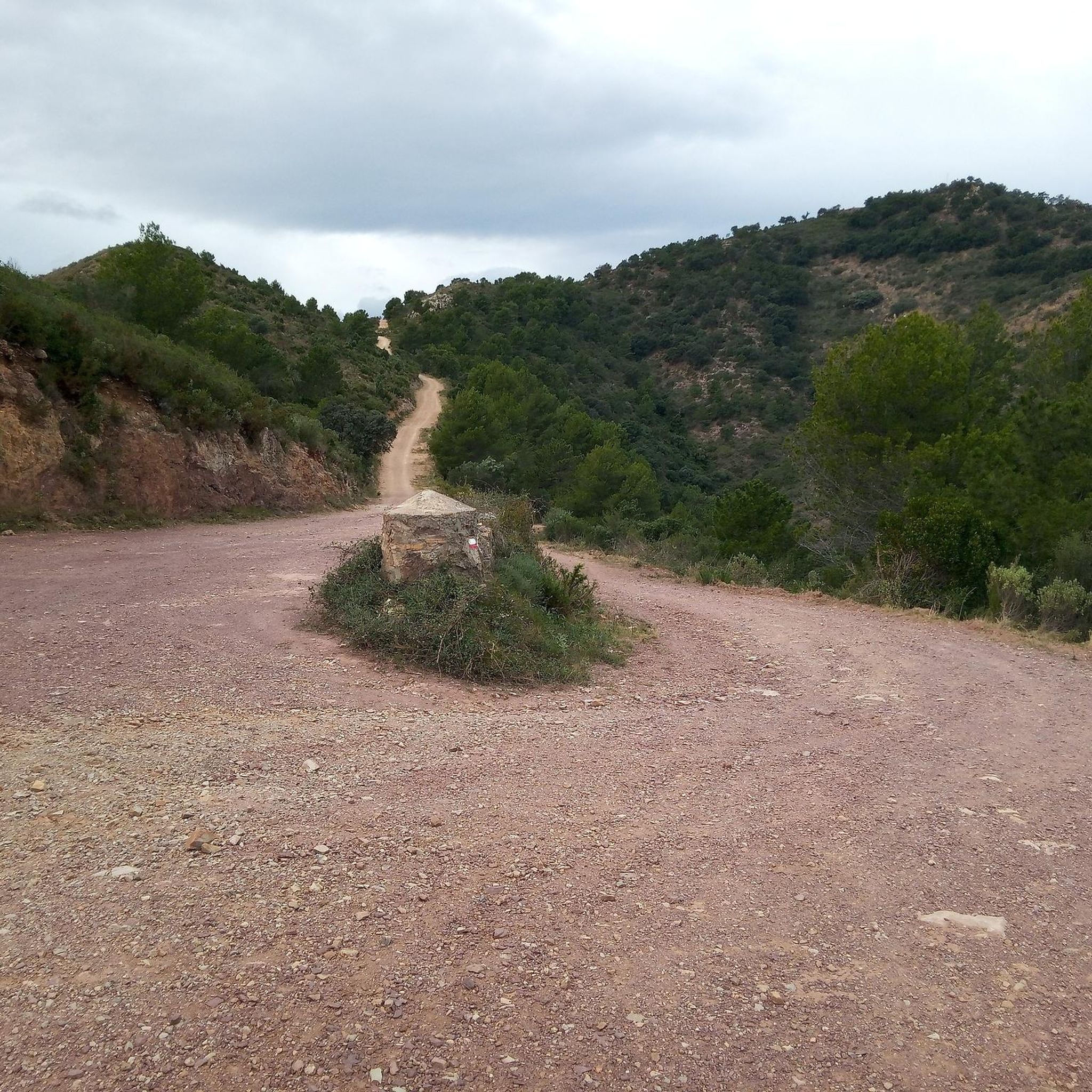
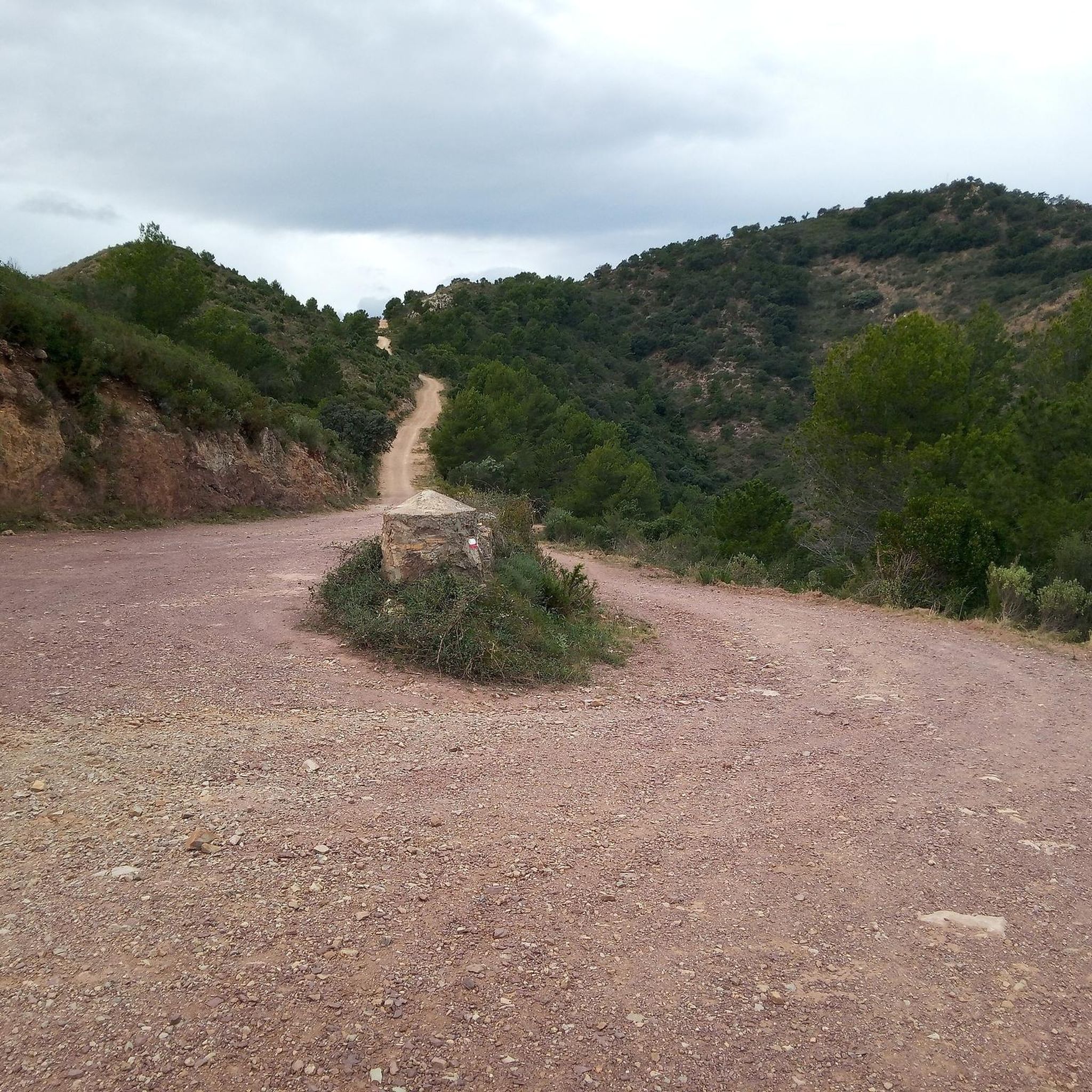
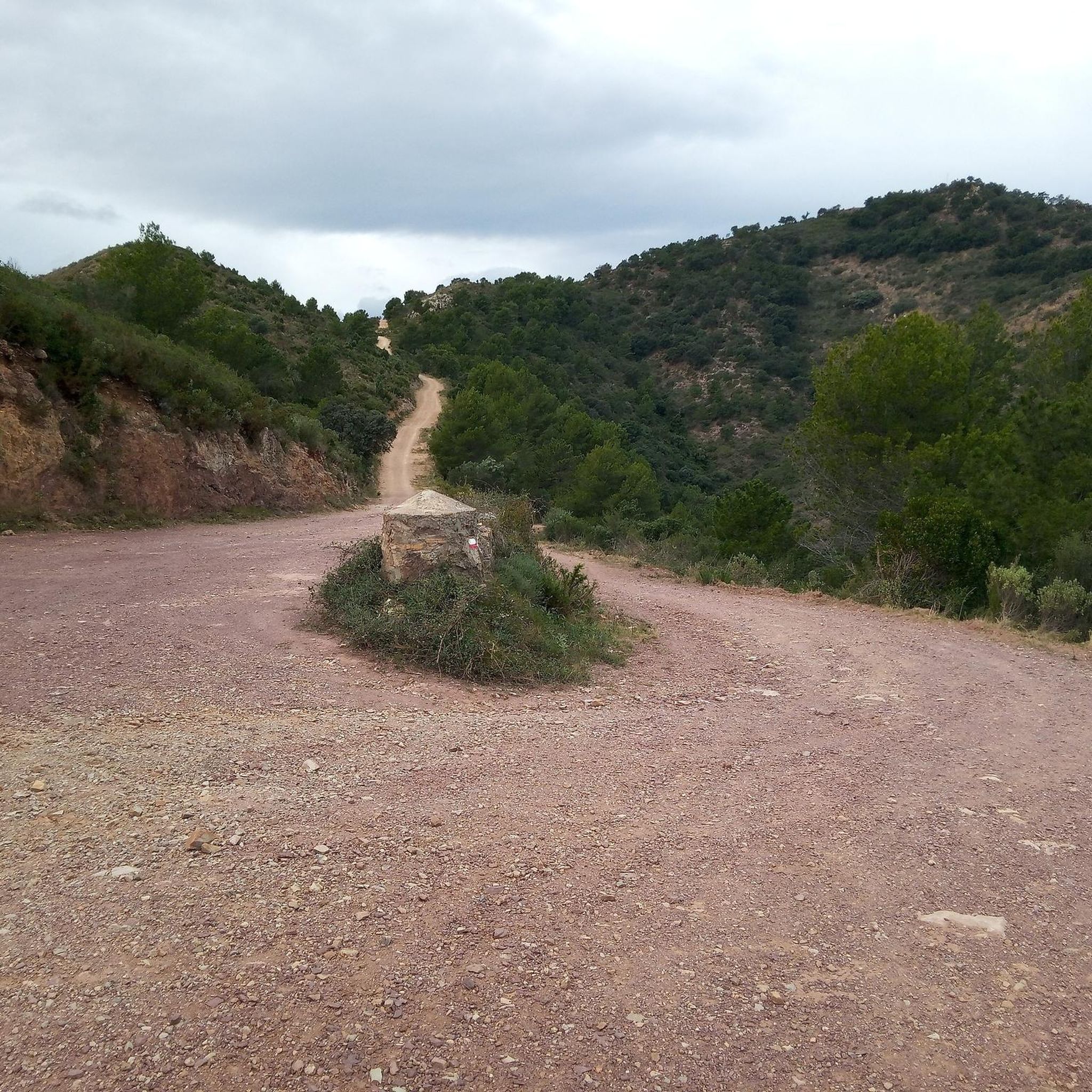
- The most popular attractions is Eslida Pass, a mountain pass that is considered one of the most beautiful in the north of Valencia and south of Castellón. Both sides of the pass offer scenic routes, with the Eslida side being more demanding and the Chóvar side featuring more breaks and a beautiful landscape.
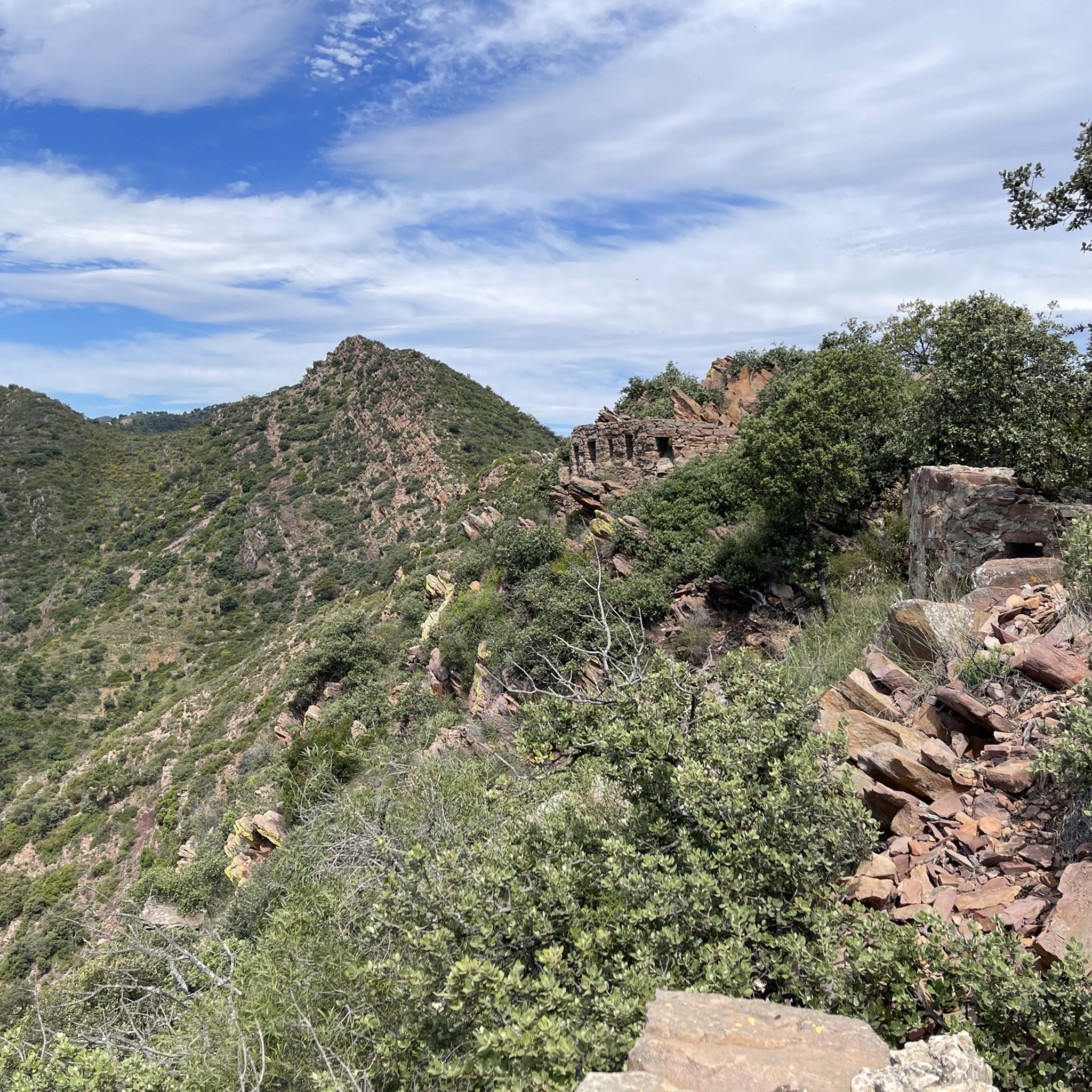
- Another must-see spot is Castro Castle, a castle ruin offering panoramic views of the mountains. This Arab fortress, with an impressive watchtower, was a fundamental bastion during the Moorish resistance and provides a historical perspective on the region.
- Visitors also love Peñas Aragonesas, a natural monument featuring a pyramidal-shaped rock formation in the Sierra de Espadán natural park. This geological point is notable for its immense red sandstone formations and vertical cuts produced by erosion.
- Nules is known for its historical sites, natural attractions, and cultural points of interest. The area offers a variety of attractions to see and explore, from ancient ruins to unique geological features and scenic mountain passes.
- The attractions around Nules are appreciated by the komoot community, with 7 highlights and 20 photos shared by visitors. These spots have collectively received 61 upvotes, indicating their appeal to outdoor enthusiasts.
Last updated: May 10, 2026
Eslida Pass
Highlight • Mountain Pass
Translated by Google •
Tip by

Eslida Pass
Highlight (Segment) • Mountain Pass
Translated by Google •
Tip by

Sign up now to discover places like this
Get recommendations on the best single tracks, peaks, & plenty of other exciting outdoor places.
Sign up for free
Peñas Aragonesas
Highlight • Natural Monument
Translated by Google •
Tip by

Castro Castle
Highlight • Castle
It was taken by the Duke of Segorbe and General Cavanilles after the Castillo de Aín had also fallen. It was also used in the Carlist Wars.
The castle covers an area of about 2,000 m2, where two parts can be distinguished: the "Albacar", a fortified refuge for
the inhabitants of the towns dependent on the fortress; and on the other side, the castle itself, which presided
surrounded by a large keep that was demolished in 1938 during the Civil War.
The views are impressively beautiful.
Translated by Google •
Tip by

Ajuez Reservoir
Highlight • Lake
Unfortunately, the reservoir is almost dry and things are slowly getting tight for the fish and turtles.
The Chóvar Reservoir, as it is also called, is part of an ancient local irrigation system built to retain the rushing water from the eponymous gorge. The place name is derived from Arabic, the meaning of which means “common pastureland” and indicates the importance of agriculture and livestock breeding in the region. Due to its capacity of 30,000 m³ and the lack of water sources in the nature park, it is of great value for the fauna. It is currently included in the catalog of wetlands of the Valencian Community
Translated by Google •
Tip by
Sign up for free to discover even more attractions around Nules.
Sign up for free
Already have an account?
Start today with a free account
Your next adventure awaits.
Login or Signup
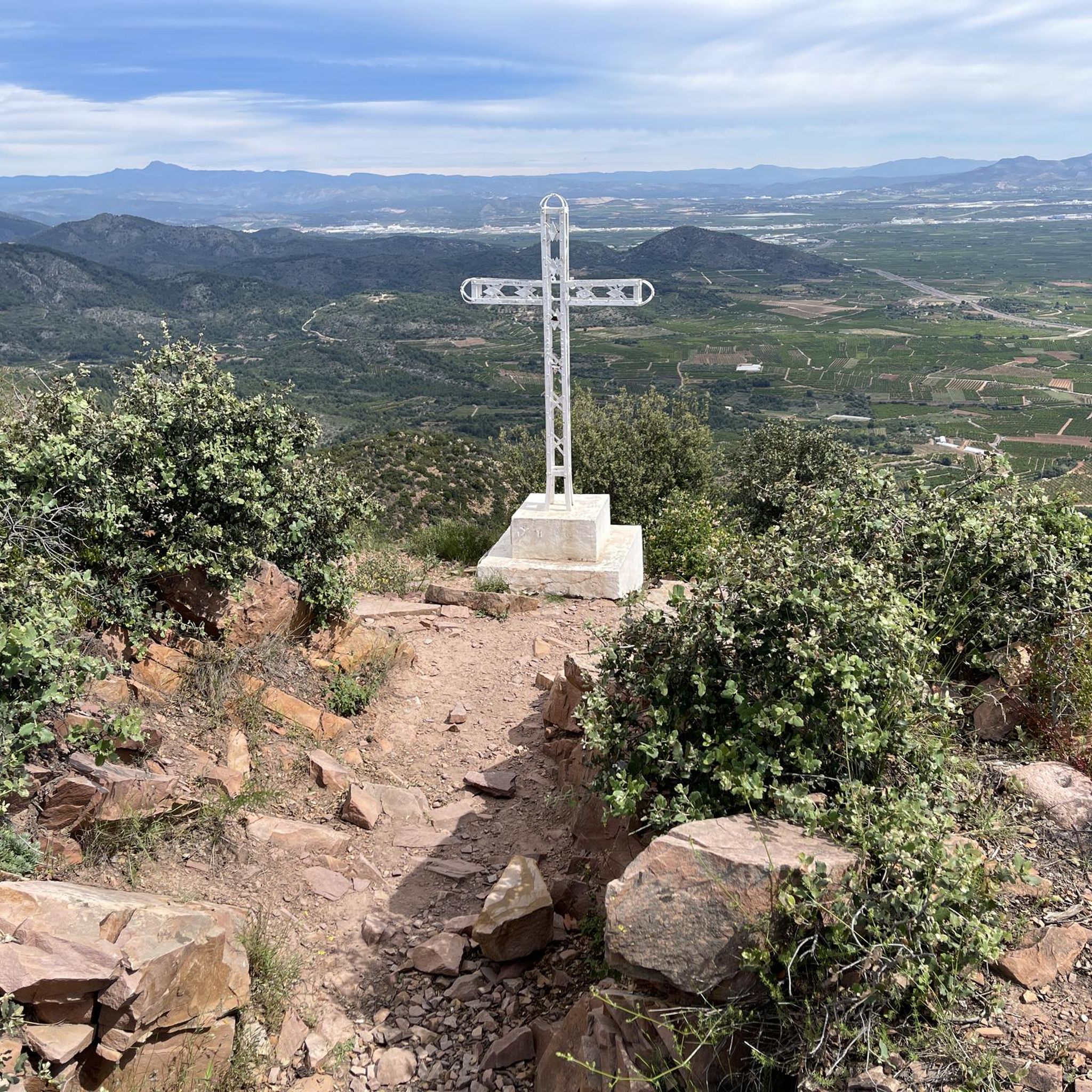

Tips from the Community

It's a tough climb once you've been on the bike for a couple of hours. Especially going down, having lunch and going back up to get home. Very cool and quiet, no cars.
1
0

A very beautiful and easy to drive pass road.
0
0

A beautiful spot between Artana and Onda that is worth visiting. The path is in good condition and runs through beautiful forests with the Peñas Altas in the background.
0
0

On the previous climb, there is a moment where you have to go over a cable with a no entry sign, but that is because there are bee hives, they are quite far from the path.
1
0

It was built in the 12th century by the Muslims who inhabited the region. Its original purpose was to retain the waters of the ravine of the same name and then use them to irrigate the fields downstream. This route is ideal for hiking lovers and offers a variety of landscapes and experiences. I hope you enjoy exploring the Ajuez Reservoir and its surroundings! 🌿🏞️
4
0

Ernbalse de Ajuez Unfortunately, the reservoir is almost dry and things are slowly getting tight for the fish and turtles. The Chóvar Reservoir, as it is also called, is part of an ancient local irrigation system built to retain the rushing water from the eponymous gorge. The place name is derived from Arabic, the meaning of which means “common pastureland” and indicates the importance of agriculture and livestock breeding in the region. Due to its capacity of 30,000 m³ and the lack of water sources in the nature park, it is of great value for the fauna. It is currently included in the catalog of wetlands of the Valencian Community
8
0

After the Reconquista, many castles in the region were modified or rebuilt to adapt to Christian styles and needs.
7
0
The Castro Castle, an Arab fortress with an impressive watchtower at a height of about 780 m, was a fundamental bastion of the Moorish resistance at the time of their expulsion. It was taken by the Duke of Segorbe and General Cavanilles after the Castillo de Aín had also fallen. It was also used in the Carlist Wars. The castle covers an area of about 2,000 m2, where two parts can be distinguished: the "Albacar", a fortified refuge for the inhabitants of the towns dependent on the fortress; and on the other side, the castle itself, which presided surrounded by a large keep that was demolished in 1938 during the Civil War. The views are impressively beautiful.
9
0
Frequently Asked Questions
Where can I find impressive natural viewpoints around Nules?
For breathtaking views, consider visiting Peñas Aragonesas, a natural monument in the Sierra de Espadán natural park known for its immense red sandstone formations. The Eslida Pass also offers spectacular landscapes, especially along the mountain road between Chóvar and Eslida. Additionally, the ruins of Castro Castle provide incredible panoramic views of the surrounding mountains.
Are there any unique historical sites to visit in Nules?
Yes, Nules is home to the Fortified Site of Mascarell, a unique 13th-century walled town and the only village completely surrounded by a wall in the Valencian Community. You can also explore the archaeological site of the Roman Villa of Benicató, which showcases a rural Roman villa that functioned from the 1st century BC to the 4th century AD.
What cultural museums can I visit in Nules?
Nules offers two distinct museums: the Enrique Giner Medal Museum, located in the San Miguel Hermitage, which is the only museum in Spain dedicated to the art of medal making. You can find more information about it here. There is also the Nules History Museum, founded in 1988 and housed in the ancient Iglesia de la Sangre.
What natural areas are there for relaxation or birdwatching near Nules?
The L'Estany Municipal Nature Area, a wetland near Nules beach, is an excellent spot for birdwatching and features a recreational area with picnic tables. Nules also boasts several distinct beaches like El Rajadell, Les Marines, El Bovalar, and L'Alcudia, perfect for enjoying the Mediterranean coast.
Are there family-friendly attractions around Nules?
The L'Estany Municipal Nature Area offers a recreational space with picnic tables, ideal for families. Additionally, the Ajuez Reservoir (also known as Balsa de Chovar) is described as a very quiet place surrounded by nature, perfect for a family escape. The Botanical Garden near the train station also features a children's play area.
What kind of outdoor activities can I do near Nules?
The area around Nules is great for various outdoor activities. You can find numerous hiking trails, including moderate routes like the 'Creu del Ferro Summit – Coll de Bledar loop'. For cyclists, there are challenging MTB trails such as the 'Mascarell Town Walls – Betxí Pass loop', and running routes like the 'Platja de Nules loop'.
What is the best time to visit Nules for outdoor activities?
The region's orange groves offer picturesque rural tracks and trails that are especially beautiful during bloom or harvest season. For cycling, the Eslida Pass is mostly shady on the Eslida side, making it enjoyable even in summer, though it can be cold in winter. Generally, spring and autumn offer pleasant temperatures for exploring both natural and historical sites.
Are there any notable religious buildings or chapels in Nules?
Nules features several significant religious sites. The San Miguel Hermitage, also known as 'El Fort', is historically notable. Other churches and chapels include Nuestra Señora de la Virgen de la Soledad, San Blas, La Purísima Sangre Chapels, La Inmaculada Concepción Church, and San Joaquín. The neoclassical San Bartolomé and San Jaime Church, rebuilt in the 20th century, is also a prominent landmark.
What are some lesser-known cultural points of interest in Nules?
Beyond the main attractions, Nules has charming Ceramic Altars decorating streets and building facades, some dating back to the 19th century. The Municipal Market, a Valencian modern architectural style building from 1934, is also noteworthy for its stained glass window featuring the coat of arms of Nules. Additionally, outside the town center, you can find War Heritage Sites, including trenches and bunkers.
Can I explore the agricultural landscape around Nules?
Absolutely. The agricultural land surrounding Nules is dominated by extensive orange groves. These offer picturesque rural tracks and trails that are perfect for peaceful strolls or bike rides, especially beautiful during bloom or harvest season. The coastal landscape also reflects a historical shift from rice fields to orange groves, offering varied scenery.
What do visitors enjoy most about the attractions around Nules?
Visitors particularly appreciate the challenging climbs and spectacular views offered by mountain passes like Eslida Pass. The unique geological formations of Peñas Aragonesas and the panoramic vistas from Castro Castle are also highly rated. The tranquility and natural environment of places like the Ajuez Reservoir are also frequently highlighted.
Most popular attractions around Nules

Get inspired with the komoot mobile app


Explore more
Still not found the Highlight you’re looking for? See guides of the top attractions in other regions:
