Attractions and Places To See around Guixers - Top 20
Best attractions and places to see around Guixers include a natural mountain environment with peaks exceeding 2,000 meters and a collection of historical and cultural sites. The municipality is characterized by its dispersed farmhouses and the Aigua de Valls river, which contributes to the natural landscape. Visitors can explore numerous Romanesque hermitages and chapels, along with unique viewpoints Guixers offers across its diverse territory of mountains, meadows, and forests.
Best attractions and places to see around Guixers
- The most popular…
Last updated: July 6, 2026
Lluís Estasen Refuge
Highlight • Mountain Hut
Translated by Google •
Tip by

Queralt Sanctuary
Highlight • Religious Site
Translated by Google •
Tip by

Sign up now to discover places like this
Get recommendations on the best single tracks, peaks, & plenty of other exciting outdoor places.
Sign up for free
Bald Hen Peak
Highlight • Summit
Translated by Google •
Tip by

Coll de Port
Highlight • Mountain Pass
Showing Translation
Tip by

Gresolet Sanctuary
Highlight • Religious Site
Translated by Google •
Tip by

Sign up for free to discover even more attractions around Guixers.
Sign up for free
Already have an account?
Start today with a free account
Your next adventure awaits.
Login or Signup

Tips from the Community

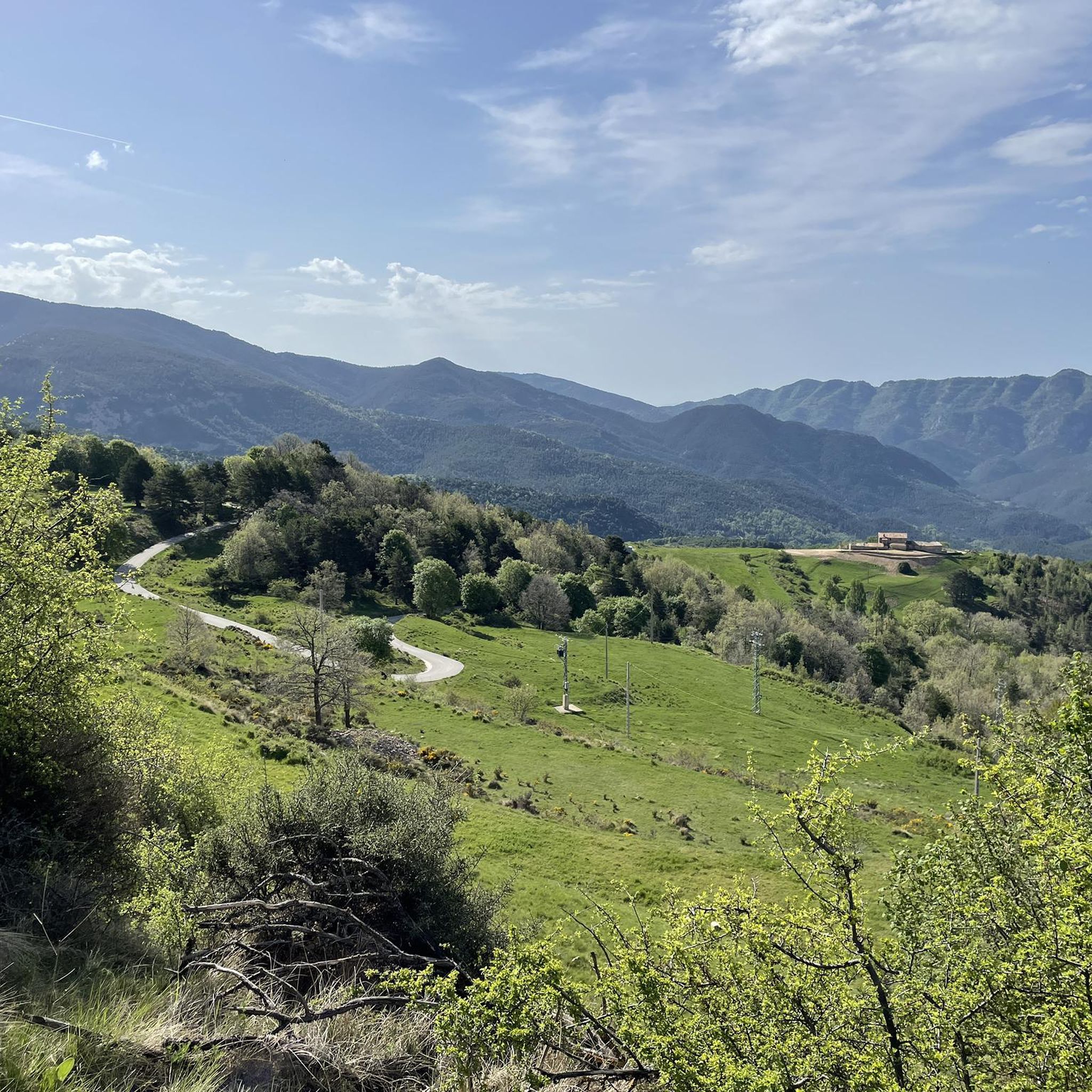
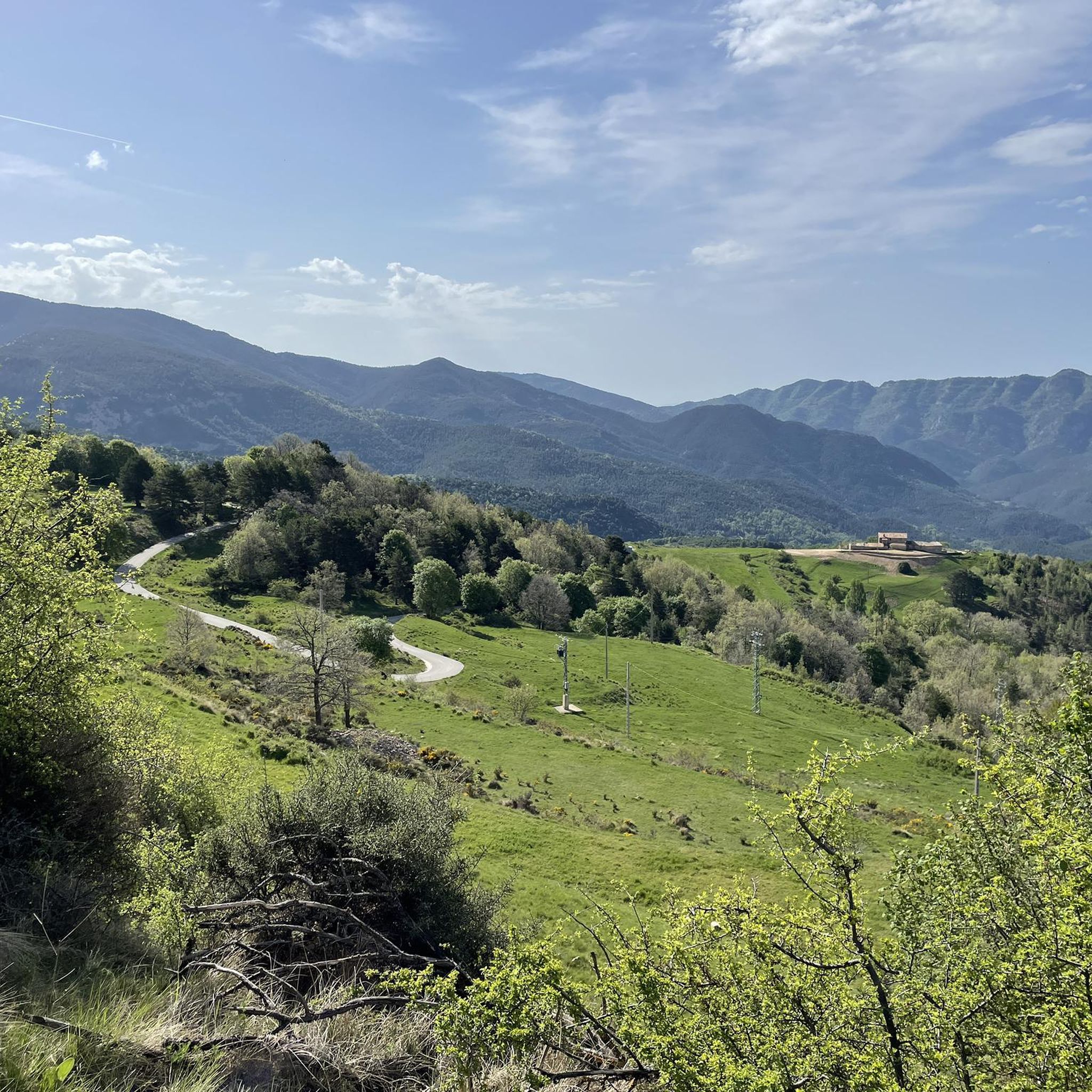
A charming corner at the bottom of the valley, surrounded by beech and fir forests that keep it cool until summer. The building, of medieval origin, stands in a peaceful spot, with Pedraforca watching from above. The place is perfect for resting or having a bite to eat at the spring before continuing the route. By mountain bike, the descent to the sanctuary is fast and rocky, with tight bends and shady sections that can be wet. Tip: watch your brakes and enjoy the silence — here you can only hear the water and the forest.
0
0
Located at the foot of the majestic Pedraforca, it is one of the most emblematic refuges in the Pyrenees. Starting point for classic ascents to the summit and ideal place to enjoy the high mountain atmosphere. The building, surrounded by meadows and forests, offers imposing views and an impressive calm. By mountain bike, the final access from Saldes is demanding, with a steep slope and loose stone; it is best to tackle it with patience and good traction. Tip: if you get there in the afternoon, stay for a few minutes — the light over Pedraforca is pure magic.
0
0

very good summit, it is important to book in advance if you want to sleep in the refuge. Easy climb and beautiful place!
0
0

A beautiful refuge at the foot of the north face of Pedradorca, it's worth the climb to discover it.
1
0
It is located at the bottom of a deep valley, dominated by the northern slope of Pedraforca, among flat pastures surrounded by forest and rocks, and very close to the Gresolet Forest. We also find the Sanctuary of Gresolet, which in the 13th century was already a center of important Marian devotion, and in the 14th century it was renovated under the patronage of the Barons of Pinós; there is evidence that there was already a priest there. The current building and the neighboring inn were built in the 17th century. It consists of a nave with side chapels, a square presbytery with the Virgin's alcove, and a choir stall at the foot of the church. The altarpiece was lost during the Civil War. Currently, the Virgin of Gresolet (13th century) is venerated in the Church of San Martín de Saldes. It is a polychrome wooden carving depicting the crowned Virgin. It can be accessed via a track.
1
0

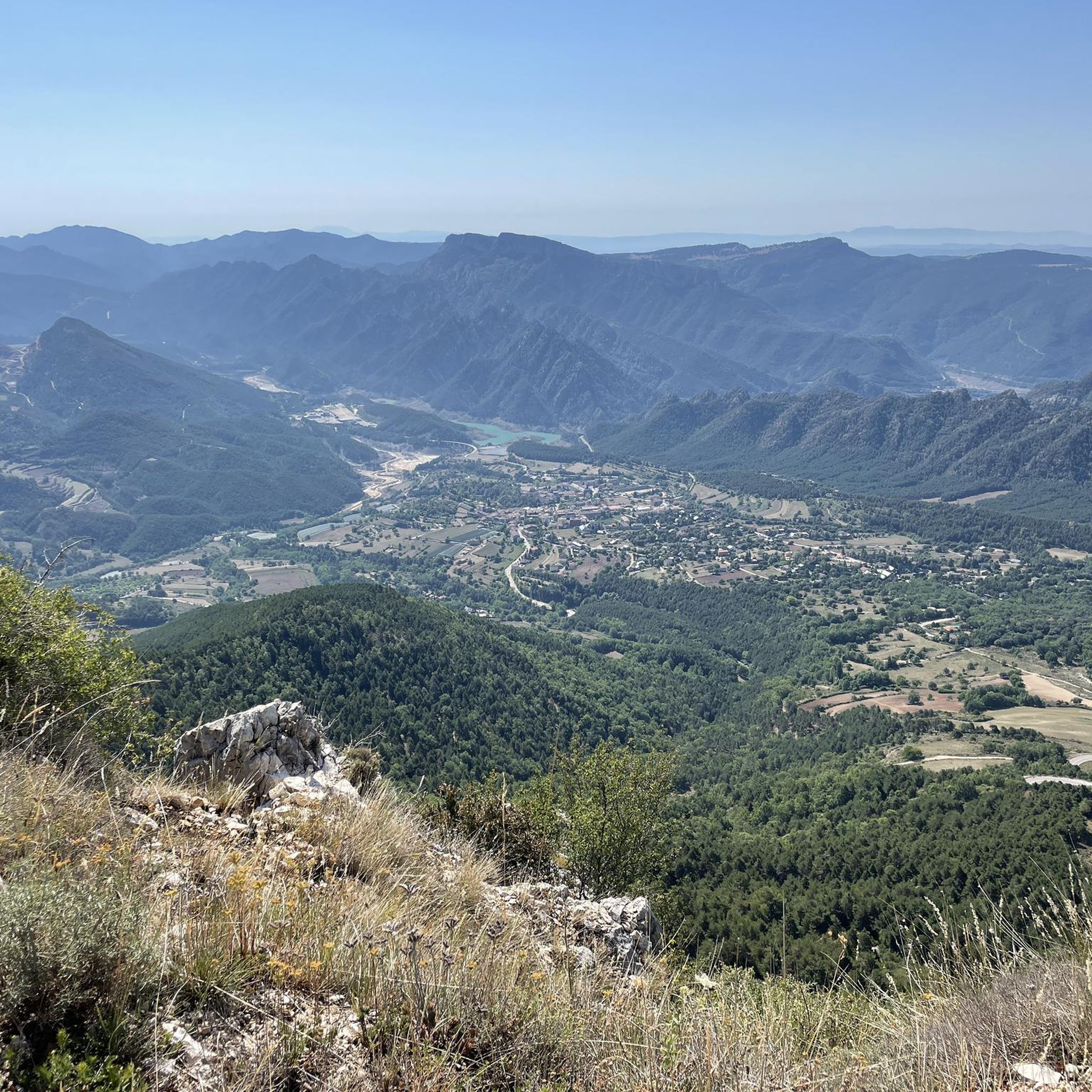
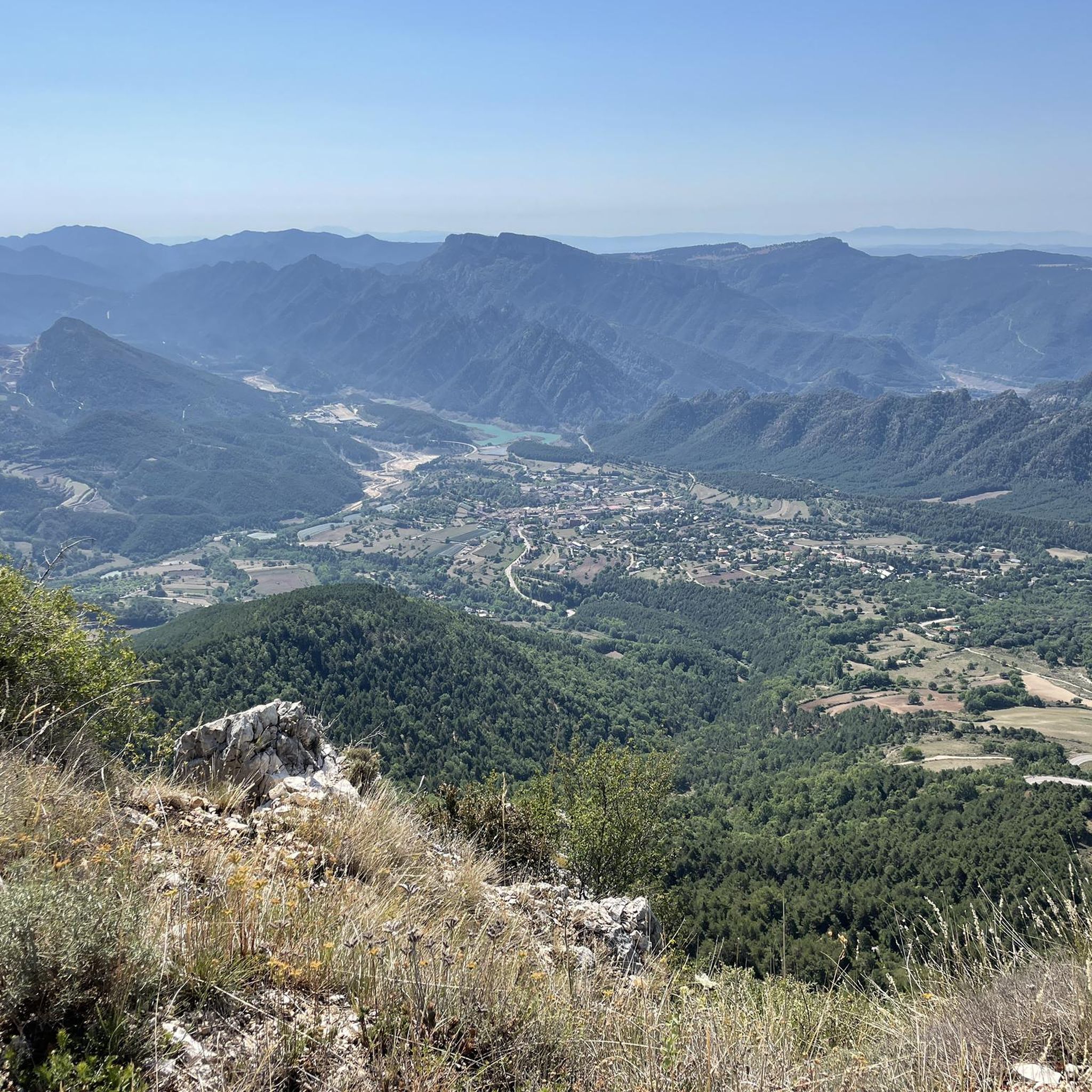
A viewpoint of Catalonia. Pogacar and Merckx have won stages on this peak
0
0

This spiritual place has such a view that it is called the balcony of Catalonia. The Baroque interior is also worth a visit.
1
0

360 Panoramic Views and Pedraforca
0
0
Frequently Asked Questions
What natural features can I explore in Guixers?
Guixers is rich in natural beauty, featuring a remarkable mountain environment with peaks exceeding 2,000 meters. You can discover the Aigua de Valls River, which flows through the municipality, and the unique natural monument of Pont Quebradís, formed by river erosion. The area also boasts over forty natural springs, including notable ones at Teixó, Fenerals, and Coll de Jou. For breathtaking vistas, visit the Bald Hen Peak, offering spectacular views of the Pedraforca, or the Coll de Port mountain pass for magnificent panoramas.
Are there historical or cultural sites to visit in Guixers?
Yes, Guixers is home to a rich collection of historical and cultural sites. You can explore numerous Romanesque hermitages and chapels scattered throughout the territory, dating from the 11th to 13th centuries. Notable examples include Sant Martí de La Corriu with its Gothic doorway, Santuari de Puig Aguilar offering magnificent views, and Santa Creus d'Ollers, an example of Lombard style architecture. Additionally, the municipality's unique character is defined by its dispersed farmhouses.
What kind of outdoor activities are available around Guixers?
The mountainous landscape of Guixers and the surrounding Lord Valley is ideal for various outdoor activities. You can enjoy extensive hiking, cycling, and mountain biking. For challenging mountain hikes, consider routes like the Pollegó Superior Summit loop or El Calderer – Coll de la Cabana loop, which you can find more about in the Mountain Hikes around Guixers guide. Cycling enthusiasts can explore routes such as the Clop Bridge – Coll de Jou loop or the Sant Llorenç de Morunys – Coll de Port loop, detailed in the Cycling around Guixers guide. Mountain biking trails, including the Aigua d'Ora – Plateau de la Busa loop, are also available in the MTB Trails around Guixers guide.
What are some unique viewpoints in Guixers?
For unique perspectives of the region, the Mirador del Codó is a highly frequented viewpoint, easily accessible with a short walk from Coll de Jou. The Queralt Sanctuary, often called the 'balcony of Catalonia,' offers extensive views across the Catalan landscapes from its perch at 1,200 meters above sea level. Additionally, the Bald Hen Peak provides spectacular views, particularly of the Pedraforca.
Is there a good time of year to visit Guixers?
Given its remarkable natural mountain environment, Guixers offers diverse experiences throughout the year. The area is ideal for nature lovers, with mountains, meadows, forests, and rivers. While specific seasonal recommendations are not provided, the varied terrain suggests that spring and autumn would be excellent for hiking and cycling due to milder temperatures and vibrant landscapes. Winter might offer opportunities for snow-related activities in nearby areas like the Port del Comte ski resort.
Where can I find accommodation or places to eat near Guixers attractions?
While Guixers itself is characterized by dispersed farmhouses, the surrounding areas offer options. The Lluís Estasen Refuge, located at the foot of Pedraforca, serves as a welcoming point for hikers and climbers and provides accommodation. The Coll de Port mountain pass also offers refreshments and accommodation. For more extensive options, nearby towns like Solsona and Sant Llorenç de Morunys would be good places to look for cafes, pubs, and restaurants.
What do visitors particularly enjoy about the attractions around Guixers?
Visitors appreciate the spiritual tranquility and natural beauty of sites like the Queralt Sanctuary, with its breathtaking panoramic views. The Bald Hen Peak is loved for its spectacular views of the Pedraforca. Hikers and climbers find the Lluís Estasen Refuge a welcoming and essential stop. Generally, the diverse landscape, from high peaks to rivers and forests, along with the historical Romanesque structures, makes Guixers a compelling destination for those seeking both nature and heritage.
What is the Lluís Estasen Refuge?
The Lluís Estasen Refuge, also known as the Pedraforca refuge, is a hut located right at the foot of the majestic Pedraforca mountain. It was inaugurated in 1949 and serves as a vital and welcoming point for hikers and climbers exploring the area, offering accommodation and a place to rest.
Can I find challenging climbs or mountain passes in the area?
Yes, the region around Guixers offers challenging climbs and mountain passes. The Coll de Port is a mountain pass known for its spectacular road and magnificent views. Another significant challenge is Rasos de Peguera, described as a hard but beautiful climb with perfect smooth tarmac, hardly any traffic, and great views, providing a real test for cyclists.
Are there any specific natural monuments to see in Guixers?
Yes, one notable natural monument in Guixers is Pont Quebradís. This unique formation was created by the erosive effect of the Aigua de Valls river, showcasing the powerful forces of nature at play in the region.
What is the Queralt Sanctuary?
The Queralt Sanctuary is a significant religious building nestled in the Sierra de Queralt, approximately 1,200 meters above sea level. It is often referred to as the 'balcony of Catalonia' due to its extensive views across the Catalan landscapes. The sanctuary, with its Baroque interior, combines centuries of history, faith, and natural beauty, making it a place of spiritual tranquility.
Most popular routes around Guixers
Most popular attractions around Guixers

Get inspired with the komoot mobile app


Explore more
Still not found the Highlight you’re looking for? See guides of the top attractions in other regions:
