Attractions and Places To See around Colunga - Top 20
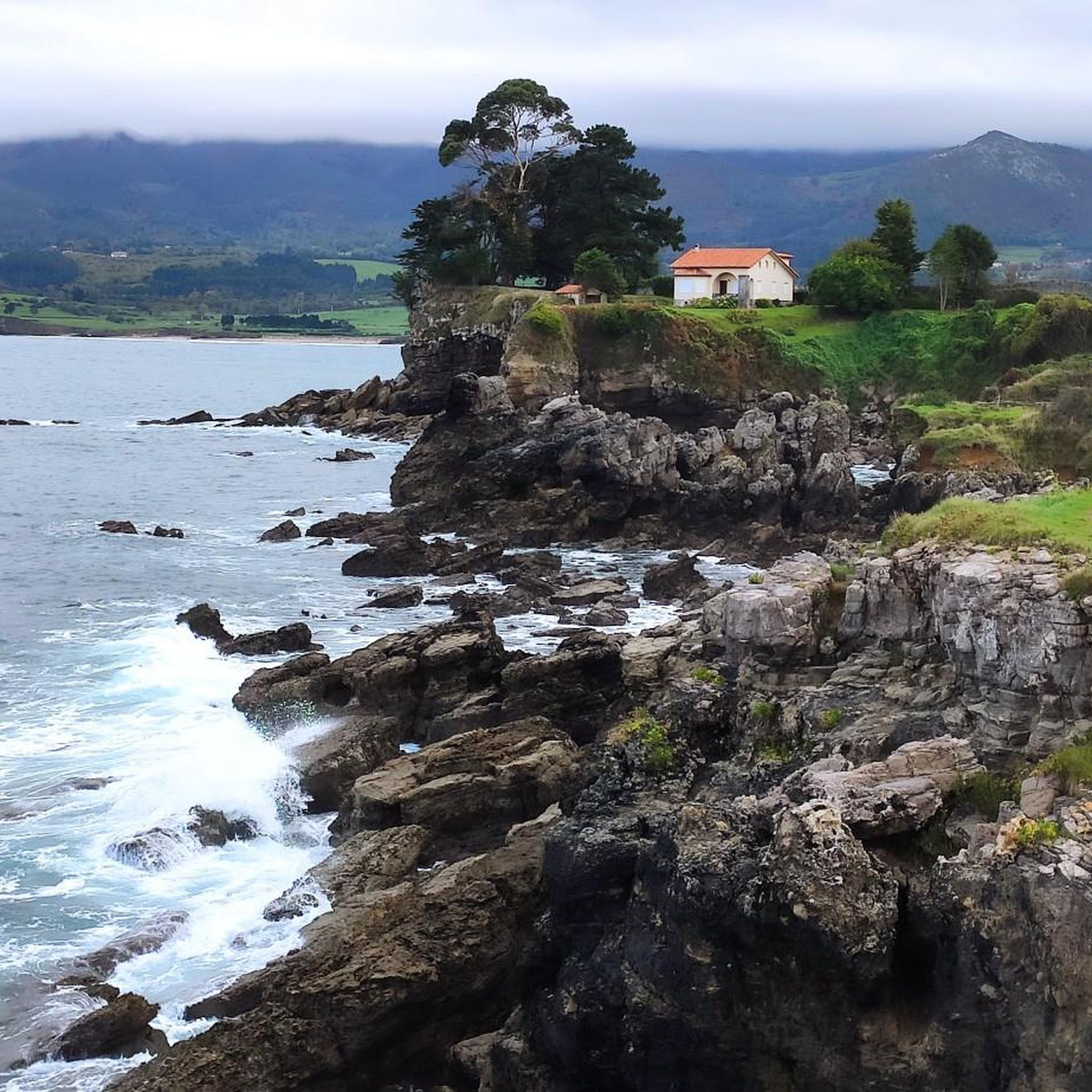
Best attractions and places to see around Colunga include a diverse range of historical, cultural, and natural sites. This municipality, situated between the Cantabrian Sea and the Sierra del Sueve in Asturias, Spain, offers visitors a blend of coastal and mountain landscapes. The area features charming villages, significant architectural landmarks, and unique prehistoric sites. Its varied terrain provides opportunities to explore both historical monuments and natural viewpoints.
Best attractions and places to see around Colunga
- The most popular attractions is Church of San Salvador de Priesca, a religious building that was consecrated in 921. This pre-Romanesque church is a declared Monumento Nacional and retains parts of its early medieval frescoes.
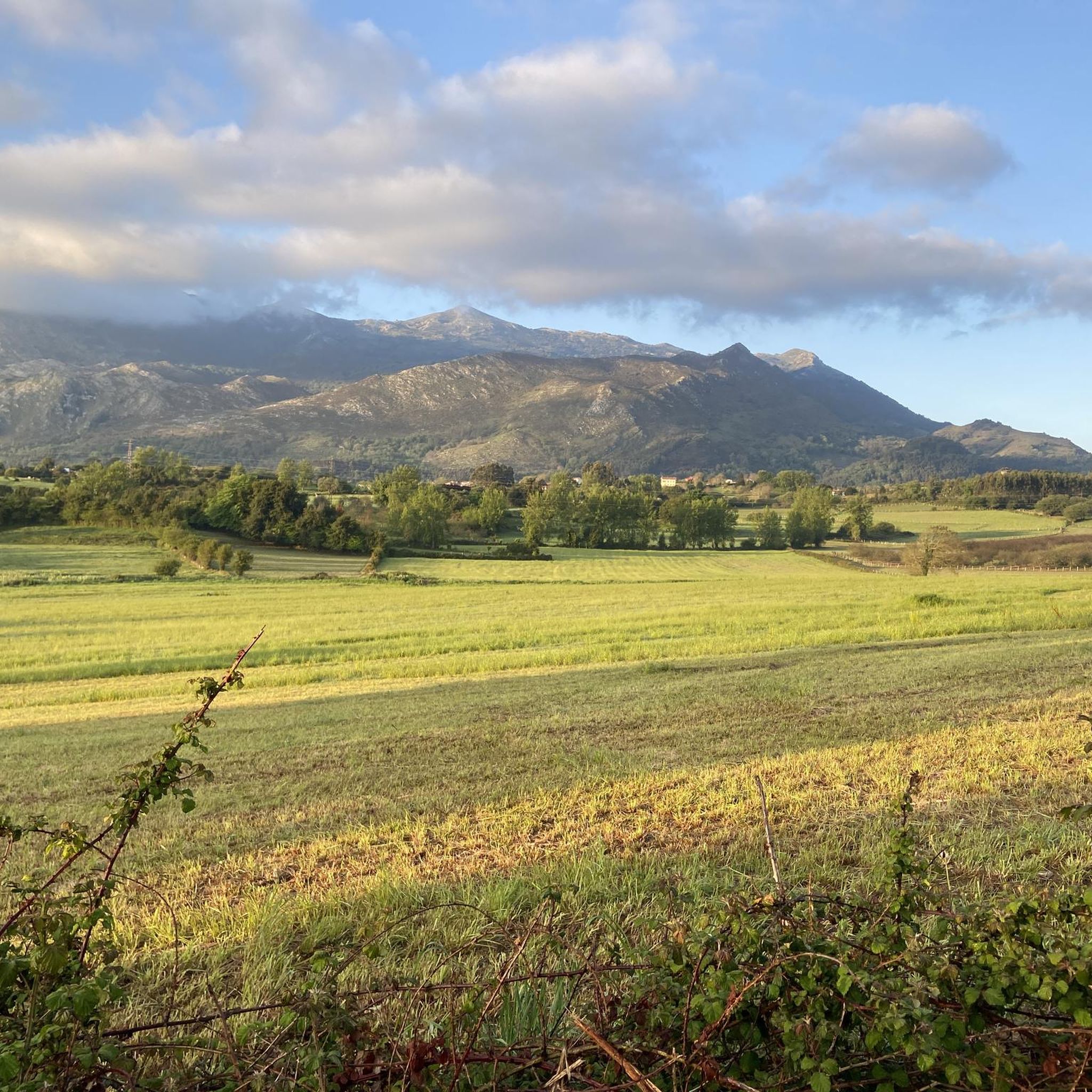
- Another must-see spot is Mirador del Fito, a viewpoint located on one of the most famous hills in the Sueve mountain range. From this watchtower, visitors can observe the Asturian landscape, including the sea, mid-mountains, high mountains, meadows, and valleys.
- Visitors also love View of Lastres from the San Roque viewpoint., a viewpoint offering panoramic views of the historic fishing village of Lastres, the harbor, the coast, and the Picos de Europa. The village itself was voted the most beautiful in Asturias in 2010.
- Colunga is known for its historical sites, natural viewpoints, and charming coastal villages. The region offers a variety of attractions, from ancient churches and architectural landmarks to scenic mountain ranges and beaches.
- The attractions around Colunga are appreciated by the komoot community, with 113 upvotes and 34 photos shared by visitors.
Last updated: August 30, 2026
Church of San Salvador de Priesca
Highlight • Religious Site
San Salvador de Priesca
history
The church was consecrated in 921. This date was carved into a foundation stone that was lost during the restoration work at the beginning of the 20th century. The inscription has been handed down and indicates the eighth day of the calendars of October 959 of the Spanish era as the date of consecration, which corresponds to September 24, 921 of our era. In 1913 the building was declared a Monumento Nacional (Bien de Interés Cultural). In 1936, during the Spanish Civil War, a fire caused great damage and destroyed part of the early medieval frescoes. A renovation was carried out in the 1990s, in which the wooden ceilings were renewed and the frescoes were preserved.
Translated by Google •
Tip by

Town Hall Square
Highlight • Monument
Translated by Google •
Tip by

Sign up now to discover places like this
Get recommendations on the best single tracks, peaks, & plenty of other exciting outdoor places.
Sign up for free
Mirador del Fito
Highlight • Viewpoint
Showing Translation
Tip by

View of Lastres from the San Roque viewpoint.
Highlight • Viewpoint
Translated by Google •
Tip by

Villaviciosa
Highlight • Settlement
Economic activities, apart from fishing and tourism, include the production of sparkling cider and apple by-products, dairy foods, and chocolate. Pop. (2007 est.) mun., 14,520.
britannica.com/place/Villaviciosa
Tip by

Sign up for free to discover even more attractions around Colunga.
Sign up for free
Already have an account?
Start today with a free account
Your next adventure awaits.
Login or Signup

Other adventures around Colunga

Tips from the Community


The Villaviciosa Town Hall building is a building steeped in history and remarkable features. Location: Town Hall Square, in the heart of Villaviciosa. Style: Eclectic architecture with elements reflecting different eras. History: The original building dates from the 17th century, although it has undergone several renovations and expansions over time, especially in the 19th and 20th centuries. Characteristics: It features a sober and elegant main façade, with balconies and ornamental elements characteristic of the period of its renovation. The Villaviciosa coat of arms stands out on its frontispiece. Functions: Houses the administrative and political offices of the Villaviciosa municipal government. Significance: It is a symbol of civil power and an important landmark for the residents of the municipality.
1
0

mythical place watch out for a lot of traffic in summer
0
0
Lots of space, beautiful houses, benches to rest on the pilgrimage route.
1
0
Old church worth seeing.
0
1

If it is clear, impressive views of the Picos de Europa and the Cantabrian Sea.
1
0

The fishing village of Llastres dates mainly from the 16th to 18th centuries and is a popular excursion destination. The historic town center has been placed under monument protection. The old houses nestle tightly on the slope that leads down to the harbor. If you come by car, you should look for a parking space in the upper part of town. Then the path goes down without much effort, with the small harbor almost always in view. Above the historic center of Llastres lies the small chapel of San Roque. The Mirador offers a beautiful view of Llastres, the harbor, the coast and the mountains in the hinterland.
2
0
Frequently Asked Questions
What historical and cultural sites can I explore in Colunga?
Colunga offers a rich blend of history and culture. You can visit the 17th-century Baroque Palacio Alvarez de Colunga, the 10th-century Pre-Romanesque Church of Santiago de Gobiendes, and the historic center of Lastres, a picturesque fishing village. Don't miss the 16th-century Alonso Covián family home or the various chapels like the Chapel of the Virgin of Loreto and the Chapel of Santa Ana.
Where can I find the best panoramic views in the Colunga area?
For breathtaking vistas, head to Mirador del Fito in the Sierra del Sueve, offering views of the sea, mountains, and valleys. Another excellent spot is the View of Lastres from the San Roque viewpoint, which provides stunning perspectives of the historic fishing village, its harbor, the coast, and even the Picos de Europa.
Are there any prehistoric sites or dinosaur-related attractions in Colunga?
Yes, Colunga is famous for its prehistoric past. Visit La Griega Beach to see fossilized dinosaur footprints from the Jurassic period, including some of the largest sauropod footprints in the world. Nearby, the Jurassic Museum of Asturias (MUJA), shaped like a dinosaur footprint, houses an extensive collection of dinosaur remains, offering an engaging educational experience.
What natural attractions are there around Colunga?
Beyond the beaches, the Sierra del Sueve mountain range is a significant natural attraction, perfect for hiking and wildlife spotting, including the Asturian pony. The area also features ancient caves like Obaya, Taraxu, and El Molino, which contain remains of Paleolithic sculptures.
What kind of hiking trails are available near Colunga?
The Colunga area offers a variety of hiking trails. You can explore coastal paths like the 'Arenal de Morís - La Griega Beach Coastal Trail' or the 'Scenic Coastal Trail – La Isla Beach loop'. For longer adventures, parts of the 'Northern Way (Asturias)' pilgrimage route pass through the region. Find more options on the Hiking around Colunga guide.
Are there options for running or cycling around Colunga?
Absolutely. For runners, there are scenic routes such as the 'Espasa Beach loop from Santiago de Gobiendes' or the 'Lastres Lighthouse loop'. Cyclists can enjoy gravel biking routes like the 'Descent to Collada Aniciu Road' or the 'Arriondas – Fresnidiello Climb loop'. Discover more routes in the Running Trails around Colunga and Gravel biking around Colunga guides.
What family-friendly activities are available in Colunga?
Families can enjoy exploring the dinosaur footprints at La Griega Beach and visiting the Jurassic Museum of Asturias (MUJA). Many of the beaches, such as La Isla, are ideal for families. The Town Hall Square is also considered family-friendly, offering open space in the heart of the town.
What are the most notable beaches in Colunga?
Colunga's coastline boasts several beautiful beaches. La Griega Beach is famous for its dinosaur footprints. La Isla, located 4 km from Colunga, is known for its quality sand and charming environment. Other popular options include El Barrigón, La Espasa, and the beach at Lastres.
Is Colunga part of any long-distance walking routes?
Yes, Colunga is situated along the Camino del Norte, one of the historic pilgrimage routes to Santiago de Compostela. This offers diverse landscapes for pilgrims and long-distance walkers.
What is the best time of year to visit Colunga?
Colunga is enjoyable throughout the year, but the warmer months from late spring to early autumn (May to October) are ideal for beach activities, hiking in the Sierra del Sueve, and exploring the coastal areas. The mild climate makes it pleasant for outdoor activities.
Are there charming villages to explore near Colunga?
Definitely. The fishing village of Lastres, voted the 'Exemplary Town of Asturias Award' in 2010, is a must-visit with its historic center, steep cobbled streets, and stunning sea views. Another nearby town is Villaviciosa, known for its charming atmosphere, local cuisine, and cider production.
What do visitors particularly enjoy about the Colunga area?
Visitors frequently praise the stunning natural beauty, from the dramatic coastline and beautiful beaches to the majestic Sierra del Sueve. The blend of historical sites, like the Church of San Salvador de Priesca, and unique prehistoric attractions, such as the dinosaur footprints, also receive high acclaim. The picturesque villages and delicious local gastronomy, especially the cider, add to the overall appeal.
Most popular routes around Colunga
Most popular attractions around Colunga

Get inspired with the komoot mobile app


Explore more
Still not found the Highlight you’re looking for? See guides of the top attractions in other regions:
