Attractions and Places To See around Malpartida De Cáceres - Top 20
Best attractions and places to see around Malpartida De Cáceres include a blend of historical landmarks and cultural sites, primarily found in the nearby city of Cáceres. This region is characterized by its rich history, with structures dating back to Roman and Arab periods, alongside significant religious and civil architecture. The area offers a variety of historical sites and cultural experiences for visitors to explore.
Best attractions and places to see around Malpartida De Cáceres
- The most popular attractions is…
Last updated: July 7, 2026
Co-Cathedral of Santa María, Cáceres
Highlight • Religious Site
The origin of this church dates …
Translated by Google •
Tip by

Cáceres Main Square
Highlight • Historical Site
Translated by Google •
Tip by
Sign up now to discover places like this
Get recommendations on the best single tracks, peaks, & plenty of other exciting outdoor places.
Sign up for free
Historic center of Cáceres
Highlight • Historical Site
Translated by Google •
Tip by

Cáceres Museum and Cistern
Highlight • Historical Site
Inaugurated in February 1933, the Cáceres Museum occupies two palace-houses in the Monumental City: the Palacio de …
Translated by Google •
Tip by
Church of Santiago
Highlight • Religious Site
Translated by Google •
Tip by
Sign up for free to discover even more attractions around Malpartida De Cáceres.
Sign up for free
Already have an account?
Start today with a free account
Your next adventure awaits.
Login or Signup
Popular around Malpartida De Cáceres

Other adventures around Malpartida De Cáceres

Tips from the Community

Small museum. With extremely friendly staff, free admission.
4
0

The historic center of Cáceres, declared a UNESCO World Heritage Site, is one of the most impressive monumental complexes in Spain. Walking through its cobbled streets is like traveling to the Middle Ages, thanks to its excellent state of preservation and the absence of modern buildings that alter its aesthetics.
14
1
In 2011, the redevelopment and remodeling works of the Plaza Mayor were completed, led by architects Antonino Antequera, Francisco Pol Méndez and Asunción Rodríguez Montejano. The project included the creation of several spaces, such as the Summer Plaza, a shady place with trees and fountains; the Winter Square, flanked by a fountain wall and a continuous stone bench; the new Music Forum, in the Balbos Forum, next to the Town Hall, for chamber concerts; and a large central free space for events, whose pavement formally recalls the vernacular Cáceres brick vault, and which has water fountains to combat the summer heat. If you visit Cáceres, you cannot miss exploring this emblematic Plaza Mayor and admiring its rich history and architecture.
10
0
Being able to walk anywhere through its narrow cobbled streets is like traveling to another era. You will be surrounded by mansions, Renaissance palaces and churches crowned with stork nests and you will understand why Cáceres is a World Heritage City. Prepare your camera to photograph one of the most beautiful historic centers in Spain.
14
1
In this church, the images it houses stand out above all, the most important being the Nazareth Jesus, carved in Seville in 1609 by Tomás de la Huerta and San Judas Tadeo of great devotion in the city.
30
0
It is presided over by the Town Hall built in 1869 by Ignacio María de Michelena. In it you can see such emblematic monuments as the Torre de la Hierba, the Torre de los Púlpitos and especially the Torre de Bujaco next to the Hermitage of Peace.
33
0

This impressive church is located in the area outside the walls, next to the palm trees and the different vegetation that grows in the square that bears the same name. Inside it has an altarpiece by Berruguete.
0
1
The interior has a rectangular plan with three naves, with pointed arches and ribbed vaults. Its altarpiece stands out, from the 16th century, made of cedar and pine without polychrome dedicated to the Assumption of the Virgin, made by Roque Balduque and Guillén Ferrant. Also worth highlighting is the Carvajal chapel, with a baroque altarpiece with Saint Michael the Archangel, and the Black Christ chapel, whose image is the protagonist of one of the most important processions of Holy Week in Caceres.
29
1
Frequently Asked Questions
What natural attractions can I explore near Malpartida de Cáceres?
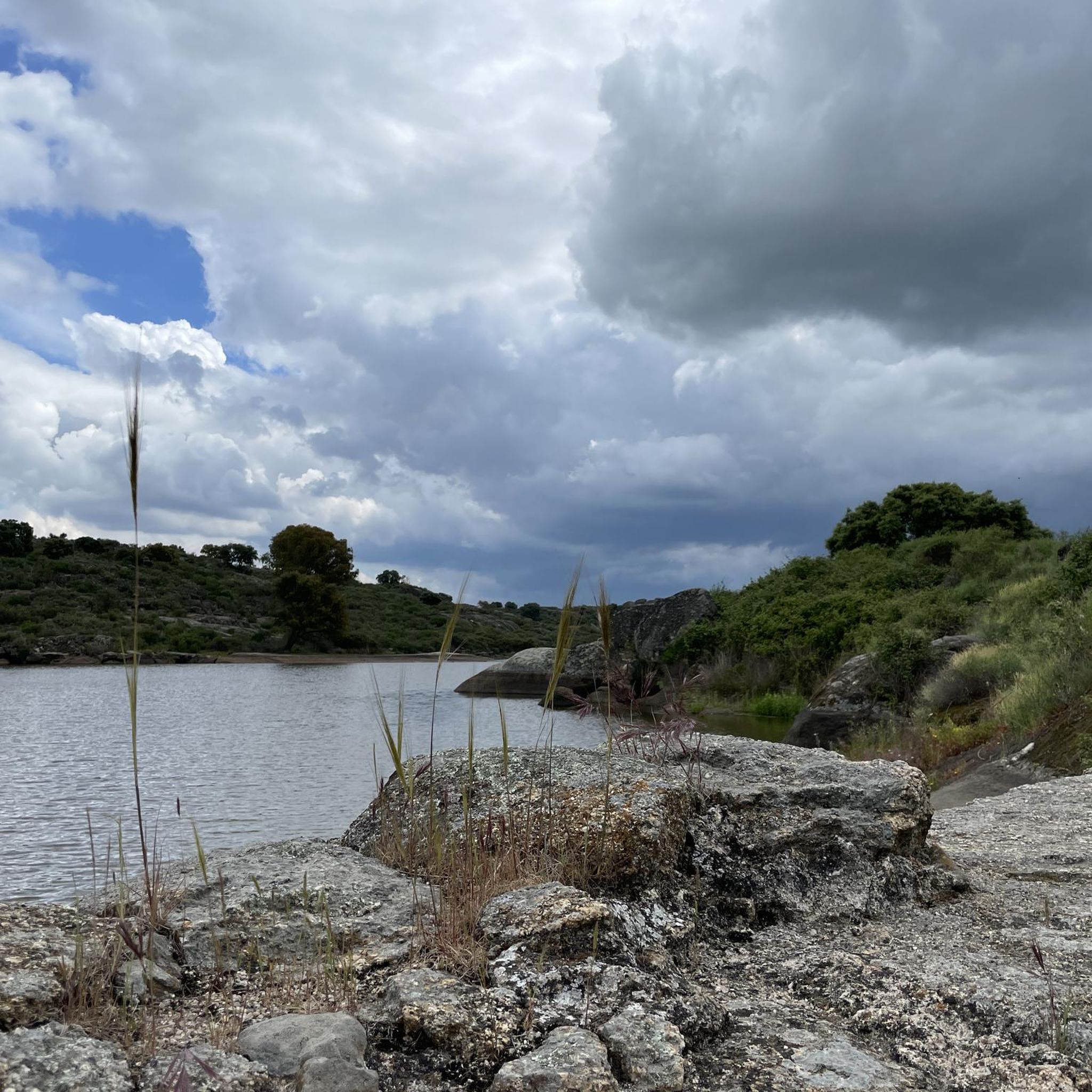
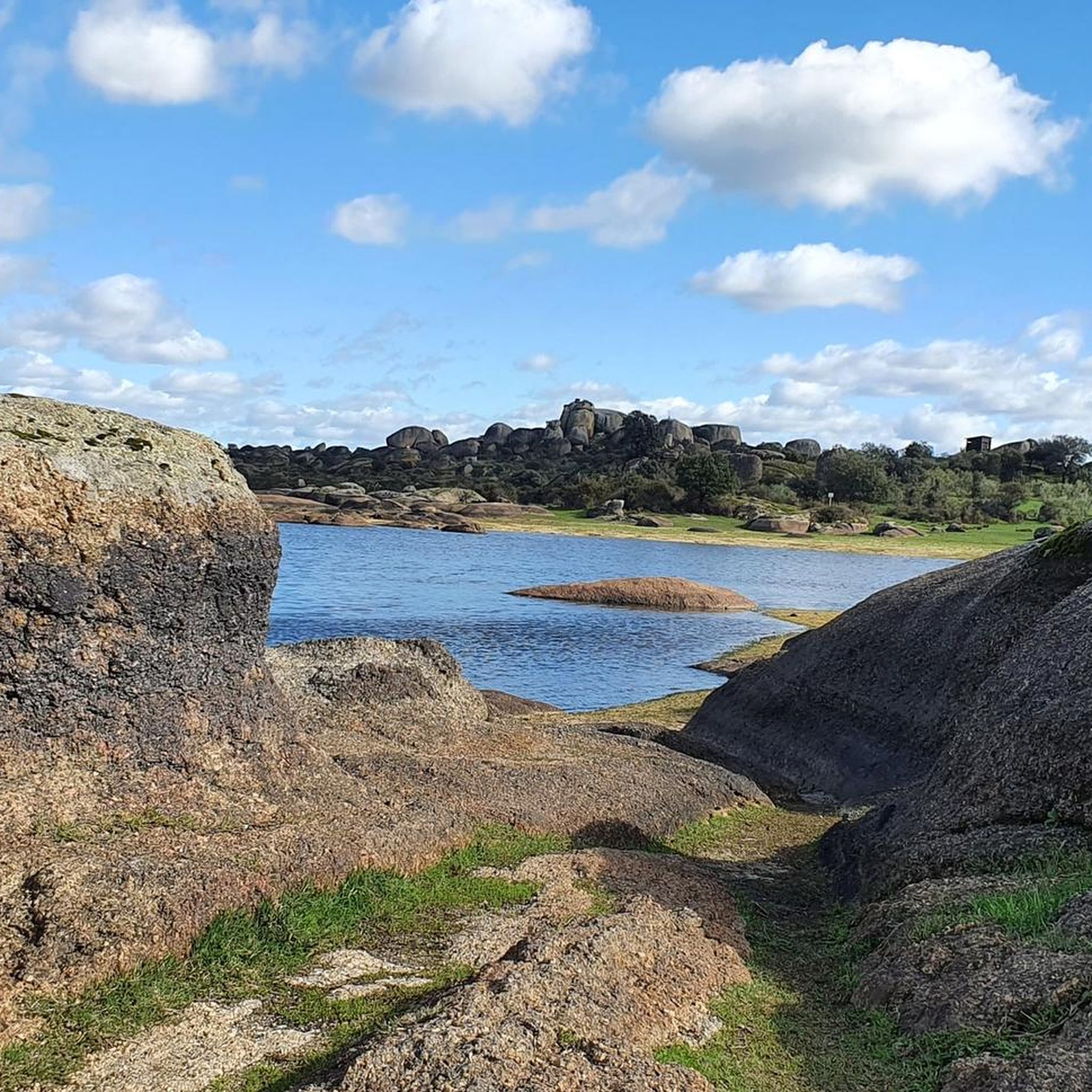
The most prominent natural attraction is the Los Barruecos Natural Monument. This area is famous for its unique granite rock formations, historical lagoons, and as a significant nesting ground for white storks. It also gained international recognition as a filming location for 'Game of Thrones'.
Are there historical sites to visit in Malpartida de Cáceres and its surroundings?
Yes, the region is rich in history. You can explore the Historic Centre of Cáceres, a UNESCO World Heritage Site with narrow cobblestone streets and Renaissance palaces. Other notable sites include the Co-Cathedral of Santa María and the Cáceres Main Square with its historic Torre de Bujaco. Within Malpartida de Cáceres itself, you can find remains of the 16th-century Ovando fortress and the unique civil Gothic architecture of the House of Francisco Hidalgo.
What cultural institutions are available in the area?
Within Los Barruecos Natural Monument, you can visit the Vostell Malpartida Museum, a pioneering contemporary art center housed in an 18th-century former wool washing place. Additionally, the Cáceres Museum and Cistern, located in the Palacio de las Veletas, offers archeology, ethnography, and fine arts collections, featuring a magnificent Hispano-Muslim cistern.
Can I find family-friendly activities around Malpartida de Cáceres?
Many attractions are suitable for families. The Historic Centre of Cáceres, Cáceres Main Square, and Co-Cathedral of Santa María are all tagged as family-friendly. The Los Barruecos Natural Monument is also excellent for families, offering unique landscapes, opportunities to spot white storks, and the intrigue of a 'Game of Thrones' filming location.
What outdoor activities, like hiking or cycling, are available near these attractions?
The area offers various outdoor activities. For running, you can explore routes like the 'Route of the Ponds' or 'Las Charcas Trail' within Los Barruecos. Cycling options include loops around Malpartida de Cáceres and Los Barruecos Lagoons. For more details on routes, you can check the cycling guide, gravel biking guide, and running trails guide for Malpartida de Cáceres.
What is the best time of year to visit Malpartida de Cáceres?
The spring months (March to May) are ideal for visiting Malpartida de Cáceres, especially for enjoying the natural beauty of Los Barruecos and observing the white storks during their nesting season. The weather is generally pleasant for outdoor activities and exploring historical sites. Autumn (September to November) also offers comfortable temperatures.
Is Los Barruecos Natural Monument accessible for visitors with mobility needs?
While the natural terrain of Los Barruecos with its granite formations can be challenging in some areas, the main pathways and the Vostell Malpartida Museum are generally accessible. The Cáceres Main Square is also listed as wheelchair accessible.
Where can I find parking when visiting Los Barruecos Natural Monument?
Parking facilities are available near the main entrance and key points of interest within Los Barruecos Natural Monument, including near the Vostell Malpartida Museum. These are typically well-signposted.
What kind of wildlife can I expect to see, especially for birdwatching, in Los Barruecos?
Los Barruecos Natural Monument is a renowned European Stork Village, making it an excellent spot for birdwatching, particularly for observing white storks nesting on the granite boulders. The area's lagoons also attract various waterfowl and other bird species throughout the year.
Are there any specific religious buildings worth visiting in the area?
Absolutely. The Co-Cathedral of Santa María in Cáceres is the most important Christian temple, featuring Gothic and Renaissance styles and a significant 16th-century altarpiece. In Malpartida de Cáceres, the 16th-century Iglesia de Nuestra Señora de la Asunción is notable, along with several historic hermitages like the Ermita de San Antonio and Ermita de los Santos Mártires.
Can I bring my dog to trails and attractions around Malpartida de Cáceres?
Many outdoor trails in Los Barruecos Natural Monument are dog-friendly, provided dogs are kept on a leash to protect wildlife. For specific rules regarding indoor attractions or protected areas, it's advisable to check directly with the site beforehand.
How long should I plan for a visit to the main attractions?
To fully appreciate the Historic Centre of Cáceres, including the Co-Cathedral and Main Square, allow at least half a day, or a full day if you wish to explore museums and enjoy a meal. For Los Barruecos Natural Monument and the Vostell Museum, plan for 3-4 hours to explore the landscape and the museum.
Most popular routes around Malpartida De Cáceres
Most popular attractions around Malpartida De Cáceres

Get inspired with the komoot mobile app


Explore more
Still not found the Highlight you’re looking for? See guides of the top attractions in other regions:
