The best cycling routes around Ibahernando
5.0
(5)
32
riders
19
rides
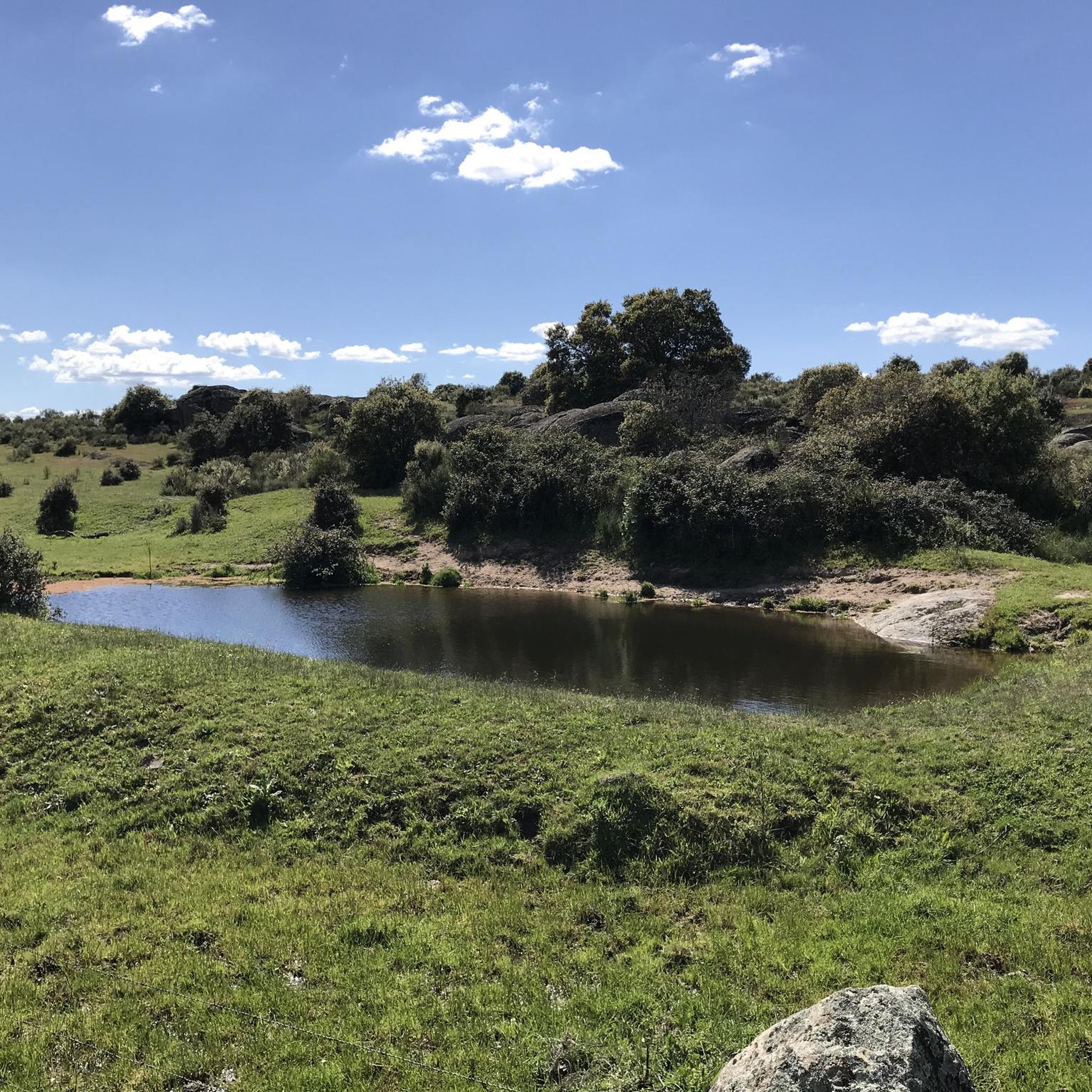
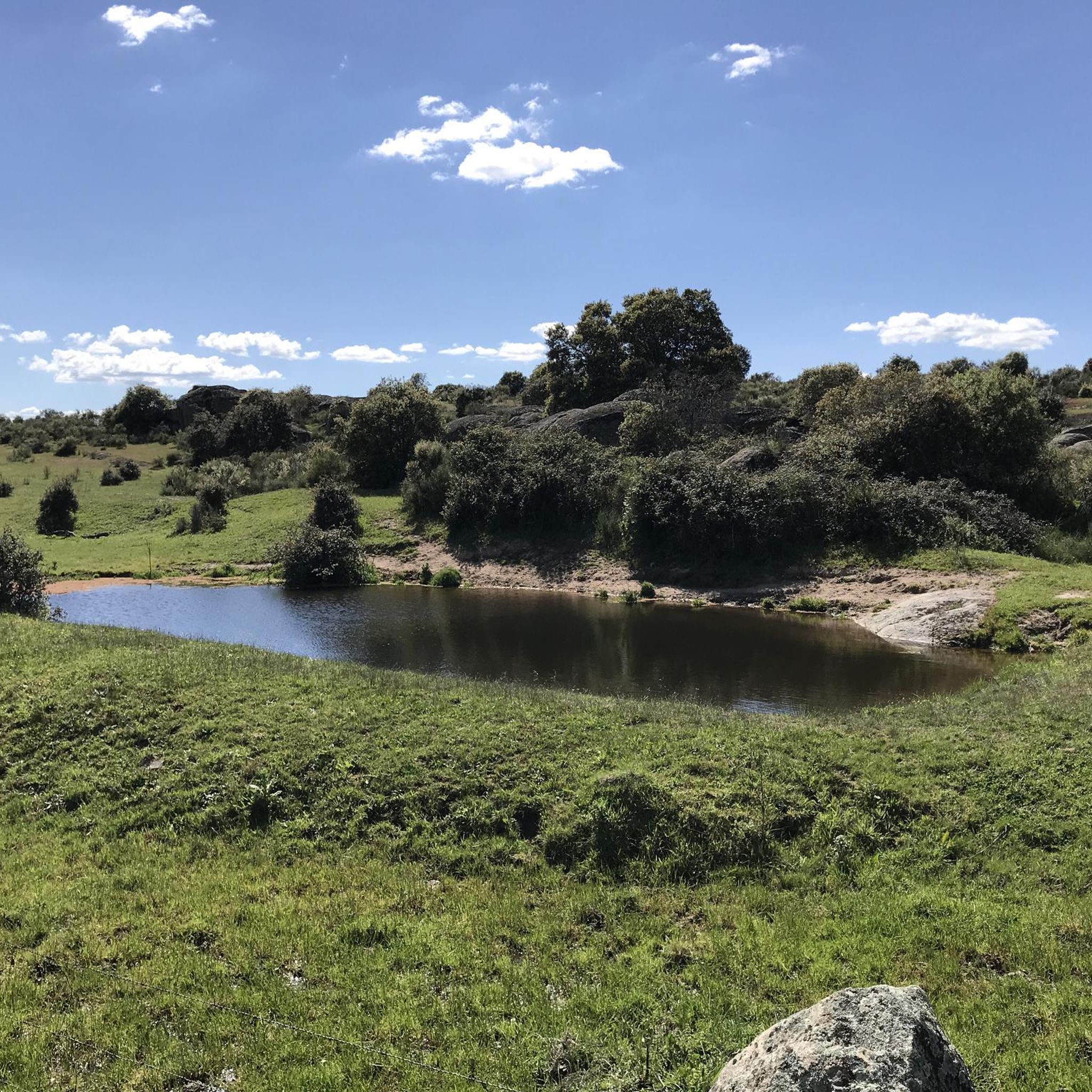
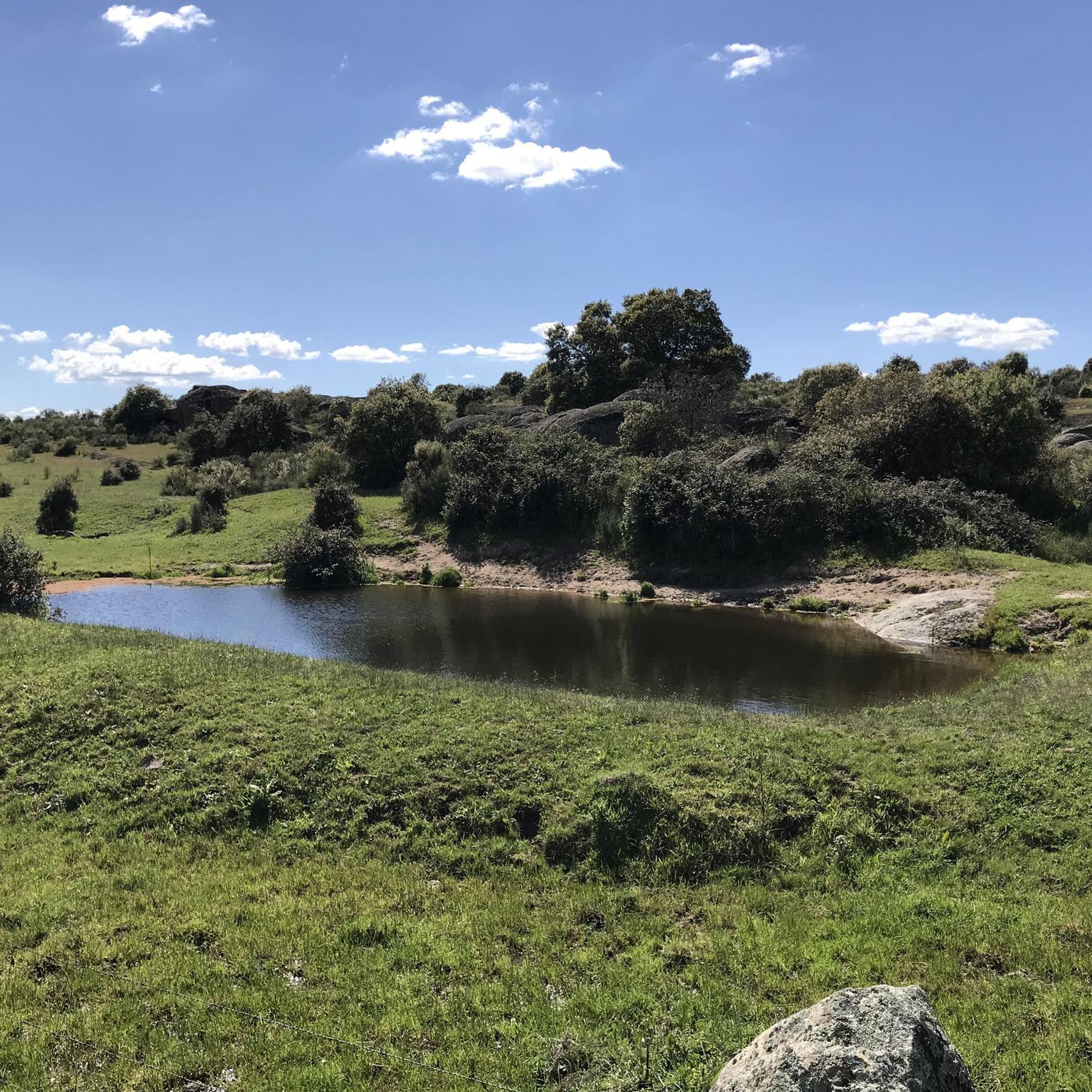
Touring cycling routes around Ibahernando traverse the diverse landscapes of Extremadura, situated near the Sierra de Montánchez. The region features typical Extremaduran scenery, including extensive *dehesas* (holm oak meadows), granite terrain, and areas fed by arroyos. Notable hills such as Astorgano and Tomillar frame the town, while the Ibahernando reservoir adds to the natural beauty. These varied features provide diverse cycling experiences, from gentle paths to more challenging routes in the foothills.
Best touring cycling routes around Ibahernando
- The most…
Last updated: June 27, 2026
5.0
(1)
1
riders
40.3km
02:48
300m
300m
This moderate 25-mile touring cycling route from Trujillo explores rolling Extremadura landscapes and historical sites like the Plaza Mayor.
5.0
(1)
7
riders
41.7km
03:41
410m
410m
Moderate bike ride. Good fitness required. Mostly paved surfaces. Suitable for all skill levels.

Sign up for free
5.0
(1)
4
riders
29.3km
01:52
240m
240m
Moderate bike ride. Good fitness required. Mostly paved surfaces. Suitable for all skill levels.
5.0
(1)
3
riders
40.4km
02:23
270m
270m
Moderate bike ride. Good fitness required. Mostly paved surfaces. Suitable for all skill levels.
3
riders
60.7km
04:05
680m
680m
Hard bike ride. Very good fitness required. Mostly paved surfaces. Suitable for all skill levels.
Get access to more routes and recommendations from other explorers.
Sign up for free
Already have an account?
Our route recommendations are based on thousands of hikes, rides, and runs completed by other people on komoot.
Start today with a free account
Your next adventure awaits.
Login or Signup

Tips from the Community

It is located atop a hill in the Sierra de Montánchez, also known as the "balcony of Extremadura," at an altitude of approximately 700–900 meters above sea level. Founded on the site of an earlier Roman fortress, its main structure dates back to the Caliphate period of the 9th century (Almohad era). It preserves three underground cisterns built between the 11th and 13th centuries. Captured around 1156–1230, it passed to the Order of Santiago after being granted by Alfonso XI. Walls, a keep, and defensive enclosures were added. 17th century: A hermitage and an interior pond were added. In 1620, it served as a prison for Don Rodrigo Calderón.
1
0
Trujillo Castle and the Alcazaba of Trujillo, two historical gems in the city of Cáceres: Trujillo Castle (Alcazaba) Origin: Initially built as an Arab citadel in the 9th century on Cabeza del Zorro hill. Later renovations in the 10th and 11th centuries and Christian expansions after the Reconquista (1232). Architecture: Irregular layout adapted to the terrain, with granite walls, barbican towers, and two cisterns. Simple interior: parade ground, cisterns, and, later, a chapel in the keep dedicated to Our Lady of Victory.
13
0
Palace of the Marquises of Lorenzana Origin: 16th century, Renaissance style. It was the residence of the Pizarro Hinojosa family, Lords of Torrecillas, and from 1642, Marquises of Lorenzana, a title granted to Álvaro Pérez Quiñones y Lorenzana, Governor of Panama and Guatemala. Current use: Headquarters of the Royal Academy of Extremadura of Letters and Arts since 1980.
8
0
The Plaza Mayor in Trujillo is an iconic and historic place in Extremadura. This Renaissance square, dating back to the 16th century, is known for its impressive architecture and vibrant social and cultural life. In the centre of the square is the equestrian statue of Francisco Pizarro, the famous conquistador born in Trujillo. The square is surrounded by historic buildings, such as the Palace of the Marquises of the Conquest and the Church of San Martín de Tours. In addition, it is a place where numerous cultural events and festivals are held throughout the year.
13
0
El Mirador is located in the old town of Trujillo, next to the castle. From here, you can enjoy a spectacular view of the Extremaduran landscape. Architecture and Environment: El Mirador was built using the technique of Spanish colonial architecture, combined with local elements. It has three levels, and at the top, there is a panoramic terrace surrounded by wooden fences and columns.
8
0
The equestrian statue of Francisco Pizarro is located in Trujillo, a city in the Extremadura region, Spain. This imposing statue pays tribute to one of the illustrious residents of Trujillo: the conquistador Francisco Pizarro. The statue was created by American sculptor Charles Cary Rumsey (1879-1922). It is located in the Plaza Mayor of Trujillo, on a granite pedestal. Although not its original location, this statue is an important symbol in the city where Pizarro was born.
12
0

Interesting statue for history buffs. The Pizarro family, all well-known sailors, originated in Trujillo. This unique statue was erected in the Plaza Mayor in memory of Francisco Pizarro.
4
0
It is a beautiful viewpoint next to the Alcazaba of Trujillo. From here you can see how the entire area up to the surrounding mountains was controlled from the Castillo.
3
0
Frequently Asked Questions
How many touring cycling routes are available around Ibahernando?
There are over 15 touring cycling routes around Ibahernando, offering a variety of experiences for different skill levels.
What kind of landscapes can I expect to see while touring cycling near Ibahernando?
Touring cycling routes around Ibahernando traverse diverse landscapes, including the rugged granite terrain of the Sierra de Montánchez, expansive dehesas characterized by oak forests, and verdant areas fed by local streams like the arroyos of la Dehesa and Colmenarejo. You'll experience a mix of open woodlands and more mountainous sections.
What are the typical difficulty levels for touring cycling routes in Ibahernando?
The routes in Ibahernando cater to various abilities. Most of the routes are classified as moderate, with a few easier options and some more challenging trails available. This allows for both relaxed rides and more demanding ascents.
Are there any circular touring cycling routes in the Ibahernando area?
Yes, there are several circular routes. For example, the Encina Terrona loop from Ibahernando is a popular 41.7 km trail through dehesa landscapes. Another option is the Laguna de las Eras loop from Ibahernando, which covers about 40.4 km.
What historical or cultural landmarks can I explore along the touring cycling routes?
Many routes offer opportunities to explore historical and cultural sites. You can visit the historic city of Trujillo, which is about 14 kilometers from Ibahernando. Notable attractions include the Trujillo Main Square, the Church of Santa María la Mayor, and the San Andrés Gate. Within Ibahernando itself, you can find the Parish Church of la Degollación de San Juan Bautista and the Torre del Reloj.
Are there any family-friendly touring cycling routes in Ibahernando?
While specific 'easy' routes for families are limited, the region offers 1 easy route and many moderate routes that can be suitable for families with some cycling experience. The dehesa landscapes provide picturesque and generally less technical terrain. Always check the route details for distance and elevation to ensure it matches your family's ability.
What do other touring cyclists enjoy most about cycling in Ibahernando?
The area is highly rated by the komoot community, with an average score of 5.0 stars. Reviewers often praise the diverse terrain, from the tranquil dehesas to the more challenging granite hills, and the opportunity to explore both natural beauty and historical towns like Trujillo.
Is public transport available to access touring cycling routes in Ibahernando?
Information on specific public transport links directly to the start points of all cycling routes is not readily available. However, Ibahernando is a town in the province of Cáceres, and regional bus services typically connect such towns. It's advisable to check local bus schedules for connections to Ibahernando and then plan your route from there.
Where can I park my car when starting a touring cycling route in Ibahernando?
As Ibahernando is a small town, parking is generally available within the town center or near local amenities. For routes starting directly from Ibahernando, such as the Encina Terrona loop, you can usually find street parking. For routes starting from nearby Trujillo, designated parking areas are available in and around the historic center.
What is the best time of year to go touring cycling in Ibahernando?
The best time for touring cycling in Ibahernando is typically during the spring (March to May) and autumn (September to November) months. During these periods, the weather is generally milder and more pleasant, avoiding the intense heat of summer and the cooler, potentially wetter conditions of winter. This allows for comfortable exploration of the dehesas and the Sierra de Montánchez.
Are there any touring cycling routes that pass through or near Trujillo?
Yes, several routes are closely linked to Trujillo. The Huertas de Ánimas from Trujillo – circular via La Aldea del Obispo – Cañada Real de La Plata is a 40.3 km route that starts and ends near Trujillo. Another option is the Plaza Mayor of Trujillo – Trujillo Castle loop from Trujillo, which explores the historic surroundings of the city.
What is the typical duration for a touring cycling route in Ibahernando?
The duration of routes varies depending on their length and your pace. For example, the popular Huertas de Ánimas from Trujillo route, which is about 40.3 km, typically takes around 2 hours and 47 minutes. Longer routes, like the Encina Terrona loop (41.7 km), can take approximately 3 hours and 40 minutes.
Most popular attractions around Ibahernando

Get inspired with the komoot mobile app


Explore more
Browse the best Cycling routes in other regions.
