Attractions and Places To See around Zarza De Granadilla - Top 20
Attractions and places to see around Zarza De Granadilla are found in the province of Cáceres, Extremadura, offering a blend of historical sites, cultural landmarks, and natural landscapes. The region is characterized by its position between the Alagón and Ambroz river valleys and features the Gabriel y Galán reservoir. Visitors can explore ancient Roman heritage and diverse natural habitats, including dehesas and pine forests.
Best attractions and places to see around Zarza De Granadilla
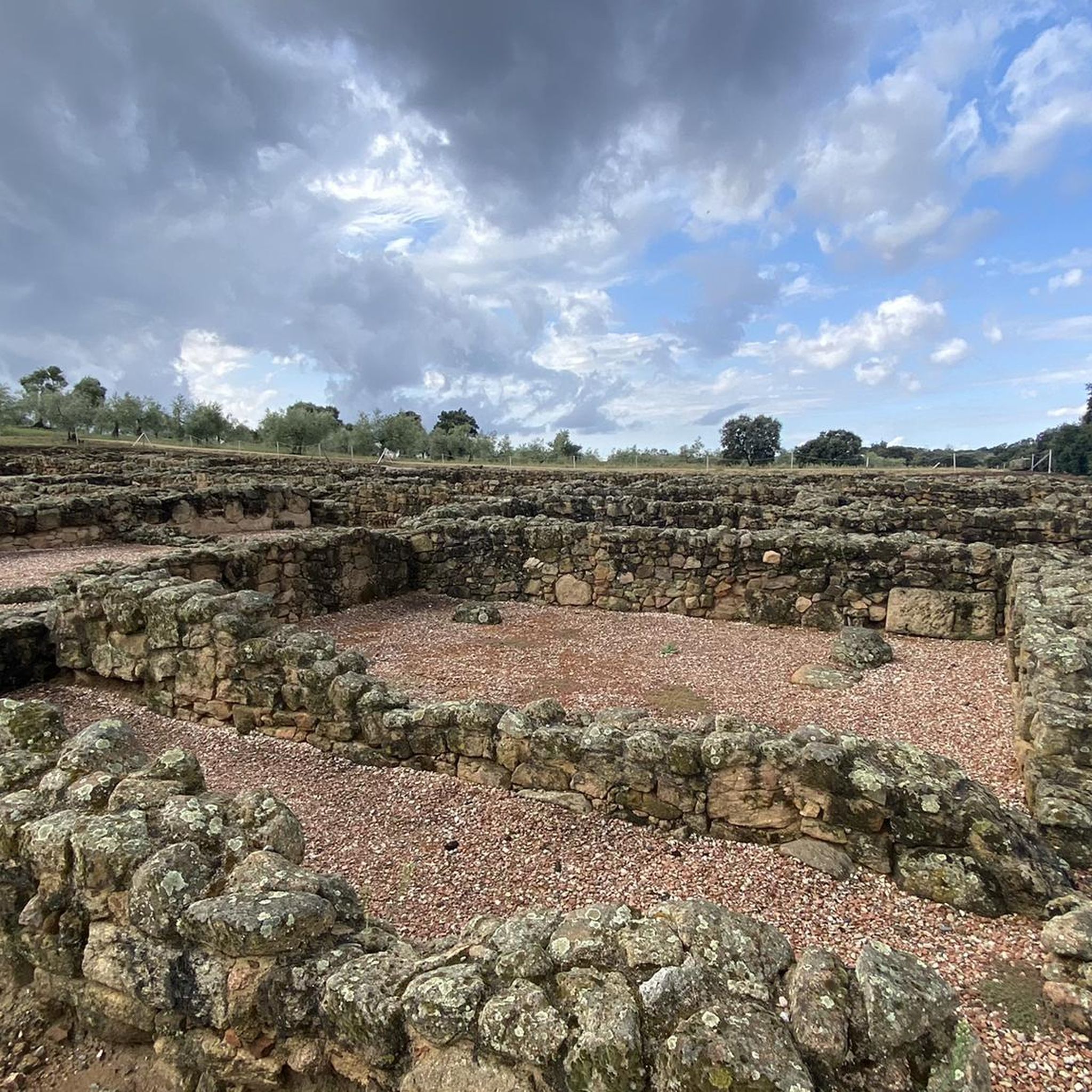
- The most popular attractions is Arco de Cáparra, a man-made monument that is a quadriform arch rising on four pillars. This 1st-century Roman arch is the only one of its type preserved in the Iberian Peninsula.
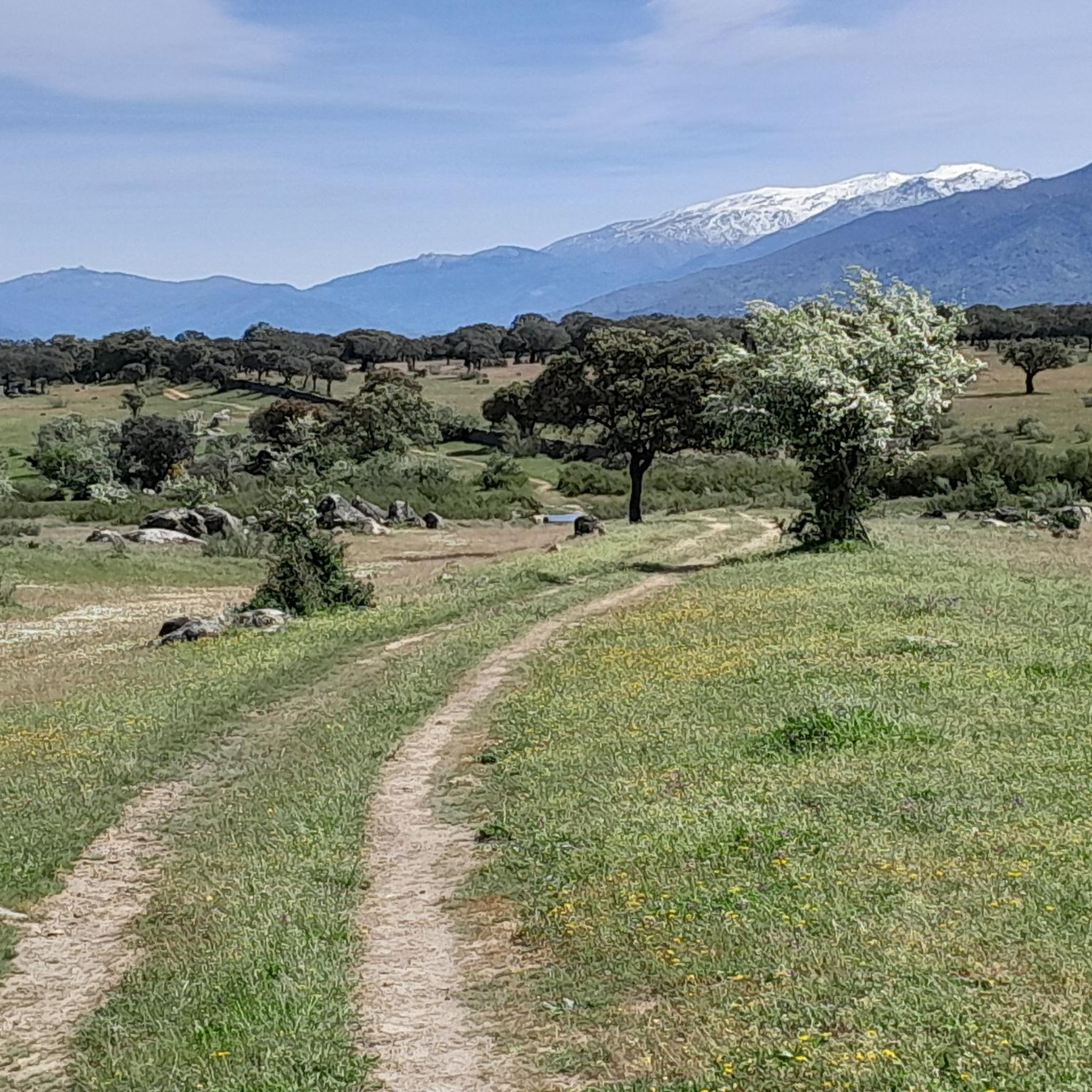
- Another must-see spot is Honduras Pass, a mountain pass located at 1440 meters above sea level. Visitors can expect views from this pass, which connects the Ambroz Valley and the Jerte Valley.
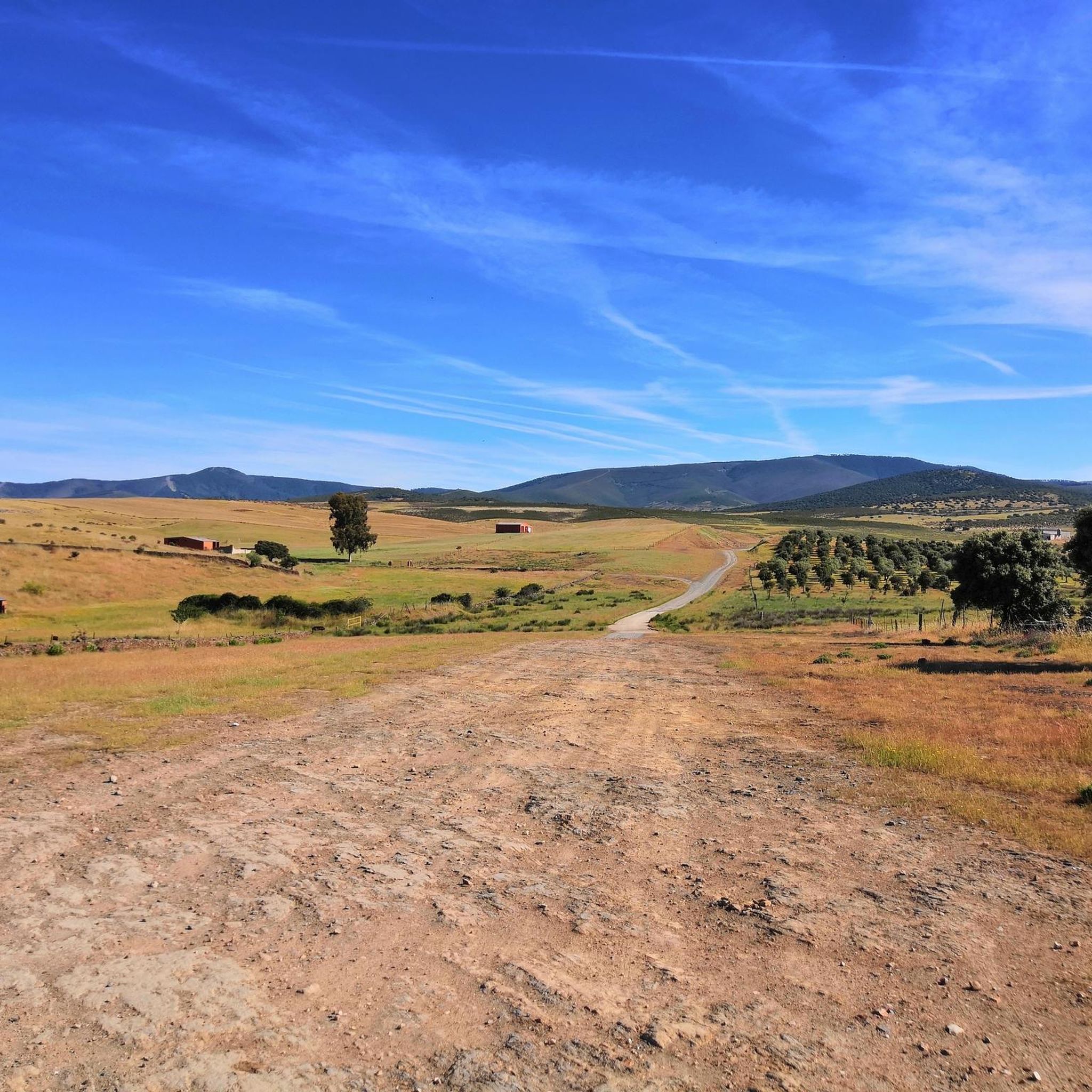
- Visitors also love Vía Verde de la Plata, a converted disused railway line. This route provides opportunities for cycling and walking through the natural landscape.
- Zarza De Granadilla is known for historical sites, natural features, and cycling routes. The area offers a variety of attractions to see and explore, from ancient Roman structures to mountain passes and greenways.
- The attractions around Zarza De Granadilla are appreciated by the komoot community, with more than 40 upvotes and over 20 photos shared by visitors.
Last updated: May 5, 2026
Arco de Cáparra
Highlight • Monument
Translated by Google •
Tip by

Honduras Pass
Highlight (Segment) • Mountain Pass
Translated by Google •
Tip by

Sign up now to discover places like this
Get recommendations on the best single tracks, peaks, & plenty of other exciting outdoor places.
Sign up for free
Roman Arch of Cáparra
Highlight • Monument
Translated by Google •
Tip by

Vía Verde de la Plata
Highlight (Segment) • Cycleway
Showing Translation
Tip by

Charco de la Olla Natural Pool, Las Mestas
Highlight • Natural
Translated by Google •
Tip by
Sign up for free to discover even more attractions around Zarza De Granadilla.
Sign up for free
Already have an account?
Start today with a free account
Your next adventure awaits.
Login or Signup
Tips from the Community

Cáparra was once a walled city with suburbs, but it was not a very important ancient city. Not much of the city remains, except for some ruins and an arch. The site is fortunately free to visit and there are signs in English.
6
0
The entire route has a gravel surface and sometimes there is a lot of greenery
15
0
This route offers a wealth of sights and crosses a lush and varied landscape. The route runs from Plasencia through the Ambroz valley with its grassy meadows, along pastures and deciduous forests, to the foot of the Sierra de Béjar, a protected biosphere reserve.
16
0

17 kilometers of mountain pass (on both sides, Ambroz Valley from Hervás or Jerte Valley from Cabezuela del Valle). From Cabezuela del Valle, the first 12 kilometers average an average gradient of 7%, with some 10% gradients, and from the 12th kilometer onward, there are some rest stops with wonderful views. This side has a gradient of approximately 900 meters, up to 1,430 meters.
0
0

A lovely route to do almost year-round. Avoid the hottest hours and bring along water, as there are only fountains in Bejar and Baños de Montemayor.
3
0

Arch of Cáparra, symbol of the Via de la Plata
1
1

Beautiful port between the Ambroz Valley and the Jerte Valley with a constant slope of about 6%
0
0

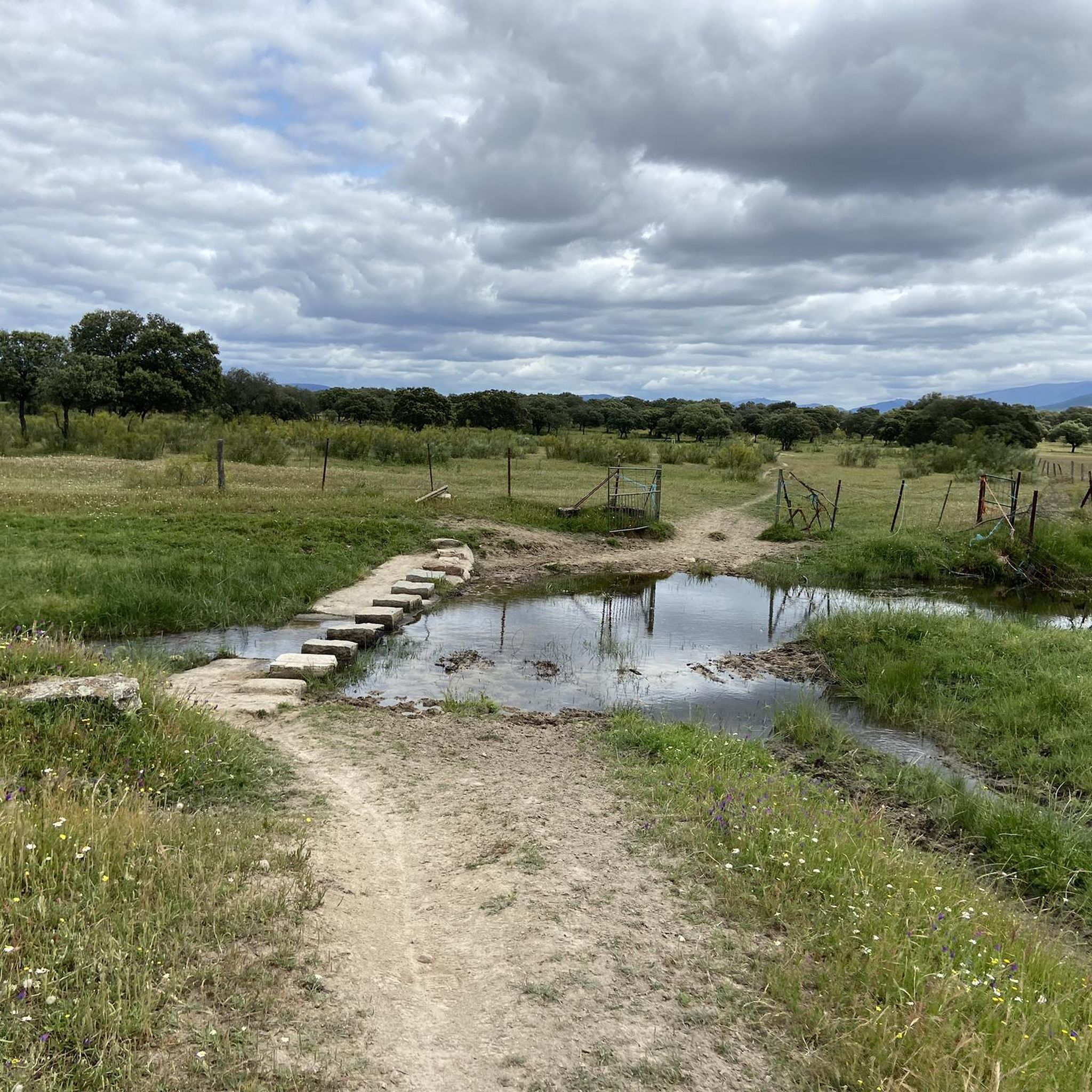
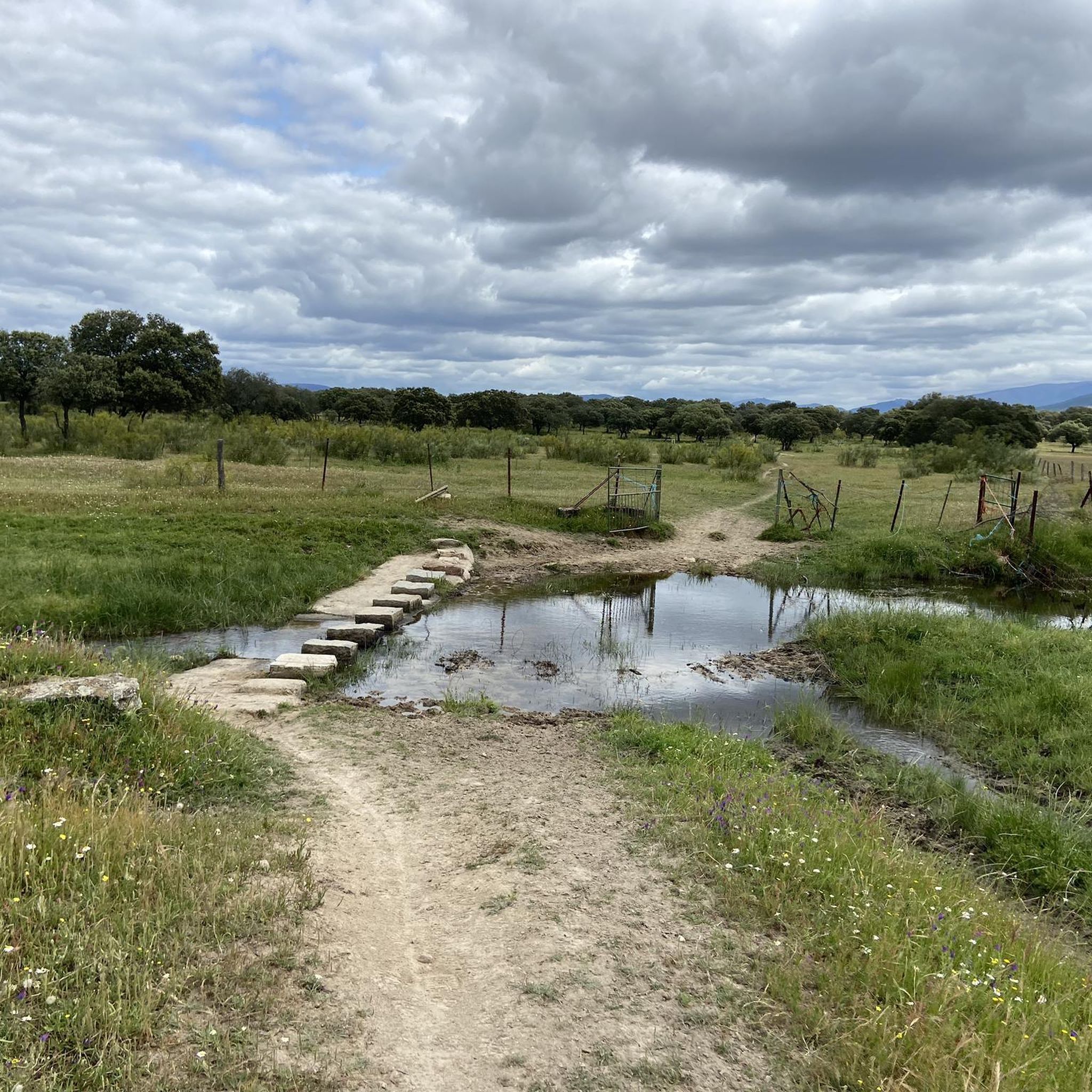
Las Mestas is a charming village in the Las Hurdes region at the foot of the Sierra de Francia. You must stop at the natural pools of Charco de la Olla to take a bath or cool off on your cycling route or see the small Church of Nuestra Señora del Carmen built with typical stone from the area.
1
0
Frequently Asked Questions
What historical and cultural sites can I explore around Zarza de Granadilla?
The region is rich in history. A must-visit is the abandoned village of Granadilla, a unique historic-artistic site with well-preserved Moorish walls and a medieval castle. You can also discover the ancient Roman city of Cáparra, home to the distinctive Arco de Cáparra, a 1st-century quadriform arch unique in the Iberian Peninsula. Other notable sites include the 16th-century Church of Nuestra Señora de la Asunción and the 18th-century Ermita del Cristo de la Misericordia in Zarza de Granadilla itself.
Are there opportunities for hiking and cycling near Zarza de Granadilla?
Yes, the area offers excellent opportunities for outdoor activities. You can explore the Vía Verde de la Plata, a converted disused railway line perfect for cycling and walking. For more challenging routes, the Honduras Pass offers spectacular views and a demanding ascent for cyclists. You can find various hiking trails, including moderate options like the 'Castle Viewpoint of Cabezabellosa from Jarilla' or 'Tapias Dam Trail from La Pesga'. For more detailed routes, check out the hiking guide and road cycling guide for the area.
What natural features and viewpoints are there to see?
The region is characterized by its stunning natural landscapes. The vast Embalse de Gabriel y Galán reservoir offers breathtaking scenic views and is part of the Red Natura 2000 network. You can also visit the Mirador Celeste near Cazabellosa for impressive vistas. The area is nestled between the beautiful Valleys of the Alagón and Ambroz Rivers, and the Honduras Pass provides panoramic views from its 1440-meter elevation.
What activities are available for families in Zarza de Granadilla?
Families can enjoy several attractions. The Vía Verde de la Plata is a family-friendly route for cycling and walking. Exploring the abandoned village of Granadilla can be an engaging historical adventure for all ages. The Arco de Cáparra and the Roman city ruins also offer an educational and interesting outing for families.
Can I visit the abandoned village of Granadilla, and what should I know?
Yes, Granadilla is open to visitors and is a significant attraction. It was depopulated due to the construction of the Gabriel y Galán reservoir but was never submerged. You can explore its semi-ruined streets, walk along the ancient Moorish walls, and ascend the medieval castle for panoramic views. The village has been undergoing restoration since the 1980s. For specific visitor information, including opening hours or any access restrictions, it's advisable to check local resources like visitargranadilla.com.
Are there any dog-friendly trails or attractions in the area?
Many natural trails around Zarza de Granadilla and the Gabriel y Galán reservoir are suitable for walks with dogs, provided they are kept on a leash. The Vía Verde de la Plata is generally dog-friendly for walks and cycling. When visiting historical sites like Granadilla or the Roman Arch of Cáparra, it's best to check specific site regulations regarding pets, though outdoor areas are often accessible.
What is the best time of year to visit Zarza de Granadilla for outdoor activities?
The spring (April-May) and autumn (September-October) months are generally ideal for outdoor activities like hiking and cycling. During these seasons, the weather is pleasant, and the natural landscapes are particularly vibrant. Summers can be very hot, so if visiting then, it's best to plan activities for early mornings or late afternoons and ensure you carry plenty of water. Winters are milder but can be damp.
Where can I find parking when visiting attractions like Granadilla or the Roman Arch of Cáparra?
For Granadilla, there is typically designated parking available outside the village walls, as vehicle access within the historic site is restricted. When visiting the Arco de Cáparra and the Roman city, there are usually parking areas provided near the archaeological site for visitor convenience. It's always a good idea to check local signage upon arrival.
What kind of running trails are available around Zarza de Granadilla?
The area offers a variety of running trails for different fitness levels. You can find moderate trails like the 'Río de los Ángeles River Trail' or the 'Mirador del Castillo from Cabezabellosa' which is a circular route. For more challenging runs, consider the 'Mirador del Pico Blanco – circular from La Pesga'. These routes allow you to experience the natural beauty of the region. More options are detailed in the running trails guide.
What do visitors enjoy most about the attractions around Zarza de Granadilla?
Visitors frequently praise the unique historical significance of sites like the Arco de Cáparra, noting its impressive size and historical context. The scenic beauty of the Honduras Pass and the opportunities for outdoor activities on the Vía Verde de la Plata are also highly appreciated. The blend of ancient Roman structures, mountain passes, and greenways offers a diverse and engaging experience for all.
Are there any permits required for hiking near the Gabriel y Galán reservoir?
Generally, permits are not required for hiking on established trails around the Gabriel y Galán reservoir or in the surrounding natural areas. However, it's always recommended to respect local regulations, especially concerning protected areas within the Red Natura 2000 network. If you plan to engage in specific activities like wild camping or accessing private lands, it's best to inquire with local tourism offices for any specific requirements.
Most popular routes around Zarza De Granadilla
Most popular attractions around Zarza De Granadilla

Get inspired with the komoot mobile app


Explore more
Still not found the Highlight you’re looking for? See guides of the top attractions in other regions:
