Attractions and Places To See around La Granja - Top 18
Best attractions and places to see around La Granja include a diverse range of natural and historical sites, offering opportunities for outdoor activities and cultural exploration. This region features mountain passes, tranquil reservoirs, and historical trails. It is characterized by its varied landscapes, from challenging cycling routes to family-friendly walks. The area provides a blend of natural beauty and historical significance for visitors to discover.
Best attractions and places to see around La Granja
- The most popular attractions is Honduras…
Last updated: July 12, 2026
Honduras Pass
Highlight (Segment) • Mountain Pass
Translated by Google •
Tip by

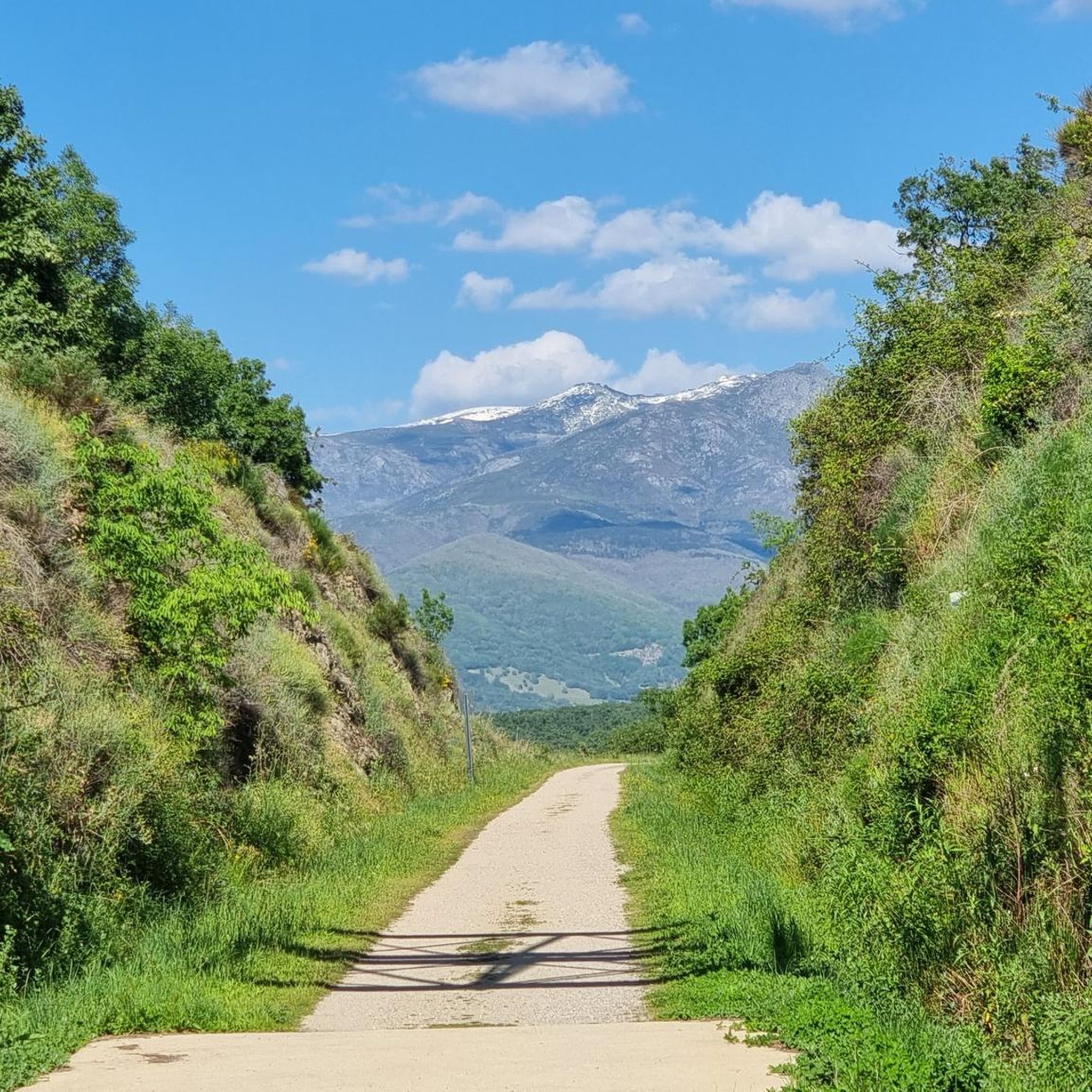
Vía Verde de la Plata
Highlight (Segment) • Cycleway
Showing Translation
Tip by

Sign up now to discover places like this
Get recommendations on the best single tracks, peaks, & plenty of other exciting outdoor places.
Sign up for free
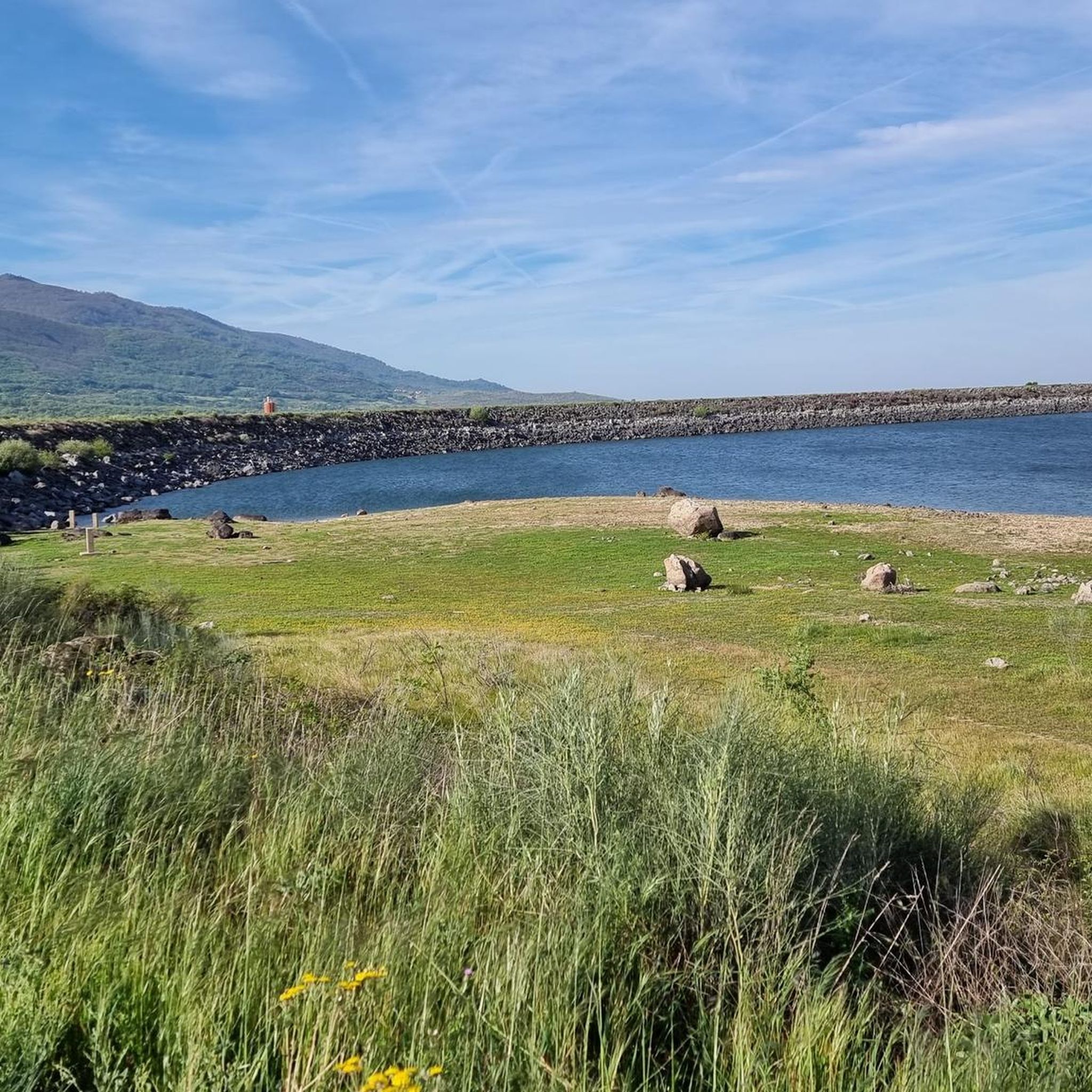
Baños Reservoir
Highlight • Lake
Translated by Google •
Tip by

Granadilla Abandoned Village
Highlight • Settlement
Translated by Google •
Tip by

Aldeanueva del Camino Stone Bridge
Highlight • Bridge
Translated by Google •
Tip by

Sign up for free to discover even more attractions around La Granja.
Sign up for free
Already have an account?
Start today with a free account
Your next adventure awaits.
Login or Signup

Tips from the Community

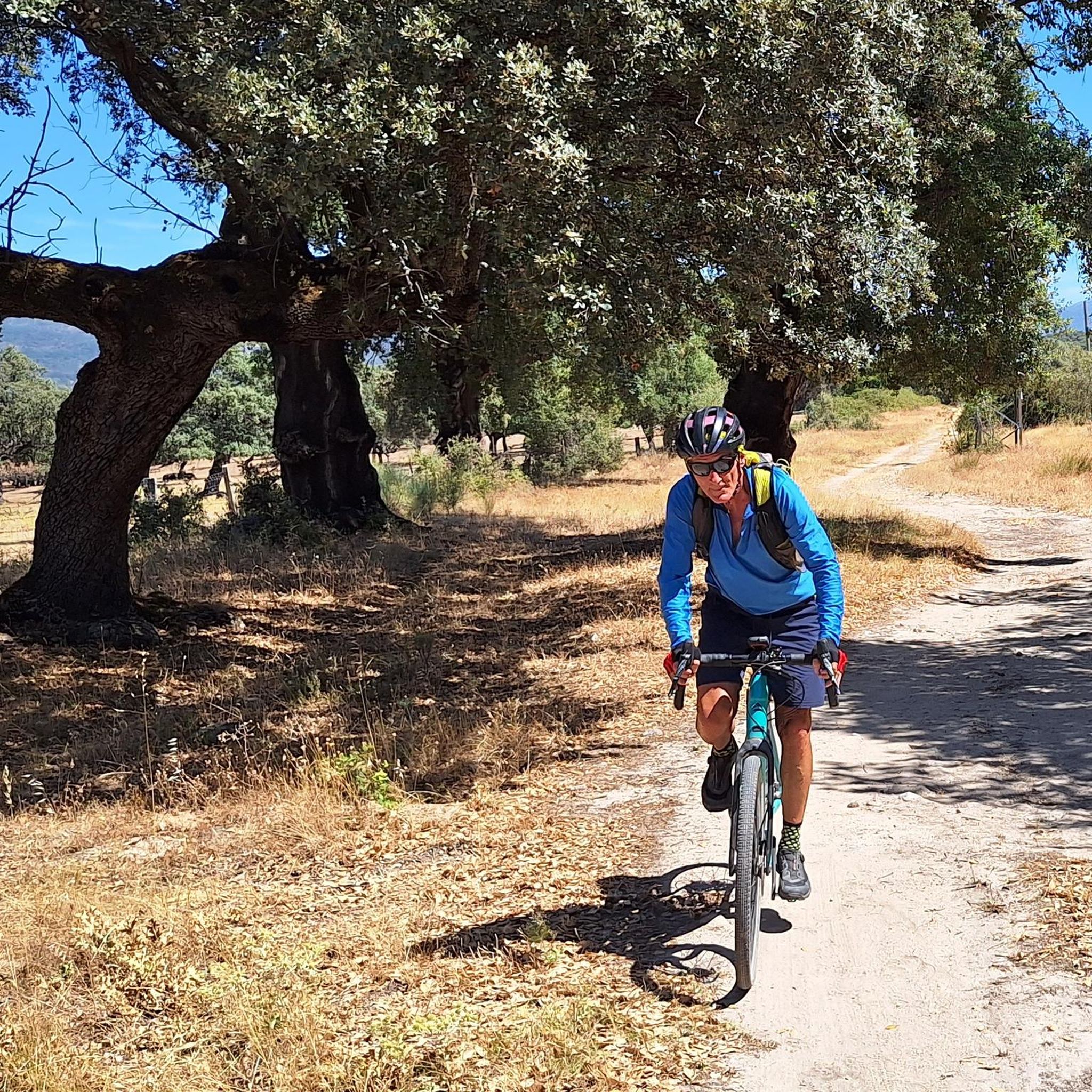
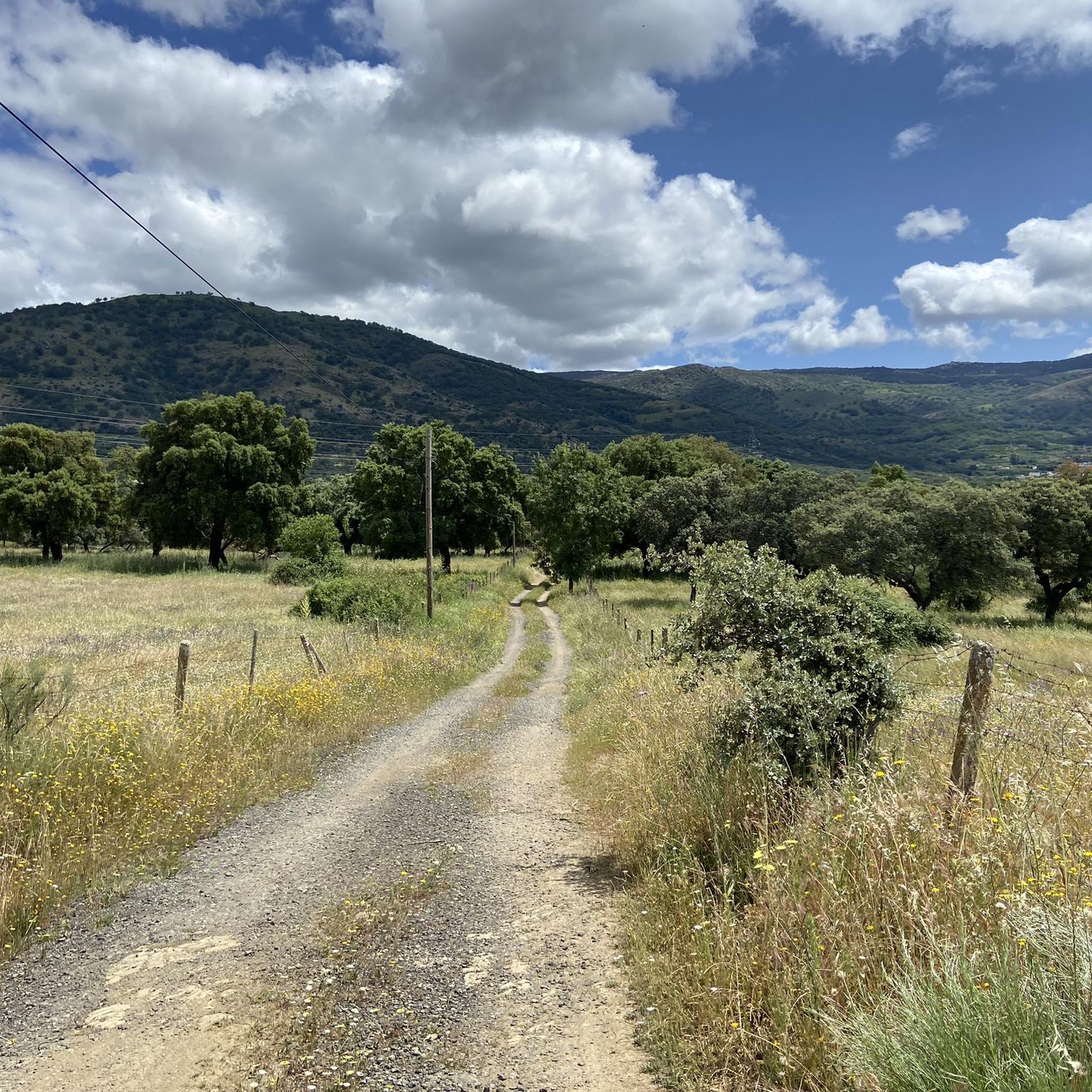
The entire route has a gravel surface and sometimes there is a lot of greenery
16
0
This route offers a wealth of sights and crosses a lush and varied landscape. The route runs from Plasencia through the Ambroz valley with its grassy meadows, along pastures and deciduous forests, to the foot of the Sierra de Béjar, a protected biosphere reserve.
17
0

17 kilometers of mountain pass (on both sides, Ambroz Valley from Hervás or Jerte Valley from Cabezuela del Valle). From Cabezuela del Valle, the first 12 kilometers average an average gradient of 7%, with some 10% gradients, and from the 12th kilometer onward, there are some rest stops with wonderful views. This side has a gradient of approximately 900 meters, up to 1,430 meters.
0
0

A lovely route to do almost year-round. Avoid the hottest hours and bring along water, as there are only fountains in Bejar and Baños de Montemayor.
3
0

Abandoned village under reconstruction
0
0

Beautiful port between the Ambroz Valley and the Jerte Valley with a constant slope of about 6%
0
0

Aldeanueva del Camino is another market town or road street, developed by the passage of the large transhumant herds that traveled through the northwest of the peninsula twice a year looking for the best pastures. And at the same time serving the pilgrims and travelers who have traveled along the Vía de la Plata for centuries. The facades have wooden arcades and balconies filled with flower pots, there are medieval bridges and stone fountains. The route connects with the Camino de Santiago at the Garganta Buitrera bridge, of Roman origin, and heads towards Plasencia for the Jacobean pilgrims. The exit from the town is easy through some gardens and immediately passes through the highway tunnel and enters the Vía de la Plata or Vizana livestock route. The time has come to test your gravel riding skills and patience. In reality there are only about 300 complicated meters, they are downhill and it is a very broken dirt track, with stones, ditches and some simple steps, 100% cyclable with care. And then the route continues through the pastoral ravine on an uncomplicated dirt road until the last hundred meters before exiting to the N-630, where we had to remove some brambles because they blocked the path. This loop along the Jacobean route is worth it to cycle through the great peasant plateau of the Llanos de la Jarilla, gliding through beautiful pastures of cork oaks and holm oaks. The best moment is when the Roman city of Cáparra and the famous arch of four pillars appear, a jewel of Roman architecture unique in Spain. The monument has a particular attraction and has become one of the symbols of the Vía de la Plata. The passage through the arch is spoiled by the fences that separate the Jacobean route from the rest of the archaeological site, but it remains a fundamental milestone in one of the most notable historical routes in Spain. The path continues parallel to the paved Roman road, crosses a small hill and turns to the left to begin the end of the journey through Oliva de Plasencia, the town of crochet, in the streets there are benches, trees, fountains, characters, monuments and crowds. of elements decorated with crochet. At the exit of the town you have to take a farm road to the left of the pools and go down some barren hills to the valley of the Garganta de la Oliva. The lane passes through a farmhouse and finally climbs to the route of the Nature Trail. The return to Plasencia follows the route through the spectacular Jerte River bridge and the San Lázaro tunnel.
0
0

Granadilla is an abandoned town that is worth visiting.
0
0
Frequently Asked Questions
What historical sites can I visit in La Granja de San Ildefonso?
La Granja is rich in history. You can explore the opulent Royal Palace of La Granja de San Ildefonso, with its impressive architecture and art. Adjacent to the palace is the Royal Collegiate Church of the Santísima Trinidad, the resting place of Philip V and Isabella Farnese. Don't miss the Royal Glass Factory of La Granja, now a museum showcasing traditional glass-making, or the Museum of Tapestries within the palace grounds. For a unique historical experience, visit the Granadilla Abandoned Village, a walled town with a fascinating past currently undergoing recovery.
Are there any natural attractions or viewpoints near La Granja?
Yes, La Granja is nestled at the foot of the Sierra de Guadarrama, offering stunning natural beauty. The magnificent Gardens of the Royal Palace, with their tree-lined avenues and 26 mythological fountains, are a highlight. You can also visit the Honduras Pass, a mountain pass at 1440 meters above sea level, known for its spectacular views. The Baños Reservoir offers a pleasant walk around the water and its dam, with opportunities to enjoy the scenery. The abundant pine forests of the Monte de Valsaín within the Sierra de Guadarrama National Park also provide an ideal escape for nature enthusiasts.
What outdoor activities can I do around La Granja?
The region around La Granja is perfect for outdoor enthusiasts. You can enjoy cycling on the Vía Verde de la Plata, a pleasant route suitable for almost year-round use. For more challenging cycling, consider the road cycling routes that include the Honduras Pass. There are also numerous hiking opportunities, from easy walks around the Baños Reservoir to more demanding trails in the Sierra de Guadarrama. You can find detailed routes for various sports in the Road Cycling Routes around La Granja, Hiking around La Granja, and Cycling around La Granja guides.
Are there family-friendly attractions or activities in La Granja?
Absolutely! The Gardens of the Royal Palace are a wonderful place for families to explore, with their vast spaces and impressive fountains. The Baños Reservoir offers a pleasant and easy walk suitable for all ages, and on warmer days, you can even take a dip. The Vía Verde de la Plata is a cycle path with a small, gentle slope, making it ideal for family bike rides or walks. The Granadilla Abandoned Village also offers an interesting and educational outing for families.
What is the best time to visit La Granja de San Ildefonso?
La Granja is beautiful year-round, but the best time often depends on your interests. Spring (April-May) and Autumn (September-October) offer pleasant temperatures for exploring the Royal Palace Gardens and hiking in the Sierra de Guadarrama. The famous fountains in the Royal Gardens operate on specific schedules, usually during spring and summer, so check their official website if seeing them is a priority. Summer can be warm, ideal for enjoying the Baños Reservoir, while winter offers a different charm, especially if there's snow in the nearby mountains.
Can I witness traditional glass-making in La Granja?
Yes, you can! The Royal Glass Factory of La Granja, now a museum, offers visitors the chance to witness live demonstrations of traditional glass-blowing techniques. You can explore exhibitions of historical and modern glass pieces and learn about the rich history of glass-making in Spain.
Are there any unique local dishes to try in La Granja?
When in La Granja, you must try the local signature dish: 'judiones.' These are large white beans cooked in a hearty meat stew, a traditional and delicious meal. Many local restaurants in the town of San Ildefonso offer this specialty.
What are the most popular cycling routes near La Granja?
The Vía Verde de la Plata is a popular cycle way known for its pleasant route and small slope, suitable for various skill levels. For those seeking a challenge, the Honduras Pass offers a demanding ascent with rewarding views. You can find more detailed cycling routes, including options for road cycling and touring, in the Road Cycling Routes around La Granja and Cycling around La Granja guides.
What do visitors enjoy most about the attractions around La Granja?
Visitors particularly appreciate the spectacular views from the Honduras Pass and the pleasant walks around the Baños Reservoir. The Vía Verde de la Plata is loved for being an easy and enjoyable route for cycling or walking. The historical significance and unique atmosphere of the Granadilla Abandoned Village also captivate many. Overall, the blend of rich cultural heritage with picturesque natural surroundings is highly valued.
Are there any historical bridges or ancient routes to explore?
Yes, the region has historical routes. The Aldeanueva del Camino Stone Bridge is a notable historical site, part of the ancient Vía de la Plata, which served transhumant herds and pilgrims for centuries. This area offers a glimpse into the past with its Roman origins and traditional architecture.
How can I get to La Granja de San Ildefonso by public transport?
La Granja is accessible by public transport, primarily by bus. There are regular bus services connecting La Granja de San Ildefonso with nearby cities like Segovia, and also direct routes from Madrid. It's advisable to check local bus schedules for the most current information on routes and timings.
Are there any specific regulations for hiking in the Sierra de Guadarrama National Park near La Granja?
When hiking in the Sierra de Guadarrama National Park, it's important to respect the natural environment. While specific permits are generally not required for day hikes on marked trails, always stay on designated paths, do not disturb wildlife, and carry out all your waste. During certain seasons, there might be restrictions related to fire prevention or snow conditions, so it's wise to check the park's official guidelines before your visit, especially if planning to venture off main routes or during winter.

Get inspired with the komoot mobile app


Explore more
Still not found the Highlight you’re looking for? See guides of the top attractions in other regions:
