The best cycling routes around Casas De Don Antonio
4.8
(51)
373
riders
19
rides
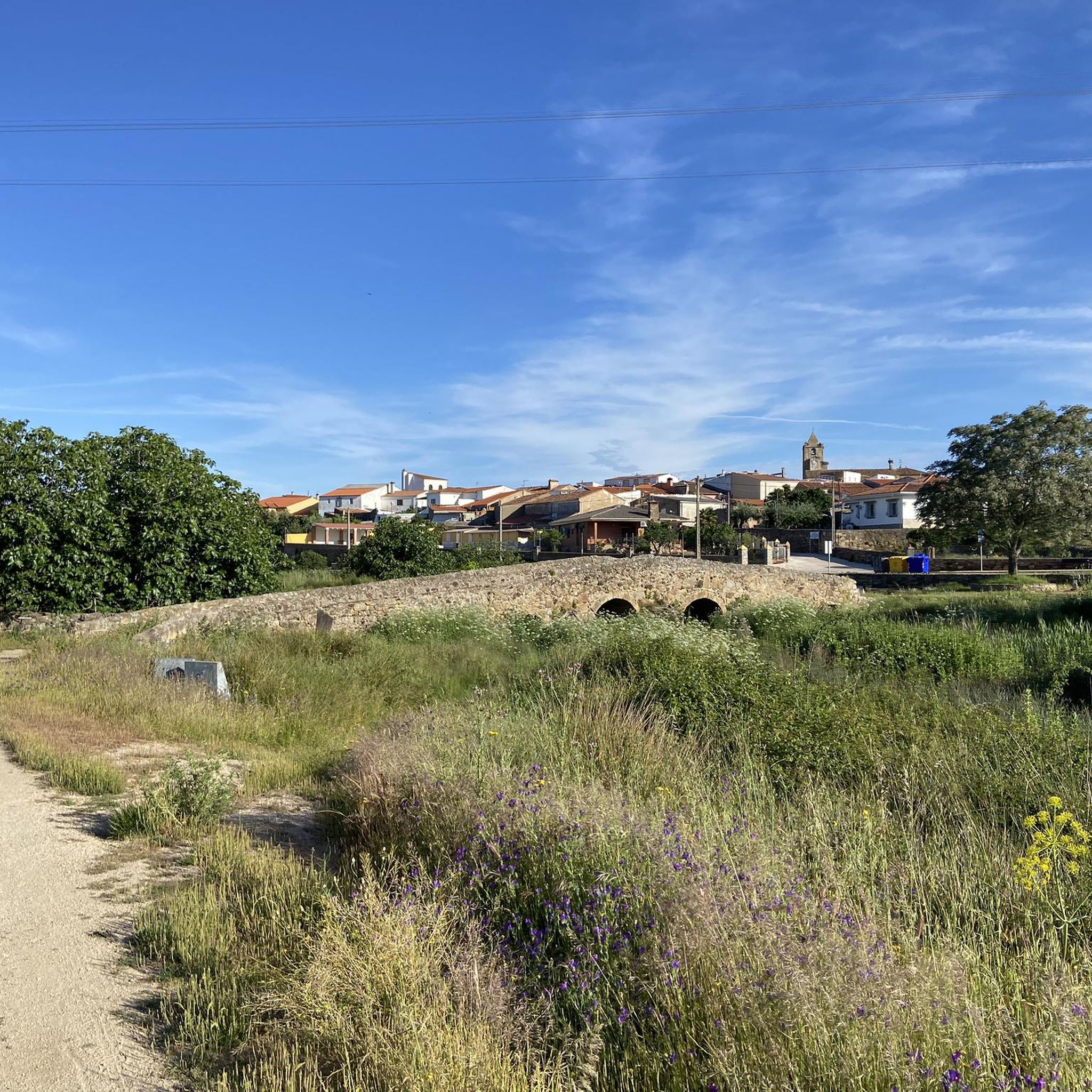
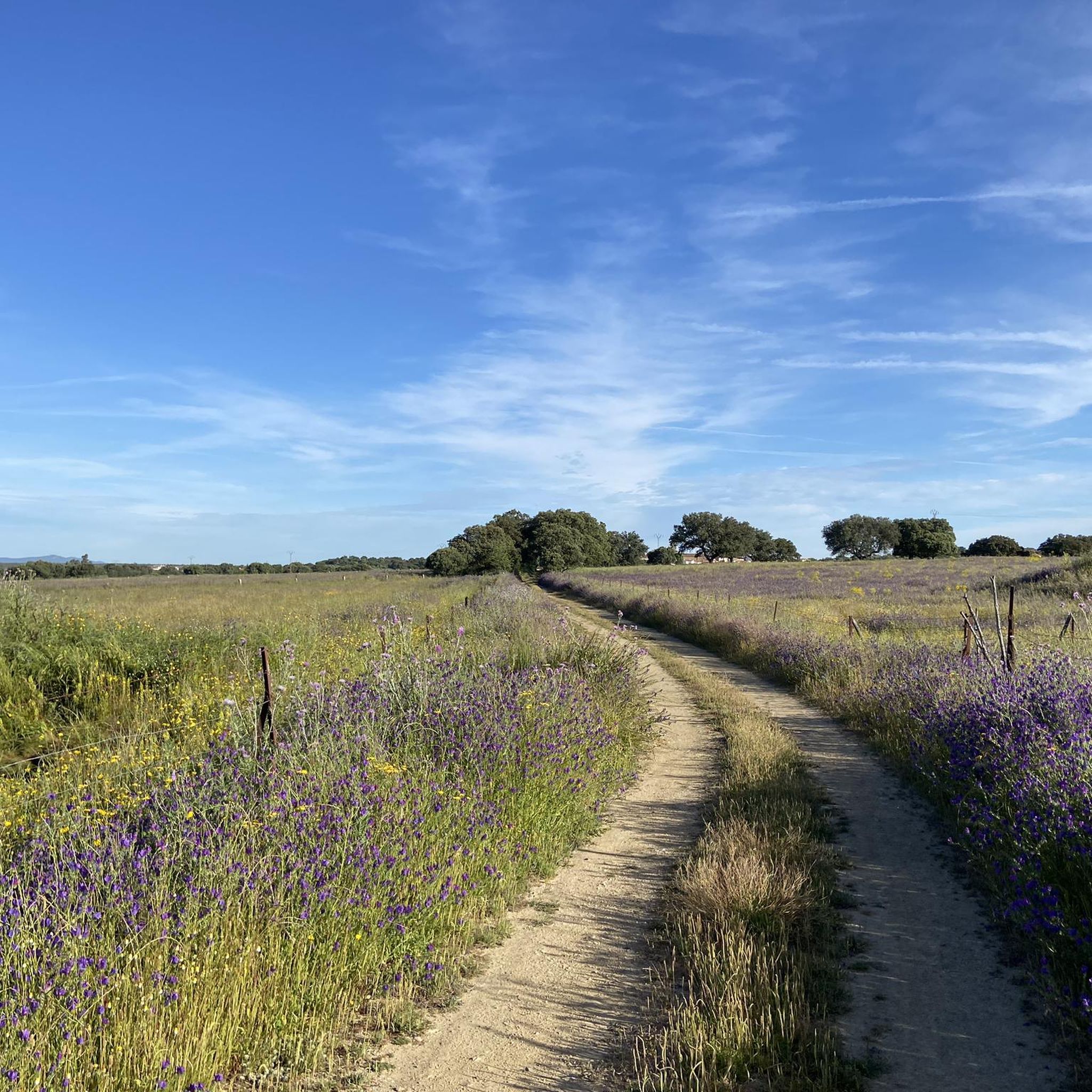
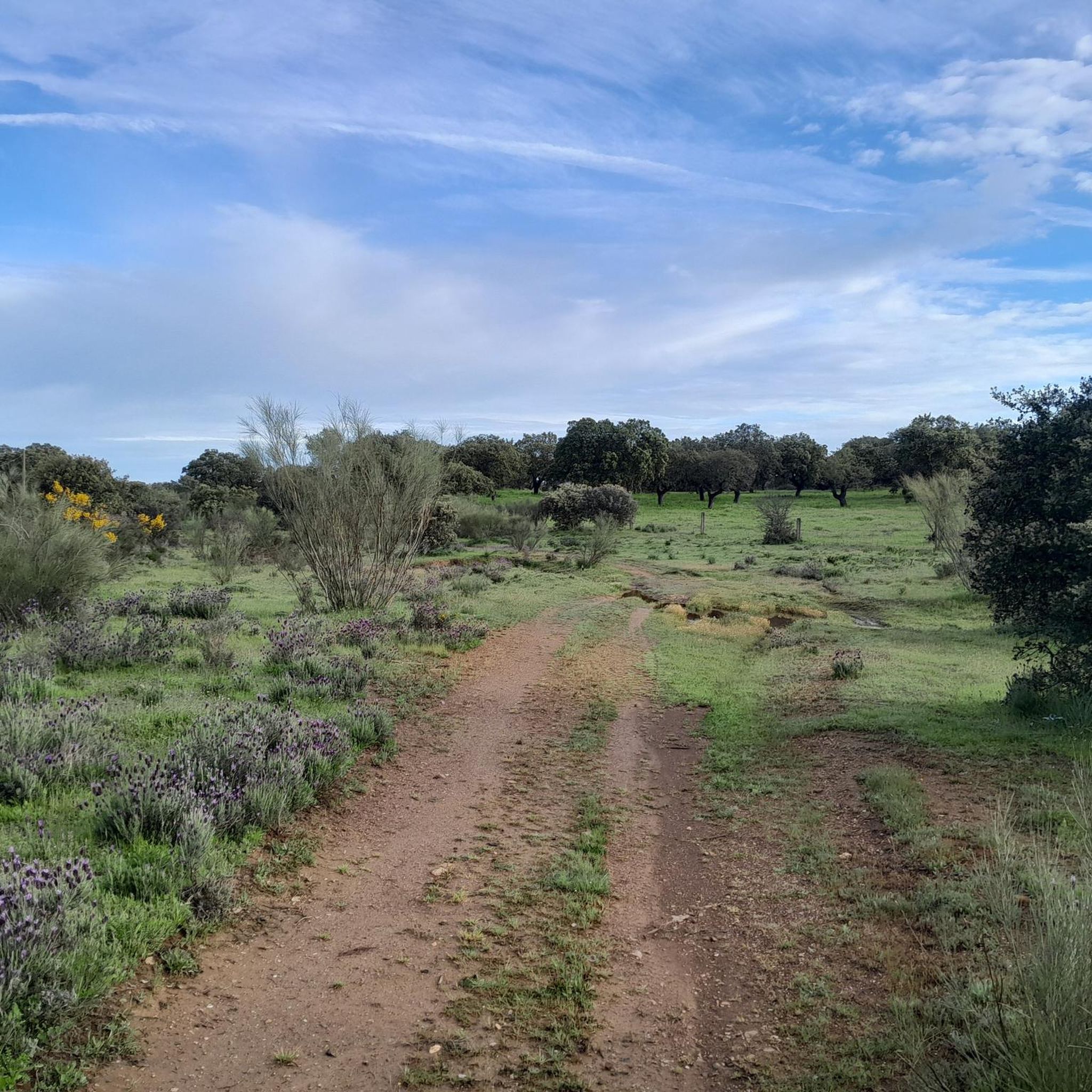
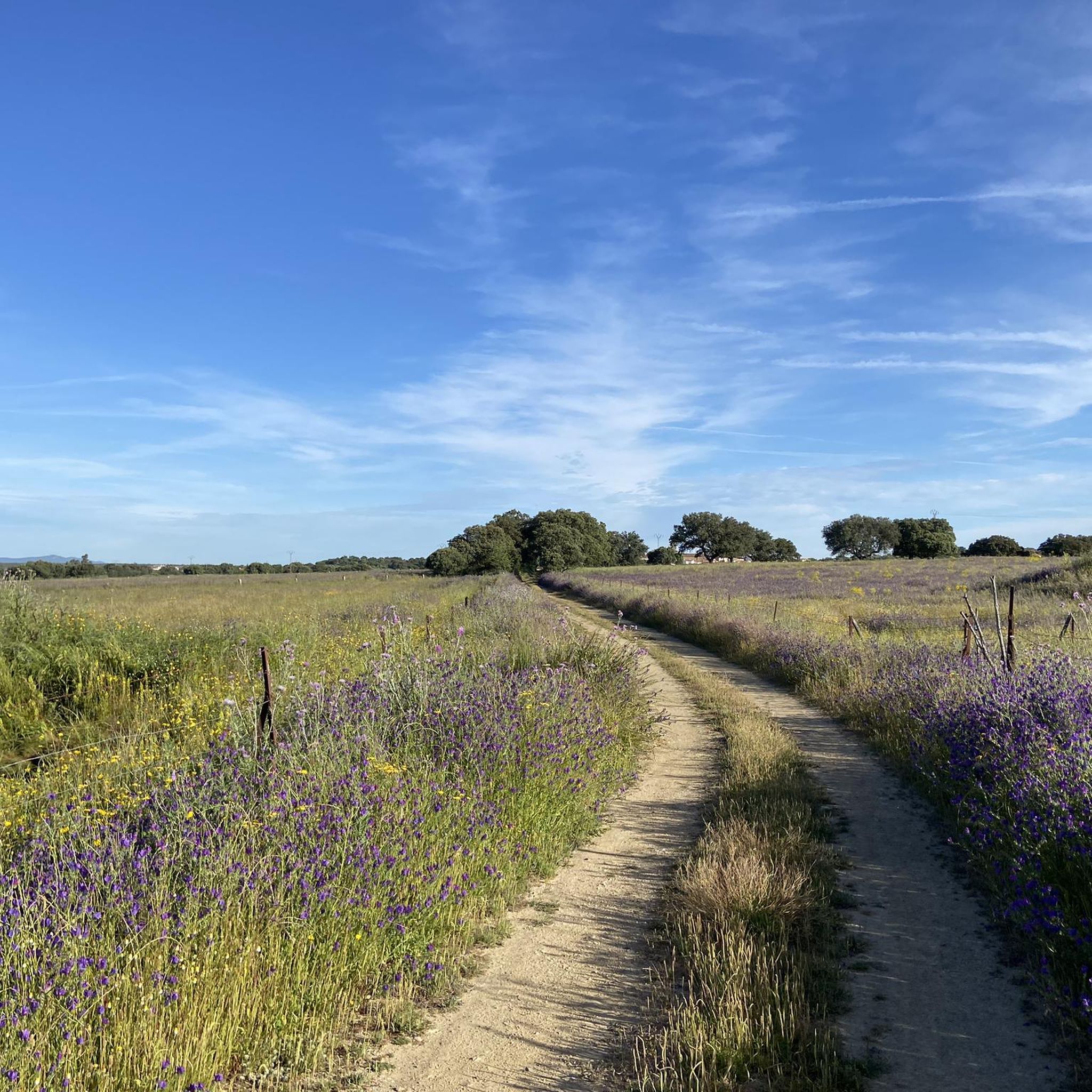
Touring cycling routes around Casas De Don Antonio traverse the historic Vía de la Plata, an ancient Roman road, offering diverse terrain in Spain's Extremadura region. The landscape features rolling hills dotted with oak and cork oak trees, interspersed with cereal fields. The area is part of the Sierra de Montánchez and Tamuja region, characterized by untouched mountain ranges and forests, with the Ayuela River and Embalse de Ayuela adding natural features.
Best touring cycling routes around Casas De Don…
Last updated: July 10, 2026
5.0
(1)
11
riders
37.3km
02:31
580m
580m
Hard bike ride. Very good fitness required. Mostly paved surfaces. Suitable for all skill levels.
1
riders
42.4km
03:11
380m
380m
Cycle 26.3 miles (42.4 km) on this moderate touring route from Basílica Santa Lucía del Trampal, exploring the Vía de la Plata and Alcuéscar

Sign up for free
1
riders
37.5km
02:56
230m
230m
Cycle 23.3 miles (37.5 km) around Embalse de Valdesalor from Aldea del Cano, exploring historical bridges and diverse natural scenery.
4.4
(27)
195
riders
Hard bike ride. Very good fitness required. Mostly paved surfaces. Suitable for all skill levels.
5.0
(1)
24
riders
77.8km
05:23
460m
460m
Hard bike ride. Very good fitness required. Mostly paved surfaces. Suitable for all skill levels.
Get access to more routes and recommendations from other explorers.
Sign up for free
Already have an account?
Our route recommendations are based on thousands of hikes, rides, and runs completed by other people on komoot.
Start today with a free account
Your next adventure awaits.
Login or Signup
Tips from the Community

It is located atop a hill in the Sierra de Montánchez, also known as the "balcony of Extremadura," at an altitude of approximately 700–900 meters above sea level. Founded on the site of an earlier Roman fortress, its main structure dates back to the Caliphate period of the 9th century (Almohad era). It preserves three underground cisterns built between the 11th and 13th centuries. Captured around 1156–1230, it passed to the Order of Santiago after being granted by Alfonso XI. Walls, a keep, and defensive enclosures were added. 17th century: A hermitage and an interior pond were added. In 1620, it served as a prison for Don Rodrigo Calderón.
1
0
The historic center of Cáceres, declared a UNESCO World Heritage Site, is one of the most impressive monumental complexes in Spain. Walking through its cobbled streets is like traveling to the Middle Ages, thanks to its excellent state of preservation and the absence of modern buildings that alter its aesthetics.
14
1

Visigothic Basilica with easy access via a paved track. If you leave the Basilica on the right and continue straight, you will reach a track that runs along the mountain with beautiful views of the surroundings.
0
1
Track that runs parallel to the N630. Quite easy. From south to north it slopes upwards.
0
0
About five kilometres to the northwest of the city is this Roman reservoir, in the same place where the famous Battle of Albuera took place. It was in this battle that Isabel la Católica decided the dispute over the throne of Castile between her and Juana “la Beltraneja”.
3
0
The basilica is located in a stunning natural setting, making it an ideal destination for those who enjoy historical and cultural tourism,
2
0

Cistus is everywhere and is often used to make face creams.
0
0
Steadily uphill but beautiful!
0
0
Frequently Asked Questions
What kind of terrain can I expect on touring cycling routes around Casas De Don Antonio?
The routes around Casas De Don Antonio traverse diverse terrain, including the historic Vía de la Plata. You'll encounter rolling hills dotted with oak and cork oak trees, interspersed with cereal fields. The area is part of the Sierra de Montánchez and Tamuja region, featuring untouched mountain ranges and forests, with natural features like the Ayuela River and Embalse de Ayuela.
Are there touring cycling routes suitable for beginners in Casas De Don Antonio?
Yes, there are options for various ability levels. While many routes feature moderate to difficult climbs, there is at least one easy touring cycling route available. The region's quiet, well-maintained tarmac roads are generally described as very good for cycling.
What are some notable landmarks or attractions I can see while cycling in the area?
The region is rich in historical and natural attractions. You can explore the ancient Vía de la Plata itself, or visit the Montánchez Castle. Other points of interest include the Roman Bridge over the Ayuela River, the 16th-century Rollo (Pillory), and the Santiago de Bencáliz Bridge. The Embalse de Ayuela is also a key natural attraction, known for its abundant aquatic bird population.
Are there any circular touring cycling routes available?
Yes, many routes are designed as loops. For example, the challenging Montánchez from Alcuéscar – circular via Arroyomolinos offers significant climbs and panoramic views. Another popular option is the moderate Albalá and Montánchez Loop, which takes you through oak forests and historic towns.
What is the best time of year for touring cycling in Casas De Don Antonio?
The Extremadura region generally offers good cycling conditions for much of the year. Spring and autumn are often ideal, providing pleasant temperatures for exploring the varied terrain and enjoying the natural beauty of the oak forests and cereal fields.
What do other touring cyclists say about the routes in Casas De Don Antonio?
The touring cycling routes in Casas De Don Antonio are highly regarded by the komoot community, with an average rating of 4.8 out of 5 stars from over 30 reviews. Cyclists often praise the well-established routes along the Vía de la Plata, the quiet tarmac roads, and the scenic views of the Extremaduran landscape.
Are there any long-distance touring cycling routes for experienced cyclists?
Yes, for experienced cyclists looking for a longer challenge, the Proserpina Reservoir Route – Roman Dam of Proserpina loop from Casas de Don Antonio is a difficult route spanning approximately 128 km with over 900 meters of elevation gain. Another demanding option is the Santiago de Bencáliz Bridge – Puente Mocha loop from Dehesa de Menudos, covering about 81.6 km.
Can I find routes that pass by reservoirs or offer water views?
Absolutely. The Valdesalor Reservoir Loop from Aldea del Cano is a moderate route that offers scenic views of the Valdesalor Reservoir. Additionally, the Embalse de Ayuela is a significant natural feature in the region, known for its birdlife, and routes often pass nearby.
What kind of natural features define the landscape for touring cyclists?
The landscape is characterized by rolling hills dotted with extensive oak (encinas) and cork oak (alcornoques) forests, interspersed with cereal fields. The region is part of the Sierra de Montánchez and Tamuja, offering untouched mountain ranges and forests, along with the Ayuela River and the Embalse de Ayuela.
How many touring cycling routes are available around Casas De Don Antonio?
There are 16 touring cycling routes available around Casas De Don Antonio, catering to various difficulty levels from easy to difficult. This includes 1 easy, 11 moderate, and 4 difficult routes.
Are there any routes that feature significant climbs for a challenge?
Yes, several routes offer significant climbs. The Montánchez from Alcuéscar – circular via Arroyomolinos is a difficult route with over 570 meters of elevation gain, featuring climbs like Cancho Blanco and Montánchez, which provide panoramic views.
Most popular routes around Casas De Don Antonio
Most popular attractions around Casas De Don Antonio

Get inspired with the komoot mobile app


Explore more
Browse the best Cycling routes in other regions.
