Attractions and Places To See around Losar De La Vera - Top 20
Best attractions and places to see around Losar De La Vera include a blend of natural landscapes and cultural heritage. This municipality in Cáceres, Extremadura, is situated on the southern slopes of the Sierra de Gredos, offering numerous gorges and natural pools. The town is also recognized for its unique topiary art and well-preserved historical architecture. Visitors can explore a variety of sites, from natural swimming spots to ancient bridges and religious buildings.
Best attractions and places to see around…
Last updated: May 5, 2026
Carlos V Bridge
Highlight • Bridge
Translated by Google •
Tip by

Monastery of Yuste
Highlight • Religious Site
Translated by Google •
Tip by

Sign up now to discover places like this
Get recommendations on the best single tracks, peaks, & plenty of other exciting outdoor places.
Sign up for free
Charco del Trabuquete
Highlight • Waterfall
Translated by Google •
Tip by
Bridge of Jarandilla de la Vera
Highlight • Bridge
Translated by Google •
Tip by
Valverde de la Vera
Highlight • Settlement
This town, laid out in the shape of a cross, is organized …
Translated by Google •
Tip by
Sign up for free to discover even more attractions around Losar De La Vera.
Sign up for free
Already have an account?
Start today with a free account
Your next adventure awaits.
Login or Signup
Tips from the Community

What to see and do: Don Nuño Castle: 14th-century medieval remains; the keep was later incorporated into the church. Church of Our Lady of Fuente Claras: a blend of Romanesque, Gothic, Renaissance, and Moorish styles, with Churrigueresque altarpieces. Plaza de España and Plaza del Rollo (pillory): monumental squares with wooden arcades and granite columns; a Gothic pillory with animal motifs. La Vera architecture: houses with water channels, wood and adobe construction, flower-filled balconies, and canals in the streets. Jewish Quarter, "Rincón de las Cabezuelas," and historic canals. Nearby nature: hiking trails through gorges like Gualtaminos, natural pools, and swimming spots like "La Chorrera."
15
0
Valverde de la Vera is a municipality in the province of Cáceres, located in the La Vera region. This town, laid out in the shape of a cross, is organized around a main street with four key intersections: Plaza de España, Plaza de la Fuente de los Cuatro Caños (Square of the Fountain of the Four Spouts), Plaza de la Iglesia (Square of the Church), and Plaza del Rollo (Square of the Pillory). The streets retain their original cobblestones from centuries past, and the houses are very rustic.
16
0

Well, there are not two, but three, and each town in Las Veras is more beautiful than the last.
1
1

the water is super cold even in summer!!!
0
0

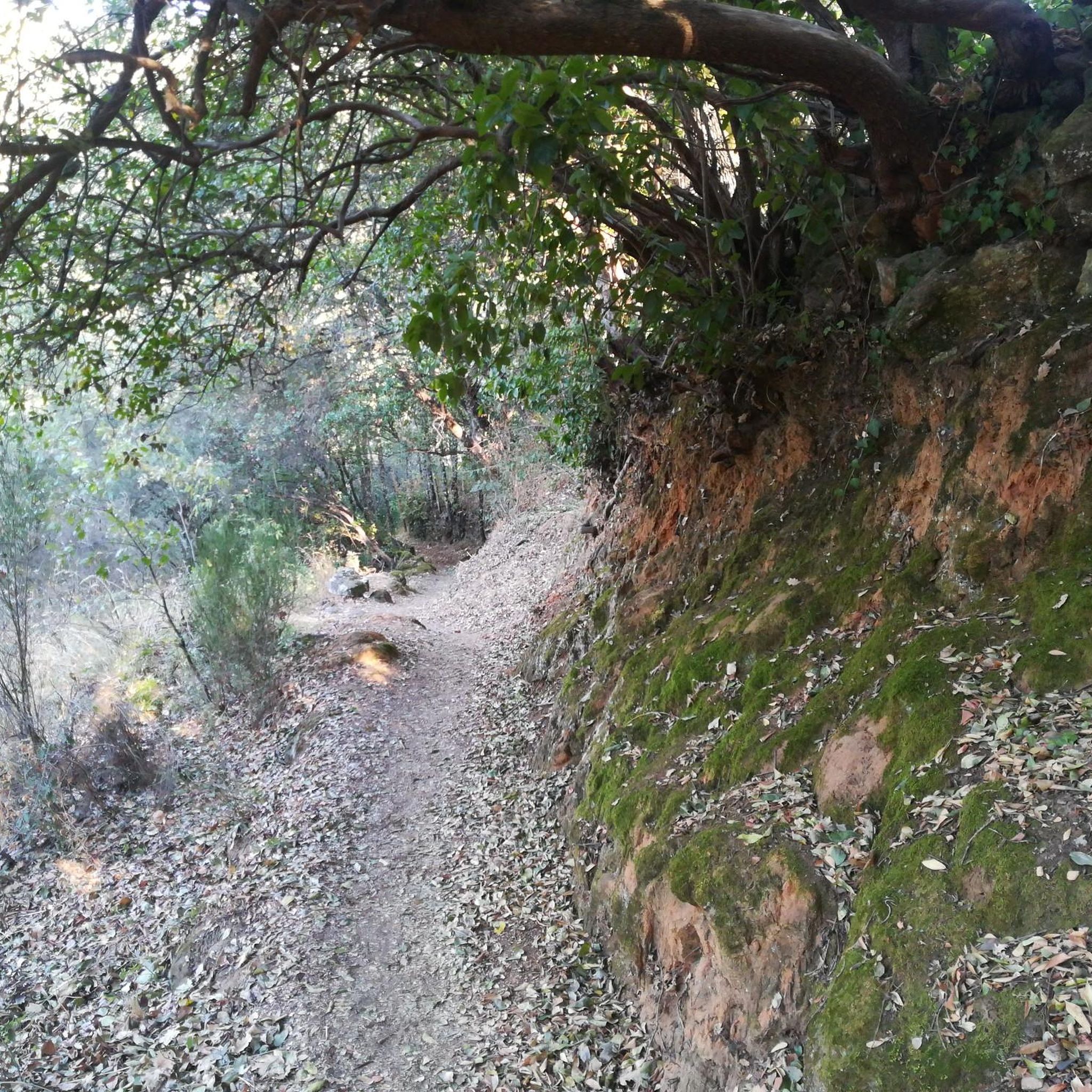
Located in the charming and quiet town of Guijo de Santa Bárbara, Charco del Trabuquete is a simple, although somewhat demanding, route that runs through the Jaranda Gorge. A route dotted with cliffs and cliffs through which streams and river gorges with crystal-clear waters flow. It is undoubtedly a natural environment of great beauty nestled between the Sierra de Gredos and the Sierra de Tormantos.
0
0

The historic monastery on the outskirts of the town of Cuacos de Yuste is the last resting place of Emperor Charles V. The Monastery of Yuste was originally built in 1407 and was rebuilt and expanded over the centuries.
1
1
With the dedication of Nra. Mrs. de Fuentes Claras, Valverde has a Parish Church of great interest, built, like the one in Jarandilla, taking advantage of various elements of the castle that the counts of Nieva had in the place, although its adaptation is much more visible than in that one for what it still retains a strong military flavor. Its total dimensions (36 x 15 meters), are very comfortable for the population of the nucleus that did not reach 300 residents at the time of greatest development (in the 1591 census only 240 total residents appear). Rectangular in plan with a hexagonal head, unique in the region, it has several rooms attached to its walls: a fortress tower on the eastern wall of the apse, the sacristy at the height of the first section of the Epistle nave next to the Headboard. and a Chapel on the same section of the opposite nave, the bell tower being inscribed within the section of the feet
12
0
The Yuste Monastery is known worldwide for being the last resting place of Emperor Carlos V, and is currently the venue for the Carlos V European Award ceremony in an act presided over by H.M. the king. In a privileged environment that includes natural itineraries, a visit to the Monastery allows you to discover the Royal Room, the church and the Gothic and Renaissance Cloisters.
11
1
Frequently Asked Questions
What unique artistic features can I find in Losar De La Vera?
Losar de la Vera is renowned for its distinctive topiary art. The town's main avenue is adorned with approximately 120 intricately sculpted bushes, transformed into various figures, making it feel like an "enchanted garden".
Where can I find natural swimming spots around Losar De La Vera?
The area boasts several beautiful natural pools. The Garganta de Cuartos, located just three kilometers from town, features a large natural swimming pool and a medieval bridge. Another option is the Piscina Natural de Vadillo, accessible from the urban area with amenities. For a more secluded experience, Charco del Trabuquete offers turquoise waters after a pleasant 3 km walk.
Are there historical sites to explore in Losar De La Vera and its surroundings?
Yes, Losar de la Vera and its vicinity are rich in history. Within the town, you can explore the Old Town with its traditional architecture, the Iglesia de Santiago Apóstol (15th-16th century), and the ancient Arco Judío. Nearby, don't miss the Monastery of Yuste, the last resting place of Emperor Carlos V, and the scenic Carlos V Bridge, part of a historic hiking route.
What kind of hiking trails are available near Losar De La Vera?
The region around Losar de la Vera is excellent for hiking, offering diverse routes for various skill levels. You can find trails like the "Ruta del Refugio del Berezo y la Ermita de las Nieves," "Ruta Castañarillo," and "Ruta de los Arroyos." For more detailed options, including moderate and difficult trails, explore the Hiking around Losar De La Vera guide, which features routes like the "Ruta del Trabuquete and Antiguo Camino de Castilla Loop."
What is the best time of year to visit Losar De La Vera for outdoor activities?
The best time to visit Losar de la Vera for hiking and swimming in the natural pools is generally during the warmer months, from late spring to early autumn (May to October). This period offers pleasant temperatures for outdoor exploration and refreshing dips in the gorges. For hiking, spring and autumn provide milder weather, ideal for longer treks.
Are there any family-friendly attractions or activities in the area?
Yes, Losar de la Vera offers several family-friendly options. The natural pools like Garganta de Cuartos and Piscina Natural de Vadillo are great for families to cool off. Exploring the town's unique topiary art can also be an engaging activity for children. Additionally, the nearby town of Valverde de la Vera, with its charming cobblestone streets and rustic houses, is a pleasant place for a family stroll.
What cycling routes are available around Losar De La Vera?
Cyclists can enjoy a variety of routes around Losar de la Vera. For road cycling, options include the "Monastery of Yuste – Piornal Pass loop" or the "Jarandilla de la Vera – Guijo de Santa Bárbara loop." If you prefer touring, consider routes like the "Cuacos de Yuste – Cuacos de Yuste loop." You can find more details and specific routes in the Road Cycling Routes around Losar De La Vera and Cycling around Losar De La Vera guides.
What is the significance of the Puente de Cuartos?
The Puente de Cuartos is a beautiful medieval bridge from the late 15th century, located within the Garganta de Cuartos. It's not only a historical landmark but also part of a scenic natural area, often visited for its large natural swimming pool and picturesque surroundings.
What is the Old Town of Losar De La Vera like?
The Old Town (Casco Antiguo) of Losar de la Vera retains its traditional charm with narrow, winding streets and well-preserved facades of popular houses. You can observe the characteristic "verata" architecture, often featuring wooden balconies, as you explore its corners leading to the central Plaza Mayor.
Are there any less crowded natural spots for swimming or hiking?
For a less crowded experience, consider visiting Charco del Trabuquete. Its 3 km walk to reach the natural pool helps keep it less frequented than some other spots. Similarly, the Carlos V Bridge area, while part of a historic route, is often described as a much less crowded setting than other popular natural attractions, offering transparent water pools to relax in.
What do visitors enjoy most about the attractions around Losar De La Vera?
Visitors particularly enjoy the blend of natural beauty and cultural heritage. The refreshing natural pools and gorges, like those found at Garganta de Cuartos and Charco del Trabuquete, are highly appreciated. The historical significance of sites like the Monastery of Yuste and the unique topiary art in Losar de la Vera also receive high praise for their distinctiveness and charm.
Can I find traditional architecture in the towns near Losar De La Vera?
Yes, the nearby town of Valverde de la Vera is an excellent example of traditional architecture. It features cobblestone streets and rustic houses, often with wooden balconies and water channels, laid out in a distinctive cross shape. Its historic center includes monumental squares and a Gothic pillory.
Most popular routes around Losar De La Vera
Most popular attractions around Losar De La Vera

Get inspired with the komoot mobile app


Explore more
Still not found the Highlight you’re looking for? See guides of the top attractions in other regions:
