Attractions and Places To See around La Hiruela - Top 20
Best attractions and places to see around La Hiruela include a charming village nestled in the Sierra del Rincón mountains, recognized as a Biosphere Reserve. This area is celebrated for its well-preserved traditional architecture, featuring low houses constructed from stone, adobe, and oak wood. The region offers diverse ecosystems, well-preserved mountain landscapes, and the young Jarama River, providing a blend of cultural and natural attractions.
Best attractions and places to see around La Hiruela
- The most popular attractions is La…
Last updated: July 16, 2026
Chorrera de los Litueros Waterfall
Highlight • Waterfall
Translated by Google •
Tip by

La Hiruela
Highlight • Settlement
Translated by Google •
Tip by

Sign up now to discover places like this
Get recommendations on the best single tracks, peaks, & plenty of other exciting outdoor places.
Sign up for free
Roblelacasa
Highlight • Settlement
Translated by Google •
Tip by
Trillos Bridge
Highlight • Bridge
Translated by Google •
Tip by
Campillo de Ranas
Highlight • Settlement
Translated by Google •
Tip by
Sign up for free to discover even more attractions around La Hiruela.
Sign up for free
Already have an account?
Start today with a free account
Your next adventure awaits.
Login or Signup
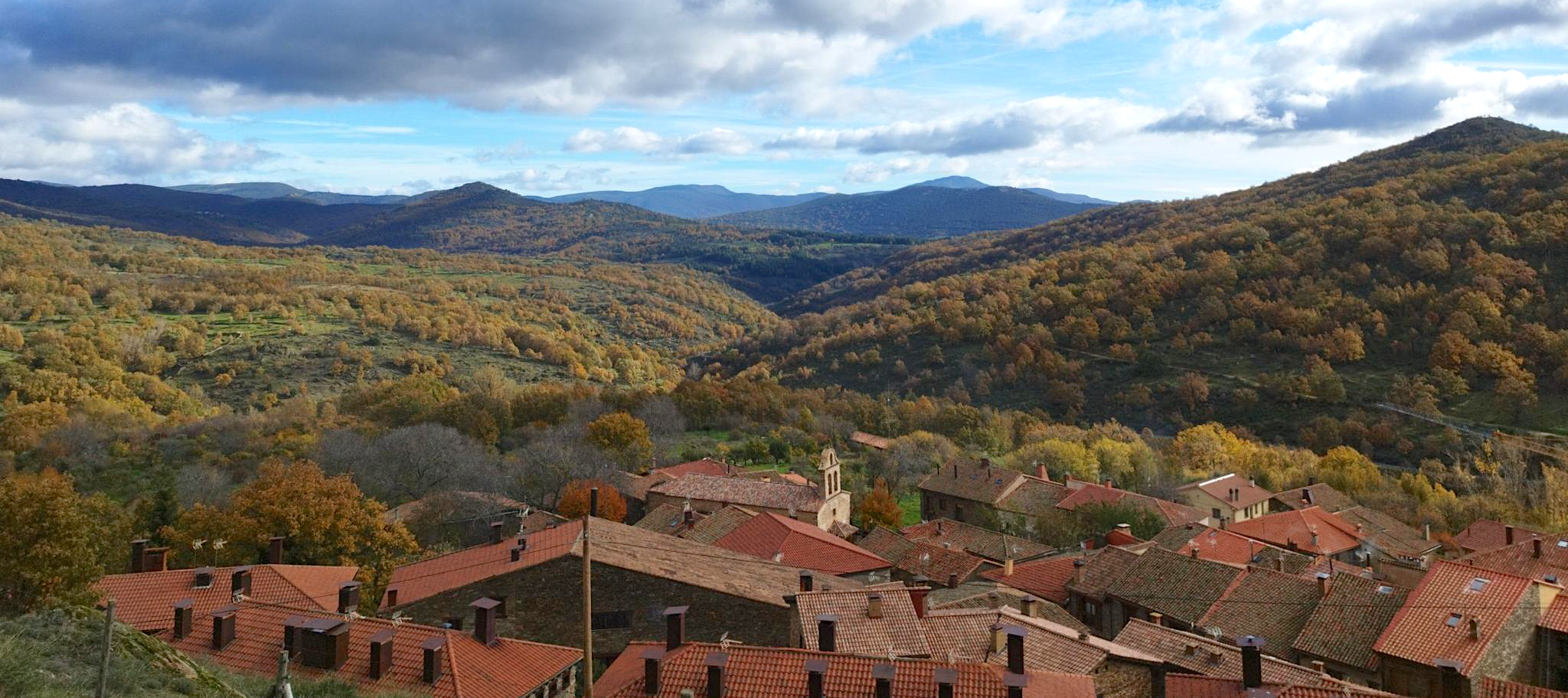
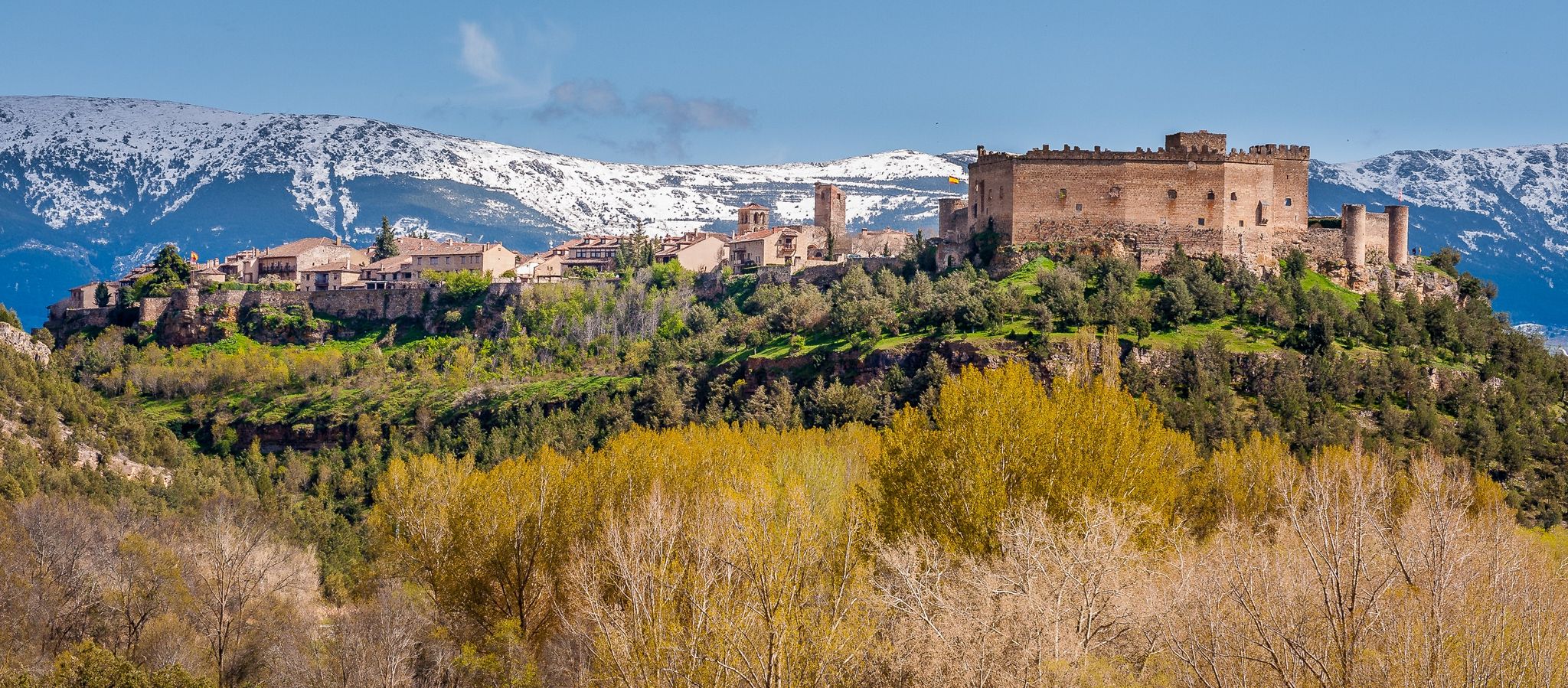
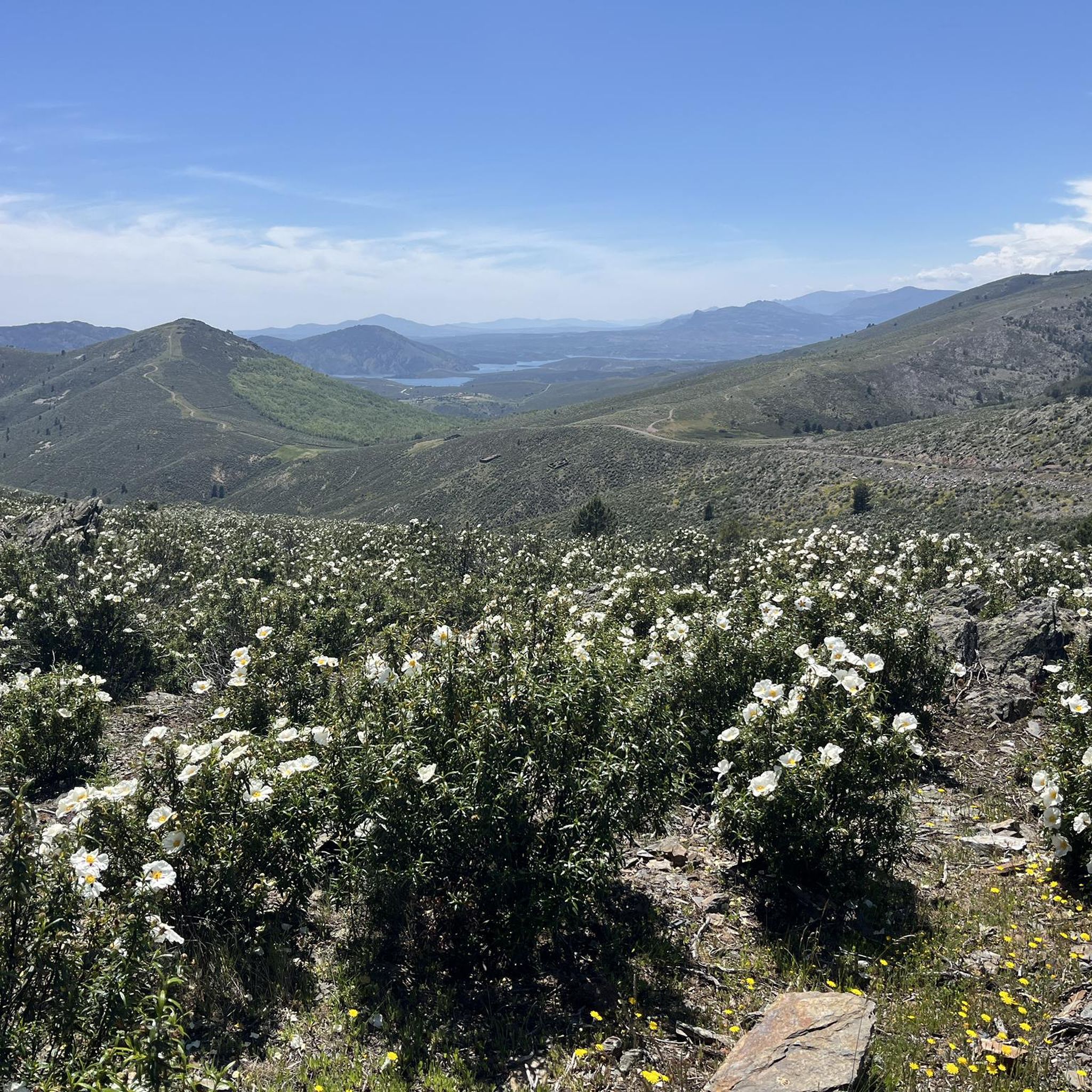
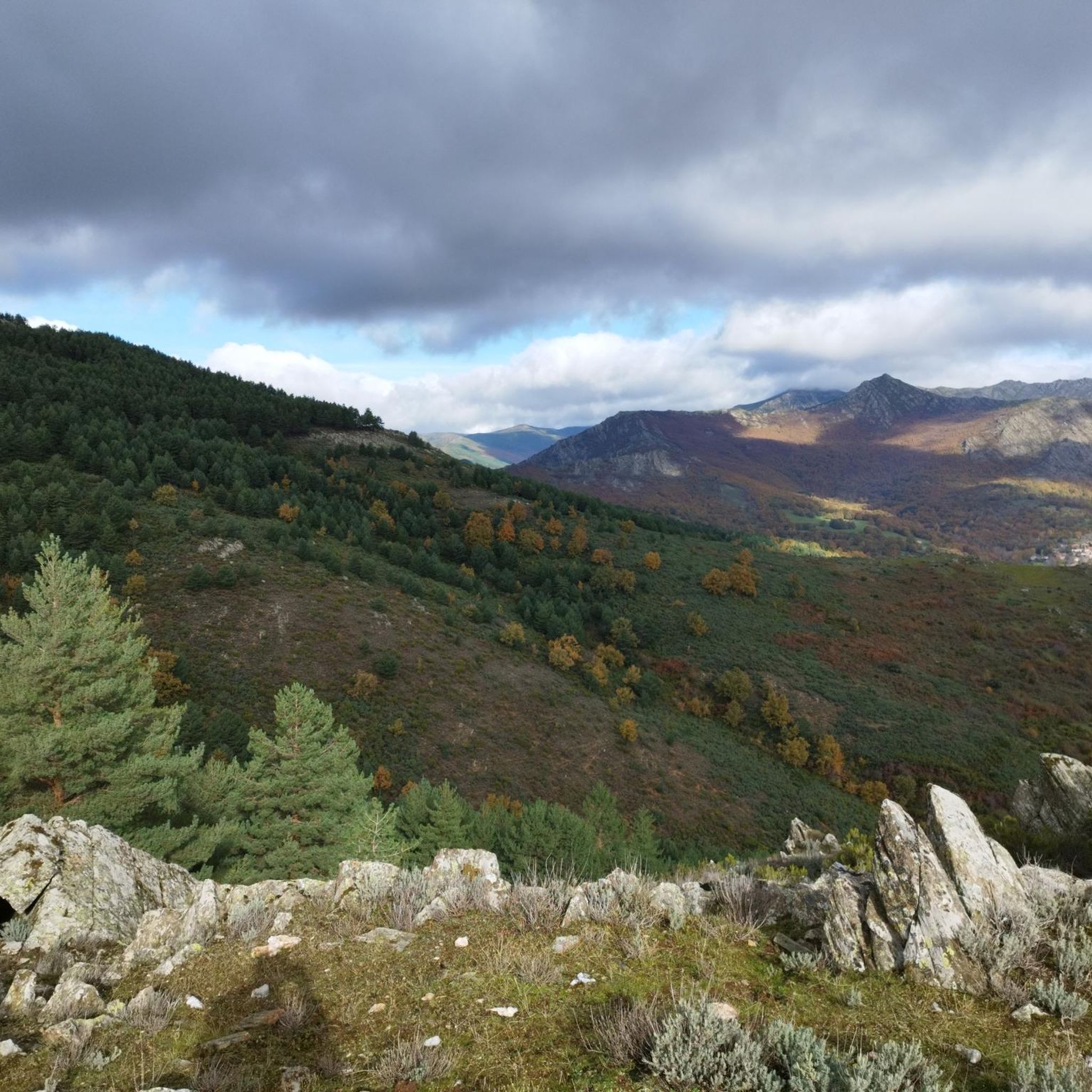



Tips from the Community


The waterfall is beautiful when it carries water like this year
0
1

Appropriate footwear is required to avoid difficulties on the terrain. This is an easy route from the parking lot located on the old National Highway 1, suitable for children. There's a stream halfway between the waterfall and the parking lot, which makes it a bit difficult to walk when it's carrying water. It's one of the most impressive and beautiful spots in the Madrid mountains.
0
1

The route that passes through the Puente de los Trillos is known for its natural landscapes and traditional black architecture. It is an excellent option for hiking lovers looking to explore the Sierra Norte of Guadalajara.
4
0

Cascada de los Litueros is spectacular, very pretty and easily accessible.
1
0

Beautiful and touristy Black Town in the North of Guadalajara. Spectacular houses and good hospitality establishments.
1
0
It is an extraordinary place, especially in spring, when the snow thaws. In summer and in the middle of summer it languishes a bit.
1
0
It constitutes the fall of the water of the Arroyo de La Peña del Chorro. In times of thaw and in spring it is spectacular. In the summer it dries out. This waterfall stream along with other streams in the area constitute the source of the Duratón River, famous for its gorges and a tributary of the Duero River.
2
0
Frequently Asked Questions
What natural features can I explore around La Hiruela?
La Hiruela is nestled within the Sierra del Rincón Biosphere Reserve, offering diverse ecosystems and well-preserved mountain landscapes. A prominent natural feature is the young Jarama River, which flows past the village. You can also visit the spectacular Chorrera de los Litueros Waterfall, especially impressive during thaw and spring, or explore the ancient oak forests like the Dehesa Boyal.
What historical and cultural sites are there in La Hiruela?
La Hiruela itself is a historical gem, renowned for its unique and well-preserved traditional architecture, featuring low houses built from stone, adobe, and oak wood. Key sites include the 17th-century Church of San Miguel Arcángel, the Ethnological Museum showcasing traditional life, and the 18th-century Molino Harinero (Flour Mill) on the Jarama River, which still operates. You can also see a historic apiary (Colmenar) and a charcoal kiln (Carbonera).
Are there family-friendly activities or trails in La Hiruela?
Yes, La Hiruela offers several family-friendly options. The village itself, La Hiruela, is considered family-friendly due to its charming, walkable streets and historical sites. The Chorrera de los Litueros Waterfall is also a natural monument suitable for families. Shorter, well-marked hiking trails like the "Senda de la Fuente Lugar" provide an easy way to enjoy the natural surroundings.
What is the best time of year to visit La Hiruela for outdoor activities?
Spring and autumn are particularly recommended. In spring, the Chorrera de los Litueros Waterfall is at its most spectacular due to snowmelt. Autumn offers stunning foliage, especially in nearby beech woods like Hayedo de Montejo. While summer is pleasant, some waterfalls may dry out. Winter can bring snow, offering different activities.
What kind of hiking trails can I find around La Hiruela?
La Hiruela is an excellent base for hiking, with numerous official and well-marked trails. You can explore ethnological routes like "Los Oficios de la Vida," riverside paths such as "De Molino a Molino" along the Jarama, or trails through ancient oak forests like "Senda de las Carboneras" in the Dehesa Boyal. The area around Trillos Bridge is also known for its natural landscapes and traditional black architecture, making it an excellent option for hiking enthusiasts. For more detailed routes, check out the running trails guide.
Are there opportunities for cycling near La Hiruela?
Yes, the mountainous terrain around La Hiruela is popular for cycling. You can find various routes for both road cycling and mountain biking. For example, there are challenging road cycling routes that explore the Montejo de la Sierra and Puebla de la Sierra areas, and MTB trails that venture through the Sierra de Guadarrama. Explore more options in the Road Cycling Routes and MTB Trails guides.
What is 'black architecture' and where can I see it?
Black architecture refers to a traditional building style prevalent in the region, characterized by the use of dark slate on roofs and walls, often blending seamlessly with the natural surroundings. La Hiruela itself showcases this style with its stone, adobe, and oak wood houses. Other nearby settlements like Roblelacasa and Campillo de Ranas are also prime examples of this unique architectural heritage.
What do visitors enjoy most about La Hiruela?
Visitors frequently praise La Hiruela for its remarkably preserved architectural identity, with houses made of stone, adobe, and oak wood that retain their original structure. It's often described as a unique town and a privileged enclave within the Sierra del Rincón, rich in landscape, nature, and gastronomy. The peaceful atmosphere and the opportunity to step back in time are also highly valued.
Can I visit other traditional villages with unique architecture nearby?
Absolutely. Besides La Hiruela, you can explore other villages known for their distinctive 'black architecture.' Roblelacasa, for instance, exhibits a fascinating popular black architecture with streets forming an anarchic yet beautiful urban complex. Campillo de Ranas is another beautiful 'black town' in the Sierra de Ayllón, where slate is a primary construction element.
Are there any hidden gems or lesser-known spots to discover?
While not strictly 'hidden,' the historic apiary (Colmenar) in Prado Viejo, believed to be over 200 years old, offers a glimpse into traditional beekeeping with 'corchos' (hives built inside hollow logs). The Carbonera (Charcoal Kiln) is another key element of the village's traditional economy that provides a unique historical insight. Exploring the various traditional buildings like the pilón, Casa Consistorial, or the old school also reveals the authentic character of the village.
What kind of wildlife can I expect to see on walks around La Hiruela?
As part of the Sierra del Rincón Biosphere Reserve, the area boasts rich biodiversity, including over 1,000 species of plants and animals. While specific sightings vary, the well-preserved mountain landscapes and diverse ecosystems provide habitats for various birds, small mammals, and insects. Keep an eye out for local fauna while exploring the forests and riverbanks.
Most popular routes around La Hiruela
Most popular attractions around La Hiruela

Get inspired with the komoot mobile app


Explore more
Still not found the Highlight you’re looking for? See guides of the top attractions in other regions:
