Attractions and Places To See around Polinyà De Xúquer - Top 20
Best attractions and places to see around Polinyà De Xúquer, a municipality situated in the central alluvial plain of the Xúquer river, about 13 km from the sea and 40 km south of Valencia. The town blends history, culture, and natural beauty, having grown around an ancient road. The Xúquer River is a central natural feature, offering opportunities for walking and enjoying the environment. The area is characterized by its historical buildings and traditional Valencian life.
Best attractions and places…
Last updated: July 7, 2026
La Murta Botanical Trail
Highlight (Segment) • Trail
Translated by Google •
Tip by

Old narrow-gauge train station
Highlight • Structure
Translated by Google •
Tip by

Sign up now to discover places like this
Get recommendations on the best single tracks, peaks, & plenty of other exciting outdoor places.
Sign up for free
L'Ouet
Highlight • Summit
Translated by Google •
Tip by

Creu del Cardenal
Highlight • Summit
Translated by Google •
Tip by
La Murta Icehouse
Highlight • Monument
It was a …
Translated by Google •
Tip by

Sign up for free to discover even more attractions around Polinyà De Xúquer.
Sign up for free
Already have an account?
Start today with a free account
Your next adventure awaits.
Login or Signup
Tips from the Community

L'Ouet is a peak in the Sierra de Corberá, near Alzira. It is a popular destination for hiking enthusiasts due to its stunning panoramic views and natural surroundings. The route to L'Ouet is quite accessible and well signposted, making it suitable for hikers of different levels.
3
0
The Senda Botánica La Murta is a hiking route marked SL-CV 81, located in the Valle de la Murta, near Alzira, Valencia. This trail is part of a circular route that also includes the Senda Histórica (SL-CV 82) and other trails. The route begins in the La Murta car park and passes by several points of interest, such as an old lime kiln, the Fuente de la Murta, the aqueduct and the Monastery of Santa María de la Murta.
6
0

Old refrigerator that was used to keep a set of foods fresh. Its snow was taken from winter times or from nearby mountains such as the Mariola mountain range and transported to that point in order to preserve everything.
0
1
From the top of La Creu the views are spectacular wherever you look.
11
0


The water course from the source to the pools is a beautiful place. Check out the area and my hike in the video: https://youtu.be/jKT0SaA3j6g
1
0
A great hiking area. Check out the area and my hike in the video: https://youtu.be/jKT0SaA3j6g
2
0
This cylindrical construction was used to store the snow that fell in winter or the snow transported from the Sierra Mariola and which was transported with cars. It was a very common practice in the 16th and 18th centuries and was used to make ice cream and soft drinks, preserve food, and even make medicines, reduce the fever and relieve bruises. The "snow house" is a large well, very deep, and with a cover to avoid sunstroke. The top protrudes above of! ground level and the rest is buried, thus helping the thermal insulation necessary to preserve the snow. The interior walls were made of masonry. Between On the upper level and on the roof there are several openings through which you could enter inside and load the snow, then they were covered to maintain the temperature. With wood "They made steps to go down to the lower levels. At the lowest part there was a fountain or simply a gutter to let the accumulated water out. After the snowfall, the well was filled with snow. Inside it was crushed, as much as possible, with the feet and with wooden pillars, to turn it into ice. This operation lasted a short time to avoid frostbite on the feet. At a certain height, more or less 1 meter, rice straw was piled up and on top again snow. When the well was full, the snow was left to settle, covered, and monitored to prevent theft. The ice was cut into blocks to be extracted and placed in wooden boxes wrapped with straw to avoid, as much as possible, temperature loss. As They used animals for transportation, these were wrapped with blankets. The journey was made at night and quickly. Despite doing so, the load was reduced coming soon. This refrigerator was for private use of the monastery. Sieh dir die Gegend und my Wanderung im Video an: https://youtu.be/jKT0SaA3j6g
2
0
Frequently Asked Questions
What kind of hiking trails can I find around Polinyà De Xúquer?
The area offers a variety of hiking experiences. You can explore trails like the La Murta Botanical Trail, which is a marked route (SL-CV 81) passing by an old lime kiln, the Fuente de la Murta, an aqueduct, and the Monastery of Santa María de la Murta. For more challenging routes with spectacular views, consider the trails leading to Creu del Cardenal or L'Ouet. You can find more hiking options in the Hiking around Polinyà De Xúquer guide.
Where can I find the best panoramic views in the Polinyà De Xúquer area?
For breathtaking panoramic views, head to Creu del Cardenal, a summit offering extensive vistas towards La Ribera Baja and the Levantine coast of Cullera and El Brosquil. Another excellent spot is L'Ouet, located at 528 meters above sea level, providing beautiful views of Vall de La Casella, La Serra de Corbera, La Serra de les Agulles, and the coast from Cullera to Tavernes.
What historical architectural sites are worth visiting in Polinyà De Xúquer?
Polinyà De Xúquer boasts a rich history reflected in its architecture. Don't miss the Església Sant Sopar (Parish Church of the Last Supper), built between 1720 and 1743, featuring 18th-century Valencian tiling. Other notable sites include La Casota, an 18th-century agricultural building, the 16th-century Ermita de Sant Sebastià, and the 14th-century Molino de Monsalvà and La Granja, a Gothic farmhouse. You can also visit the Old narrow-gauge train station, which served an old children's hospital and is located near the Royal Monastery of Santa Maria d'Aigües Vives.
Are there family-friendly attractions or activities in Polinyà De Xúquer?
Yes, several attractions are suitable for families. The La Murta Botanical Trail is a great option for a family walk through nature. The Old narrow-gauge train station is also considered family-friendly and offers a glimpse into local history. Additionally, the Xúquer River embankment provides a pleasant setting for walking, fishing, or enjoying a picnic, with opportunities to observe local flora and fauna.
What natural features define the landscape of Polinyà De Xúquer?
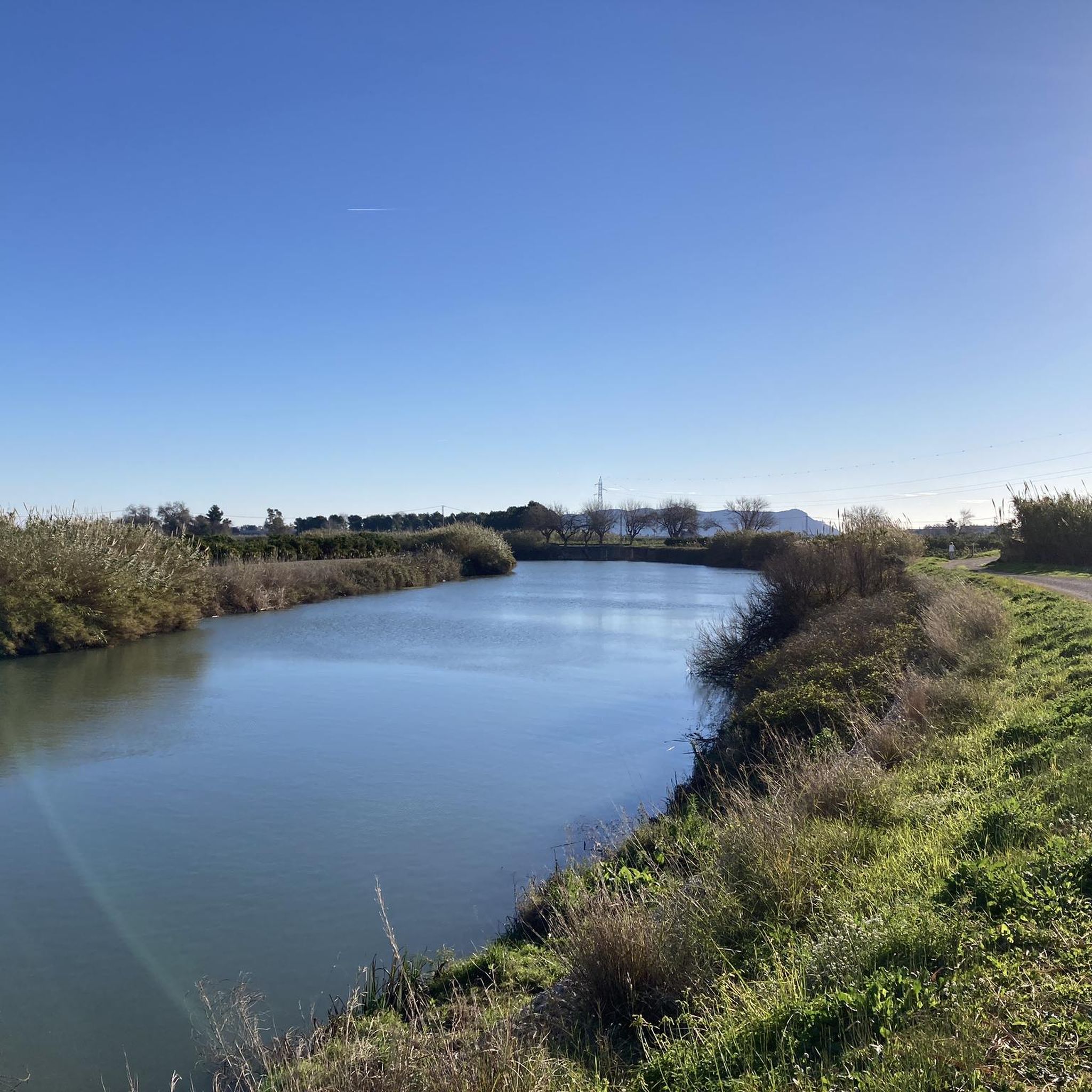
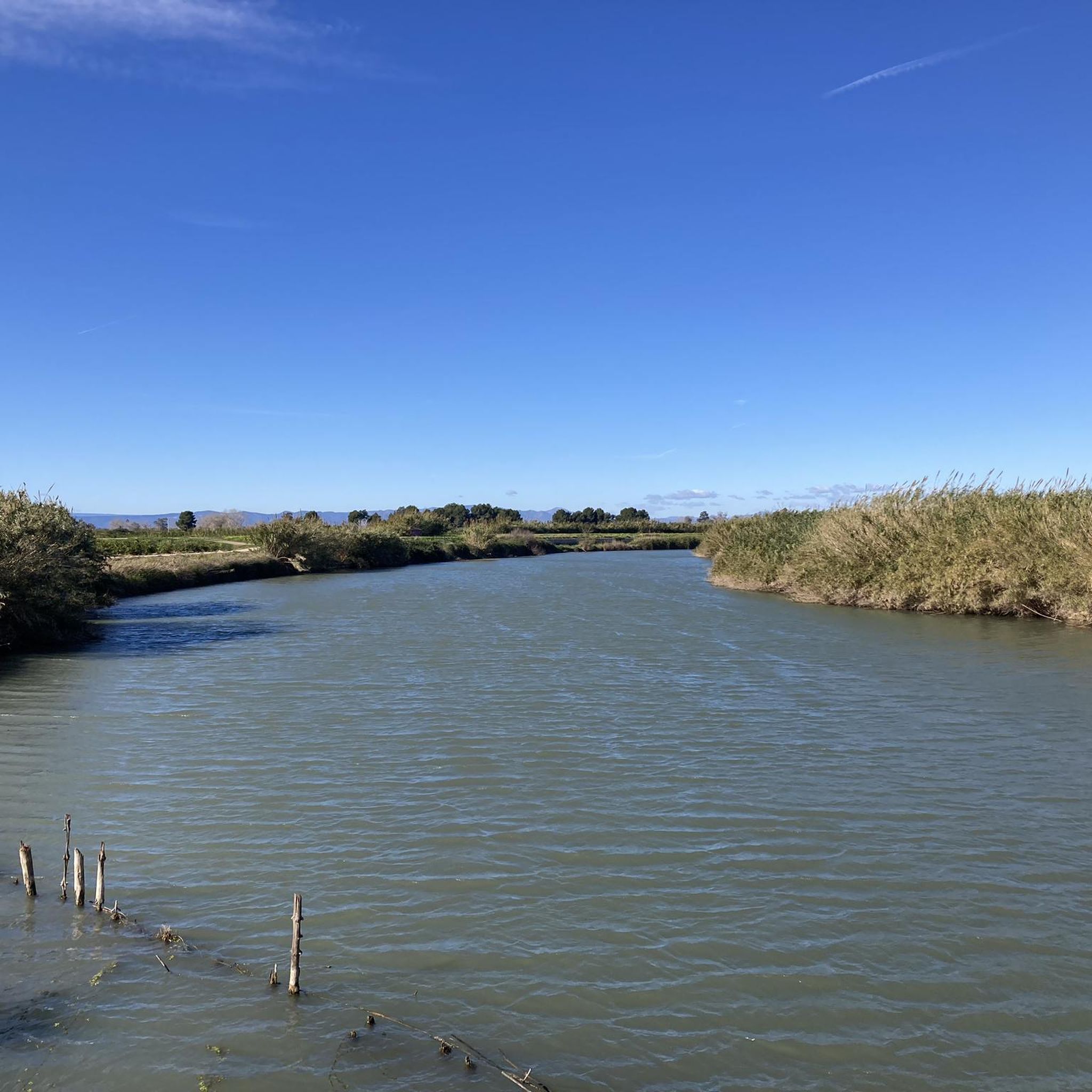
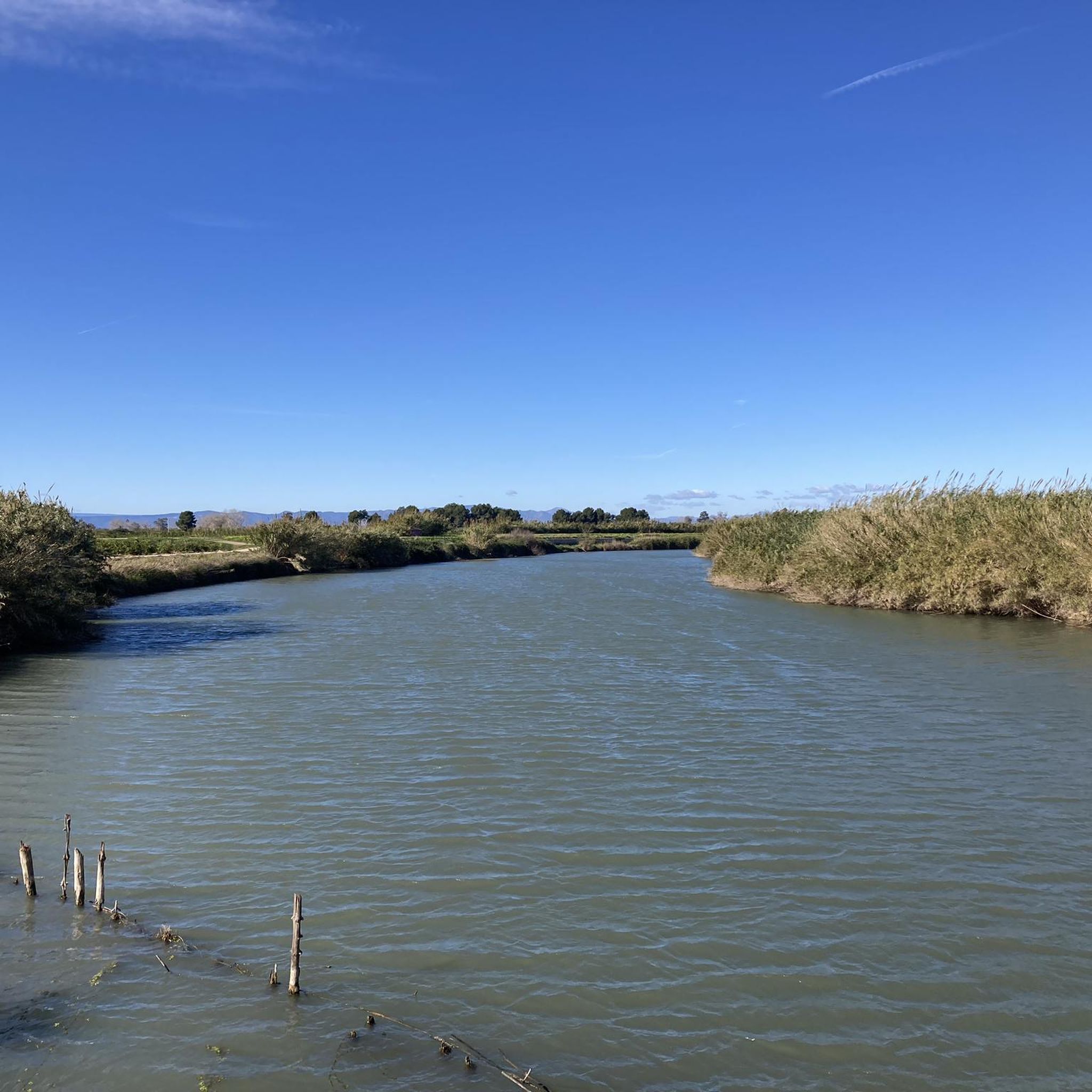
The most prominent natural feature is the Xúquer River (Riu Xúquer), which flows through the town and offers an embarkment for leisurely strolls. The area also features natural springs known as Ullals de la Font. The rich biodiversity includes various bird species like the European bee-eater, hoopoe, common nightingale, and kingfisher, making it an interesting spot for nature observation.
Beyond historical buildings, what cultural sites does Polinyà De Xúquer offer?
Polinyà De Xúquer is home to the Centre Cultural Ausiàs March, also known as the 'Casa de la Cultura,' which houses an assembly hall, exhibition room, and the Municipal Library. For a unique experience, you can visit the Museu Casa de la Magia, a museum dedicated to magic located within the municipality.
Are there any unique historical structures related to past industries or daily life?
Absolutely. You can explore the 14th-century Molino de Monsalvà, a significant historical mill. The Old Rice Syndicate Warehouse, a modernist building from the early 20th century, highlights the region's agricultural past. Additionally, El Llavaner is an old public wash house from 1920, offering a glimpse into traditional daily life.
What outdoor activities are popular around Polinyà De Xúquer besides hiking?
Besides hiking, the region is popular for gravel biking and running. You can find numerous routes for these activities, such as the 'Riola (Rio Júcar) – Júcar River Levee loop' for gravel biking or various running loops around Algemesí and Benicull de Xúquer. For more details, check out the Gravel biking around Polinyà De Xúquer and Running Trails around Polinyà De Xúquer guides.
When is the best time to visit Polinyà De Xúquer for outdoor activities?
The best time to visit Polinyà De Xúquer for outdoor activities is generally during the spring (April to June) and autumn (September to November) months. During these periods, the weather is typically mild and pleasant, ideal for hiking, biking, and exploring the natural and historical sites without the intense heat of summer.
What do visitors enjoy most about the attractions near Polinyà De Xúquer?
Visitors particularly enjoy the stunning panoramic views from summits like Creu del Cardenal, often noting that the effort to reach the top is well rewarded. The natural beauty of trails like the La Murta Botanical Trail, with its groves and historical elements, is also highly appreciated. The tranquility and rich history embedded in sites like the La Murta Icehouse also leave a lasting impression on visitors.
Can I find any ancient structures related to ice storage in the area?
Yes, you can visit the La Murta Icehouse. This cylindrical construction, dating back to the 16th-18th centuries, was used to store snow for making ice cream, preserving food, and even for medicinal purposes. It's a fascinating example of historical ingenuity in preserving resources.
Are there any specific points of interest along the Xúquer River?
The Xúquer River itself is a central natural feature with an embarkment perfect for walking. Specific points of interest related to the river and historical water management include La Mota, El Poador, and La Pasarel.la i l'Assut. These locations offer insights into the river's role in the region's history and environment.
Most popular routes around Polinyà De Xúquer
Most popular attractions around Polinyà De Xúquer

Get inspired with the komoot mobile app


Explore more
Still not found the Highlight you’re looking for? See guides of the top attractions in other regions:
