Attractions and Places To See around Lújar - Top 20
Best attractions and places to see around Lújar include a variety of historical sites, cultural experiences, and natural landscapes. Situated in the Sierra de Lújar mountains, the village offers an urban maze of narrow streets reflecting its Islamic heritage. The surrounding Sierra de Lújar is a protected area known for diverse wildlife and numerous hiking trails, providing opportunities for outdoor exploration.
Best attractions and places to see around Lújar
- The most popular attractions is Sanctuary of Our Lady of the…
Last updated: July 7, 2026
Órgiva
Highlight • Settlement
Translated by Google •
Tip by

Sanctuary of Our Lady of the Head
Highlight • Religious Site
Translated by Google •
Tip by

Sign up now to discover places like this
Get recommendations on the best single tracks, peaks, & plenty of other exciting outdoor places.
Sign up for free
Park of the Peoples of the Americas
Highlight • Natural
Translated by Google •
Tip by
Carchuna Castle
Highlight • Castle
Translated by Google •
Tip by
Playa de la Rijana
Highlight • Beach
Translated by Google •
Tip by
Sign up for free to discover even more attractions around Lújar.
Sign up for free
Already have an account?
Start today with a free account
Your next adventure awaits.
Login or Signup

Tips from the Community

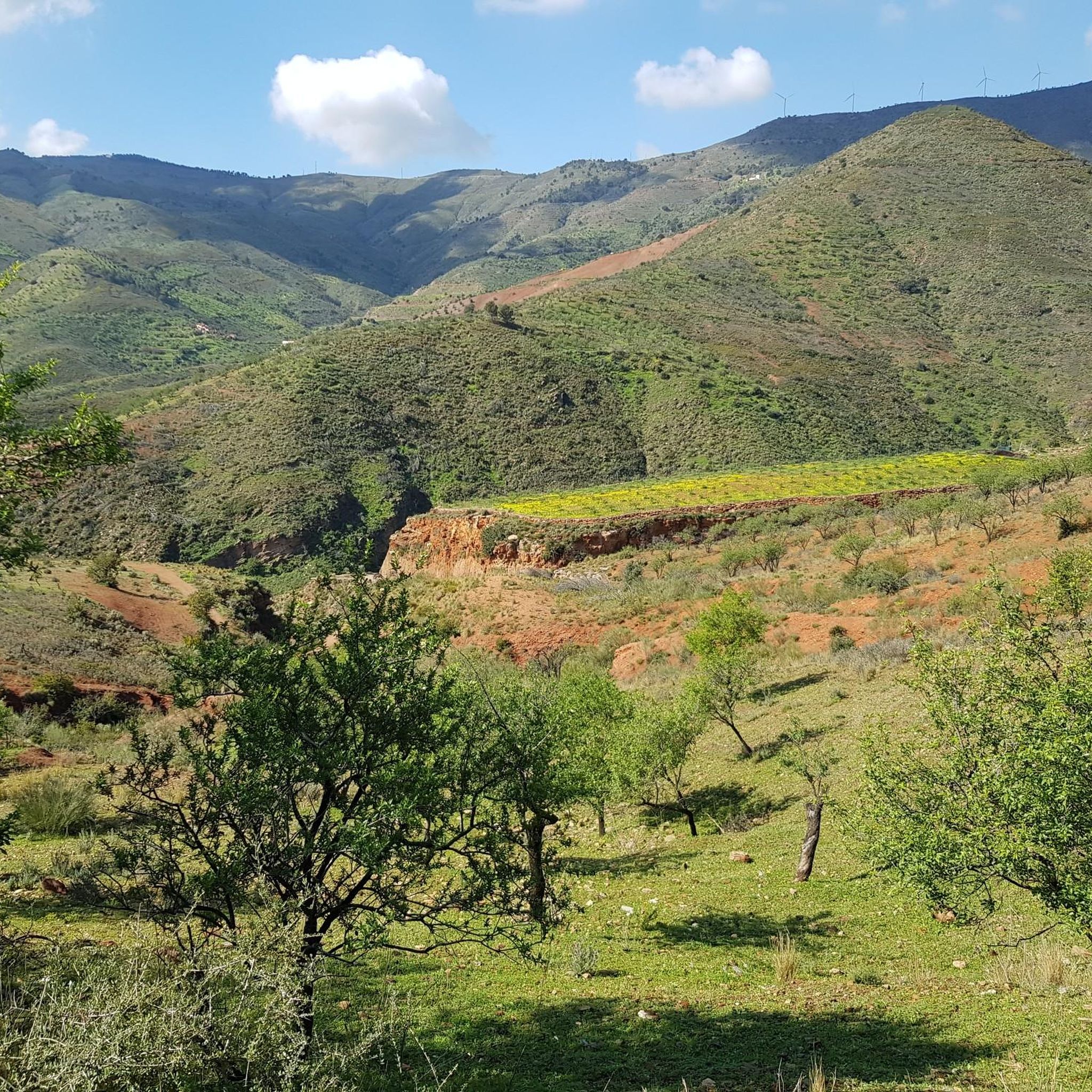
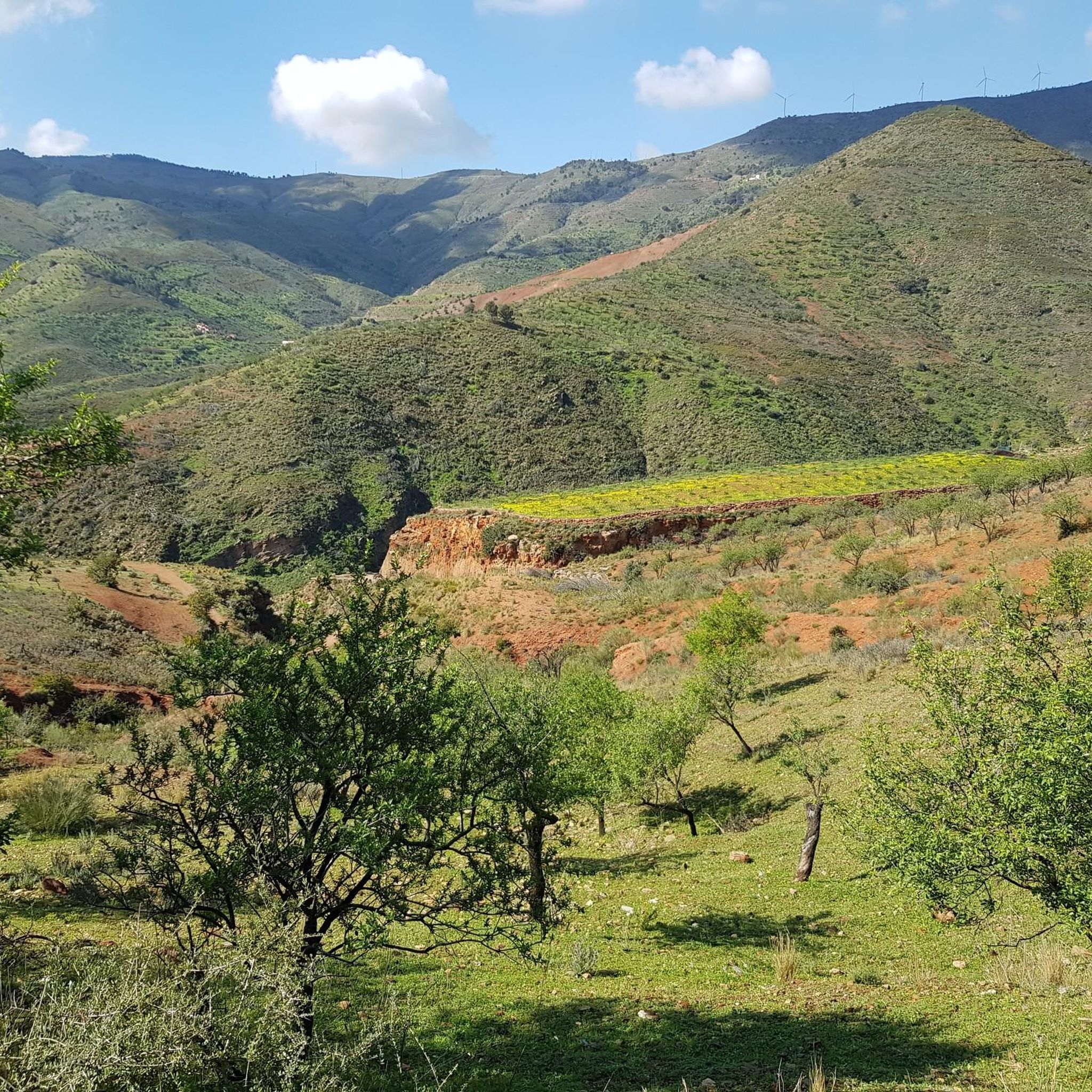
Órgiva is a charming Spanish municipality located in the province of Granada, in Andalusia, and is historically considered the capital and administrative center of the western Alpujarra. This town of about 6,000 inhabitants stands at an altitude of 450 meters in the fertile valley of the Guadalfeo River, right at the foot of the Sierra Nevada Natural Park.
0
0

In one of the wonderfully told stories about the two protagonists “Don Camillo and Peppone,” conceived by the Italian writer Giovanni Guareschi, it is also about the Mother of God, Mary. Peppone's youngest son is very seriously ill, and so one evening the communist mayor sets off for the church with five large candles. Don Camillo intends to place them in front of the crucifix on the high altar, but Peppone has objections and wants the candles placed at the Chapel of Mary: “That one belongs to your party. Light them in front of that one there, which doesn’t engage in politics.” After he has left, Don Camillo – who, as always, converses with the crucified Christ – implores him, “not to be hard on him.” The dialogue continues: “And why should I be?” whispered Christ. “By honoring my Mother, he fills my heart with gentleness. I only dislike a little that he called her ‘that one there’.” Don Camillo shook his head. “You heard incorrectly,” he objected. “He said: ‘Light them all in front of the Holy Virgin in that chapel there’.” (Giovanni Guareschi in “Fünf und fünf”)
0
0

Sanctuary of Our Lady of the Head is truly the jewel in the crown. What a delight to admire the art work of this sacred place and then walk the grounds of the beautiful park surrounding
1
0
The Carchuna Castle, also known as “El Castillejo”, has been declared as Cultural Heritage Asset since 1993. Built at the end of the 18th century under the order of King Carlos III, its main purpose was to protect and give safety to the area due to the continuous pirate attacks. Until the 17th century, this coast and plains were deserted and shelter of Berber corsairs. After the construction of this fortress, the pirate attacks ceased and Carchuna-Calahonda was eventually formed due to the settlement of people from the Alpujarra and Motril as well as the cultivation of the area
0
0

It is located next to the Parque de los Pueblos de América (Park of the Peoples of America). It is one of the city's main green spaces. This park originated as a link to the American continent, a fact reflected in its flora. As you stroll through the park, you can appreciate a wide variety of tree, shrub, and palm species, all from different parts of the Americas.
7
0
The municipality of Órgiva is part of the Sierra Nevada Natural Park and is located on its southern slopes. Known as the capital of the Alpujarra region of Granada, it is an ideal destination for combining culture, nature, and gastronomy.
11
0
The municipal area of Órgiva is part of the Sierra Nevada natural park and is located on its southern slope.
17
0

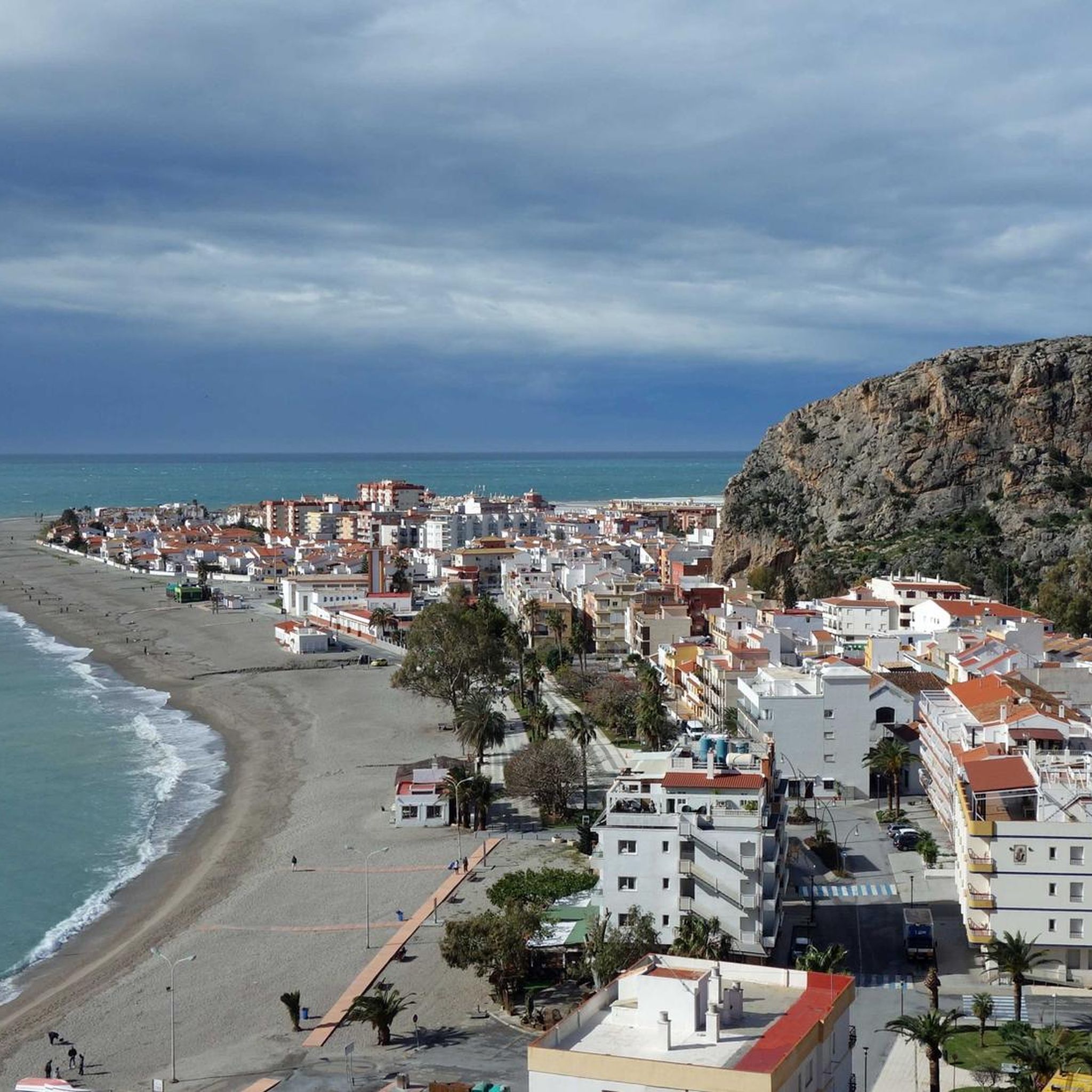
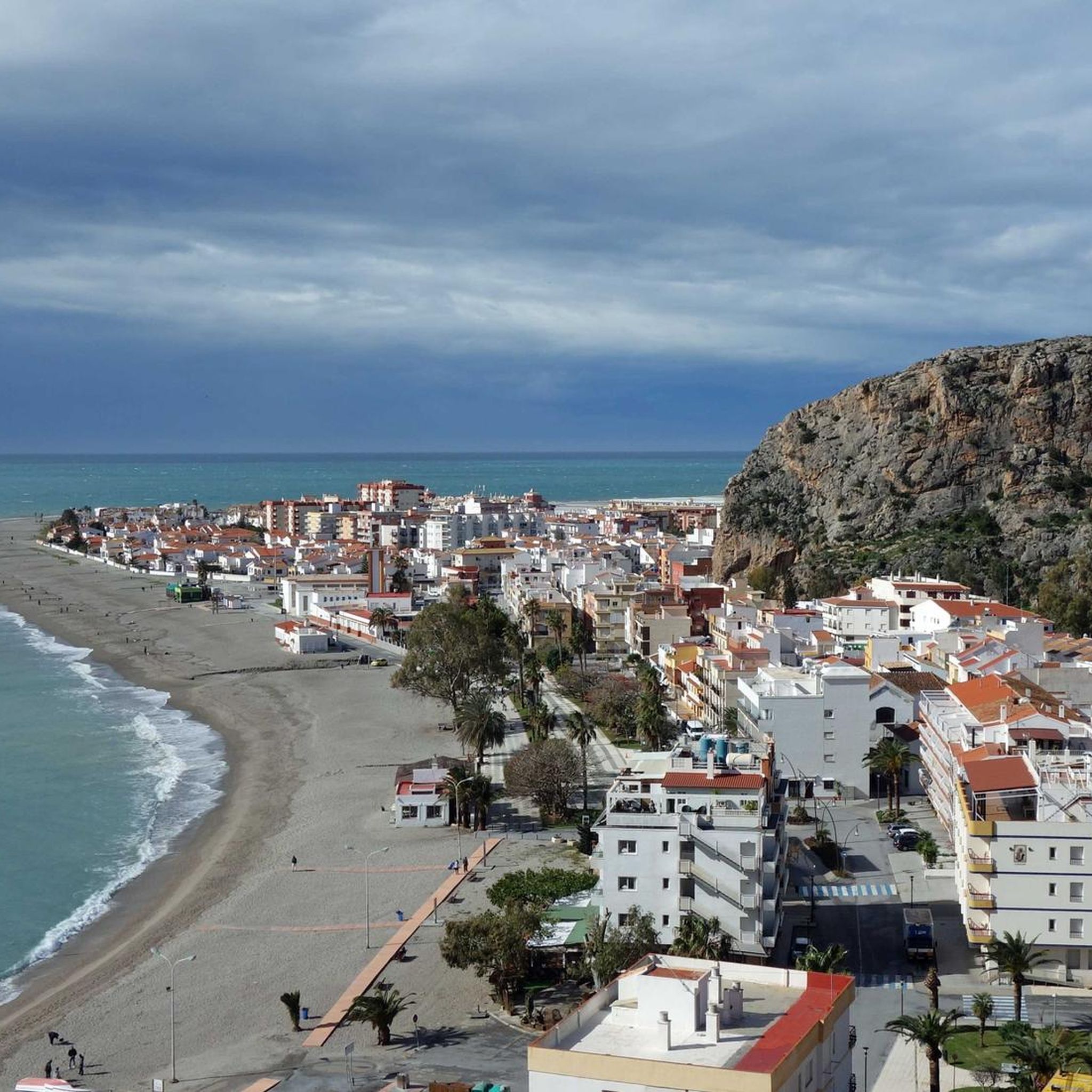
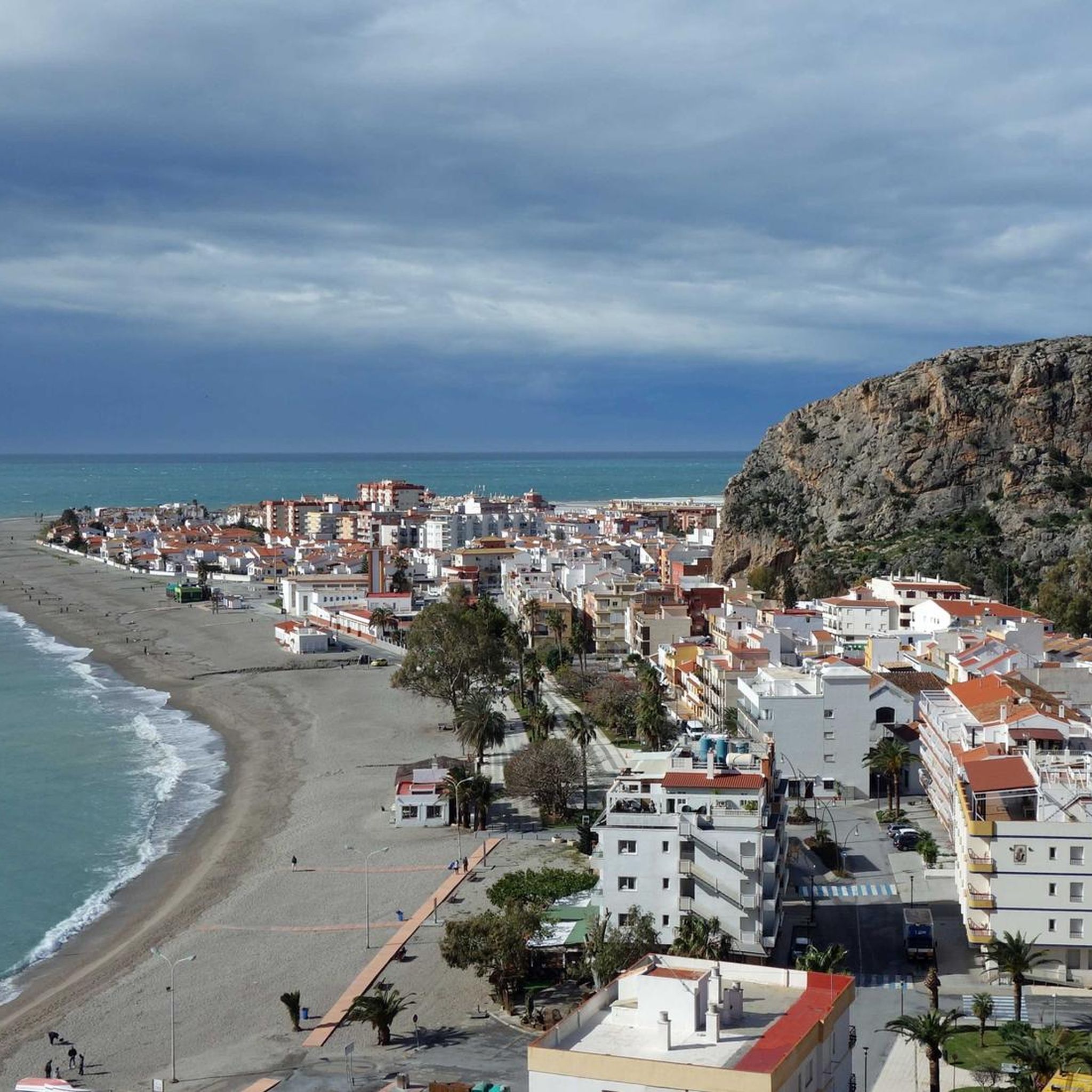
A wonderful beautiful beach, unfortunately totally overcrowded in the high season and not for everyone.
0
0
Frequently Asked Questions
What historical and cultural sites can I explore in and around Lújar?
Lújar village itself offers a rich history with its urban maze of narrow streets and traditional homes reflecting its Islamic heritage. You can visit the 17th-century Iglesia Parroquial de Santo Cristo de Cabrilla and the 18th-century Iglesia de los Pollos. The village also features the Ruinas del Castillo Medieval, an Old Oil Mill, and rural wells. Nearby, you can explore the historic Sanctuary of Our Lady of the Head, a 17th-century church built on a former citadel, and Carchuna Castle, an 18th-century defensive fortification.
Are there natural attractions or green spaces to enjoy near Lújar?
Yes, Lújar is nestled in the Sierra de Lújar mountains, a protected area known for diverse wildlife and oak forests. For a serene coastal experience, visit Playa de Cambriles, an almost virgin beach, or the beautiful Playa de la Rijana cove. Additionally, the Park of the Peoples of the Americas in nearby Motril offers a significant green space with a wide variety of tree, shrub, and palm species from across the Americas.
What kind of outdoor activities can I do in the Lújar area?
The Sierra de Lújar mountains offer several marked hiking trails with opportunities to climb for panoramic views. You can also find various routes for other outdoor sports. For running enthusiasts, there are routes like the 'El Lance loop from Castell de Ferro' or the 'Cerro Alto loop from Lújar'. Cyclists can explore routes such as 'Lújar – Caseta Forestal del Conjuro loop from Castell de Ferro', while mountain bikers have options like 'Conjuro Forest Ranger Station – El Conjuro Forest Guard Hut loop from Castell de Ferro'. You can find more details on these activities in the Running Trails around Lújar, Cycling around Lújar, and MTB Trails around Lújar guides.
Are there any family-friendly attractions around Lújar?
Several attractions cater to families. The Park of the Peoples of the Americas is a great green space for a leisurely stroll. Carchuna Castle offers a historical site that can be interesting for all ages. The settlement of Órgiva, known as the capital of the Alpujarra region, provides a cultural experience within the Sierra Nevada Natural Park. Additionally, Playa de la Rijana is a beautiful cove suitable for a family beach day.
What is the best time of year to visit Lújar for outdoor activities?
The Sierra de Lújar is protected as a Complex of Environmental Interest, making it suitable for outdoor activities throughout much of the year. Given the region's diverse climate, early spring and late autumn typically offer pleasant temperatures for hiking and exploring the mountain trails. For beach activities, the summer months are ideal, though popular spots like Playa de la Rijana can get crowded.
What is Órgiva known for?
Órgiva is recognized as the capital of the Alpujarra region of Granada. Located on the southern slopes of the Sierra Nevada Natural Park, it serves as an excellent base for experiencing local culture, nature, and gastronomy. It's also known for attracting people with alternative lifestyles.
Can I find scenic viewpoints in the Lújar area?
Yes, the Sierra de Lújar mountains offer opportunities to climb for panoramic views of the surrounding landscape. The village itself, situated at an elevation of 895 meters, provides elevated perspectives. The Park of the Peoples of the Americas also features viewpoints within its landscaped grounds.
What are some unique natural features of the Sierra de Lújar?
The Sierra de Lújar is a protected mountain range characterized by diverse wildlife, including birds of prey, partridges, and blackbirds, some of which are endangered. It features extensive oak forests and several notable ravines such as Barranco del Olivo, Barranco de la Negra, Tajo San Luis, Barranco de las Viboras, Barranco de Castillejos, Barranco de la Entabicada, Valle del Guadalfeo, and Los Pelaos.
What is the architectural style of Lújar village?
Lújar village showcases an intricate urban layout with narrow streets and traditional homes. This distinctive architecture, including homes featuring 'tinao' (small portals), is a direct legacy of the Islamic period, offering a unique cultural experience.
Are there any specific festivities celebrated in Lújar?
Lújar celebrates its patron, Santo Cristo de Cabrilla, during the third weekend of August. Additionally, a procession in honor of Nuestra Virgen del Rosario is held on October 7th, offering a glimpse into the local traditions and culture.
What do visitors particularly enjoy about the attractions around Lújar?
Visitors appreciate the blend of historical landmarks, natural mountain landscapes, and coastal beaches. The komoot community has shared 45 photos and given 21 upvotes, highlighting the appeal of exploring ancient churches, medieval castle ruins, traditional village architecture, and the numerous hiking trails in the Sierra de Lújar.
Most popular attractions around Lújar

Get inspired with the komoot mobile app


Explore more
Still not found the Highlight you’re looking for? See guides of the top attractions in other regions:
