The best cycling routes around Conesa
5.0
(9)
439
riders
71
rides
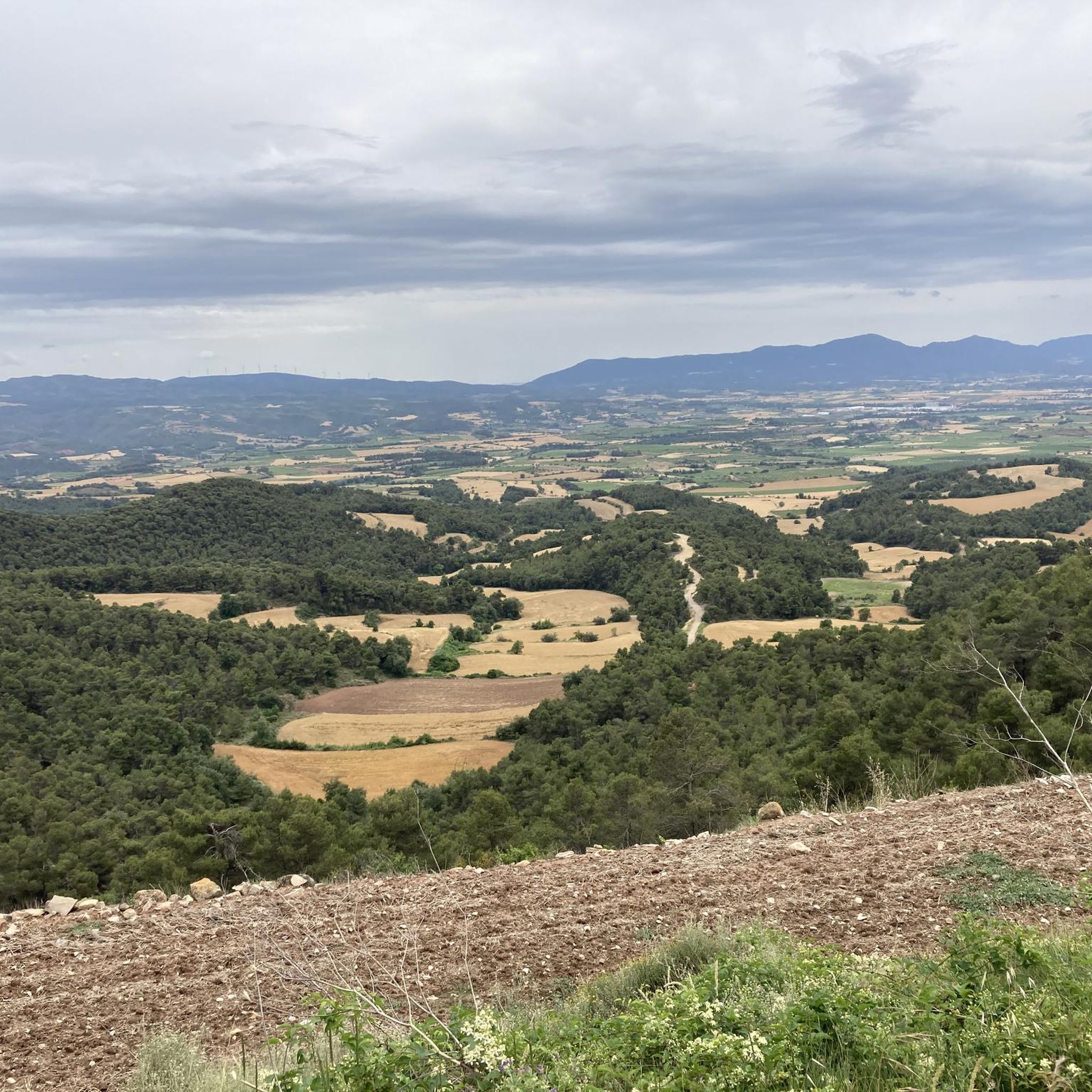
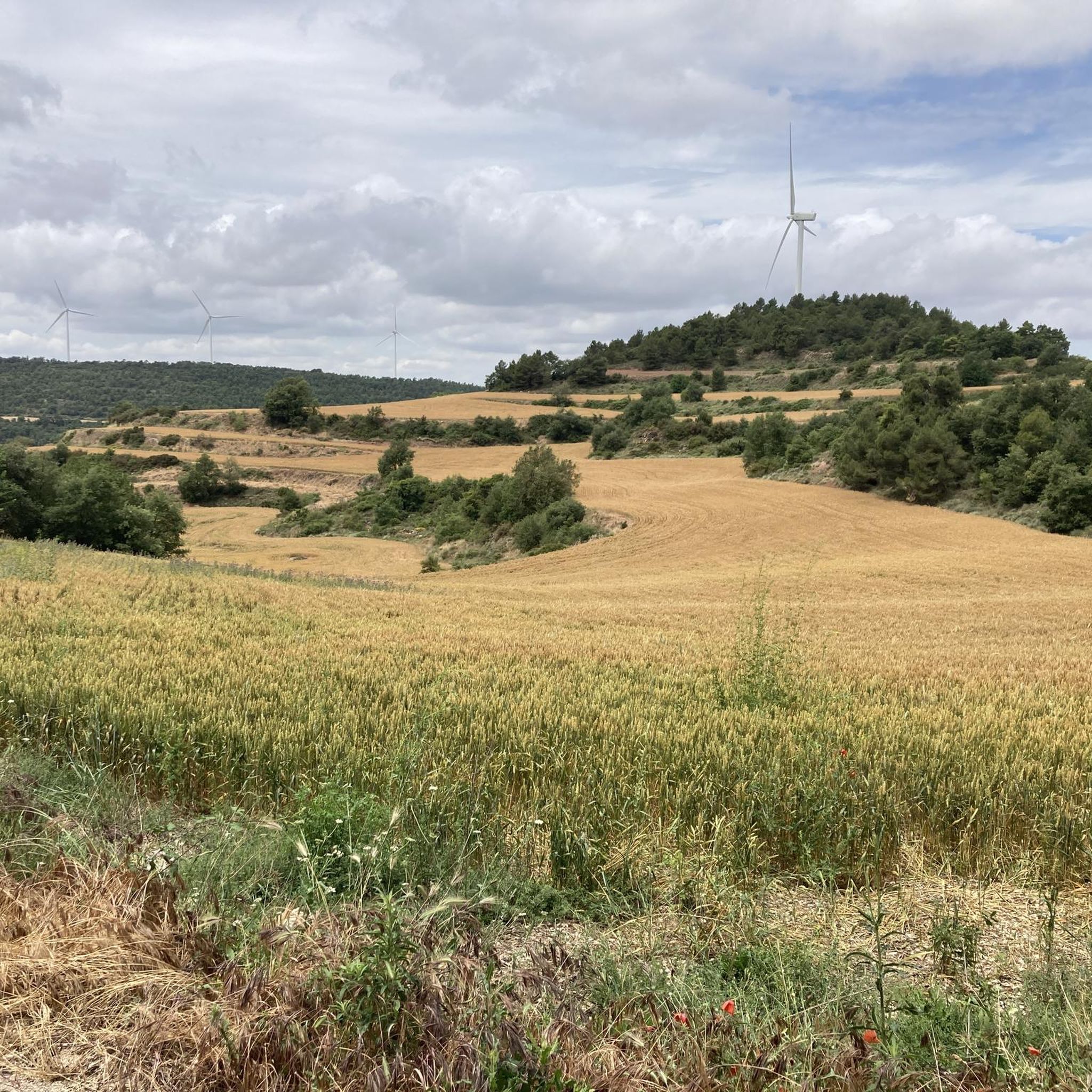
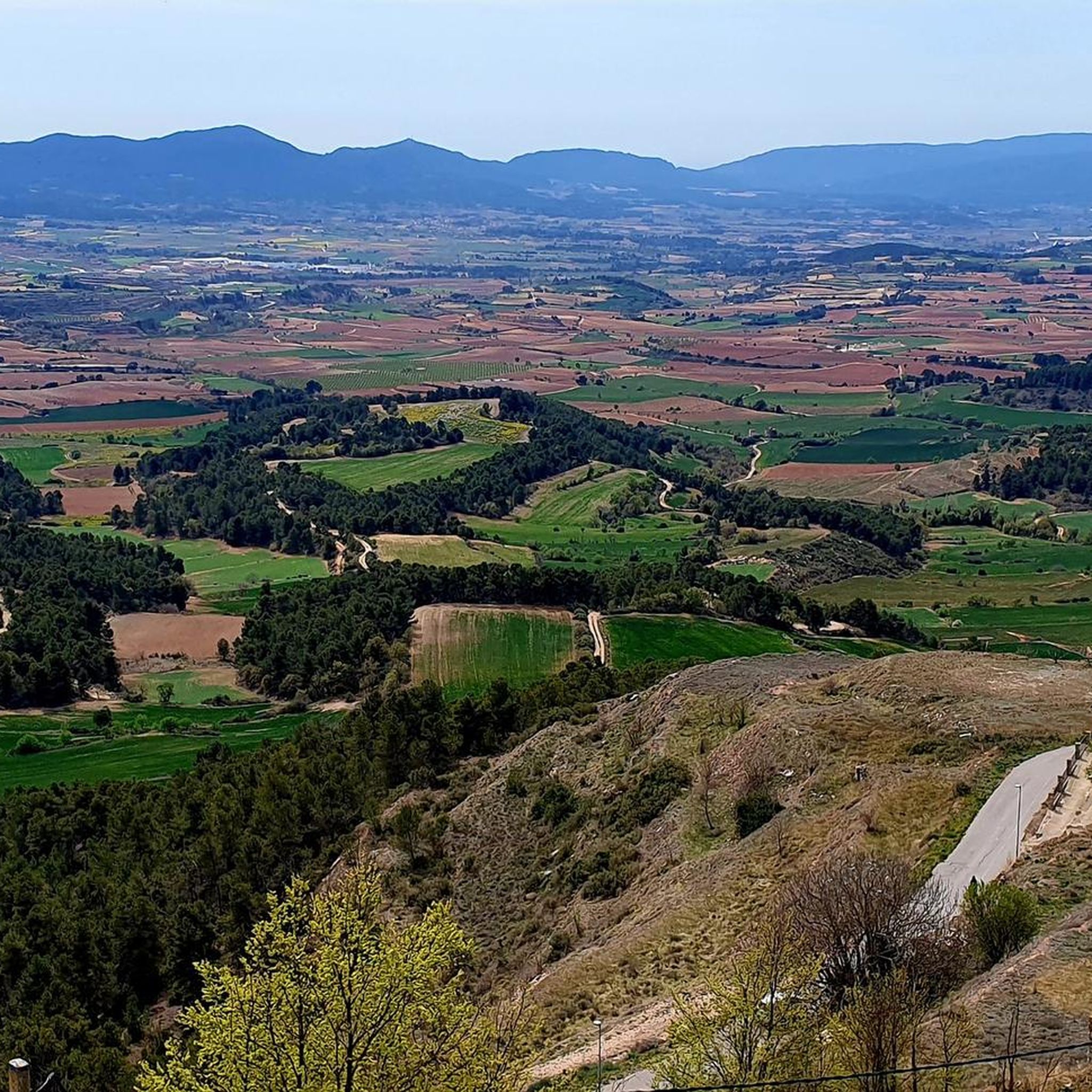
Touring cycling routes around Conesa traverse a landscape characterized by agricultural land, including fields of wheat, barley, and almonds, set within the varied topography of the Conca de Barberà region. Cyclists encounter expansive views, such as those from La Pena Viewpoint, offering panoramas over forests and distant mountain ranges. The area features quiet country roads connecting medieval villages and vineyards, providing a rich historical and natural cycling experience.
Best touring cycling routes around Conesa
- The most popular touring cycling route…
Last updated: October 18, 2026
28
riders
47.3km
04:52
1,310m
1,310m
Hard bike ride. Very good fitness required. Mostly paved surfaces.
12
riders
Hard bike ride. Very good fitness required. Mostly paved surfaces.

8
riders
27.1km
02:26
610m
610m
Hard bike ride. Very good fitness required. Mostly paved surfaces.
7
riders
61.6km
04:37
900m
900m
Hard bike ride. Very good fitness required. Mostly paved surfaces.
7
riders
70.9km
06:48
1,650m
1,650m
Hard bike ride. Very good fitness required. Mostly paved surfaces.
Get access to more routes and recommendations from other explorers.
Already have an account?
Our route recommendations are based on thousands of hikes, rides, and runs completed by other people on komoot.
Start today with a free account
Your next adventure awaits.

Tips from the Community

Fanshop of the Marquez brothers ! Worth the visit for all motoGP fans
1
0

The monk's corral or monk's hut is a complex that is currently in ruins. The building is very particular, since it has some arches and columns, a watchtower and a small church. It is a magnificent example of the ancestral buildings that are spread along the Camino Real.
0
0

Cervera is the capital of the Segarra region. The city is home to a rich cultural heritage, especially from the Middle Ages, which includes a castle and its walled complex, as well as the Romanesque church of Sant Pere. Cervera also has beautiful civil buildings such as the town hall or the university.
0
0
The Vallfogona de Riucorb spa was built in 1901 to take advantage of the thermal waters that spring up in the area. It is one of several spas that are spread throughout this region.
0
0

The parish church of the nucleus of l'Ametlla de Segarra (Montoliu de Segarra) appears for the first time in the records of the bishopric of Vic in the 11th century. Located within the urban nucleus, it is attached to the old rectory, it has a single nave with a pointed barrel vault. The bell tower, square and with four eyes structured in semicircular arches, has a clock and is topped by a pinnacle.
0
0
L'Ametlla de Segarra is a town belonging to the municipality of Montoliu de Segarra, in the Segarra region, province of Lleida. It is linked to the castle of the same name, appearing in records at the end of the 11th century. It is located in an area with a tradition of cereal farming and other rainfed crops such as olive groves and almond trees. You can also find vineyards, particularly organic vineyards that produce Comalats wine, which was the old name of the region. Of its heritage, the church of Sant Pere and the tower of the old castle stand out.
0
0
The tower of l'Ametlla de Segarra is not complete. Here you can see remains of the castle tower, the only structure preserved from the fortress. It has its origins in the 11th century, when this area was under the rule of the Counts of Barcelona.
0
0

Santa Coloma de Queralt is a medieval town in the Barberá Basin, in Tarragona. The entrance portals to the urban nucleus stand out, which was surrounded by a stone wall, and the set of arcades of the Plaza Mayor. It has several springs that supply water to the town.
2
0
Frequently Asked Questions
What is the general difficulty level of touring cycling routes around Conesa?
The touring cycling routes around Conesa are primarily designed for experienced cyclists. Out of 56 available routes, 40 are classified as difficult, and 16 are moderate. There are no easy routes listed, indicating a challenging terrain with significant elevation changes.
Are there any circular touring cycling routes available in Conesa?
Yes, many of the touring cycling routes around Conesa are circular. For example, you can explore the region on the Plaça Major – Santa Coloma de Queralt loop from Cal Mensa, a 35.2-mile difficult route, or the Conesa Medieval Walled Village – Conesa Village loop from Conesa, which is 29.4 miles long and also difficult.
What kind of landscapes and natural features can I expect to see while cycling near Conesa?
The area around Conesa offers diverse landscapes, including expansive agricultural lands with fields of wheat, barley, and almonds. You'll also encounter varied topography, forests, and impressive panoramas, such as those from the La Pena Viewpoint, which offers views over the western Conca de Barberà and distant mountain ranges like the Pyrenees.
What historical landmarks or attractions can I visit along the cycling routes?
Conesa itself is a medieval walled village with historical charm. Beyond the town, you can explore significant landmarks such as the UNESCO World Heritage site, the Royal Monastery of Santa María de Poblet. Other notable points of interest include Guimerà, a historic settlement, and the Santuario del Tallat.
Are there any viewpoints offering scenic vistas along the touring cycling routes?
Absolutely. The region is known for its impressive panoramas. A notable viewpoint is La Pena, which provides formidable outlooks over the Conca de Barberà, forests, and distant mountains. You can also find scenic spots like Views of Albió, offering beautiful vistas during your ride.
What do other touring cyclists say about the routes in Conesa?
The touring cycling routes in Conesa are highly rated by the komoot community, with an average score of 5.0 stars from 8 reviews. Cyclists often praise the varied terrain, the historical charm of the medieval villages, and the quiet country roads that connect them.
Is Conesa part of any larger, well-known cycling routes?
Yes, Conesa is notably part of **The Cister Route (GR175)**, a challenging 38.5-mile cycling route that connects historic villages, vineyards, and scenic views within the Conca de Barberà region. This route provides a structured path to experience the area's rich cultural and natural heritage.
What is the best time of year to go touring cycling in Conesa?
While specific seasonal data isn't provided, the Mediterranean climate of Catalonia generally makes spring (April-May) and autumn (September-October) ideal for cycling. These seasons offer pleasant temperatures and less extreme weather, perfect for exploring the agricultural lands and historical sites.
Are there any long-distance touring cycling options around Conesa?
Yes, several routes offer significant distances. For instance, the Santa Maria del Camí Church – Anoia River Crossing loop from Cal Mensa covers 37.8 miles (60.9 km), and the Guimerà – Guimerà Historic Village loop from Cal Mensa is 31.5 miles (50.7 km) long, providing excellent options for longer rides.
What kind of terrain can I expect on the touring cycling routes in Conesa?
The terrain around Conesa is varied, characterized by agricultural fields, quiet country roads, and significant elevation changes. Cyclists will navigate through a blend of flat sections across farmlands and more challenging climbs and descents as they traverse the diverse topography of the Conca de Barberà region.
Are there any castles or fortified settlements to see while cycling in the Conesa area?
Yes, the region is rich in historical fortifications. Besides Conesa's own medieval walls, you can find other castles and fortified settlements. For example, the area features Saburella Castle and the settlements of Rocafort de Queralt and Montbrió de la Marca, which often form part of the scenic routes.
What is the typical elevation gain on touring cycling routes around Conesa?
The touring cycling routes around Conesa feature significant elevation gains, reflecting their 'difficult' classification. For example, the Santa Coloma de Queralt – Plaça Major loop from Cal Mensa involves an ascent of approximately 795 meters, while the Conesa Medieval Walled Village – Conesa Village loop from Conesa has an elevation gain of around 1307 meters.
Most popular attractions around Conesa

Get inspired with the komoot mobile app


Explore more
Browse the best Cycling routes in other regions.
