Top 12 Mountain Passes around Les
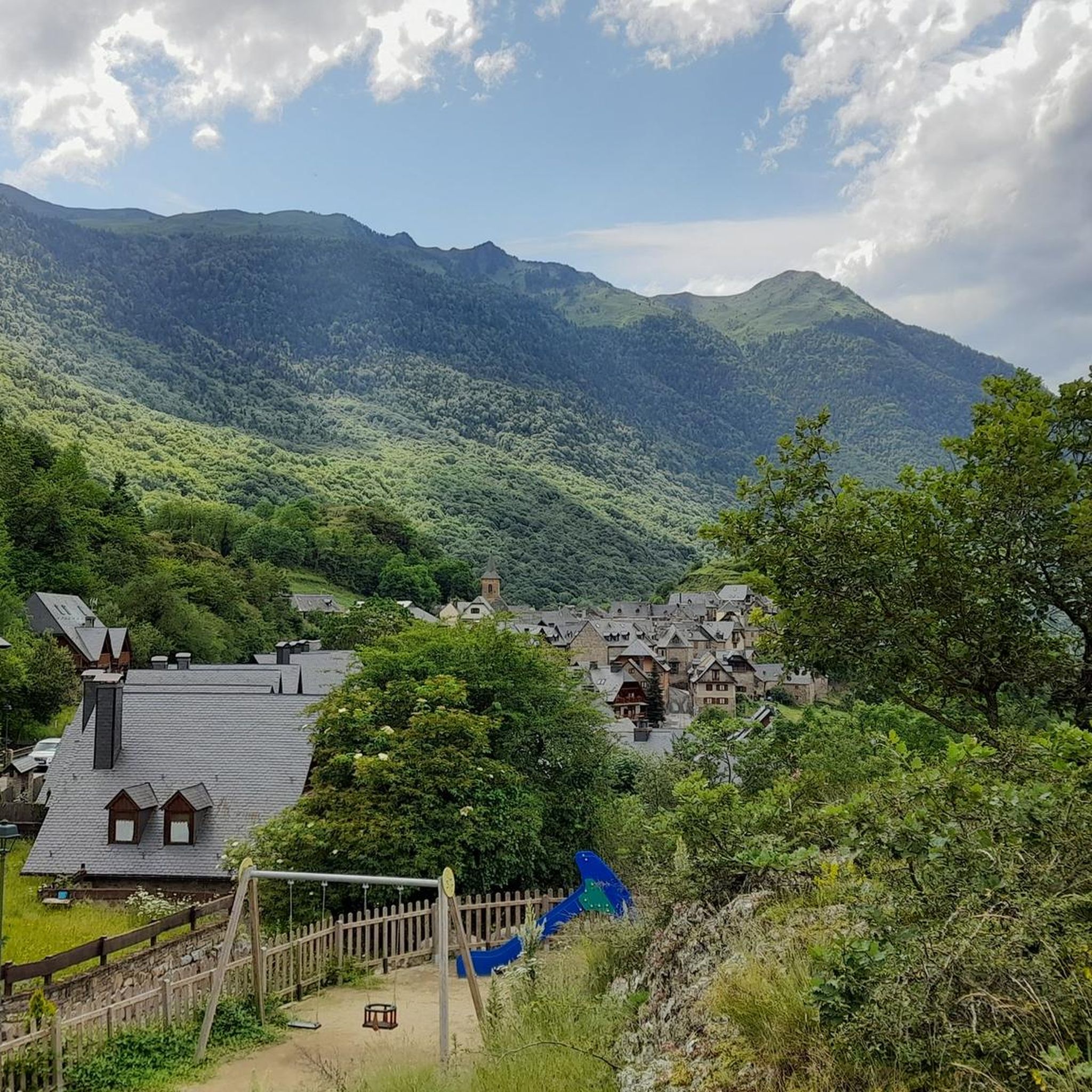
Mountain passes around Les are situated in the Pyrenees, a mountain range forming a natural border between France and Spain. This region is characterized by high peaks, deep valleys, and diverse landscapes. The passes serve as historical routes for trade and travel, connecting communities across the mountains. The area offers a variety of terrain for outdoor activities.
Best mountain passes around Les
- The most popular mountain passes is Ascent to Col du Portillon from Bossòst, a mountain pass that…
Last updated: June 26, 2026
Ascent to Col du Portillon from Bossòst
Highlight (Segment) • Mountain Pass
Translated by Google •
Tip by

Portillón Pass
Highlight • Mountain Pass
Translated by Google •
Tip by

Sign up now to discover places like this
Get recommendations on the best single tracks, peaks, & plenty of other exciting outdoor places.
Sign up for free
Collado de Baretja
Highlight • Mountain Pass
Translated by Google •
Tip by

Arres Pond
Highlight • Lake
Translated by Google •
Tip by
Trail to Port de Vénasque
Highlight • Trail
Translated by Google •
Tip by

Sign up for free to discover even more mountain passes around Les.
Sign up for free
Already have an account?
Start today with a free account
Your next adventure awaits.
Login or Signup
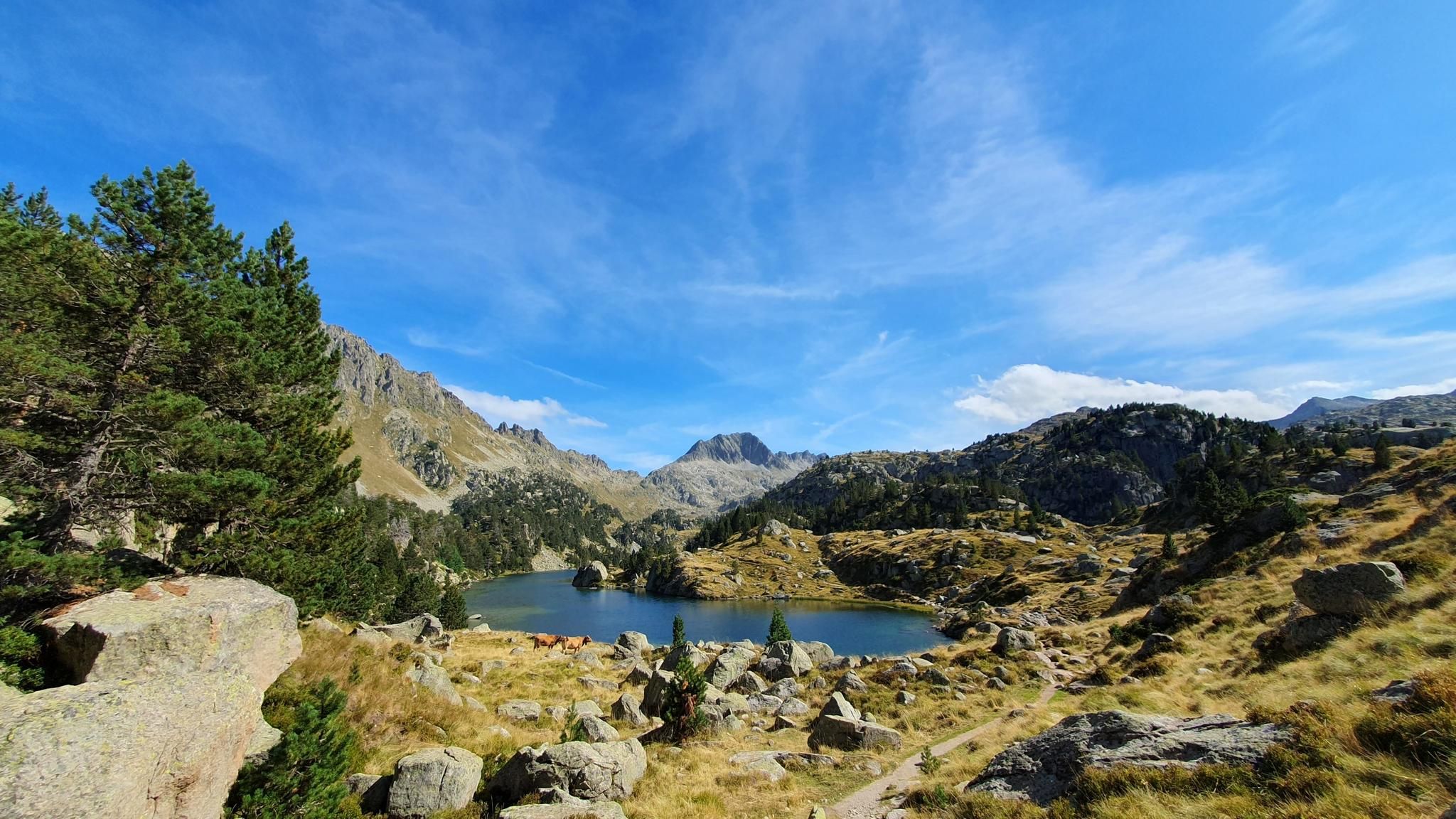
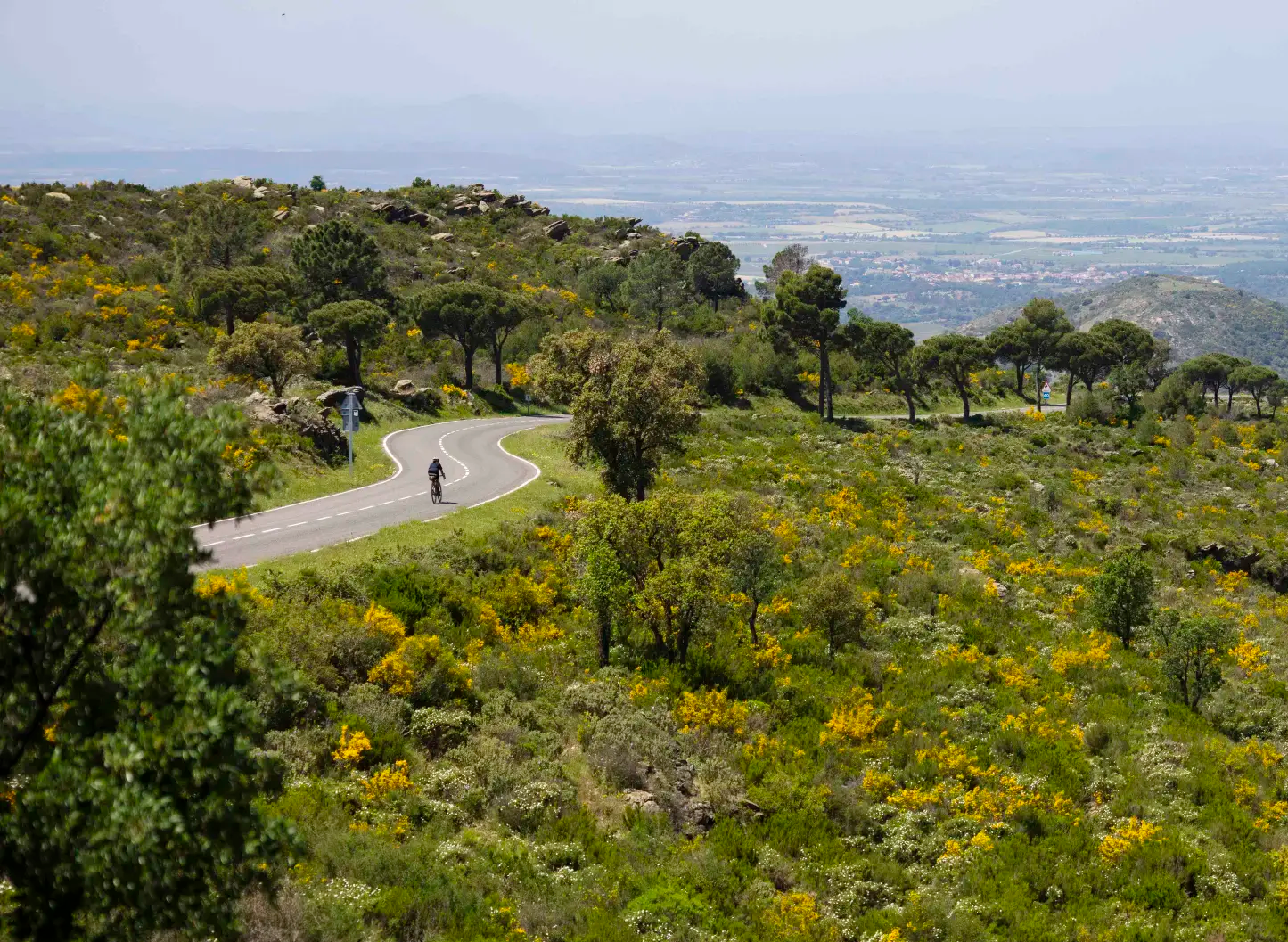
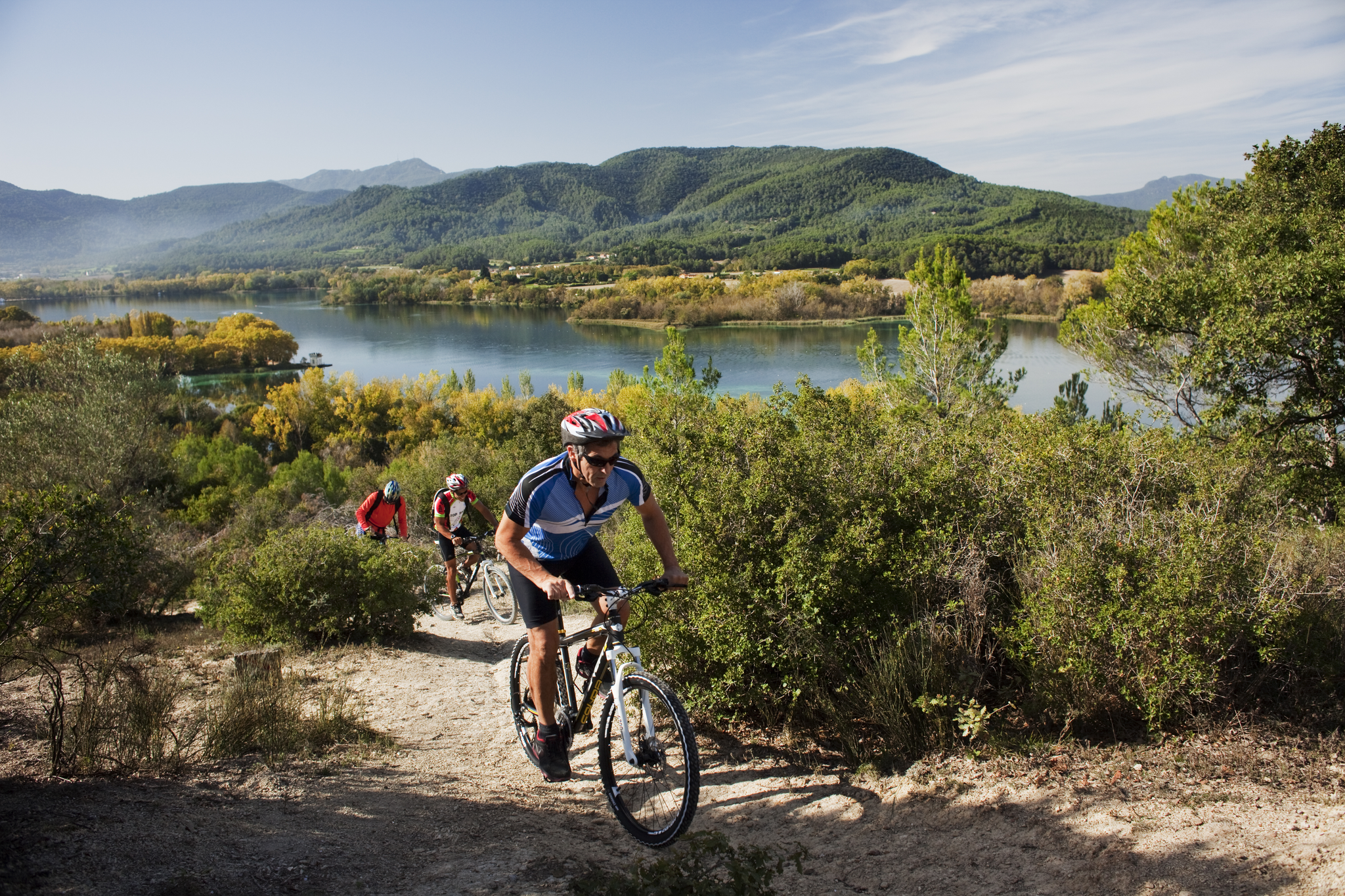
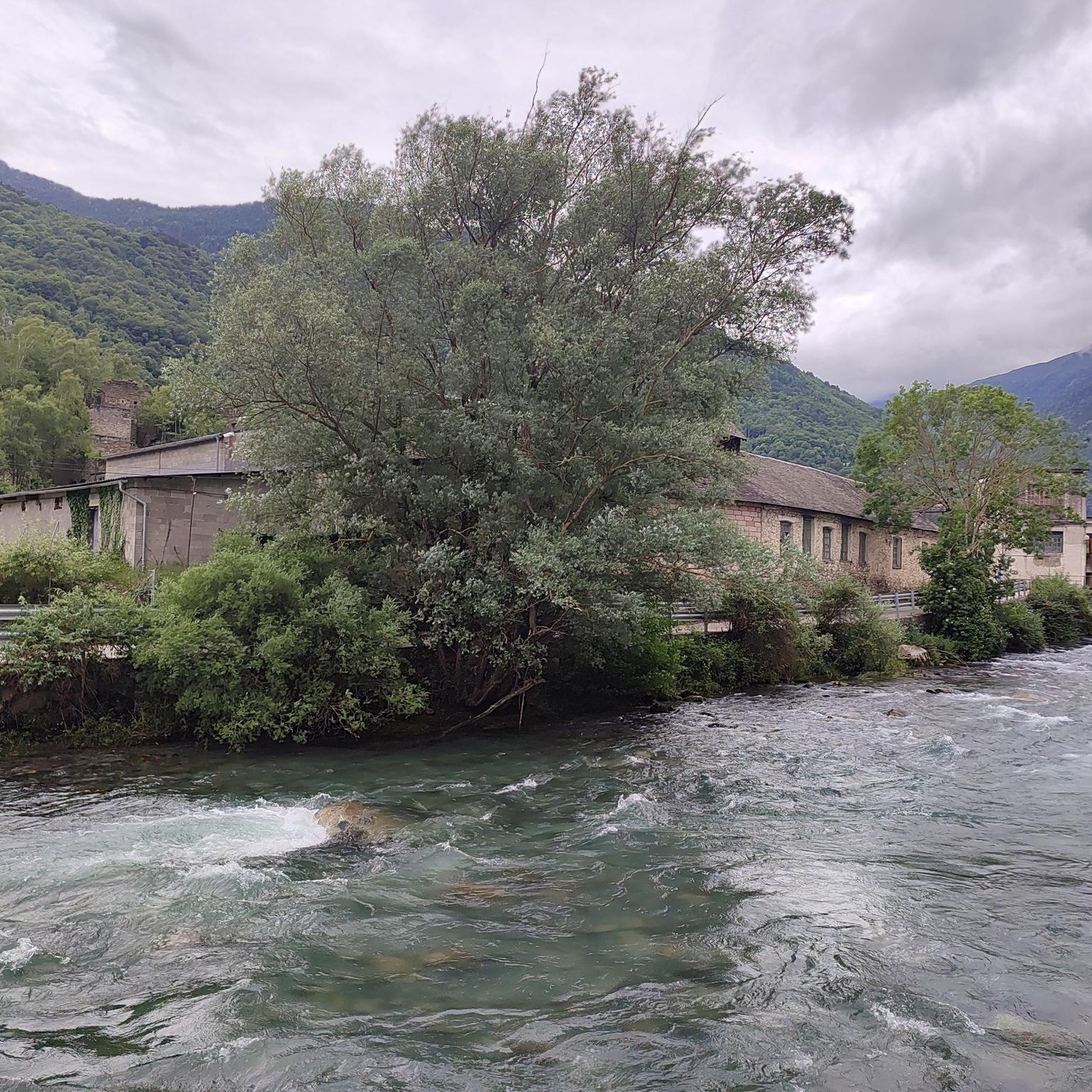


Tips from the Community

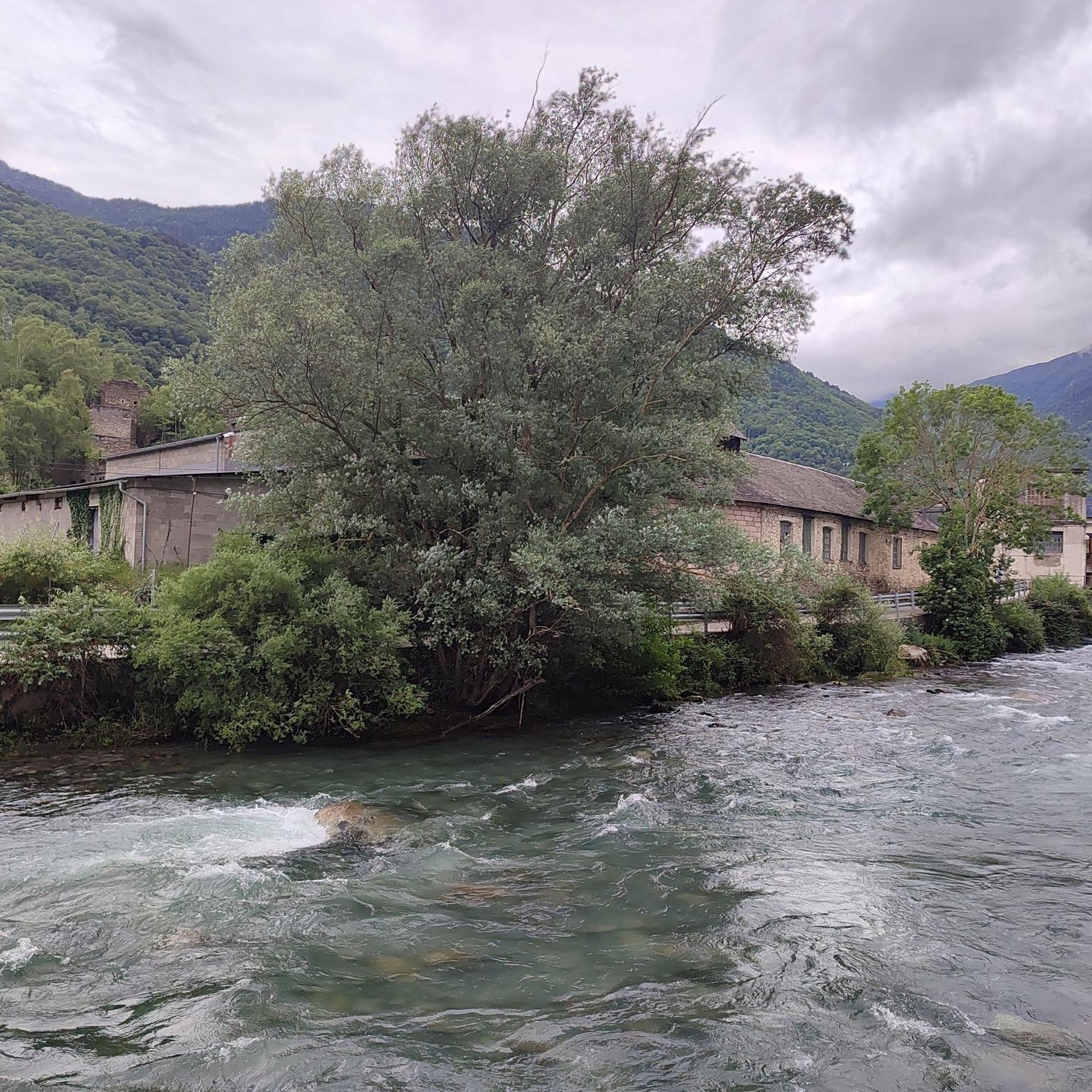
Beautiful port with a French side heavily covered by forest
0
0

Beautiful road marked on every bend by posts celebrating Spanish winners of the Tour de France, and kilometre markers with gradient, altitude etc. it finishes at the border, which is the col.
0
0

The Col du Portillón is a short but intense mountain pass that connects the Aran Valley to France via a narrow, shady road through forests. Its ascent, with its pleasant slopes, is highly appreciated by local and professional cyclists.
1
0

This trail takes you to the heart of the mountain in its purest form. From Hospice-de-France, at an altitude of 1,385 metres, it takes you to the port of Vénasque, which marks the French-Spanish border at 2,444 metres. More than 1,000 metres of ascent surrounded by Pyrenean peaks, the effort is worth it.
0
0

A challenging climb from Luchon, but still worth it.
0
0
Strenuous but worthwhile climb.
0
0

It is a port that, despite not having the characteristics of its neighbors, it is important that we do not lose respect for it. From Bossosst it climbs really hard, from Luchon a little more gently, although they don't give anything away.
0
0

A real pain to climb, not because of the difficulty but because of the fact that it is extremely busy, and that we have plenty of time to breathe the exhaust pipes of the tower which makes us feel doubled.
0
0
Frequently Asked Questions
What are some other significant mountain passes in the broader French Alps region?
Beyond the immediate vicinity of Les, the French Alps are home to several iconic mountain passes, many of which are part of the famous Route des Grandes Alpes. These include the Col de l'Iseran (Europe's highest paved Alpine pass), Col Agnel (the second-highest road pass in the French Alps, marking the border with Italy), Col de la Bonette (known for its high loop to 2,802 meters), Col du Galibier, Col d'Izoard (famous for its 'Casse Déserte' landscape), and Col de la Croix-de-Fer. These passes offer stunning vistas, challenging routes, and are frequently featured in the Tour de France.
What kind of views can I expect from the mountain passes around Les?
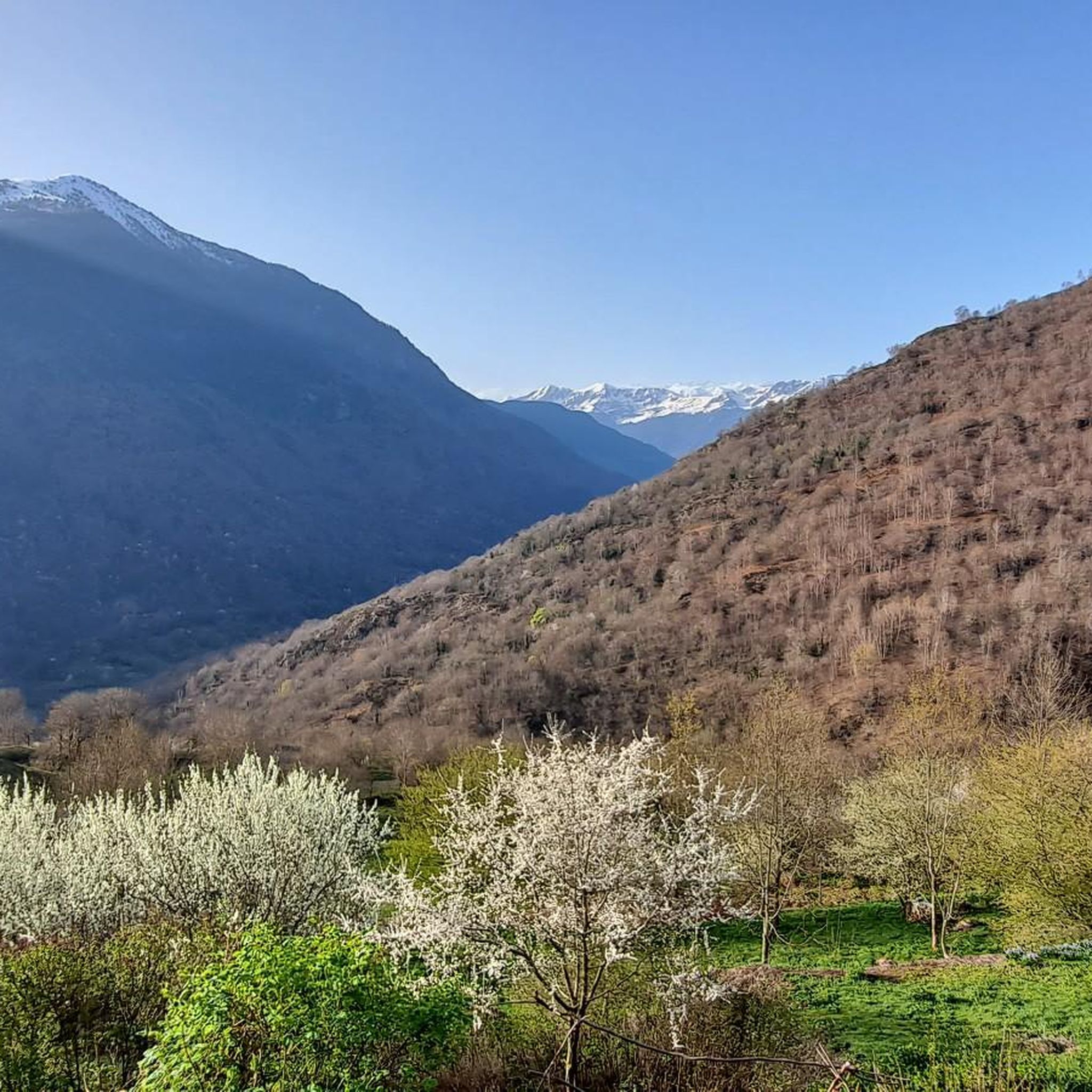
The mountain passes around Les offer spectacular panoramic views. For instance, from Collado de Baretja, located at 1,750 meters on the border with France, you can enjoy wonderful views to the north, including the impressive Maladetas massif (3,312 m). Many passes also provide vistas of deep valleys and surrounding Pyrenean peaks.
Are there challenging routes for experienced hikers or cyclists near Les?
Yes, the region offers several challenging routes. For hikers, the Trail to Port de Vénasque is a demanding path that takes you to the French-Spanish border at 2,444 meters, involving over 1,000 meters of ascent. For cyclists, passes like Ascent to Col du Portillon from Bossòst feature sections with gradients over 14%, making them a true test of endurance. Many of these passes are regularly included in the Tour de France, attracting professional and local cyclists alike.
What outdoor activities can I do near the mountain passes in Les?
The mountain passes around Les are a gateway to various outdoor activities. You can find numerous opportunities for mountain hiking, with routes like the Boum de Venasque loop from Hospice de France. For road cycling, popular routes include the Col du Portillon, Artiga de Lin, and Mirador d'Arres Loop, or the Port de Balès – Peyresourde Pass loop. There are also several running trails, such as the challenging Ascent to Canejan – Church of Sant Blasi de Les loop. You can explore more options in the Mountain Hikes around Les, Road Cycling Routes around Les, and Running Trails around Les guides.
Are there any family-friendly spots or facilities near the mountain passes?
Yes, there are. For example, Arres Pond is located at 1,560 meters altitude and offers grills, a fountain, and tables for picnics, making it a great spot for families to relax and enjoy the views. It's accessible by a 1-hour walk from Arres dessus or even by driving.
What is the historical significance of the mountain passes in the French Alps?
Many mountain passes in the French Alps, including those around Les, hold significant historical importance. They have been used since Roman times as vital routes for troops and trade, connecting communities and regions. Later, figures like Napoleon's army also utilized these strategic passages. Today, they continue to be cherished for their natural beauty and their role in popular sporting events like the Tour de France.
What is the best time of year to visit the mountain passes around Les?
The mountain passes in the French Alps are typically accessible from June to October. During this period, the weather is generally more favorable, and the passes are clear of snow, making them ideal for driving, cycling, and hiking. Visiting during these months allows you to fully experience the breathtaking views and outdoor activities.
What do visitors enjoy most about the mountain passes in this region?
Visitors frequently praise the exhilarating experience of traversing these passes, whether by car, motorcycle, or bicycle. The stunning panoramic views, the challenging climbs, and the sense of accomplishment are often highlighted. The connection to legendary events like the Tour de France also adds to their appeal, making them a dream destination for cycling enthusiasts. The wild, unspoiled scenery, transitioning from lush meadows to barren, lunar landscapes, is also a major draw.
Can I find accommodation or places to eat near the mountain passes?
While specific cafes, pubs, or accommodations directly at the highest points of the passes might be limited, you will typically find options in the valleys and towns connected by these passes. For example, towns like Bagnères-de-Luchon, Val d'Isère, Bonneval-sur-Arc, Saint-Étienne-de-Tinée, Jausiers, Valloire, Briançon, and Saint-Jean-de-Maurienne offer various services for travelers.
Are there any unique natural features to look out for on these passes?
Yes, the passes offer diverse natural features. For instance, the Col d'Izoard is famous for its dramatic 'Casse Déserte' landscape, a unique, moon-like rocky section. At Col Agnel, visitors might even spot Alpine ibex at the summit. The transition from lush meadows to barren, often snow-covered, lunar landscapes at higher altitudes like the Col de l'Iseran is also a striking natural phenomenon.
What is the highest paved mountain pass in the French Alps?
The Col de l'Iseran, at 2,770 meters, holds the title of the highest paved Alpine pass in Europe. It connects Val d'Isère to Bonneval-sur-Arc and is a major highlight of the Route des Grandes Alpes.
Is it possible to spot wildlife on the mountain passes?
Yes, it is possible to spot wildlife, especially in less frequented areas. For example, visitors to Col Agnel have reported seeing Alpine ibex at the summit. The wild and unspoiled nature of these high mountain environments provides habitats for various alpine species.
Most popular attractions around Les

Get inspired with the komoot mobile app


Explore more
See even more epic mountain passes by checking out these guides around Les:
