Attractions and Places To See around O Porriño - Top 20
Attractions and places to see around O Porriño include a mix of historical architecture, cultural sites, and natural landscapes within the Louriña valley. Situated in the province of Pontevedra, the town is traversed by the Louro River and is a significant stop on the Portuguese Way of the Camino de Santiago. Visitors can explore ancient bridges, fortified towns, and areas known for their unique granite.
Best attractions and places to see around O Porriño
- The most popular attractions is Roman…
Last updated: July 20, 2026
Roman Bridge of Orbenlle
Highlight • Bridge
Translated by Google •
Tip by

Tui-Valencia International Bridge
Highlight • Bridge
Translated by Google •
Tip by
Sign up now to discover places like this
Get recommendations on the best single tracks, peaks, & plenty of other exciting outdoor places.
Sign up for free
Fortress of Valença
Highlight • Historical Site
Translated by Google •
Tip by

Ponte da Veiga
Highlight • Bridge
Translated by Google •
Tip by
Portico of the Church of Santa María de la Asunción, Baiona
Highlight • Religious Site
It began to be built in 1120, although it would not be consecrated until 1225, already in the …
Translated by Google •
Tip by
Sign up for free to discover even more attractions around O Porriño.
Sign up for free
Already have an account?
Start today with a free account
Your next adventure awaits.
Login or Signup
Tips from the Community

Valença Fortress, also known as Praça-forte de Valença do Minho, is an imposing jewel of Portuguese military architecture with over eight centuries of history. Its origins date back to the 13th century, when King Sancho I and later Afonso III fortified it to protect the border with Galicia. During the Restoration War (17th–18th centuries), it was transformed into a Vauban-style fortress under the engineer Miguel de l’École and the architect Manuel Pinto de Vilalobos, being completed in 1713. The fortress withstood attacks during the Restoration, was captured and recaptured several times, and was also defended during the Napoleonic Wars and the Liberal Wars.
4
0

The imposing Valença Fortress rises atop a hill, dominating the landscape and leaving an unforgettable impression on those who arrive. More than a symbol, it is the soul of the city, preserving centuries of history within its walls. Built in the 17th century on the ruins of an ancient 13th-century castle, the fortress is a masterful example of military architecture of the period, with its star-shaped walls stretching for an impressive 5.5 kilometers. Upon entering, one immediately senses the strength and grandeur of Valença, one of the oldest towns in Portugal.
2
0

Superbly preserved and well-maintained star-shaped fortress
5
1

The well-preserved star fortress of Valença dominates the Minho valley from an elevated position and offers wide views in all directions.
4
1
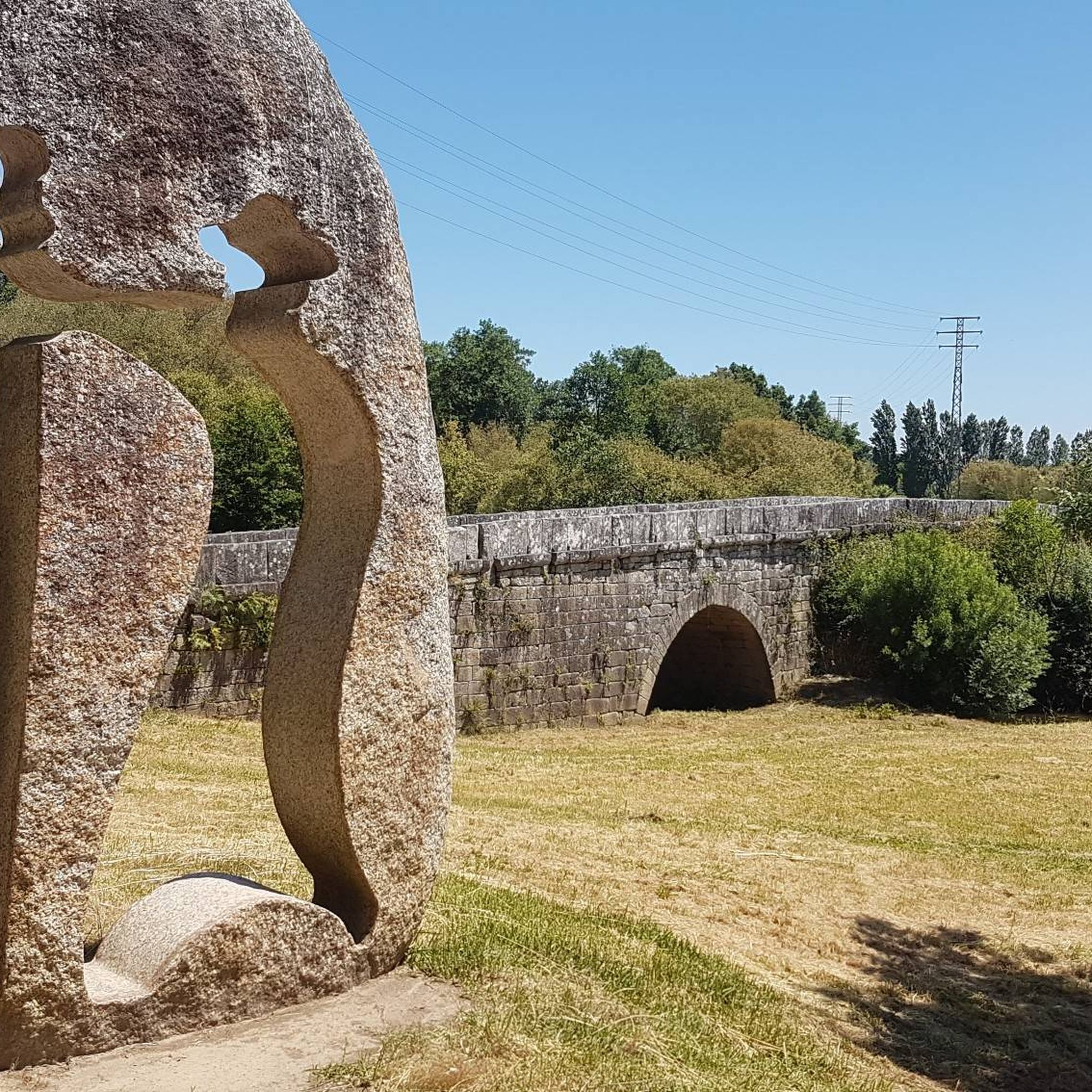
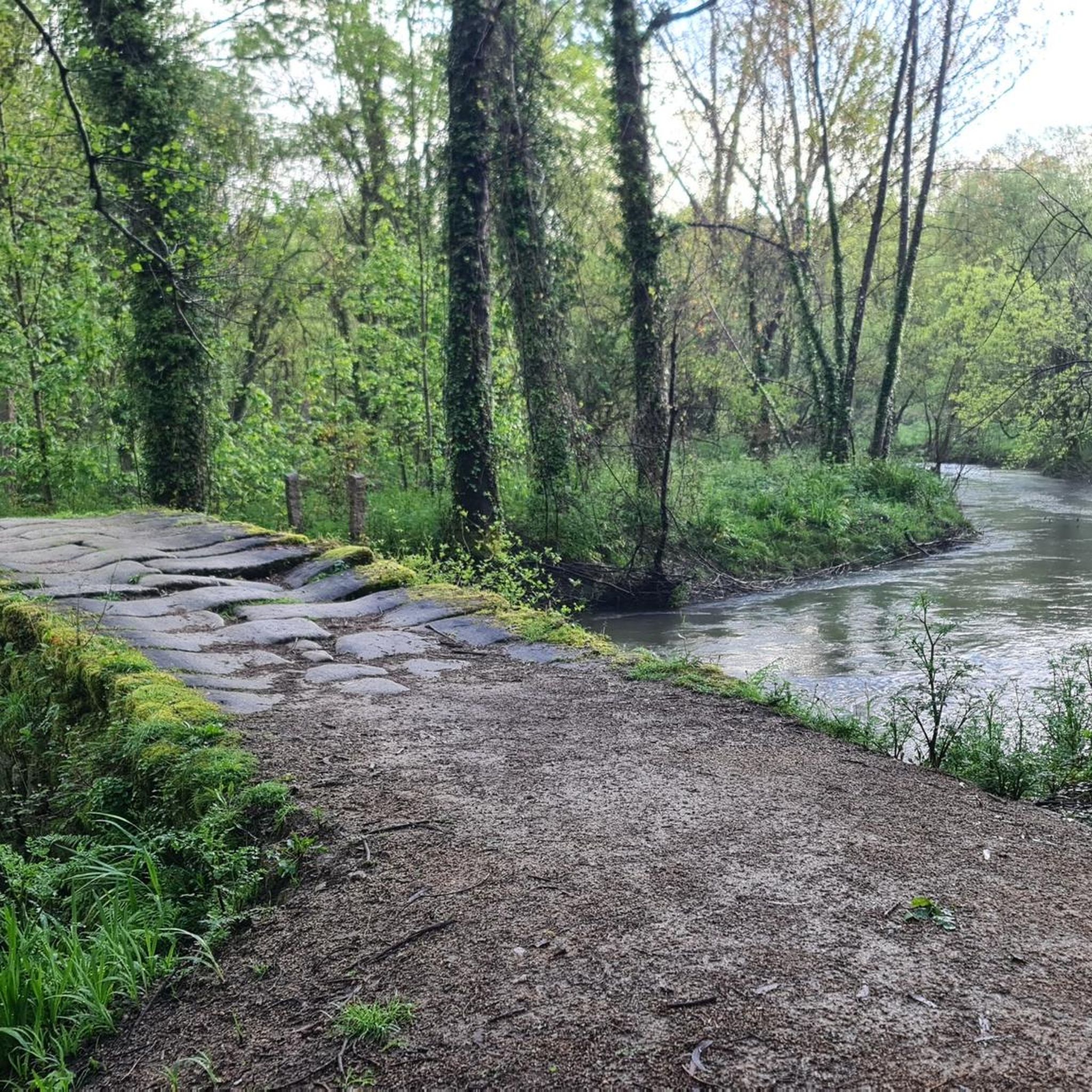
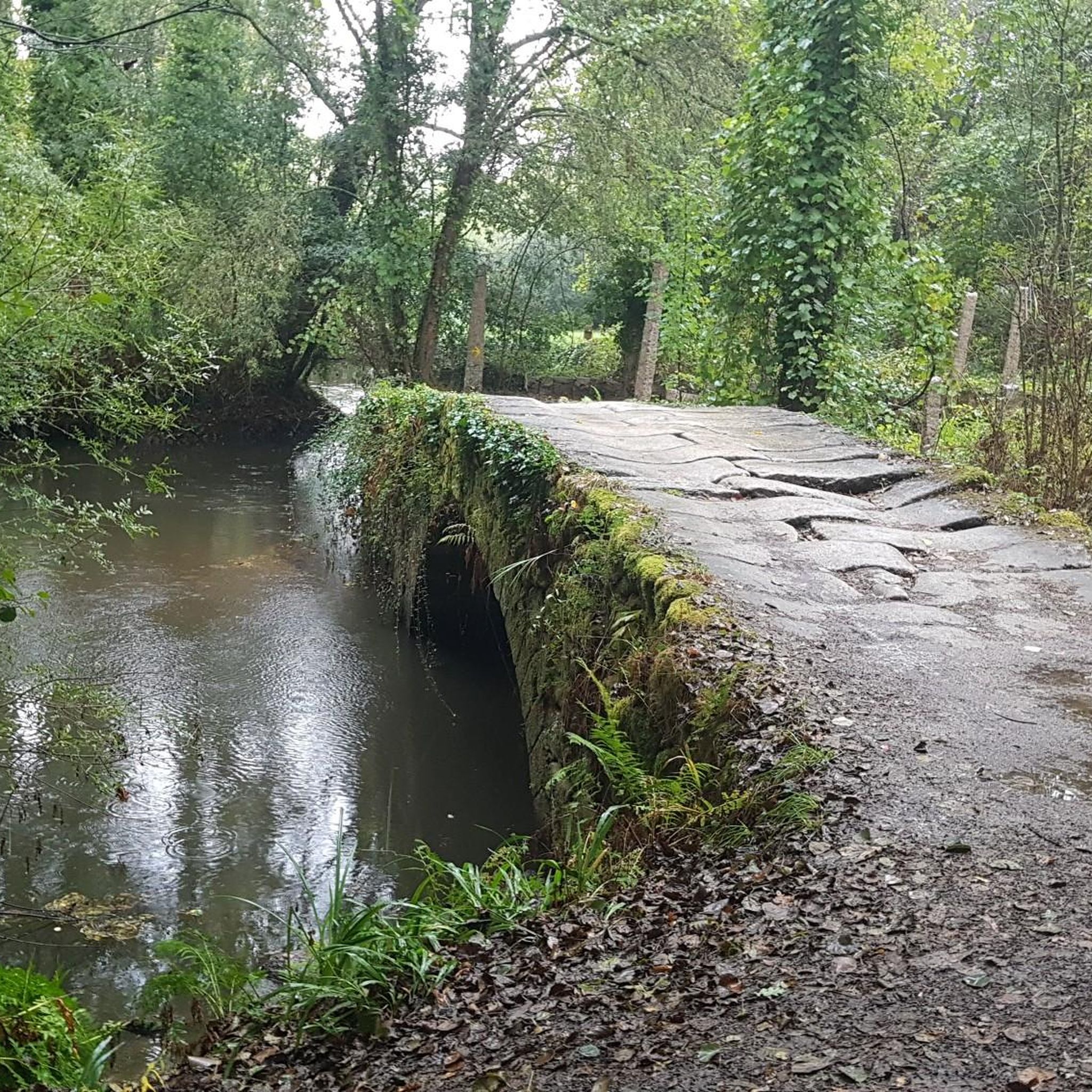
Path that crosses the Louro River, with a splendid environment. 🌞🚶😎
9
0
Pilgrims walking the Portuguese Way to Santiago de Compostela pass this bridge, making it a place of great historical significance. If you ever visit Tui, don't miss the opportunity to cross this beautiful bridge and immerse yourself in its history and charm. 🌉🚶♂️
2
0

The Romanesque Cathedral of Santa María with Gothic influences is a fortress-like cathedral that was begun in 1120 but not consecrated until 1225. Its cloister (13th century) is worth mentioning, the only complete medieval cloister that has been preserved in a cathedral in Galicia, and the Santiago Chapel inside the church. The interior can be visited for €3, and you can get your pilgrim stamp at the ticket office.
4
1
Frequently Asked Questions
What historical landmarks can I explore in and around O Porriño?
O Porriño boasts several significant historical landmarks. You can visit the impressive Town Hall (Casa do Concello), designed by local architect Antonio Palacios, or the unique Templete de San Luis, originally an access pavilion to the Madrid Metro. The town also features ancient religious sites like the 16th-century Chapel of San Sebastián and the Chapel of Las Angustias, an important stop on the Way of St. James. Don't miss the Roman Bridge of Orbenlle, an ancient medieval bridge over the Louro River, or the Ponte da Veiga, another historic bridge that was part of the ancient Roman Via XIX.
Are there any natural areas or parks to visit near O Porriño?
Yes, O Porriño is situated in the Louriña valley, offering beautiful natural surroundings. A key natural highlight is Gándaras de Budiño, a significant marshy area part of the European Natura 2000 Network, known for its wetlands and as a habitat for migratory birds. You can also enjoy the Parque las Gándaras Recreational Area, a rehabilitated public space. For panoramic views, consider visiting Monte Castelo de Cans or exploring the Ruta dos Penedos, which showcases impressive granite formations.
What cultural attractions are available in O Porriño?
For cultural insights, visit the Museo Principal de Minerales y Rocas, which houses a collection of over 500 different minerals and stones from around the world. The town's Urban Pedestrian Center is also ideal for a stroll, offering shops, restaurants, and cafes. Additionally, Cando street is known for its large wall covered in graffiti, providing a different artistic experience.
What outdoor activities can I do near O Porriño's attractions?
The area around O Porriño is excellent for various outdoor activities. You can find numerous routes for gravel biking, mountain biking, and road cycling. For example, explore routes like the 'Minho River Greenway – Canuda Park loop' for gravel biking, or the 'Roman Bridge of Orbenlle – Ponte da Veiga loop' for mountain biking. Road cyclists can enjoy routes such as 'O Porriño Town Center – Ponte da Veiga loop'. You can find more details on these and other routes in the Gravel biking around O Porriño, MTB Trails around O Porriño, and Road Cycling Routes around O Porriño guides.
Are there family-friendly attractions around O Porriño?
Yes, several attractions are suitable for families. The Roman Bridge of Orbenlle offers a pleasant environment for a walk by the Louro River. The Fortress of Valença, with its impressive star-shaped walls, is an engaging historical site for all ages. Additionally, the Ponte da Veiga features a river beach nearby, perfect for cooling off on a warm day.
What is the significance of O Porriño regarding the Camino de Santiago?
O Porriño is a crucial stop on the Portuguese Way of the Camino de Santiago. Pilgrims walking this route often pass through the town, making it a common point of passage and adding to its historical and cultural significance. The Chapel of Las Angustias, dating from 1511, is an important point on this pilgrimage route.
What unique local material is O Porriño known for?
O Porriño is renowned for its specific variety of granite, known as 'Rosa Porriño' (Pink Porriño). The municipality hosts the main granite deposit in Spain for this distinctive material, which has been used in various architectural projects.
Can I find viewpoints with scenic vistas near O Porriño?
Absolutely. The Fortress of Valença, situated on a hill, offers wide views in all directions over the Minho valley. Monte Castelo de Cans also provides excellent views of O Porriño and its natural surroundings. The Ruta dos Penedos is another area known for its panoramic vistas and impressive granite formations.
What do visitors enjoy most about the attractions around O Porriño?
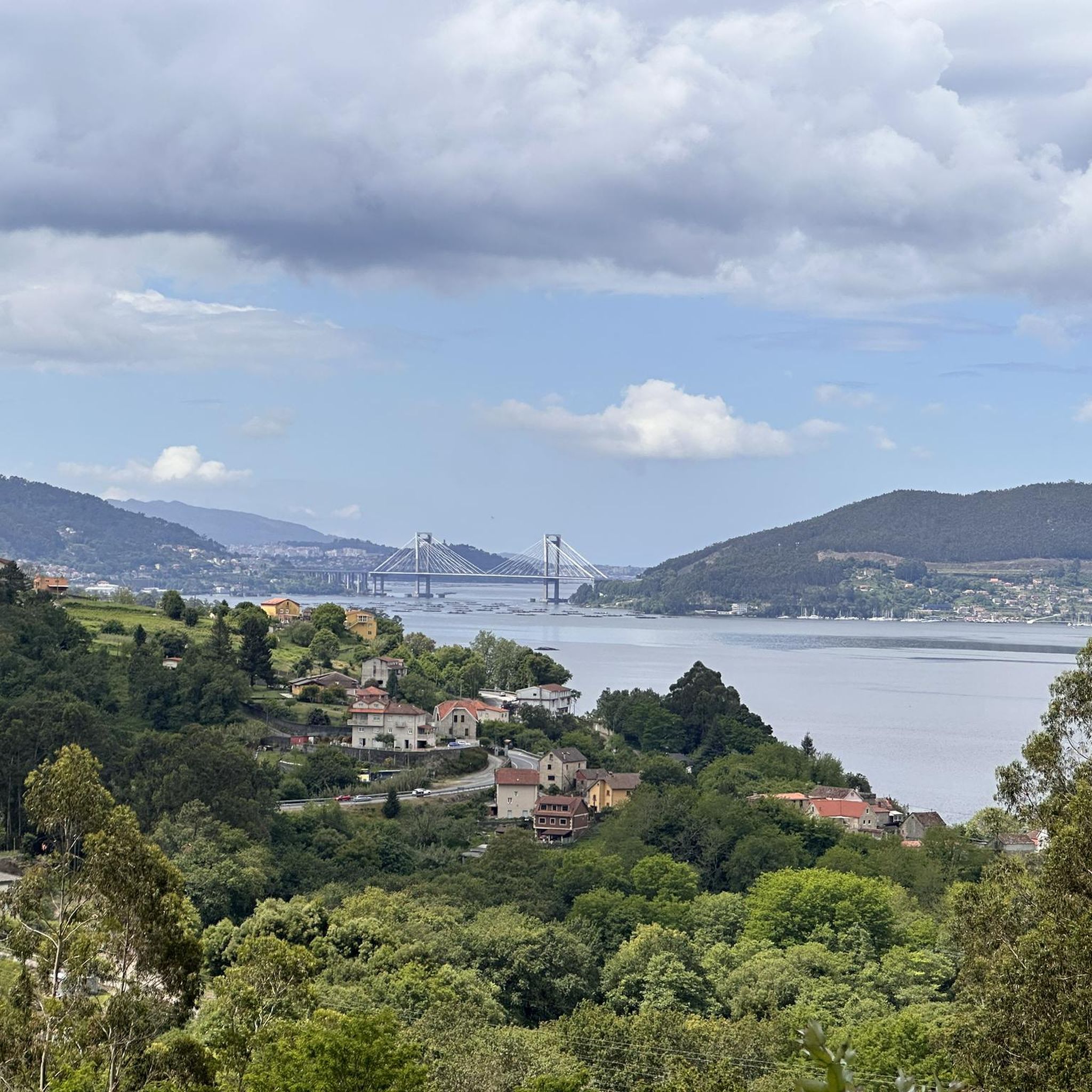
Visitors particularly appreciate the blend of historical charm and natural beauty. Many enjoy crossing the Tui-Valencia International Bridge, experiencing the unique feeling of connecting Spain and Portugal. The well-preserved Fortress of Valença is often highlighted for its grandeur and historical significance. The splendid natural environment surrounding the Roman Bridge of Orbenlle is also a favorite among those seeking serene landscapes.
Are there any ancient Roman sites or routes near O Porriño?
Yes, the area has connections to ancient Roman history. The Roman Bridge of Orbenlle, though medieval in its current form, stands over the Louro River and was part of the ancient Roman Via XIX. Similarly, the Ponte da Veiga, also known as the 'Roman Bridge,' was part of the same Via XIX, which connected Bracara (Braga, Portugal) with Santiago de Compostela.
What is the Portico of the Church of Santa María de la Asunción in Baiona?
The Portico of the Church of Santa María de la Asunción in Baiona is a significant religious building with a rich history. While its structure is primarily Romanesque, it features various decorative Gothic elements added later. This cathedral is considered the greatest artistic exponent of the city of Tui, with its construction beginning in 1120 and its fortified appearance, including crenellated towers.
Most popular routes around O Porriño
Most popular attractions around O Porriño

Get inspired with the komoot mobile app


Explore more
Still not found the Highlight you’re looking for? See guides of the top attractions in other regions:
