Attractions and Places To See around Manzanal De Arriba - Top 20
Best attractions and places to see around Manzanal De Arriba include a variety of historical sites, religious buildings, and natural river landscapes. This region offers 6 distinct highlights for exploration. The area features picturesque villages, ancient churches, and scenic river paths, providing diverse options for visitors. Manzanal De Arriba is characterized by its blend of cultural heritage and natural beauty, making it a destination for those interested in local history and outdoor discovery.
Best attractions and places to see around Manzanal De Arriba
- The most popular attractions is Hermitage of the Incarnation, a religious building that is a beautiful little Catholic church in Palacios de Sanabria. Parking is available nearby, along with cafes for refreshments.
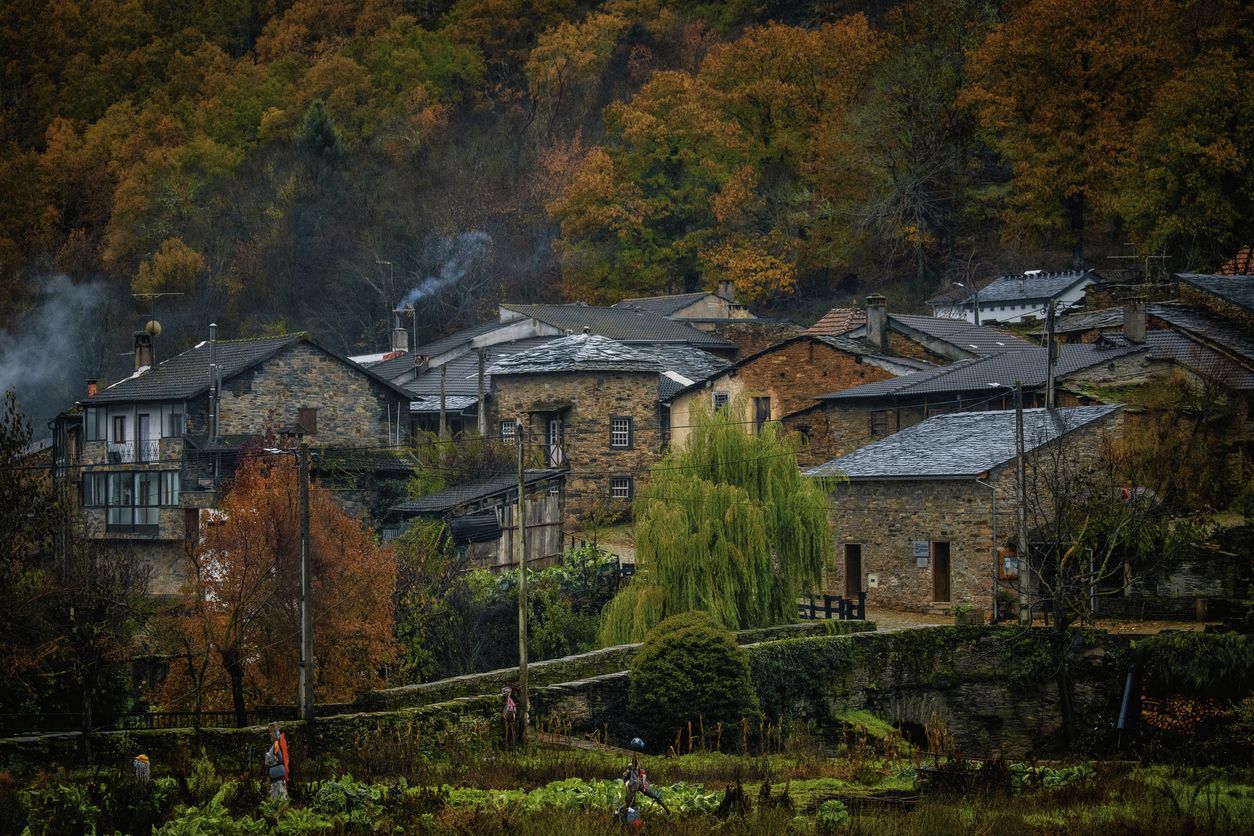
- Another must-see spot is Rio de Onor Village, a settlement and historical site. This picturesque border town on the banks of the Oñar River is known for its unique status as "one village, two countries" and offers magical views from the Ponte de Rio de Onor.
- Visitors also love Weir and Boardwalk of the Rio Onor, a river feature with a charming weir and boardwalk. This idyllic spot allows visitors to cross the river with the water murmuring beneath their feet, surrounded by a dazzling landscape.
- Manzanal De Arriba is known for its historical sites, religious buildings, and natural river features. Visitors can explore ancient churches, unique border villages, and tranquil river paths, offering a variety of attractions to see and explore.
- The attractions around Manzanal De Arriba are appreciated by the komoot community, with 20 upvotes and 52 photos shared by visitors.
Last updated: May 5, 2026
Rio de Onor Village
Highlight • Settlement
Translated by Google •
Tip by

Hermitage of the Incarnation
Highlight • Religious Site
Translated by Google •
Tip by
Sign up now to discover places like this
Get recommendations on the best single tracks, peaks, & plenty of other exciting outdoor places.
Sign up for free
Weir and Boardwalk of the Rio Onor
Highlight • River
Translated by Google •
Tip by

Historic Stone Church
Highlight • Religious Site
Here are the reasons why this "stone church" is special:
1. Architecture in Harmony with the Village
Unlike the whitewashed churches typical of the Alentejo region or the large granite cathedrals, this church blends perfectly with the landscape. Built of schist and local stone, it reflects the rustic architecture of the village itself. Its simple bell tower is a landmark in the landscape, visible from almost every point, but without breaking the visual harmony of the stone houses.
2. The Heart of a "Community Village"
Rio de Onor is famous for being one of the last community villages in Portugal (where ovens, mills, and flocks were shared). The church is the spiritual symbol of this union.
It's common to find the church decorated with fresh flowers picked by the inhabitants themselves, a sign of the affection and vibrant community that still resides there.
The churchyard often serves as a meeting point for the locals, where you can hear the local dialect (Rionorês) spoken.
3. The Surrounding Scenery
A visit to the church is not complete without looking around. It is situated in a position that allows privileged views of:
The Roman Bridge (which is actually from the 19th century) over the Onor River.
The green banks of the river, where you can cool off in the summer.
The subtle division between the "upper village" (Spain) and the "lower village" (Portugal), as the village is crossed by the border.
The church is often closed outside of worship hours, but the exterior beauty and peace of the place are worth the trip. If you're lucky enough to find one of the village ladies nearby, politely ask to see the inside—the simplicity is touching.
Translated by Google •
Tip by

Sanctuary of Our Lady of Remedies, Otero de Sanabria
Highlight • Religious Site
Translated by Google •
Tip by
Sign up for free to discover even more attractions around Manzanal De Arriba.
Sign up for free
Already have an account?
Start today with a free account
Your next adventure awaits.
Login or Signup
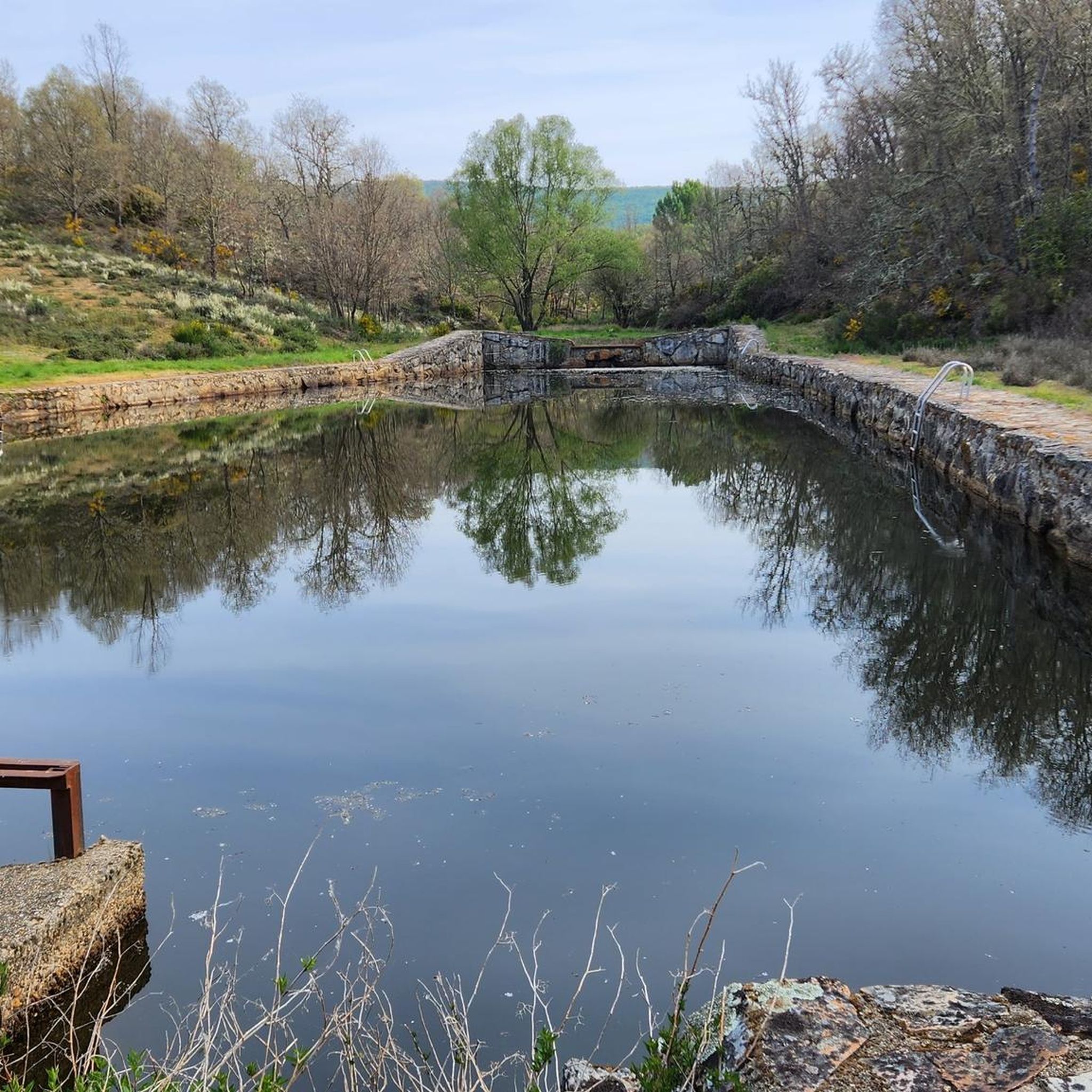
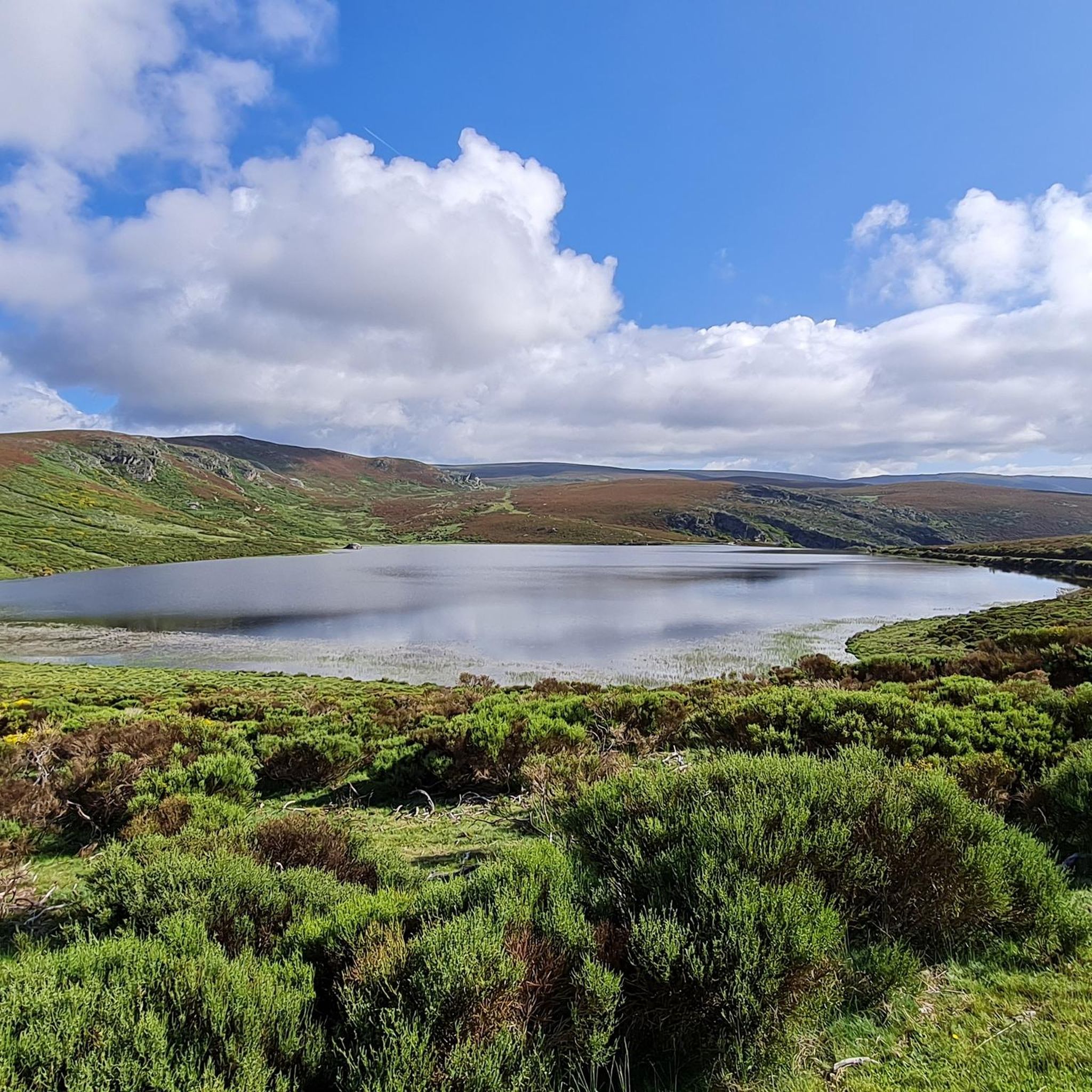
Other adventures around Manzanal De Arriba

Tips from the Community

The Parish Church of Rio de Onor (Church of St. John the Baptist) is worth visiting not for its monumentality or gold, but for its authenticity and setting. It is the heart of one of the most unique villages in Portugal. Here are the reasons why this "stone church" is special: 1. Architecture in Harmony with the Village Unlike the whitewashed churches typical of the Alentejo region or the large granite cathedrals, this church blends perfectly with the landscape. Built of schist and local stone, it reflects the rustic architecture of the village itself. Its simple bell tower is a landmark in the landscape, visible from almost every point, but without breaking the visual harmony of the stone houses. 2. The Heart of a "Community Village" Rio de Onor is famous for being one of the last community villages in Portugal (where ovens, mills, and flocks were shared). The church is the spiritual symbol of this union. It's common to find the church decorated with fresh flowers picked by the inhabitants themselves, a sign of the affection and vibrant community that still resides there. The churchyard often serves as a meeting point for the locals, where you can hear the local dialect (Rionorês) spoken. 3. The Surrounding Scenery A visit to the church is not complete without looking around. It is situated in a position that allows privileged views of: The Roman Bridge (which is actually from the 19th century) over the Onor River. The green banks of the river, where you can cool off in the summer. The subtle division between the "upper village" (Spain) and the "lower village" (Portugal), as the village is crossed by the border. The church is often closed outside of worship hours, but the exterior beauty and peace of the place are worth the trip. If you're lucky enough to find one of the village ladies nearby, politely ask to see the inside—the simplicity is touching.
1
0
Rio de Onor is not just a beautiful village; it's a "living museum" of a way of life that has almost disappeared in Europe. It's worth visiting because it is possibly the village with the most fascinating social history in Portugal. Here are the 4 main reasons to go there: 1. It's a Community Village ("Communitarianism") This is Rio de Onor's great trademark. For centuries, the village lived under a system of total sharing among neighbors, something very rare: Sharing of Goods: The bread oven, the watermill, and even the village bull belonged to everyone. The "Rod of Justice": Decisions and fines for infractions in the village were marked on a wooden rod, managed by the "judge" elected by the people. You can see this history explained at the Casa do Touro (House of the Bull), a small, unmissable museum in the village. 2. One Village, Two Countries Rio de Onor is a village bisected by the international border. On this side is Rio de Onor (Portugal); on the other side is Rihonor de Castilla (Spain). For the inhabitants, the border never really existed: they share land, livestock, and even speak their own dialect (Rionorês), an ancient mixture of Portuguese and Castilian. It's very curious to cross from one country to the other on foot in the middle of the main street. 3. The Schist Landscape and Nature Located in the Montesinho Natural Park, the village is visually stunning. The houses are made of dark schist with wooden balconies, typical of Trás-os-Montes, and are very well preserved. The Onor River, which crosses the village, has clear waters and creates a very pleasant natural river beach in the summer, perfect for picnics. 4. The "Roman" Bridge The old stone bridge (which is actually from the 19th century, despite its popular name) is the village's postcard image. The reflection of the arches in the water with the schist houses in the background creates one of the most photogenic landscapes in Northern Portugal. Visiting Rio de Onor is like stepping back in time and understanding how communities survived in isolation in the mountains, supporting each other. It's a lesson in life and history in an incredible natural setting.
2
0

The trail follows the banks of the River Onor until it takes you to a charming weir, or small dam, where you can cross the river with the water murmuring beneath your feet. An idyllic spot, where the landscape is dazzling and the sound of the stream soothes you.
2
0

Rio de Onor is a sleepy little village right on the Portugal/Spain border. The drive through it is a challenging one and absolutely not recommended for larger campervans.
3
1

Rio de Onor is one of the most emblematic villages in Bragança and the Montesinho Natural Park, and was elected the 7th Wonder of Portugal in 2017 – a village in a protected area. Crossing the border with Spain, on one side is Rio de Onor, and on the other, Rihonor de Castilla, which is why it is said to be “one village, two countries”!
5
0

Striking border town, half in Spain called Riohonor and half in Portugal, Río de Onor. At the exit on the Portuguese side there is a campsite with a bar
3
0

Picturesque border town on the banks of the Oñar River. The views from the Ponte de Rio de Onor are magical.
3
0
Picturesque town on the banks of the Onar river. The views from the Ponte de Rio de Onor are magical.
2
0
Frequently Asked Questions
What historical and cultural sites can I explore around Manzanal De Arriba?
The region is rich in historical and cultural sites. You can visit the Rio de Onor Village, a unique border town known as 'one village, two countries'. Religious buildings like the Hermitage of the Incarnation in Palacios de Sanabria, the Historic Stone Church (Parish Church of Rio de Onor), and the Sanctuary of Our Lady of Remedies, Otero de Sanabria offer insights into the local heritage and architecture.
Are there any natural attractions or scenic spots to visit?
Yes, the area features beautiful natural river landscapes. A notable spot is the Weir and Boardwalk of the Rio Onor, where you can cross the river with water murmuring beneath your feet, surrounded by a dazzling landscape. The Rio de Onor Village also offers magical views from the Ponte de Rio de Onor, overlooking the Oñar River.
What outdoor activities are available near Manzanal De Arriba?
The region offers various outdoor activities, particularly cycling and running. You can find numerous routes for touring bicycles, road cycling, and jogging. For detailed routes and guides, explore the Cycling around Manzanal De Arriba, Road Cycling Routes around Manzanal De Arriba, and Running Trails around Manzanal De Arriba guides.
Are there family-friendly attractions in the area?
Yes, several attractions are suitable for families. The Rio de Onor Village is a picturesque historical site that families can enjoy exploring. The Hermitage of the Incarnation is also considered family-friendly, offering a peaceful visit to a local church.
Where can I find parking when visiting attractions?
When visiting the Hermitage of the Incarnation in Palacios de Sanabria, parking is available nearby. For other attractions, it's advisable to check local signage or inquire in the respective villages for convenient parking options.
What do visitors enjoy most about the attractions in Manzanal De Arriba?
Visitors appreciate the blend of cultural heritage and natural beauty. The unique status and magical views of Rio de Onor Village are highly praised. The tranquil experience of crossing the Weir and Boardwalk of the Rio Onor with the sound of the stream is also a favorite. The authenticity and setting of the Historic Stone Church are also frequently highlighted.
Are there any easy walks or trails suitable for all abilities?
While many routes in the area are rated as moderate to difficult, the Weir and Boardwalk of the Rio Onor offers a charming and relatively easy path along the river, allowing visitors to enjoy the natural landscape. For more extensive walking options, you can explore the Running Trails around Manzanal De Arriba guide, which includes some shorter, moderate routes.
Can I find places to eat or drink near the attractions?
Yes, when visiting the Hermitage of the Incarnation in Palacios de Sanabria, there are cafes nearby for refreshments. In villages like Rio de Onor Village, you may find local establishments offering food and drinks, providing a taste of the regional cuisine.
What is the best way to experience the 'one village, two countries' aspect of Rio de Onor?
To fully appreciate the unique status of Rio de Onor Village, take time to walk through both sides of the village. The Historic Stone Church is situated in a position that offers views of the subtle division between the 'upper village' (Spain) and the 'lower village' (Portugal), as the village is crossed by the border.
Are there any hidden gems or less-known spots worth discovering?
The Historic Stone Church (Parish Church of Rio de Onor) is considered a hidden gem, not for its grandeur but for its authenticity and its role as the heart of one of Portugal's most unique community villages. Its architecture blends perfectly with the landscape, offering a genuine cultural experience.
What kind of architecture can I expect to see in the villages?
The villages around Manzanal De Arriba, such as Otero de Sanabria, feature typical houses built of stone and slate. The Historic Stone Church in Rio de Onor is a prime example, built of schist and local stone, reflecting the rustic architecture and blending seamlessly with its surroundings.
Most popular routes around Manzanal De Arriba
Most popular attractions around Manzanal De Arriba

Get inspired with the komoot mobile app


Explore more
Still not found the Highlight you’re looking for? See guides of the top attractions in other regions:
