Attractions and Places To See around Puebla De Sanabria - Top 20
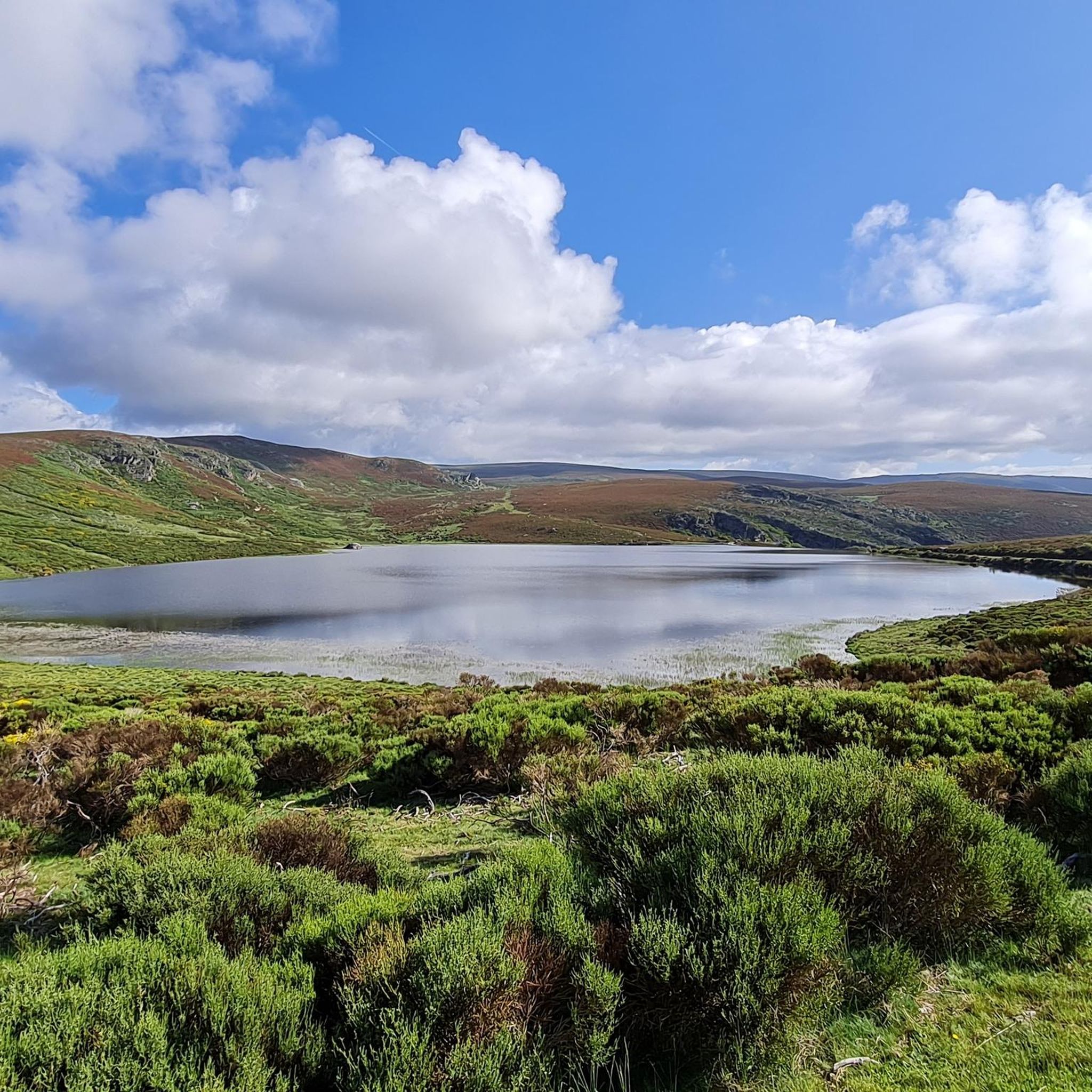
Attractions and places to see around Puebla De Sanabria include a rich blend of history, culture, and natural beauty. This Historic-Artistic Site is nestled between the Tera and Castro rivers, offering a distinctive medieval ambiance with its cobbled streets and traditional stone houses. The region is home to Lake Sanabria, the largest glacial lake in Spain, and the Sanabria Nature Park, known for its glacial origins, diverse canyons, and numerous lagoons.
Best attractions and places to see around Puebla De Sanabria
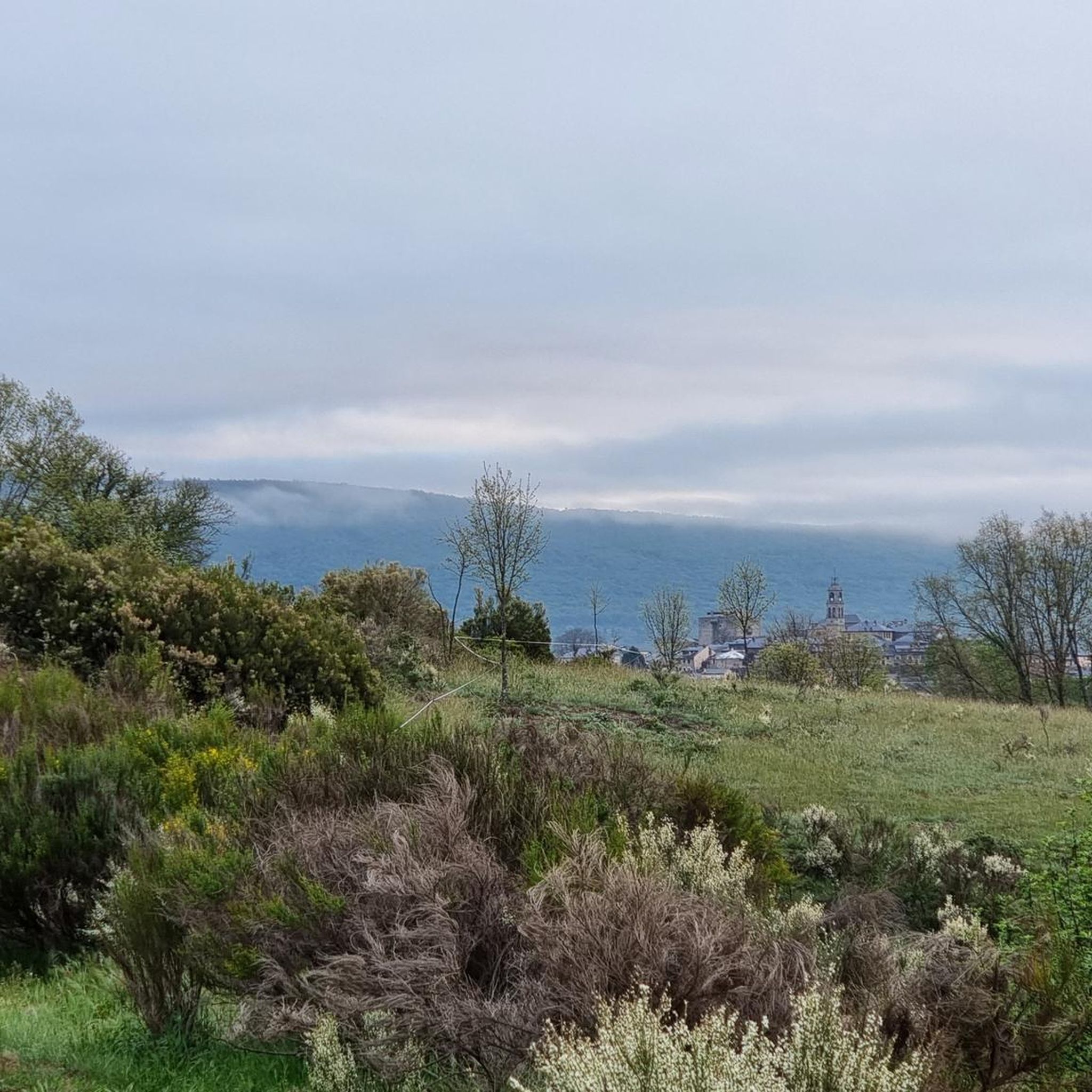
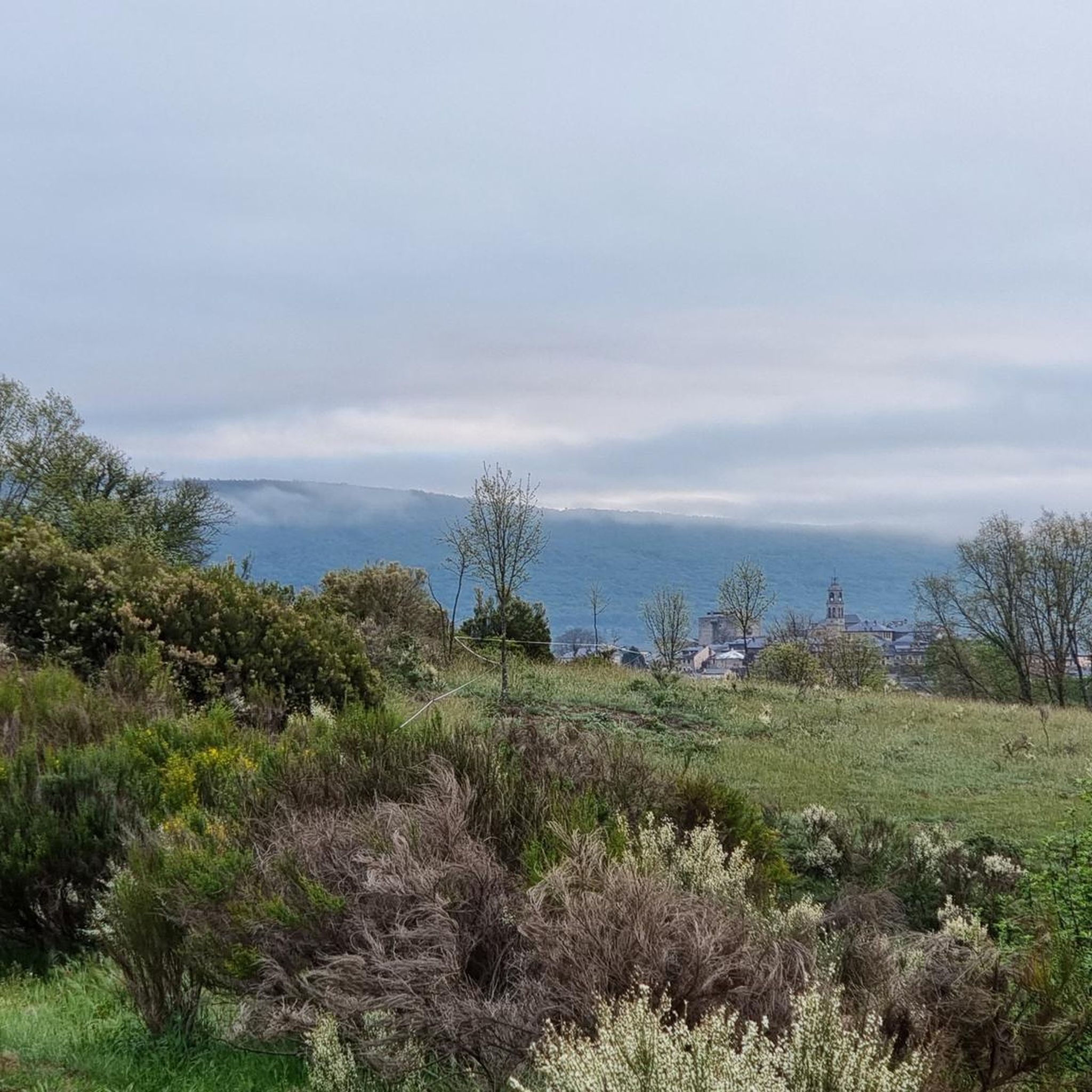
- The most popular attractions is Old Town of Puebla de Sanabria, a settlement known for its traditional houses and historic complex. It serves as a starting point for hiking and mountain biking routes due to its proximity to Lake Sanabria.
- Another must-see spot is Sotillo Waterfall, a waterfall approximately 20 meters high, formed by the Arroyo de Pingón. This natural feature is particularly impressive in spring and after rain, offering an ideal location for hiking.
- Visitors also love Castle of the Counts of Benavente, a 15th-century fortress that dominates the town from a hill. It houses a museum, a public library, and the Center for Fortifications, providing insight into the region's military history.
- Puebla De Sanabria is known for its historical sites, natural parks, and traditional villages. Visitors can explore ancient castles, glacial lakes, and picturesque settlements.
- The attractions around Puebla De Sanabria are appreciated by the komoot community, with 24 upvotes and 19 photos shared by visitors.
Last updated: July 16, 2026
Castle of the Counts of Benavente
Highlight • Castle
Translated by Google •
Tip by

Rio de Onor Village
Highlight • Settlement
Translated by Google •
Tip by

Sign up now to discover places like this
Get recommendations on the best single tracks, peaks, & plenty of other exciting outdoor places.
Sign up for free
Old Town of Puebla de Sanabria
Highlight • Settlement
Translated by Google •
Tip by

View of Lake Sanabria from Arenales Beach
Highlight • Beach
Translated by Google •
Tip by

Parish of Saint James the Apostle
Highlight • Religious Site
Translated by Google •
Tip by

Sign up for free to discover even more attractions around Puebla De Sanabria.
Sign up for free
Already have an account?
Start today with a free account
Your next adventure awaits.
Login or Signup
Popular around Puebla De Sanabria
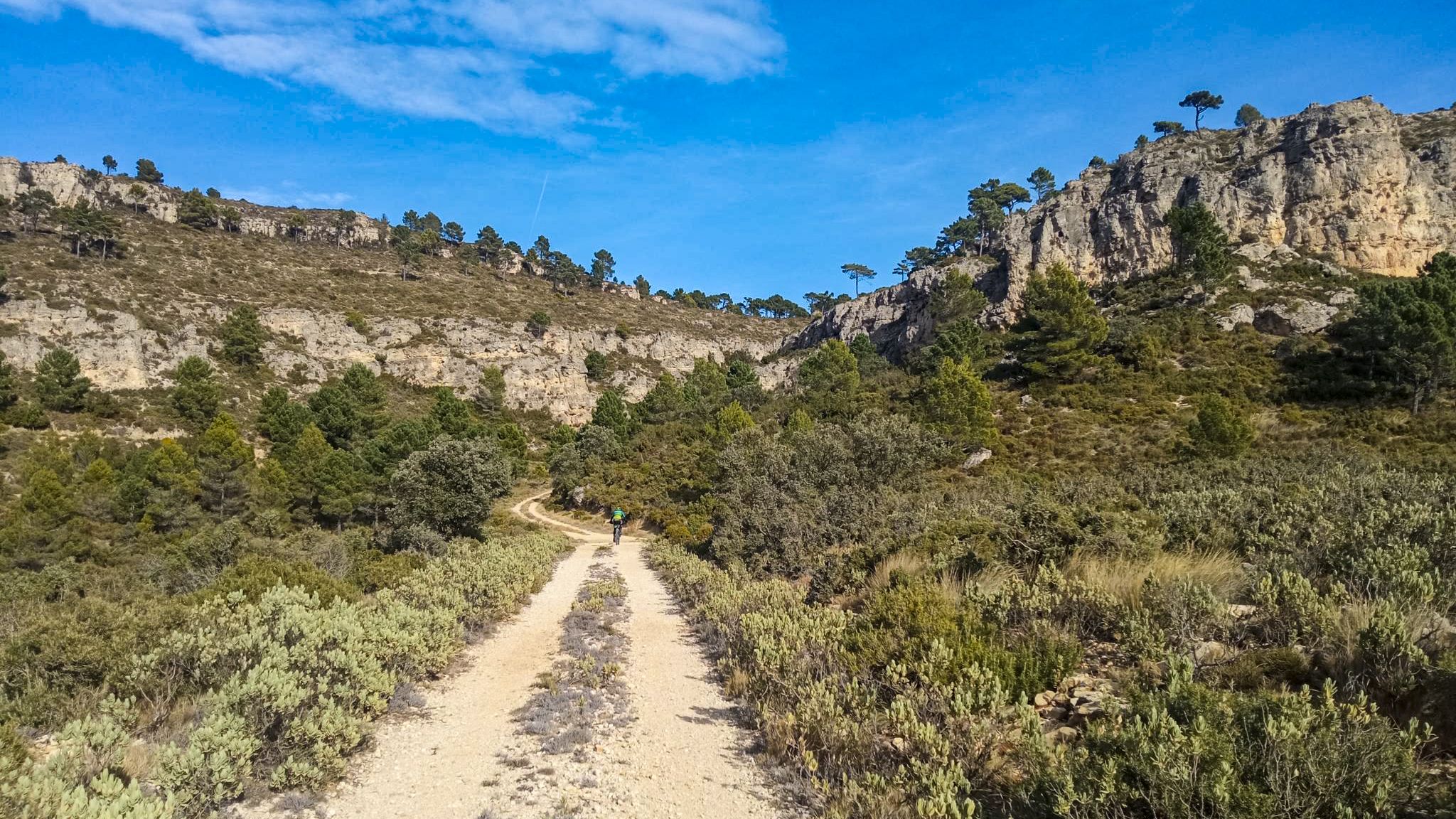
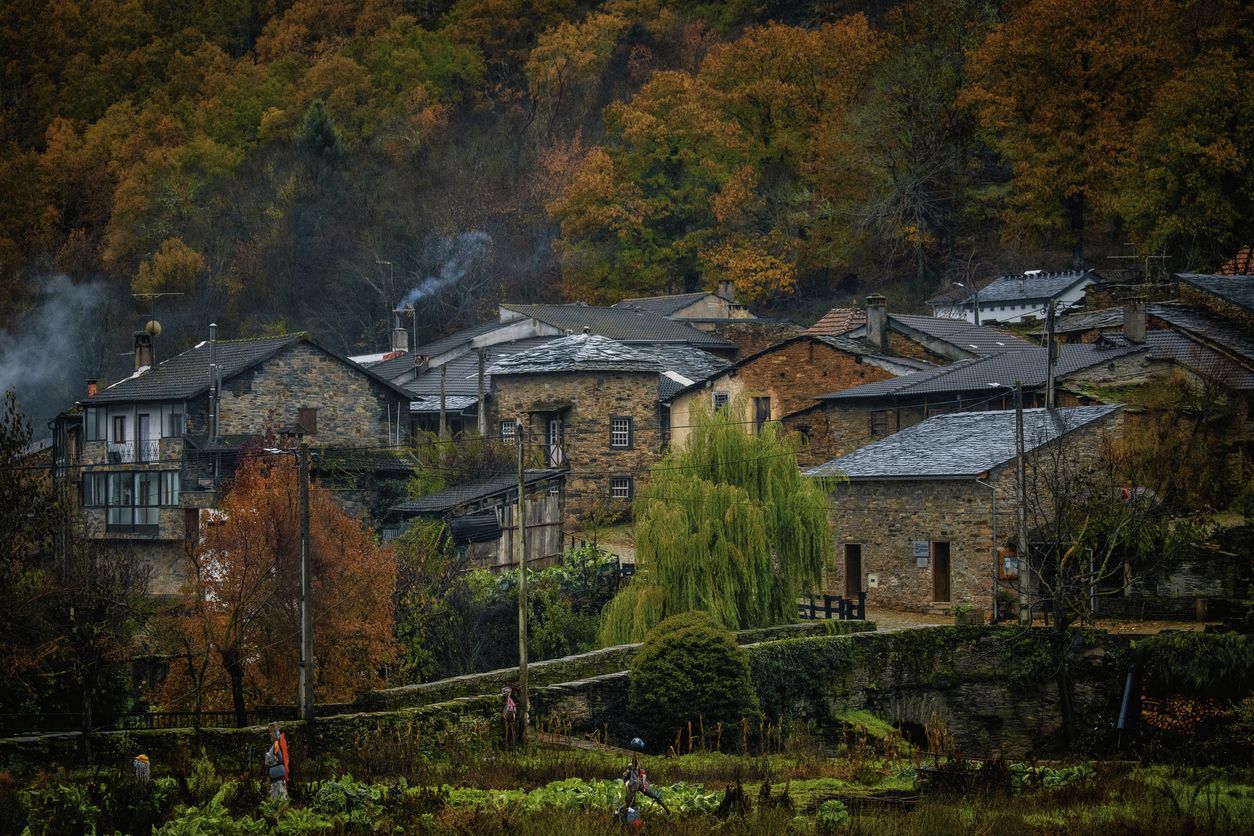
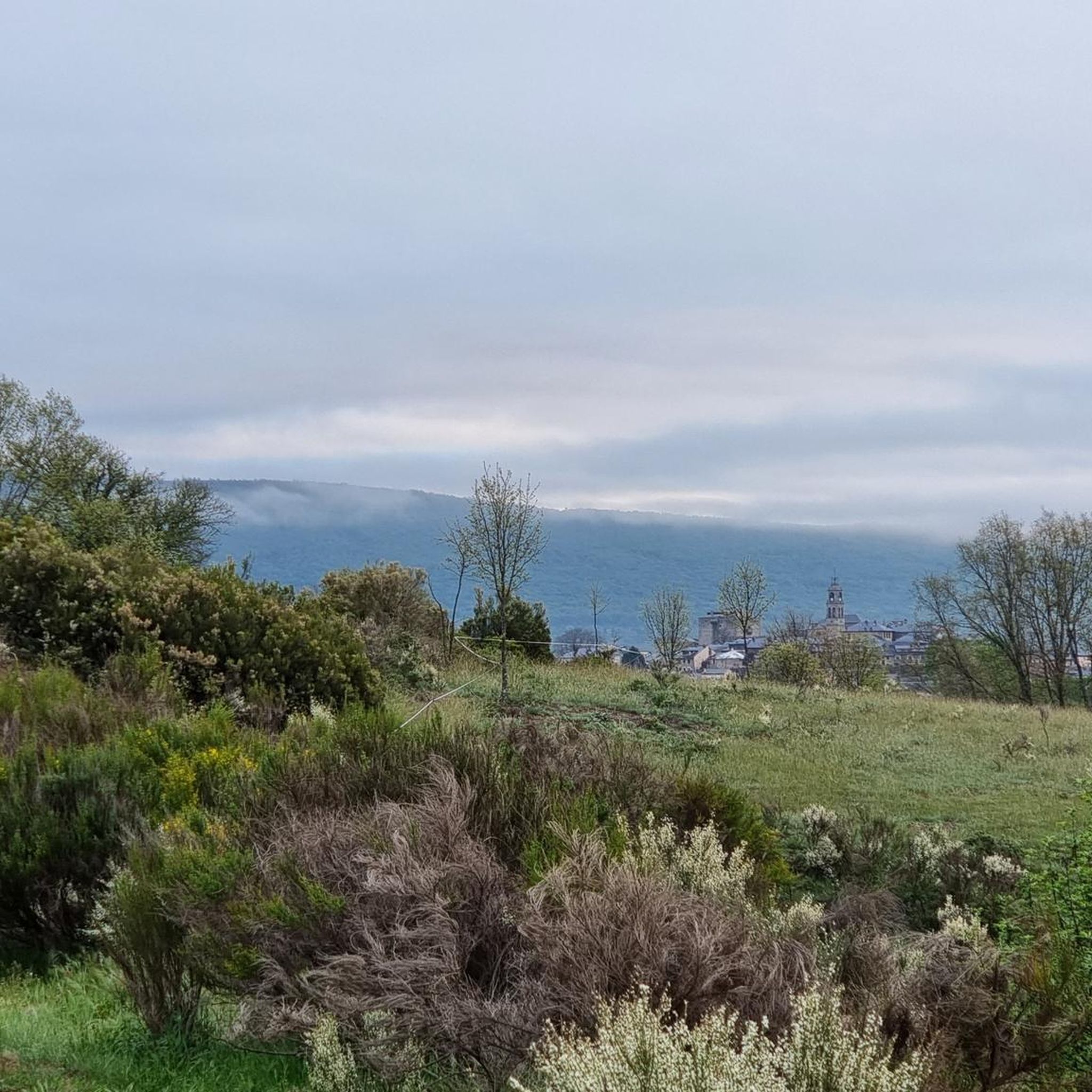
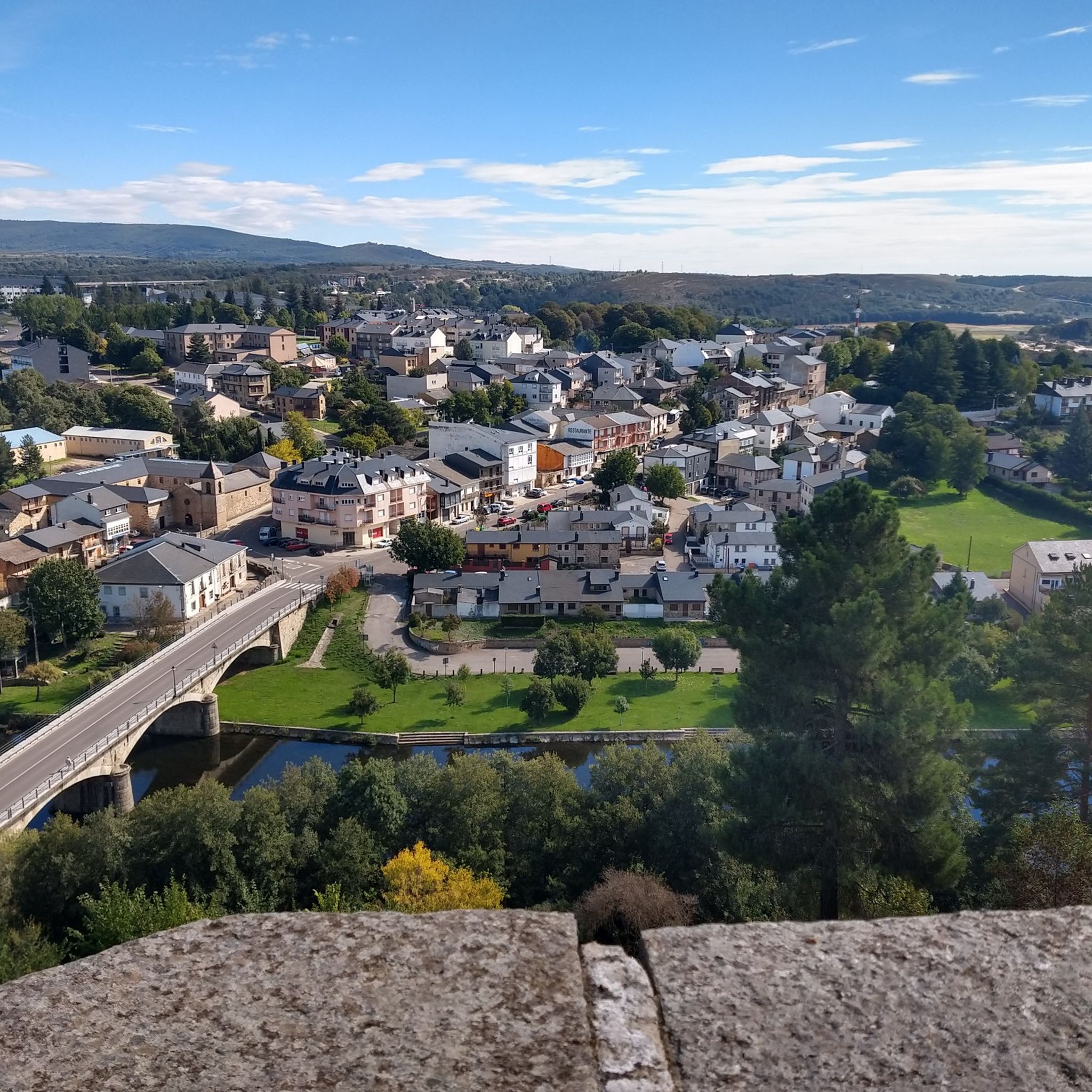


Tips from the Community

The fact that a place on the Iberian Peninsula is included in the list of the three most famous pilgrimage destinations in the Christian world – along with Jerusalem and Rome – is thanks to one of Jesus' apostles, who is said to have preached here. After his martyrdom, which is briefly reported in the Acts of the Apostles, his body miraculously found its final resting place here: Saint James the Greater. A small local sanctuary was initially built over his grave; later, a city developed that even bears his name (Santiago de Compostela), and the church in his honor became a cathedral, i.e., a bishop's church. According to national legend, Saint James also played a key role in the reconquest of the Iberian Peninsula from the Moors and is the patron saint of Spain.
0
0

Rio de Onor is not just a beautiful village; it's a "living museum" of a way of life that has almost disappeared in Europe. It's worth visiting because it is possibly the village with the most fascinating social history in Portugal. Here are the 4 main reasons to go there: 1. It's a Community Village ("Communitarianism") This is Rio de Onor's great trademark. For centuries, the village lived under a system of total sharing among neighbors, something very rare: Sharing of Goods: The bread oven, the watermill, and even the village bull belonged to everyone. The "Rod of Justice": Decisions and fines for infractions in the village were marked on a wooden rod, managed by the "judge" elected by the people. You can see this history explained at the Casa do Touro (House of the Bull), a small, unmissable museum in the village. 2. One Village, Two Countries Rio de Onor is a village bisected by the international border. On this side is Rio de Onor (Portugal); on the other side is Rihonor de Castilla (Spain). For the inhabitants, the border never really existed: they share land, livestock, and even speak their own dialect (Rionorês), an ancient mixture of Portuguese and Castilian. It's very curious to cross from one country to the other on foot in the middle of the main street. 3. The Schist Landscape and Nature Located in the Montesinho Natural Park, the village is visually stunning. The houses are made of dark schist with wooden balconies, typical of Trás-os-Montes, and are very well preserved. The Onor River, which crosses the village, has clear waters and creates a very pleasant natural river beach in the summer, perfect for picnics. 4. The "Roman" Bridge The old stone bridge (which is actually from the 19th century, despite its popular name) is the village's postcard image. The reflection of the arches in the water with the schist houses in the background creates one of the most photogenic landscapes in Northern Portugal. Visiting Rio de Onor is like stepping back in time and understanding how communities survived in isolation in the mountains, supporting each other. It's a lesson in life and history in an incredible natural setting.
2
0

Rio de Onor is a sleepy little village right on the Portugal/Spain border. The drive through it is a challenging one and absolutely not recommended for larger campervans.
3
1

Rio de Onor is one of the most emblematic villages in Bragança and the Montesinho Natural Park, and was elected the 7th Wonder of Portugal in 2017 – a village in a protected area. Crossing the border with Spain, on one side is Rio de Onor, and on the other, Rihonor de Castilla, which is why it is said to be “one village, two countries”!
5
0

very nice place. Was recently voted one of the 10 most beautiful places in Spain. A bit touristy, but not overcrowded
2
1

Beautiful routes with spectacular viewpoints over the Lake on the Monks Route. During this time of year with the heat, it is better to do it at dawn until 1 pm maximum or after 7:00 pm.
0
1

Personally, I don't like this area a lot. I have seen hares, rabbits, deer, wolves and it's always quiet. I always go alone and explore paths
2
0

Built in the s. XV by the Pimentel family after taking control of the region, the fortress would witness the wars with Portugal in the s. XVIII and the War of Independence, when Portuguese soldiers would face the Serrar Division of the French army.
0
0
Frequently Asked Questions
What natural attractions can I explore around Puebla de Sanabria?
The region is rich in natural beauty. You can visit Sotillo Waterfall, a beautiful 20-meter waterfall ideal for hiking, or explore Lake Sanabria, the largest glacial lake in Spain. The Sanabria Nature Park, encompassing the lake, offers sensational landscapes with valleys, lagoons, and diverse terrains for trekking, including the significant Laguna de los Peces.
Are there historical sites to visit in Puebla de Sanabria?
Yes, Puebla de Sanabria is a Historic-Artistic Site. Key historical attractions include the magnificent 15th-century Castle of the Counts of Benavente, the 15th-century City Hall in the main square, and the well-preserved City Walls. The Old Town of Puebla de Sanabria itself is a historic quarter with cobbled streets and traditional stone houses.
What activities are available at Lake Sanabria?
Lake Sanabria is an ideal spot for various activities. You can enjoy boating, swimming at beaches like View of Lake Sanabria from Arenales Beach, and simply enjoying the scenic mountain backdrop. The surrounding Sanabria Nature Park offers extensive opportunities for hiking and exploring glacial landscapes.
Are there family-friendly attractions in the area?
Many attractions in Puebla de Sanabria are suitable for families. The Castle of the Counts of Benavente is family-friendly and offers historical insight. The Old Town of Puebla de Sanabria is great for a stroll, and Arenales Beach at Lake Sanabria is perfect for swimming and relaxing with children. The Rio de Onor Village also offers a unique cultural experience for all ages.
Where can I go hiking or walking near Puebla de Sanabria?
The region offers numerous hiking and walking routes. You can find trails along the Tera River, to the Cañón del río Cárdenas, and around the Sotillo Waterfall and Laguna de los Peces. The Sanabria Nature Park provides diverse terrains for trekking. For more detailed routes, explore the hiking guides around Puebla De Sanabria on komoot.
Can I find cycling routes around Puebla de Sanabria?
Yes, there are several cycling opportunities. You can find road cycling routes, MTB trails, and general cycling tours around Puebla de Sanabria. For example, there are routes like 'Puebla de Sanabria – tour around San Ciprián and Trefacio' for road cycling, or 'Ruta Puebla - Lago de Sanabria' for MTB. You can find more options in the Road Cycling Routes around Puebla De Sanabria, MTB Trails around Puebla De Sanabria, and Cycling around Puebla De Sanabria guides.
What is the <a href="https://www.komoot.com/highlight/4708534" target="_blank" rel="noopener">Sotillo Waterfall</a> like, and how can I visit it?
The Sotillo Waterfall is a beautiful 20-meter waterfall formed by the Arroyo de Pingón. It's particularly impressive in spring and after rain. It's located in Sotillo de Sanabria and is a popular destination for hiking, offering scenic paths. It's considered one of the most spectacular hiking trails in Castile and León.
What can I expect when visiting the <a href="https://www.komoot.com/highlight/910086" target="_blank" rel="noopener">Castle of the Counts of Benavente</a>?
The Castle of the Counts of Benavente is a commanding 15th-century fortress offering spectacular views of the Tera River and the surrounding area. Inside, it houses a museum, a public library, a cultural center, and the Center for Fortifications, providing insight into the region's military history. It's a significant landmark that played a role in wars with Portugal and the War of Independence.
Is there a place to swim or relax by the water?
Yes, Lake Sanabria is perfect for this. Arenales Beach (also known as Playa de Los Enanos) offers beautiful views of the lake, sandy soil with stones, and green areas for relaxation. It's advisable to wear water shoes due to stones in the bathing area. There are also beach bars nearby for refreshments.
What makes the <a href="https://www.komoot.com/highlight/1679368" target="_blank" rel="noopener">Rio de Onor Village</a> unique?
Rio de Onor Village is a picturesque border town on the banks of the Onar river, known for its magical views from the Ponte de Rio de Onor bridge. It's unique for being 'one village, two countries,' as it crosses the border with Spain, with Rihonor de Castilla on the Spanish side. It's an emblematic village within the Montesinho Natural Park.
What is the best time of year to visit Puebla de Sanabria for outdoor activities?
Spring and early autumn are generally ideal for outdoor activities in Puebla de Sanabria, offering pleasant temperatures for hiking and exploring. The Sotillo Waterfall is particularly impressive in spring and after rain. Summer is also popular, especially for activities around Lake Sanabria like swimming, though temperatures can be higher.
Are there any unique cultural experiences in Puebla de Sanabria?
Beyond the historical sites, Puebla de Sanabria offers unique cultural experiences. You can explore the traditional architecture of the Old Town, visit the Church of Santa María del Azogue with its Romanesque features, or discover the Museum of Giants and Big-Heads, which showcases a unique local tradition. The Mercado Medieval de Puebla de Sanabria also offers a glimpse into the past.
What do visitors say about the <a href="https://www.komoot.com/highlight/3834068" target="_blank" rel="noopener">Old Town of Puebla de Sanabria</a>?
Visitors appreciate the Old Town of Puebla de Sanabria for its traditional houses and historic complex. It's often described as a charming place to stroll through its streets and discover its medieval ambiance. It also serves as a convenient starting point for many hiking and mountain biking routes due to its proximity to Lake Sanabria.
Most popular routes around Puebla De Sanabria
Most popular attractions around Puebla De Sanabria

Get inspired with the komoot mobile app


Explore more
Still not found the Highlight you’re looking for? See guides of the top attractions in other regions:
