Attractions and Places To See around Casares - Top 20
Best attractions and places to see around Casares, a historic "white village" in Andalusia, Spain, offers a blend of historical landmarks, natural features, and cultural sites. Declared a Historic-Artistic Site, the town is situated in the mountains, providing panoramic views of the surrounding landscape, the Mediterranean Sea, and the African coast. Visitors can explore its narrow streets and discover diverse points of interest.
Best attractions and places to see around Casares
- The most popular attractions is Estepona Old Town, a settlement that captivates with its typical Andalusian charm, whitewashed houses, and flower-bedecked streets. The Plaza de las Flores serves as the heart of this area, offering a picturesque square with cafes and restaurants.
- Another must-see spot is Gaucín, a white town in the province of Malaga located in the Genal valley. This settlement is characterized by a mound crowned by the ruins of the Castillo del Águila fortress, offering historical insights and scenic views.
- Visitors also love Punta de la Doncella Lighthouse, a man-made monument located at Punta de la Doncella. This historical site serves as a navigational aid for ships in the Mediterranean and offers a notable viewpoint.
- Casares is known for its historical landmarks like Casares Castle, natural features such as the Baños de la Hedionda, and cultural sites including La Casa Natal de Blas Infante. These diverse attractions offer a range of experiences for exploration.
- The attractions around Casares are appreciated by the komoot community, with more than 90 upvotes and over 120 photos shared.
Last updated: August 16, 2026
La Hedionda Roman Baths
Highlight • Historical Site
Tip by

Estepona Old Town
Highlight • Settlement
Showing Translation
Tip by

Sign up now to discover places like this
Get recommendations on the best single tracks, peaks, & plenty of other exciting outdoor places.
Sign up for free
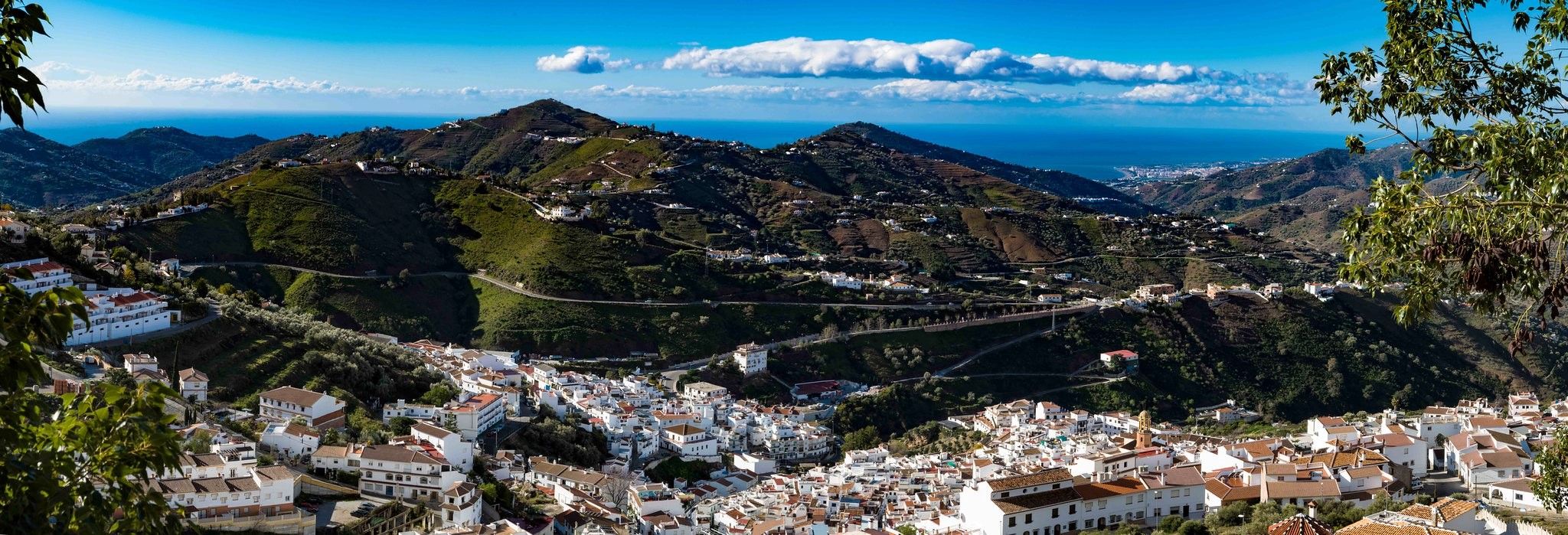
Gaucín
Highlight • Settlement
The most characteristic is the mound crowned by the castle of the Eagle. It is the first town between the Campo de Gibraltar and the Serranía de Ronda.
Translated by Google •
Tip by

Punta de la Doncella Lighthouse
Highlight • Monument
Translated by Google •
Tip by

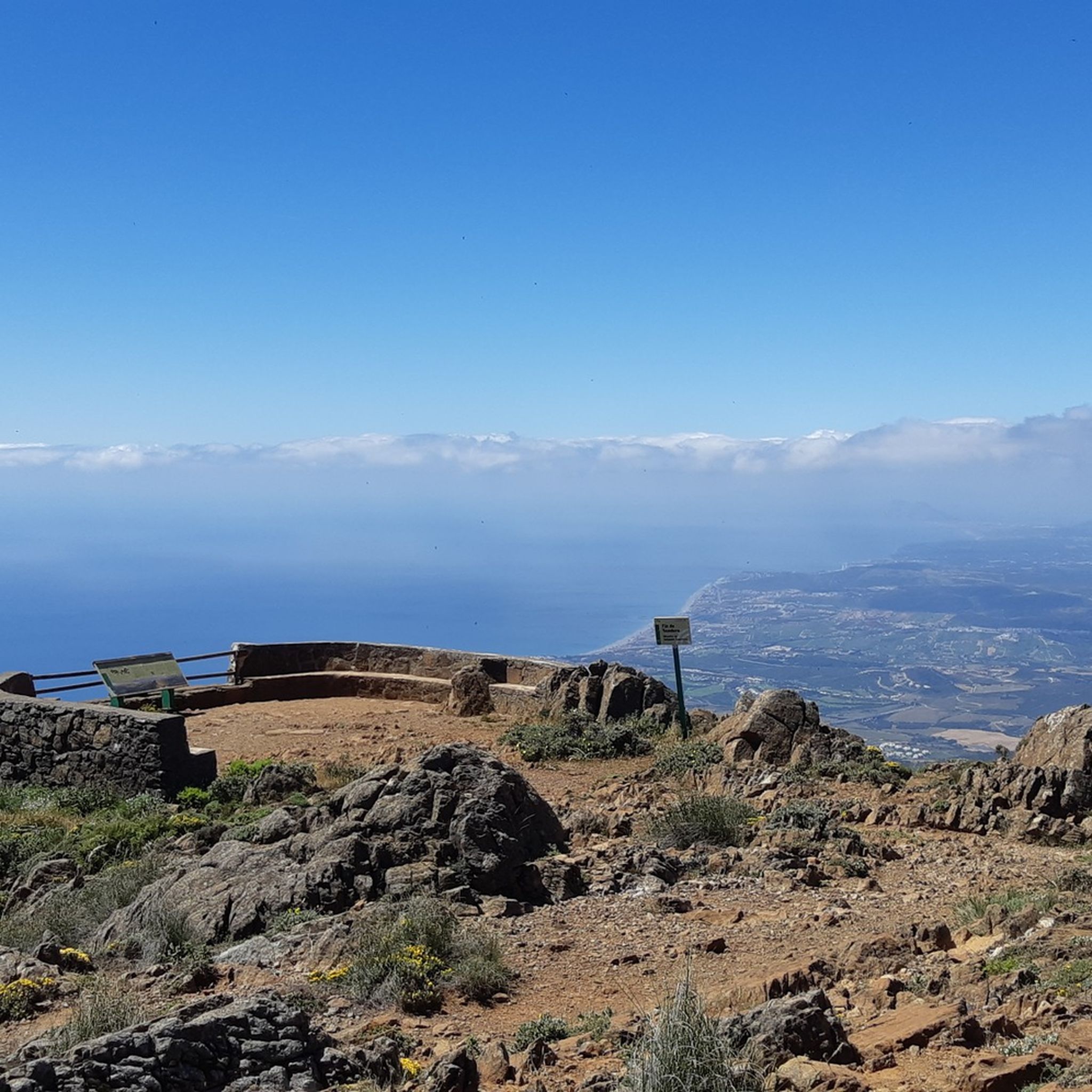
View from the peak of Los Reales
Highlight • Summit
Showing Translation
Tip by

Sign up for free to discover even more attractions around Casares.
Sign up for free
Already have an account?
Start today with a free account
Your next adventure awaits.
Login or Signup

Other adventures around Casares

Tips from the Community

Known as "the garden of the Costa del Sol", the old town of Estepona surprises with its whitewashed pedestrian streets, decorated with hundreds of flowerpots of all colors. In the heart of the neighborhood, the Plaza de las Flores brings together orange trees, terraces, and the most lively atmosphere of the town.
0
0
Known as "the garden of the Costa del Sol", the old town of Estepona surprises with its whitewashed pedestrian streets, decorated with hundreds of flowerpots of all colors. In the heart of the neighborhood, the Plaza de las Flores brings together orange trees, terraces, and the liveliest atmosphere of the town.
1
0

The Roman Baths of La Hedionda combine ancient history with a beautiful riverside setting. The riverbed is accessible to walkers, but please stay on the established trail and respect the privacy of the nearby finca and its residents - don't take a shortcut through private property.
0
0

Freely accessible area with a natural sulfur bath!
0
0

The route between 2 and 3 / above the Baths is supposed to continue through the dry riverbed, not through the private finca as it's very disturbing for the people who live there. Please stop robbing their fruit trees and disturbing their peace, it's not a zoo, it's a PRIVATE PROPERTY. Please enjoy your walk and continue through the riverbed
0
0
The route above 2 where the loop is / above the Baths is supposed to continue through the dry riverbed, not through the private finca as it's very disturbing for the people who live there. Please stop robbing their fruit trees and disturbing their peace, it's not a zoo, it's a PRIVATE PROPERTY. Please enjoy your walk and continue through the riverbed
0
0

The Roman Baths of La Hedionda – an ancient thermal bath dating back to the time of Julius Caesar. Sulfurous healing waters, millennia-old walls and a fascinating glimpse into Roman bathing culture amidst the natural beauty of the Manilva Gorge.
0
0
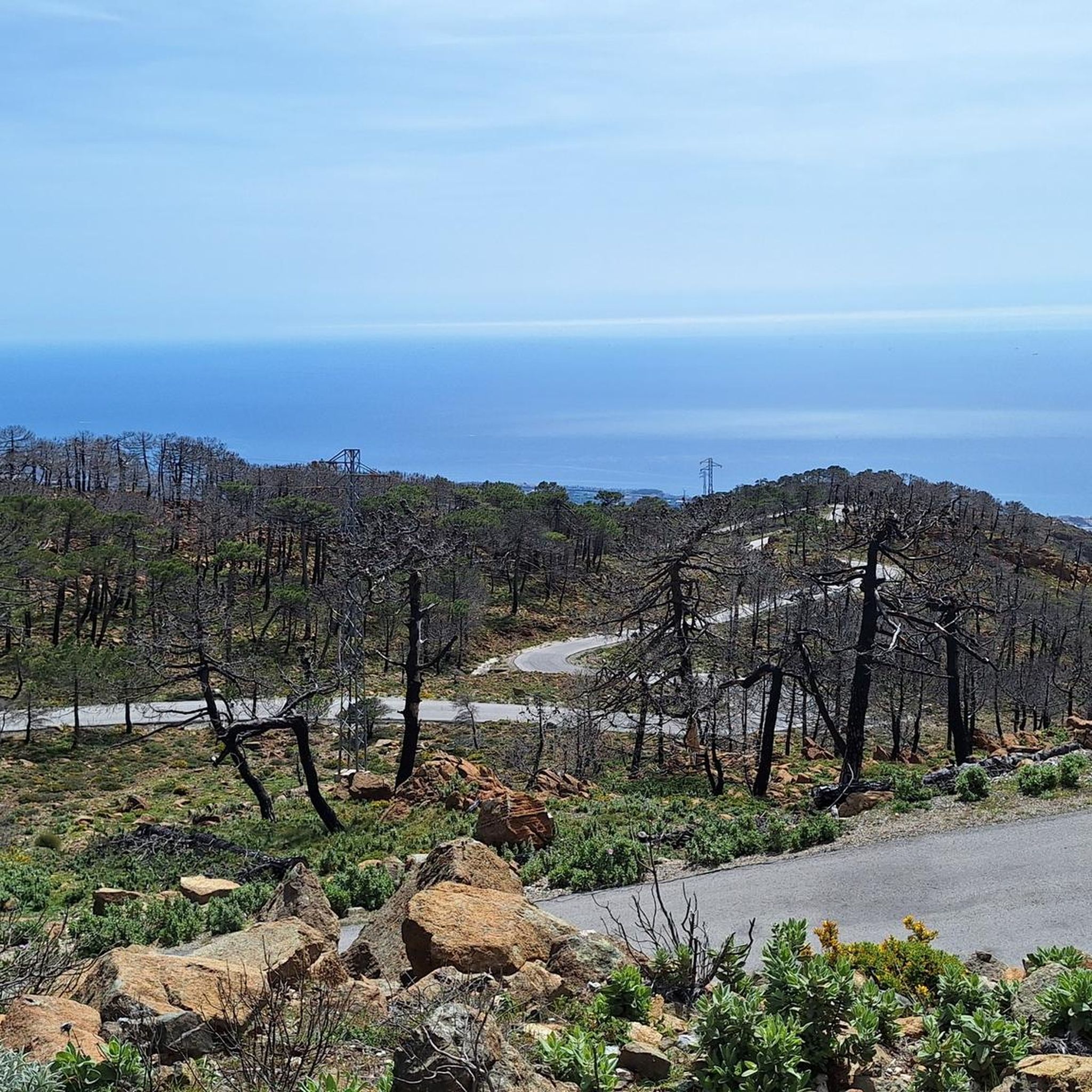
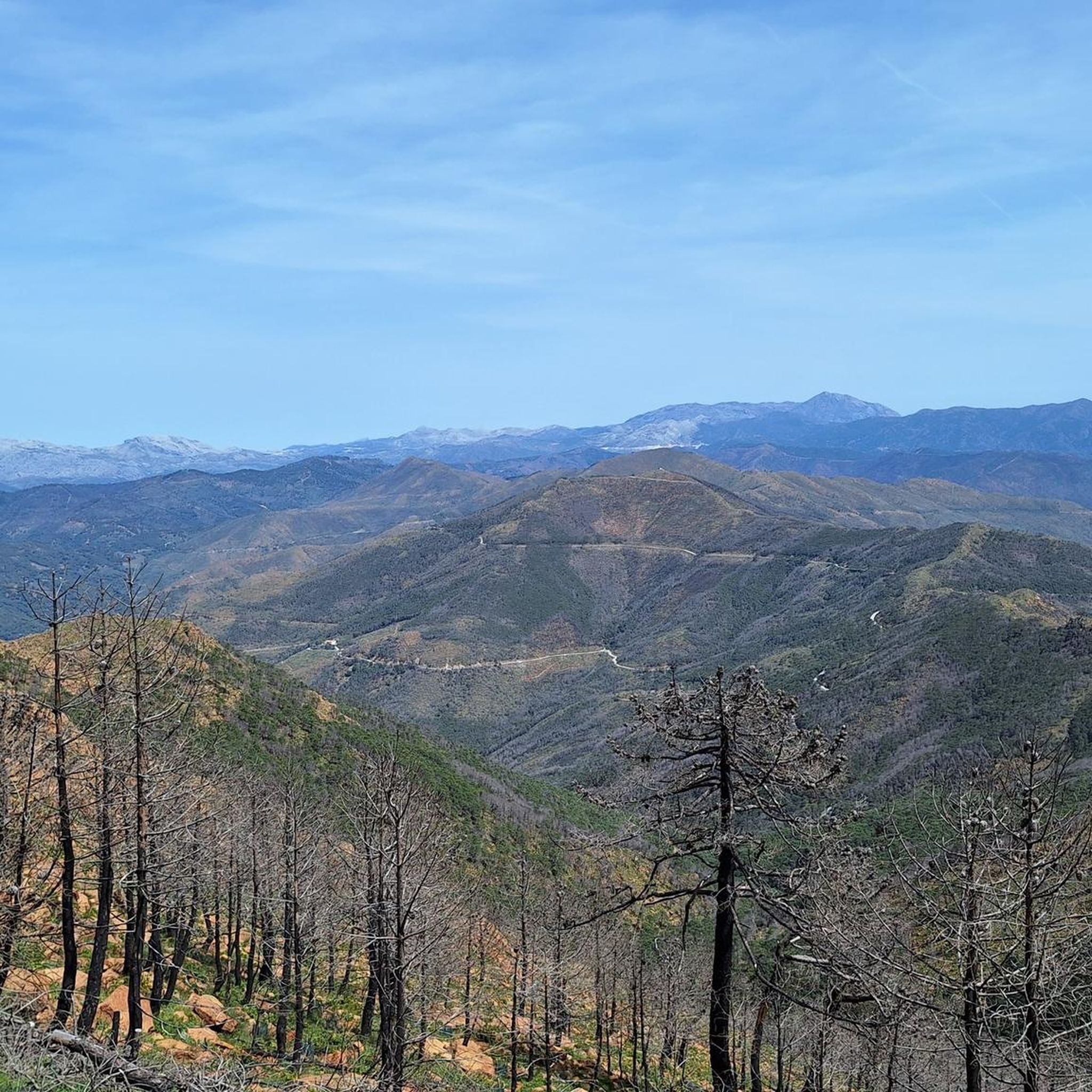
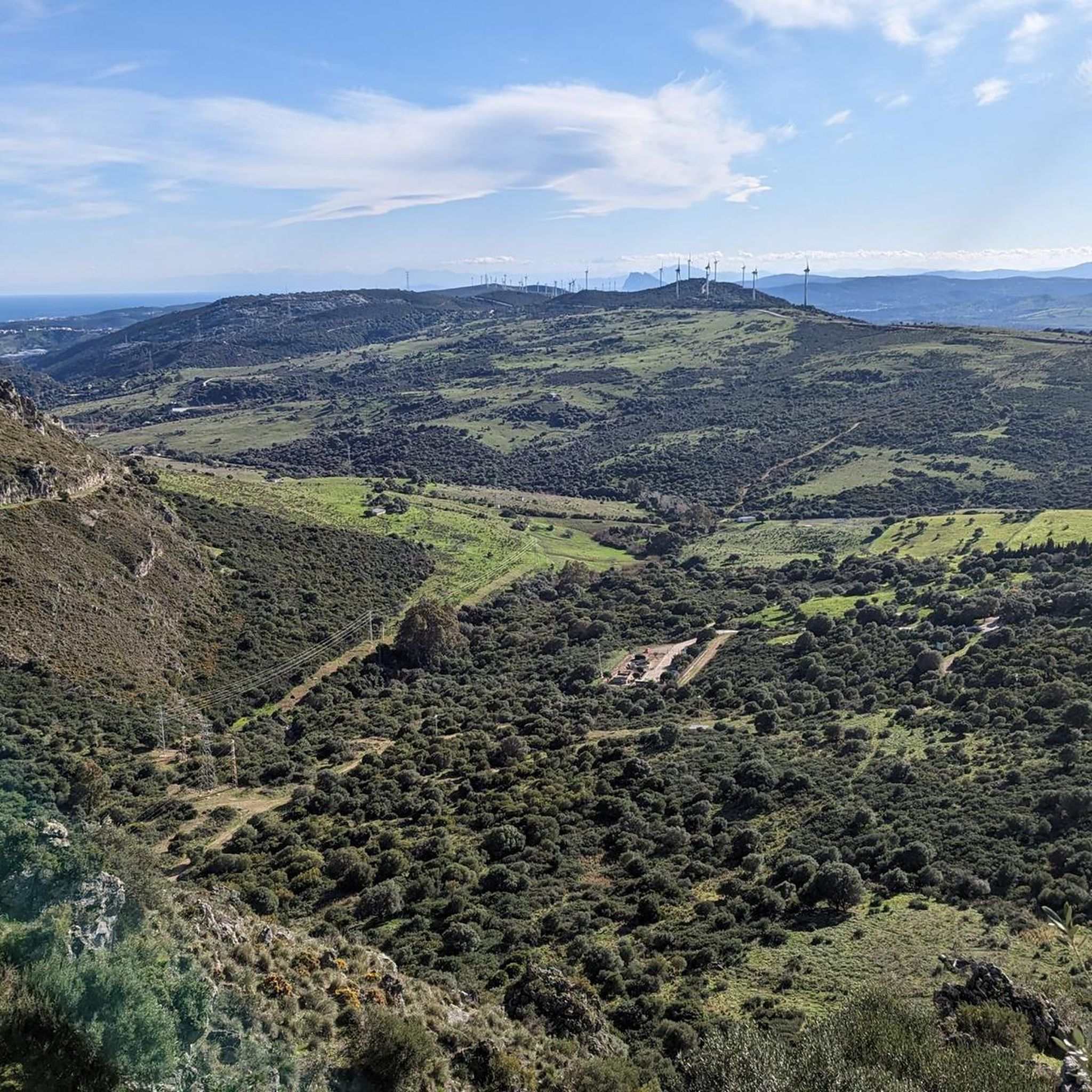
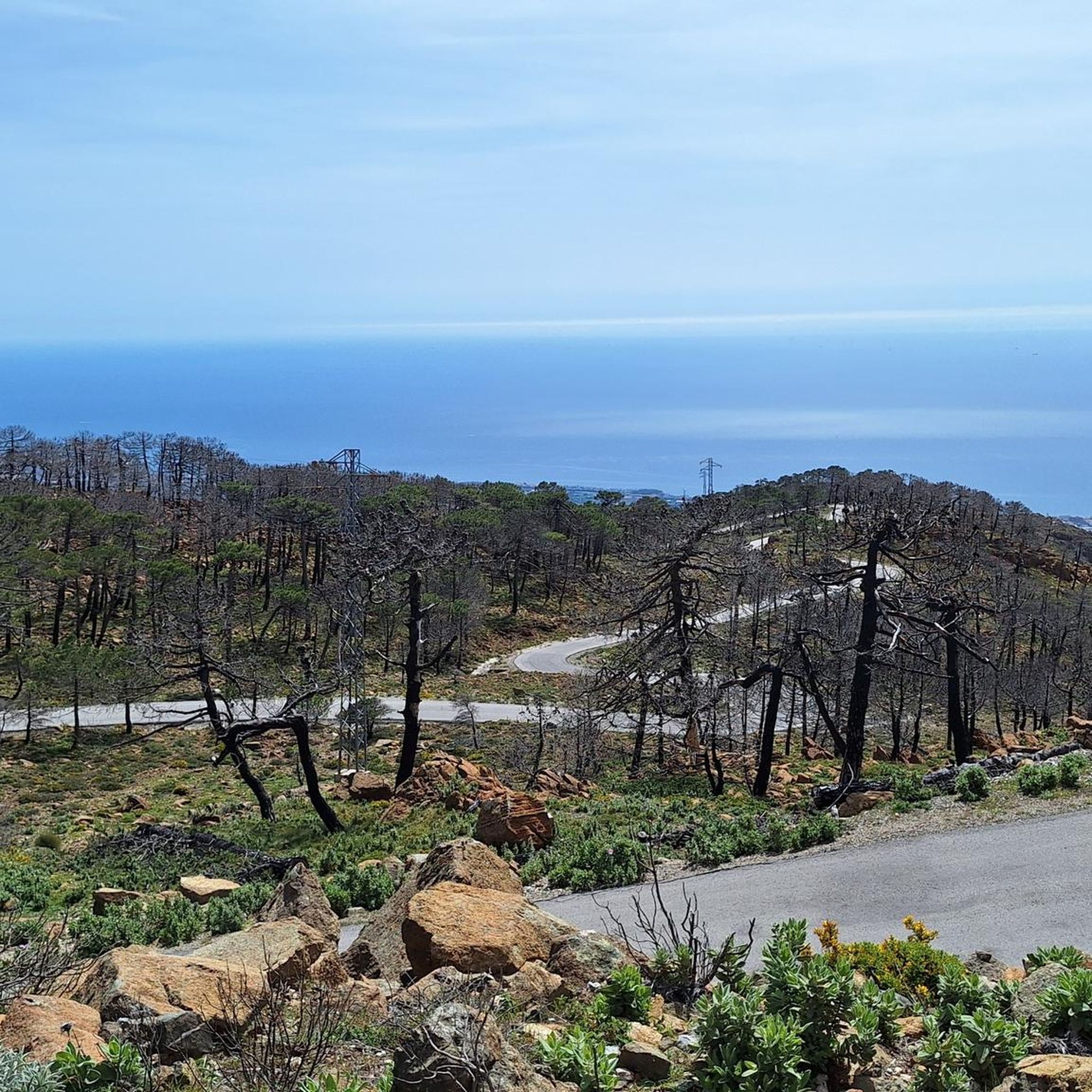
Great view to Gibraltar and Africa among others. Last climb to the top the path was sometimes difficult to follow because of many fallen burnt trees. So then keep in the direction of the visible transmission towers.
0
0
Frequently Asked Questions
What historical landmarks can I explore in Casares?
Casares is rich in history. You can visit the ruins of the medieval Arab fortress, Casares Castle, which offers spectacular views. Other notable historical sites include the 16th-century Iglesia de la Encarnación with its Mudéjar-style tower, the 17th-century Iglesia de San Sebastián in Plaza de España, and the picturesque 16th-century Ermita del Santo de la Vera Cruz. Don't miss the unique Cemetery of Casares, a Cultural Heritage Site, and the coastal 16th-century watchtower, Torre de la Sal.
What natural attractions are there near Casares?
Nature lovers will find plenty to explore. The ancient Roman sulfur baths, Baños de la Hedionda, are known for their healing properties. For wildlife and hiking, visit Sierra Crestellina Natural Park, famous for its griffon vultures, or Sierra Bermeja Natural Park with its unique peridotite rocks and Spanish firs. The region also features the lush Monte del Duque, impressive caves like Ballesteros and Hedionda, and tranquil natural springs. While Casares is inland, beautiful beaches such as Playa Ancha and Sal Beach are a short drive away.
Are there any cultural sites or museums in Casares?
Yes, Casares offers several cultural insights. You can visit La Casa Natal de Blas Infante, now a cultural center and museum dedicated to the 'father of Andalusian nationalism'. The Museo Ethno-Cultural, located within the Arrabal arch of the castle, showcases local history, agricultural tools, and Roman artifacts. Simply wandering through the narrow, whitewashed streets of Casares is a cultural experience in itself, offering glimpses into traditional Andalusian architecture.
What are the best viewpoints in and around Casares?
Casares, perched in the mountains, offers breathtaking panoramic views. The Casares Castle provides spectacular vistas of the town, surrounding landscape, Mediterranean Sea, and even the African coast and Gibraltar on clear days. Other excellent viewpoints include Mirador del Tajo de la Planá and Mirador de la Plaza Marcelino Camacho, which offer stunning perspectives of the village and its surroundings.
What outdoor activities can I do near these attractions?
The area around Casares is perfect for outdoor enthusiasts. You can find numerous routes for cycling, mountain biking, and road cycling. For example, explore the 'Estepona loop from San Luis de Sabinillas' for touring bicycles, or tackle the 'Cyclists' Viewpoint – Access to the Camino de Artesa loop from La Perla de Bahía' for mountain biking. Road cyclists might enjoy the 'Gaucín – View of Casares loop from Buenas Noches - Restaurante'. You can find more details on these and other routes in the Cycling around Casares, MTB Trails around Casares, and Road Cycling Routes around Casares guides.
Are there family-friendly attractions around Casares?
Yes, several attractions are suitable for families. The charming Estepona Old Town, with its whitewashed houses and flower-bedecked streets, is a delightful place for a stroll. The town of Gaucín also offers family-friendly exploration of its historic sites. Additionally, the Baños de la Hedionda provide a unique and relaxing experience for all ages, and the Angel Aqueduct in Estepona is set within a park ideal for walks.
What is the best time to visit Casares for sightseeing and outdoor activities?
The best time to visit Casares is generally during the spring (April-May) and autumn (September-October) months. During these periods, the weather is pleasantly mild, making it ideal for exploring the historical sites, wandering the whitewashed streets, and enjoying hiking or cycling in the natural parks. Summers can be very hot, while winters are cooler but still offer many sunny days.
What is special about the 'white villages' in this region?
Casares is a prime example of Andalusia's famous 'white villages' (Pueblos Blancos). These villages are characterized by their whitewashed buildings, often adorned with colorful flowers, and narrow, winding streets. This architectural style helps keep the houses cool in the summer and creates a stunning visual contrast against the green mountainsides. Exploring these villages offers a glimpse into traditional Andalusian life and history.
Can I find hiking trails near Casares?
Absolutely! Casares is surrounded by excellent hiking opportunities. Sierra Crestellina Natural Park and Sierra Bermeja Natural Park both offer numerous trails with varying degrees of difficulty and stunning views, including chances to spot griffon vultures. The area around Monte del Duque also features lush forests and diverse flora, perfect for walks. For specific routes, you can check the Cycling around Casares guide, which also includes walking-friendly paths.
What do visitors enjoy most about the attractions around Casares?
Visitors particularly appreciate the authentic Andalusian charm of places like Estepona Old Town, with its flower-bedecked streets and cozy squares. The panoramic views from historical sites such as Gaucín and the Casares Castle are frequently highlighted. Many also enjoy the unique historical significance of sites like the Angel Aqueduct and the serene beauty of the natural landscapes and coastal views from spots like Punta de la Doncella Lighthouse.
Are there any hidden gems or unique experiences in the Casares region?
Beyond the main attractions, the Casares region holds some unique experiences. The Baños de la Hedionda, with their Roman history and sulfurous waters, offer a distinctive way to relax. Exploring the lesser-known caves like Ballesteros and Hedionda provides an adventurous insight into natural formations. Simply getting lost in the intricate, quiet backstreets of Casares itself can reveal charming corners and unexpected viewpoints, away from the more frequented paths.
Most popular routes around Casares
Most popular attractions around Casares

Get inspired with the komoot mobile app


Explore more
Still not found the Highlight you’re looking for? See guides of the top attractions in other regions:
