The best cycling routes around Espeja
10
riders
5
rides
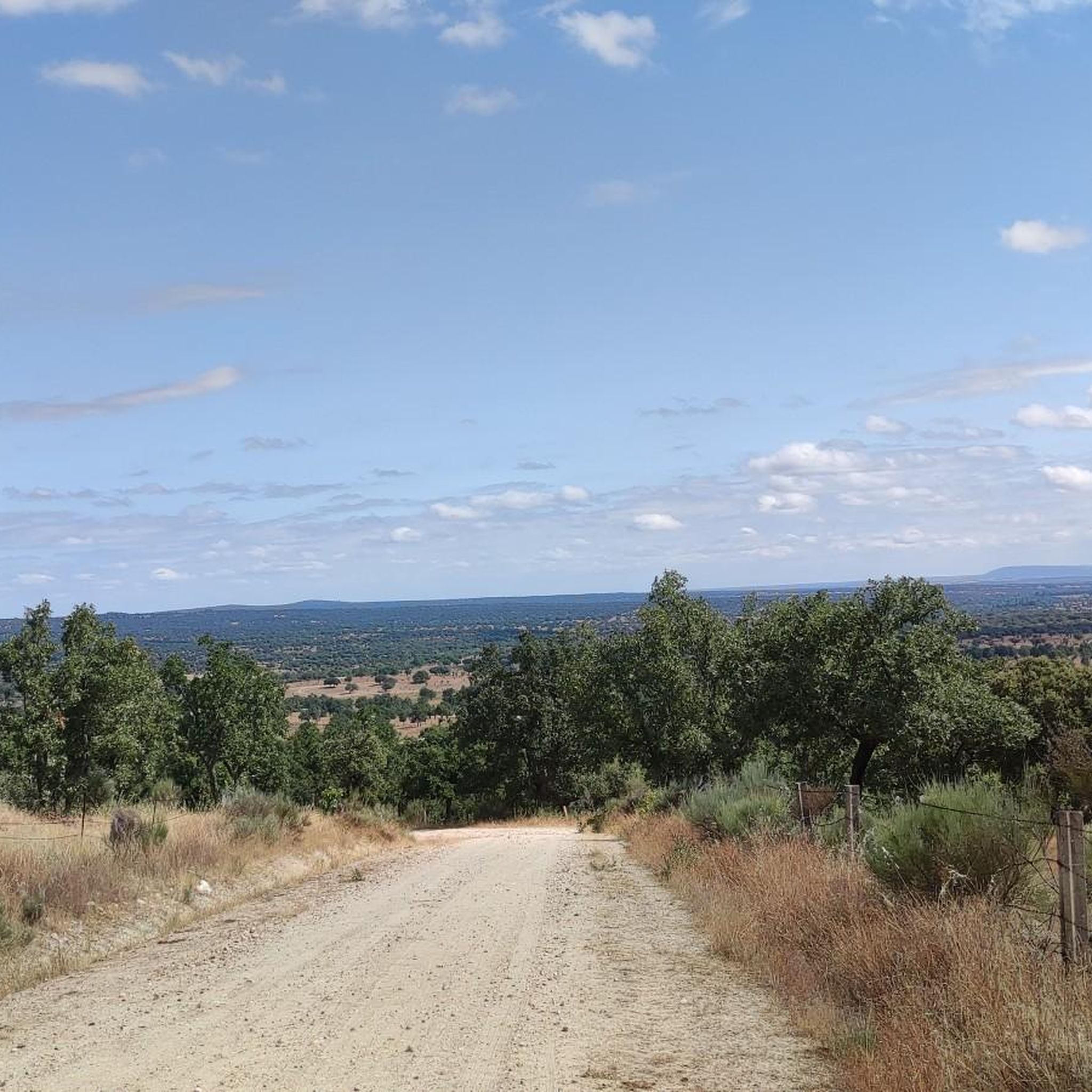
Touring cycling routes near Espeja traverse a landscape characterized by open countryside and gentle rolling hills, typical of the Castilla y León region. The area features agricultural lands and historical sites, providing a scenic backdrop for cycling. Routes often connect small villages and offer views of local architecture and natural features. The terrain is generally accessible, with some routes including moderate ascents.
Best touring cycling routes around Espeja
- The most popular touring cycling route is Gallegos de Argañán loop from…
Last updated: June 29, 2026
3
riders
33.7km
02:40
370m
370m
Moderate bike ride. Good fitness required. Mostly paved surfaces. Suitable for all skill levels.
2
riders
Moderate bike ride. Good fitness required. Mostly paved surfaces. Suitable for all skill levels.

Sign up for free
2
riders
37.2km
02:18
360m
360m
Moderate bike ride. Good fitness required. Mostly paved surfaces. Suitable for all skill levels.
2
riders
44.4km
02:48
530m
530m
Hard bike ride. Very good fitness required. Mostly paved surfaces. Suitable for all skill levels.
1
riders
43.5km
02:50
320m
320m
Moderate bike ride. Good fitness required. Mostly paved surfaces. Suitable for all skill levels.
Our route recommendations are based on thousands of hikes, rides, and runs completed by other people on komoot.
Start today with a free account
Your next adventure awaits.
Login or Signup
Popular around Espeja
Tips from the Community

Almeida stands on the plateau like a table set for history: "Al-Mêda" was the name given to it by the Arabs. Previously, it had been a Lusitanian, Roman, and then Christian fort, conquered in 1190 and definitively Portuguese in 1297. Around the medieval castle grew the town, still marked by the Puerta do Sol. After the Restoration, the town transformed into a veritable war machine: the six-pointed star-shaped fortress, with bastions, ravelins, and underground galleries that served as both shelter and prison. It was the scene of decisive battles, devastated by the explosion of 1810 and contested in the liberal wars, always rising from the ruins.
3
0
Vale da Mula lies in a valley between the Aguiar and Tourões rivers, right next to the Spanish border. The current name comes from the adaptation of the Castilian “Vale de la Mula”, which was used until recently. During the Restoration War, this discreet place played a prominent role and it was also from here that the Portuguese offensive towards Guardão began, the cradle of Spanish attacks on neighbouring lands.
1
0

The Almeida Fort, originally founded as a castle in the 12th century, is one of the best-preserved fortifications in Portugal. It played an important role throughout its history, particularly during the Napoleonic Wars. It was heavily damaged during the Siege of Almeida in 1810 but was later rebuilt. The star fort is known for its bastions and deep moats, which were once intended to provide protection against invaders.
3
1


Beautiful Roman bridge that is located next to the town of Malpartida and where the bridge avoids the Ribeira das Alvercas. Right next to this old bridge is a water fountain where you can stop to refill your bottles.
0
0
Near this bridge is the Siega Verde Site, which is considered the most important outdoor Paleolithic art complex in Castilla y León and the most outstanding in the Iberian Peninsula.
0
0
To the southwest of the province of Salamanca is the town of Fuenteguinaldo, bordering the province of Cáceres and the kingdom of Portugal. This municipality belongs to the region of Ciudad Rodrigo
0
1

Declared a World Heritage Site by UNESCO, the open-air zoomorphic site of Siega Verde is the most important of its kind in the entire Iberian Peninsula. The stone carvings that can be seen represent animals including horses, bears and goats, which makes it curious that some have existed in these lands when they are now extinct. The site itself is not open to the public so that they can be preserved, but very close is the Interpretation Classroom.
0
0
Frequently Asked Questions
How many touring cycling routes are available around Espeja?
There are currently 4 touring cycling routes documented around Espeja on komoot, offering a variety of experiences through the region's open countryside and historical areas.
What kind of terrain can I expect on touring bike routes near Espeja?
The touring cycling routes around Espeja primarily traverse open countryside with gentle rolling hills, characteristic of the Castilla y León region. You'll encounter agricultural lands, small villages, and historical sites. While generally accessible, some routes do include moderate ascents.
Are there any circular touring bike routes in the Espeja area?
Yes, several routes are circular. For example, the Gallegos de Argañán loop from Gallegos de Argañán is a moderate 33.7 km route that offers views of the rural landscape. Another option is the Siega Verde Archaeological Site – Gallegos de Argañán loop from Gallegos de Argañán, which is 25.4 km and passes a significant cultural site.
What are some interesting places to explore or landmarks along the touring cycling routes?
Many routes offer cultural and historical points of interest. The Siega Verde Archaeological Site – Gallegos de Argañán loop passes by the significant Siega Verde Archaeological Site. You can also explore charming settlements like Vilar Formoso, Fuenteguinaldo, and Gallegos de Argañán, which are often connected by these routes.
Are there any challenging touring bike routes for experienced cyclists?
Yes, for those seeking a more challenging ride, the Plaza Mayor Ciudad Rodrigo – Cathedral of Santa María loop from Ciudad Rodrigo is classified as difficult. This 50.8 km trail leads through historic towns and open fields, providing a robust cycling experience.
What is the best season for touring cycling in Espeja?
The region's climate, characterized by open countryside and agricultural plains, suggests that spring and autumn would be ideal for touring cycling. These seasons typically offer milder temperatures, making longer rides more comfortable than the heat of summer or the chill of winter.
Are there any routes that pass by historical castles or significant villages?
Absolutely. The Almeida Castle – Historic Village of Almeida loop from Vilar Formoso is a moderate 43.5 km route that allows you to explore the impressive Almeida Castle and the historic village of Almeida, offering a blend of natural beauty and cultural heritage.
What do other touring cyclists enjoy most about cycling in Espeja?
Cyclists using komoot often appreciate the region's open countryside and the opportunity to explore historical sites and small villages. The routes provide a scenic backdrop for cycling, connecting local architecture with natural features, making for a rewarding experience.
Are there any long-distance touring bike routes available?
While the routes directly around Espeja are generally moderate in length, the region's connection to broader Spanish cycling networks means longer journeys are possible. The Plaza Mayor Ciudad Rodrigo – Cathedral of Santa María loop is the longest listed route at 50.8 km, offering a substantial ride through historic towns and open fields.
Can I find routes that offer scenic viewpoints?
The touring routes around Espeja are characterized by open countryside and gentle rolling hills, providing expansive views of agricultural lands and the rural landscape. Routes like the Gallegos de Argañán loop offer continuous scenic vistas throughout your ride.
Are there any natural water features or streams along the routes?
While the region is known for its agricultural plains, you might encounter smaller natural water features. For instance, the Aldeia da Ponte Stream is a highlight in the vicinity, suggesting that some routes or nearby areas may offer glimpses of local waterways.
Most popular routes around Espeja
Most popular attractions around Espeja

Get inspired with the komoot mobile app


Explore more
Browse the best Cycling routes in other regions.
