Attractions and Places To See around Miño - Top 20
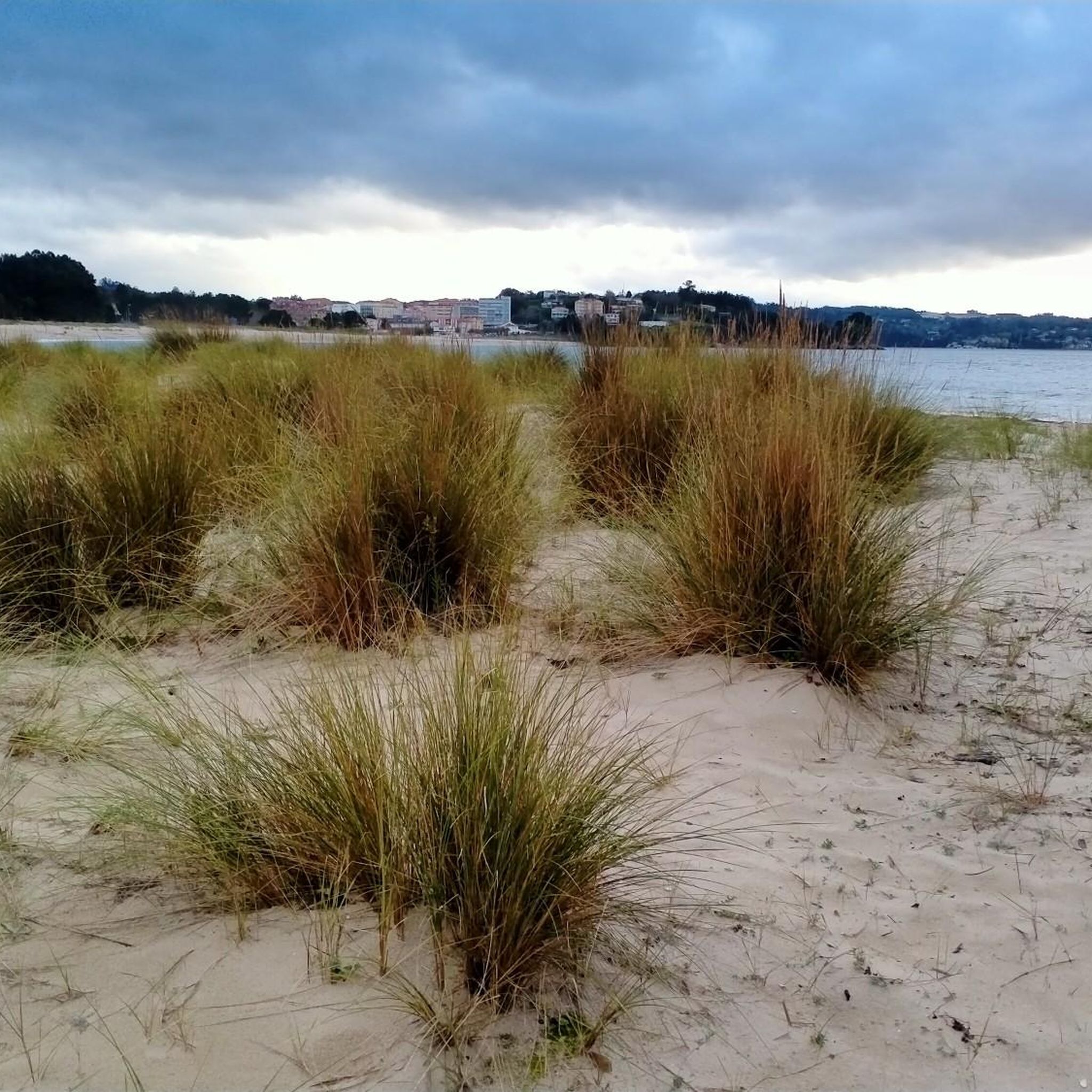
Attractions and places to see around Miño include a diverse array of natural landscapes and historical sites. This coastal town, located in the province of A Coruña, Galicia, is situated in the Betanzos estuary. The region features extensive beaches, river systems, and ancient structures, offering varied exploration opportunities. Its environment supports both outdoor activities and cultural discovery.
Best attractions and places to see around Miño
- The most popular attractions is Monastery of Saint John of Caaveiro, a religious building located in the heart of the Fragas de Eume natural park, between the banks of the Sesín and Eume rivers. Founded in 934, this 12th-century monastery is an Asset of Cultural Interest.
- Another must-see spot is Mero River Trail, a trail that is a simple, flat dirt river walk along the Mero river. This protected natural space features forests of native trees and forms part of the Natura 2000 Network.
- Visitors also love Pontedeume Bridge, an old bridge that connects the two banks of the Eume River. It flows directly into the center of Pontedeume town and offers views of the railway bridge and port.
- Miño is known for its natural features like beaches and river trails, alongside historical sites such as ancient churches and bridges. The area provides opportunities to explore diverse landscapes and cultural heritage.
- The attractions around Miño are appreciated by the komoot community, with more than 70 upvotes and 50 photos shared.
Last updated: July 6, 2026
Monastery of Saint John of Caaveiro
Highlight • Religious Site
Translated by Google •
Tip by

Parish Church of St James in Pontedeume
Highlight • Religious Site
Showing Translation
Tip by

Sign up now to discover places like this
Get recommendations on the best single tracks, peaks, & plenty of other exciting outdoor places.
Sign up for free
Mero River Trail
Highlight (Segment) • Trail
It is a protected natural space with the figure of LIC (Place of Community Importance) of the Natura 2000 Network. Where we will find forests of native trees.
At some point we will have to cross secondary roads to get back on track, these will be the slopes of the journey.
It does not have fountains or rest areas, so it is advisable to bring something to eat and drink and make the stop directly at the reservoir, there is a beach.
If it rained days before your departure it is likely that you will find mud and puddles.
Translated by Google •
Tip by

García Naveira Brothers' Square
Highlight • Settlement
A monument commemorates the García Naveira brothers, benefactors of the city. O Campo has also, since 1866, adorned a beautiful fountain cast in the workshops of Sucel et Fils in Paris, imitating the famous Diana fountain in Versailles.
Also here is the monastery of Santo Domingo, which was built between the 16th and 18th centuries.
Translated by Google •
Tip by

Parque Natural das Fragas do Eume
Highlight (Segment) • Forest
My ideal route is to climb to the monastery along the left bank and return on the right. If you have mobility issues or want an easier and faster route, go all the way to the right.
Regarding the park, I must say it's simply breathtaking. The river and streams that feed us in dozens of places (you'll see them as you walk through) fill you with energy as well as peace and tranquility, the environment completely insulates you from the noise that always surrounds us. I definitely recommend a visit.
Translated by Google •
Tip by

Sign up for free to discover even more attractions around Miño.
Sign up for free
Already have an account?
Start today with a free account
Your next adventure awaits.
Login or Signup
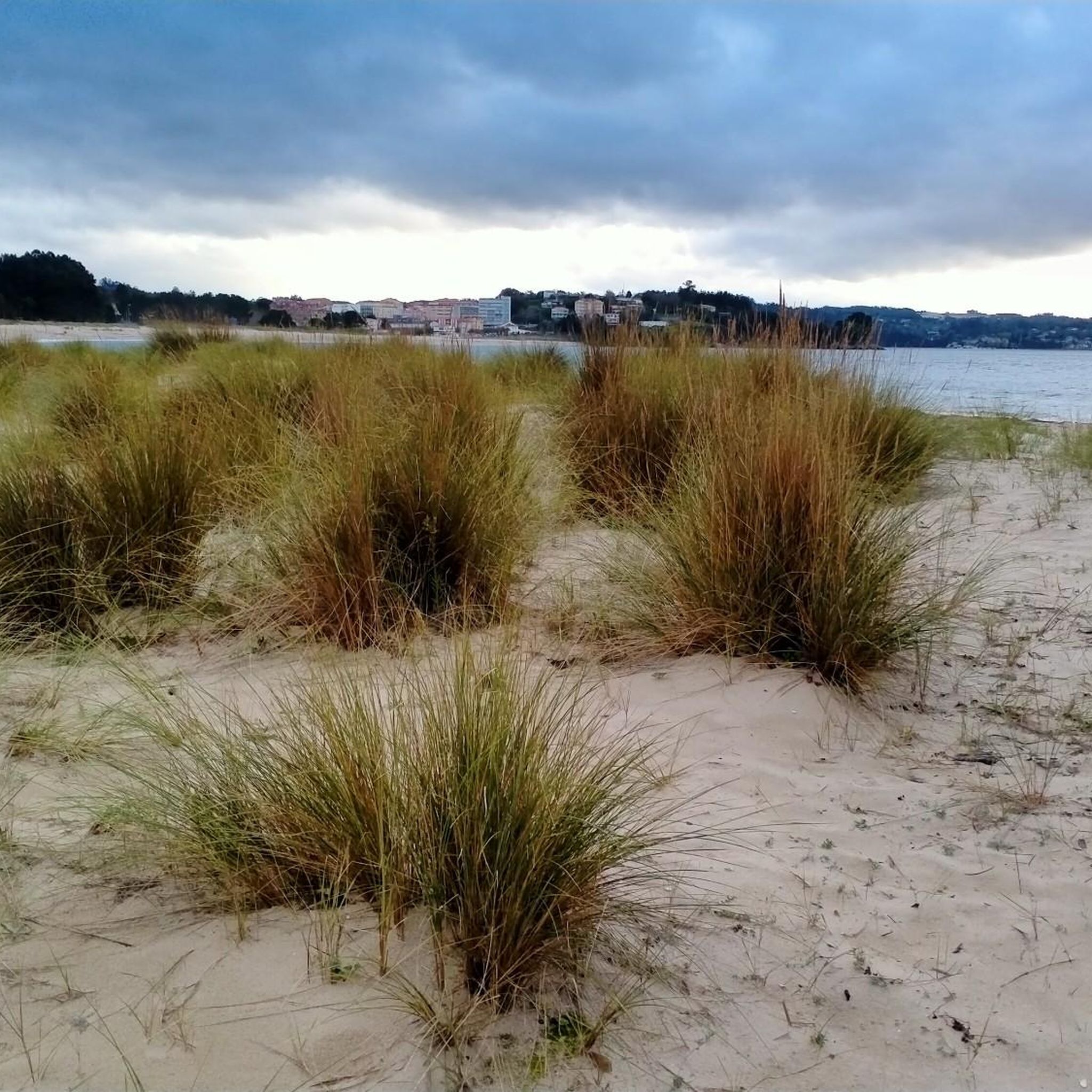
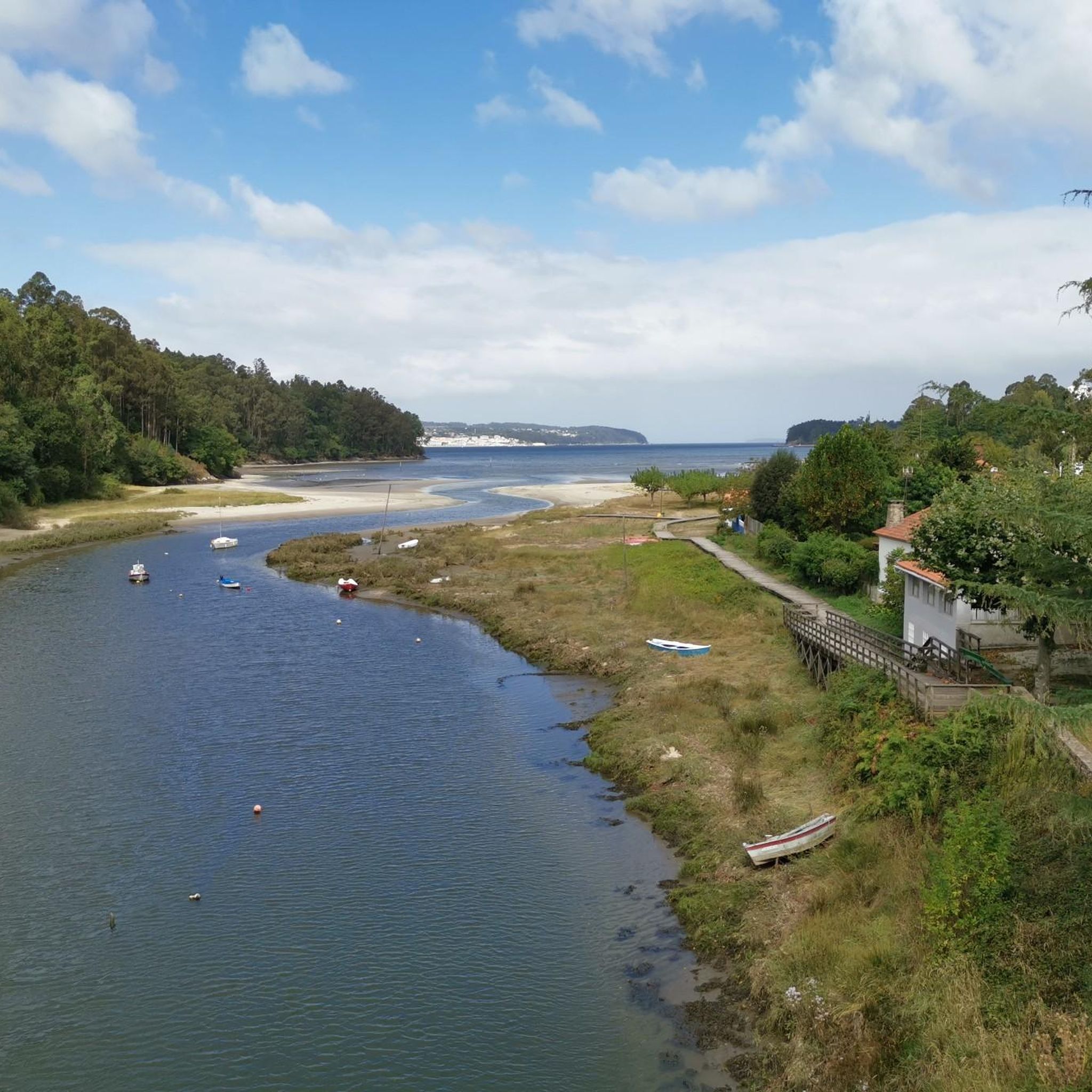
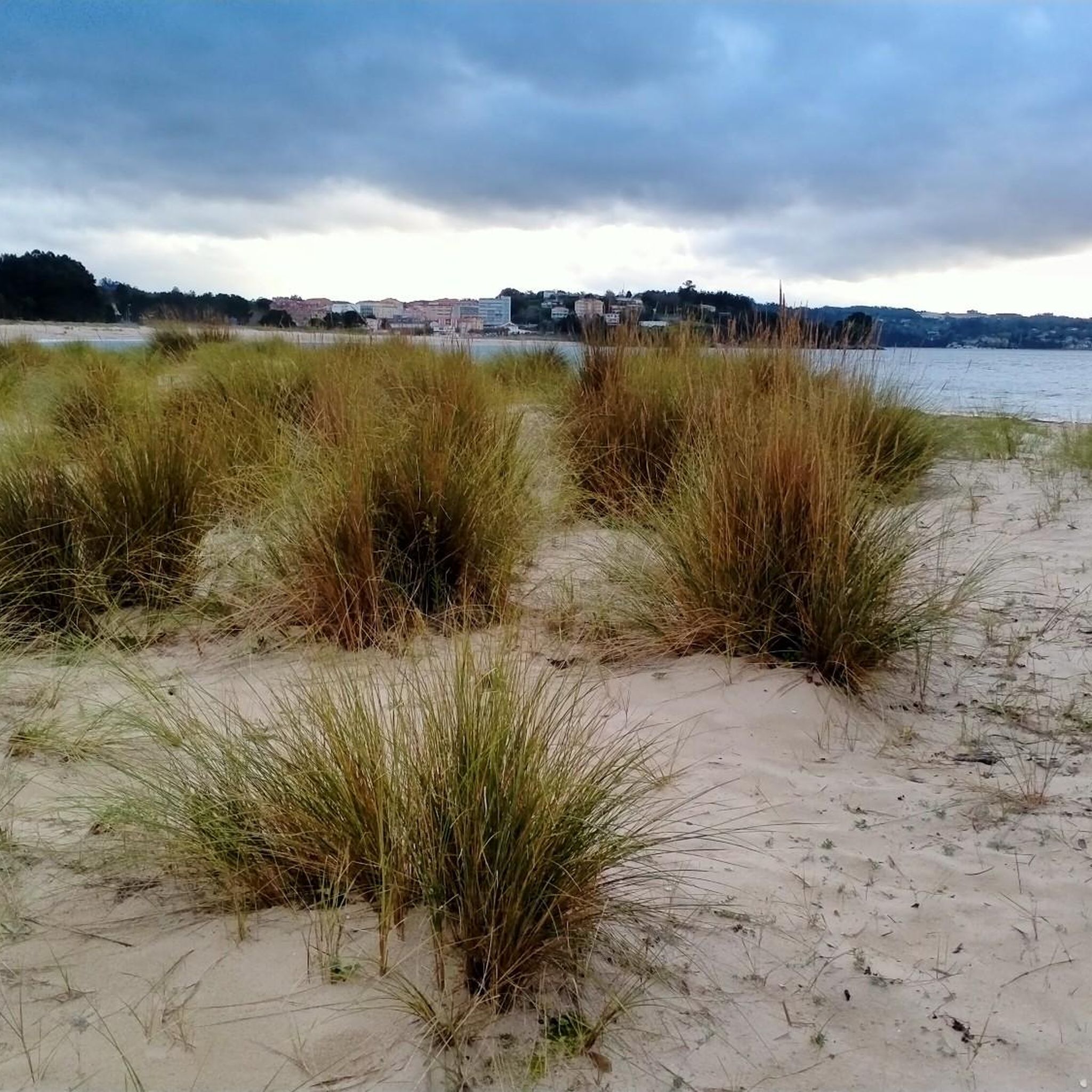
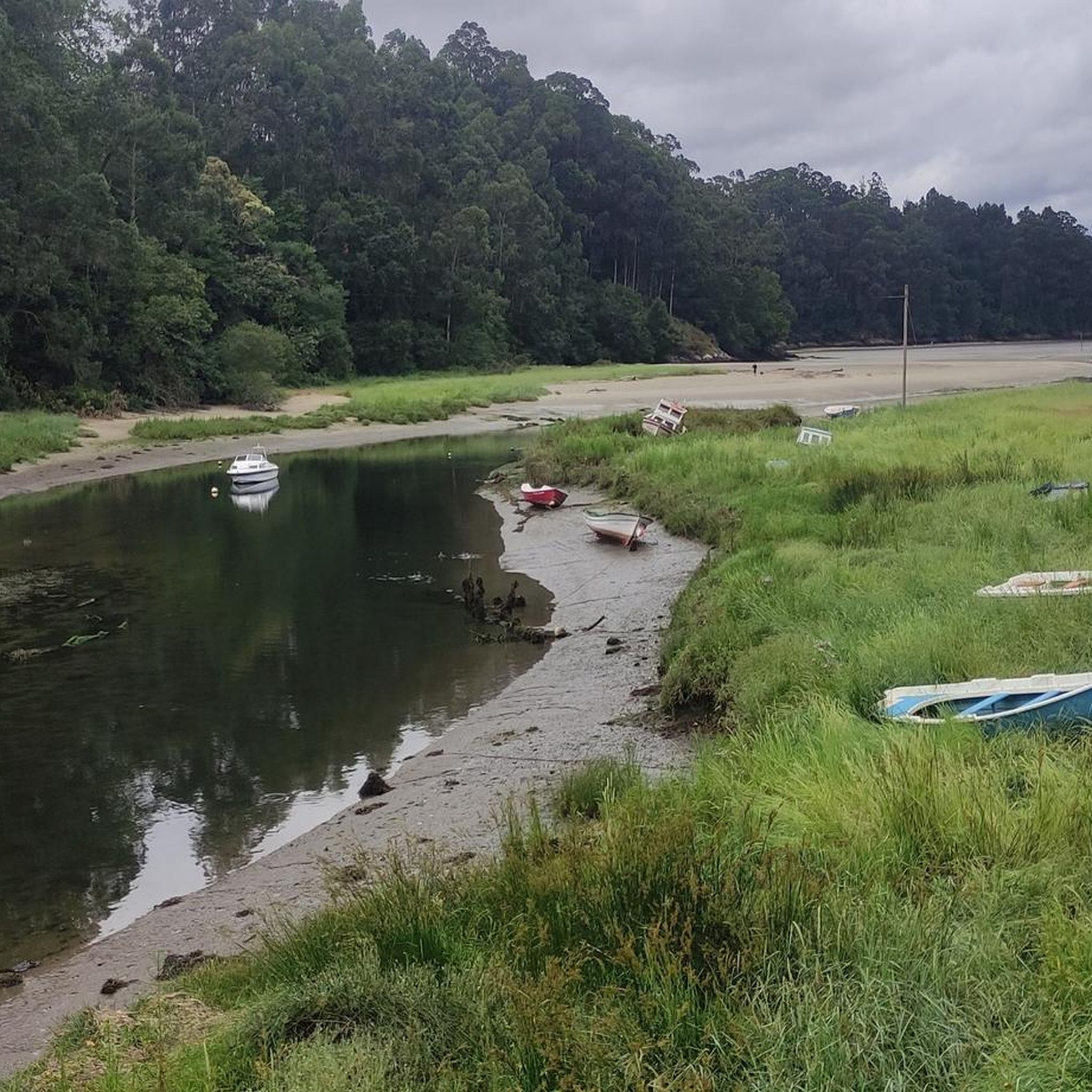

Tips from the Community

In this church Iglesia parroquial de Santiago, besides the pilgrim stamp, there is also a very personal pilgrim blessing for the onward journey
1
0

Betanzos is a beautiful town with many charming streets, squares, and restaurants. It also boasts several beautiful churches and other buildings. It's definitely worth exploring the town. https://turismo.betanzos.es
1
0

A beautiful place, in a magical enclave, a must-see for anyone in the area.
0
1

A great spot, with shade. There are also downpipes for dipping your feet in the river.
0
0

A fully restored former monastery, a visit is highly recommended. To visit, you must cross the Fragas do Eume Natural Park. There are minibuses that can take you there, but I recommend walking to fully enjoy the scenery. The monastery offers information services, tours, and even a small bar where you can grab a bite to eat and recharge your batteries. Don't forget to visit the old mill, located about 300 meters down a side slope, with a spectacular stone bridge.
0
1
A spectacular natural park, you can explore it directly along the road next to the river (going upstream on the right side), although there is a variant on the left side, accessed by crossing a suspension bridge (the one I show in the photographs). This is more winding and complicated for people with mobility issues, but I consider it more entertaining and beautiful. My ideal route is to climb to the monastery along the left bank and return on the right. If you have mobility issues or want an easier and faster route, go all the way to the right. Regarding the park, I must say it's simply breathtaking. The river and streams that feed us in dozens of places (you'll see them as you walk through) fill you with energy as well as peace and tranquility, the environment completely insulates you from the noise that always surrounds us. I definitely recommend a visit.
1
0
A very well-preserved and restored former monastery, its location in the Fragas do Eume gives it a unique atmosphere, surrounded by forest and the river itself. The walk alone is a delight. Restored a few years ago, it is in perfect condition, admission is free, and there is an information service and a guide. There is also a small bar where you can recharge your batteries before returning (note that there is a minibus service that takes you to the monastery a couple of times an hour, although I highly recommend enjoying the walk parallel to the river—it's simply spectacular). Regarding the monastery, the different rooms are very well restored, with information, images, and photographs that take us back to its time as a monastery. A trip down to the old mill is also highly recommended; it's only 300 meters away and has a huge bridge next to it.
0
1

Hike through fascinating nature: A beautiful trail through shady forests with eucalyptus trees, pines, and ferns. The ground is soft and covered with moss, and the air is scented with blooming flowers. Dark blue, crystal-clear water accompanies the trail, surrounded by impressive cliffs and mountains. The first part of the route to the monastery is easy and manageable for everyone. Challenging second half: From the old hydroelectric power plant (Antica Centrale Hidroeléctrica), the trail becomes significantly more challenging. It climbs steeply, sometimes over narrow paths with rocky ground. Important information about equipment and fitness: Sturdy shoes with non-slip soles are essential. Surefootedness, a head for heights, and a good sense of balance are beneficial. Those with a strong fear of heights should skip this section or carefully consider whether they feel comfortable.
0
0
Frequently Asked Questions
What natural landscapes can I explore in Miño?
Miño offers diverse natural beauty, including extensive beaches like Playa Grande with its golden sands and dune complex, and the emblematic Playa de Perbes known for its fine white sand. You can also explore the Route dos Muiños, a linear hiking trail showcasing rivers and old mills, or venture to the nearby Fragas do Eume Natural Park for lush greenery and hiking. The Miño River itself features river islets and lagoons, part of the broader Terras do Miño Biosphere Reserve.
Are there easy hiking trails around Miño?
Yes, Miño offers several accessible walking options. The Route dos Muiños is a linear trail of 1.3 km that is relatively easy, featuring natural scenery and old mills. Another option is the Mero River Trail, described as a simple, flat dirt river walk through forests of native trees. For more options, you can explore running trails around Miño, which often include easy walking paths.
What historical sites and landmarks can I visit in Miño?
Miño is rich in history. You can visit the ancient Romanesque Iglesia de San Xoán de Vilanova from the 11th century, or the Santa María Church. The Ponte do Porco bridge is associated with local legends, and the Roman Bridge of Orbenlle (also known as Ponte da Veiga) crosses the Louro River. A significant regional landmark is the Tui-Valença International Bridge, connecting Spain and Portugal across the Miño River, which is also part of the Camino de Santiago.
Are there family-friendly attractions around Miño?
Yes, several attractions are suitable for families. The Mero River Trail is a simple, flat walk perfect for all ages. The beaches like Playa Grande and Playa de Perbes offer calm waters and amenities for a family day out. The Pontedeume Bridge area is also family-friendly, offering views and access to Cabañas Beach.
Which beaches are worth visiting in Miño?
Miño is known for its beautiful beaches. Playa Grande is extensive, featuring golden sands, calm waters, and a wooden promenade. Playa de Perbes is another emblematic beach with fine white sand and tranquil, cool waters, protected from winds. Other options include La Ribera Beach for a quiet evening and Alameda Beach, notable for its significant tidal variations.
What cultural points of interest can I find in Miño?
Beyond historical sites, Miño offers cultural experiences such as vibrant local markets where you can find fresh produce and souvenirs. Strolling through the cobblestone streets of Miño's old town provides a glimpse into its character. The Jardín Parque das idades is a green space blending art and nature, and you can also find unique art installations like the 'Hands' Sculpture and a sculpture commemorating victims of gender violence.
Are there any wheelchair-accessible attractions in Miño?
The García Naveira Brothers' Square in nearby Betanzos is noted as wheelchair-accessible, offering a lively center with shops and historical monuments. While specific accessibility details for all Miño attractions are not always available, many urban areas and promenades along beaches like Playa Grande may offer easier access.
What outdoor activities can I do near Miño's attractions?
Near Miño's attractions, you can enjoy various outdoor activities. For road cycling, explore routes like the 'Playa Grande de Miño – Pontedeume loop' or 'A Ponte do Porco, Lambre River – Pedrido Bridge loop' as detailed in the Road Cycling Routes around Miño guide. Mountain biking enthusiasts can find trails such as the 'Cecebre Reservoir – Graffiti Under Río Mero Bridge loop' in the MTB Trails around Miño guide. There are also numerous running trails around Miño, suitable for walking and jogging.
When is the best time to visit Miño?
Miño, being a coastal town in Galicia, benefits from mild temperatures. The summer months (June to September) are ideal for enjoying the beaches and outdoor activities. However, the mild climate means that spring and early autumn also offer pleasant conditions for exploring historical sites and natural parks like Fragas do Eume, often with fewer crowds.
Are there any lesser-known or 'hidden gem' attractions in Miño?
While popular spots are well-known, exploring the Ancient Roman Road of Camiño da Portela offers a less-traveled path with views of the Silleiro lighthouse and the sea through pine and eucalyptus forests. The river islets with lush forests and lagoons along the Miño River also provide tranquil, less-frequented spots for nature lovers.
What do visitors enjoy the most about Miño?
Visitors particularly appreciate the blend of natural beauty and historical significance. The Monastery of Saint John of Caaveiro, nestled in the Fragas do Eume natural park, is highly praised for its unique setting and historical importance. The easy, flat walks along rivers like the Mero River Trail are also popular for their serene environment. The overall charm of Miño's beaches and historical architecture consistently receives positive feedback.
Can I find circular walking routes near Miño?
While the Mero River Trail is linear, many of the running trails around Miño are designed as loops, offering circular options for walkers and joggers. For example, you can find routes like the 'Pontedeume Bridge loop from Pontedeume' or 'Praia de Marín loop from Perbes' which provide varied scenery and return to the starting point.
Most popular attractions around Miño

Get inspired with the komoot mobile app


Explore more
Still not found the Highlight you’re looking for? See guides of the top attractions in other regions:
