Attractions and Places To See around Aguadulce - Top 14
Best attractions and places to see around Aguadulce include coastal features, natural reserves, and historical sites. Aguadulce, a coastal town in Almería, Spain, is known for its beaches and marina. The area offers a mix of natural landscapes, such as the Cañarete Cliffs and the nearby Cabo de Gata-Níjar Natural Park, alongside cultural points of interest.
Best attractions and places to see around Aguadulce
- The most popular attractions is Calle San Pedro Palaces, a historical site that features palaces with notable architecture. The Marques de la Gomera Palace, an 18th-century work, stands out with its Tuscan columns and artistic balcony.
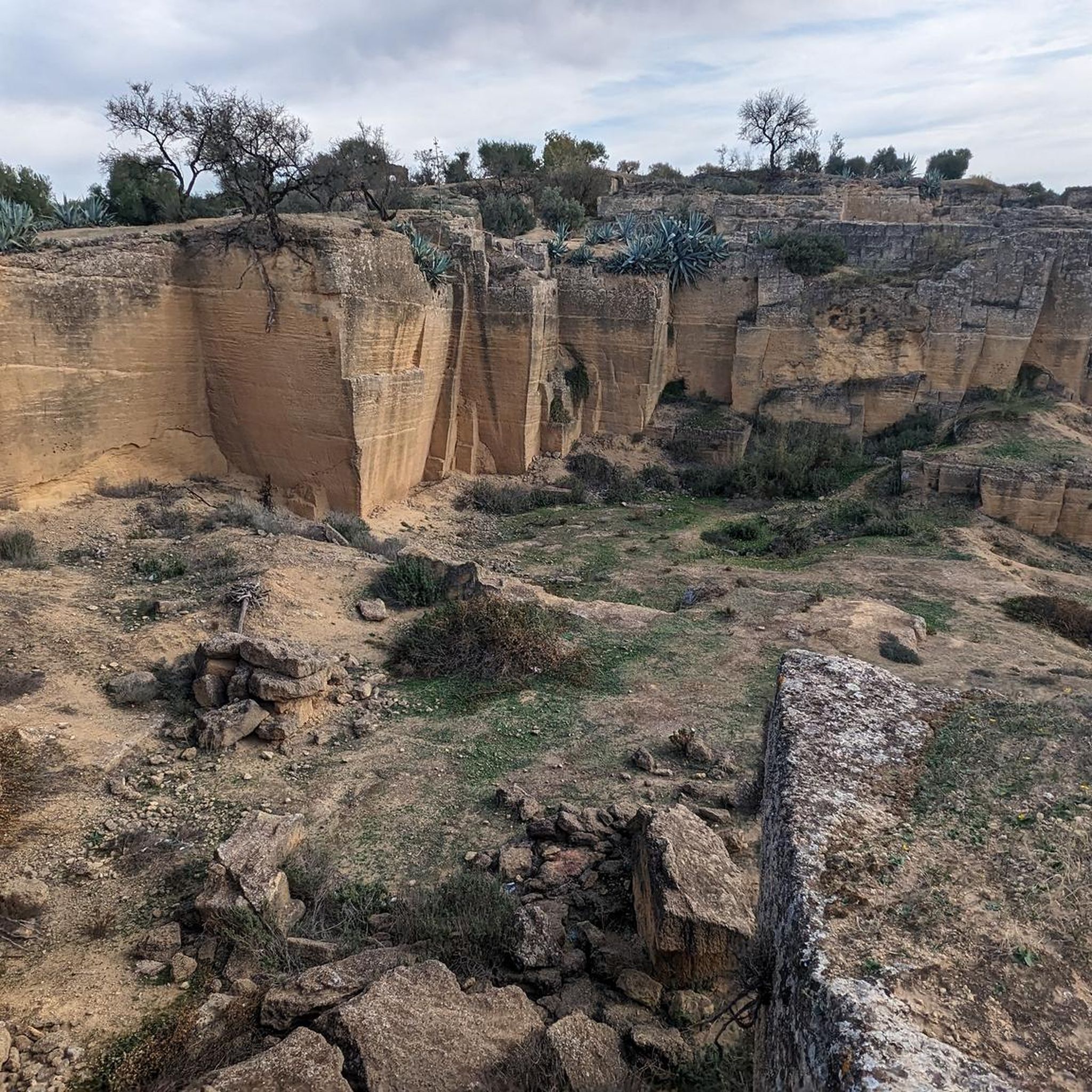
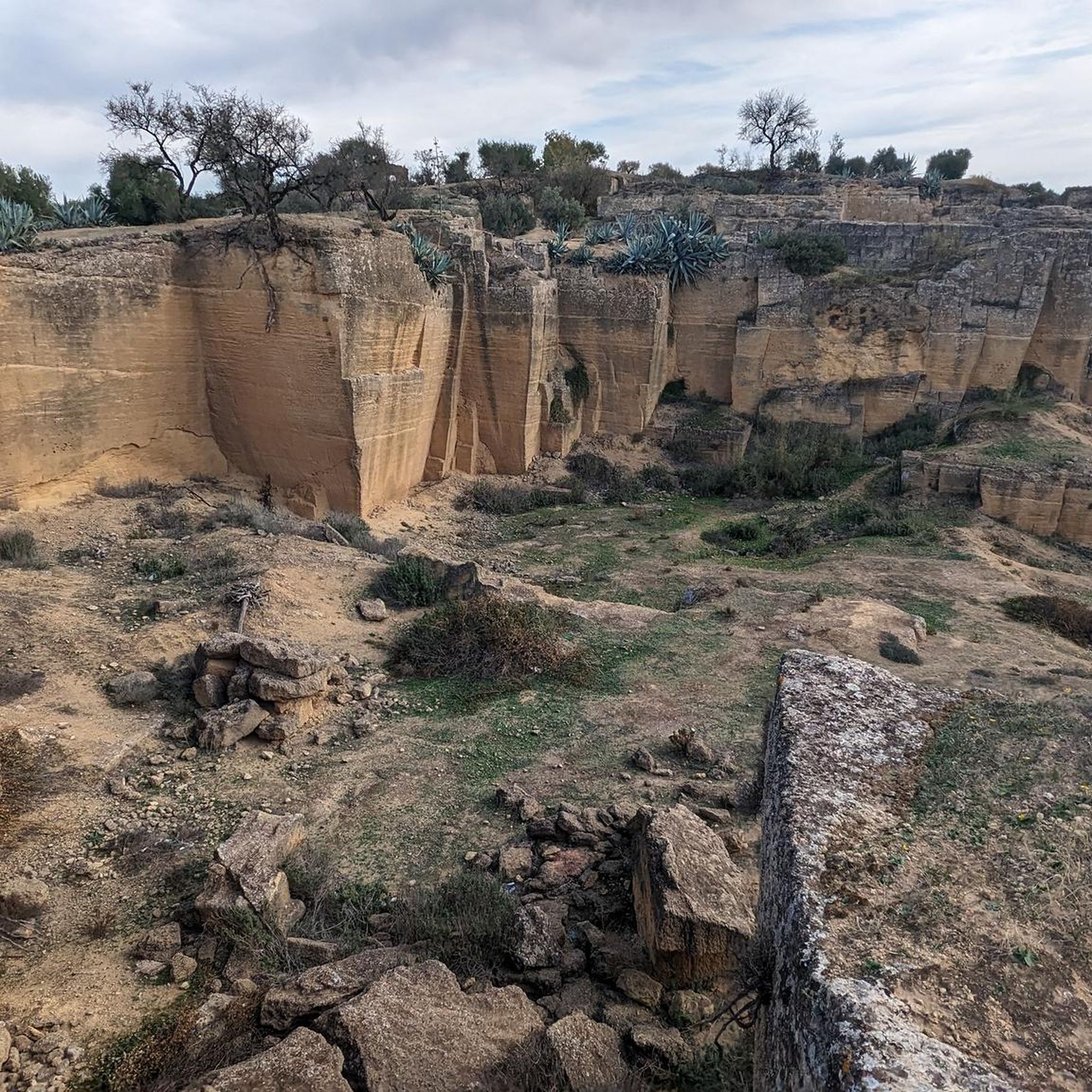
- Another must-see spot is Coto de las Canteras (Osuna), a historical site and natural monument. This archaeological site, known as the Petra of Andalusia, features spectacular stone reliefs and a cave now used as a museum and auditorium.
- Visitors also love Collegiate Church of Our Lady of the Assumption (Osuna), a religious building and historical site. This 16th-century Renaissance church offers panoramic views of the old town and houses a museum of sacred art.
- Aguadulce is known for historical sites, natural monuments, and religious buildings. The region provides a variety of attractions to see and explore, from ancient quarries to architectural landmarks.
- The attractions around Aguadulce are appreciated by the komoot community, with 8 upvotes and 6 photos shared by visitors.
Last updated: July 7, 2026
Collegiate Church of Our Lady of the Assumption (Osuna)
Highlight • Religious Site
Two cloisters are carved on stone columns, whose segmental arches are supported by large abacuses decorated with grotesques.
Translated by Google •
Tip by

Calle San Pedro Palaces
Highlight • Historical Site
Translated by Google •
Tip by
Sign up now to discover places like this
Get recommendations on the best single tracks, peaks, & plenty of other exciting outdoor places.
Sign up for free
Coto de las Canteras (Osuna)
Highlight • Historical Site
Translated by Google •
Tip by
University of Osuna
Highlight • Historical Site
Translated by Google •
Tip by
Plaza Mayor of Lora del Río
Highlight • Settlement
Translated by Google •
Tip by

Sign up for free to discover even more attractions around Aguadulce.
Sign up for free
Already have an account?
Start today with a free account
Your next adventure awaits.
Login or Signup

Tips from the Community

16th century building listed as an Asset of Cultural Interest. The university closed in 1824 to reopen in 1996, as a now modern university.
2
0
It is a Catholic church built in the 16th century, one of the examples of Spanish Renaissance architecture. Declared an Asset of Cultural Interest in 1931.
2
0

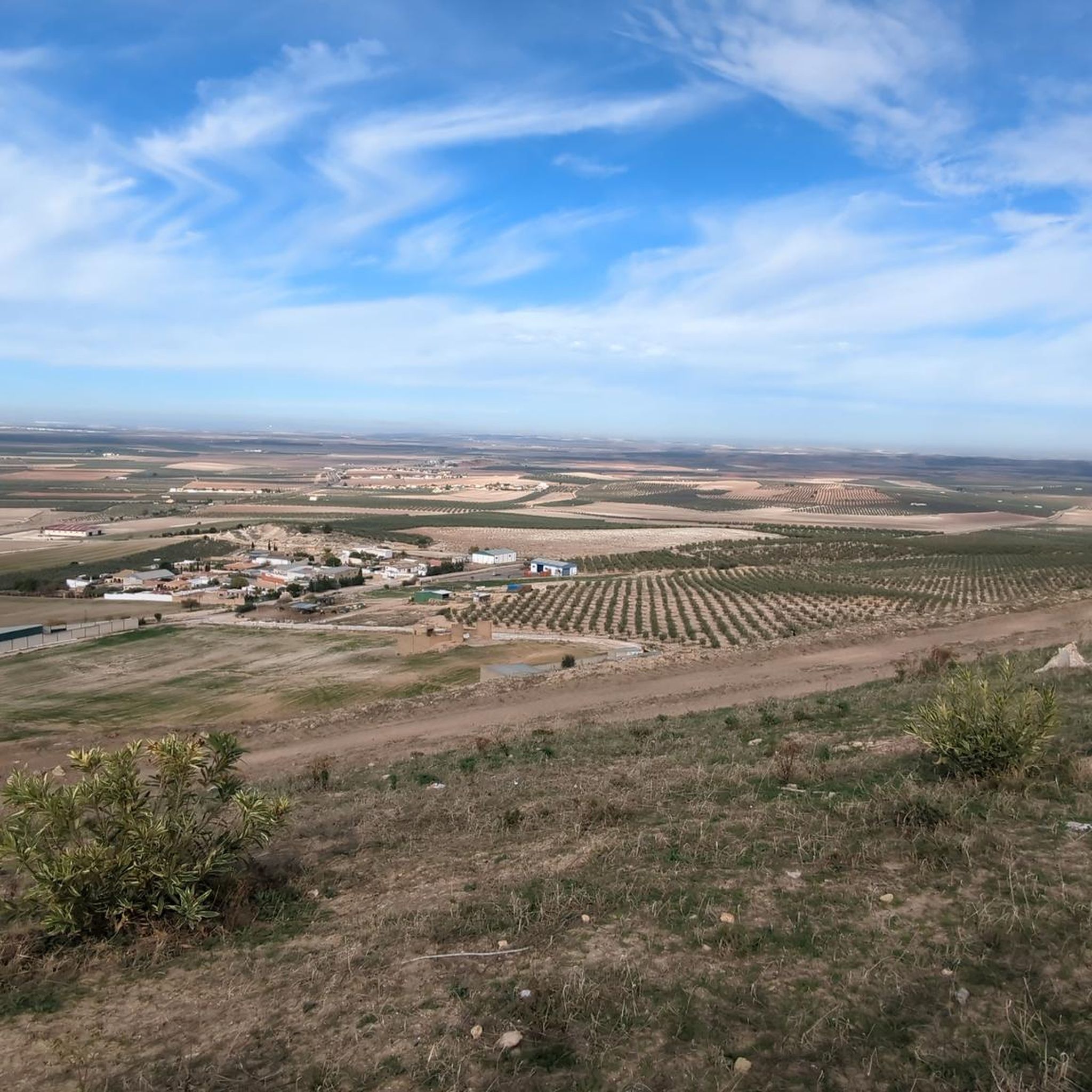
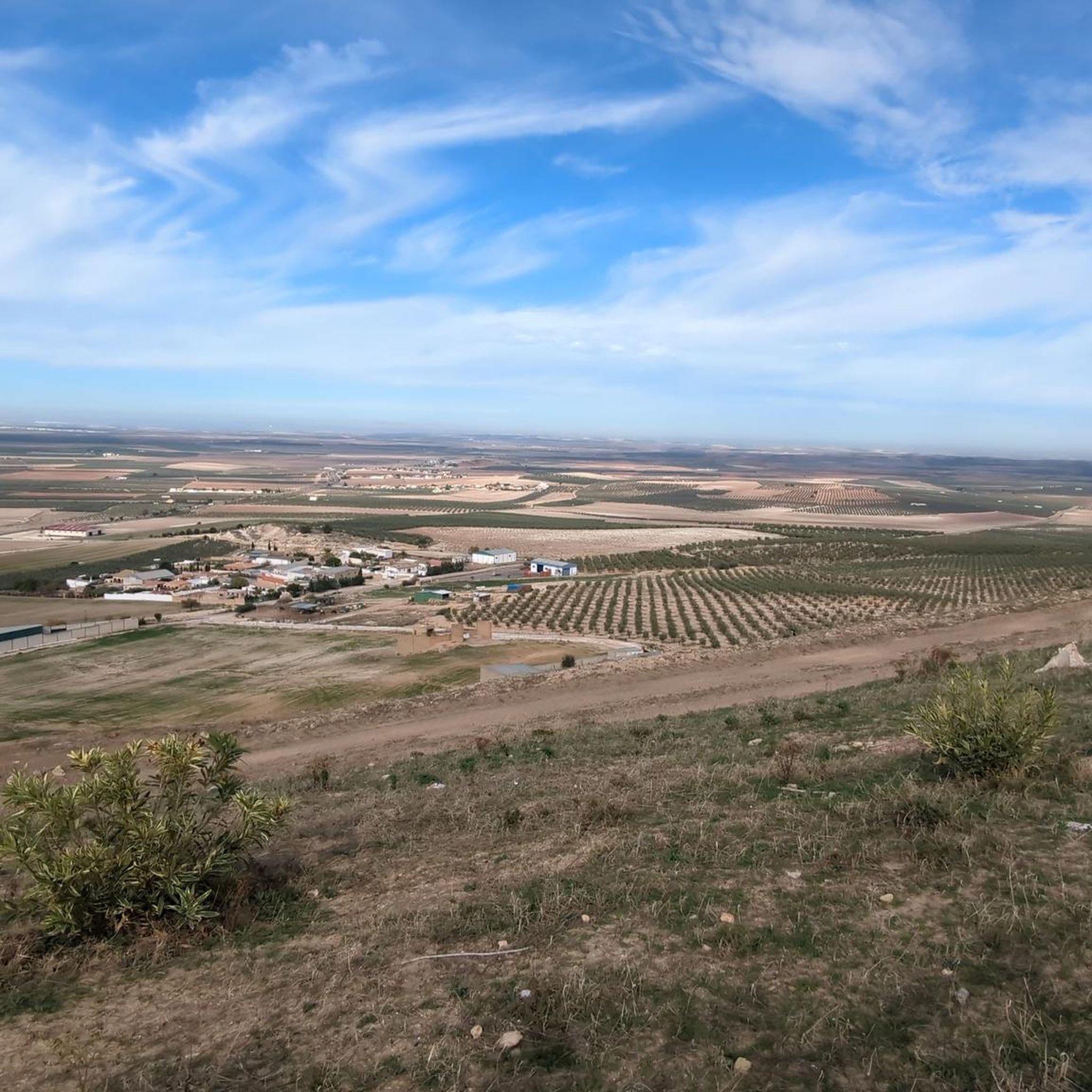
On the very edge of a precipice opened by the stonemasons, there are the ruins of what until the last century was the hermitage of the Vía Sacra. It was built in the middle of the 17th century and the Via Crucis ended there. Next to it, as a chapel, remain the remains of some tombs carved into the rock, following the model of the necropolis.
6
0
Its cover is advanced by superb Tuscan columns, made of stone, paired that support its wide and artistic balcony. The facade is crowned by a lively cornice under which is a series of gargoyles in the form of cannons. In the right angle, there is a lookout tower with a continuous balcony, inside we will highlight the private chapel and the coffered ceiling that covers the courtyard corridor.
6
0
Founded in the 16th century by Don Juan Téllez Girón, IV Count of Ureña and father of the first Duke of Osuna. The university of Osuna resisted until the irruption of the French troops in 1810, when the building was occupied and converted into a Gallic quarter. It continued after the war very precariously until 1824 when it was definitively closed.
8
0
The Collegiate Church, the current main parish of Osuna, stands in the center of a promontory that dominates the town. Two cloisters are carved on stone columns, whose segmental arches are supported by large abacuses decorated with grotesques.
6
0
The Marques de la Gomera Palace stands out on this street. The architecture of this palace is interesting, a splendid work of the 18th century, carried out by Juan Antonio Blanco, whose façade was made between 1764 and 1765 and its size reminds us of the so-called colonial style.
6
0
The Osuna University School is an official center attached to the University of Seville that has been developing university activity (in this second stage) since 1993. In these almost twenty years, the Degrees in Labor Relations and Human Resources, Finance and Accounting, Double Degree in Labor Relations and Human Resources and Finance and Accounting, Degree in Nursing, Degree in Primary Education, Degree in Physiotherapy and Degree in Early Childhood Education. It is therefore an official center, fully adapted to the new framework of the European Higher Education Area. In addition, it has a headquarters of the Institute of Languages of the University of Seville, where you can study English, French and German.
8
0
Frequently Asked Questions
What historical and cultural sites can I explore near Aguadulce?
Near Aguadulce, you can discover a rich history. Visit Calle San Pedro Palaces, known for its 18th-century architecture, including the impressive Marques de la Gomera Palace. Another significant site is Coto de las Canteras (Osuna), often called the 'Petra of Andalusia,' an archaeological site with spectacular stone reliefs and a cave used as a museum. The Collegiate Church of Our Lady of the Assumption (Osuna), a 16th-century Renaissance church, also offers panoramic views and a museum of sacred art.
Are there any archaeological sites to visit in the Aguadulce area?
Yes, the area boasts significant archaeological interest. The Coto de las Canteras (Osuna) is a remarkable archaeological site where stone was extracted since before Roman times, featuring ancient stone reliefs. Additionally, the La Ribera de la Algaida archaeological site, located on the beachfront between Roquetas de Mar and Aguadulce, contains remains from the Bronze Age through the Roman and Muslim periods.
What natural attractions are there around Aguadulce?
Aguadulce is surrounded by diverse natural beauty. You can enjoy the Blue Flag certified Aguadulce Beach, or admire the dramatic Cañarete Cliffs that plunge into the sea. For nature enthusiasts, the Paraje Natural de Punta Entinas-Sabinar is a protected reserve with well-preserved dune systems, salt marshes, and ponds that attract various bird species. Europe's only desert, the Tabernas Desert, is also just a 30-minute drive away, and the stunning Cabo de Gata-Níjar Natural Park with its unspoiled beaches and volcanic cliffs is nearby.
Where can I find scenic views or viewpoints near Aguadulce?
For scenic views, the Collegiate Church of Our Lady of the Assumption (Osuna) offers beautiful panoramic views of the old town from its elevated position. The Cañarete Cliffs also provide a dramatic backdrop and scenic drives when approaching Aguadulce from Almería.
What kind of outdoor activities can I do near Aguadulce?
The region around Aguadulce offers a variety of outdoor activities. You can enjoy water sports like diving, exploring the posidonia meadows. For land-based adventures, there are numerous cycling and running routes. Explore Road Cycling Routes around Aguadulce, MTB Trails around Aguadulce, and Running Trails around Aguadulce for detailed routes and difficulty levels.
Are there family-friendly attractions around Aguadulce?
Yes, several attractions are suitable for families. The Calle San Pedro Palaces, with its unique architecture, can be an interesting walk for all ages. The Aguadulce Beach offers a variety of leisure and sports activities, perfect for a family day out. Exploring the promenade with its shops and ice-cream parlors is also a pleasant family activity.
Where can I experience the local nightlife and gastronomy in Aguadulce?
The Aguadulce Marina is the heart of the local nightlife, bustling with pubs, bars, and restaurants. The promenade, stretching along the main beach, is also lined with various establishments offering diverse cuisine, from fresh seafood to Argentinian meats and Spanish tapas, providing plenty of options for dining and entertainment.
What is the best time of year to visit Aguadulce for attractions and outdoor activities?
Aguadulce enjoys a Mediterranean climate, making it pleasant for visiting attractions and outdoor activities for much of the year. Spring and autumn offer comfortable temperatures ideal for exploring historical sites and natural parks without the intense summer heat. Summer is perfect for beach activities and water sports, though it can be quite warm.
Are there any accessible attractions for visitors with mobility needs?
Yes, the Plaza Mayor of Lora del Río is noted as being wheelchair accessible, allowing visitors to enjoy the town hall, Art Nouveau casino, and Convento de la Concepción. The Aguadulce Promenade is also generally flat and accessible, offering a pleasant stroll along the coast.
What are some unique or 'hidden gem' places to discover near Aguadulce?
Beyond the main highlights, consider exploring the Paraje Natural de Punta Entinas-Sabinar for its unique dune systems and birdwatching opportunities, offering a tranquil escape. The Tabernas Desert, Europe's only desert, provides a distinct landscape and a glimpse into its history as a filming location for Westerns, making it a truly unique experience.
Can I find any religious buildings or significant churches in the area?
Absolutely. The Collegiate Church of Our Lady of the Assumption (Osuna) is a prominent 16th-century Renaissance church and a significant religious building. It also houses a museum of sacred art and offers historical insights into the region.
What is the Aguadulce Marina known for?
The Aguadulce Marina is one of the largest on the Almerian coast, boasting 764 berths. It's a vibrant hub for nightlife, with numerous pubs, bars, and restaurants, making it a popular spot for evening entertainment and dining. It also serves as an excellent starting point for a leisurely stroll through the town.
Are there any universities or notable educational institutions to see?
Yes, the University of Osuna is a historical site with a beautiful Renaissance building dating back to 1548. Its inner courtyard with a two-story gallery and round arches is particularly worth seeing, showcasing significant architectural heritage.

Get inspired with the komoot mobile app


Explore more
Still not found the Highlight you’re looking for? See guides of the top attractions in other regions:
