The best walks and hikes around Santillana Del Mar
4.4
(227)
1,268
hikers
28
hikes
Hiking around Santillana Del Mar offers diverse terrain, from verdant Cantabrian nature to coastal proximity. The region features rolling green hills and is situated near the Cantabrian coast, providing opportunities for coastal walks. Inland, trails lead through landscapes surrounding the historic Altamira Caves area and towards hills like Pico Vispieres. The area's physical features include a mix of gentle slopes and more challenging ascents.
Best hiking trails around Santillana Del Mar
- The most popular hiking route is View of the Cantabrian Coast – Onzapera Cove loop from Santillana del Mar, a 7.5 miles (12.1 km) trail that takes 3 hours 28 minutes to complete. This moderate route offers views of the Cantabrian coastline and Onzapera Cove.
- Another top favourite among local hikers is Santillana del Mar – Altamira Museum loop from Santillana del Mar, a moderate 4.8 miles (7.7 km) path. This route leads from the town center towards the area of the Altamira Museum.
- Local hikers also love the Altamira Museum – Altamira Cave loop from Santillana del Mar, a 3.5 miles (5.6 km) trail leading through the area surrounding the Altamira Cave, often completed in about 1 hour 31 minutes.
- Hiking around Santillana Del Mar is defined by coastal paths, green inland hills, and routes connecting to historical sites. The network offers options for easy walks, moderate excursions, and more challenging trails.
- The routes in Santillana Del Mar are highly rated by the komoot community with an average score of 4.4 stars from over 200 reviews. More than 1000 hikers have used komoot to explore Santillana Del Mar's varied terrain.
Last updated: July 17, 2026
4.3
(55)
141
hikers
11.6km
03:22
300m
300m
Moderate hike. Good fitness required. Easily-accessible paths. Suitable for all skill levels.
4.6
(8)
42
hikers
8.23km
02:21
200m
200m
Moderate hike. Good fitness required. Easily-accessible paths. Suitable for all skill levels.

Sign up for free
4.2
(10)
38
hikers
7.74km
02:10
160m
160m
Moderate hike. Good fitness required. Easily-accessible paths. Suitable for all skill levels.
4.0
(2)
41
hikers
5.53km
01:31
80m
80m
Easy hike. Great for any fitness level. Easily-accessible paths. Suitable for all skill levels.
4.8
(8)
28
hikers
8.07km
02:18
180m
180m
Moderate hike. Good fitness required. Easily-accessible paths. Suitable for all skill levels.
Get access to more routes and recommendations from other explorers.
Sign up for free
Already have an account?
Our route recommendations are based on thousands of hikes, rides, and runs completed by other people on komoot.
Start today with a free account
Your next adventure awaits.
Login or Signup

Tips from the Community

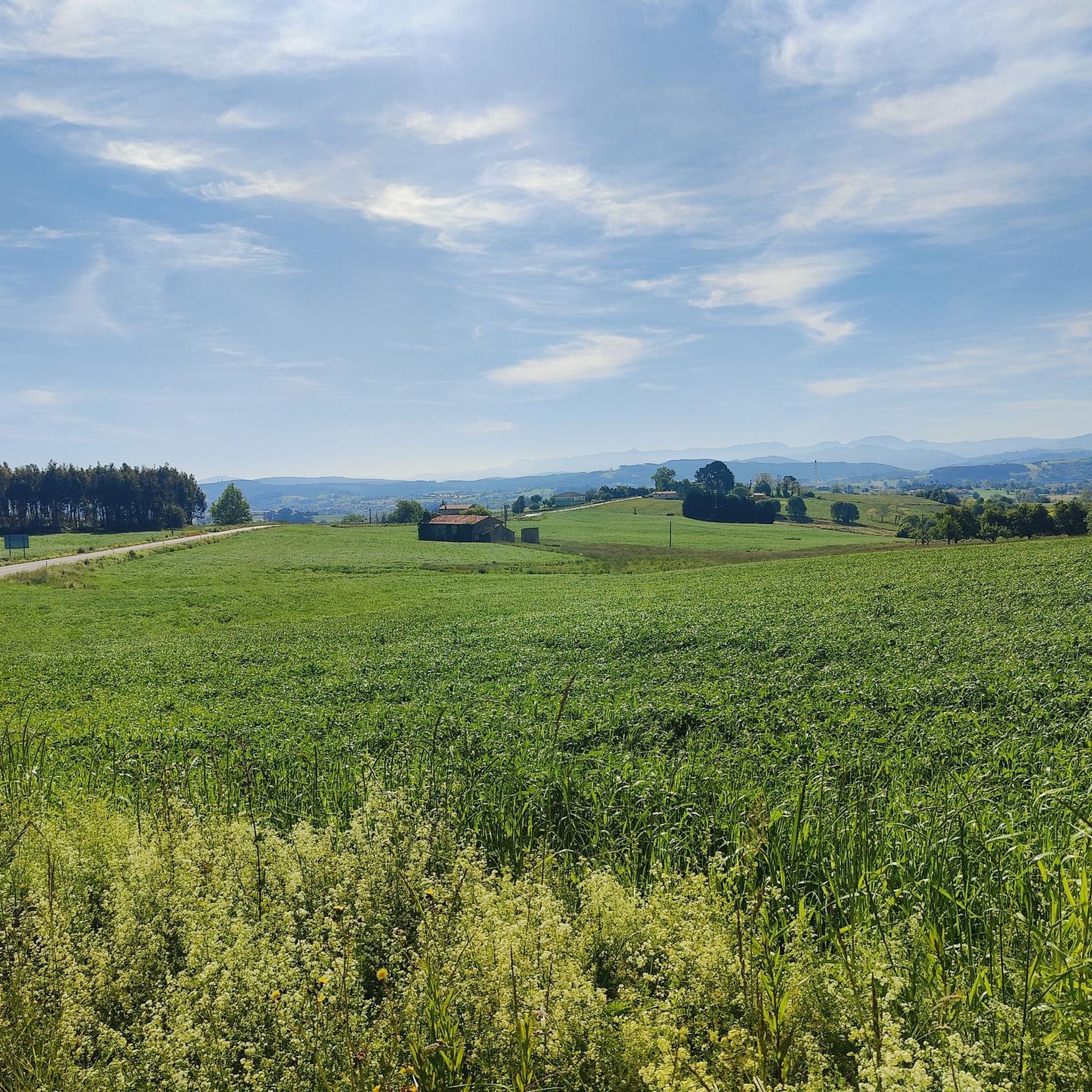
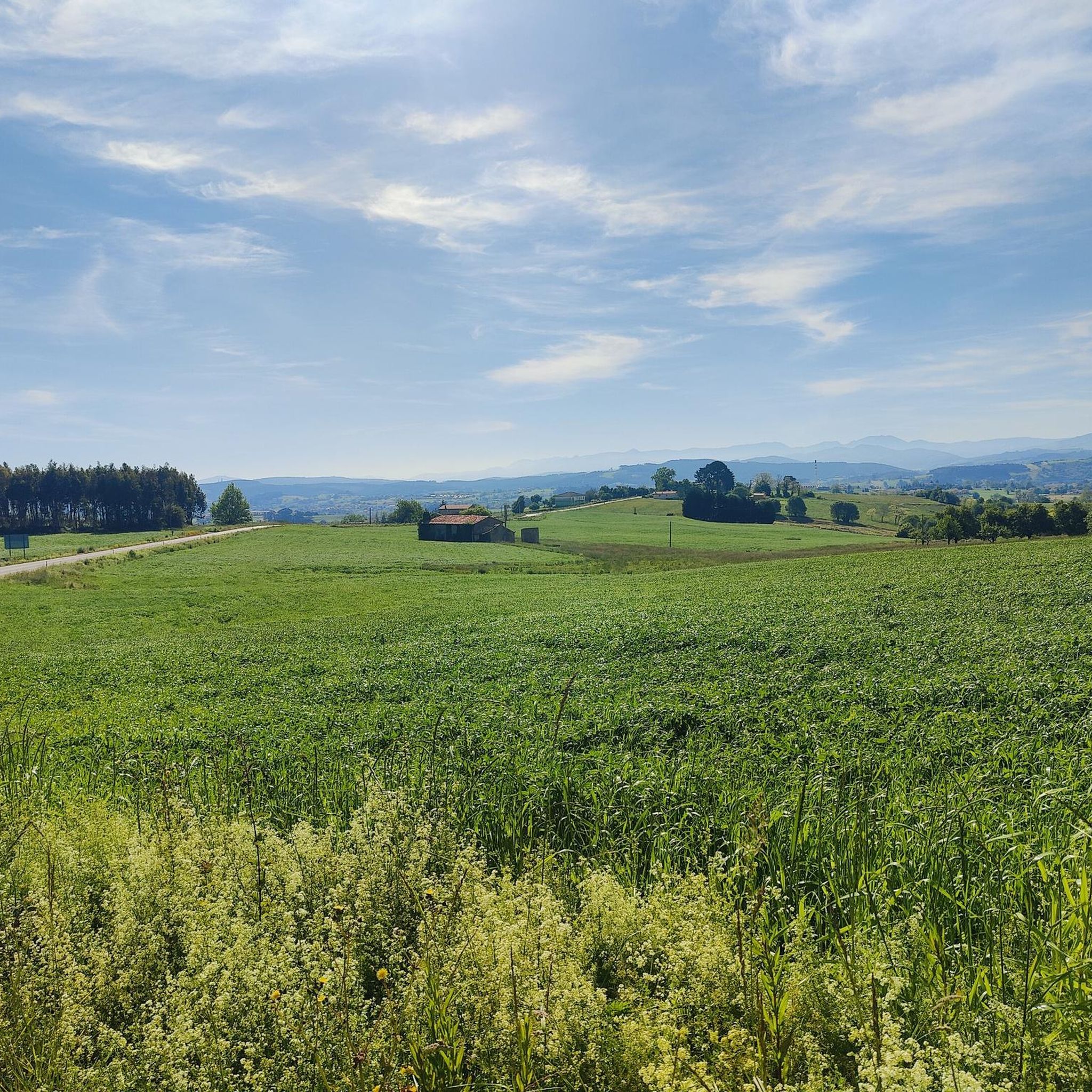
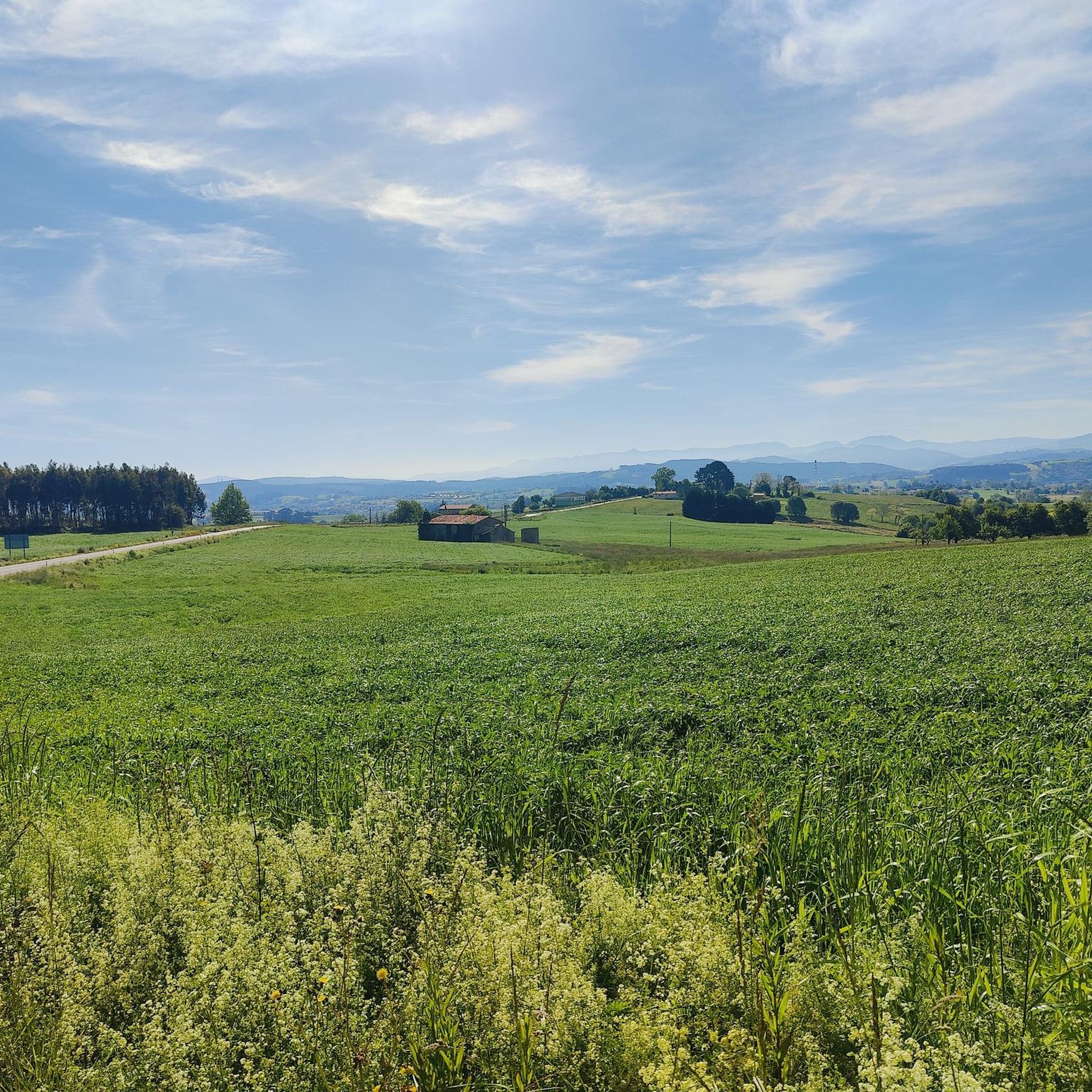
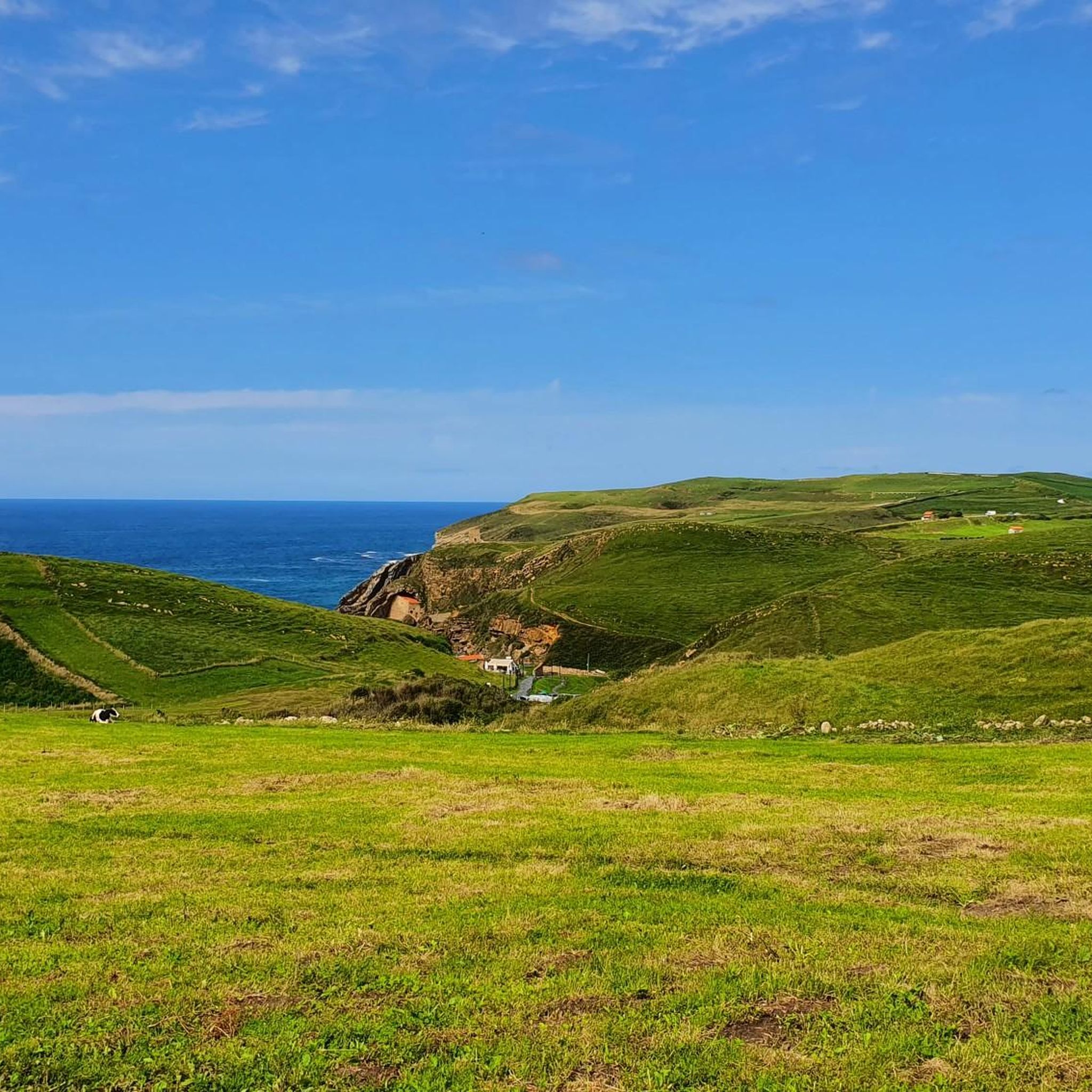
A beautiful coastal hike with views of the Picos de Europa, the Sierra de Cuera, and, in the distance, the coast of Asturias, approximately 60 km away. The hike starts at the La Santuca restaurant (recommended) in the tiny village of Arroyo (Santillana).
0
0

At the beginning of March, all cafes were closed, tickets were all sold out, all other buildings were closed
0
0

The Altamira cave paintings in northern Spain were discovered in 1879. They were the first cave paintings ever found. It was a coincidence: a hunter was looking for his dog on a country estate and came across a cave. He reported this to the owner of the estate, Don Marcelino Sautuola, but he showed little interest. It was not until ten years later, in 1878, that he examined the cave and found some stone tools there. Another year later, he took his 9-year-old daughter Maria with him. While her father was crawling around on the floor, Maria looked up at the ceiling - and saw a whole herd of bison! "Alta mira" means something like: look up! Modern graffiti or Stone Age art? Altamira Caves Don Marcelino Sautuola's daughter Maria discovered the paintings on the wall of the Altamira Cave.[ © Wikimedia, public domain ] Sautuola was quite excited when he discovered the animals painted in red and brown tones. At their side were wild horses, deer and wild boars. How disappointed Sautuola was when scholars dismissed the paintings as the work of an untalented modern artist!
1
0
The Altamira Cave covers an area of more than 5500 m². It was used from 33,600 BC until the entrance collapsed in 11,000 BC. The particularly impressive ceiling paintings are dated to the period 16,500 to 13,000 BC.[3] The cave was discovered in 1868 by a hunter due to the disappearance of a hunting dog, who immediately reported the discovery to the lord of Santillana,[2] the naturalist Marcelino Sanz de Sautuola (1831–1888). The paintings were discovered by Sautuola's five-year-old daughter Maria, who was able to walk upright through the cave and made out images of "cattle" on the ceiling.[2] Marcelino began systematically digging in the cave in 1879[2] and published a short description of the "prehistoric objects in the province of Santander". Even the Spanish King Alfonso XII was invited into the cave. However, the academic world doubted the authenticity of the cave paintings.[2] The French prehistorian Émile Cartailhac described the paintings as a "vulgar prank by a scribbler" that he and his contemporaries did not even want to look at. The discovery had to wait almost 23 years for recognition. It was only when similar paintings were discovered in the Font-de-Gaume cave near Les Eyzies-de-Tayac-Sireuil in the Dordogne department (France) in 1901 that the attitude of French researchers and Cartailhac, who became the symbol of archaeological ignorance, changed. Cartailhac apologized posthumously to the Marquis de Sautuola in an essay in 1902 ("Mea culpa" d'un sceptique[4]).
0
0
The Altamira Cave, near the town of Santillana del Mar in Cantabria, Spain, 32 km southwest of Santander, is known for its Stone Age cave paintings. Like the Chauvet Cave, it belongs to the area of Franco-Cantabrian cave art[1] and is part of the UNESCO World Heritage Site.
1
0
The Altamira Cave covers an area of more than 5500 m². It was used from 33,600 BC until the entrance collapsed in 11,000 BC. The particularly impressive ceiling paintings are dated to the period 16,500 to 13,000 BC.[3] The cave was discovered in 1868 by a hunter due to the disappearance of a hunting dog, who immediately reported the discovery to the lord of Santillana,[2] the naturalist Marcelino Sanz de Sautuola (1831–1888). The paintings were discovered by Sautuola's five-year-old daughter Maria, who was able to walk upright through the cave and made out images of "cattle" on the ceiling.[2] Marcelino began systematically digging in the cave in 1879[2] and published a short description of the "prehistoric objects in the province of Santander". Even the Spanish King Alfonso XII was invited into the cave. However, the academic world doubted the authenticity of the cave paintings.
2
0
Located near the UNESCO World Heritage Altamira Caves, this center explores the lives of its early inhabitants. The Altamira National Museum and Research Center, located near the Altamira Caves, is an important place to learn and experience cave art, which is a UNESCO World Heritage Site. This museum offers visitors a unique educational experience about the lives of the region's first inhabitants. The Neok Cave is a faithful replica of the original cave, designed to preserve the ancient paintings. Guided tours are highly recommended to maximize the experience, with guides providing detailed and entertaining explanations. Entry is free on Sundays, although there can be long queues, so arriving early is advised. The natural environment surrounding the museum is enchanting and makes the experience even more enjoyable.
1
0

Surrounded by rocks, it is a very wild and beautiful place. They say that when the water is calm you can take a nice swim, but in my case, I couldn't enjoy it, although I did enjoy its beauty.
0
0
Frequently Asked Questions
How many hiking trails are available around Santillana del Mar?
There are over 25 hiking routes around Santillana del Mar, offering a variety of experiences from easy strolls to more challenging ascents. The komoot community has rated these routes highly, with an average score of 4.4 stars.
Are there any easy hiking trails suitable for beginners or leisurely walks?
Yes, Santillana del Mar offers many easy trails. For example, the Altamira Museum – Altamira Cave loop from Santillana del Mar is an easy 3.5-mile (5.6 km) path that takes you through the area surrounding the famous Altamira Cave.
What kind of terrain can I expect on hikes near Santillana del Mar?
The region offers diverse terrain, from lush green inland hills and rolling landscapes to picturesque coastal paths. You'll find a mix of gentle slopes and some more challenging ascents, particularly if you venture towards peaks like Pico Vispieres.
Are there any circular hiking routes in the area?
Yes, many routes are designed as loops. A popular moderate circular route is the View of the Cantabrian Coast – Onzapera Cove loop from Santillana del Mar, which covers 7.5 miles (12.1 km) and offers stunning sea views.
Can I find hikes that offer views of the Cantabrian coast?
Absolutely. Santillana del Mar is just a few kilometers from the coast, and several trails provide spectacular sea views. The View of the Cantabrian Coast – Onzapera Cove loop from Santillana del Mar is an excellent option for coastal vistas, and the Mirador de Ubiarco also offers panoramic views.
Are there any family-friendly hiking options around Santillana del Mar?
Many of the easier trails are suitable for families. The Altamira Museum – Altamira Cave loop from Santillana del Mar is a great choice, combining a pleasant walk with a visit to the area of the renowned Altamira Cave museum, which can be engaging for all ages.
What historical or natural landmarks can I explore while hiking?
You can combine hiking with exploring significant landmarks. The area around the Altamira Cave and its museum is accessible via trails like the Santillana del Mar – Altamira Museum loop from Santillana del Mar. You can also visit the historic Santillana del Mar Historic Town Centre itself, or the impressive Collegiate Church of Santa Juliana.
Is Santillana del Mar part of the Camino de Santiago?
Yes, Santillana del Mar is a significant stop on the Camino del Norte, which is part of the larger Camino de Santiago pilgrimage route. Hikers can experience sections of this historic path that lead westward along the northern Spanish coast.
What do other hikers enjoy most about the trails in Santillana del Mar?
The trails in Santillana del Mar are highly rated by the komoot community, with an average score of 4.4 stars from over 200 reviews. Hikers often praise the beautiful blend of historical charm and natural beauty, from the green inland hills to the stunning coastal views, and the well-maintained paths that cater to various fitness levels.
Are there any challenging hikes for experienced hikers?
For those seeking a more challenging experience, Pico Vispieres offers a more demanding ascent with rewarding views. While specific komoot routes to its summit aren't listed here, the area does feature a few difficult trails among its total of 28 routes.
What is the best time of year to go hiking in Santillana del Mar?
The region's lush green landscapes are beautiful throughout much of the year. Spring and early autumn generally offer pleasant temperatures for hiking, with vibrant flora in spring and comfortable conditions before the colder winter months. The coastal proximity means milder winters compared to inland areas.
Are there any viewpoints along the hiking trails?
Yes, the area boasts several viewpoints. The Mirador de Ubiarco, a short distance from town, offers spectacular panoramic views of the Cantabrian coast and the Saja River valley. Additionally, trails like the View of the Cantabrian Coast – Onzapera Cove loop provide excellent coastal vistas.
Most popular routes around Santillana Del Mar
Most popular attractions around Santillana Del Mar

Get inspired with the komoot mobile app


Explore more
Browse the best Hikes in other regions.
