Attractions and Places To See around Alfoz De Lloredo - Top 20
Best attractions and places to see around Alfoz De Lloredo, a municipality on the Cantabrian coast, offers a blend of historical, cultural, and natural sites. The region is comprised of seven distinct localities, each contributing to its character. It features a historical connection to the Roman "Via Agripa" and the Camino de Santiago, alongside diverse natural landscapes including cliffs, beaches, and prehistoric caves.
Best attractions and places to see around Alfoz De Lloredo
- The most popular attractions is Santillana del Mar Historic Town Centre, a historical site known for its historical legacy and natural enclave. This centuries-old town features the Collegiate Church of Santa Juliana and numerous trading houses and palaces.
- Another must-see spot is Historic center of Comillas, a historical site traditionally known as the “City of Archbishops”. Visitors can expect to see rich architecture of late historicism and early modernism, including structures like the Palacio de Sobrellano and El Capricho de Gaudí.
- Visitors also love San Pedro Church of Oreña, a religious building located next to the Camino de Santiago. It offers views of the Picos de Europa, and historical records indicate a chapel existed here before 1111, with one of its original gates still remaining.
- Alfoz De Lloredo is known for its historical churches, ancient caves, and coastal features. The region offers a variety of attractions to see and explore, from religious buildings and historical sites to natural harbors and beaches.
- The attractions around Alfoz De Lloredo are appreciated by the komoot community, with 255 upvotes and 309 photos shared across 14 highlights.
Last updated: July 20, 2026
Santillana del Mar Historic Town Centre
Highlight • Historical Site
Translated by Google •
Tip by

Historic center of Comillas
Highlight • Historical Site
Translated by Google •
Tip by

Sign up now to discover places like this
Get recommendations on the best single tracks, peaks, & plenty of other exciting outdoor places.
Sign up for free
Collegiate Church of Santa Juliana (Colegiata de Santa Juliana)
Highlight • Religious Site
Translated by Google •
Tip by
Church of Saint Christopher
Highlight • Religious Site
Translated by Google •
Tip by

El Capricho de Gaudí
Highlight • Monument
Translated by Google •
Tip by

Sign up for free to discover even more attractions around Alfoz De Lloredo.
Sign up for free
Already have an account?
Start today with a free account
Your next adventure awaits.
Login or Signup
Popular around Alfoz De Lloredo
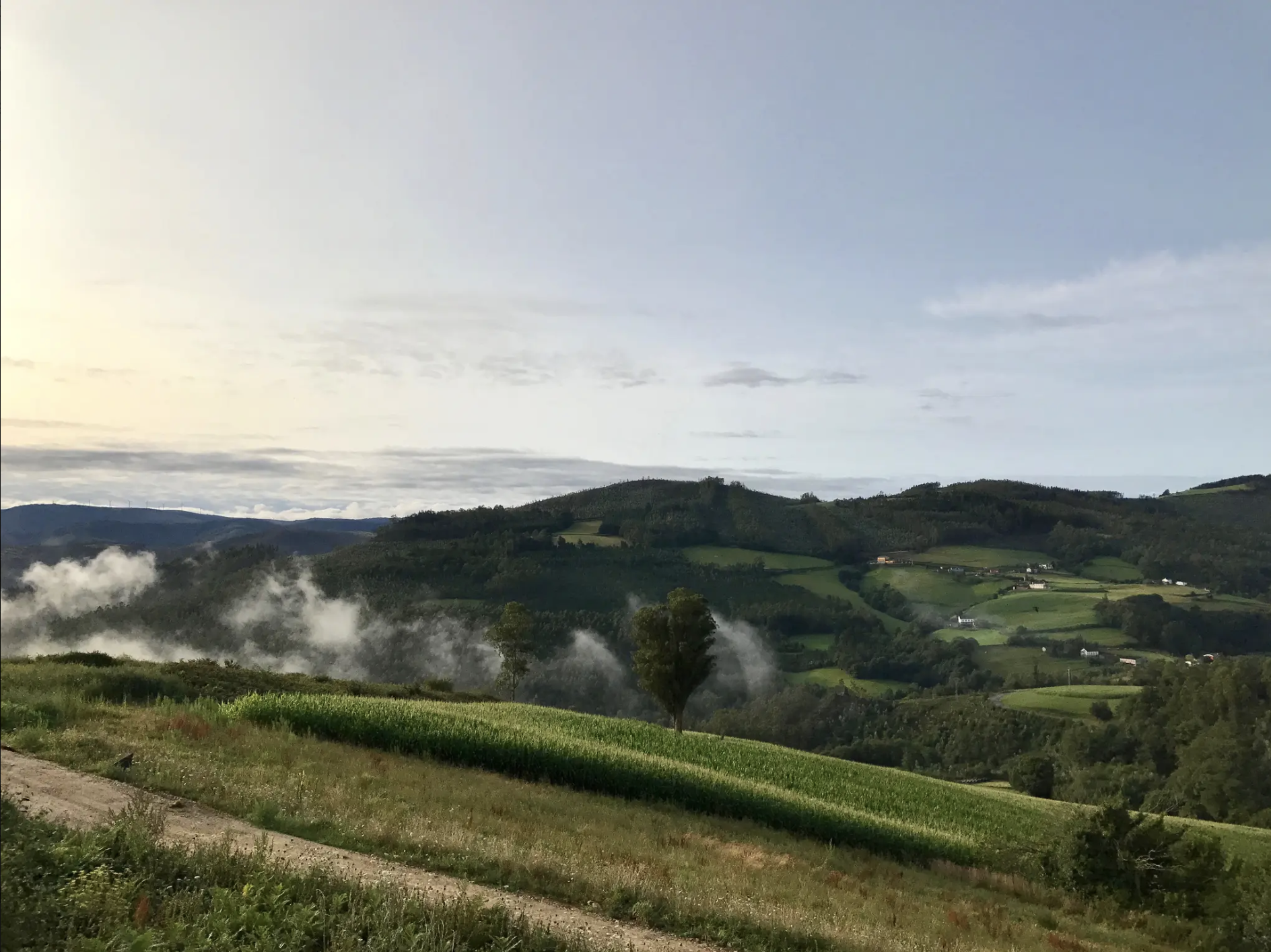
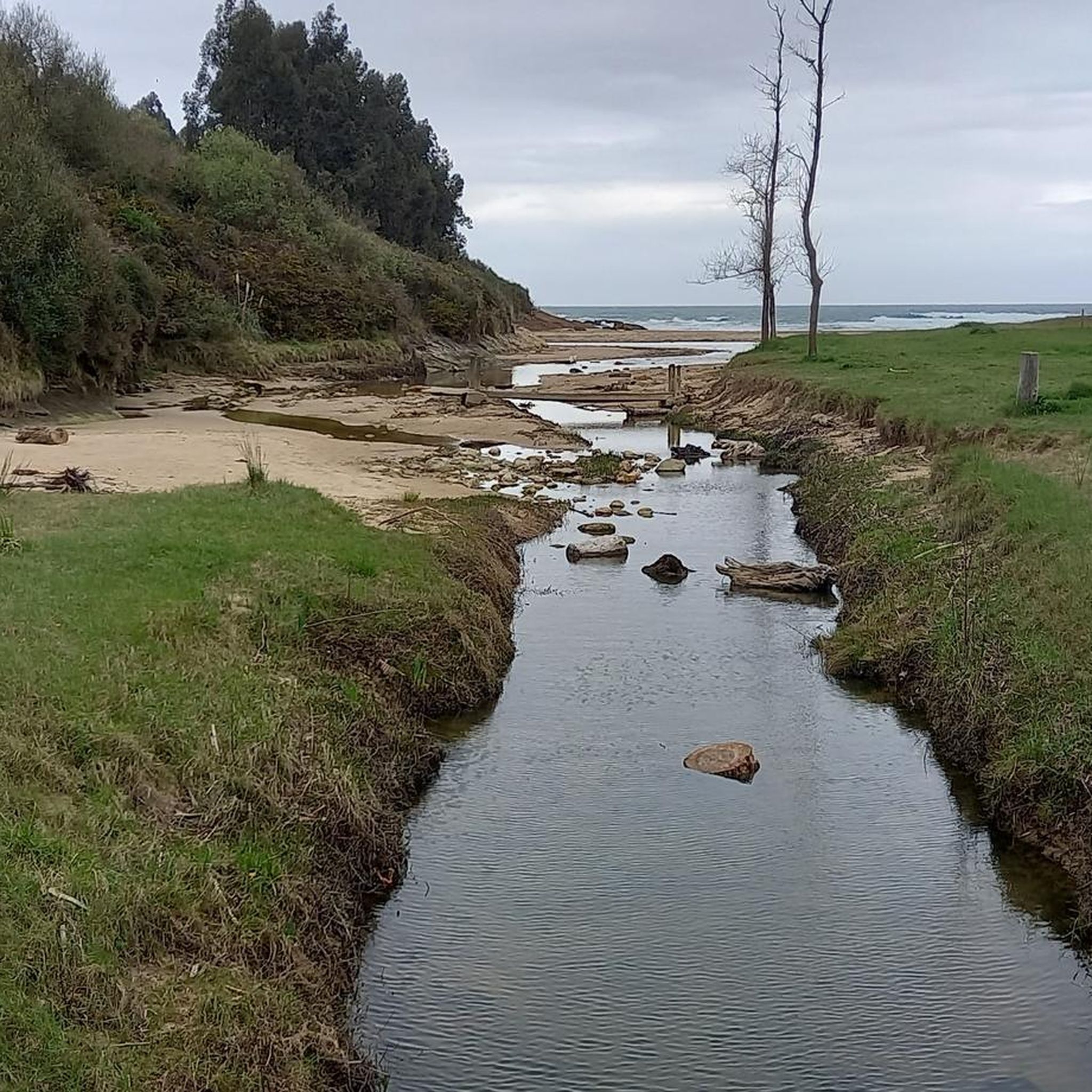
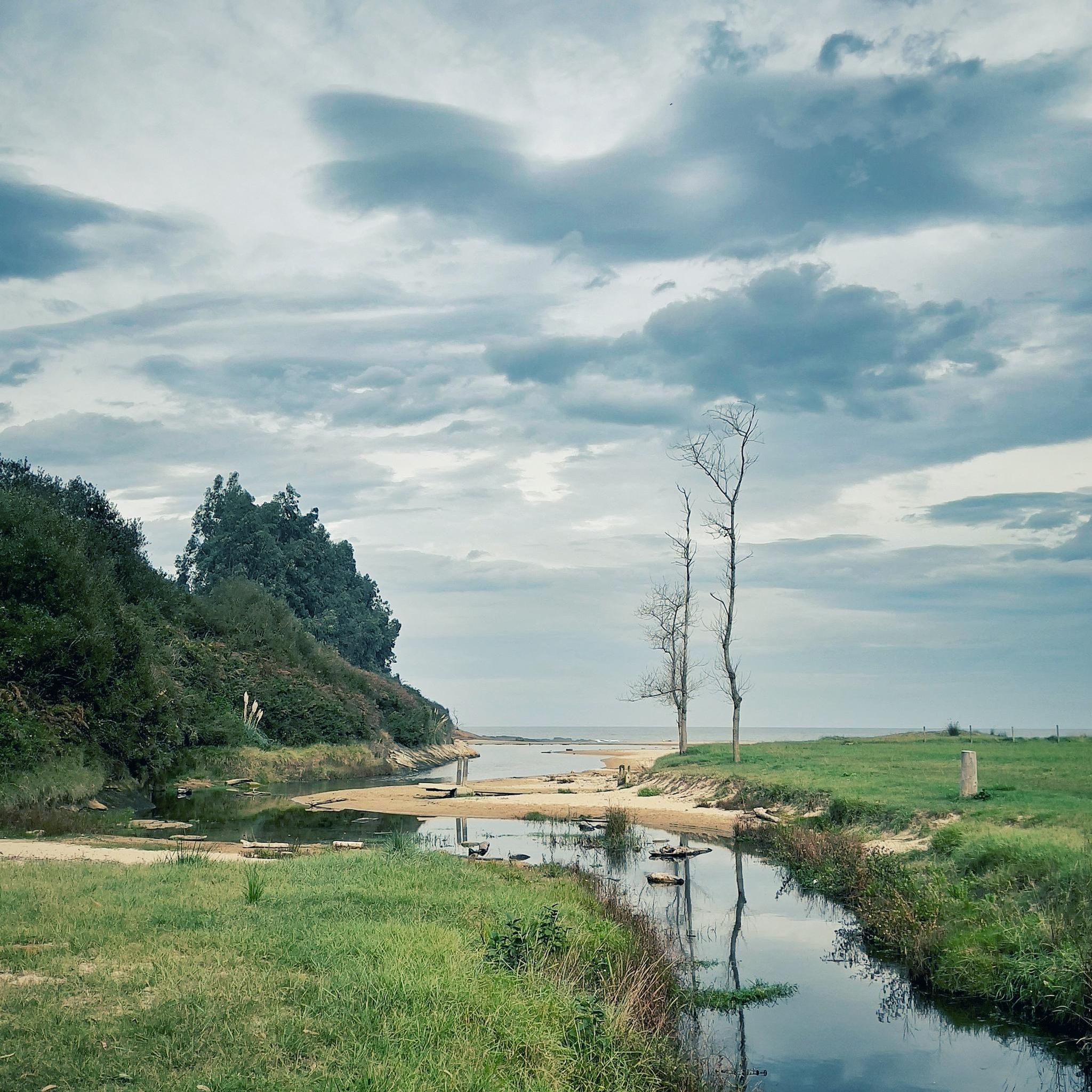

Other adventures around Alfoz De Lloredo

Tips from the Community

In the square there are many cafes that invite you to linger.
0
0
Even though this is just a small Gaudí building, it is worth a detour. You can discover many beautiful little things in the villa and garden. You can buy extraordinary souvenirs in the shop. Admission costs €10 (as of April 2026).
1
0

Unfortunately, the Romanesque Collegiate Church is closed on April 26th - Monday - there are also no opening hours.🤔
0
0

It's worth a visit. Great details inside.
1
1

One of Gaudi's early works, a mixture of architectural styles, imaginative and colorful. The history and structure are explained in a film in French and Spanish.
8
0
One of the most beautiful medieval villages in Spain and loved by many tourists. The entire town is one museum.
7
0
The drinking trough is central and has a roof above it 😀
7
0
Benedictine abbey from the 12th century
6
0
Frequently Asked Questions
What historical and cultural sites can I explore in Alfoz de Lloredo?
Alfoz de Lloredo is rich in history. You can visit the majestic Baroque Church of San Martín in Cigüenza, an 18th-century architectural gem. The Abbey of Santa María de Viaceli in Cóbreces is a unique Trappist monastery, notable as the first building in Spain constructed with reinforced concrete. Don't miss the high-medieval Necropolis of Toñanes. Nearby, the Santillana del Mar Historic Town Centre, with its 12th-century Collegiate Church of Santa Juliana, and the Historic center of Comillas, known for its modernist architecture including El Capricho de Gaudí, are also highly recommended.
Are there any significant religious buildings to visit in the area?
Yes, the region features several notable religious sites. The Church of San Martín in Cigüenza is a prime example of Montañes Baroque architecture. In Cóbreces, you'll find the Abbey of Santa María de Viaceli, an active Trappist monastery, and the neo-Gothic Church of San Pedro ad Vincula. The San Pedro Church of Oreña, located next to the Camino de Santiago, offers spectacular views of the Picos de Europa.
What natural features and viewpoints are worth seeing in Alfoz de Lloredo?
The municipality boasts stunning natural beauty. The Cliffs of Bolao, located between Cóbreces and Toñanes, offer exceptional scenic views and feature a beautiful waterfall. Luaña Beach in Cóbreces is a picturesque cove with clear waters. You can also explore Puerto Calderón in Oreña, a distinctive natural harbor used since Roman times. The San Pedro Church of Oreña also provides excellent views of the Picos de Europa.
Are there any prehistoric caves or archaeological sites in Alfoz de Lloredo?
Yes, Alfoz de Lloredo is home to several caves with significant prehistoric findings. The Cueva de Las Aguas in Novales contains evidence of Magdalenian occupation, including red paintings and engravings. The Cueva de Cualventi in Oreña is an archaeological zone with confirmed Paleolithic remains, and the Cueva de El Linar in La Busta has yielded remains from the Acheulean, Mousterian, and Magdalenian periods.
What outdoor activities can I do near these attractions?
The area around Alfoz de Lloredo offers diverse outdoor activities. You can find various routes for gravel biking, cycling, and mountain biking. For example, there are challenging gravel biking loops like 'View of Comillas – View of the Cantabrian Sea' from Venta de Tramalón, or moderate MTB trails such as 'View of Comillas – Historic center of Comillas' from Cóbreces. Explore more options on the dedicated guides for Gravel biking around Alfoz De Lloredo, Cycling around Alfoz De Lloredo, and MTB Trails around Alfoz De Lloredo.
Are there family-friendly attractions around Alfoz de Lloredo?
Many attractions in the region are suitable for families. The Santillana del Mar Historic Town Centre and the Historic center of Comillas offer engaging historical exploration. Luaña Beach is perfect for a family day out by the sea. The prehistoric caves can also be an educational and exciting experience for older children.
What is the best time to visit Alfoz de Lloredo for sightseeing and outdoor activities?
The Cantabrian coast generally enjoys a mild climate. For sightseeing and outdoor activities, the spring and summer months (May to September) are ideal, offering pleasant temperatures and more daylight hours. This period is also best for enjoying the beaches and coastal walks.
What makes Novales unique within Alfoz de Lloredo?
Novales is known for its unique Mediterranean microclimate, often referred to as the 'Little Murcia.' This special climate allows for the cultivation of citrus fruits, particularly lemons, which are famous throughout Cantabria. It also hosts the Cueva de Las Aguas, a significant prehistoric cave.
Can I find traditional Cantabrian architecture in Alfoz de Lloredo?
Yes, Alfoz de Lloredo preserves the essence of rural Cantabria with numerous classic stately homes. You can see examples of traditional architecture in localities like Toñanes, with houses such as those of Cossio and Gómez Carandía, and various historical houses in Novales and Rudagüera.
What do visitors enjoy most about the attractions around Alfoz de Lloredo?
Visitors particularly appreciate the rich historical legacy and natural beauty of the area. The well-preserved village centers like Santillana del Mar and Comillas are highly praised for their cultural richness. The spectacular views, especially from sites like the San Pedro Church of Oreña, and the diverse landscapes combining coast and forests, are also frequently highlighted.
Are there any specific hiking routes to explore the villages and natural surroundings?
Yes, the municipality offers various hiking routes that allow you to explore its charming villages and diverse natural surroundings. These routes often combine coastal paths with inland landscapes and extensive forests, providing a comprehensive experience of the region's beauty. While specific named hiking routes are not detailed here, you can find many options for exploring the area on foot.
Most popular routes around Alfoz De Lloredo
Most popular attractions around Alfoz De Lloredo

Get inspired with the komoot mobile app


Explore more
Still not found the Highlight you’re looking for? See guides of the top attractions in other regions:
