Attractions and Places To See around Puigcerdà - Top 20
Best attractions and places to see around Puigcerdà include a diverse range of historical landmarks, natural beauty, and cultural experiences. Situated near the Segre River and bordering France, this town is nestled within the Catalan Pyrenees, offering a mountainous backdrop. The region is known for its extensive trails in Cadí-Moixeró Natural Park and its blend of Romanesque and Gothic architecture. Visitors can explore a variety of sites that showcase the area's rich heritage and stunning landscapes.
Best attractions and places to see around Puigcerdà
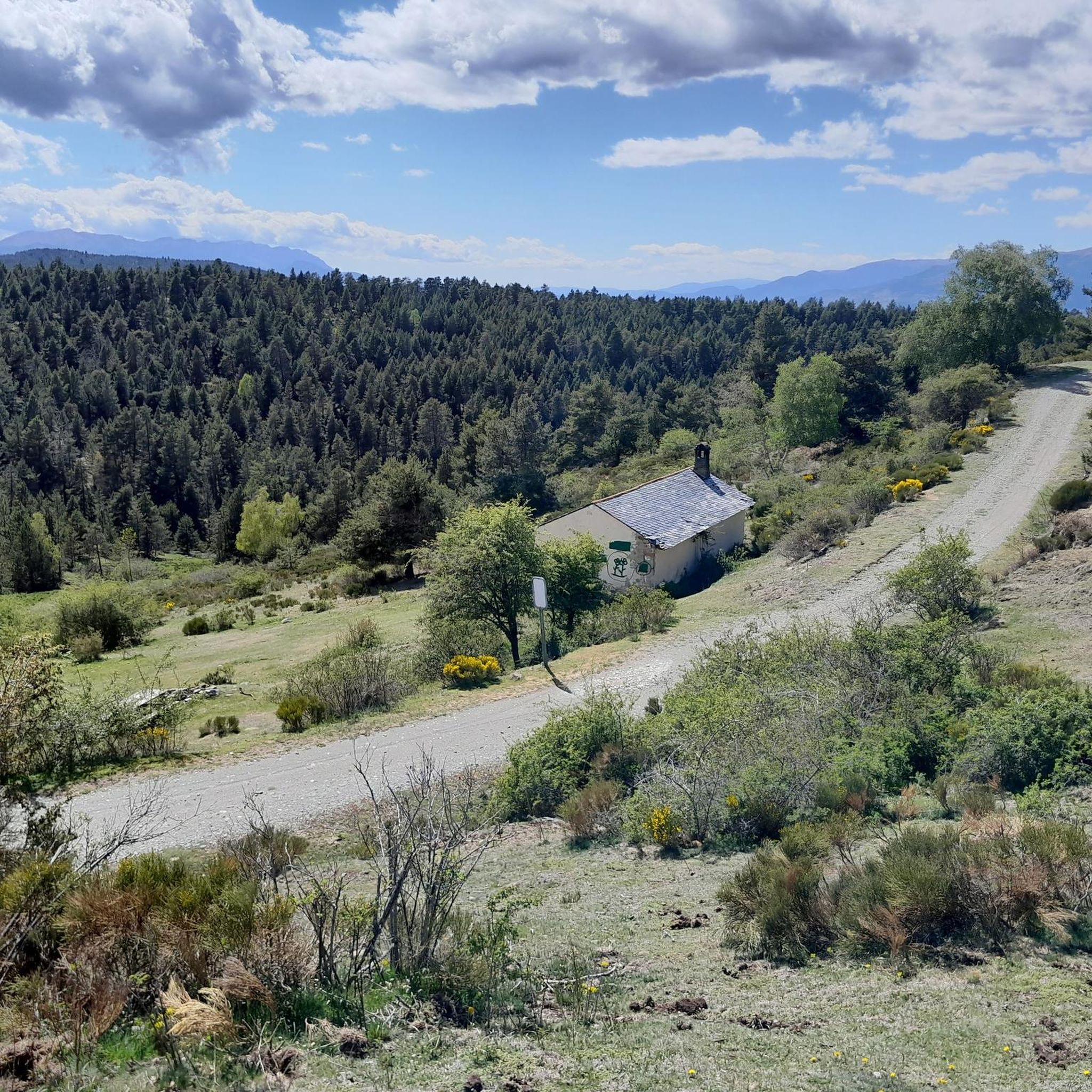
- The most popular attractions is Collada de Toses Pass, a mountain pass that connects the Ripollès with the Cerdanya region. It is an important pass in Catalan geography, offering spectacular views, especially on its north side.
- Another must-see spot is Castellar de n'Hug, a settlement known for its picturesque plaza, church, and castle. This town is the birthplace of the Llobregat river and is considered a postcard town of Catalonia.
- Visitors also love Niu de l'Àliga Refuge, a high mountain refuge located at 2510 meters high. It is the highest guarded refuge in the Eastern Pyrenees, offering bar, restaurant, and accommodation services, along with spectacular views of the Cerdanya valley.
- Puigcerdà is known for its historical sites, natural features, and outdoor activities. The area offers a variety of mountain passes, charming settlements, and high-altitude refuges to see and explore.
- The attractions around Puigcerdà are appreciated by the komoot community, with 58 upvotes and 16 photos shared by visitors.
Last updated: August 29, 2026
Coll de la Creueta
Highlight • Mountain Pass
Translated by Google •
Tip by

Collada de Toses Pass
Highlight • Mountain Pass
Translated by Google •
Tip by

Sign up now to discover places like this
Get recommendations on the best single tracks, peaks, & plenty of other exciting outdoor places.
Sign up for free
Views climbing the Coll de la Creueta
Highlight • Mountain Pass
Bordering peak between the Ripollés and Berguedá regions and dividing the waters between the Ter and Llobregat rivers.
The slope of the bergadá is included in the Cadí Moixeró Natural Park.
It is considered one of the great ports of Catalonia (from the south side) through which La Volta a Catalunya or La Vuelta a España have passed on several occasions.
Translated by Google •
Tip by

Castellar de n'Hug
Highlight • Settlement
Tip by

Niu de l'Àliga Refuge
Highlight • Mountain Hut
It is one of the eight shelters that make up the Cavalls del Vent route.
It not only welcomes hikers but, being at the foot of the Molina station, it also welcomes skiers in winter.
Translated by Google •
Tip by

Sign up for free to discover even more attractions around Puigcerdà.
Sign up for free
Already have an account?
Start today with a free account
Your next adventure awaits.
Login or Signup
Other adventures around Puigcerdà

Tips from the Community

A beautiful village located in the Cadí-Moixeró Natural Park. A stroll through it, visiting the Llobregat springs, and buying something from its bakeries are highly recommended.
0
0

Regular asphalt if it's downhill Bones vistas
0
0
Hellish climb but with spectacular views, good asphalt too
0
0

The Niu de l'Àliga Refuge is located at an altitude of 2,500 meters at the top of Tosa d'Alp, in the municipality of Bagà. This refuge is an iconic building at the highest point of the La Molina ski resort and offers spectacular views of the Cerdanya valley, Ripollès, and Berguedà. It is a privileged spot to enjoy sunsets and moonlit nights. The refuge has capacity for 27 people and offers services such as a cable car, blankets, showers, mobile charging, Wi-Fi, a bar, and a restaurant.
5
0

Second port of the 4cims. Long but very laid out. It is worth enjoying its views without putting down the big plate at many times. :)
0
0

Puerto de Montaña with spectacular views, if you know it from the side of Castellar de Hug, you see Pedraforca and all the cadí, and going up through La Molina, views of Cerdanya and the French Western Pyrenees (Peric, Carlit...).
0
0

Small mountain village of Berguedà, halfway to Coll de la Creueta and also the end of Montgrony from Gombrèn. It is known for the Llobregat River Springs, but also for its beauty. A good point to rest and refuel.
0
0
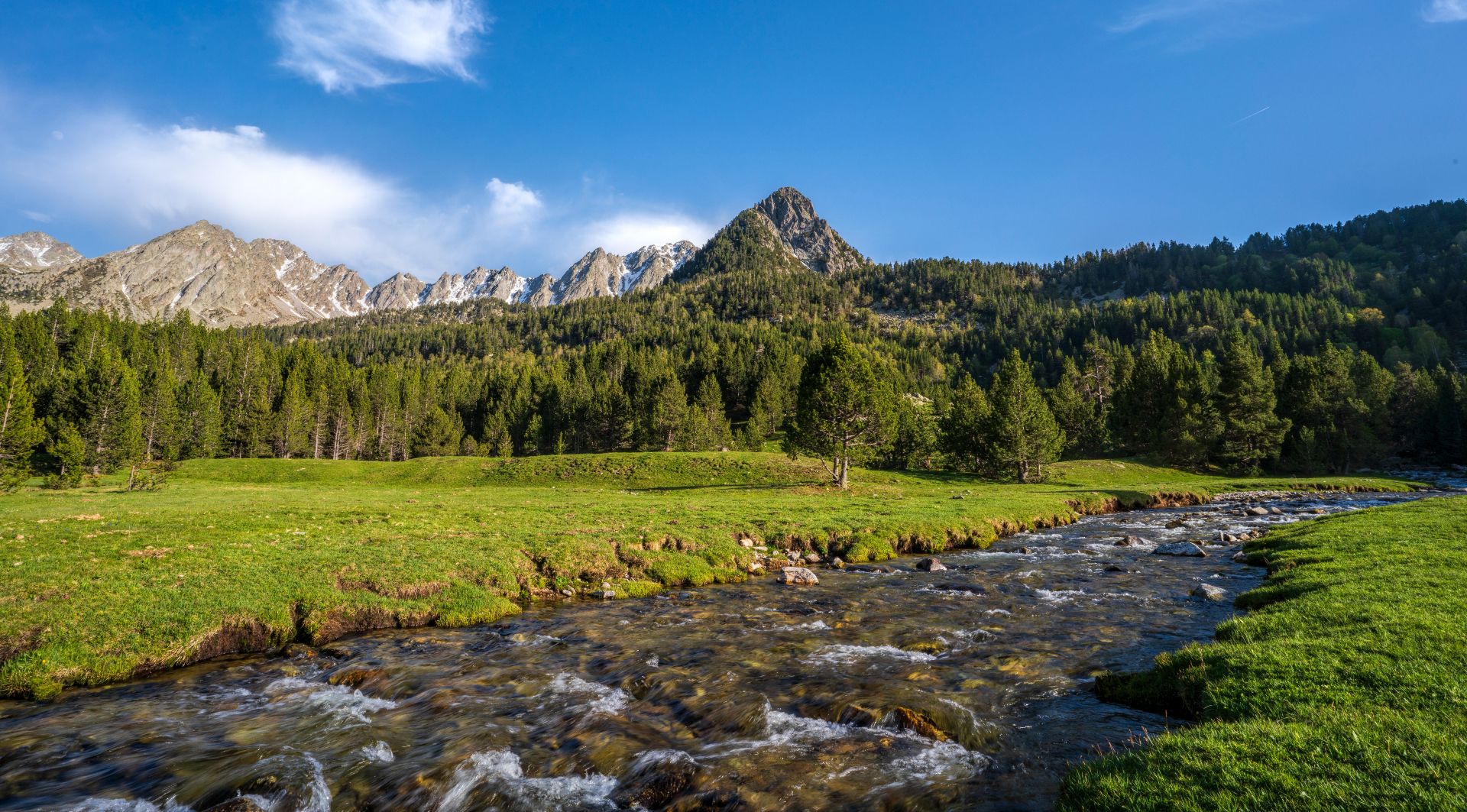
Spectacular panoramas over the alpine meadows of the Pyrenees.
0
0
Frequently Asked Questions
What historical landmarks can I explore in Puigcerdà?
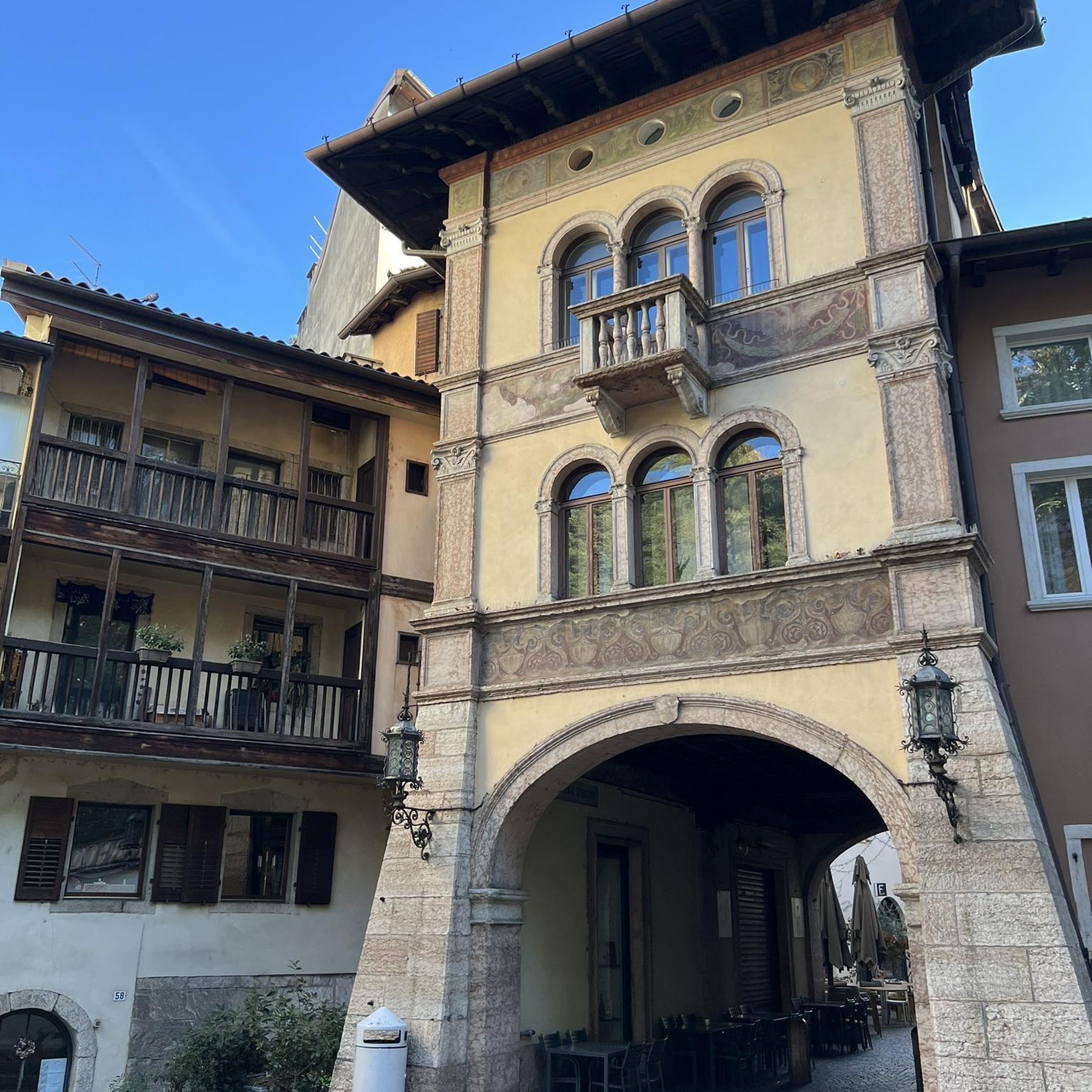
Puigcerdà offers several historical sites. You can visit the Torre del Campanar, a 12th-century bell tower that is the only remaining part of the former Church of Santa María, offering panoramic views. The Old Town with its narrow streets and Plaza de Santa María are also significant. Other notable sites include the Convent of St. Dominic (1291) with its mural paintings, and the Old Hospital (1190) showcasing Romanesque and Gothic styles.
Are there any natural parks or significant natural features near Puigcerdà?
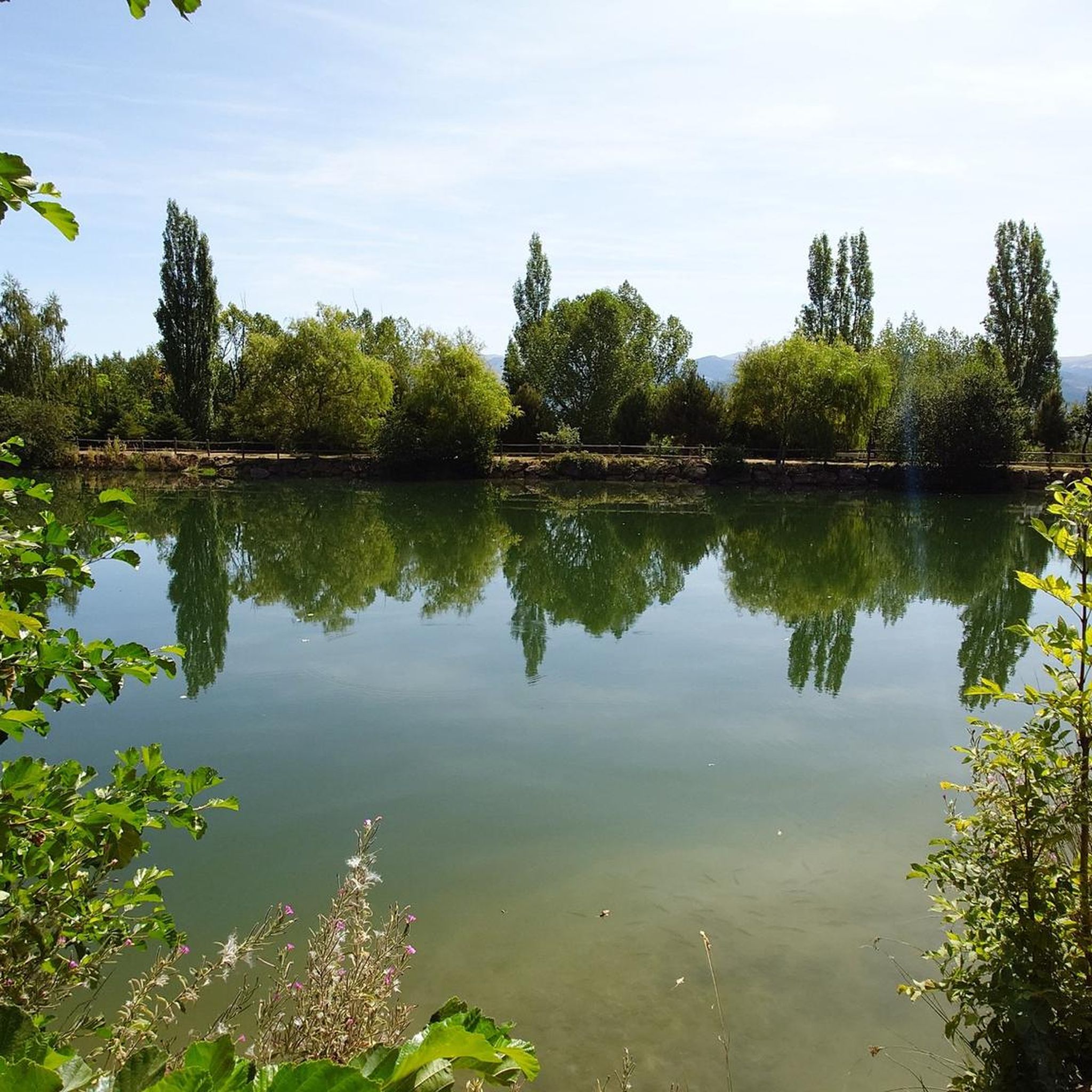
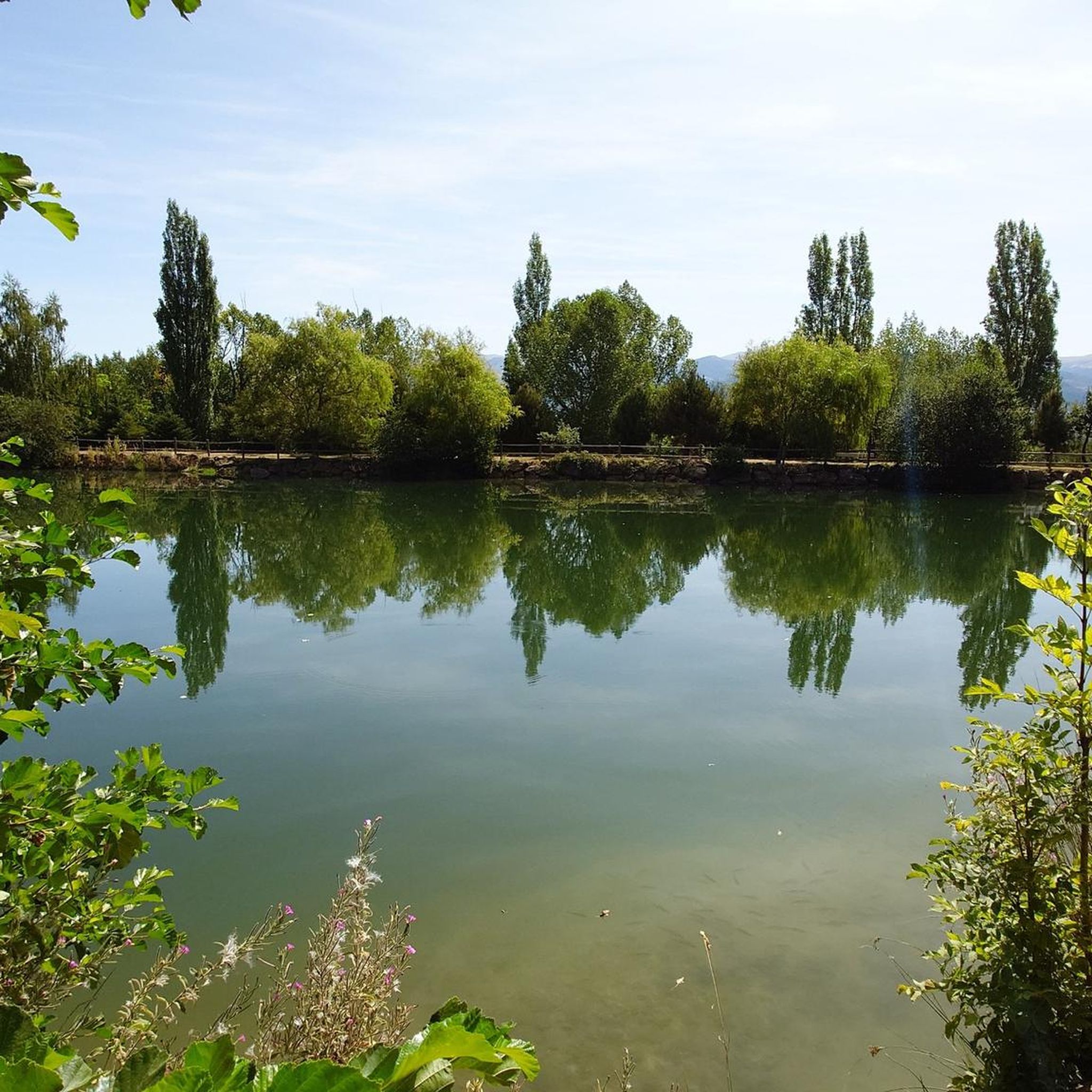
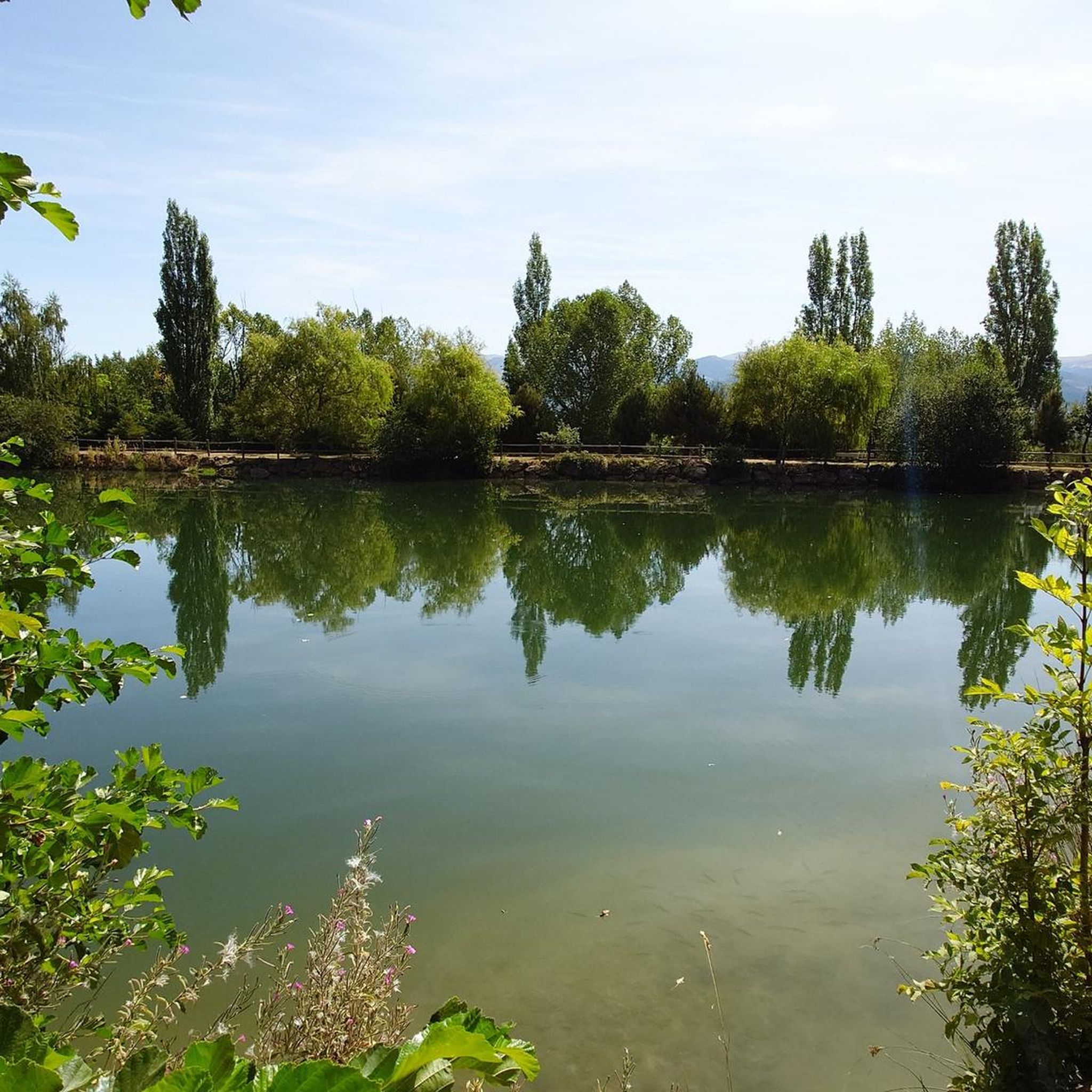
Yes, Puigcerdà is rich in natural beauty. The Cadí-Moixeró Natural Park, spanning over 40,000 hectares, offers extensive trails and diverse landscapes. The town is also nestled within the Catalan Pyrenees. You can also enjoy the artificial Puigcerdà Lake and the adjacent Schierbeck Park, a popular spot for relaxation.
What kind of outdoor activities can I do around Puigcerdà?
The region around Puigcerdà is ideal for various outdoor activities. You can enjoy hiking, trekking, and mountain biking in the Pyrenees and Cadí-Moixeró Natural Park. In winter, skiing and snowshoeing are popular, with nearby resorts like La Molina and La Masella. For specific routes, explore the Hiking around Puigcerdà guide, which includes trails like the 'Lovers' Path'.
What are some popular hiking trails near Puigcerdà?
For hikers, the 'Lovers' Path' (Camino de los Enamorados) is a popular trail offering spectacular views near Puigcerdà Lake. You can find more hiking options, including moderate trails like 'Puigcerdà – Lovers' Path loop from Estació superior' and 'Parc Cordomí – Pond in Parque Cordomí loop from Puigcerdà', in the Hiking around Puigcerdà guide.
Where can I find the best panoramic views in the Puigcerdà area?
For breathtaking views, consider visiting the Collada de Toses Pass, an important pass in Catalan geography, especially its spectacular north side. Another excellent spot is the Niu de l'Àliga Refuge, located at 2510 meters high, offering views of the Cerdanya valley, Ripollès, and Berguedà. The Torre del Campanar in Puigcerdà also provides panoramic vistas of the region.
Are there any challenging cycling routes around Puigcerdà?
Yes, the area offers challenging cycling routes, particularly for road cycling. You can tackle routes like 'Collado de Toses & Creueta & Maranges - Circular Tour via la Molina' or 'Collada de Toses Pass – Creueta Pass (1,888 m) loop from Puigcerdà', both rated as difficult. The Road Cycling Routes around Puigcerdà guide provides more details on these and other routes.
What cultural experiences can I have in Puigcerdà?
Beyond historical sites, Puigcerdà's Old Town offers a glimpse into Catalan life. The town is known for its cultural events, such as the medieval market and the Trinxat festival held in Plaza de Santa María. The Cereta Casino, originally built in 1893, now functions as a cultural center with a cinema, theater, and exhibition halls.
What is Castellar de n'Hug and why is it worth visiting?
Castellar de n'Hug is a picturesque settlement known for its charming plaza, church, and castle. It's considered a 'postcard town' of Catalonia and is notable as the birthplace of the Llobregat river. It's a great spot for a scenic detour.
What is the best time of year to visit Puigcerdà for outdoor activities?
Puigcerdà is a year-round destination for outdoor enthusiasts. The warmer months are ideal for hiking, trekking, and mountain biking in the Pyrenees and natural parks. During winter, the region transforms into a popular destination for skiing and snowshoeing, with renowned ski resorts like La Molina and La Masella nearby.
Are there any high-altitude refuges in the area?
Yes, the Niu de l'Àliga Refuge is a prominent high-mountain refuge located at 2510 meters at the top of Tosa d'Alp. It is the highest guarded refuge in the Eastern Pyrenees and offers bar, restaurant, and accommodation services, making it a key stop on the Cavalls del Vent route and popular with skiers in winter.
What are some unique natural features to look out for near Puigcerdà?
Beyond the Pyrenees, the region is shaped by the Segre River and its tributaries. You can also find the symbolic Stone Bridge over the Aravó River, offering beautiful views. The Puigcerdà Lake, originally built in the 13th century for irrigation, is now a tranquil spot with swans and ducks.
Most popular routes around Puigcerdà
Most popular attractions around Puigcerdà

Get inspired with the komoot mobile app


Explore more
Still not found the Highlight you’re looking for? See guides of the top attractions in other regions:
