Attractions and Places To See around Luzaide/Valcarlos - Top 20
Best attractions and places to see around Luzaide/Valcarlos, a region situated in the Pyrenees on the Spanish-French border, offers a diverse landscape of mountains, forests, and valleys. This area is known for its historical significance as a key point on the Camino de Santiago and its rich cultural heritage. Visitors can explore a variety of landmarks and natural features that define this borderland.
Best attractions and places to see around Luzaide/Valcarlos
- The most popular attractions is Saint-Jean-Pied-de-Port Old Town, a historical site that serves as an essential village in the Basque Country. It is known for its medieval enclosure and as a starting point for the Camino de Santiago.
- Another must-see spot is Roncesvalles Collegiate Church, a religious building and important pilgrimage station on the Way of St. James. This Augustinian monastery offers accommodation for pilgrims and features a richly furnished interior.
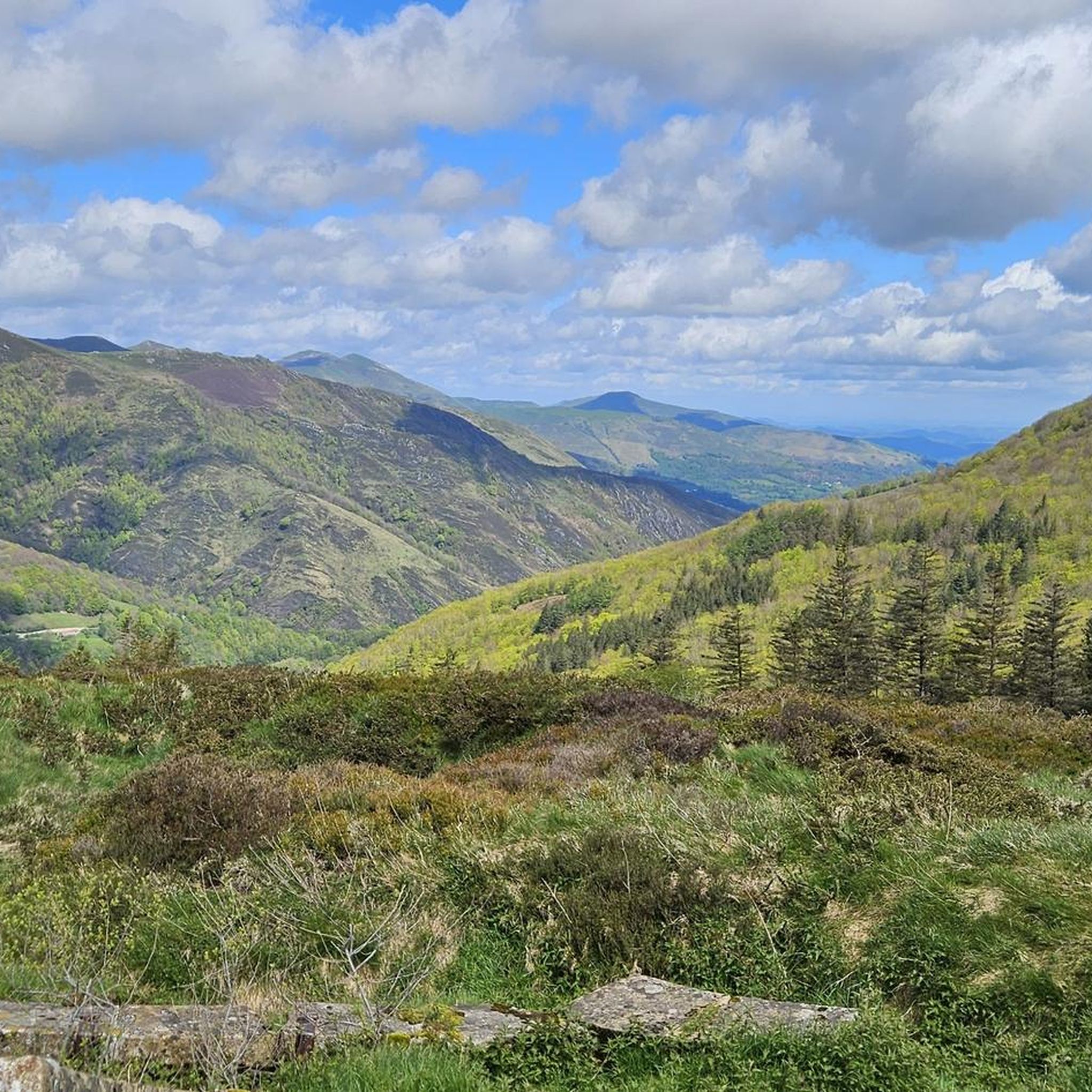
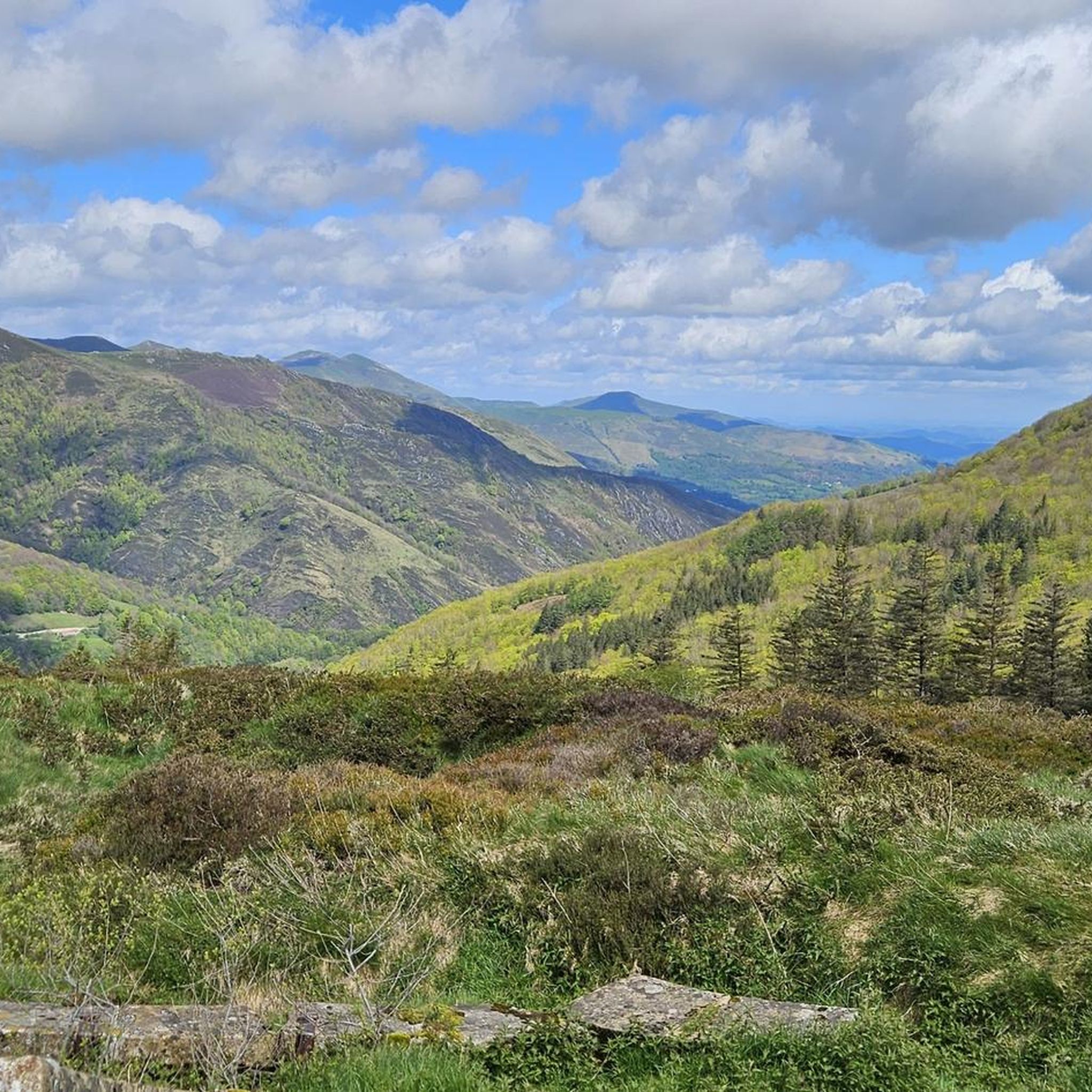
- Visitors also love Ibañeta Pass, a mountain pass culminating at 1,057 meters above sea level. It marks the end of the steep ascent from Saint Jean Pied de Port and offers panoramic views of the Pyrenees.
- Luzaide/Valcarlos is known for its historical sites, religious buildings, and mountain passes. The region offers a variety of attractions to see and explore, from ancient pilgrimage routes to natural viewpoints.
- The attractions around Luzaide/Valcarlos are appreciated by the komoot community, with more than 430 upvotes and over 470 photos shared by visitors.
Last updated: July 6, 2026
Saint-Jean-Pied-de-Port Old Town
Highlight • Historical Site
Nestled at the confluence of the Nives rivers, the medieval city is located at the crossroads of the roads serving the Basque Country.
The city has a relatively rich historical and architectural heritage. Notably, there is a medieval enclosure consisting of an imposing wall with four large gates. In its heart, you will find several artisans offering many local products.
The medieval city also owes its fame to the Camino de Santiago which crosses it. An emblematic stage of this trail, the village welcomes many of its pilgrims throughout the year.
At the foot of the Basque mountains, in Saint-Jean-Pied-de-Port, life is good, take the time to stroll through its alleys, to eat on its various terraces, or to rest in the many guesthouses found there.
Showing Translation
Tip by

Roncesvalles Collegiate Church
Highlight • Religious Site
Translated by Google •
Tip by

Sign up now to discover places like this
Get recommendations on the best single tracks, peaks, & plenty of other exciting outdoor places.
Sign up for free
Orisson Mountain Hut and Inn
Highlight • Mountain Hut
Translated by Google •
Tip by

Collegiate Church and Monastery of Roncesvalles
Highlight • Religious Site
Translated by Google •
Tip by

Saint-Jean-Pied-de-Port
Highlight • Settlement
Translated by Google •
Tip by
Sign up for free to discover even more attractions around Luzaide/Valcarlos.
Sign up for free
Already have an account?
Start today with a free account
Your next adventure awaits.
Login or Signup

Tips from the Community

If you come to visit the Iparralde area... you can't miss it. It's worth a visit, either by bike or after the route. It has a lot of activity and life, especially in summer.
0
0

Roncesvalles, also known as Orreaga in Basque, is a small town in the region of Navarra, northern Spain. It is best known for the legendary Battle of Roncesvalles in 778, where Charlemagne's rearguard was defeated. This historical and spiritual site is also an important starting point for the Camino de Santiago, the famous pilgrimage route to the tomb of Saint James in Galicia. In Roncesvalles you can admire the impressive Gothic collegiate church of Santa María de Roncesvalles, where the image of the Virgin of Orreaga is venerated. Other places of interest include the Church of Santiago, the Chapel of the Holy Spirit and the Museum-Treasury, where you can see relics, paintings and sculptures from different periods.
3
1

The monastery complex is an impressive building and worth a visit. There are also two cafés, a hotel and the pilgrims' hostel.
1
0

A wonderful place where you should definitely spend the night to have time to absorb the atmosphere and experience the pilgrim mass. Time stands still here, one of the spiritual hotspots of the Camino.
3
0

This is where you should spend the first night, as the walk to the next pilgrim hostel would be too far for the first day. But you have to book Orisson months in advance!
4
2

After a steep climb, you suddenly come to the Refuge. A wonderful place for a coffee! But after that, things get serious on the way to Spain.
4
1
The starting point of the Camino Frances. Many pilgrims start from here and are so excited that they can't really enjoy the beautiful town.
6
0

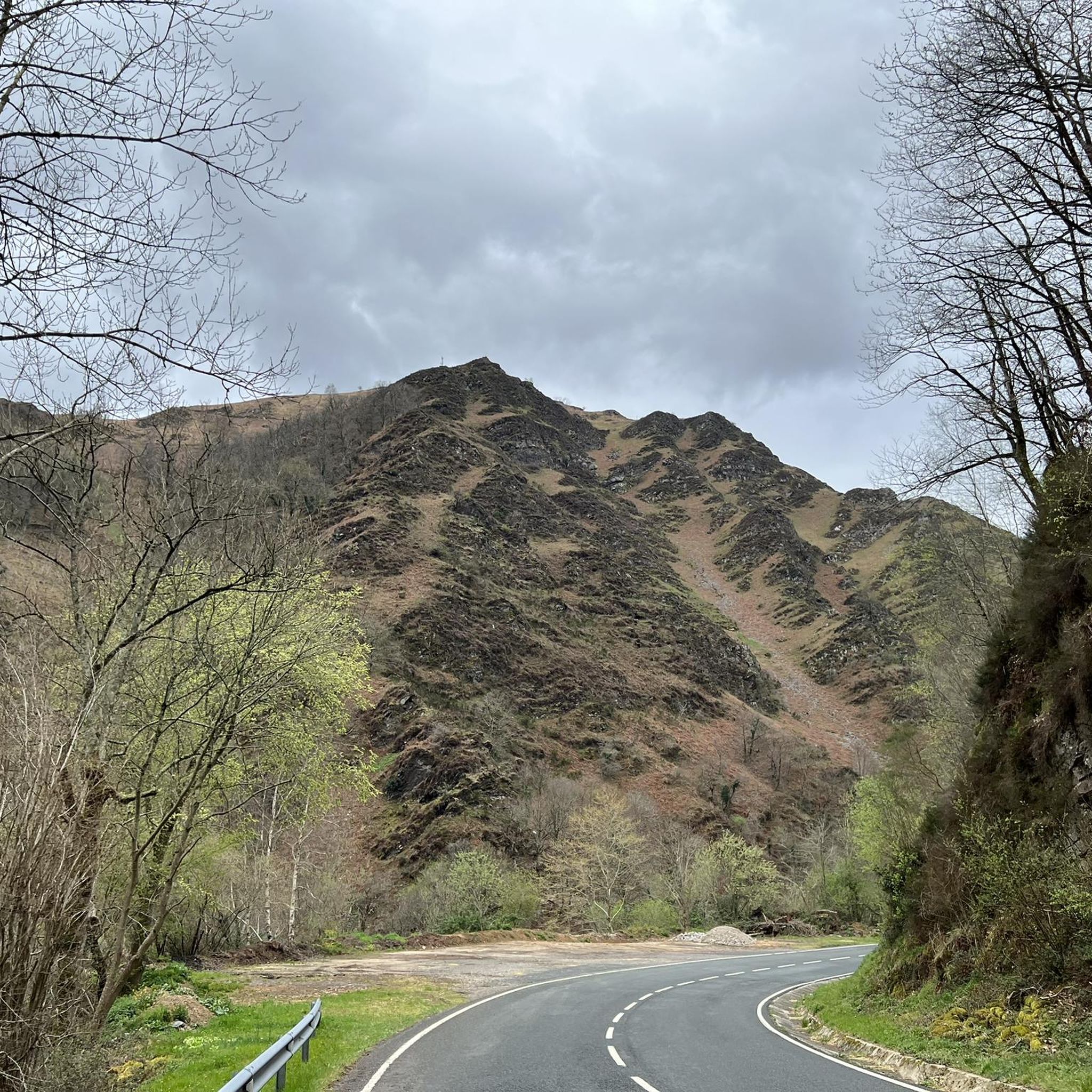
To be preferred, I think, outside the scallop season. I cycled downhill there in January, superb road and alone. Back in May, lots and lots of people on the road on foot! Also preferred in the direction of descent because the climb must be steep!
0
0
Frequently Asked Questions
What historical sites can I explore in Luzaide/Valcarlos?
The region is rich in history. You can visit the Roncesvalles Collegiate Church, an important Augustinian monastery and pilgrimage station on the Way of St. James. The Ibañeta Pass and the Roland Monument mark a historically significant site of the Battle of Roncesvalles. Just across the border, Saint-Jean-Pied-de-Port Old Town offers a medieval enclosure and is a renowned starting point for the Camino de Santiago. Other sites include the Church of Santiago Apostle in Elizaldea and evidence of an ancient Roman road.
Are there any significant natural features or viewpoints to visit?
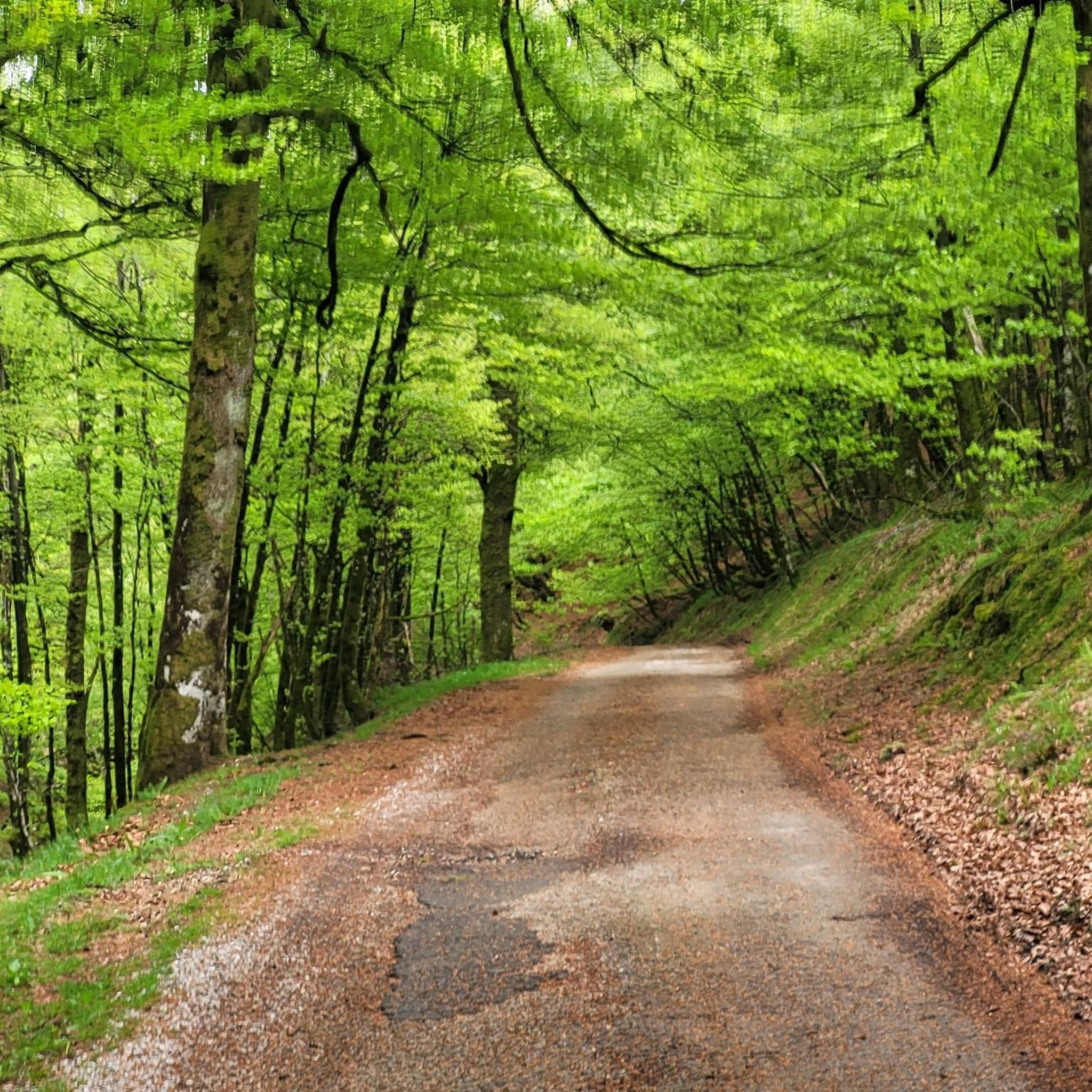
Absolutely. The Ibañeta Pass, at 1,057 meters, offers breathtaking panoramic views of the surrounding Pyrenees. The region itself is characterized by a unique orography of ravines, mountains, meadows, and dense forests, primarily of beech, broadleaf oak, and chestnut, providing enchanting natural scenery.
What cultural experiences does Luzaide/Valcarlos offer?
Luzaide/Valcarlos is known for its vibrant cultural traditions. You can learn about the region's heritage at the Exhibition Center "778 The Battle of Roncesvalles," which covers the legendary battle, the Roman road, and local traditions. The town is also famous for its traditional "Bolantes" dances, performed by local folk dancers in elaborate costumes, especially on Easter Day, and declared an Intangible Cultural Heritage of Navarre.
Can I find family-friendly attractions in the area?
Yes, the region offers several attractions suitable for families. The Saint-Jean-Pied-de-Port Old Town is listed as family-friendly, where you can stroll through alleys, explore artisan shops, and enjoy its vibrant atmosphere. The natural landscapes and forests also provide opportunities for family walks and enjoying the outdoors.
What hiking opportunities are available near Luzaide/Valcarlos?
The area is ideal for hiking, with many hidden gems for walkers. You can find various routes, including moderate options like the "Mendiaundi and Menditxuri Loop" or the "Lepoeder Pass Viewpoint – Ibañeta Chapel loop from Orreaga / Roncesvalles." For more challenging adventures, consider the "GR 10 and Napoleon Route Loop." You can explore more hiking trails in the area on our dedicated guide: Hiking around Luzaide/Valcarlos.
Are there cycling routes suitable for different skill levels?
Yes, Luzaide/Valcarlos offers diverse cycling opportunities. Road cyclists can tackle challenging routes like the "Saint-Jean-Pied-de-Port – Ibañeta Pass loop." For gravel biking, there are difficult routes such as the "Forest Path Near Roncesvalles – Roncesvalles loop." Find more cycling options in our guides: Gravel biking around Luzaide/Valcarlos and Road Cycling Routes around Luzaide/Valcarlos.
What is the significance of the Camino de Santiago in this region?
Luzaide/Valcarlos is a crucial entry point to the Camino de Santiago in Navarre, making it highly significant for pilgrims. The Roncesvalles Collegiate Church is a major pilgrimage station, offering accommodation. The Church of Santiago Apostle in Elizaldea also reflects the area's position on the Jacobean route, and the Monument to the Pilgrim honors those on the "Camino de Europa."
Where can I learn more about the Battle of Roncesvalles?
The Exhibition Center "778 The Battle of Roncesvalles" provides comprehensive insight into the historical and ethnographic heritage of the region, specifically focusing on the legendary Battle of Roncesvalles and its connection to the Song of Roland. You can also visit the Roland Monument at Ibañeta Pass, which commemorates the battle.
What kind of landscapes can I expect to see in Luzaide/Valcarlos?
The landscape of Luzaide/Valcarlos is characterized by its position in the Pyrenees, offering a diverse mix of natural beauty. You'll encounter narrow valleys, dense forests of beech, oak, and chestnut, fast-flowing streams, and expansive meadows. The mountain passes, like Ibañeta Pass, provide stunning vistas of the surrounding peaks and valleys.
Are there options for accommodation or dining in Luzaide/Valcarlos?
Yes, the region caters to visitors, especially pilgrims. The Roncesvalles Collegiate Church offers accommodation for many pilgrims. The area also features traditional gastronomy with typical dishes, and you can find cafes, particularly in neighborhoods like Pekotxeta, which is known for its shops. The Orisson Mountain Hut and Inn is another option for a stopover with a fantastic view.
What is the best time of year to visit Luzaide/Valcarlos for outdoor activities?
The Pyrenean climate means that spring, summer, and early autumn generally offer the most favorable conditions for outdoor activities like hiking and cycling. During these seasons, the weather is typically milder, and the trails are more accessible. Winter can bring snow, offering a different, more challenging experience for those prepared.
Are there any less-known spots or 'hidden gems' worth visiting?
Beyond the main attractions, the region holds several charming spots. The Hermitage of Santa Magdalena, rebuilt in 1976, offers beautiful views of the valley. Exploring the distinct local neighborhoods like Elizaldea, Pekotxeta, and Gainekoleta (known for its traditionally made cheese) can also reveal unique insights into local life and traditions.
Most popular routes around Luzaide/Valcarlos
Most popular attractions around Luzaide/Valcarlos

Get inspired with the komoot mobile app


Explore more
Still not found the Highlight you’re looking for? See guides of the top attractions in other regions:
