Attractions and Places To See around Auritz/Burguete - Top 20
Best attractions and places to see around Auritz/Burguete include historical sites and natural landscapes within the Navarrese Pyrenees. This village is a significant point on the French Way of Saint James, offering a blend of cultural heritage and natural beauty. Situated near the Irati Forest and on the banks of the Urrobi River, the area features expansive beech forests and meadows. Its history is marked by ancient routes and traditional Pyrenean architecture.
Best attractions and places to see around Auritz/Burguete
- The most popular attractions is Roncesvalles Collegiate Church, a religious building that serves as an important pilgrimage station on the Way of St. James. This Augustinian monastery was renovated a few years ago and offers accommodation to pilgrims.
- Another must-see spot is Ibañeta Pass, a mountain pass that marks the end of the steep ascent from Saint Jean Pied de Port. At 1057 meters above sea level, it is a key point on the Camino Francés.
- Visitors also love Ibañeta Pass and the Roland Monument, a mountain pass and historical site commemorating the Battle of Roncesvalles. A small chapel stands on the foundations of a former monastery, and the monument marks a significant historical event.
- Auritz/Burguete is known for its historical sites, religious buildings, and mountain passes. Visitors can explore ancient pilgrimage routes, significant monuments, and natural viewpoints.
- The attractions around Auritz/Burguete are appreciated by the komoot community, with 7 highlights receiving 249 upvotes and featuring 89 photos.
Last updated: July 20, 2026
Roncesvalles Collegiate Church
Highlight • Religious Site
Translated by Google •
Tip by

Collegiate Church and Monastery of Roncesvalles
Highlight • Religious Site
Translated by Google •
Tip by

Sign up now to discover places like this
Get recommendations on the best single tracks, peaks, & plenty of other exciting outdoor places.
Sign up for free
Ibañeta Pass and the Roland Monument
Highlight • Mountain Pass
Translated by Google •
Tip by

Roland Fountain
Highlight • Natural Monument
Translated by Google •
Tip by

Ibañeta Pass
Highlight • Mountain Pass
At Arneguy, it begins a foot-path that climbs in the woods: as it is quite bumpy and challenging, in case of bad weather it is advisable to choose the route for bicycle, on asphalt.
After the pass, sloping down for nearly 2 kilometres, there is the village of Roncesvalles.
Tip by

Sign up for free to discover even more attractions around Auritz/Burguete.
Sign up for free
Already have an account?
Start today with a free account
Your next adventure awaits.
Login or Signup
Popular around Auritz/Burguete
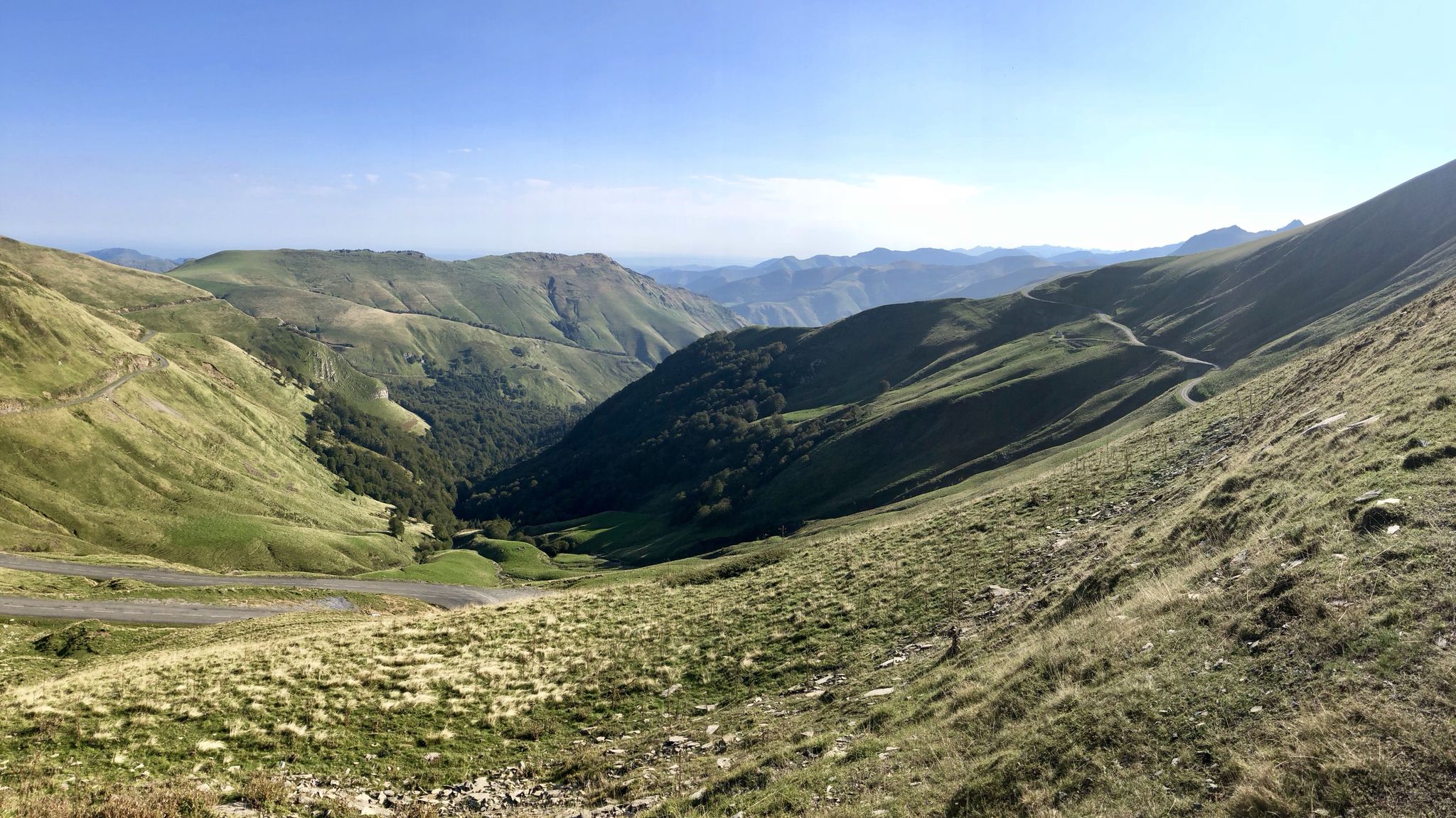
Euskal Herria footpath (GR 12) – The infinite mountain range
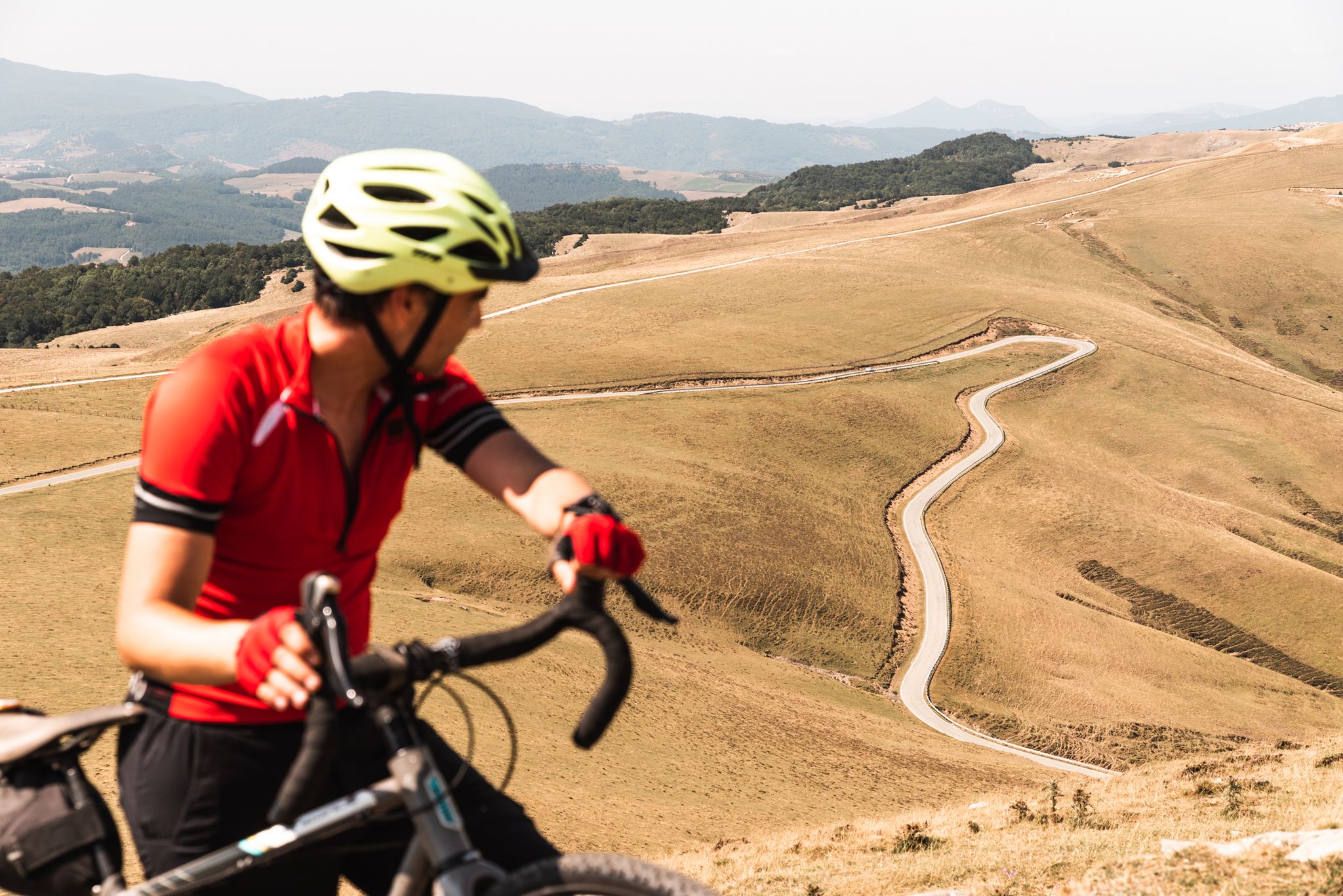
Tierra de Contrastes — 4 días de bikepacking por Navarra
Road Cycling Routes around Auritz/Burguete
Hiking around Auritz/Burguete
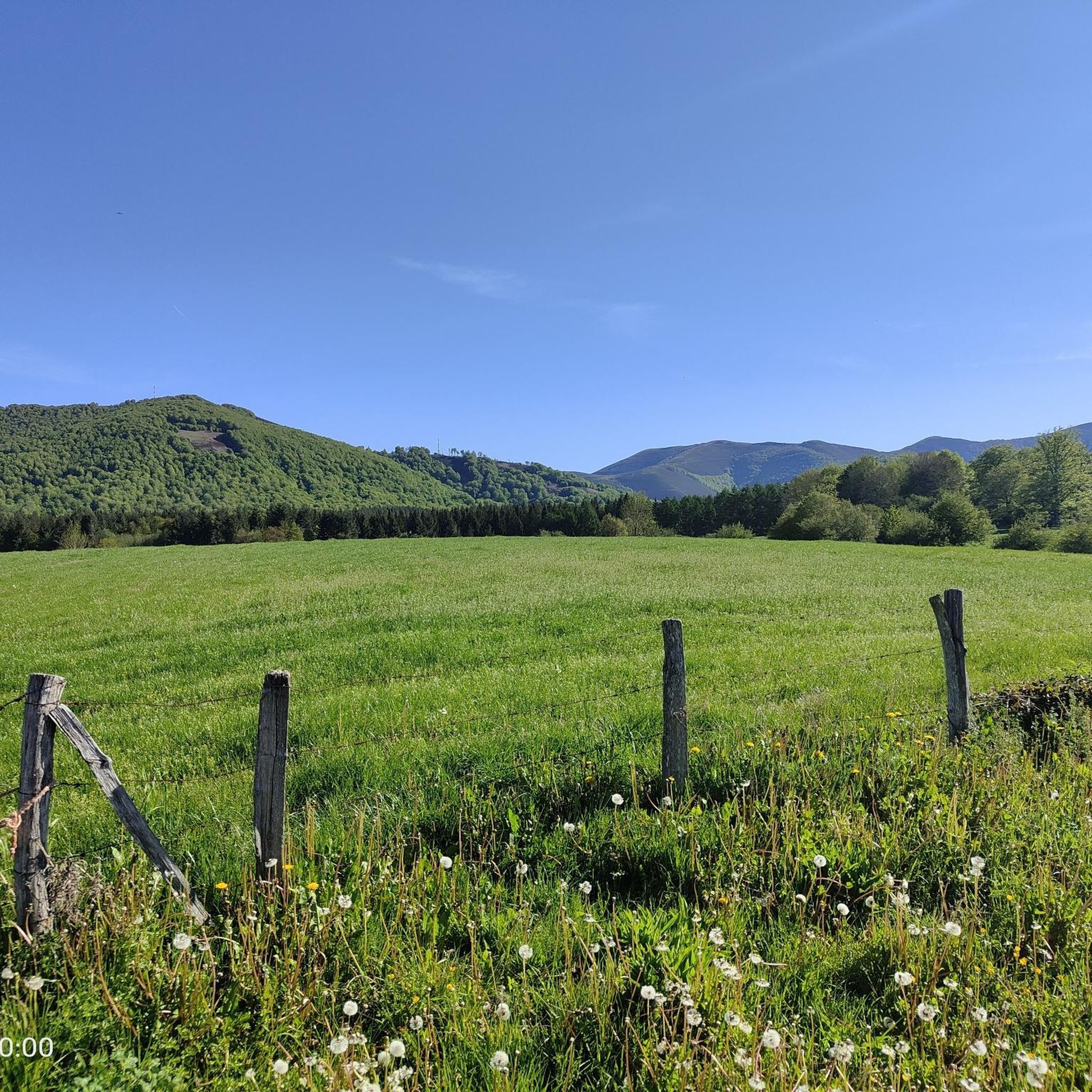
Cycling around Auritz/Burguete
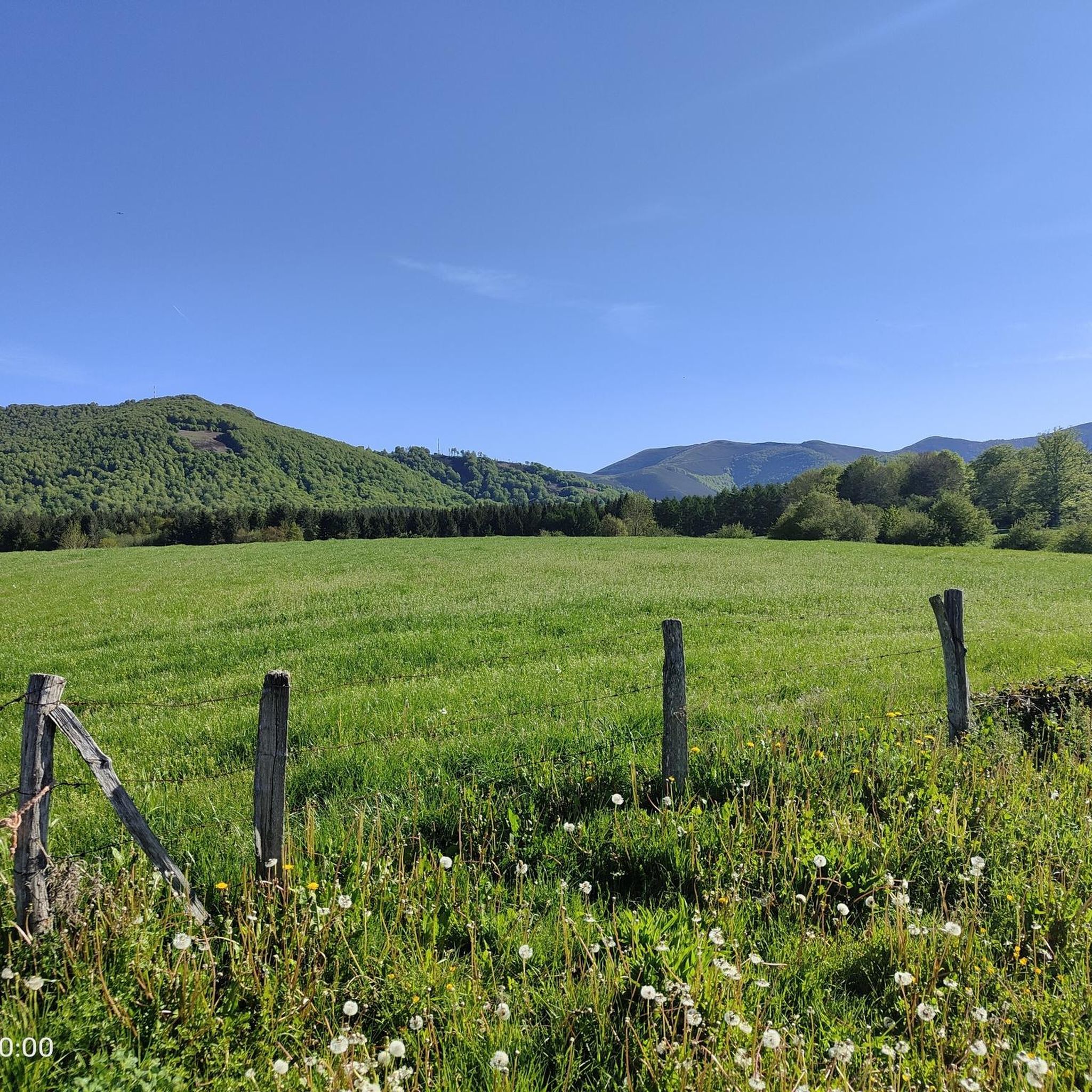
MTB Trails around Auritz/Burguete
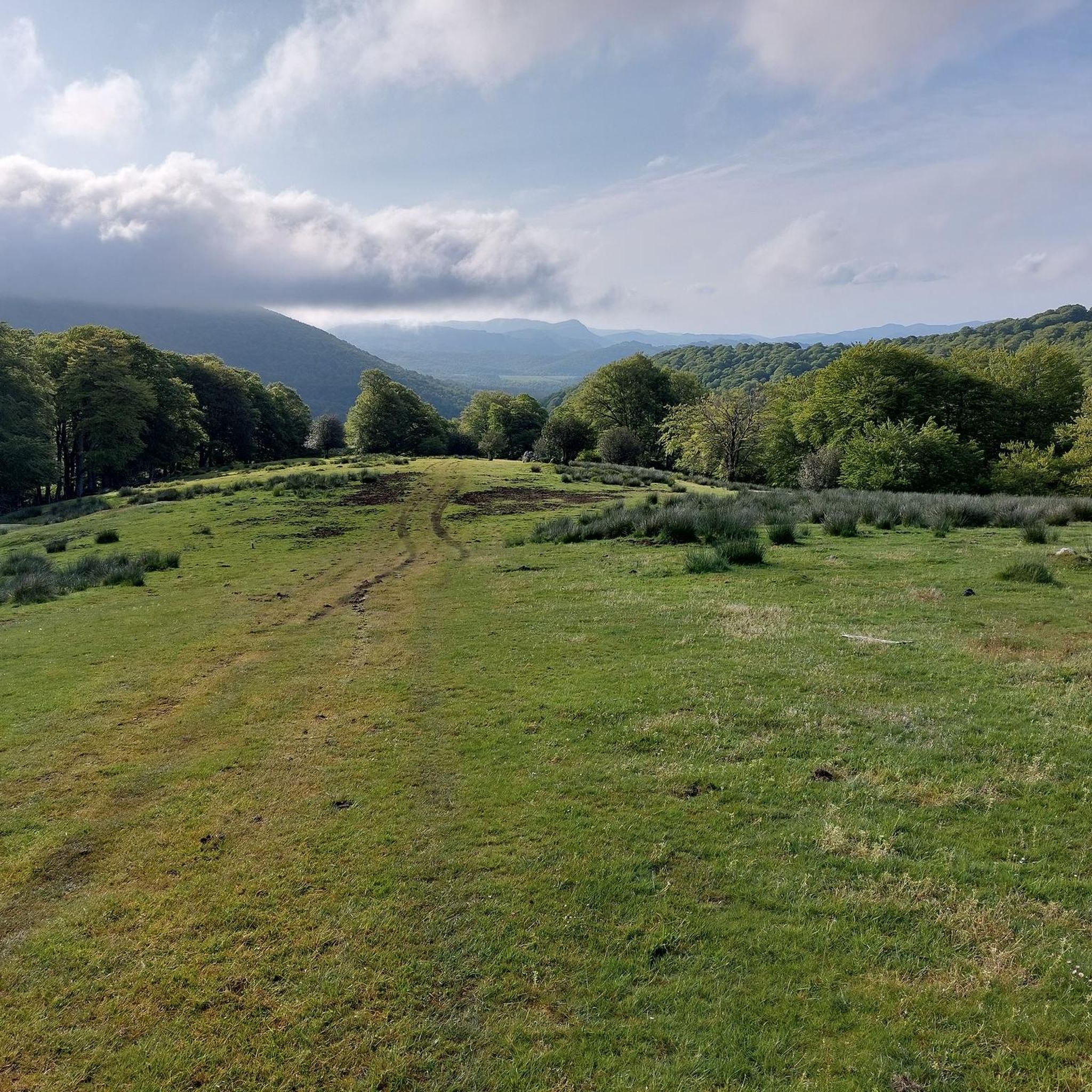
Running Trails around Auritz/Burguete

Gravel biking around Auritz/Burguete


Tips from the Community

This place is full of trash, very dirty, a disgrace!!! The Basque mountains are not trash cans, please respect them. Too many people are behaving badly towards the pastures. Please take your trash back with you; it's disgusting and disrespectful.
1
0

It is a beautiful border pass between Spain and France, well known for being part of the most traditional route of the Camino de Santiago. Sportingly, the climb on both sides is easy, although on the French side it is much longer as it starts at a lower altitude. The Spanish side is just 6 km from Burguete, the last being the most difficult with an average gradient of 7%. On this side you pass the famous and well-known monastery of Roncesvalles. The French side is 18 km from Arnegui and an average gradient of 4%. The hardest part is 5 km from the summit, with one kilometre at 7%. The landscape on this side is of lush vegetation going up a very closed valley that hardly leaves room for views of the surrounding mountains. The road is very twisty. It is a port with very good asphalt and a lot of traffic in general... so, be careful!
1
0

Roncesvalles, also known as Orreaga in Basque, is a small town in the region of Navarra, northern Spain. It is best known for the legendary Battle of Roncesvalles in 778, where Charlemagne's rearguard was defeated. This historical and spiritual site is also an important starting point for the Camino de Santiago, the famous pilgrimage route to the tomb of Saint James in Galicia. In Roncesvalles you can admire the impressive Gothic collegiate church of Santa María de Roncesvalles, where the image of the Virgin of Orreaga is venerated. Other places of interest include the Church of Santiago, the Chapel of the Holy Spirit and the Museum-Treasury, where you can see relics, paintings and sculptures from different periods.
3
1

The monastery complex is an impressive building and worth a visit. There are also two cafés, a hotel and the pilgrims' hostel.
1
0
After a long climb, you finally make it to the Ibeneta Pass and can enjoy the view as a reward. Up here, there is a small chapel and a memorial stone to the knight Roland, who is said to have fallen here.
2
0
A great climb up to the pass. Once you reach the top you get a great view. There is a small church at the top and also a monument. There has always been a hospital up here. However, only the foundations of it remain
3
0

Roland, who is commemorated here, died in 778 as part of the rear guard of Charlemagne's Frankish army. He himself was Margrave of Brittany and was the victim of a Basque revenge campaign against the Frankish conquerors who were retreating from a failed Saracen campaign. Those were complicated times, but things were not to become any less complicated in the Basque Country in the centuries that followed. An epic/song was later sung about Roland, which is part of world literature. The monument itself is simple and rough, exposed up here in the wind of the weather, and can therefore have an immediate effect, without pomp and splendor. Great! https://de.wikipedia.org/wiki/Schlacht_von_Roncesvalles
3
0
A wonderful place where you should definitely spend the night to have time to absorb the atmosphere and experience the pilgrim mass. Time stands still here, one of the spiritual hotspots of the Camino.
3
0
Frequently Asked Questions
What historical sites can I explore in Auritz/Burguete?
Auritz/Burguete is rich in history. You can visit the Parish Church of San Nicolás de Bari, a prominent landmark with a Baroque altarpiece and a 1612 bell. The Town Hall (Casa Consistorial), adjacent to the church, showcases similar traditional architecture. Don't miss the unique Cemetery of Auritz/Burguete, considered one of Spain's most beautiful, featuring ancient discoidal steles dating back thousands of years. Additionally, the Ibañeta Pass and the Roland Monument commemorate the historic Battle of Roncesvalles.
What is the significance of Auritz/Burguete to the Camino de Santiago?
Auritz/Burguete is an integral part of the French Way of Saint James, serving as one of the first villages pilgrims encounter after crossing the Pyrenees from Saint Jean Pied de Port or Roncesvalles. Its origin in the 12th century is directly linked to the 'burgo' of the Roncesvalles hospital, established to serve pilgrims. The nearby Roncesvalles Collegiate Church is a crucial and historic pilgrimage station, offering accommodation to pilgrims.
Are there any unique cultural traditions or events in Auritz/Burguete?
Yes, Auritz/Burguete maintains strong traditions. A notable event is the traditional San Juan Bonfires, lit on the night of June 23rd and 24th. Young people perform a traditional dance called 'Tribuli' and then jump over the fires. The village also hosts a Livestock Fair in mid-September and a Craft Fair on August 15th, offering local products.
What natural attractions are there near Auritz/Burguete?
Auritz/Burguete is nestled in a region of stunning natural beauty. It is situated in the western part of the Irati Forest (Selva de Irati), Europe's second-largest and best-preserved beech forest, covering almost 17,000 unspoilt hectares. The area also features impressive beech forests and grazing meadows known as Quinto Real or Monte Aézcoa. The village itself lies on the banks of the Urrobi River, surrounded by meadows and forests.
Where can I find scenic viewpoints around Auritz/Burguete?
For breathtaking panoramic views, head to the Ibañeta Pass. At 1057 meters above sea level, it offers expansive vistas of the surrounding Pyrenean landscape. The pass is a key point on the Camino Francés and provides a fantastic vantage point to appreciate the region's natural beauty.
What outdoor activities can I do near these attractions?
The area around Auritz/Burguete is perfect for outdoor enthusiasts. You can explore numerous cycling routes, such as the 'Aurizberri, Bizkarreta, Erro, Zilbeti – Circular Route' or the 'Erro Village Church – Erro Pass loop'. For running, consider routes like 'Col de Burregieta – circular from Orreaga/Roncesvalles' or 'Burguete – Basajaunberro Forest loop'. Gravel biking is also popular, with routes like 'Forest Path Near Roncesvalles – Roncesvalles loop'. You can find more details on these activities at the cycling guide, running guide, and gravel biking guide for Auritz/Burguete.
Are there family-friendly attractions around Auritz/Burguete?
Yes, several attractions are suitable for families. The Collegiate Church and Monastery of Roncesvalles is considered family-friendly and offers a fascinating glimpse into history and pilgrimage. Exploring the traditional houses in the village, with their unique architecture and ornaments, can also be an engaging activity for all ages. Additionally, the natural surroundings, like the Irati Forest, offer opportunities for gentle walks and enjoying nature together.
What is the best time to visit Auritz/Burguete for outdoor activities?
The best time to visit Auritz/Burguete for outdoor activities like hiking, cycling, and running is generally from spring to early autumn (May to October). During these months, the weather is typically milder and more stable, making it ideal for exploring the Pyrenean landscapes and forests. Summer offers longer daylight hours, while spring and autumn provide beautiful foliage, especially in the Irati Forest.
What is the 'Bunkers Route' and where can I find it?
The 'Bunkers Route' (Ruta de los Búnkeres) explores the remnants of the 'P Line,' a fortified defensive line planned during the Spanish Civil War. In Auritz/Burguete, three signposted routes feature 35 bunkers, five of which have been restored. This offers a unique historical and outdoor experience, allowing visitors to walk through a piece of military history integrated into the natural landscape.
What is the connection between Ernest Hemingway and Auritz/Burguete?
Auritz/Burguete and its surroundings were immortalized by Ernest Hemingway in his novel The Sun Also Rises. Hemingway himself spent time in the area, particularly enjoying fishing in the local streams. His connection adds a literary charm to the village, drawing visitors interested in tracing the footsteps of the famous author.
Can I find ancient structures or monuments in the area?
Absolutely. Besides the ancient steles in the cemetery, you can visit the Arrobi Bridge, a medieval Romanesque bridge with a single arch that has withstood historical conflicts. The Roland Monument near Ibañeta Pass also commemorates a significant historical event from the 8th century, marking the Basques' victory over Charlemagne's army.
What do visitors enjoy most about Auritz/Burguete?
Visitors particularly appreciate the blend of cultural heritage and natural beauty. Many highlight the historical significance of the Roncesvalles Collegiate Church as a pilgrimage station and the stunning panoramic views from the Ibañeta Pass. The tranquil atmosphere, the charming traditional Pyrenean houses, and the proximity to the expansive Irati Forest are also frequently praised.
Most popular routes around Auritz/Burguete
Most popular attractions around Auritz/Burguete

Get inspired with the komoot mobile app


Explore more
Still not found the Highlight you’re looking for? See guides of the top attractions in other regions:
