Attractions and Places To See around Zumaia - Top 20
Best attractions and places to see around Zumaia include a rich blend of natural wonders, historical landmarks, and cultural experiences. This picturesque town on the Basque coast is known for its unique geological formations, particularly the Flysch cliffs, and its charming medieval streets. The Urola and Narrondo rivers meet here, contributing to the area's diverse landscape. Zumaia offers a variety of sites for those interested in geology, history, and coastal exploration.
Best attractions and places to see around Zumaia
- The…
Last updated: July 6, 2026
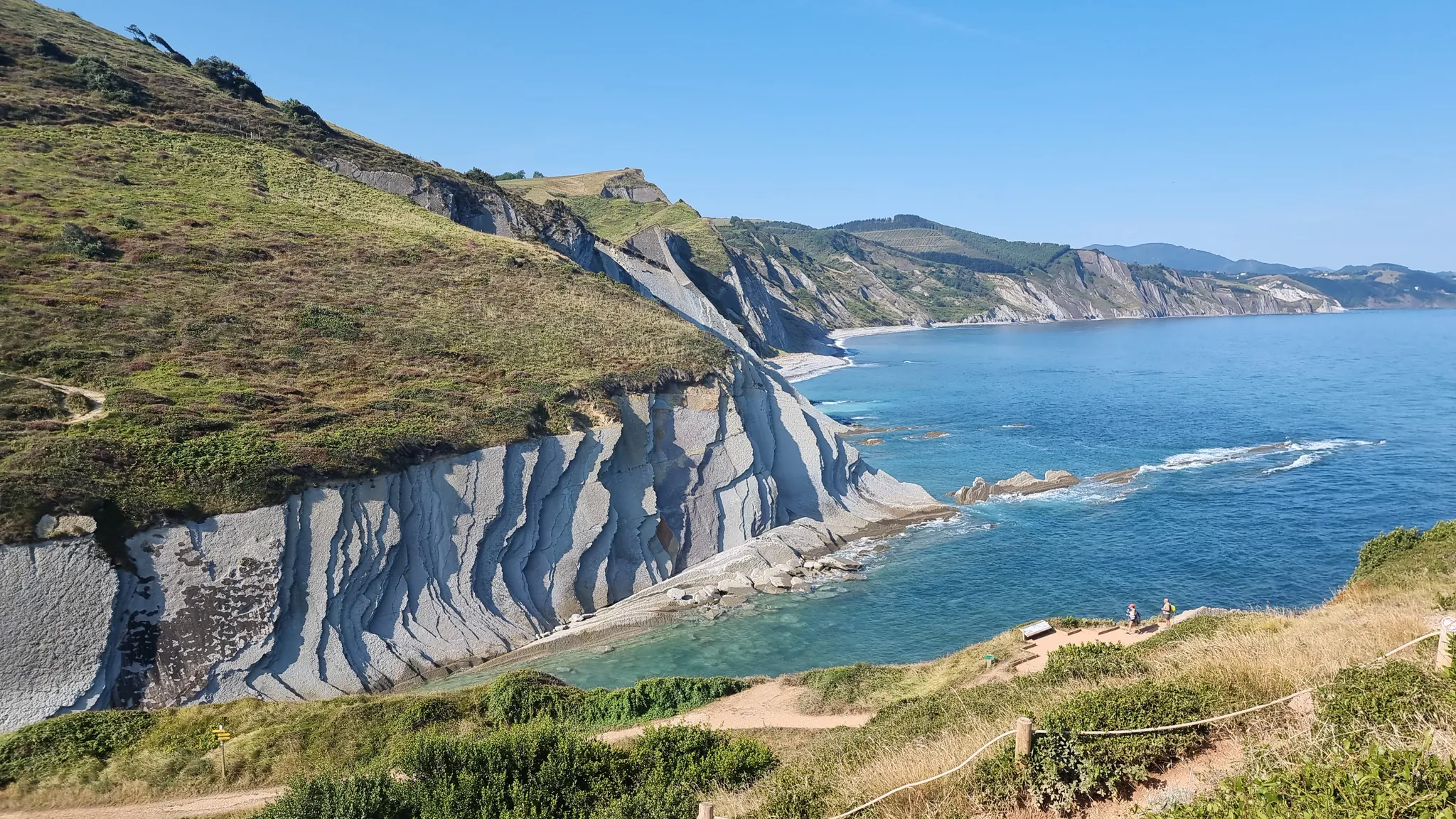
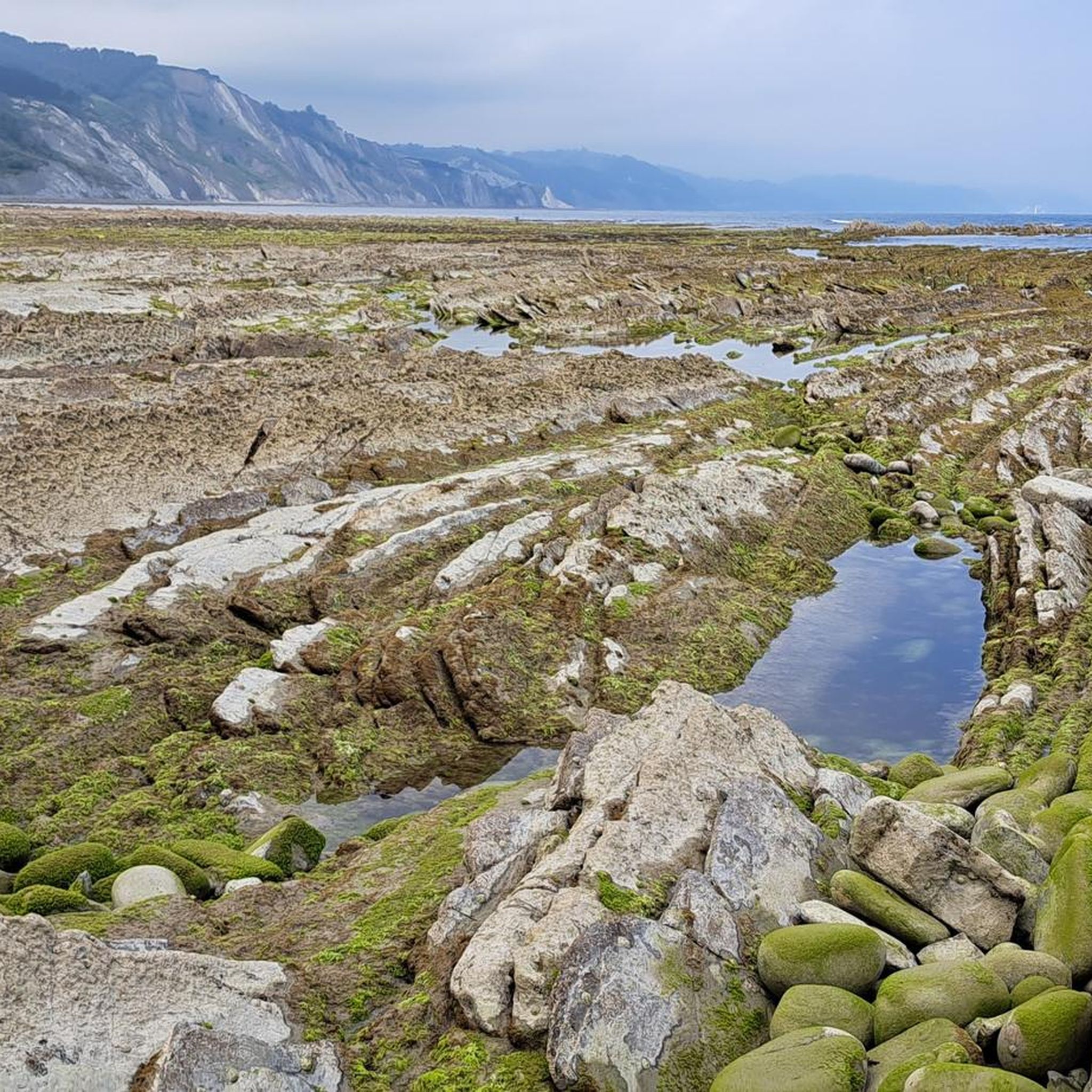
Algorri Flysch
Highlight • Natural Monument
Translated by Google •
Tip by

San Telmo Hermitage
Highlight • Religious Site
Translated by Google •
Tip by

Sign up now to discover places like this
Get recommendations on the best single tracks, peaks, & plenty of other exciting outdoor places.
Sign up for free
Old Railway Tunnel
Highlight • Structure
Translated by Google •
Tip by

Orio Old Town and Harbor
Highlight • Settlement
Translated by Google •
Tip by

Panoramic view over Deba
Highlight • Viewpoint
Translated by Google •
Tip by

Sign up for free to discover even more attractions around Zumaia.
Sign up for free
Already have an account?
Start today with a free account
Your next adventure awaits.
Login or Signup
Other adventures around Zumaia

Tips from the Community

Orio is also very beautiful, quiet and dignified
0
0


The first (or last section if reversing the route) section is absolutely NOT accessible. Possibly only at extreme low tide. We were there an hour before extreme low tide, and it was completely impossible. I would choose to simply follow the route at a higher elevation and skip the "beach" section. Especially since the beach is made up of large stones and rocks, difficult to walk on because you always have to watch your step due to loose stones.
1
0

Mostly the area is windy especially due to topography. Do not forget to carry water with yourself. Enjoy the Bay of Biscay
2
0

Spectacular route along the Cantabrian cornice enjoying the famous flich dating back 50 million years and its small hermitage with 8 Basque surnames.
3
0

Enjoy this 8.9-kilometer route near Deba, Gipuzkoa. The route is generally classified as difficult and can usually be completed in 3 hours 17 minutes. Although the route is ideal for trekking and hiking and is often busy, you can enjoy a bit of peace here at the right time of day. This linear route is recommended for experienced hikers who want to enjoy beautiful views in the protected biotope of the Deba-Zumaia coastal section/arteko itsasertzeko Babestutako Biotopoa. The hike starts in Elorriaga and goes along the "GR®121 Gipuzkoa Tour"/"GR®121 Gipuzkoako bira" to Deva, passing by Sakoneta, the Mendata waterfall, Arranomendi, the hermitage of Santa Katalina and the Santiago de Deba beach
1
0

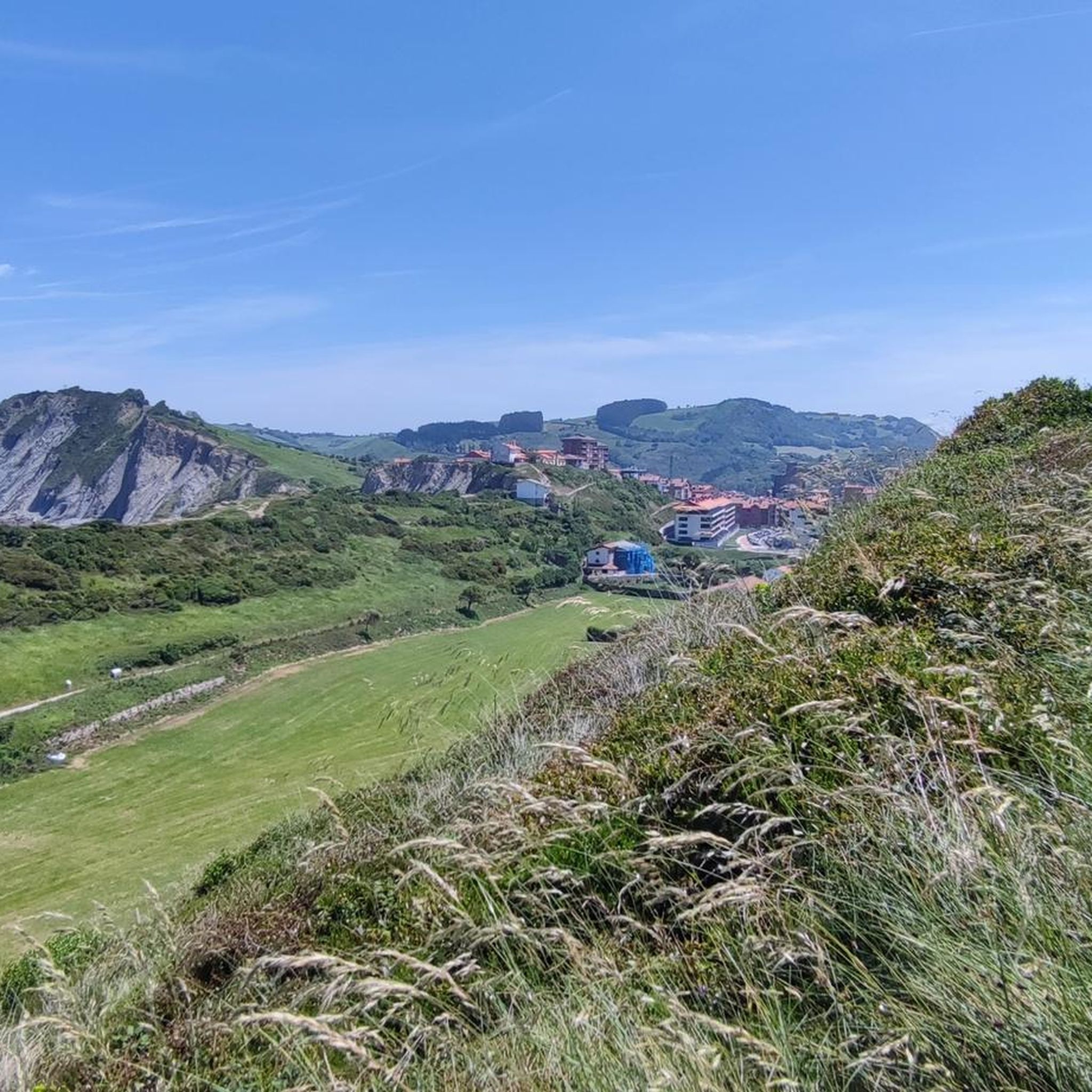
Sant Telmo viewpoint where we have spectacular views
2
1
ATTENTION/WARNING: The first or - if you are doing a reversed tour - the last part of the coast is only recommended/possible at absolute low tide. Otherwise it is very dangerous and difficult and definitely not possible with children.
5
0
Frequently Asked Questions
What are the most prominent natural features to explore in Zumaia?
Zumaia is renowned for its spectacular geological formations. The most famous are the Zumaia Flysch Cliffs, part of the Basque Coast Geopark, which showcase 100 million years of Earth's history. You can also visit Algorri Flysch, where you can see these unique rock structures up close, especially at low tide. The Urola River estuary and its wetlands also offer protected natural areas for exploration.
What historical and cultural sites can I visit in Zumaia?
Zumaia's historic center, or Old Town, features medieval streets and traditional Basque architecture. Key historical sites include the 13th-century Gothic Parish Church of San Pedro, known for its altarpiece by Juan de Antxieta. Perched dramatically on the cliffs, the San Telmo Hermitage offers stunning coastal views and dates back to at least 1540. The Zuloaga Museum, housed in the former studio of painter Ignacio Zuloaga, displays works by him and other notable artists.
Are there family-friendly activities or attractions in Zumaia?
Yes, Zumaia offers options for families. Exploring the Flysch formations at low tide can be an engaging activity for all ages, though some sections require careful timing. The Orio Old Town and Harbor, a charming fishing village nearby, is also considered family-friendly. Santiago Beach provides a quieter environment for families compared to Itzurun Beach.
What is the best time to visit Zumaia to experience the Flysch cliffs?
To fully experience the Flysch cliffs, especially sections at sea level like Algorri Flysch, it is crucial to visit during low tide. Always check tide schedules before planning your visit. While the cliffs are impressive year-round, spring and autumn offer pleasant weather for walking and fewer crowds than the peak summer months.
What outdoor activities, like hiking, are available near Zumaia's attractions?
Zumaia is an excellent base for outdoor activities. You can find numerous hiking routes, including those that explore the Flysch formations. For specific hiking trails, you can check out the Hiking around Zumaia guide, which features routes like the 'Playas de flysch de Zumaia — circular by the Geopark of the Basque Coast' or the 'San Telmo Hermitage – Algorri Flysch loop from Zumaia'.
Can I go cycling or mountain biking near Zumaia?
Absolutely. The region around Zumaia offers diverse terrain for cycling and mountain biking. For road cycling, explore routes like the 'Getaria Lighthouse Loop from Zumaia via Zarautz'. Mountain bikers can find trails such as the 'Azpeitia Railway Museum – Zumaia view loop from Zumaia'. More options are available in the Cycling around Zumaia and MTB Trails around Zumaia guides.
What should I know about accessing the Flysch cliffs, especially regarding tides?
Accessing certain sections of the Flysch cliffs, particularly at sea level, is highly dependent on the tide. For example, the section at Algorri Flysch is only accessible at low tide. It is critical to check tide charts before your visit to ensure safety and avoid getting trapped. Some routes, like those near San Telmo Hermitage, also have warnings about high tide making paths impassable.
Are there any unique viewpoints in Zumaia for scenic photography?
Yes, Zumaia offers several stunning viewpoints. The San Telmo Hermitage, perched above Itzurun Beach, provides panoramic views of the coastline and the Flysch cliffs. The Zumaia Flysch Cliffs themselves offer numerous vantage points along their length. The Zumaia Lighthouse also provides views of Santiago Beach and the surrounding cliffs.
What is the Algorri Interpretation Centre and what does it offer?
The Algorri Interpretation Centre serves as a valuable resource for understanding the Flysch phenomenon and the natural environment of Zumaia. It provides detailed information about the geological and natural elements found in the cliffs, the Urola River mouth, and the Bedua marshes, enhancing your visit to the Geopark.
What are some lesser-known natural attractions or hidden gems in Zumaia?
Beyond the famous Flysch, Zumaia offers other natural spots. The Urola River estuary is a protected natural area with dunes, a holm oak grove, and the meander and islands of Bedua. While not entirely 'hidden,' Santiago Beach offers a quieter coastal experience compared to Itzurun Beach, and the Old Railway Tunnel provides a unique, atmospheric walking experience.
What do visitors enjoy most about the attractions around Zumaia?
Visitors consistently praise the spectacular natural beauty of the Flysch cliffs and the unique geological insights they offer. The dramatic coastal views, especially from spots like San Telmo Hermitage, are highly appreciated. Many also enjoy the blend of natural exploration with the charm of Zumaia's historic town and its cultural sites.
Most popular attractions around Zumaia

Get inspired with the komoot mobile app


Explore more
Still not found the Highlight you’re looking for? See guides of the top attractions in other regions:
