The best walks and hikes around Getxo
4.6
(402)
3,105
hikers
88
hikes
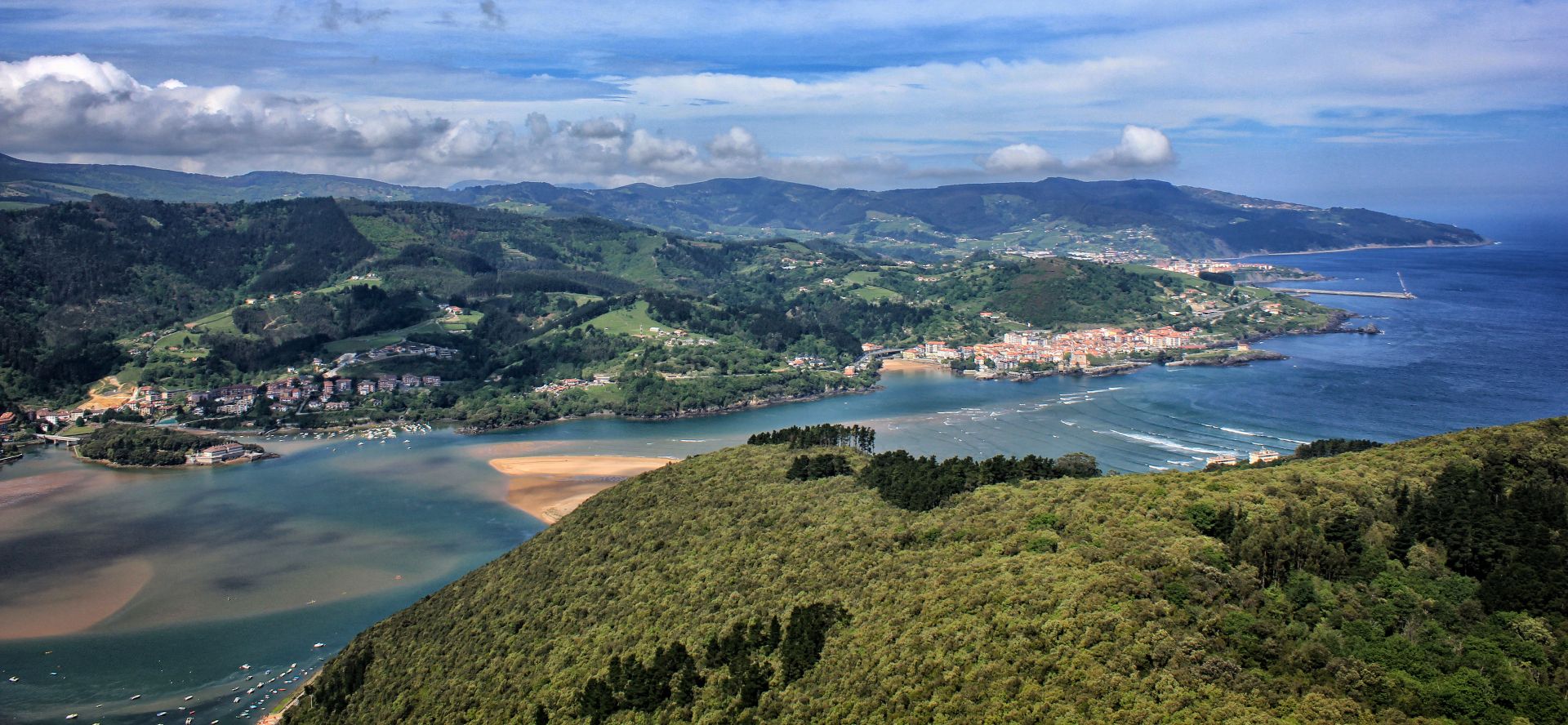
Hiking around Getxo, a coastal town on the right bank of the Bilbao Estuary, offers diverse natural landscapes and historical attractions. The region is characterized by dramatic cliffs, golden beaches, and charming harbors. These features provide a variety of scenic trails for different fitness levels, integrating natural beauty with historical landmarks.
Best hiking trails around Getxo
- The most popular hiking route is GR 123: Tour of Biscay, a 9.8 miles (15.9 km) trail that takes 4 hours 43 minutes to complete. This moderate path offers varied terrain as it traverses the region.
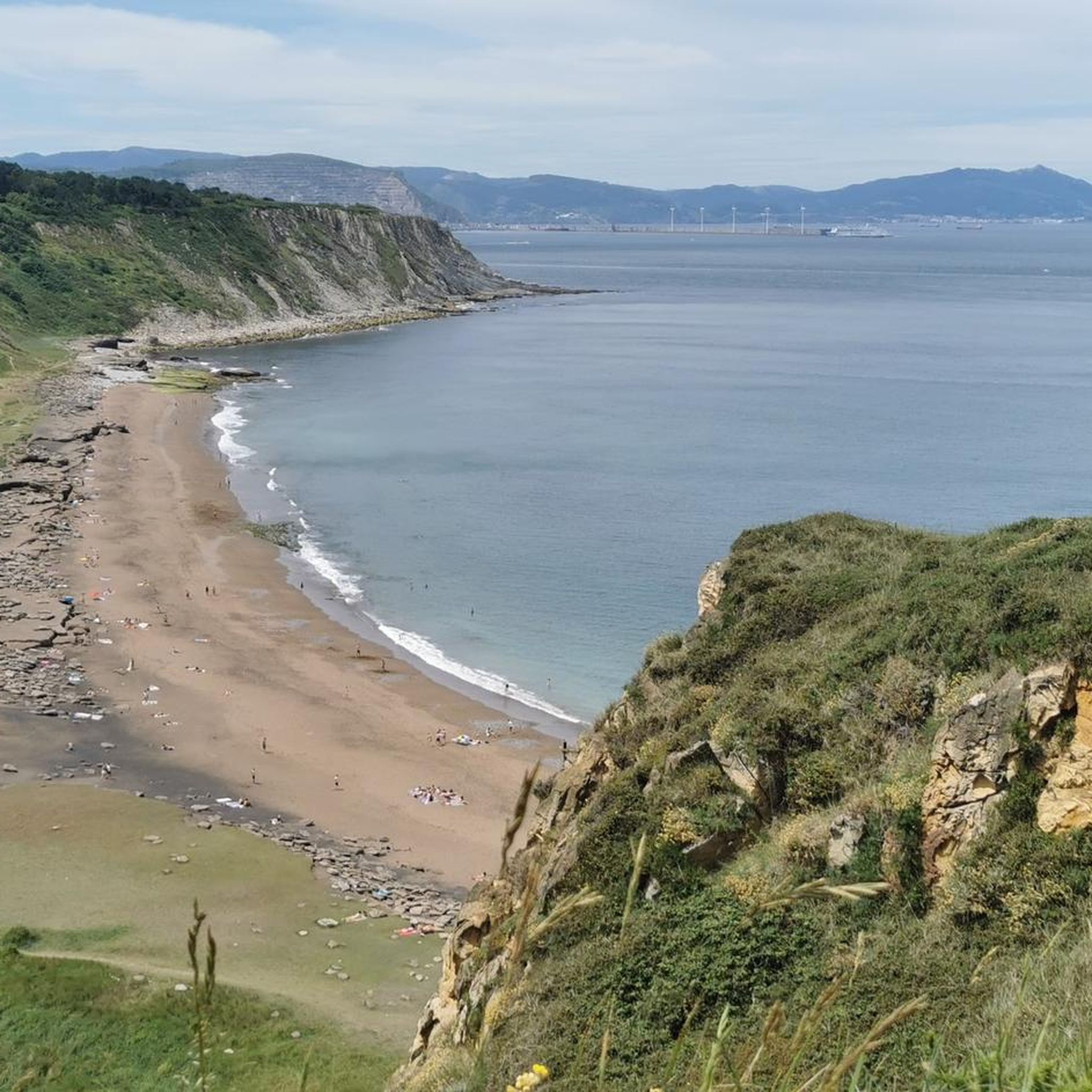
- Another top favourite among local hikers is Punta Galea Cliffs – Gorrondatxe Beach loop from Ibarbengoa, a moderate 9.6 miles (15.5 km) path. This route features the dramatic Punta Galea Cliffs and the unique Flysch rock formations at Gorrondatxe Beach.
- Local hikers also love the Arriluce Lighthouse – Puerto Viejo de Algorta loop from Areeta, a 5.0 miles (8.0 km) trail leading through coastal areas and the historic Old Port of Algorta, often completed in about 2 hours 3 minutes.
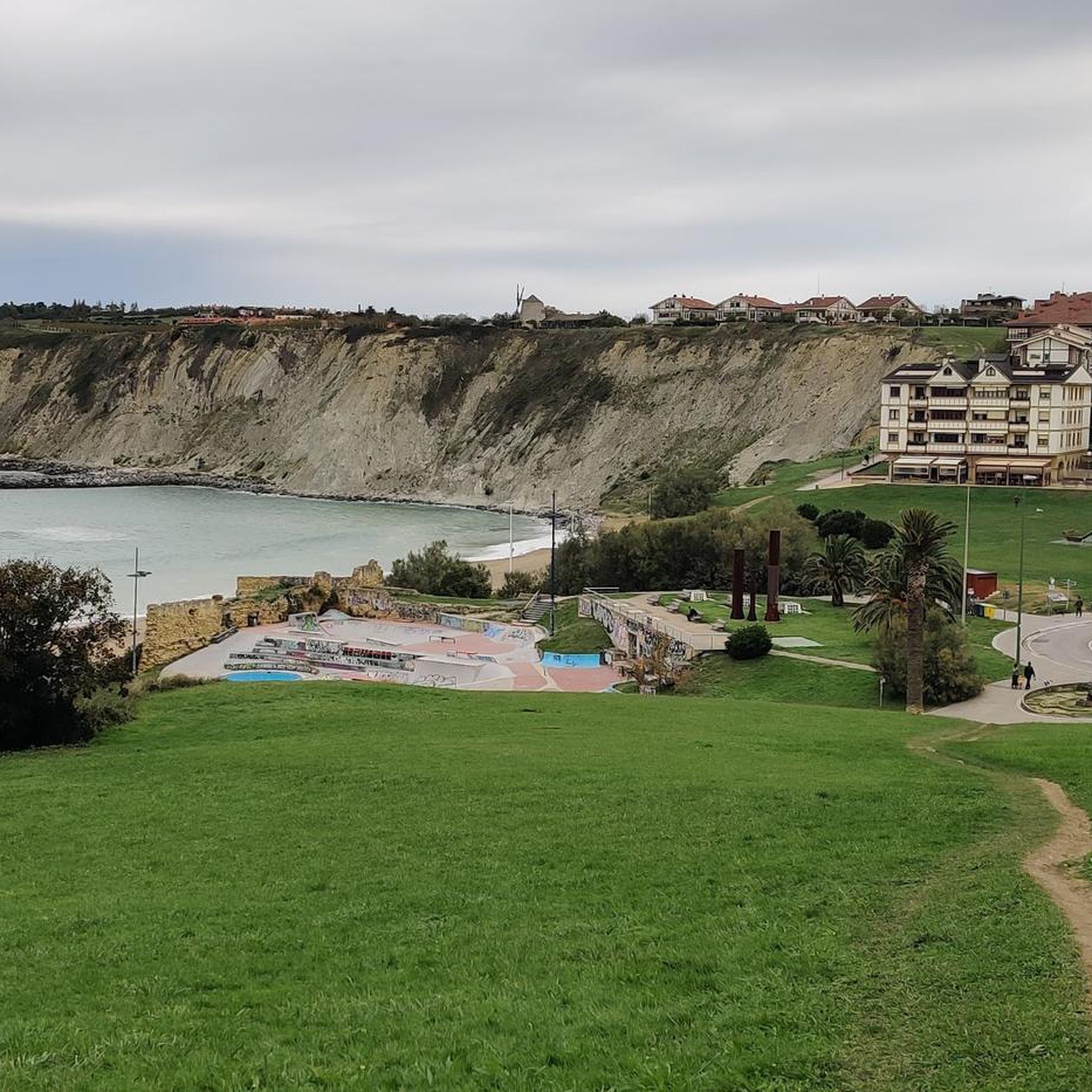
- Hiking around Getxo is defined by coastal paths, dramatic cliffs, and historical landmarks like the Aixerrota Windmill. The network offers options for various ability levels, from easy walks to more challenging hikes.
- The routes in Getxo are highly rated by the komoot community with an average score of 4.5 stars from over 250 reviews. More than 2,400 hikers have used komoot to explore Getxo's varied terrain.
Last updated: August 31, 2026
4.7
(10)
80
hikers
15.9km
04:43
440m
440m
Moderate hike. Good fitness required. Mostly accessible paths. Sure-footedness required.
4.6
(97)
572
hikers
15.1km
04:10
260m
260m
Moderate hike. Good fitness required. Easily-accessible paths. Suitable for all skill levels.

Sign up for free
4.7
(50)
467
hikers
9.94km
02:44
160m
160m
Moderate hike. Good fitness required. Easily-accessible paths. Suitable for all skill levels.
4.8
(63)
317
hikers
9.19km
02:21
30m
30m
Moderate hike. Good fitness required. Easily-accessible paths. Suitable for all skill levels.
4.9
(54)
311
hikers
8.88km
02:21
80m
80m
Moderate hike. Good fitness required. Easily-accessible paths. Suitable for all skill levels.
Get access to more routes and recommendations from other explorers.
Sign up for free
Already have an account?
Our route recommendations are based on thousands of hikes, rides, and runs completed by other people on komoot.
Start today with a free account
Your next adventure awaits.
Login or Signup
Other adventures around Getxo

Tips from the Community

The ruins are located on a cliff above the sea. The fortress was built in the 18th century to defend El Abra Bay. The fortress was built on the site of an old 16th-century watchtower. The tower was rebuilt as a lighthouse in the 1940s. The fortress contained warehouses and barracks for the troops.
0
0
A city beach with a very lively promenade. It offers a wide range of restaurants and services, and also has a tourist office and restrooms.
0
0
It was inaugurated in 1939 and honors Evaristo de Churruca, a Spanish naval officer and engineer known for his contributions to the canalization of the Nervión River. The monument consists of an Art Deco-style obelisk with bronze statues symbolizing man's struggle against the sea.
0
0

Beautifully located! Two cafes above are highly recommended.😎
0
0

The Areeta-Las Arenas pier has had a variety of structures throughout its history. The first was built in 1880: it was perpendicular to the dock and was built of wood. The first news about the pier appeared in the local press on July 28, 1882, and related: "...An accident suffered by a blind man while descending its stairs, which caused a contusion to one eye, requiring him to be transferred to the Bilbao Civil Hospital..." Despite being made of wood, in October 1882, it was able to withstand the onslaught of a rough swell with a strong wind from outside the bar and a heavy sea from the northwest. That afternoon of October 9, “El Noticiero Bilbaíno” wrote about the violent storm surge: “...It was so powerful that the people of our marshes had never experienced anything like it, and it caused considerable damage. The square and the town of Las Arenas were flooded, and the tramway's livestock had to be removed from the stables. The tram, as is well known, has wooden piers or docks for passengers, both on the Portugalete and Las Arenas sides. Two of the piers were torn away, and another was damaged. The water also swept away the platform of the Las Arenas Spa and one of the police cabins, also causing damage to buildings near the sea. In the Arenal de Bilbao area, the tide reached five meters...”
0
0
The Churruca Pier or Evaristo de Churruca Pier is a pier in the Biscayan town of Las Arenas (Getxo). Designed and built by the Spanish engineer Evaristo de Churruca y Brunet, it is located at the end of the Nervión estuary and is named after him, as is its counterpart, the Churruca Pier in Portugalete, located on the opposite bank of the estuary. The Churruca Pier extends along the right bank of the Nervión mouth, from the Vizcaya Bridge onward. It is divided into two parts: The first serves as a street, extending from the Vizcaya Bridge to the landscaped area known as Churruca Park, which includes several tamarind gardens and connects to the Las Arenas Pier and Las Arenas Beach. This first part consists of a promenade parallel to the estuary, a small garden separating it from a one-way road, and a sidewalk on the other side of the road, which provides access to the homes. The second part consists of a landscaped promenade and extends beyond the beach. This is the pier itself, the structure built by Evaristo de Churruca, which allowed the channeling of the Nervión River. It consists of two pedestrian walkways, separated by several garden areas, which connect at a small plaza at the end, where a small lighthouse stands. At the beginning of the pier is the monument to Evaristo de Churruca, a huge obelisk depicting man struggling with and conquering the sea (represented by Neptune, the Roman god, in a position of defeat). This image symbolizes man's struggle against the sea.
1
0
HISTORY The Getxo Red Cross of the Sea is based in one of the municipality's most emblematic buildings: the Casa del Náufrago (Castle of the Shipwrecked). Located at the so-called Punta de Begoña, at the beginning of the Algorta counter-dock, next to the old port of Arriluze, the Casa del Náufrago (Castle of the Shipwrecked) was built in 1912 to house the Shipwrecked Rescue Society of the time. This completely independent altruistic group was made up of a few local fishermen and seamen who, despite their limited resources, came to the aid of sailors in the event of a disaster. They had a rescue boat, christened "Ama Begoñakoa," a lifeline, a bronze cannon, two line-throwing rifles, picks and shovels, and some precarious wicker helmets for protection... All of this was transported on a rudimentary wooden cart for easy transport. The reason for the existence of this salvage society is due to the high accident rate at the port of Bilbao throughout history. Royal Orders from the time of the Catholic Monarchs already mentioned that the coast claimed three or four shipwrecks a year along this stretch. But it was during the construction of the iron pier that engineer Evaristo de Churruca discovered the first remains that confirm the dark legend of the Bilbao Abra. During the dredging of the bar, several coins minted during the time of Emperor Hadrian were found. During the iron rush, British cartographers also warned their navigators of the deadly existence of the northwest bar at the entrance to Bilbao: a strip of sand between the Las Arenas mojijonera and Santurtzi that, until the construction of the iron pier, claimed thousands of lives. The shallow draft of this stretch of water, which at low tide barely reached a meter deep, tore open the frames of ships, leaving them at the mercy of the waves and sinking irretrievably. In fact, the freighters that arrived in Bilbao to load ore had flat hulls, without keels, to avoid running aground. Occasionally, the channel was completely blocked, and the German maritime authorities and pilots opened another access route via El Salto beach to Santurtzi, although this alternative posed the risk of running aground on the cliff. The Casa del Náufrago also had space to house shipwreck victims, but over time, the area designated for these
0
0

The paths fork; here it is important to know which way to go. The signposted path is the fork in the paths that lead to the peak of Monte or the beach of La Arena and Ondarra.
0
0
Frequently Asked Questions
What is the typical terrain and difficulty level of hiking trails in Getxo?
Hiking trails in Getxo primarily feature coastal paths, dramatic cliffs, and varied terrain that can include paved sections, woods, and open spaces. The difficulty levels range from easy walks suitable for families to moderate and difficult hikes requiring good fitness. Overall, there are over 80 routes, with about 45 easy, 38 moderate, and a few difficult options.
What natural features and landmarks can I expect to see while hiking in Getxo?
Getxo's hiking trails offer stunning natural features like the dramatic Punta Galea Cliffs, golden beaches such as Gorrondatxe (Azkorri) and Arrigunaga, and unique Flysch rock formations, particularly visible at Gorrondatxe Beach. You can also explore historical landmarks like the 18th-century Vizcaya Bridge, the Aixerrota Windmill, and La Galea Fort.
Are there easy hiking trails suitable for beginners or casual walkers in Getxo?
Yes, Getxo offers numerous easy trails perfect for beginners or those seeking a relaxed stroll. Many coastal paths are well-maintained and provide scenic views without significant elevation changes. For example, the area around Ereaga Beach and the Old Port of Algorta offers pleasant, flat walks.
Are there any challenging hikes for experienced trekkers in Getxo?
For experienced trekkers, Getxo does offer more challenging options. One such route is the Punta Galea Cliffs – Txitxarropunta Cliffs loop from Elexalde Getxo, which covers over 21 km and involves significant elevation changes, providing a demanding yet rewarding experience with extensive cliffside views.
Are there family-friendly hiking options in Getxo?
Absolutely. Many of Getxo's trails are suitable for families, especially the easier coastal walks and those around the beaches. These routes often feature flat terrain and offer opportunities to explore charming areas like the Old Port of Algorta or enjoy the sandy shores of Ereaga Beach. Always check the specific route details for distance and elevation to ensure it's appropriate for your family's fitness level.
Are Getxo's hiking trails dog-friendly?
While many outdoor areas in Getxo are generally welcoming to dogs, it's always best to keep them on a leash, especially in populated areas, near wildlife, or on beaches where restrictions might apply during certain seasons. Always carry waste bags and ensure your dog is well-behaved around other hikers and local residents.
Are there circular walking routes available in Getxo?
Yes, Getxo features several excellent circular routes that allow you to start and end in the same location, making logistics easier. Examples include the Punta Galea Cliffs – Gorrondatxe Beach loop from Ibarbengoa, which offers dramatic coastal scenery, and the Arriluce Lighthouse – Puerto Viejo de Algorta loop from Areeta, combining coastal views with historical charm.
What historical sites or attractions can I visit near the hiking trails?
Getxo's hiking trails often pass by or are close to significant historical sites. You can visit the 18th-century Aixerrota Windmill and La Galea Fort along the coastal walk. The iconic Vizcaya Bridge, a UNESCO World Heritage site, is also easily accessible and offers panoramic views from its pedestrian walkway. The charming Old Port of Algorta is another picturesque historical area to explore.
What is the best time of year to go hiking in Getxo?
Getxo is a great hiking destination year-round, but the spring (April-June) and autumn (September-October) months generally offer the most pleasant weather for hiking. Temperatures are mild, and the landscapes are vibrant. Summer can be warm, ideal for combining hikes with beach visits, while winter offers cooler, crisp air, though some coastal paths might be exposed to wind.
What do other hikers enjoy the most about hiking in Getxo?
The area is highly rated by the komoot community, with an average score of 4.5 stars from over 250 reviews. Hikers frequently praise the stunning coastal views, the dramatic cliffs, and the unique blend of natural beauty with historical landmarks. The variety of trails catering to different fitness levels and the well-maintained paths are also often highlighted as key attractions.
Are there options for public transport or parking near Getxo's hiking trails?
Getxo is well-connected by public transport, particularly the Bilbao Metro, which has several stops within the town, making many trailheads accessible. For those driving, parking is generally available in various areas of Getxo, especially near popular beaches and attractions, though it can be busier during peak season. It's advisable to check specific parking options for your chosen trailhead.
How long do hiking routes in Getxo typically take to complete?
Hiking routes in Getxo vary significantly in length and duration. Shorter, easy walks around areas like the Old Port of Algorta might take an hour or two. Moderate trails, such as the Arriluce Lighthouse – Puerto Viejo de Algorta loop from Areeta (8 km), can be completed in about 2 hours. Longer, more challenging routes like the GR 123: Tour of Biscay (15.9 km) can take around 4-5 hours.
Most popular attractions around Getxo

Get inspired with the komoot mobile app


Explore more
Browse the best Hikes in other regions.
