Attractions and Places To See around Gorliz - Top 20
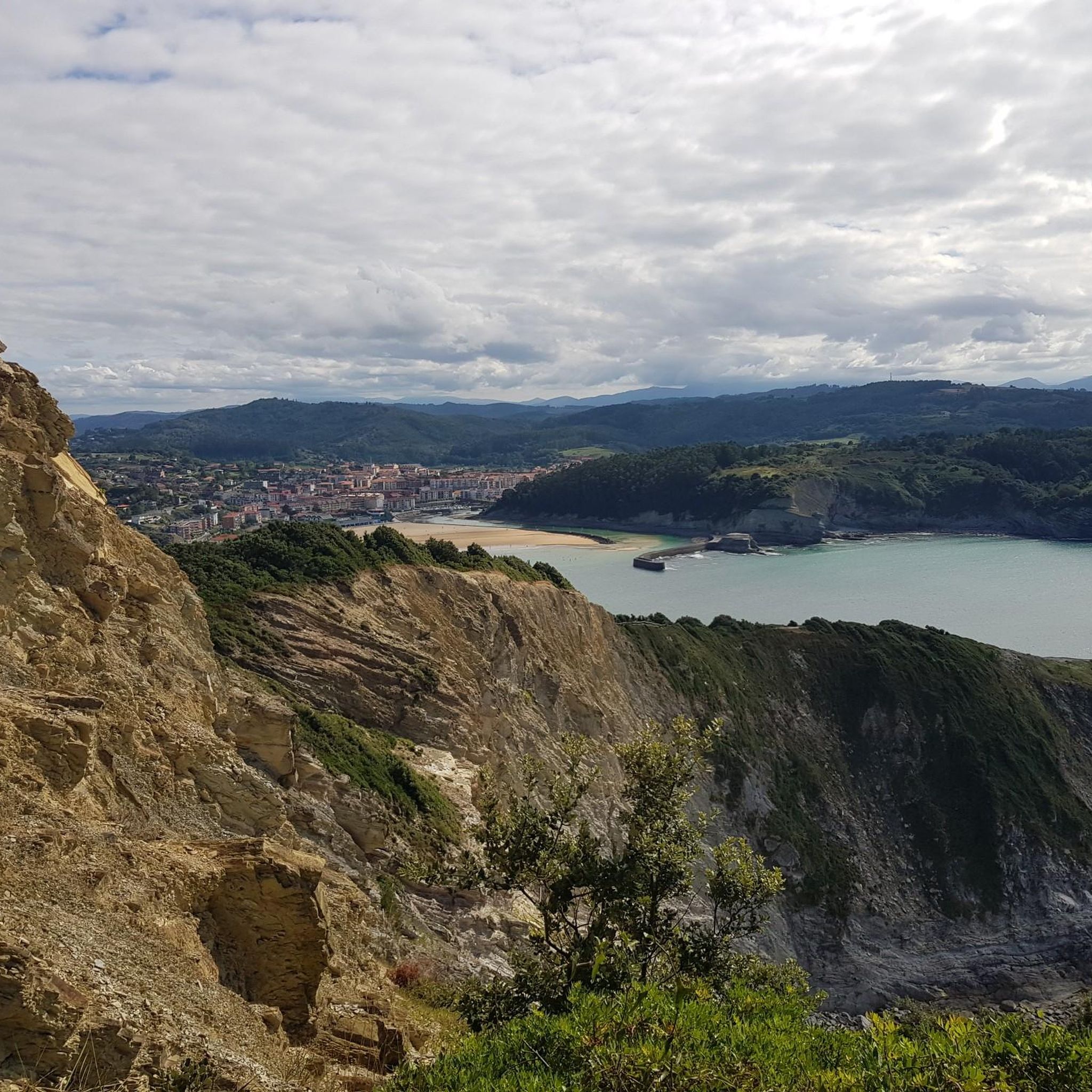
Best attractions and places to see around Gorliz feature a blend of natural coastal beauty and historical landmarks. The region is characterized by its wide sandy beaches, unique petrified dunes, and dramatic cliffs, offering panoramic views of the Cantabrian Sea. Visitors can explore a variety of sites, from modern lighthouses to ancient castles and historical fortifications. This area provides opportunities to experience both geological wonders and significant cultural heritage.
Best attractions and places to see around Gorliz
- The most popular…
Last updated: August 30, 2026
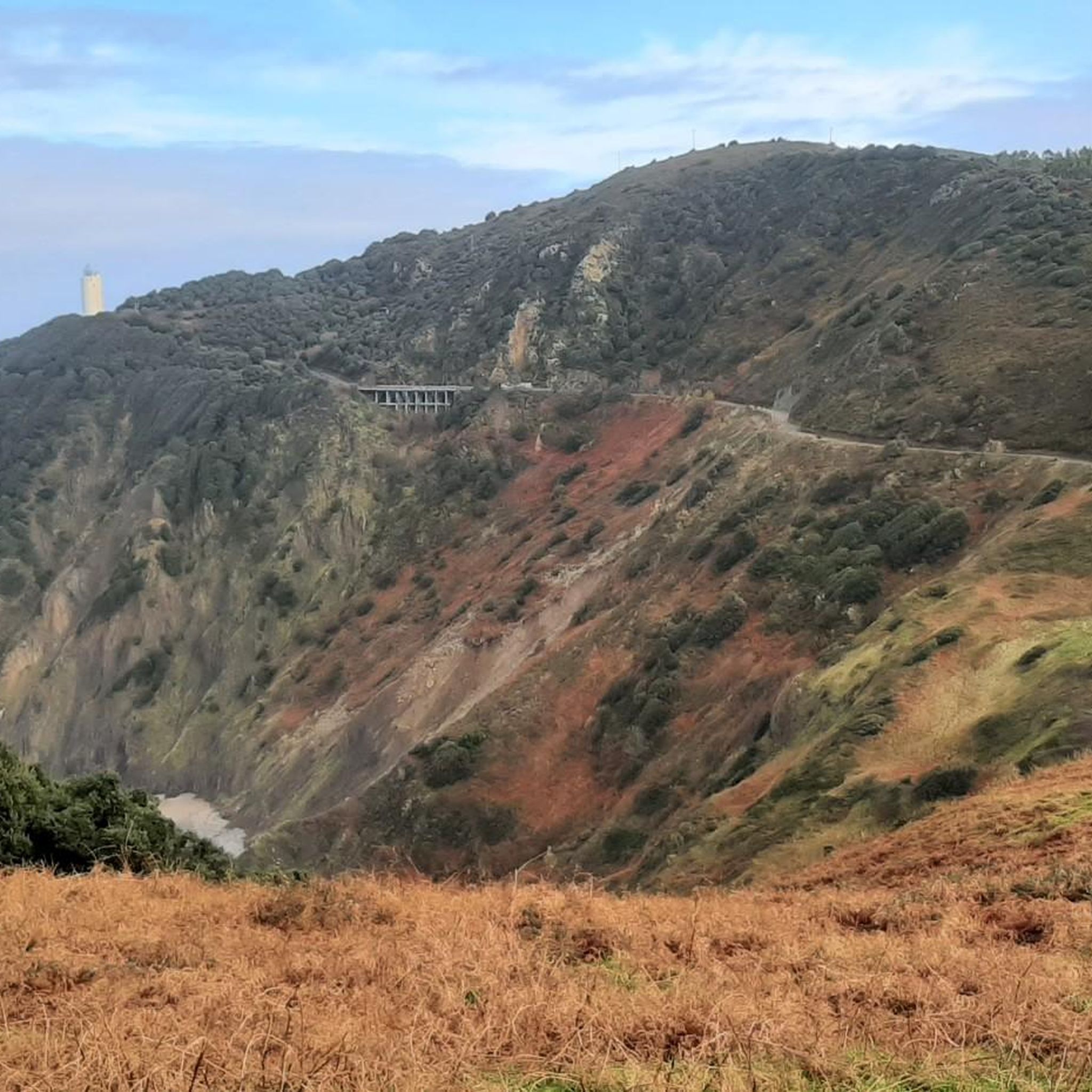
Punta Galea Lighthouse
Highlight • Monument
Translated by Google •
Tip by

Butrón Castle
Highlight • Castle
Translated by Google •
Tip by

Sign up now to discover places like this
Get recommendations on the best single tracks, peaks, & plenty of other exciting outdoor places.
Sign up for free
The Castaway's House
Highlight • Historical Site
The Getxo Red Cross of the Sea is based in one of the municipality's most emblematic buildings: the Casa del Náufrago (Castle of the Shipwrecked).
Translated by Google •
Tip by

Munarrikolanda Summit and Bunker
Highlight • Summit
Translated by Google •
Tip by

Areeta-Las Arenas Harbor
Highlight • Structure
Translated by Google •
Tip by
Sign up for free to discover even more attractions around Gorliz.
Sign up for free
Already have an account?
Start today with a free account
Your next adventure awaits.
Login or Signup

Tips from the Community

The castle is gigantic and beautiful to look at, unfortunately it has been surrounded by a construction fence for ages. Unfortunately, you can't see much. Whether the detour is worth it, everyone has to decide for themselves.
0
0

Definitely a highlight, but unfortunately, the castle was covered in scaffolding when I visited. The castle dates back to the Middle Ages but was later almost completely rebuilt.
0
0
Definitely a highlight here. Shortly before the summit, a narrow single trail leads from the forest road to the summit, which is easy to miss...
0
0

The Areeta-Las Arenas pier has had a variety of structures throughout its history. The first was built in 1880: it was perpendicular to the dock and was built of wood. The first news about the pier appeared in the local press on July 28, 1882, and related: "...An accident suffered by a blind man while descending its stairs, which caused a contusion to one eye, requiring him to be transferred to the Bilbao Civil Hospital..." Despite being made of wood, in October 1882, it was able to withstand the onslaught of a rough swell with a strong wind from outside the bar and a heavy sea from the northwest. That afternoon of October 9, “El Noticiero Bilbaíno” wrote about the violent storm surge: “...It was so powerful that the people of our marshes had never experienced anything like it, and it caused considerable damage. The square and the town of Las Arenas were flooded, and the tramway's livestock had to be removed from the stables. The tram, as is well known, has wooden piers or docks for passengers, both on the Portugalete and Las Arenas sides. Two of the piers were torn away, and another was damaged. The water also swept away the platform of the Las Arenas Spa and one of the police cabins, also causing damage to buildings near the sea. In the Arenal de Bilbao area, the tide reached five meters...”
0
0
HISTORY The Getxo Red Cross of the Sea is based in one of the municipality's most emblematic buildings: the Casa del Náufrago (Castle of the Shipwrecked). Located at the so-called Punta de Begoña, at the beginning of the Algorta counter-dock, next to the old port of Arriluze, the Casa del Náufrago (Castle of the Shipwrecked) was built in 1912 to house the Shipwrecked Rescue Society of the time. This completely independent altruistic group was made up of a few local fishermen and seamen who, despite their limited resources, came to the aid of sailors in the event of a disaster. They had a rescue boat, christened "Ama Begoñakoa," a lifeline, a bronze cannon, two line-throwing rifles, picks and shovels, and some precarious wicker helmets for protection... All of this was transported on a rudimentary wooden cart for easy transport. The reason for the existence of this salvage society is due to the high accident rate at the port of Bilbao throughout history. Royal Orders from the time of the Catholic Monarchs already mentioned that the coast claimed three or four shipwrecks a year along this stretch. But it was during the construction of the iron pier that engineer Evaristo de Churruca discovered the first remains that confirm the dark legend of the Bilbao Abra. During the dredging of the bar, several coins minted during the time of Emperor Hadrian were found. During the iron rush, British cartographers also warned their navigators of the deadly existence of the northwest bar at the entrance to Bilbao: a strip of sand between the Las Arenas mojijonera and Santurtzi that, until the construction of the iron pier, claimed thousands of lives. The shallow draft of this stretch of water, which at low tide barely reached a meter deep, tore open the frames of ships, leaving them at the mercy of the waves and sinking irretrievably. In fact, the freighters that arrived in Bilbao to load ore had flat hulls, without keels, to avoid running aground. Occasionally, the channel was completely blocked, and the German maritime authorities and pilots opened another access route via El Salto beach to Santurtzi, although this alternative posed the risk of running aground on the cliff. The Casa del Náufrago also had space to house shipwreck victims, but over time, the area designated for these
0
0

Start of the 100% pedestrian section of the path (shared with cyclists). The path runs to Sopela, Barinatxe beach (La Salvaje).
0
0

Cool castle, graceful as it stands there. By the way, a really beautiful hiking area.
3
0

This medieval castle is one of the most beautiful in Biscay. It is located in a beautiful setting, on a hill and on top of some rocks, and is surrounded by a century-old forest.
3
0
Frequently Asked Questions
What natural wonders can I explore in Gorliz?
Gorliz offers a rich variety of natural attractions. You can enjoy the wide sandy expanse of Gorliz Beach and its natural dunes, known for calm waters ideal for swimming. Don't miss the unique Petrified Dunes in Astondo, a geological phenomenon over 6,000 years old. The coastline also features irregular cliffs offering stunning panoramic views, and the tranquil Pine Forest, a great spot for outdoor relaxation.
Are there historical sites to visit in Gorliz?
Yes, Gorliz has several historical points of interest. You can explore the ruins of the 18th-century Azkorriaga Fort, built to defend the bay, and the old coastal bunkers located beneath the Gorliz Lighthouse. The town also features the significant Marine Sanatorium, originally a hospital for infantile tuberculosis and the first building in Spain constructed entirely with reinforced concrete. In the urban center, you'll find the Church of the Immaculate Conception of Santa Maria and the 11th-century Andra Mari de Agirre y de las Nieves Hermitage.
What activities are available for families in Gorliz?
Gorliz is very family-friendly. Gorliz Beach is perfect for families, offering safe, calm waters for swimming and various water sports. The adjacent Pine Forest is the second-largest recreational area in Bizkaia, with barbecue facilities, ideal for a day outdoors. Many attractions, including the Punta Galea Lighthouse and Butrón Castle, are also considered family-friendly.
Where can I find the best views in Gorliz?
For breathtaking views, head to the Gorliz Lighthouse, located on a cliff at Cape Billano. It offers privileged panoramic views over the Bay of Plentzia and the striking Billano Island. The coastline's irregular cliffs also provide numerous scenic spots for observing the Cantabrian Sea.
What kind of outdoor activities can I do around Gorliz?
Gorliz is a hub for active tourism. You can enjoy various water sports at Gorliz Beach, including bodyboarding and scuba diving. The area is also excellent for hiking and walking along coastal paths and cliffs. For more structured outdoor activities, you can explore numerous running, cycling, and gravel biking routes. For specific routes, check out the running trails, cycling routes, and gravel biking paths around Gorliz.
Are there specific hiking or cycling routes recommended near these attractions?
Yes, there are several routes to explore. For running, consider the 'Gorliz Lighthouse – View of Billano Island loop from Gorliz' (10.2 km, difficult) or 'Astondo – Plentzia loop from Gorliz' (5.6 km, moderate). Cyclists might enjoy 'Playa de Gorliz – Vizcaya Bridge loop from Gorliz' (41.3 km, difficult) or 'Plentzia Bay – Gorliz Lighthouse loop from Plentzia' (8.3 km, moderate). Gravel biking offers routes like 'Karabezu Summit – Butrón Castle loop from Algorta' (43.5 km, difficult). You can find more details on the dedicated running, cycling, and gravel biking guide pages.
What is the best time of year to visit Gorliz?
Gorliz benefits from a favorable microclimate, offering more hours of sun than other parts of Bizkaia. This makes it an ideal holiday destination throughout much of the year. The summer months are particularly popular for beach activities and water sports, while spring and autumn provide pleasant weather for hiking and exploring historical sites without the peak crowds.
Can I visit any lighthouses in the Gorliz area?
Absolutely! The Gorliz Lighthouse is a must-see. Built in 1990 on a cliff 165 meters above sea level at Cape Billano, it's the tallest lighthouse on the Cantabrian coast and offers magnificent sea views. A path leads directly to it from the beach. Further afield, you can also visit the Punta Galea Lighthouse, located at the entrance to the Bilbao estuary, which provides a scenic walk along the cliffs.
Are there any unique geological features to see?
Yes, Gorliz is home to the remarkable Petrified Dunes in Astondo. These dunes are a unique geological phenomenon on the Basque coast, dating back over 6,000 years. They showcase fascinating layers and shapes formed over millennia, with fossils found within them, and have been declared a 'Point of Geological Interest'.
What do visitors particularly enjoy about the attractions around Gorliz?
Visitors frequently praise the stunning coastal beauty and the blend of natural landscapes with historical landmarks. The Gorliz Lighthouse is highly appreciated for its privileged views over the Bay of Plentzia. The impressive medieval Butrón Castle, set amidst nature, is also a favorite for its magical atmosphere and panoramic views. Many enjoy the scenic walks along the cliffs near the Punta Galea Lighthouse.
Is Gorliz Beach suitable for swimming and water sports?
Yes, Gorliz Beach is renowned as one of the safest and most beautiful beaches on the Basque coast. It is sheltered by the Bay of Plentzia, providing calm waters that are ideal for swimming. The beach is also popular for various water sports, including bodyboarding and scuba diving, making it a perfect spot for aquatic activities.
How can I explore the coastline around Gorliz?
The coastline around Gorliz offers numerous ways to explore its beauty. You can take a pleasant walk along the picturesque promenade that connects Gorliz Beach with Plentzia. For more adventurous exploration, follow the coastal paths along the irregular cliffs, which provide stunning panoramic views and excellent hiking opportunities. Don't forget to visit Cape Billano for breathtaking vistas of the Bay of Plentzia and Billano Island.
Most popular attractions around Gorliz

Get inspired with the komoot mobile app


Explore more
Still not found the Highlight you’re looking for? See guides of the top attractions in other regions:
