The 20 Most Amazing Peaks around Vielha E Mijaran
Best mountain peaks around Vielha e Mijaran are found in the heart of the Pyrenees, offering a diverse landscape for exploration. This region, part of the Val d'Aran, is characterized by its rugged mountains, deep valleys, and high-altitude passes. It serves as a gateway to some of the highest summits in the Pyrenees, providing a range of experiences from accessible viewpoints to advanced hiking routes. The natural environment here supports a variety of mountain activities, making it a notable destination…
Last updated: August 16, 2026
Picada Pass
Highlight • Mountain Pass
very beautiful, with unbeatable views of the north face of Maladeta.
The path is well defined …
Translated by Google •
Tip by

Pico de Aneto Summit
Highlight • Summit
Translated by Google •
Tip by

Sign up now to discover places like this
Get recommendations on the best single tracks, peaks, & plenty of other exciting outdoor places.
Sign up for free
Salvaguardia Peak
Highlight • Summit
To Puerto de Benasque good trails. Also suitable for …
Translated by Google •
Tip by

Tuc de Montcorbison 2,173m
Highlight • Summit
Translated by Google •
Tip by

Mahoma Pass
Highlight • Climb
Translated by Google •
Tip by

Sign up for free to discover even more peaks around Vielha E Mijaran.
Sign up for free
Already have an account?
Start today with a free account
Your next adventure awaits.
Login or Signup
Popular around Vielha E Mijaran
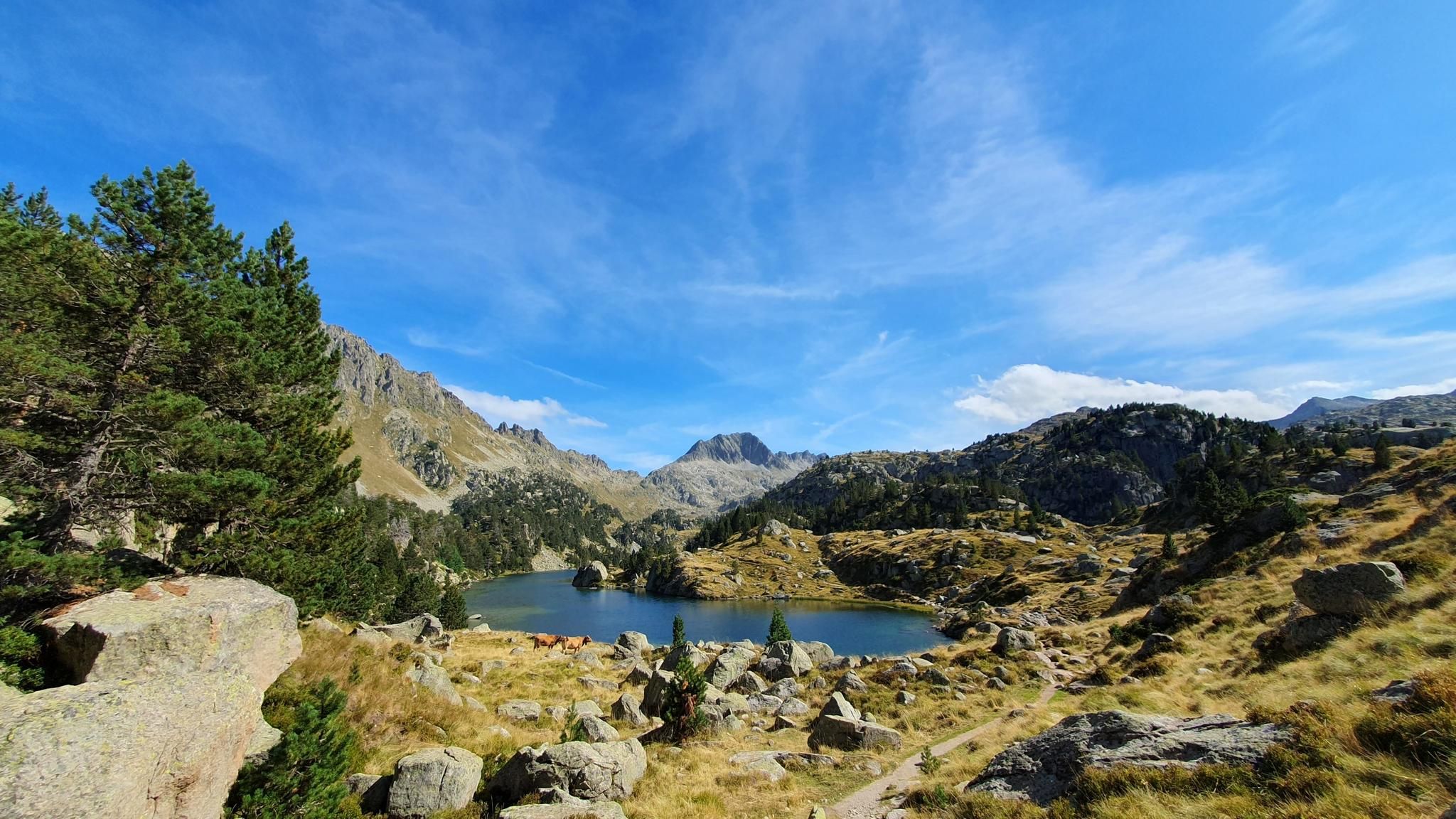
100 miles in paradise - Discover the Val d'Aran by UTMB
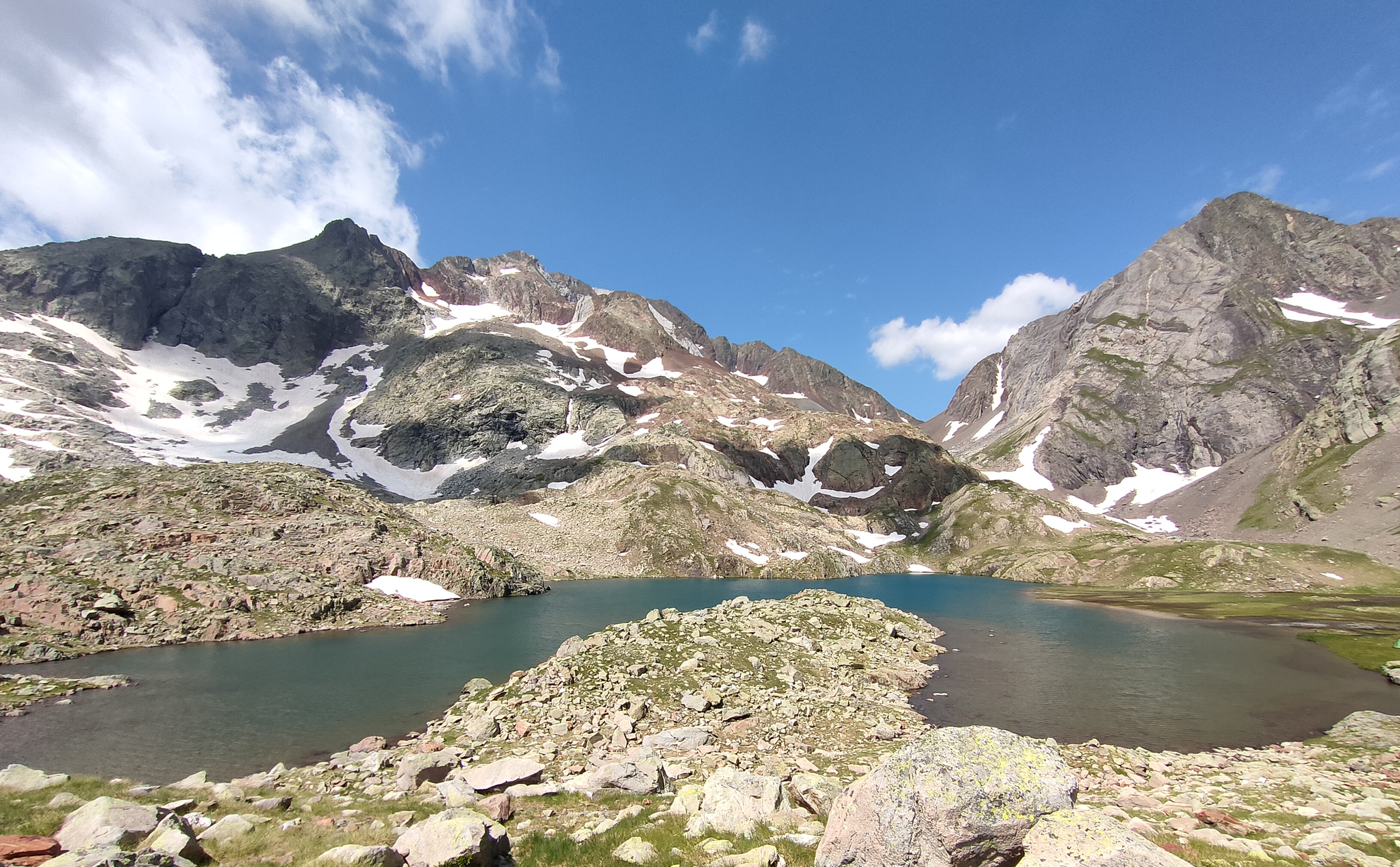
Panoramic Pyrenees – 15 hikers' peaks of over 3,000 metres
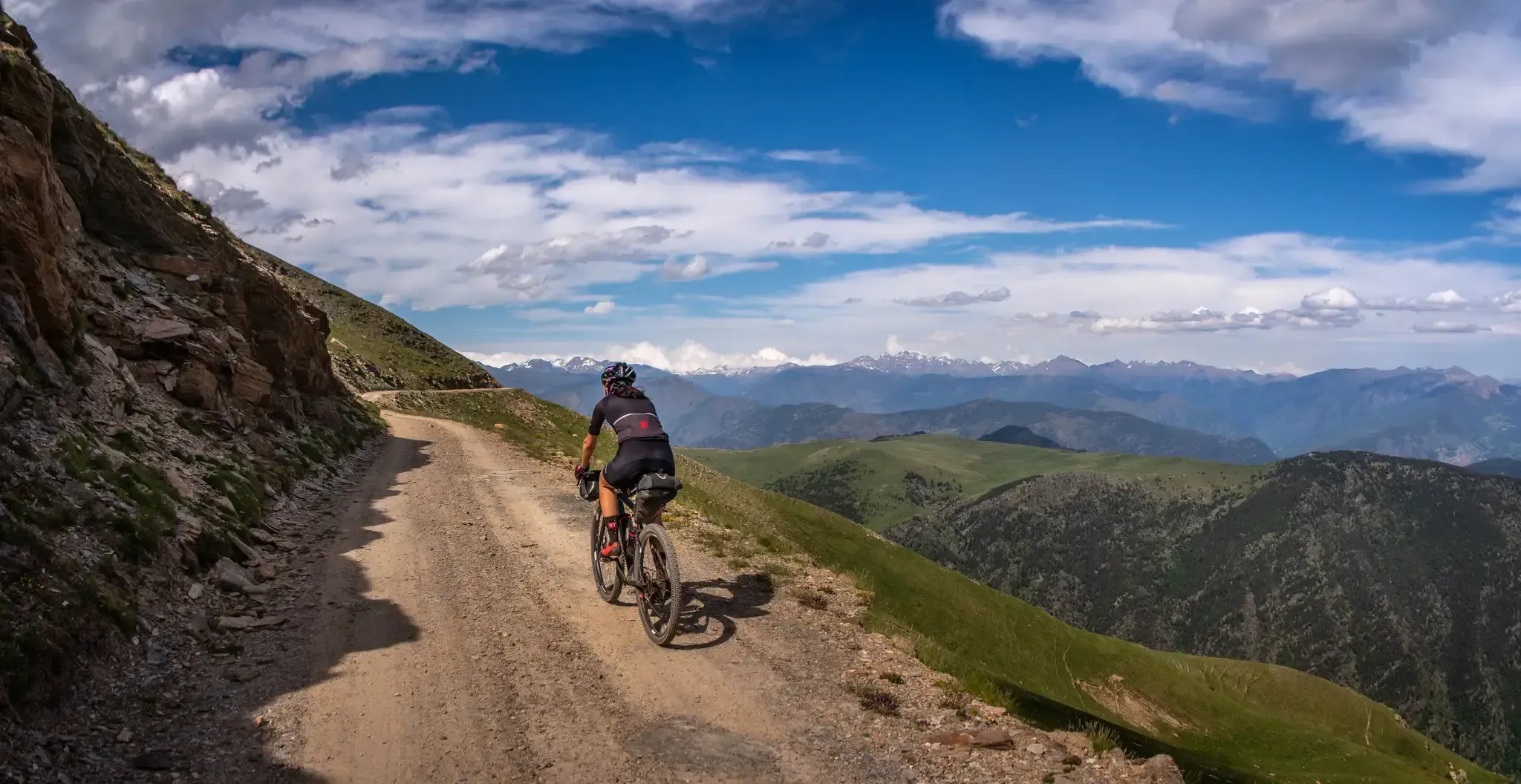
Pedals de Foc – An adventure through the Catalan Pyrenees
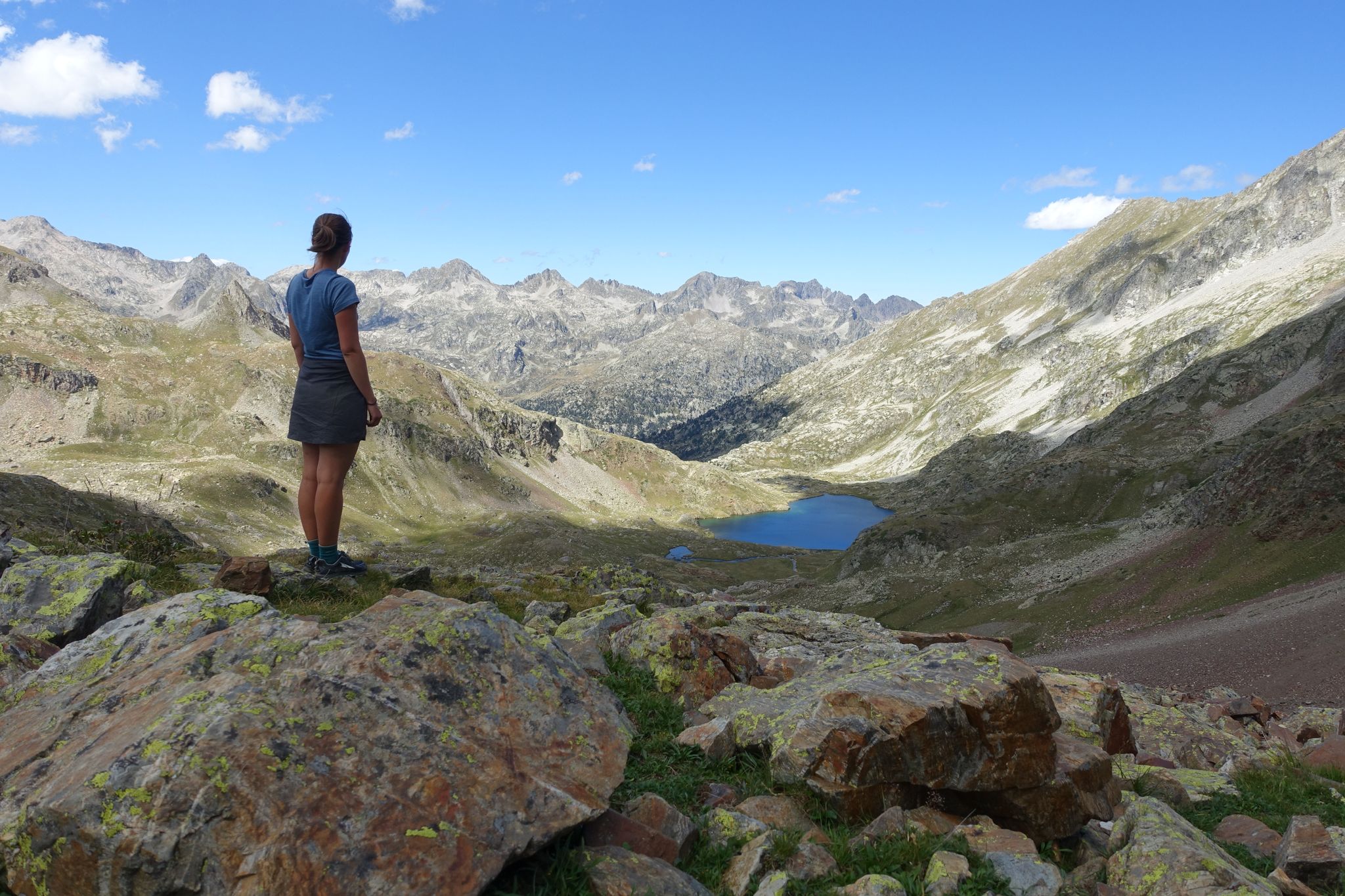
Haute Route Pyrénéenne – Pyrenees Crossing
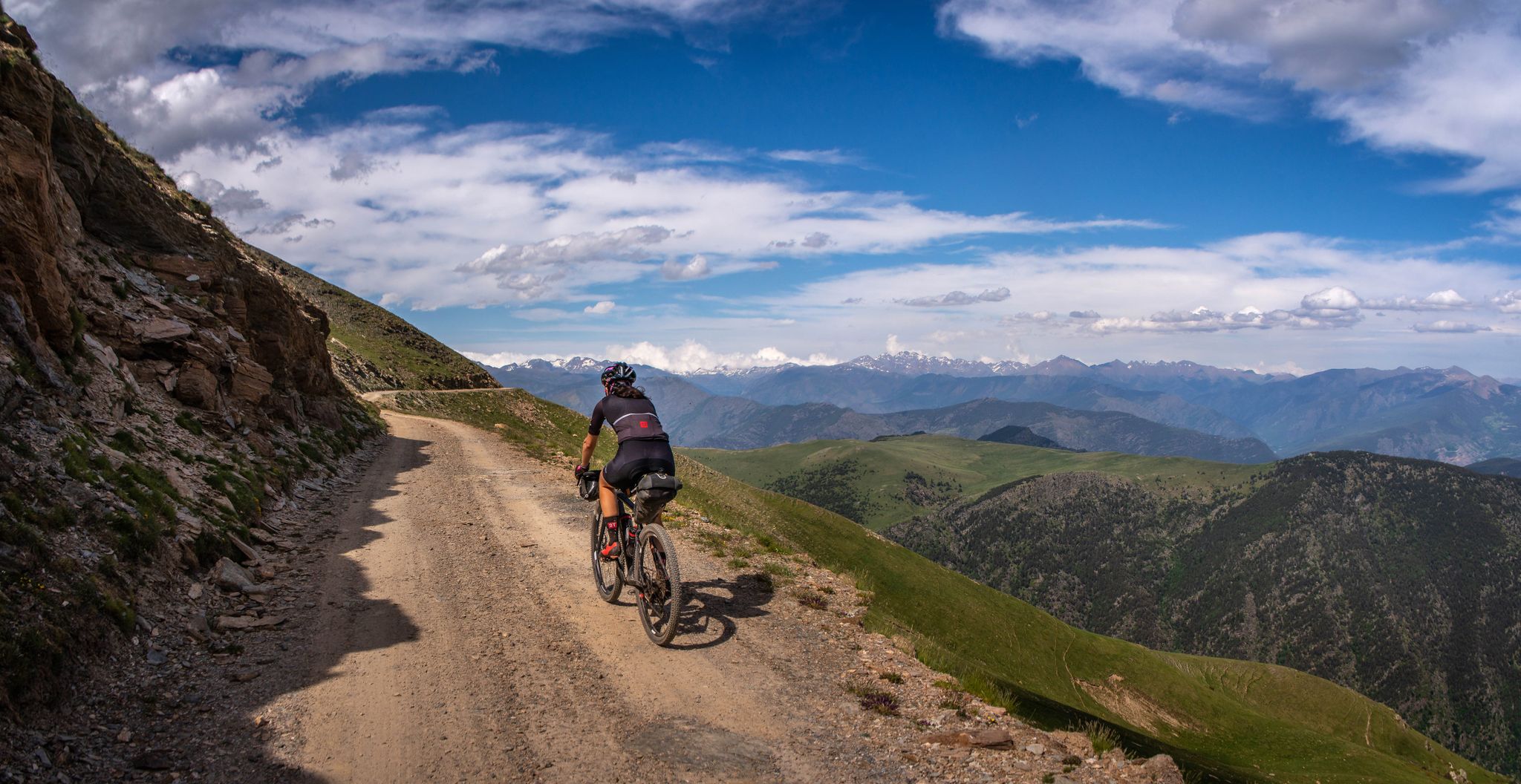
Bikepacking in the Catalan Pyrenees
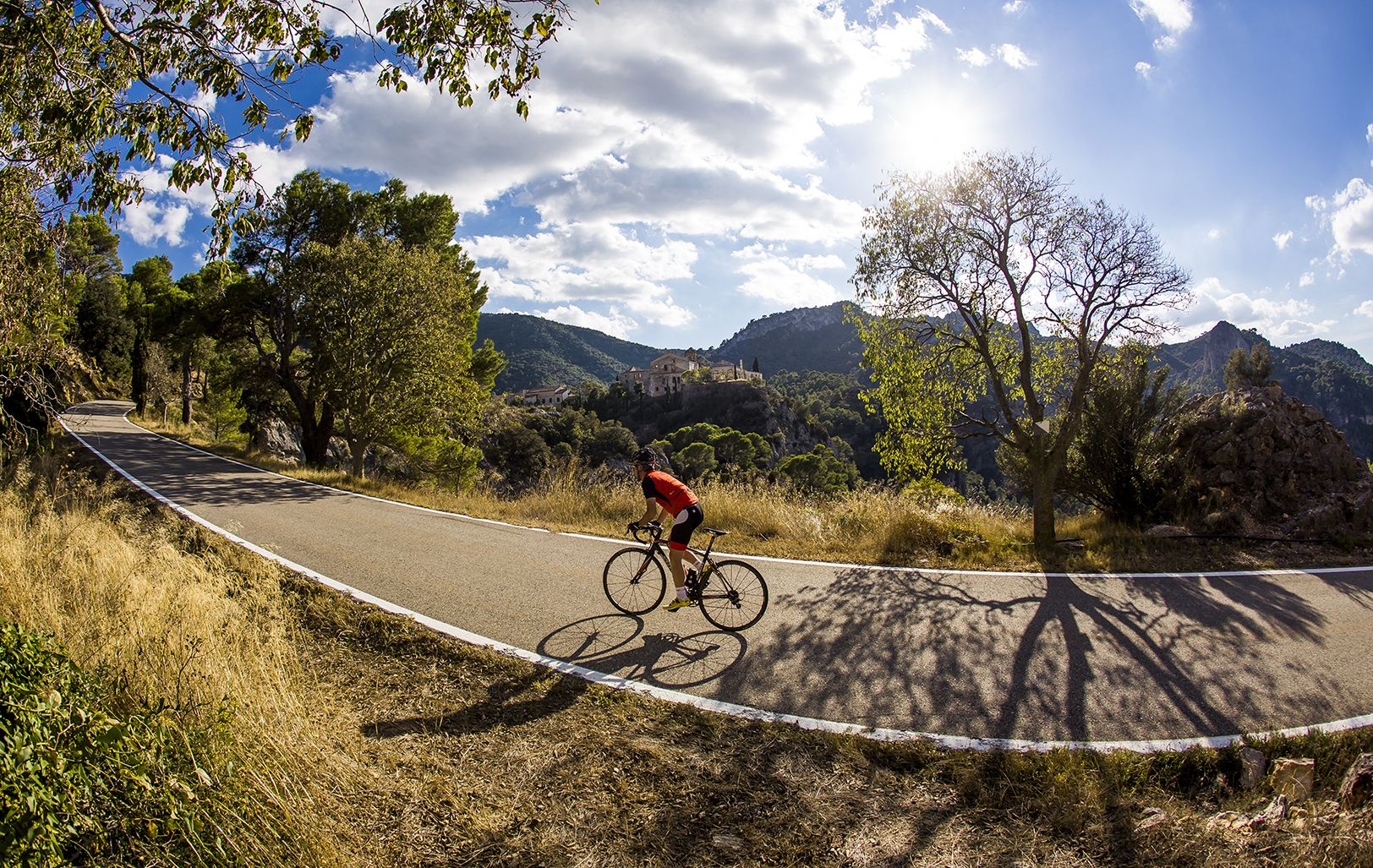
Discover Catalonia by road bike
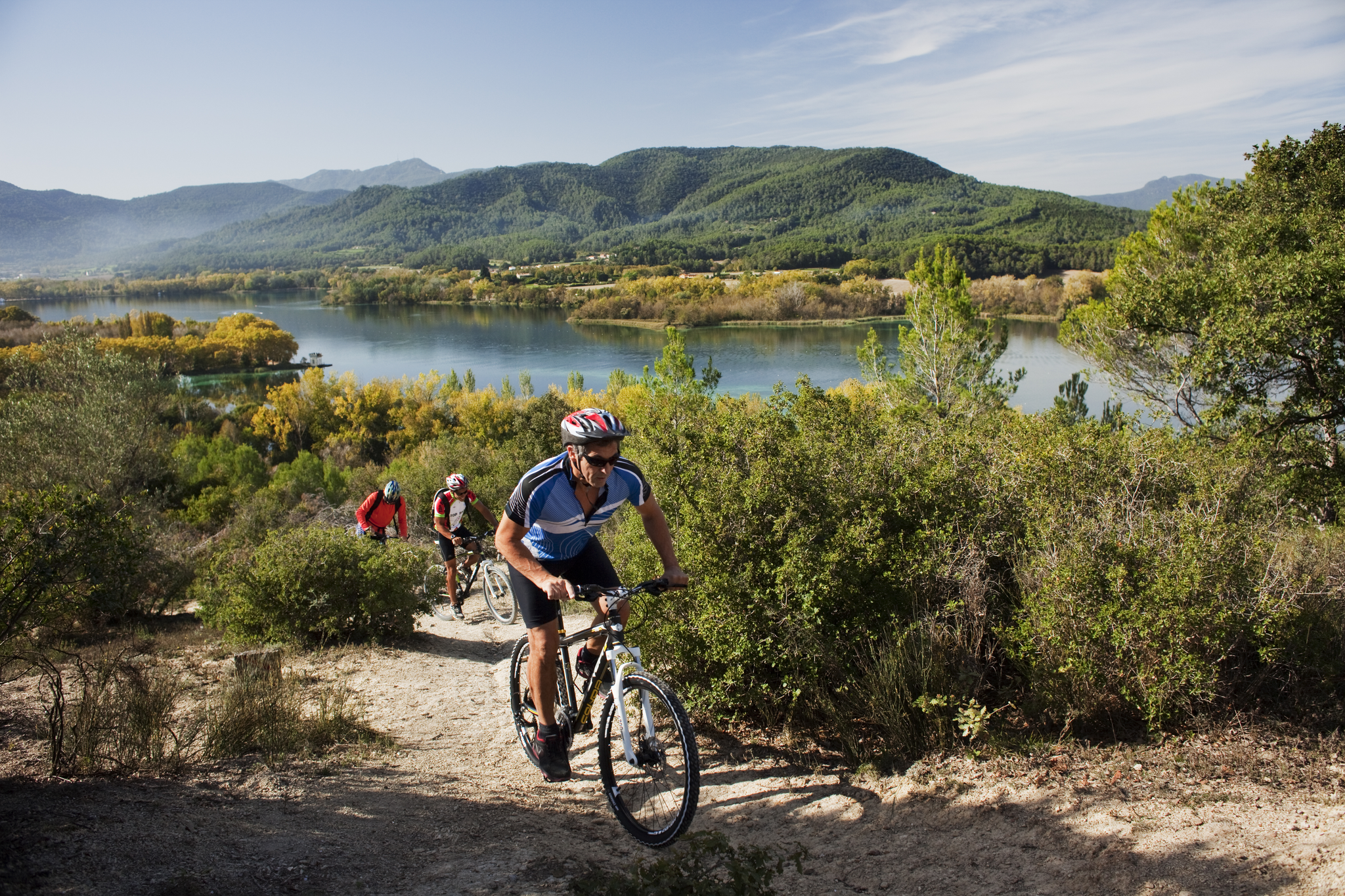
Discover Catalonia on a mountain bike
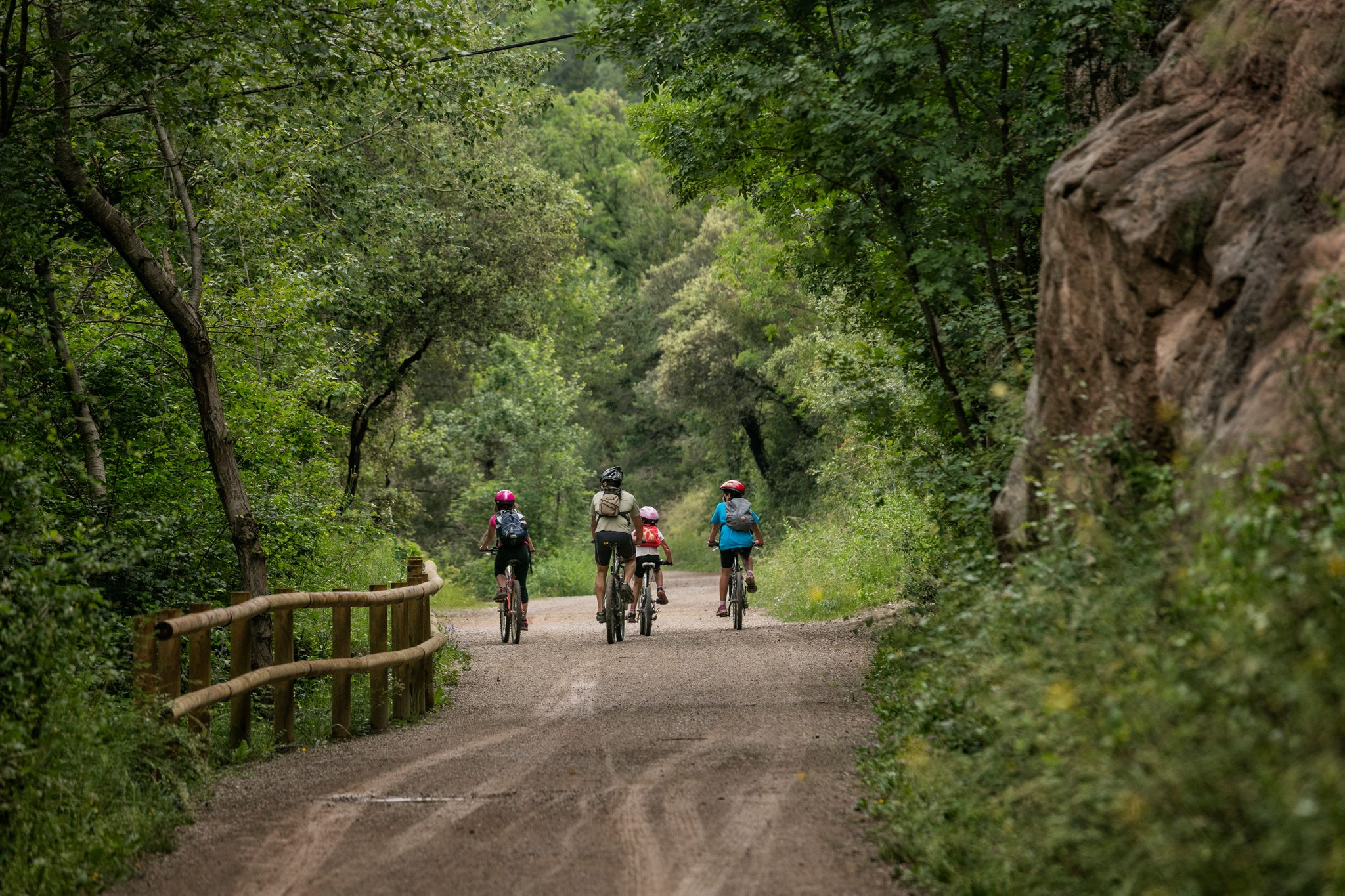
Discover Catalonia on your bike
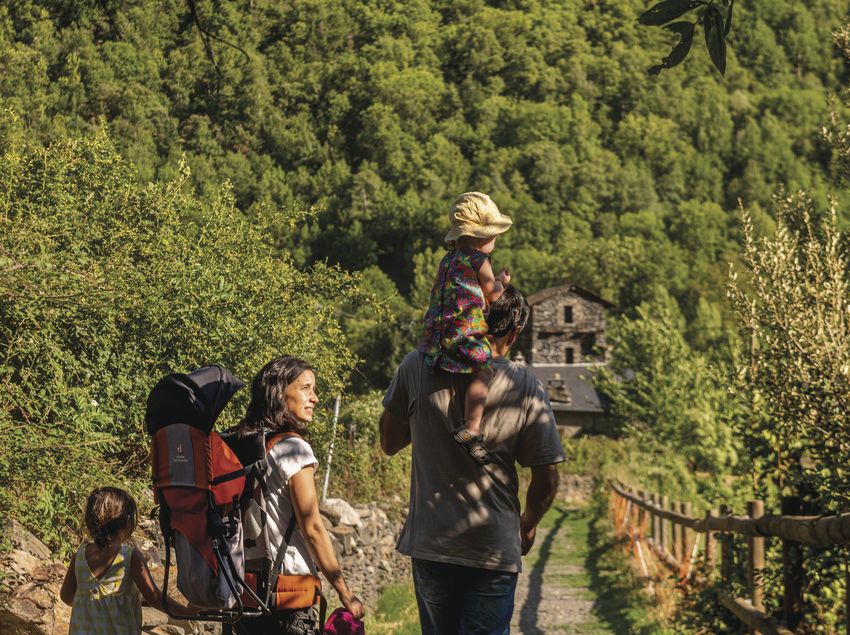
Hike with your family in Catalonia
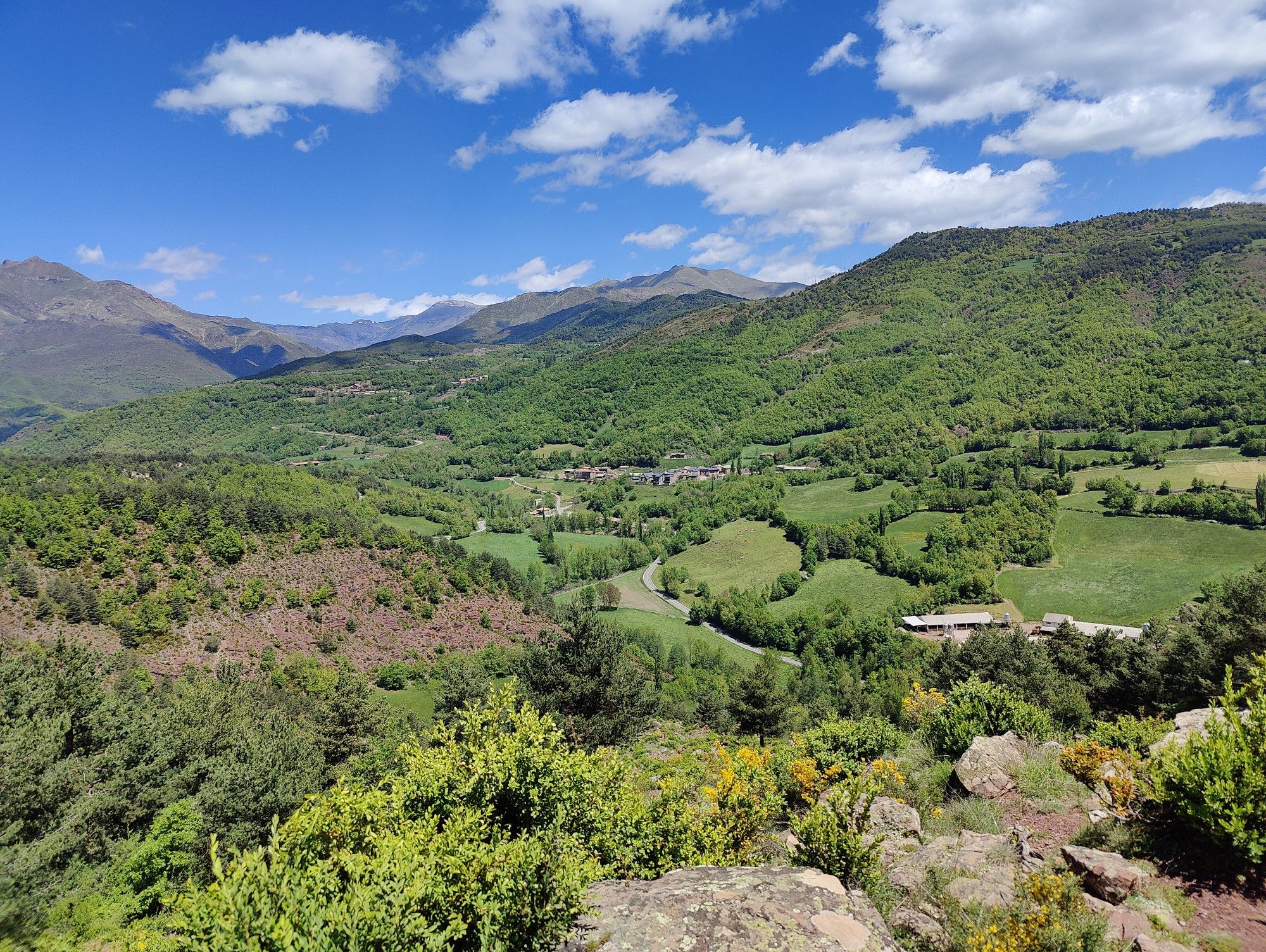
Aran to Somontano – GR 17 in the Pyrenees by MTB
Other adventures around Vielha E Mijaran


Tips from the Community

The highest peak in the Pyrenees mountaineering region.
1
0

The highest peak in the Pyrenees and the one everyone wants to climb. Its demands are more physical than technical, with the exception of the Mahoma Pass, not suitable for those with vertigo, and the Aneto Glacier, which is recommended to avoid in the middle of summer when the hard centuries-old ice is exposed and landslides increase due to melting. At the top you will find a gigantic metal cross, a statue of the Virgen del Pilar and a small bust of San Marsial, patron saint of Benasque. Each of them installed by different groups that want to make their own a piece of this colossus that, although it is difficult to believe, went unnoticed for centuries in the shadow of the apparently more prominent Tuca de la Maladeta (from the Occitan "Mall Hita", the 'high peak').
1
0

Aneto is the highest peak in the Pyrenees and the second highest in the Iberian Peninsula, with an altitude of 3,404 meters above sea level. It is located in the Posets-Maladeta Natural Park, in the Spanish municipality of Benasque, province of Huesca, autonomous community of Aragon. It is part of the Maladeta massif and, located in the Benasque valley, is made up of Paleozoic terrain of granitic nature and Mesozoic materials. On its northern face, starting at approximately 2810 m, is the largest glacier in the Pyrenees, with about 100 hectares of surface, which is, like many in the world, in clear regression as a consequence of climate change (it is estimates that in the last 100 years it has lost more than half of its surface, and that in 30 or 40 years it may disappear).
2
0

The Aneto, roof of the Pyrenees and watchtower over the park, is a symbol and a challenge for mountaineers who come to this natural park to climb to 3404 meters high. The most frequented routes are the one on the north side from Besurta, and the one on the south side from the Coronas bridge to Vallibierna.
3
0
A horizontal passage of 40 meters in length and with considerable verticality on both sides, separates the summit from the summit. It is also the last difficulty we will have to overcome before reaching Aneto. Albert de Franqueville, one of the first men to summit the Aneto, was the one who gave this name to this part of the mountain: "Fineer than a hair and sharper than a saber", that is the bridge of Muhammad according to the legend: the entrance to Paradise, at the top of the Aneto, for the eyes of Franqueville. The factors for which this step is dangerous are: - The verticality on both sides of the step and the inevitable feeling of vertigo. A fall is fatal. - In some sections you have to use your hands to move forward. - The possible density of people crossing the pass. All mountaineers who climb Aneto must cross this pass twice: to go there and to return. There are points on the Muhammad Bridge where two people cannot cross. Be patient. - The possible presence of water, ice and snow, which can make the passage slippery. - Vulnerability to lightning strikes in the event of a storm. For these reasons, it is not necessary to do this section of the ascent if it is not completely safe, nor to force anyone to go through it. Accumulated fatigue and nerves are a bad combination that can end in fatality.
3
1

From the Benasque Hospital to Puerto de la Picada, it is a simple and very beautiful, with unbeatable views of the north face of Maladeta. The path is well defined and marked by milestones until reaching Port de la Picada itself. It goes up gently in a zigzag pattern until it reaches the Basetas del Portillón, small lakes that can sometimes be found dry. From here, we turn right, looking for an easterly orientation to overcome the last slope that leaves us at Port de la Picada. On the other side, you can see small lakes called Bom des Clòts de Lunfèrn and the Valley that descends towards Artiga de Lin (Vall d'Aran).
1
0

Montcorbison is a mountain of 2,172 meters that is located in the municipality of Vielha e Mijaran, in the region of Vall d'Aran. This peak is included in the list of the 100 peaks of the FEEC
3
0

An easy climb gives access to the top of Aneto
2
0
Frequently Asked Questions
Are there family-friendly or easy mountain peaks to hike around Vielha E Mijaran?
Yes, for a more accessible experience, Salvaguardia Peak offers phenomenal panoramic views and is suitable for children and dogs. Another option is Picada Pass, which is described as a simple and very beautiful route with unbeatable views of the north face of Maladeta.
What are some challenging mountain peaks for experienced hikers in Vielha E Mijaran?
For experienced mountaineers, Pico de Aneto Summit is the highest peak in the Pyrenees and the third highest in Spain, presenting a significant challenge. The Mahoma Pass, a narrow and exposed section on the way to Aneto's summit, is particularly demanding and not suitable for those with vertigo.
What kind of views can I expect from the mountain peaks in Vielha E Mijaran?
The peaks in Vielha E Mijaran offer diverse and spectacular views. From Salvaguardia Peak, you can enjoy panoramic vistas of Luchon and the great mountains of the Valle de Benasque. Picada Pass provides unbeatable views of the north face of Maladeta and the valley descending towards Artiga de Lin, complete with small lakes.
What outdoor activities can I do near the mountain peaks of Vielha E Mijaran?
Beyond peak bagging, the region offers a variety of outdoor activities. You can explore numerous hiking trails, such as the challenging Tuc de Molières or the scenic Lago Redondo and Lago de Arrius. For cyclists, there are routes like 'Towns of the Val d'Aran' or 'Garonne River – Church of Sant Miquèu (Vielha) loop'. Runners can enjoy trails like Besiberri Lake or Montcorbison and Tuc de Letassi Loop. Find more details on hiking, cycling, and running guides.
Are there any notable valleys or natural monuments near the peaks?
Yes, the Artiga de Lin Valley is considered one of the most beautiful areas of the Aran Valley, characterized by its wild landscape and rugged mountains. It's a great discovery for those seeking natural beauty.
What should I know about the difficulty of hiking Pico de Aneto?
Climbing Pico de Aneto Summit is more physically demanding than technically challenging, with the exception of the Mahoma Pass. This pass is a horizontal section of 40 meters with considerable verticality on both sides, requiring careful navigation and is not recommended for those with vertigo. It's also advisable to avoid the Aneto Glacier in mid-summer due to exposed ice and increased landslides.
What are some of the most popular mountain passes in the region?
The Picada Pass is a popular mountain pass offering simple yet beautiful routes with stunning views. It's also a point for transition to France, connecting to areas like Pas Dera Escaleta and Coth de Lunfern.
What do visitors appreciate most about the mountain peaks around Vielha E Mijaran?
Visitors frequently highlight the phenomenal panoramic views, the diverse landscapes, and the sense of accomplishment from reaching challenging summits. The region is appreciated for its mix of high-altitude climbs and routes with extensive scenic vistas, making it a rewarding destination for various outdoor enthusiasts.
Are there any hidden gems or less-known spots among the peaks?
While specific 'hidden gems' are not detailed, exploring the various trails around the main highlights can lead to unique discoveries. For instance, the Artiga de Lin Valley, though known, offers a wild landscape that can feel like a discovery, especially outside the peak summer season when it's calmer.
Can I find circular mountain walks in Vielha E Mijaran?
Yes, the region offers several circular routes. For example, the 'Besiberri Lake Trail' and 'Montcorbison and Tuc de Letassi Loop' are popular running trails that can also be enjoyed as circular walks. You can find more options within the hiking guide for the area.
What is the best time to hike the mountains in Vielha E Mijaran?
The best time to hike depends on the specific peak and your experience level. Generally, late spring to early autumn (June to September) offers the most favorable conditions for high-altitude trails, with less snow and more stable weather. However, some lower-altitude routes and valleys like Artiga de Lin can be enjoyed earlier or later in the season.
Most popular routes around Vielha E Mijaran
Most popular attractions around Vielha E Mijaran

Get inspired with the komoot mobile app


Explore more
See even more amazing summits around Vielha E Mijaran with these guides:
