Attractions and Places To See around Cirueña - Top 20
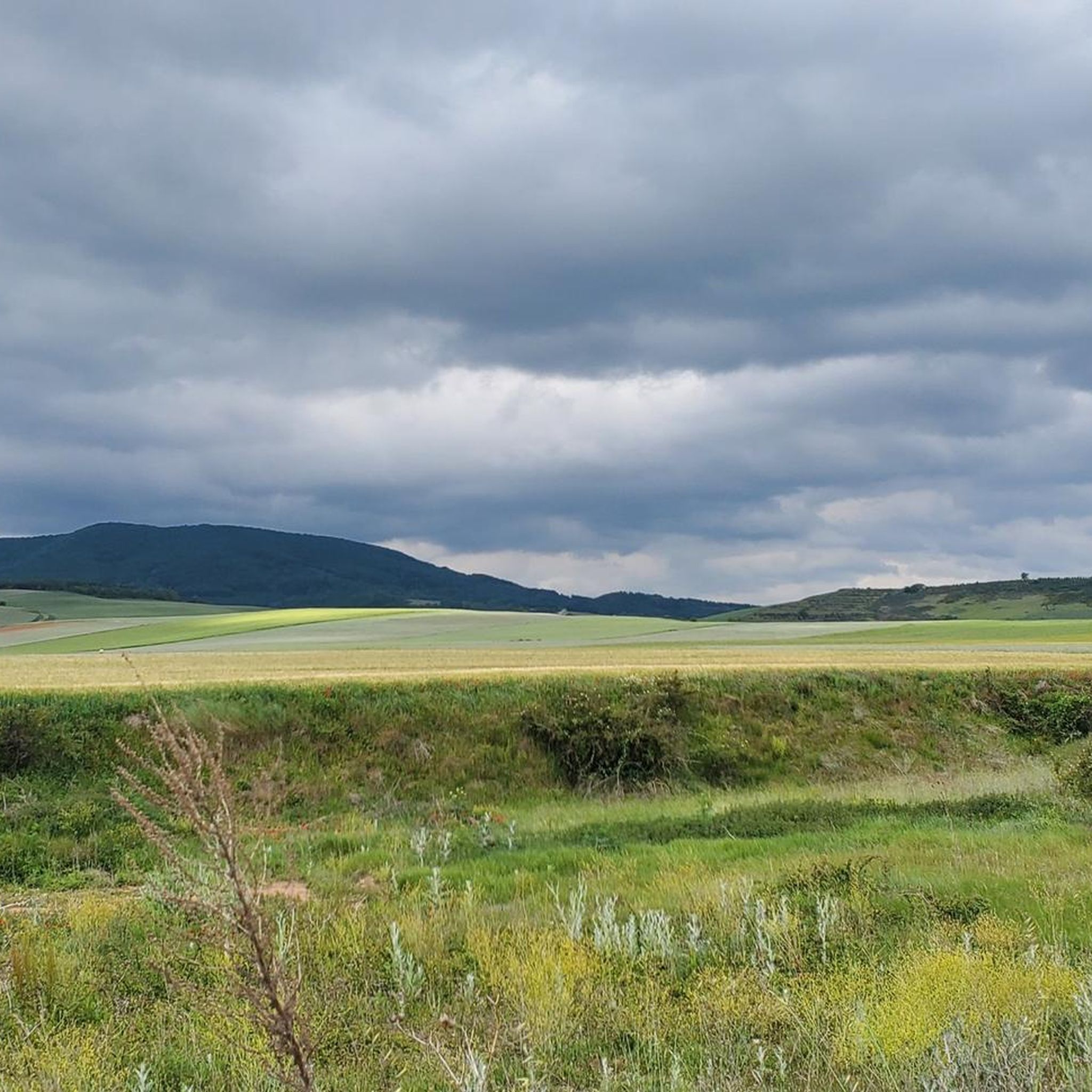
Best attractions and places to see around Cirueña include a mix of historical sites, religious buildings, and natural features within La Rioja, Spain. This region offers a rural setting and serves as a point of interest along the Camino de Santiago. The landscape is characterized by diverse natural beauty, from vineyards to mountainous areas.
Best attractions and places to see around Cirueña
- The most popular attractions is Santo Domingo de la Calzada Cathedral, a religious building known for housing a living rooster and hen, protected as an Asset of Cultural Interest. This cathedral showcases a blend of Romanesque and Gothic architectural styles.
- Another must-see spot is Santo Domingo de la Calzada Bridge, a medieval stone bridge. Constructed in the 11th century, it was crucial for facilitating the passage of pilgrims over the Oja River.
- Visitors also love Suso and Yuso Monasteries (San Millán de la Cogolla), UNESCO World Heritage Sites. These religious buildings are significant for their historical, artistic, and cultural heritage, including housing codices with early Spanish writings.
- Cirueña is known for its religious buildings, historical sites, and natural attractions. The area offers a variety of landmarks near Cirueña to see and explore, including its role on the Camino de Santiago.
- The attractions around Cirueña are appreciated by the komoot community, with over 485 upvotes and more than 450 photos shared.
Last updated: July 6, 2026
Santo Domingo de la Calzada Cathedral
Highlight • Religious Site
The animals are replaced every two weeks and allude to the legend of the hanged man. The myth tells that a pilgrim was hanged after being unjustly accused of theft. When his parents went to see the body they found their son alive and he told them that Santo Domingo de la Calzada had saved his life. The parents proclaimed that their son was alive, but the mayor of the city did not believe them and told them something like: "Your son is as alive as the roasted rooster and hen that I am eating." And suddenly, according to legend, the animals regained their feathers and came back to life.
Translated by Google •
Tip by

Santo Domingo de la Calzada Bridge
Highlight • Bridge
At the entrance, on the banks of Santo Domingo de la Calzada, there is a small hermitage and, behind it, a picnic area with two tables.
Translated by Google •
Tip by
Sign up now to discover places like this
Get recommendations on the best single tracks, peaks, & plenty of other exciting outdoor places.
Sign up for free
San Millán de la Cogolla Monastery
Highlight • Religious Site
The first monastery dates back to the 11th century, but the complex and the entire town have evolved over the centuries until reaching the splendor and atmosphere that they offer today.
Translated by Google •
Tip by

Bicigrino Statue
Highlight • Monument
Translated by Google •
Tip by

Suso and Yuso Monasteries (San Millán de la Cogolla)
Highlight • Religious Site
Translated by Google •
Tip by

Sign up for free to discover even more attractions around Cirueña.
Sign up for free
Already have an account?
Start today with a free account
Your next adventure awaits.
Login or Signup

Tips from the Community

The Monastery of San Millán de la Cogolla is a place of great importance in the La Rioja region of Spain. Founded in the 6th century AD by Saint Millán, this monastery has a rich history and a special connection with the Castilian language.
3
0

The pilgrimage route repeatedly involves crossing valleys and rivers like the Rio Oja – as here at Santo Domingo de la Calzada. The bridges are sometimes relatively modern, sometimes medieval, and sometimes even older.
1
0
It crosses the Oja River, connecting different parts of the city. Built in the 12th century by Saint Dominic de la Calzada to facilitate the passage of pilgrims on the Camino de Santiago. The stone bridge features several arches, a fine example of medieval engineering.
2
0
The Cathedral of Santo Domingo de la Calzada, also known as the Cathedral of El Salvador, is an impressive monument located in the town of Santo Domingo de la Calzada. The cathedral was built between the 12th and 13th centuries, combining Romanesque and Gothic styles. A unique feature is its free-standing tower, separated from the main body of the cathedral.
8
0

“Bicigrino” is a term used on the Camino de Santiago and is a combination of the Spanish words “bici”, meaning bicycle, and “peregrino”, meaning pilgrim1. A Bicigrino is therefore a pilgrim who covers the Camino de Santiago by bicycle21. To receive a Compostela certificate, a Bicigrino must complete at least the last 200 km of a Camino route, ending in Santiago de Compostela. It is a trend that has developed in recent years, with more and more pilgrims choosing to do the Camino de Santiago by bicycle. It's a great way to experience the beautiful landscapes and historic sites along the Camino. 😊
6
0
Again and again on the pilgrimage route - as here at Santo Domingo de la Calzada - valleys have to be crossed and rivers like the Rio Oja have to be crossed. The bridges are sometimes relatively modern, sometimes medieval and sometimes even older.
7
0
The typical features of almost every pilgrim figure: backpack, hat, walking stick and of course the clearly visible scallop shell; here, another object has been added, namely the bicycle.
8
0

Anyone who passes by here by bike along the Via de Compostela must stop for a photo.
8
0
Frequently Asked Questions
What historical and cultural sites can I visit near Cirueña?
The region around Cirueña is rich in history. You can explore the UNESCO World Heritage Sites of Suso and Yuso Monasteries (San Millán de la Cogolla), known for their profound historical and linguistic significance as the birthplace of the Castilian language. Another significant site is the Santo Domingo de la Calzada Cathedral, an impressive blend of Romanesque and Gothic architecture famous for its unique tradition of housing a living rooster and hen. Don't miss the medieval Santo Domingo de la Calzada Bridge, built in the 11th century to aid pilgrims.
Are there any family-friendly attractions around Cirueña?
Yes, several attractions near Cirueña are suitable for families. The Santo Domingo de la Calzada Cathedral, with its fascinating legend of the rooster and hen, often captivates children. The Suso and Yuso Monasteries (San Millán de la Cogolla) offer an educational experience about history and language in an engaging setting. Additionally, the Santo Domingo de la Calzada Bridge provides a historical landmark that's easy to visit with all ages.
What natural features can I explore in the Cirueña region?
Cirueña is nestled in La Rioja, a region known for its diverse natural beauty. You'll find extensive vineyards, picturesque valleys shaped by seven rivers, and mountainous areas like the Sierra de Cameros. The town itself is set within the distinctive oak forest of Dehesa de Cirueña, offering a serene natural environment. The broader landscape provides opportunities for scenic drives and enjoying the rural charm.
What outdoor activities can I do near Cirueña?
The area around Cirueña is excellent for outdoor enthusiasts. You can enjoy hiking, gravel biking, and cycling. For hiking, there are routes like the 'Entrance to the city – Cistercian Abbey loop' or the 'Paseo del Espolón loop'. Cyclists can explore routes such as the 'Bicigrino Statue loop from Cirueña'. You can find more details and routes on the Hiking around Cirueña, Gravel biking around Cirueña, and Cycling around Cirueña guide pages.
Are there any wheelchair-accessible attractions or trails near Cirueña?
Yes, the Santo Domingo de la Calzada Bridge is noted as wheelchair accessible, making it a good option for visitors with mobility needs. While specific wheelchair-accessible trails are not extensively listed, many urban areas and main paths in towns like Santo Domingo de la Calzada are generally accessible.
What is the significance of the Camino de Santiago in Cirueña?
Cirueña is an integral part of the historic Camino de Santiago pilgrimage route. It serves as a notable stop for pilgrims traveling between Nájera and Santo Domingo de la Calzada, offering peaceful landscapes and local hospitality. The town's connection to this ancient path adds to its cultural and historical charm.
What is the Rioja Alta Golf Club, and where is it located?
The Rioja Alta Golf Club is a significant recreational draw in Cirueña. Opened in 2003, it is nestled within the distinctive oak forest of Dehesa de Cirueña, providing a scenic setting for golf amidst nature. It's a popular spot for leisure activities in the area.
What is the legend behind the rooster and hen in Santo Domingo de la Calzada Cathedral?
The Santo Domingo de la Calzada Cathedral houses a live rooster and hen, protected as Assets of Cultural Interest. This tradition commemorates the legend of a pilgrim unjustly accused of theft and hanged. His parents found him alive, claiming Santo Domingo de la Calzada saved him. When the mayor disbelieved, saying the pilgrim was as alive as the roasted rooster and hen he was eating, the animals miraculously came back to life.
Are there any religious buildings within Cirueña itself?
Yes, within Cirueña, you can visit the Iglesia de San Andrés, a 16th-century Gothic-Renaissance church with an elegant Baroque altarpiece. There's also the Ermita de la Virgen de los Remedios, a small hermitage dedicated to the town's patron saint, which is a focal point for religious festivities.
What is the best time to visit Cirueña for outdoor activities?
La Rioja experiences diverse climates. For hiking and cycling, spring (April-June) and autumn (September-October) generally offer pleasant temperatures and beautiful scenery, with vineyards changing colors in the fall. Summer can be warm, while winter activities might be possible in higher mountainous areas, though the focus for attractions is typically outside of deep winter.
What do visitors enjoy most about the attractions near Cirueña?
Visitors frequently appreciate the rich historical and cultural significance of the sites, particularly the UNESCO-listed monasteries and the unique traditions of the Santo Domingo de la Calzada Cathedral. The blend of ancient architecture, captivating legends, and the serene natural landscapes of La Rioja, including its role on the Camino de Santiago, are often highlighted as key draws.

Get inspired with the komoot mobile app


Explore more
Still not found the Highlight you’re looking for? See guides of the top attractions in other regions:
