The best walks and hikes around Uclés
3.4
(9)
55
hikers
24
hikes
Hiking around Uclés offers diverse landscapes, characterized by rolling hills, river valleys, and expansive agricultural fields. The region features varied topography, including the elevated vistas of the Sierra de Altomira and the historic setting of Uclés itself. Hikers can explore areas with seasonal sunflower fields and paths leading to ancient Roman ruins. The terrain provides a mix of gentle paths and more challenging ascents.
Best hiking trails around Uclés
- The most popular hiking route is Segóbriga Archaeological Park Loop,…
Last updated: July 2, 2026
11.4km
03:10
210m
210m
Moderate hike. Good fitness required. Easily-accessible paths. Suitable for all skill levels.
6.25km
01:40
70m
70m
Easy hike. Great for any fitness level. Easily-accessible paths. Suitable for all skill levels.

Sign up for free
1
hikers
22.3km
05:58
250m
260m
Hard hike. Very good fitness required. Easily-accessible paths. Suitable for all skill levels.
18.1km
04:53
250m
250m
Moderate hike. Good fitness required. Mostly accessible paths. Sure-footedness required.
2.5
(2)
11
hikers
6.51km
01:40
20m
20m
Easy hike. Great for any fitness level. Easily-accessible paths. Suitable for all skill levels.
Get access to more routes and recommendations from other explorers.
Sign up for free
Already have an account?
Our route recommendations are based on thousands of hikes, rides, and runs completed by other people on komoot.
Start today with a free account
Your next adventure awaits.
Login or Signup
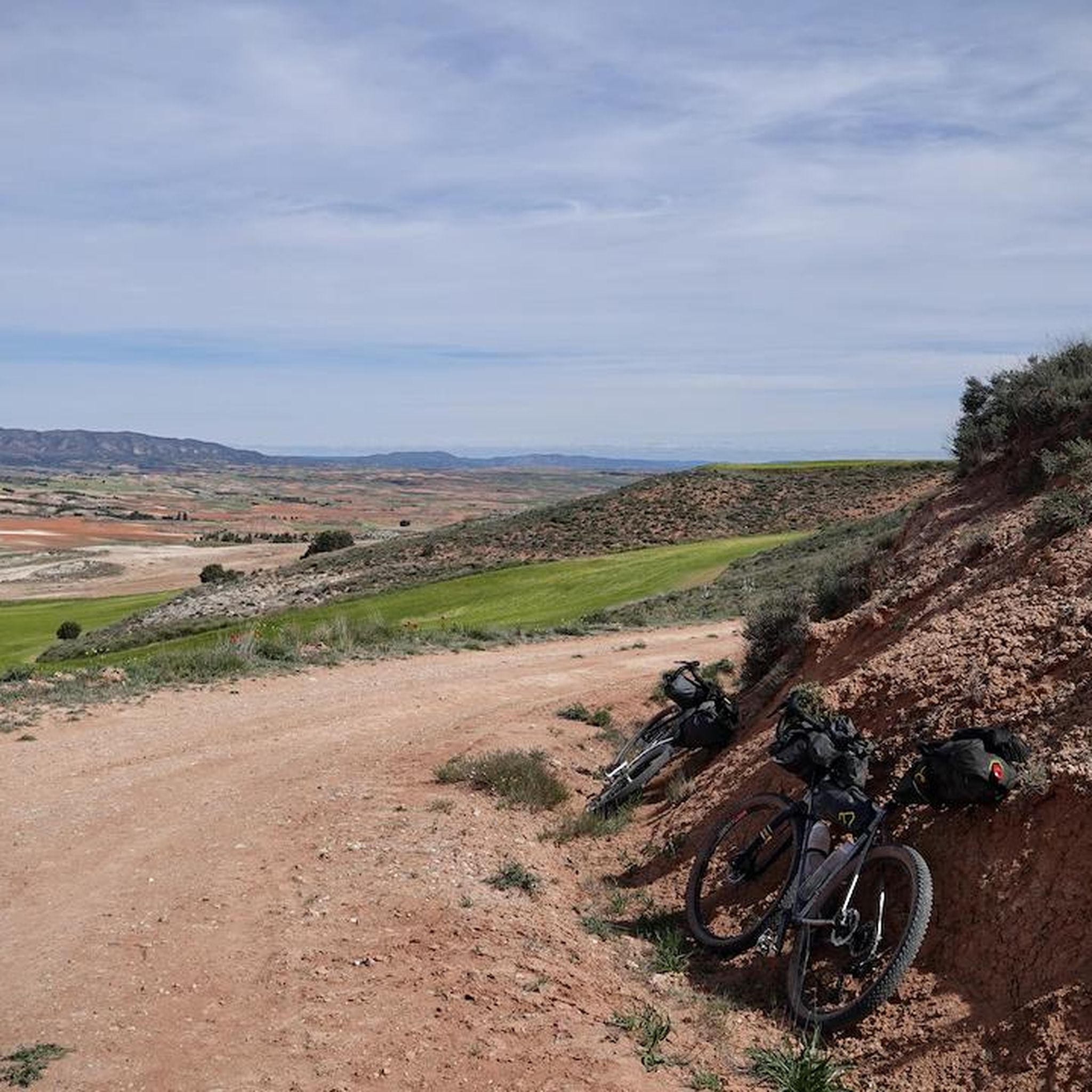
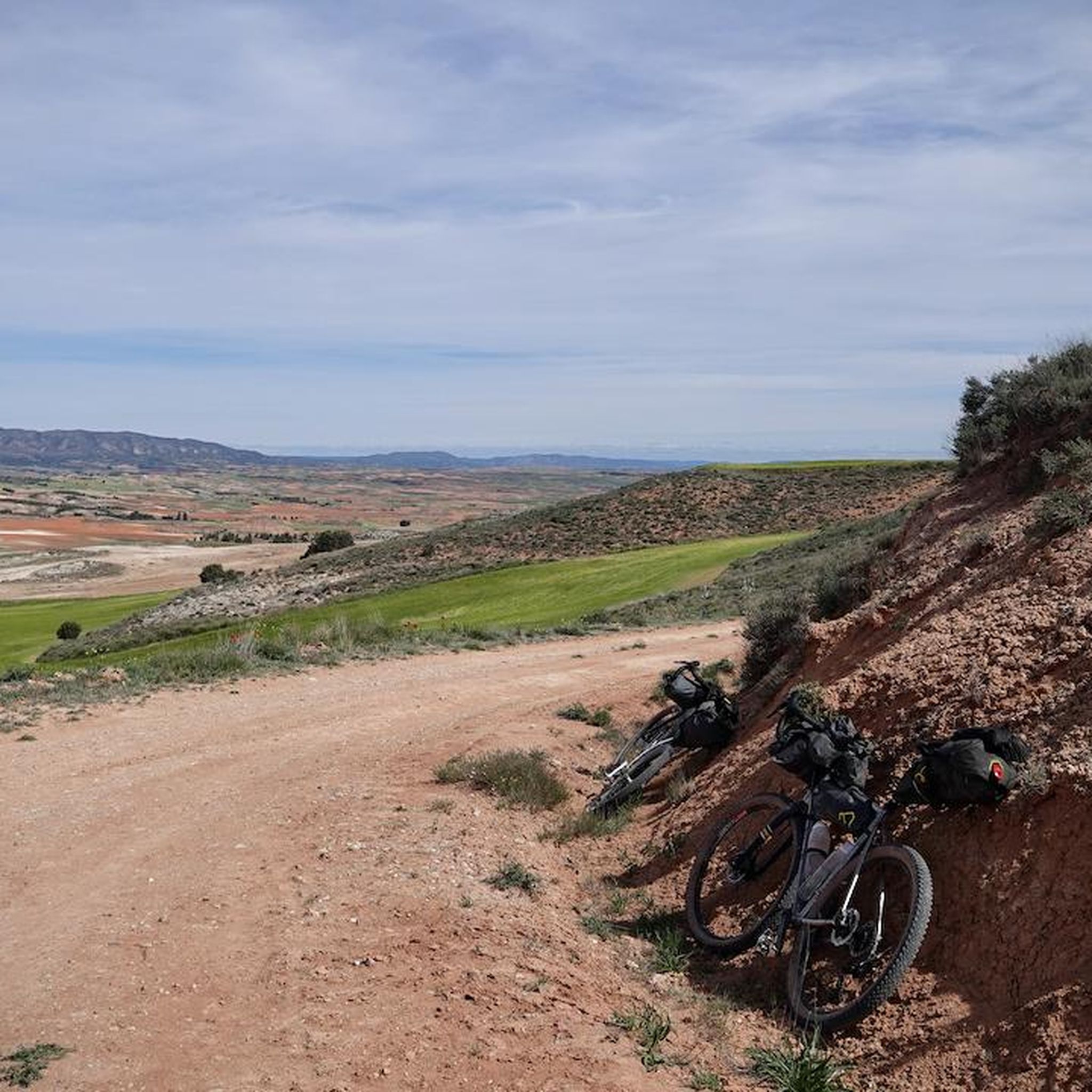


Tips from the Community

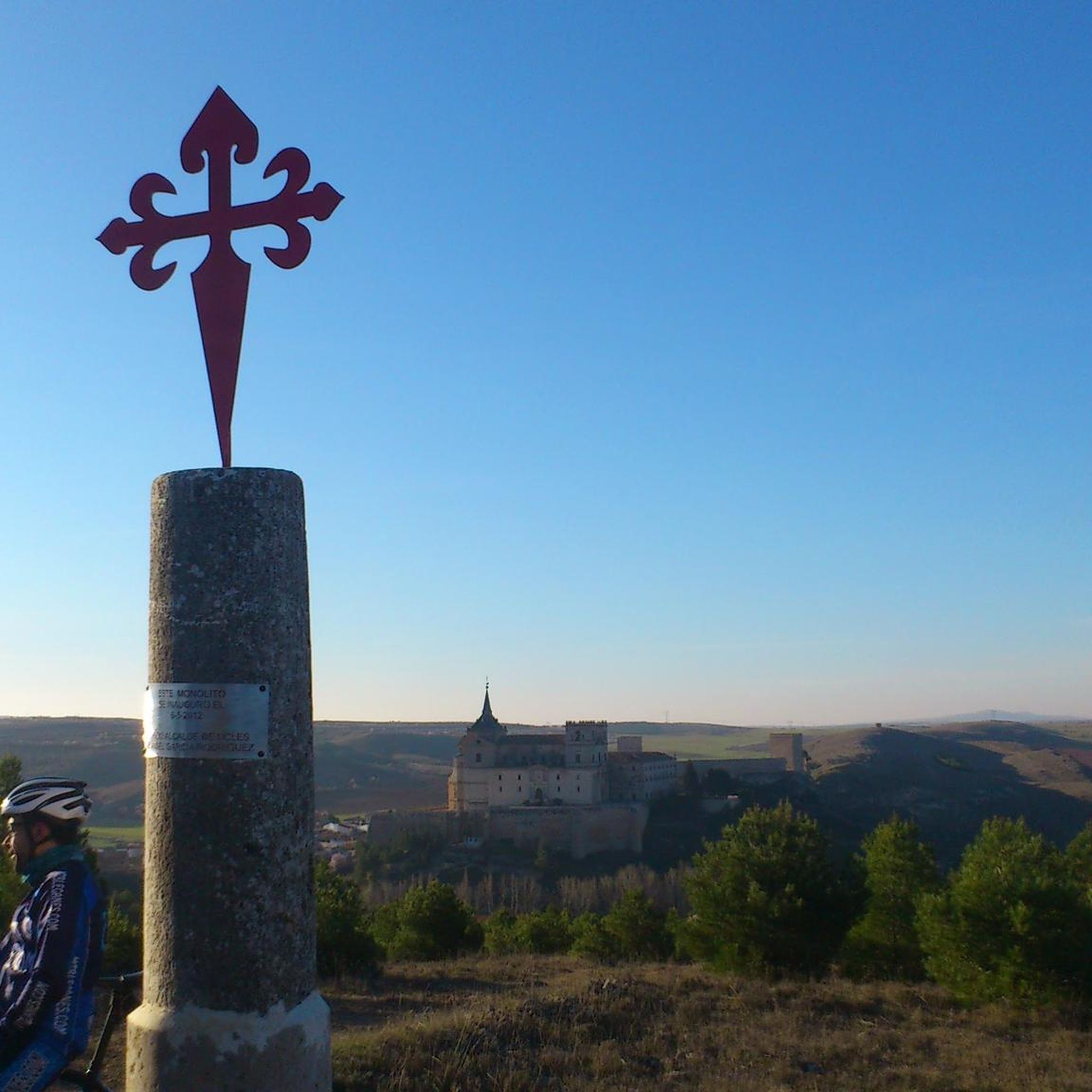
The Monastery welcomes you at the top of the village with a stunning view from the road leading to Uclés. After a long bike ride, it is a good reward.
0
0

The Segóbriga Archaeological Park is a fascinating historical site located in Saelices, in the province of Cuenca, Spain. This park allows visitors to explore the ruins of the ancient Roman city of Segóbriga, which was an important urban center in the region during the 2nd century BC and beyond. Among the most notable archaeological remains are an amphitheater, a theater, thermal baths, aqueducts, homes, and other public and private buildings that offer a detailed insight into daily life in Roman times. In addition, the park has an Interpretation Center that provides additional information and historical contexts to enrich the visit. 🌄🚶♀️😎 🐶 DOGFRIENDLY-SE ADMITENTE DOGS
23
0

Built by the Order of Santiago, construction began in 1529 while Charles I reigned and was completed in 1735 under the reign of Philip V. Monumental construction that leaves no one indifferent, and that during the civil war was first a hospital for one side and later a prison for the other. You can visit it by paying an entrance fee and it is no longer used as a guest house because only one monk lives there, who possibly does not reside there at the time I write this chronicle.
2
0
This spectacular building built by the Order of Santiago is the end of the route or pilgrimage path that starts from the Church of Santiago in Madrid, and is usually done by numerous pilgrims both on foot and by bike.
1
0

Tarancón offers several places to visit, among them the following stand out: the Plaza de la Constitución, next to the town hall, the Malena arch, the Church of Our Lady of the Assumption, the sculptures of Don Quixote, inside the palace of the Dukes of Riánsares, and within it the caves.
0
0
Whoever has not visited the monastery has no forgiveness from God, since we are before a colossal construction that due to its greatness and beauty could well be considered a true wonder. It's a pity that only a small part of the building that no longer houses any monks can be visited. Therefore, the hostelry that worked years ago, also stopped opening to the public.
2
0

Also known as Santiago de Jalameña, this fortification dates back to the 12th century and was built on top of an old Arab site. It was rebuilt between the 14th and 15th centuries and is now in a dilapidated state. The name comes from the word Almenara, from the Arabic "almanára" or "manārah" which means "place where there is light" or lighthouse. This name comes from the use that was given to this location to make signals to other fortresses.
2
0
Christian pilgrimage route that starts from Madrid to arrive, after 144 km and 6 stages, at the Monastery of Santiago de Uclés. It was thanks to a pilgrim, Manuel Rossi, who managed to restore this path, forgotten by the passing of time.
2
0
Frequently Asked Questions
How many hiking trails are available around Uclés?
There are over 25 hiking routes in the Uclés area, catering to various skill levels. You'll find a good mix, with 13 easy trails, 11 moderate, and 1 more challenging option.
Are there any easy, family-friendly hikes in Uclés?
Yes, Uclés offers several easy routes suitable for families. A great option is the Segóbriga Archaeological Park Loop, an easy 3.9-mile trail that allows you to explore ancient Roman ruins. Another easy choice is the Tarancón loop from Tarancón, which is about 4 miles long.
What kind of natural features can I expect to see while hiking in Uclés?
The Uclés region boasts diverse natural landscapes. You can expect rolling hills, river valleys, and expansive agricultural fields, including vibrant sunflower fields during summer. The nearby Sierra de Altomira offers elevated vistas and well-preserved Mediterranean forests. The Bedija River also contributes to varied topography.
Are there any circular hiking routes in the Uclés area?
Yes, there are several circular routes. A popular moderate option is the Almenara Castle and Cerro de la Cruz Circular Route, which is 7.1 miles long and offers views of historical sites. For a more challenging circular walk, consider the Tarancón - Belinchón - circular via the Negrín Path (PR-CU 116).
What historical landmarks can I visit along the hiking trails?
Uclés is rich in history. You can integrate visits to the impressive Monastery of Uclés and Castle into your hikes. A short distance away, the Segóbriga Archaeological Park offers extensive Roman ruins, including an amphitheater and theater, which can be explored via dedicated walking trails.
Is Uclés suitable for dog-friendly hiking?
While specific dog-friendly regulations for each trail are not provided, generally, rural paths and natural areas in Spain are welcoming to dogs on a leash. It's always advisable to check local signage and ensure your dog is well-behaved, especially around livestock or protected wildlife areas. Many of the region's open trails should be suitable.
What do other hikers say about the trails in Uclés?
The hiking routes in Uclés are well-regarded by the komoot community, holding an average rating of 3.1 stars from over 8 reviews. More than 40 hikers have used komoot to explore the varied terrain, often praising the historical context and diverse landscapes.
Are there any trails that offer panoramic views?
Yes, the region offers several opportunities for panoramic views. The Sierra de Altomira, accessible from Uclés, features peaks over 1,300 meters that provide spectacular 360-degree views of the Alcarria region. Additionally, the Views of the Castle of Puebla de Almenara highlight offers great perspectives.
What is the best time of year to go hiking in Uclés?
The best time to hike in Uclés is generally during spring (April-May) and autumn (September-October) when temperatures are milder and the landscape is vibrant. Summer months (June-August) can be very hot, though they offer the unique sight of blooming sunflower fields. Winter can be pleasant but cooler.
Can I reach Uclés by public transport for hiking?
Uclés is a historic town in the province of Cuenca. While public transport options might be limited compared to larger cities, there are typically bus services connecting Uclés to nearby towns and the provincial capital, Cuenca. It's recommended to check current bus schedules for the most up-to-date information when planning your trip.
Are there any long-distance or pilgrimage routes in the area?
Yes, Uclés is the culmination point of the historic Camino de Uclés, a recovered pilgrimage route. This 143.9 km route, divided into 11 stages, starts from Madrid and traverses through the Community of Madrid and the province of Cuenca, offering a deep dive into the region's cultural and natural heritage. A segment of this is the Camino Santiaguista de Uclés, an 11.2-mile trail.
Where can I find parking for hiking trails in Uclés?
Parking is generally available within the town of Uclés, especially near the main attractions like the Monastery and Castle. For specific trailheads outside the town, parking availability can vary, but often there are designated spots or roadside parking in rural areas. It's advisable to check the starting points of individual routes for detailed parking information.
Most popular attractions around Uclés

Get inspired with the komoot mobile app


Explore more
Browse the best Hikes in other regions.
