Attractions and Places To See around Pego - Top 20
Best attractions and places to see around Pego include a diverse range of natural landscapes, historical sites, and cultural experiences. Nestled in the Marina Alta region of Alicante, Spain, Pego is surrounded by mountains and features the extensive Marjal de Pego-Oliva Natural Park. The town offers a blend of traditional architecture, local cuisine, and vibrant festivals, making it a destination for outdoor activities and cultural exploration.
Best attractions and places to see around Pego
- The most popular attractions is Coll…
Last updated: August 30, 2026
Coll de Rates
Highlight • Mountain Pass
Tip by

Coll de Rates Pass
Highlight (Segment) • Mountain Pass
Showing Translation
Tip by

Sign up now to discover places like this
Get recommendations on the best single tracks, peaks, & plenty of other exciting outdoor places.
Sign up for free
Dénia to Gandía Greenway
Highlight (Segment) • Cycleway
Translated by Google •
Tip by

Vall d'Ebo Pass
Highlight • Mountain Pass
Tip by

Sa Creueta Pass (780 m)
Highlight • Mountain Pass
Translated by Google •
Tip by

Sign up for free to discover even more attractions around Pego.
Sign up for free
Already have an account?
Start today with a free account
Your next adventure awaits.
Login or Signup

Other adventures around Pego

Tips from the Community

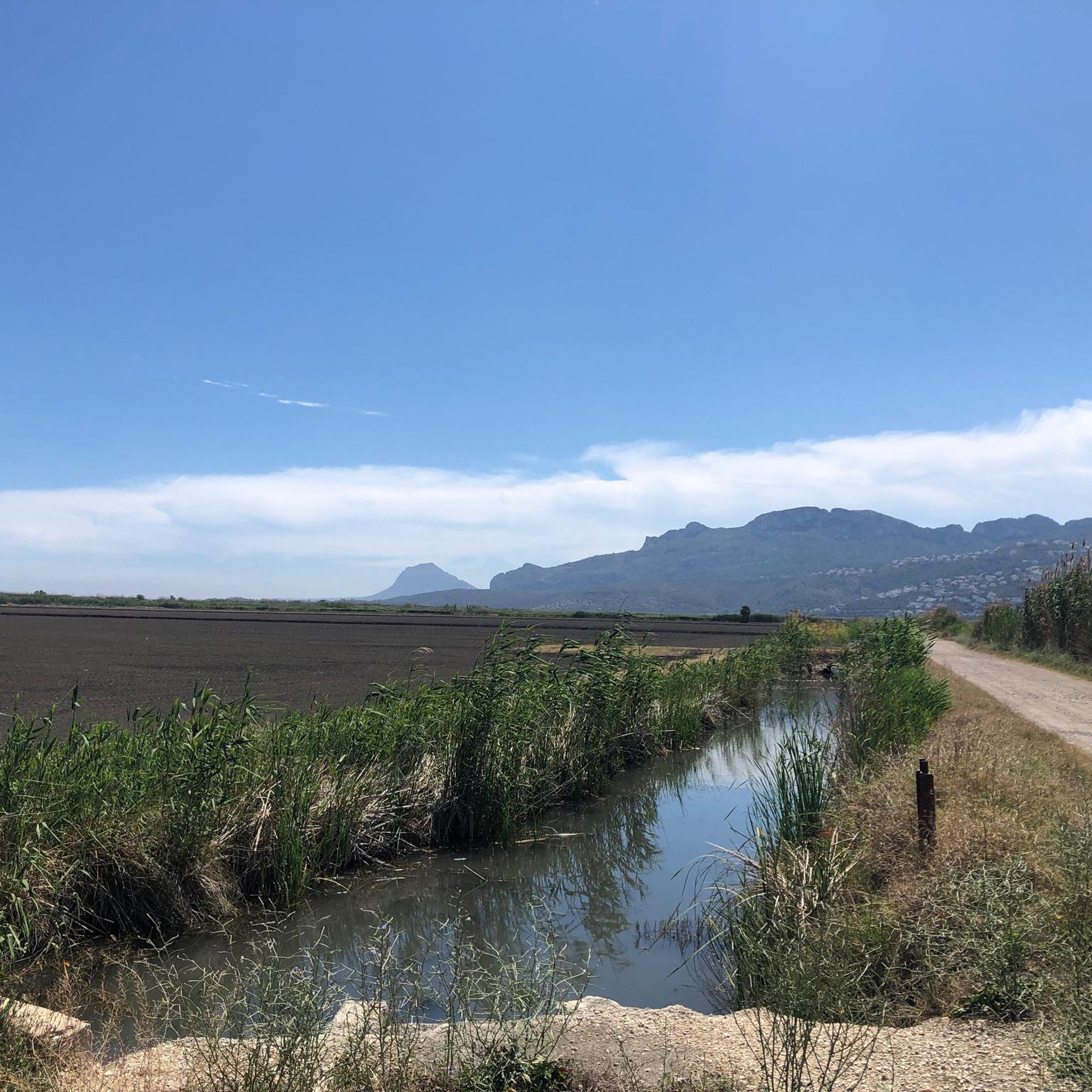
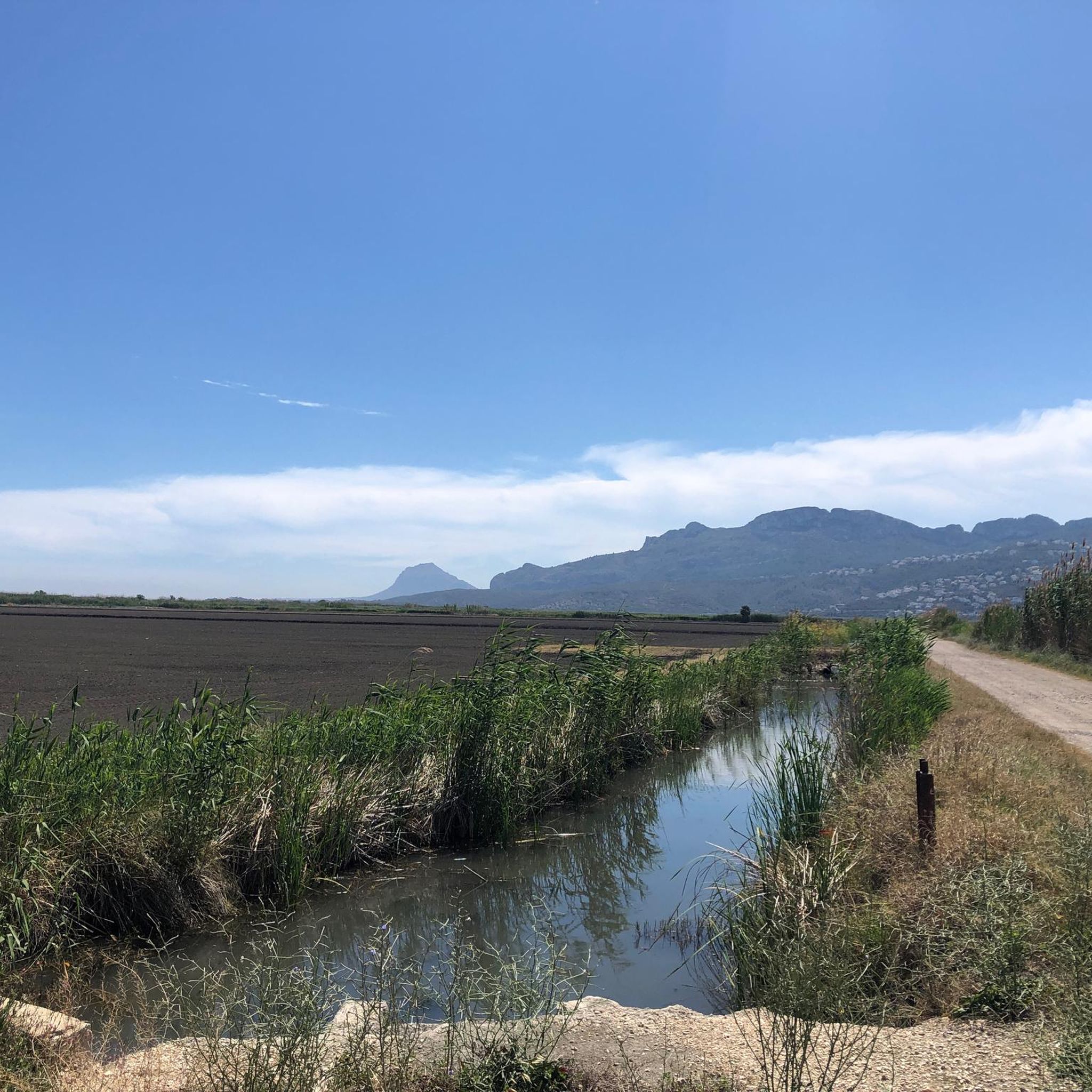
The Green Way of Dénia (Vía Verde Dénia-El Verger) is one of the most beautiful and easily accessible routes in the municipality. It follows the old railway line that connected Dénia with Carcaixent (Valencia) and is now an ideal route for hiking, cycling, or simply relaxing in a peaceful and natural setting.
3
0

Tough but with magnificent views. Relatively quiet road.
2
0

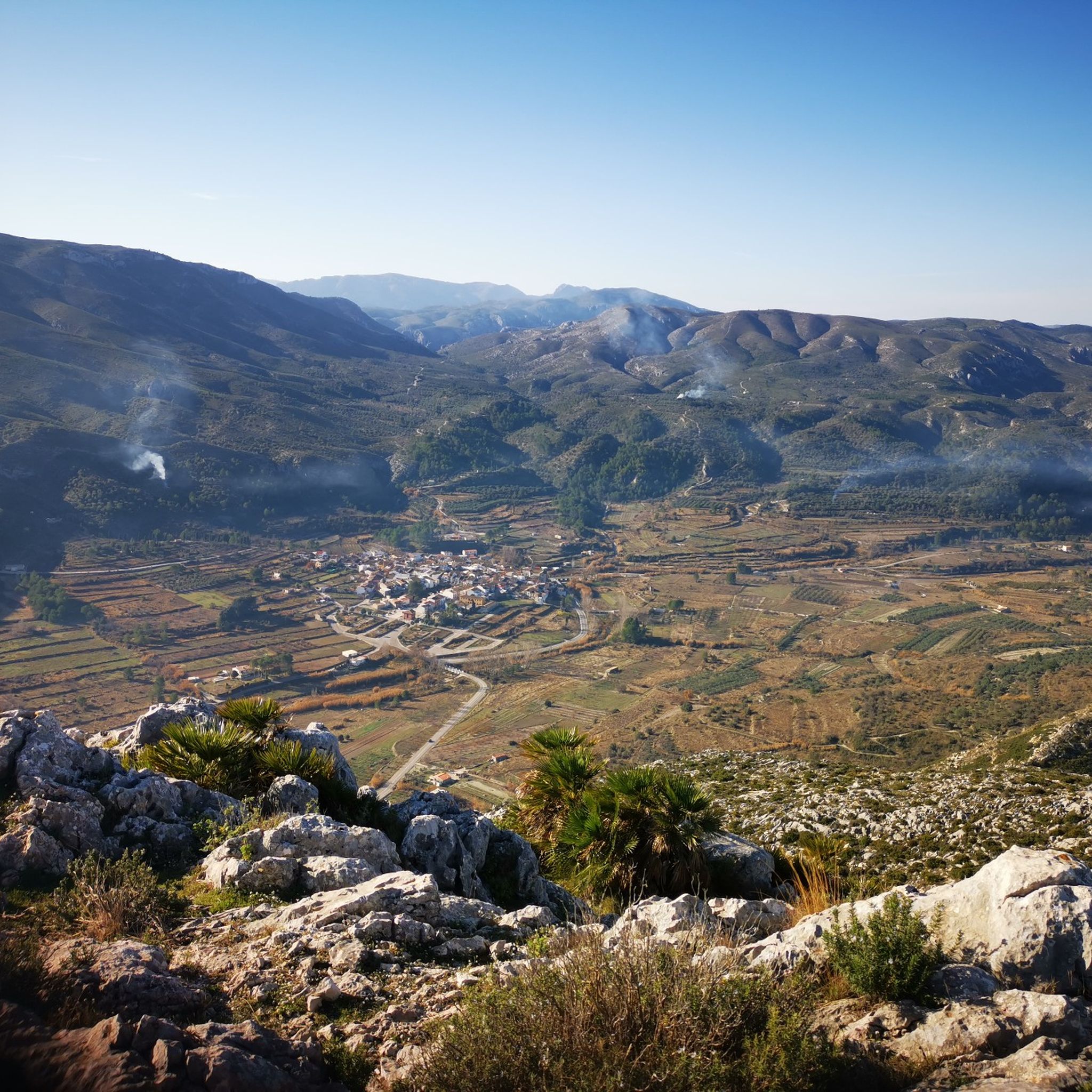
Just off the road between Sagra and Pego, the small turnoff toward Vall d’Ebo leads into one of the most beautiful and tranquil climbs in the Costa Blanca mountains. It may not be famous outside of cycling circles — but pros know it well: Tadej Pogačar holds the Strava KOM on this climb. From the Pego side, the ascent runs for about 8 km, gaining 400 metres at a steady average of 5%. The road is smooth, quiet, and beautifully engineered — with a flowing rhythm and wide, elegant curves. The landscape is peaceful and wild, with cliffs, pines, and far-reaching views. At the top, just before you descend into Vall d’Ebo, you’re rewarded with a spectacular view in both directions: looking back, the coastline and the Mediterranean Sea; looking ahead, the lush green valley of Vall d’Ebo, framed by rugged ridges and rocky outcrops. It’s a rare and stunning double panorama. If you continue past the village, you can create a magnificent loop via Pla de Petracos, riding through remote canyons and ancient rock formations before descending into Benigembla and back to the Vall de Pop. If you're riding from Vall d’Ebo toward Pego, the climb is shorter — about 3 km at 6% — but still very scenic, especially as you rise above the valley with dramatic views behind you. Vall d’Ebo may be quiet, but it’s world-class: pure road, total calm, and the kind of climb you’ll want to ride again and again.
3
1
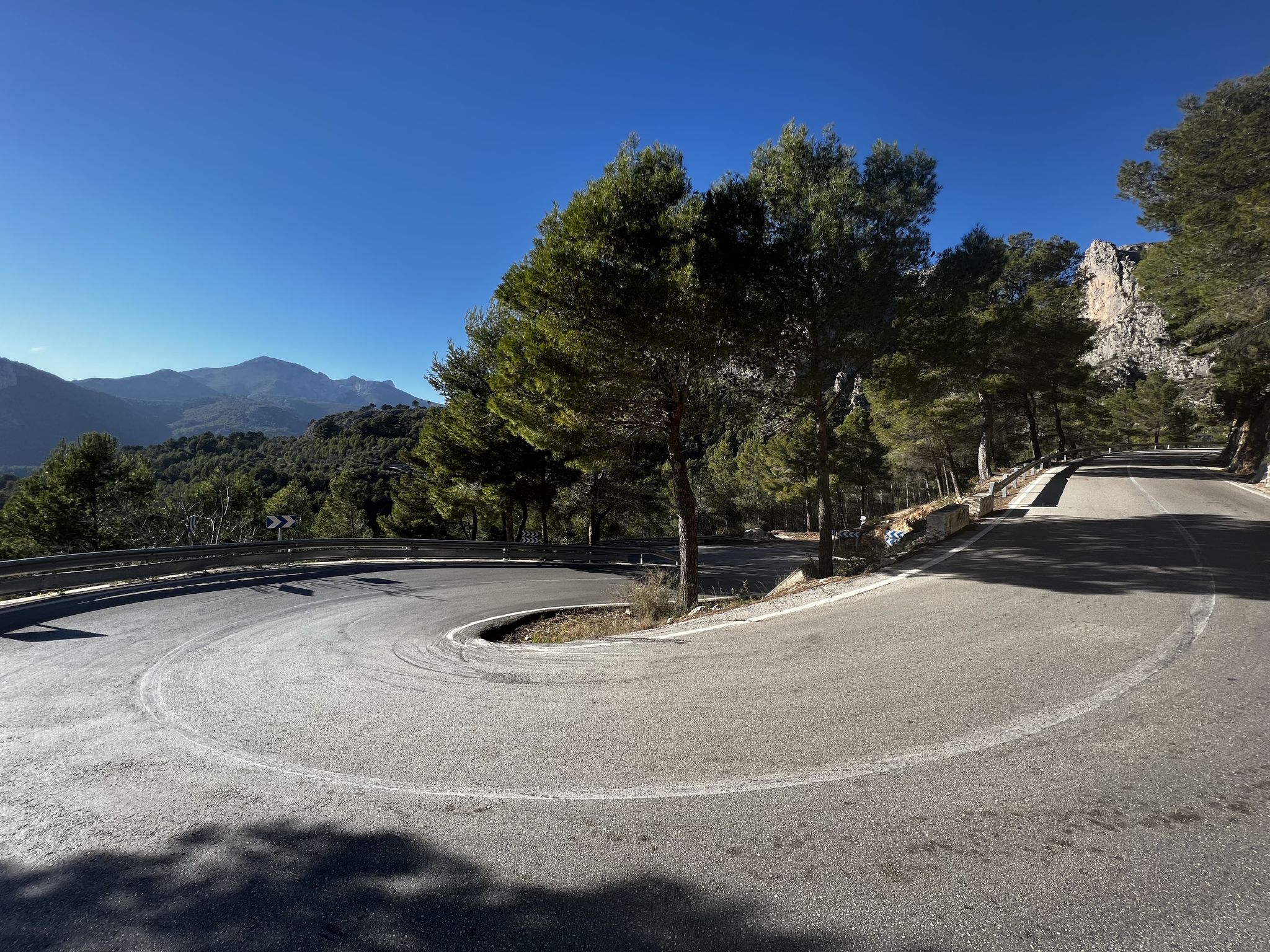
If there’s one climb that defines cycling on the Costa Blanca, it’s Coll de Rates. Starting from the village of Parcent, this legendary ascent has become a must-ride for cyclists from around the world — from weekend warriors to Tour de France champions. The climb is just under 7 km long, with an average gradient of around 5%, making it both accessible and rhythmical. The road surface is excellent, the curves are elegant, and the views just keep getting better as you rise above the valley. This is no secret among the pros. Riders from Jumbo-Visma, INEOS, UAE Team Emirates and others regularly use Coll de Rates for winter training. Tadej Pogačar currently holds the Strava KOM, which says a lot about the kind of names that have tested themselves here. On clear days, the view from the top is simply breathtaking — stretching all the way across the coastline, and if you’re lucky, even Ibiza shimmers faintly on the horizon. There’s a café at the summit (seasonal), and the descent toward Tarbena or Castell de Castells is just as rewarding. With its mix of scenery, steady gradients and cycling history, Coll de Rates is one of the most climbed — and most loved — ascents in the world. If you ride only one climb in the region, make it this one.
10
3
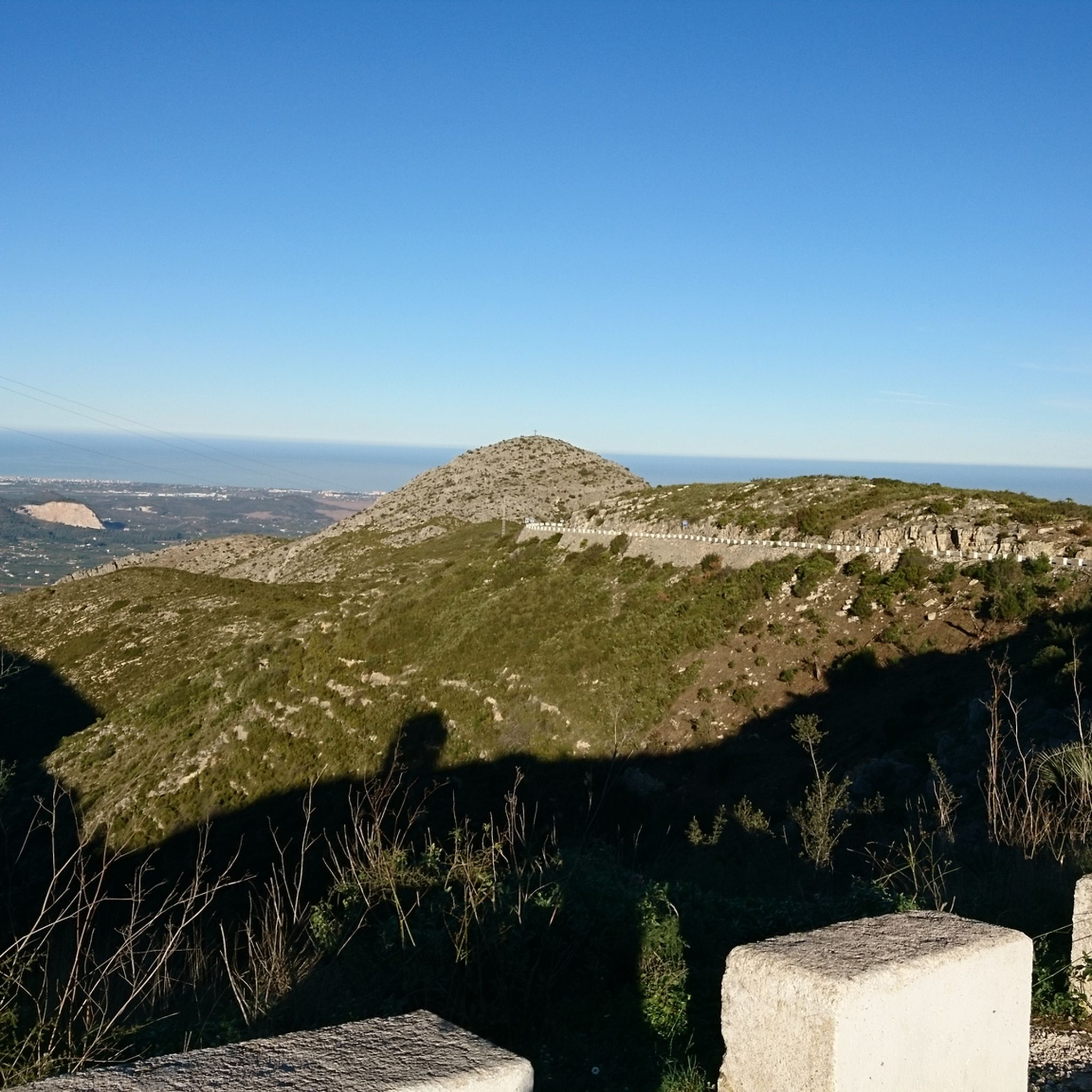
Tucked away in the mountains between Tàrbena and Castell de Castells, the Puerto de Sa Creueta offers two distinct climbing experiences — and both are worth riding. From Tàrbena, the climb is friendly and scenic. You’ll face about 4 km of steady climbing at around 5%, followed by a rolling 3.5 km section with gentle ups and downs. Just before the top, a short final ramp kicks up sharply to around 12%, but overall this side is rhythmical and not too demanding. The road is wide, smooth and virtually traffic-free, ideal for a relaxed climb. Approaching via the Castell de Castells side, from Tollos or from Benigembla and the Vall de Pop, is a whole different story. After a relatively calm start, the climb hits hard with a 2 km stretch averaging around 10% — sustained, steep, and guaranteed to get your legs burning. This side is definitely more challenging, and a great test for climbers. No matter which direction you choose, you’ll be rewarded with expansive views over the valley near Tàrbena, the rugged peaks of the Marina mountains, and — on a clear day — even the Mediterranean Sea and the skyline of Altea shimmering in the distance. Puerto de Sa Creueta is a hidden gem: peaceful, beautiful and tougher than it looks, especially if you come at it from the inland side. Combine it with Coll de Rates for an unforgettable day in the heart of the Costa Blanca.
5
0
The Coll de Rates consistently ranks in the top ten of the most ridden mountains every year. Pro riders compete for the best times.
2
1


Fantastic view, easy road to drive.
1
0
Frequently Asked Questions
What natural attractions can I explore near Pego?
Pego is surrounded by natural beauty. The most prominent is the Marjal de Pego-Oliva Natural Park, an extensive wetland rich in biodiversity, perfect for birdwatching, walking, and biking. You can also enjoy the surrounding mountains like Sierra de Segaria and Sierra de la Mariola, which offer excellent hiking opportunities. Don't miss the Mouth of the Molinell River, where you can see the unique landscape where fresh and salt water meet.
Are there historical sites to visit in Pego?
Yes, Pego has a rich history reflected in its landmarks. You can explore the 16th-century Arciprestal Church of Our Lady of the Assumption, the 18th-century Baroque Chapel of Ecce Homo, and the ruins of the Islamic fortress, Castell d'Ambra. The medieval streets of Pego's Old Town, with remnants of its old wall and the Room Portal, also offer a glimpse into the past.
What are the best cycling routes around Pego?
Pego is a fantastic base for cyclists. The legendary Coll de Rates is a must-ride, known for its excellent surface, elegant curves, and expansive coastal views. Another popular option is the Dénia to Gandía Greenway, a flat, well-maintained route through orange groves and fields. For more challenging climbs, consider the Vall d'Ebo Pass or Sa Creueta Pass (780 m). You can find more cycling tours in the area on our Gravel biking around Pego guide or MTB Trails around Pego guide.
What kind of hiking trails are available near Pego?
The mountains surrounding Pego, including Sierra de Segaria and Sierra de la Mariola, provide numerous hiking opportunities. You can find trails ranging from easy walks through the Marjal de Pego-Oliva Natural Park to more challenging routes in the higher elevations. For detailed routes, check out our Hiking around Pego guide, which includes routes like the 'Refugio La Figuereta (540 m) – Iglesia de la Sagrada Familia loop from Pego'.
Are there any family-friendly activities or attractions in Pego?
Pego offers several family-friendly options. The Marjal de Pego-Oliva Natural Park is great for easy walks and birdwatching, suitable for all ages. The Dénia to Gandía Greenway is a flat cycling path perfect for families. The Mouth of the Molinell River also provides an accessible viewpoint. Additionally, Pego's traditional festivals, especially the Moors and Christians Festival and Carnival of Pego, are vibrant and engaging for families.
What cultural experiences can I have in Pego?
Pego is rich in culture. Visit the Pego's Ethnological Museum to learn about rice cultivation, a significant part of the region's history, and the Contemporary Art Museum, both located in the Casa de Cultura. The town is also famous for its traditional festivals, particularly the colorful Moors and Christians Festival and the lively Carnival of Pego. Exploring the traditional Spanish architecture in the Old Town also offers a cultural immersion.
What is the local cuisine like in Pego?
Pego is known for its delicious local dishes, often featuring rice, given the nearby rice fields. Specialties include "Crosta" (oven-baked rice with pork), "arros caldos" (soupy rice with beans, turnips, chicken, and pork), and various paellas, including those with land snails and rabbit. Many local restaurants offer these traditional flavors.
When is the best time to visit Pego for outdoor activities?
The spring and autumn months are generally ideal for outdoor activities in Pego. The weather is pleasant for hiking and cycling, avoiding the intense heat of summer. However, the region enjoys a mild climate year-round, making it suitable for exploration in most seasons. Winter training for cyclists is also popular here.
What do visitors enjoy most about the attractions around Pego?
Visitors frequently praise the stunning panoramic views from mountain passes like Coll de Rates and Vall d'Ebo Pass. The well-maintained and scenic cycling routes, such as the Dénia to Gandía Greenway, are also highly appreciated. The diverse landscapes, from wetlands to mountains, and the blend of natural beauty with historical charm, consistently receive positive feedback from the komoot community.
Are there any unique natural features or viewpoints near Pego?
Absolutely. Besides the extensive Marjal de Pego-Oliva Natural Park, you can visit Font Salada, a hot spring known for its healing properties, located at the edge of the natural park. For breathtaking vistas, the mountain passes like Coll de Rates and Sa Creueta Pass (780 m) offer expansive views across the coastline and the rugged peaks of the Marina mountains.
Can I find any museums in Pego?
Yes, Pego is home to two museums within the Casa de Cultura, an 18th-century stately building. You can visit the Pego's Ethnological Museum, which displays objects and tools related to the region's rice cultivation history, and the Contemporary Art Museum, featuring six rooms with hyperrealistic, symbolist, and abstract artworks.
What are the main festivals celebrated in Pego?
Pego is renowned for its vibrant traditional festivals throughout the year. The most famous include the colorful Moors and Christians Festival, typically held in late June/early July, which commemorates historic battles with parades and reenactments. The Carnival of Pego is also highly celebrated and considered one of the most famous in the Valencian Community. Other festivals include Porrat de Sant Antoni del Porquet in January and the Pinyata.
Most popular routes around Pego
Most popular attractions around Pego

Get inspired with the komoot mobile app


Explore more
Still not found the Highlight you’re looking for? See guides of the top attractions in other regions:
