Attractions and Places To See around Atapuerca - Top 20
Best attractions and places to see around Atapuerca are centered around its UNESCO World Heritage archaeological sites, offering insights into human evolution. The region features the Sierra de Atapuerca mountain range, known for its caves and diverse ecosystems. Atapuerca is also a point along the historic Camino de Santiago, blending prehistoric significance with cultural heritage. Visitors can explore a range of historical sites, natural features, and cultural landmarks.
Best attractions and places to see around Atapuerca
- The most popular attractions…
Last updated: July 6, 2026
Matagrande Cross
Highlight • Monument
Translated by Google •
Tip by

Monastery of San Pedro de Cardeña
Highlight • Religious Site
Translated by Google •
Tip by

Sign up now to discover places like this
Get recommendations on the best single tracks, peaks, & plenty of other exciting outdoor places.
Sign up for free
Monte de la Pedraja Memorial
Highlight • Monument
Translated by Google •
Tip by

Monastery and Church of Saint John of Ortega
Highlight • Religious Site
Translated by Google •
Tip by

Atapuerca Archaeological Site
Highlight • Historical Site
Translated by Google •
Tip by

Sign up for free to discover even more attractions around Atapuerca.
Sign up for free
Already have an account?
Start today with a free account
Your next adventure awaits.
Login or Signup

Tips from the Community

Even though this small sacred monument isn't located on the classic route of the Way of St. James through northern Spain, in view of the summit cross standing here, some thoughts by Hape Kerkeling might be helpful as inspiration. The entertainer, who is particularly famous in Germany, walked the Camino Frances in 2001 and kept a diary, which was published under the title "Ich bin dann mal weg" (I'm off then). In it, he describes his personal encounter with God along the way as follows: "Yesterday, something inside me struck a huge gong. And the sound will reverberate. Sooner or later, this path shakes everyone to their very foundations. I know the sound will slowly fade, but if I listen carefully, I'll be able to hear this reverberation for a very long time to come."
0
0

A nice area for activities.
0
0
Nice area for hiking and mountain biking trails
0
0

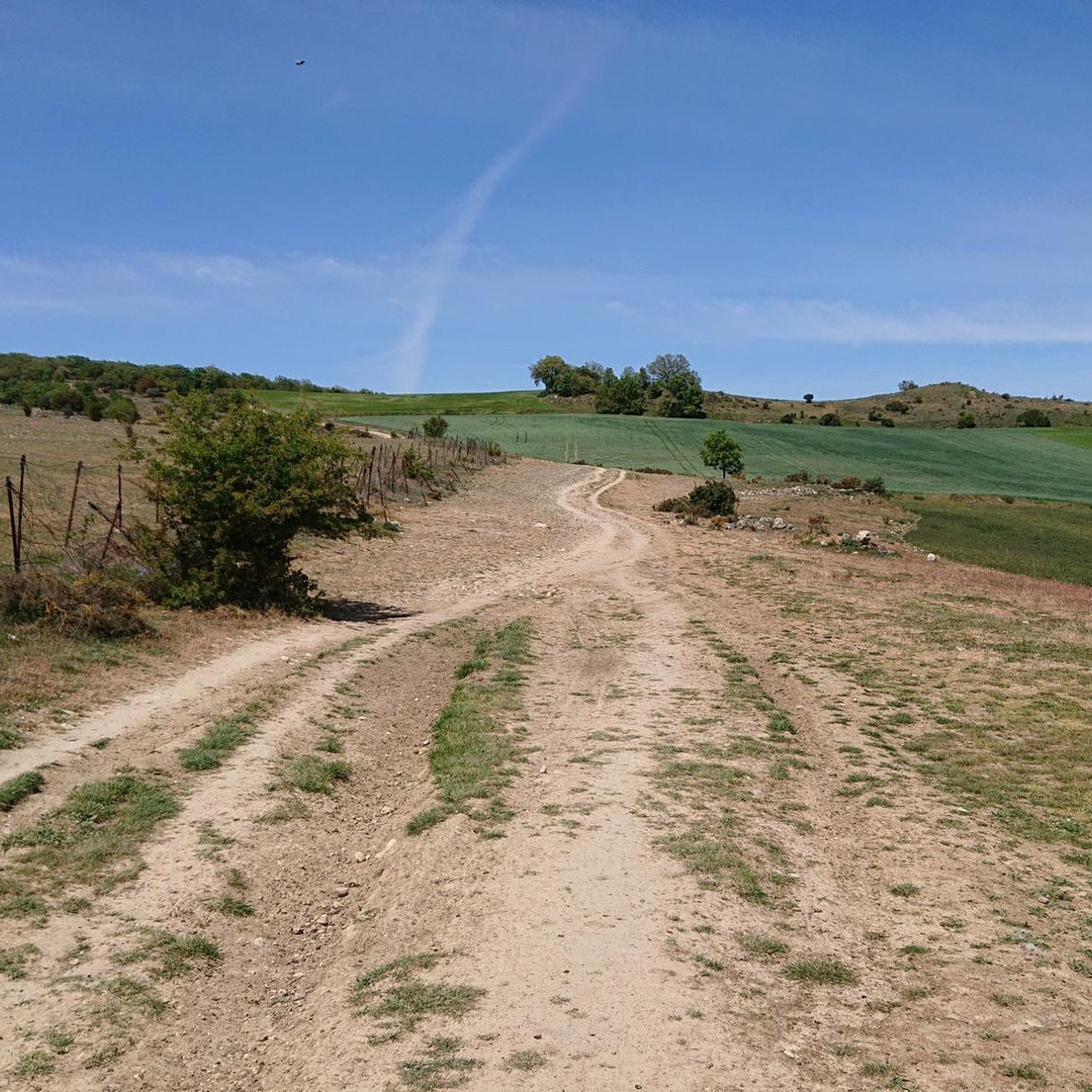
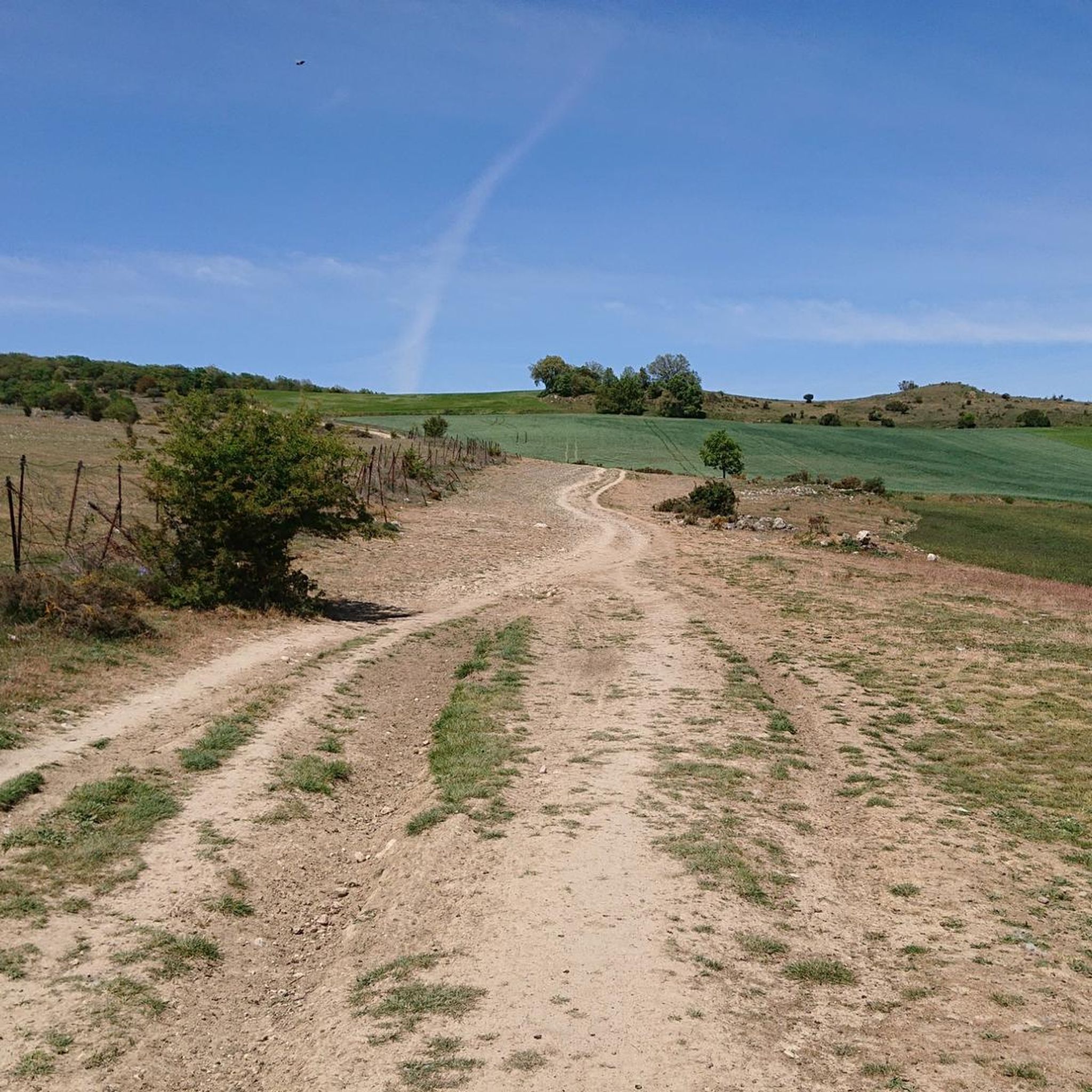
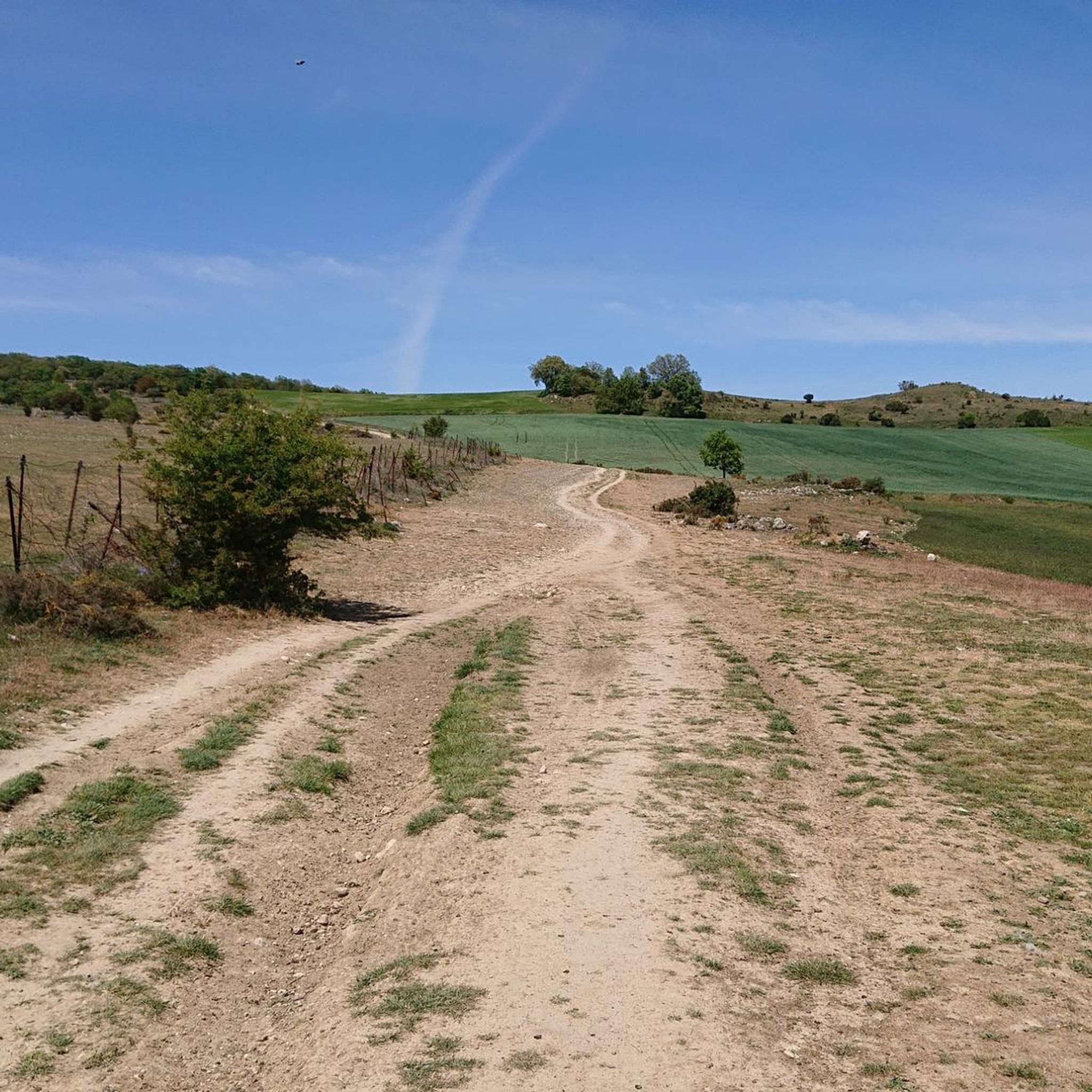
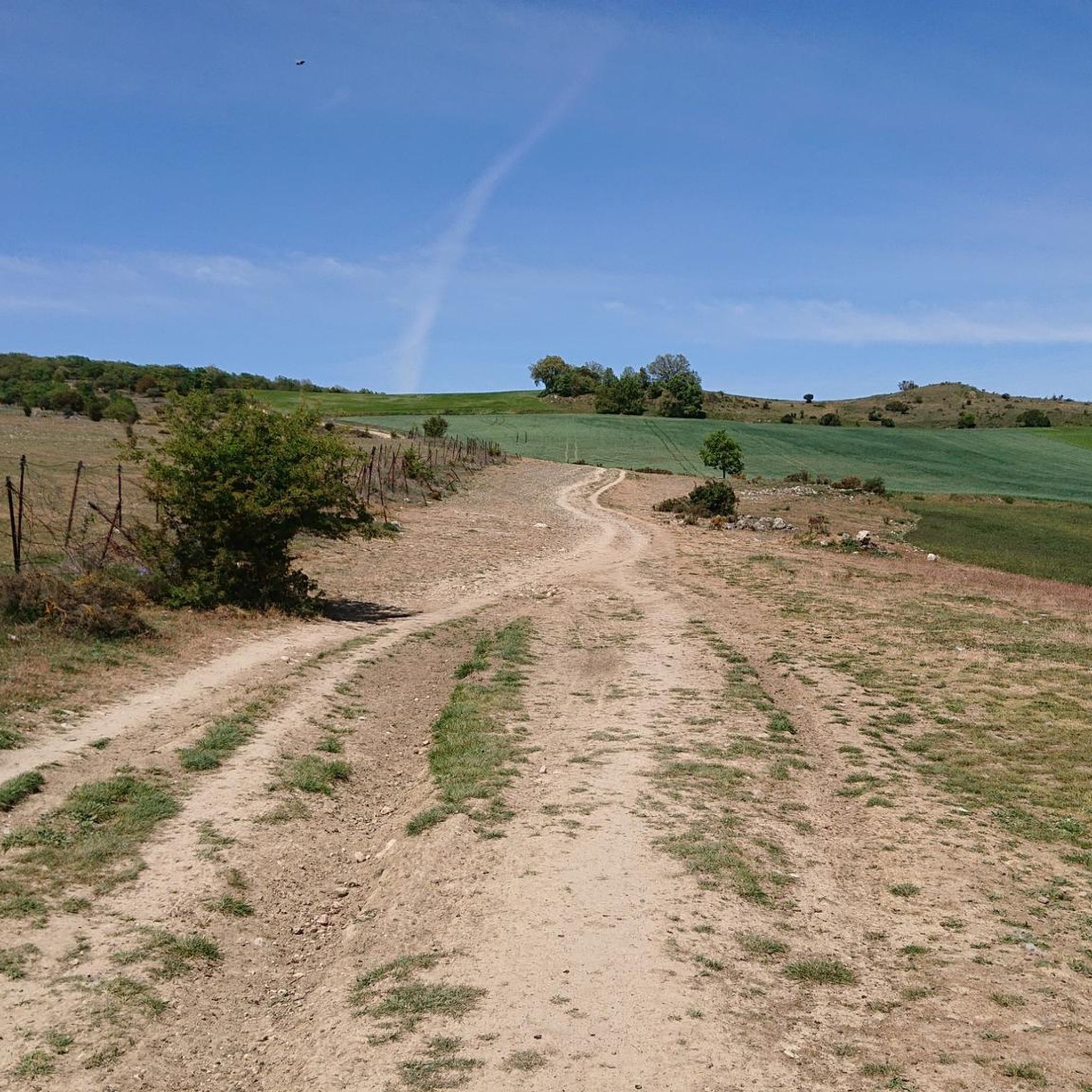
Cross located on the rock of Matagrande, at 1082 metres above sea level, right on the Camino de Santiago. During the Christmas season, they put up a nativity scene.
1
0

It preserves parts of the Romanesque style; the church is Gothic and part of the façade dates from the eighteenth century. Since 1942 it has been inhabited by Cistercian monks and produces wines and liqueurs from medicinal herbs. This monastery received the Cid at the time of his exile, along with his wife and daughters, and they lived there until the end of his life.
6
0
The stones piled up here at the base of the wayside cross are reminiscent of the “CRUZ de FERRO” (iron cross) – very well known among pilgrims – on the MONTE IRAGO on the “Camino Frances” (in Astorga, province of Leon). Many pilgrims who set out on the Way of St. James take a stone with them and place it there (or even here). Such a stone symbolizes the burdens and needs of the pilgrims (or their family members and friends at home), who symbolically cast off their worries at this point with the stone and can thus move on free of them. The CRUZ DE FERRO is available on komoot as a cycling highlight at the following link + https://www.komoot.com/de-de/highlight/716062
3
0

The abbey complex is a dream: 13th century and really well preserved. Unfortunately, the interior has little spiritual impact due to the latticework and the large burial chamber in the center of the room.
1
0

A simple wooden cross, which is used for prayer and reflection. Stones are placed here, similar to the Cruz de Ferro
2
0
Frequently Asked Questions
How can I visit the Atapuerca Archaeological Site?
The Atapuerca Archaeological Site is a UNESCO World Heritage site known for its Paleolithic excavations. To fully understand its significance, it's highly recommended to visit the Museum of Human Evolution (MEH) in Burgos, which houses many original finds and serves as a control point for site visits. You can also explore the Experimental Archaeology Centre (CAREX) and Archaeological Park in Atapuerca for interactive experiences.
What historical sites are there besides the main archaeological digs?
Beyond the archaeological sites, you can visit the Monastery of San Pedro de Cardeña, a religious building with Romanesque and Gothic elements, known for housing El Cid and his family during his exile. Another significant site is the Monastery and Church of Saint John of Ortega, a historic stop on the Camino de Santiago. The Monte de la Pedraja Memorial also offers a poignant historical reflection.
Are there opportunities for outdoor activities like hiking or cycling near Atapuerca?
Yes, the Atapuerca region offers various outdoor activities. You can find numerous cycling routes, including options for touring bicycles and road cycling, with varying difficulty levels. For instance, there are routes like the 'Sierra de la Demanda Greenway and Arlanzón Reservoir Loop' for cycling, and 'Running loop from Ibeas de Juarros' for jogging. Explore more options on the dedicated guides for Cycling around Atapuerca, Running Trails around Atapuerca, and Road Cycling Routes around Atapuerca.
What natural features can I explore in the Atapuerca region?
The Sierra de Atapuerca mountain range itself is a significant natural feature, rich in caves and diverse ecosystems. The Lagunas of Atapuerca are wetlands important for migratory birds. You can also find a botanical trail around the archaeological sites to learn about local flora. The region's unique geography has played a role in its continuous human occupation.
Are there family-friendly attractions in Atapuerca?
While the archaeological sites are primarily educational, the Experimental Archaeology Centre (CAREX) and Archaeological Park offers interactive exhibitions and recreates a prehistoric village, which can be engaging for families. The Monastery of San Pedro de Cardeña is also listed as family-friendly.
What is the significance of the Atapuerca Archaeological Site?
The Atapuerca Archaeological Site is globally renowned for its exceptional fossil records, offering unparalleled insights into human evolution in Europe. Key sites like Gran Dolina have yielded remains of *Homo antecessor* (over 800,000 years old), while Sima del Elefante provides the earliest evidence of humans in Western Europe (1.1 to 1.2 million years ago). Sima de los Huesos contains thousands of skeletal remains of *Homo heidelbergensis*, ancestors of Neanderthals, making it a crucial location for understanding early human presence and development.
What do visitors enjoy most about the attractions around Atapuerca?
Visitors appreciate the deep historical and archaeological significance of the region, particularly the prehistoric excavations at the Atapuerca Archaeological Site. Many also enjoy the cultural and religious heritage, such as the Monastery of San Pedro de Cardeña and the Monastery and Church of Saint John of Ortega, which are important stops on the Camino de Santiago. The Matagrande Cross is noted as a typical Camino marker where pilgrims leave messages.
Are there any unique cultural or religious sites in the Atapuerca area?
Yes, the region is rich in cultural and religious heritage. Besides the monasteries, Atapuerca is a point along the historic Camino de Santiago. The small village of Atapuerca itself maintains the charm of this pilgrimage route, featuring the 16th-century church of San Martín. The Matagrande Cross is a significant landmark for pilgrims on the Camino.
What is the best time to visit Atapuerca for outdoor activities?
While specific weather data isn't provided, generally, spring and autumn offer pleasant temperatures for outdoor activities like hiking and cycling in northern Spain, avoiding the heat of summer and potential cold or rain in winter. These seasons would be ideal for exploring the Sierra de Atapuerca and its trails.
What are some lesser-known or unique places to visit in the Atapuerca region?
Beyond the main archaeological sites, consider visiting the old Mine Esperanza in the heart of the Sierra de Atapuerca, which has been restored for tourism and offers over 200 meters of underground galleries. Another unique spot is the Galería del Sílex (Flint Gallery), a cave featuring significant Bronze Age cave paintings, over 4,000 years old.
How can I learn more about human evolution related to Atapuerca?
To delve deeper into human evolution, a visit to the Museum of Human Evolution (MEH) in Burgos is essential. It houses over 200 original pieces found at the Atapuerca sites and provides comprehensive context for the discoveries. Additionally, the Experimental Archaeology Centre (CAREX) in Atapuerca offers interactive exhibits that bring the daily life of early humans to life.
Most popular routes around Atapuerca
Most popular attractions around Atapuerca

Get inspired with the komoot mobile app


Explore more
Still not found the Highlight you’re looking for? See guides of the top attractions in other regions:
