Attractions and Places To See around Ávila - Top 20
Attractions and places to see around Ávila include a UNESCO World Heritage city in central Spain, known for its preserved medieval walls. The city offers historical, cultural, and architectural sites, with its eastern apse built directly into the city wall. The wider province features natural landscapes like the Sierra de Gredos mountain range. This region provides a variety of sites for exploration.
Best attractions and places to see around Ávila
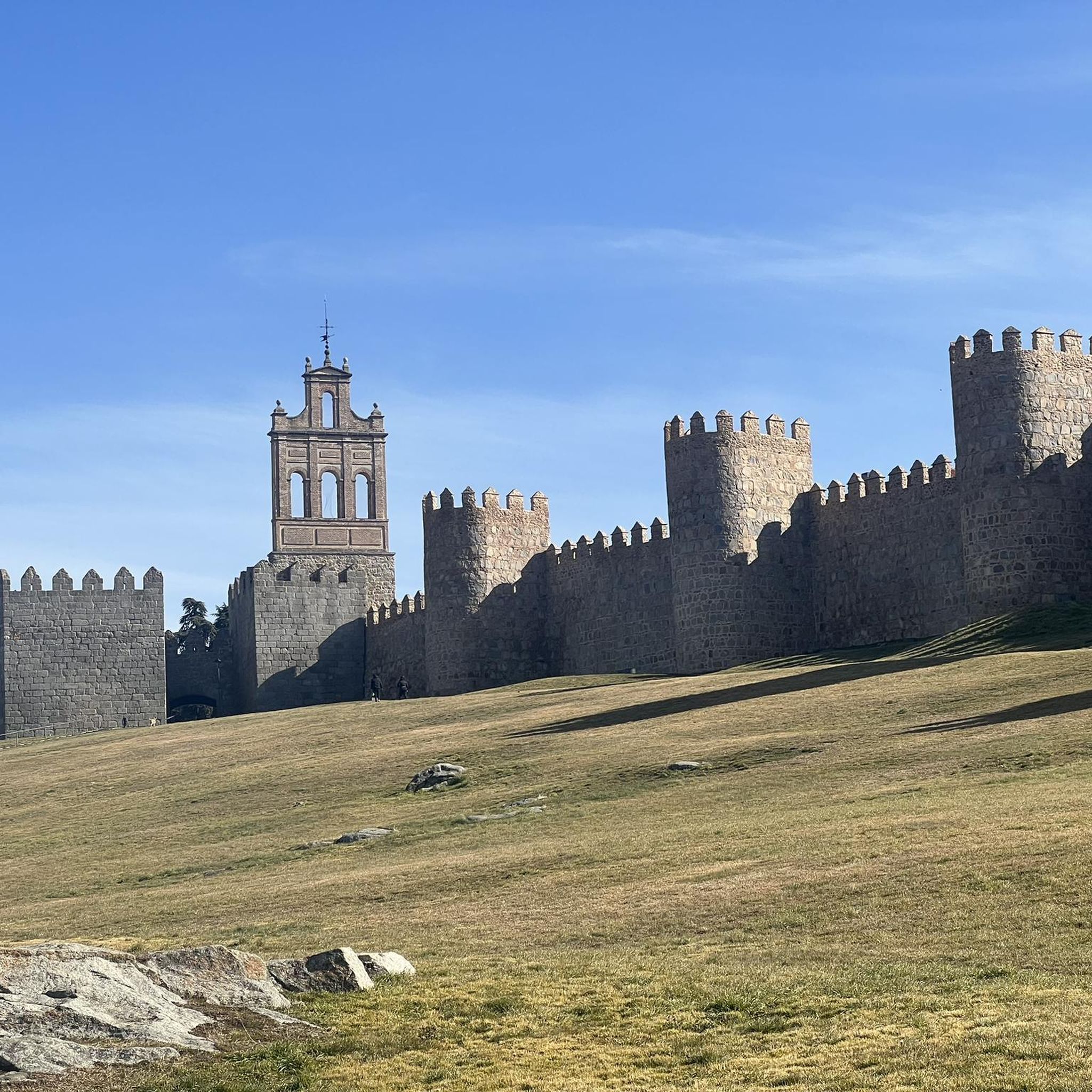
- The most popular attractions is Ávila City Walls, a man-made monument that preserves a 2500 m long Romanesque city wall from the 11th to 14th centuries. It features 88 towers and nine city gates, making it a well-preserved walled enclosure.
- Another must-see spot is Plaza del Mercado Chico, a historical site. This square is the main square of Ávila, framed by arcades and historic buildings, and hosts businesses like bars and restaurants.
- Visitors also love Old Roman bridge over the Adaja River, a bridge and historical site. This stone bridge, dating back to Roman times with a 12th-century structure, connects the city with the opposite bank of the Adaja River.
- Ávila is known for its historical sites, religious buildings, and man-made monuments. The area offers a variety of attractions to see and explore, from ancient fortifications to central city squares.
- The attractions around Ávila are appreciated by the komoot community, with more than 40 highlights and over 30 upvotes. There are also more than 20 photos available for these places.
Last updated: July 6, 2026
Ávila City Walls (North Section)
Highlight • Monument
Translated by Google •
Tip by

Plaza del Mercado Chico
Highlight • Historical Site
Translated by Google •
Tip by
Sign up now to discover places like this
Get recommendations on the best single tracks, peaks, & plenty of other exciting outdoor places.
Sign up for free
Basilica of San Vicente of Ávila
Highlight • Religious Site
Translated by Google •
Tip by
Old Roman bridge over the Adaja River
Highlight • Bridge
Translated by Google •
Tip by
Church of San Pedro Apóstol (Ávila)
Highlight • Religious Site
It has a Latin cross plan, with a central nave that is larger than the lateral ones. Begun in the second quarter of the 12th century and concluded in the 13th century, after a period in which the works were paralyzed, an interesting evolution is observed in architecture and decoration, the result of this extensive construction.
Translated by Google •
Tip by
Sign up for free to discover even more attractions around Ávila.
Sign up for free
Already have an account?
Start today with a free account
Your next adventure awaits.
Login or Signup

Other adventures around Ávila

Tips from the Community

The visit to the medieval city wall from the 11th-14th century is highly recommended with its 88 towers and 9 city gates - the entrance fee is justified, a large part of the city wall is accessible. Unfortunately, there were too few audio guides - we didn't have any. You have grandiose views of the Congress Hall, the Carmelite Convent of San José (place of activity of St. Teresa in the 16th century), the Cathedral, the Romanesque Church of San Vicente and into the nearby mountains.
0
0

The Basilica of San Vicente in Ávila is one of the finest examples of Romanesque architecture in Spain. Built between the 12th and 14th centuries, this basilica is dedicated to the martyrs Vicente, Sabina, and Cristeta. According to tradition, these brothers were martyred in 306 during the Diocletian persecution. The basilica is also known for its cenotaph, a funerary monument depicting the legend of the martyrs and the repentance of the Jew responsible for their deaths.
15
0
This bridge was built to facilitate crossing the Adaja River and connect the Roman city of Ávila with the opposite bank. Although only the hidden abutments on the edges of the original Roman bridge remain, the bridge visible today dates back to the 12th century.
13
0

In the Great Market Square.
3
0
I tried to visit it inside twice and both times I found it closed.
3
0
During worship hours, tourist visits are not permitted.
6
0
One of the nerve centres of the historic centre of Avila.
6
0

It is a spectacular building whichever way you look at it, both inside and out. It's a shame that you can only access the interior by paying an entrance fee, although we were able to enter thanks to the coincidence with mass hours.
13
0
Frequently Asked Questions
What historical sites can I visit in Ávila beyond the city walls?
Beyond the iconic walls, Ávila offers several significant historical sites. You can explore the unique Basilica of San Vicente of Ávila, an impressive Romanesque basilica. Other notable sites include the Ávila Cathedral, Spain's first Gothic cathedral, and the Royal Monastery of Santo Tomás, a 15th-century Gothic monastery housing the tomb of Don Juan. The Old Roman bridge over the Adaja River also offers a glimpse into the city's ancient past.
Are there any religious sites of significance in Ávila?
Yes, Ávila is rich in religious history. Key sites include the Ávila Cathedral, which uniquely blends fortress and church architecture, and the Basilica of San Vicente of Ávila, a prime example of Romanesque architecture. The Convent of Santa Teresa, built on the birthplace of Saint Teresa of Ávila, offers a deep connection to her legacy, and the Royal Monastery of Santo Tomás is also a significant religious landmark.
Where can I learn more about Ávila's history and culture?
To delve deeper into Ávila's past, you can visit the Museum of Ávila. For those interested in Christian mysticism, the Mysticism Interpretation Centre provides insights into this aspect of the city's heritage. Additionally, the Old Synagogue of Don Samuel, also known as the Chapel of the Virgin of the Snows, highlights Ávila's medieval Jewish community.
What natural attractions are there in the wider Ávila province?
While Ávila city is known for its historical architecture, the wider province offers natural beauty. The Sierra de Gredos mountain range, located south of the city, provides opportunities for outdoor activities. The province also features several natural pools and ponds, particularly in the Sierra de Gredos and Valle del Tiétar, which are popular for escaping the summer heat.
Are there opportunities for hiking near Ávila?
Yes, the area around Ávila offers various hiking opportunities. You can find routes like the 'Southeastern Way of St. James and Teresian Route Loop' or the 'Walls of Ávila and Cuatro Postes Loop'. For more options, explore the Hiking around Ávila guide, which includes routes of varying difficulty.
Can I go cycling around Ávila?
Absolutely. Ávila and its surroundings are suitable for cycling. There are road cycling routes such as the 'Sierra de Ávila and Puerto de las Fuentes Loop' or the 'Embalse de las Cogotas-Mingorría y Cardeñosa — circular desde Ávila'. You can discover more routes in the Road Cycling Routes around Ávila guide.
Are there places for running in Ávila?
Yes, there are several running trails available. Popular options include the 'City of Ávila by the Río Adaja — circular' and the 'Walls of Ávila loop from Ávila'. For a comprehensive list of routes, check out the Running Trails around Ávila guide.
Where can I find panoramic views of Ávila?
For breathtaking panoramic views of the entire walled city, especially at sunset, visit Los Cuatro Postes (The Four Posts). This stone monument just outside the city walls offers an iconic perspective. Additionally, walking along the ramparts of the Ávila City Walls provides sweeping views of the city and the surrounding Castilian plains.
Are there family-friendly attractions in Ávila?
Yes, Ávila offers attractions suitable for families. The Plaza del Mercado Chico is a lively central square with cafes and shops, perfect for a stroll. The Old Roman bridge over the Adaja River is also considered family-friendly, offering a historical walk by the river.
What local culinary specialties should I try in Ávila?
Ávila is renowned for its gastronomy, particularly its meat dishes. You must try chuletón de Ávila, a famous T-bone steak. For a sweet treat, indulge in the traditional dessert known as yemas de Santa Teresa.
Are there any special events or times to visit Ávila?
If you visit during the first weekend of September, you can experience Ávila's Medieval Days, a special event that brings the city's history to life. This can be a unique and immersive way to see the city.
What do visitors particularly enjoy about the Ávila City Walls?
Visitors are consistently impressed by the remarkable preservation and scale of the Ávila City Walls. Many highlight the unforgettable experience of walking along the ramparts, which offers stunning views over the city and the surrounding countryside. The walls, with their 88 towers and nine gates, are considered one of the best-preserved walled enclosures in the world.
Are any attractions in Ávila wheelchair accessible?
The Plaza del Mercado Chico, the main square of Ávila, is noted as wheelchair accessible, providing an inclusive experience for visitors to enjoy the heart of the city.
Most popular attractions around Ávila

Get inspired with the komoot mobile app


Explore more
Still not found the Highlight you’re looking for? See guides of the top attractions in other regions:
