The best road cycling routes in Bragança
4.3
(58)
2,871
riders
236
rides
Road cycling in Bragança offers diverse terrain across northeastern Portugal's Trás-os-Montes region, part of the UNESCO-recognized Transboundary Biosphere Reserve of the Iberian Plateau. The landscape features expansive natural parks like Montesinho and International Douro, characterized by wild mountains, river valleys, and dense forests. Cyclists can navigate varied topography, from challenging climbs with significant elevation gains to gentler routes along former railway lines, known as ecopistas. The region's natural features provide a range of road cycling experiences.
Best road cycling routes…
Last updated: July 20, 2026
62
riders
63.1km
03:12
1,070m
1,070m
Hard road ride. Very good fitness required. Mostly well-paved surfaces and easy to ride.
5.0
(1)
50
riders
83.4km
04:14
1,420m
1,420m
Hard road ride. Very good fitness required. Mostly well-paved surfaces and easy to ride.

Sign up for free
47
riders
48.1km
02:42
840m
840m
Moderate road ride. Good fitness required. Mostly well-paved surfaces and easy to ride.
3.5
(2)
25
riders
90.0km
05:08
1,610m
1,610m
This difficult 55.9-mile road cycling route from Bragança to Parque Natural de Montesinho offers challenging climbs and rural scenery.
18
riders
87.4km
04:17
1,300m
1,290m
This difficult 54.3-mile road cycling route through Parque Natural do Douro Internacional offers dramatic canyon views and historic villages
8
riders
43.5km
02:15
770m
770m
Cycle 27.0 miles (43.5 km) through Portugal's almond tree landscapes and past Mogadouro Castle, best enjoyed during spring blossoms.
10
riders
66.8km
03:09
880m
890m
Moderate road ride. Good fitness required. Mostly well-paved surfaces and easy to ride.
6
riders
61.3km
03:18
1,240m
1,240m
This difficult 38.1-mile road cycling route from Vinhais in Parque Natural de Montesinho features 4058 feet of elevation gain.
5
riders
Hard road ride. Very good fitness required. Mostly well-paved surfaces and easy to ride.
5
riders
Hard road ride. Very good fitness required. Mostly well-paved surfaces and easy to ride.
Get access to more routes and recommendations from other explorers.
Sign up for free
Already have an account?
Our route recommendations are based on thousands of hikes, rides, and runs completed by other people on komoot.
Start today with a free account
Your next adventure awaits.
Login or Signup
Popular around Bragança
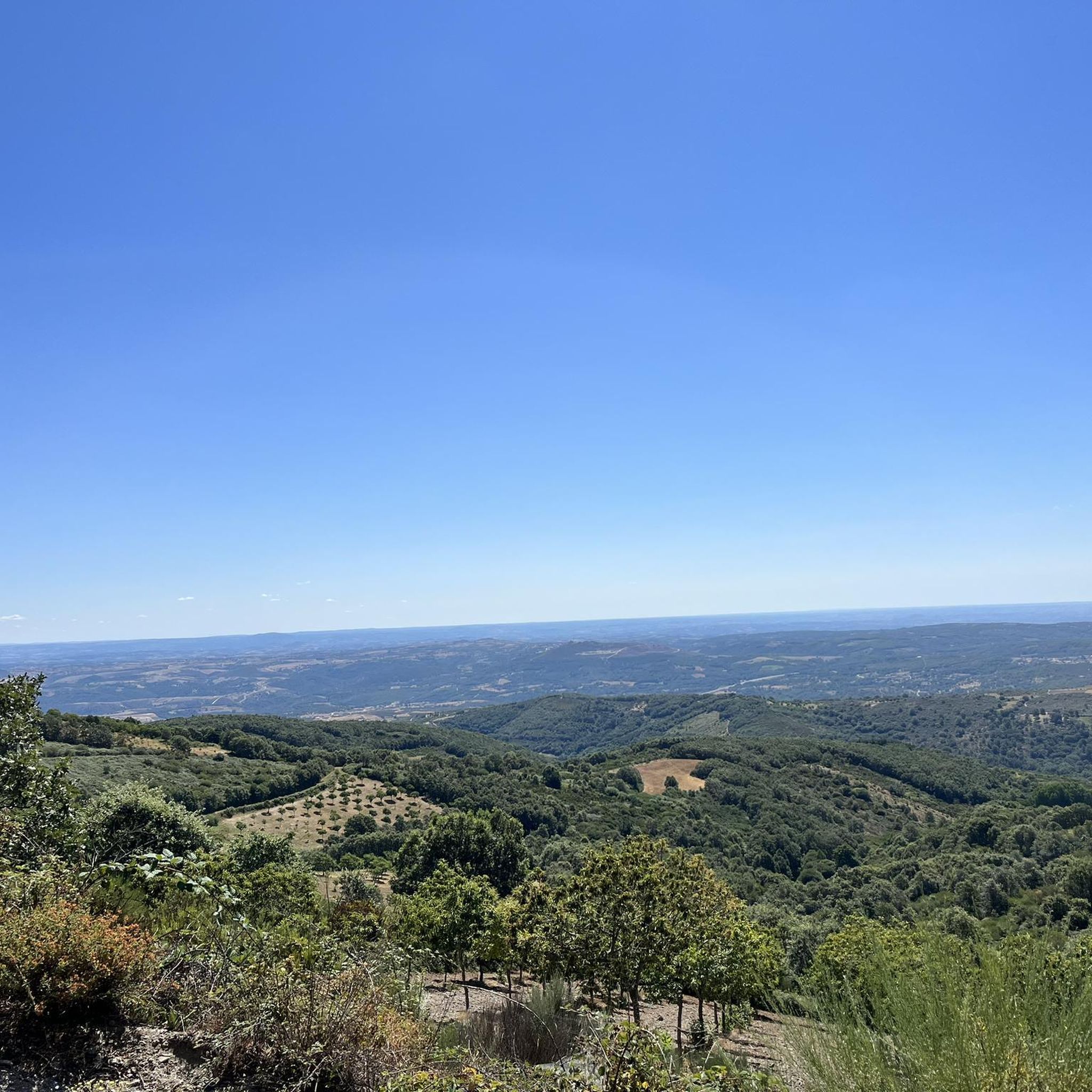
Road Cycling Routes around Zóio
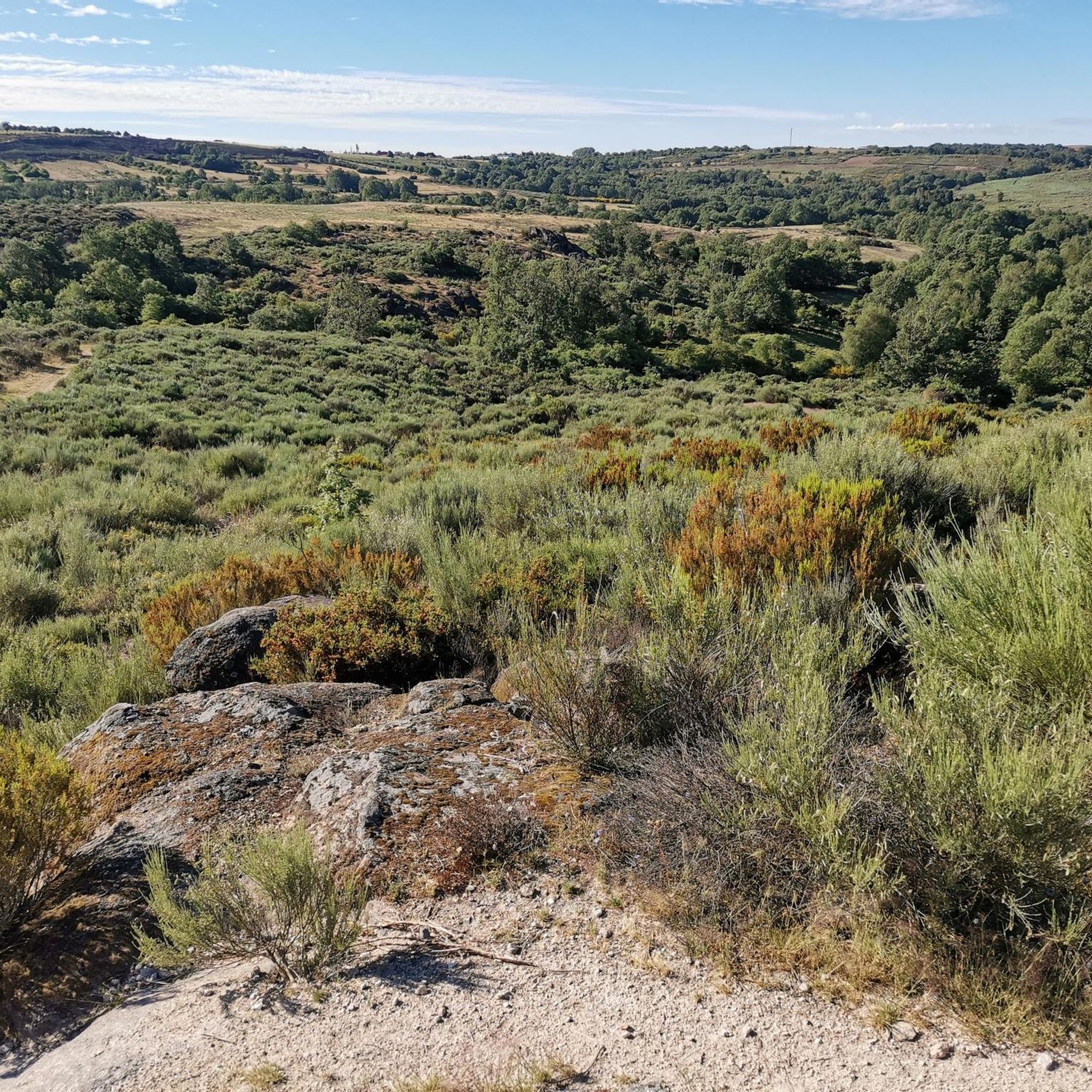
Road Cycling Routes around Vinhais
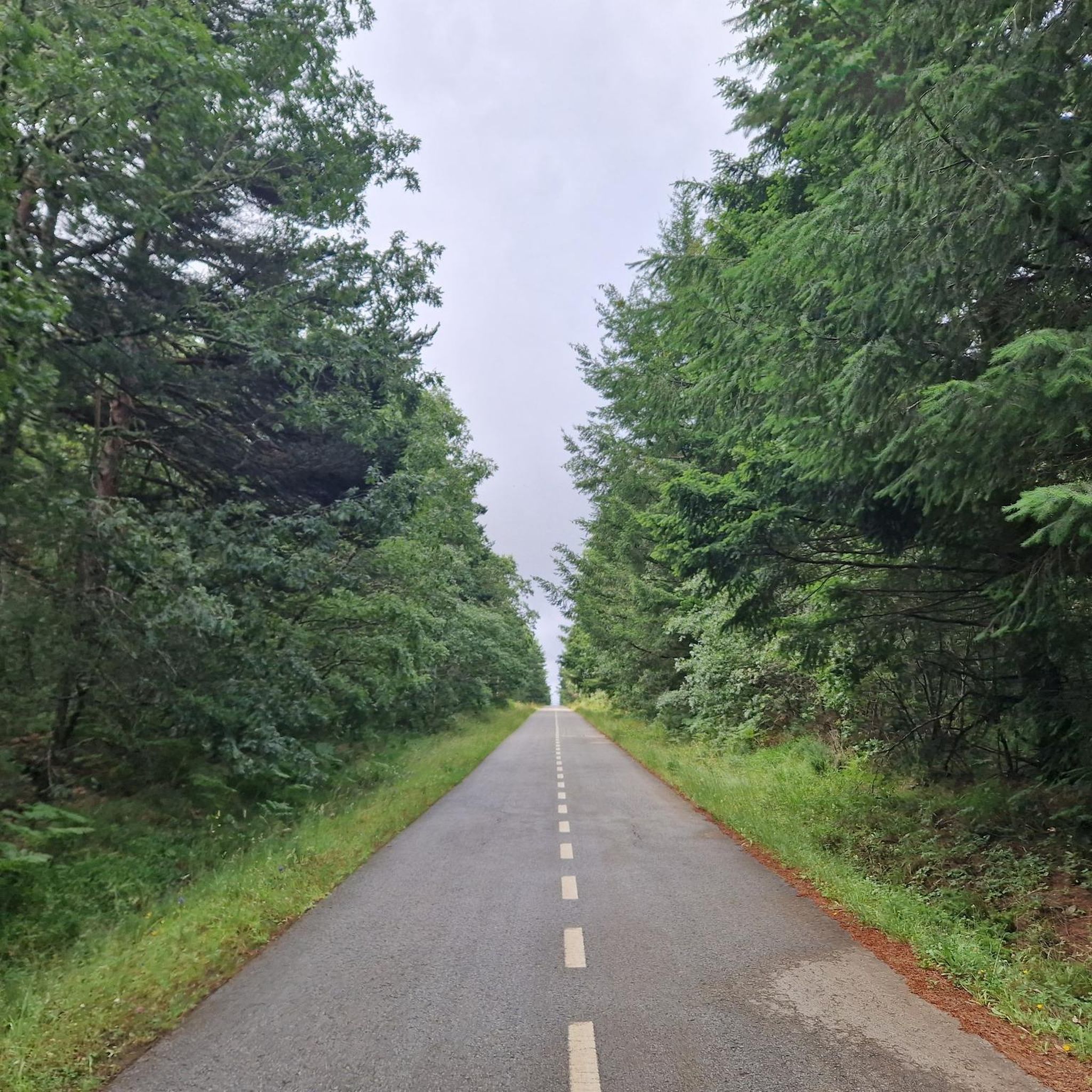
Road Cycling Routes around Carrazedo
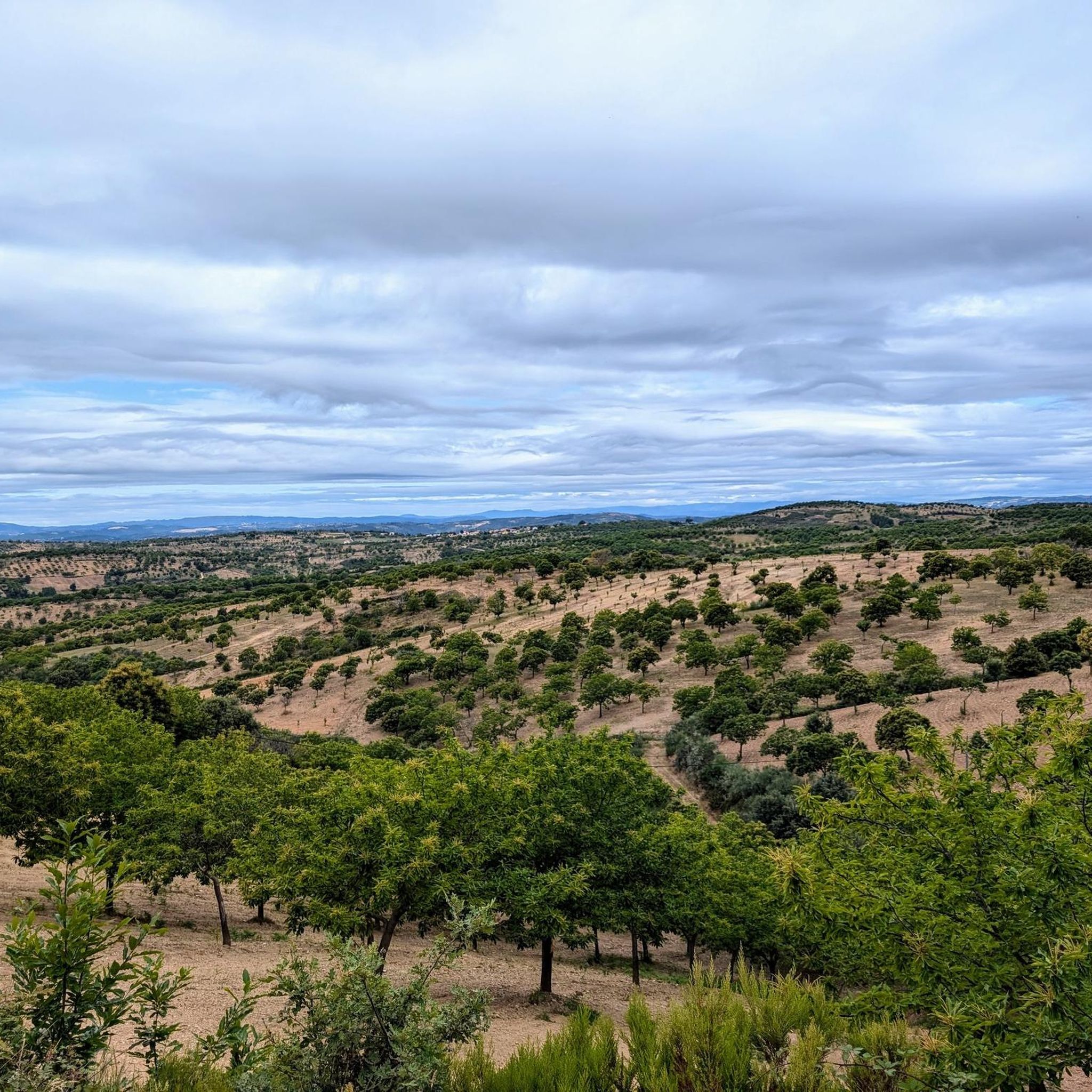
Road Cycling Routes around Penhas Juntas
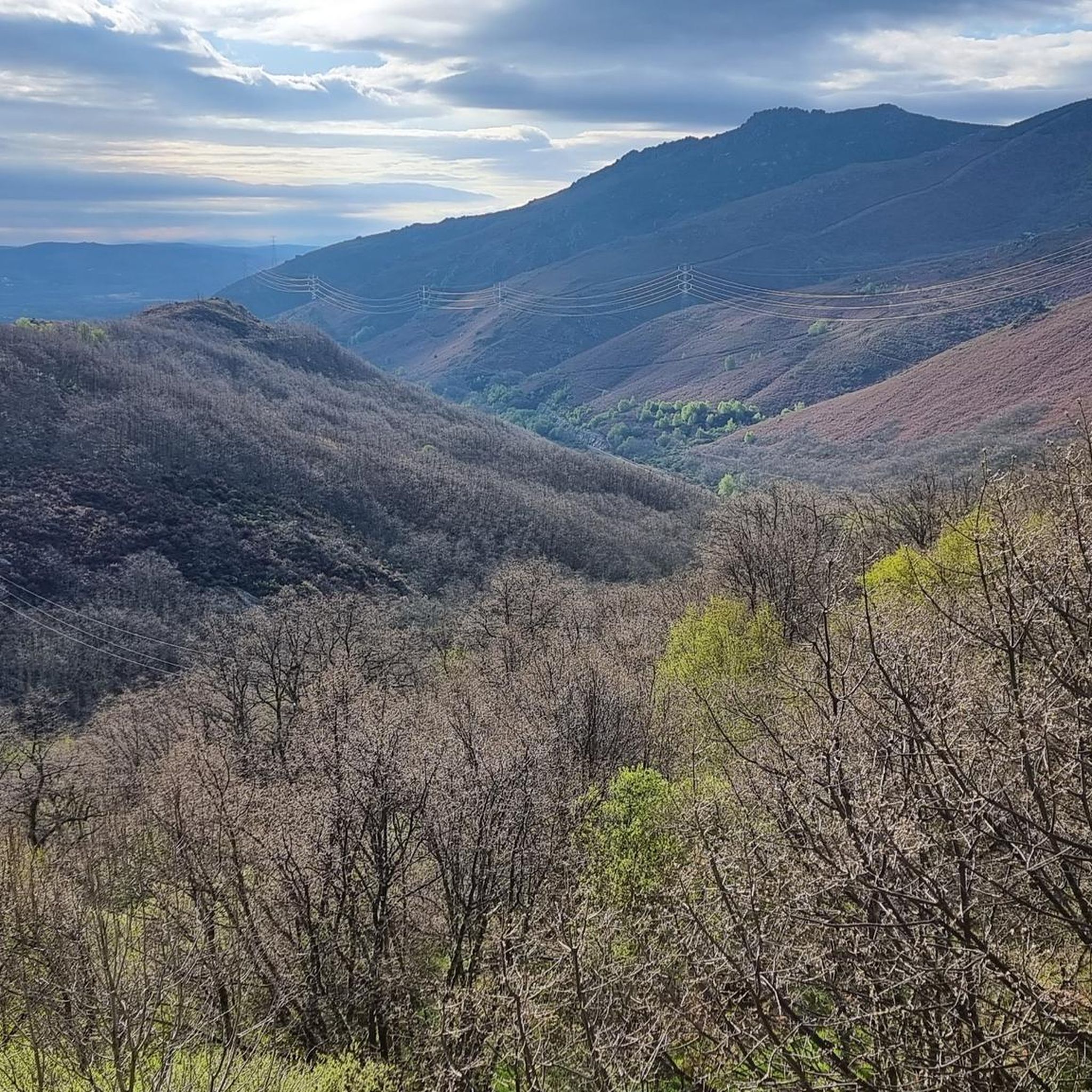
Road Cycling Routes around Vale De Janeiro
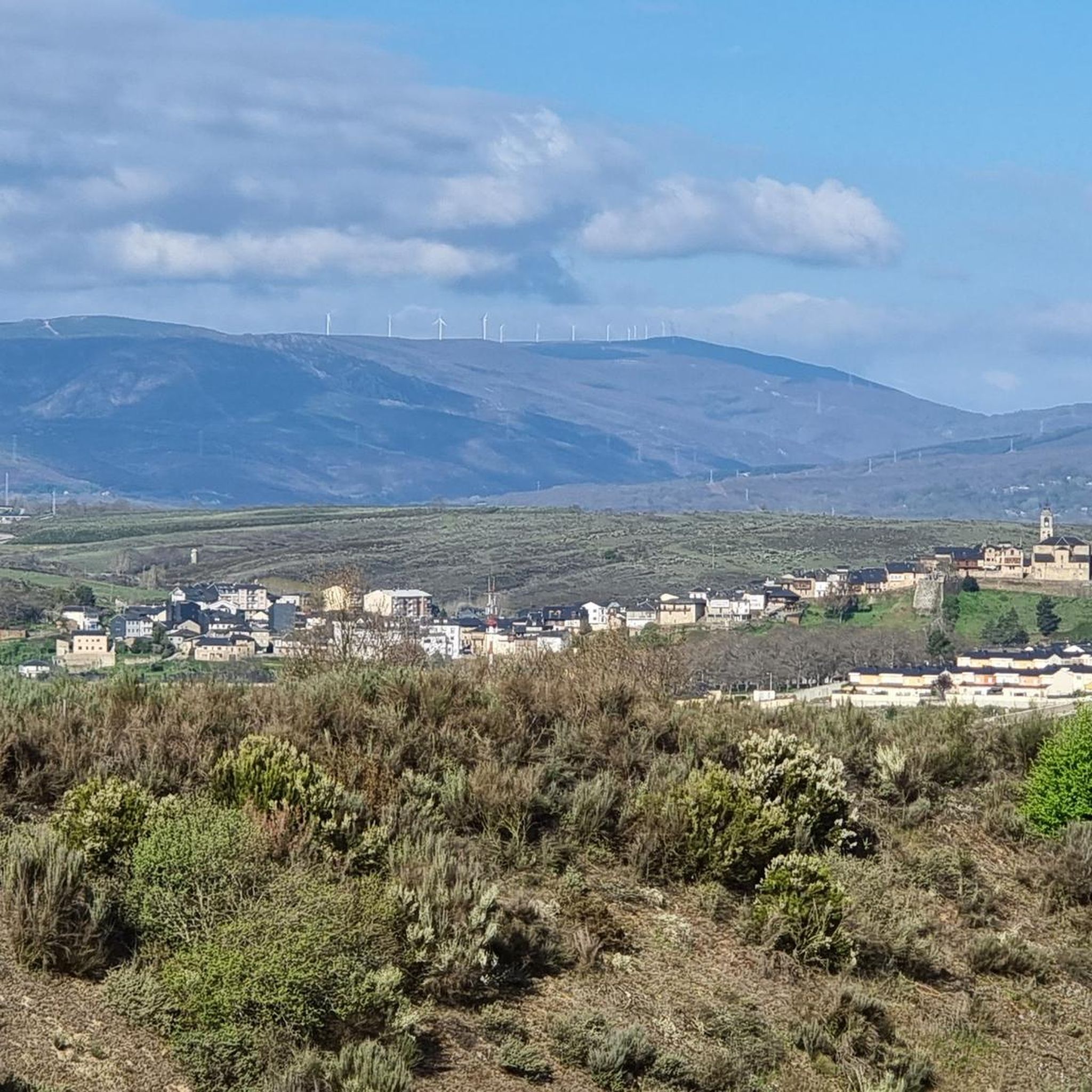
Road Cycling Routes around Vimioso
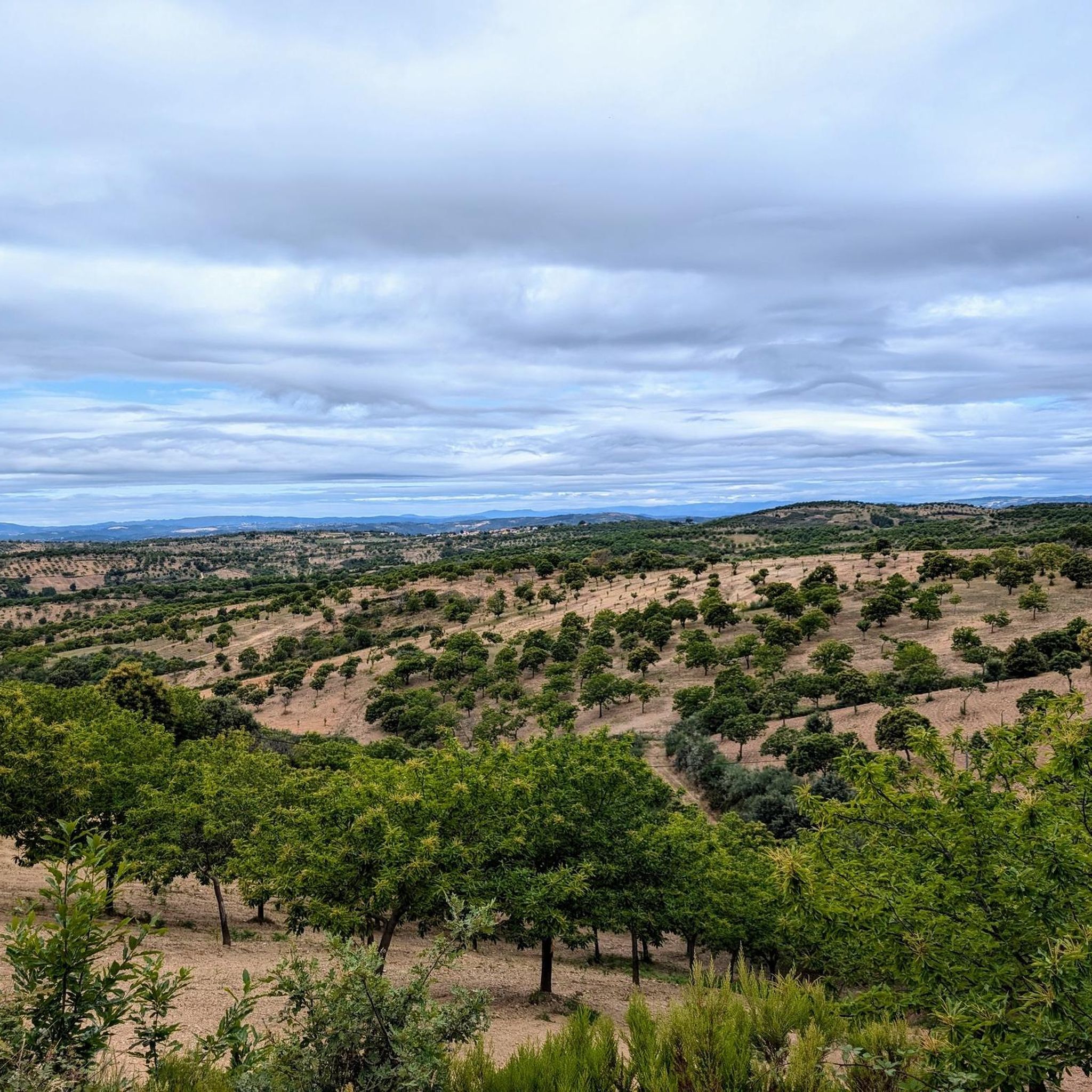
Road Cycling Routes around Edrosa
Road Cycling Routes around Vilar De Peregrinos
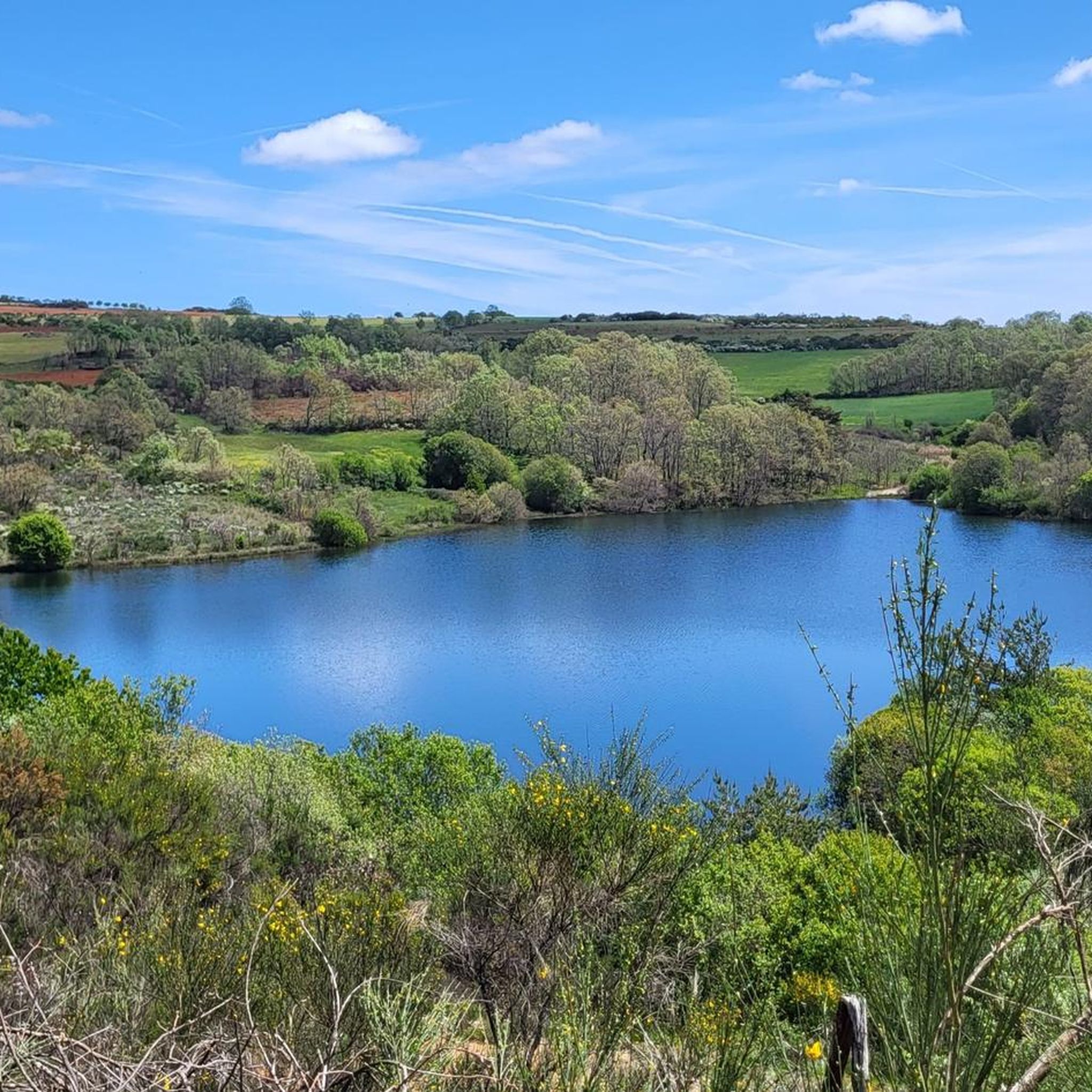
Road Cycling Routes around National Park Montesinho
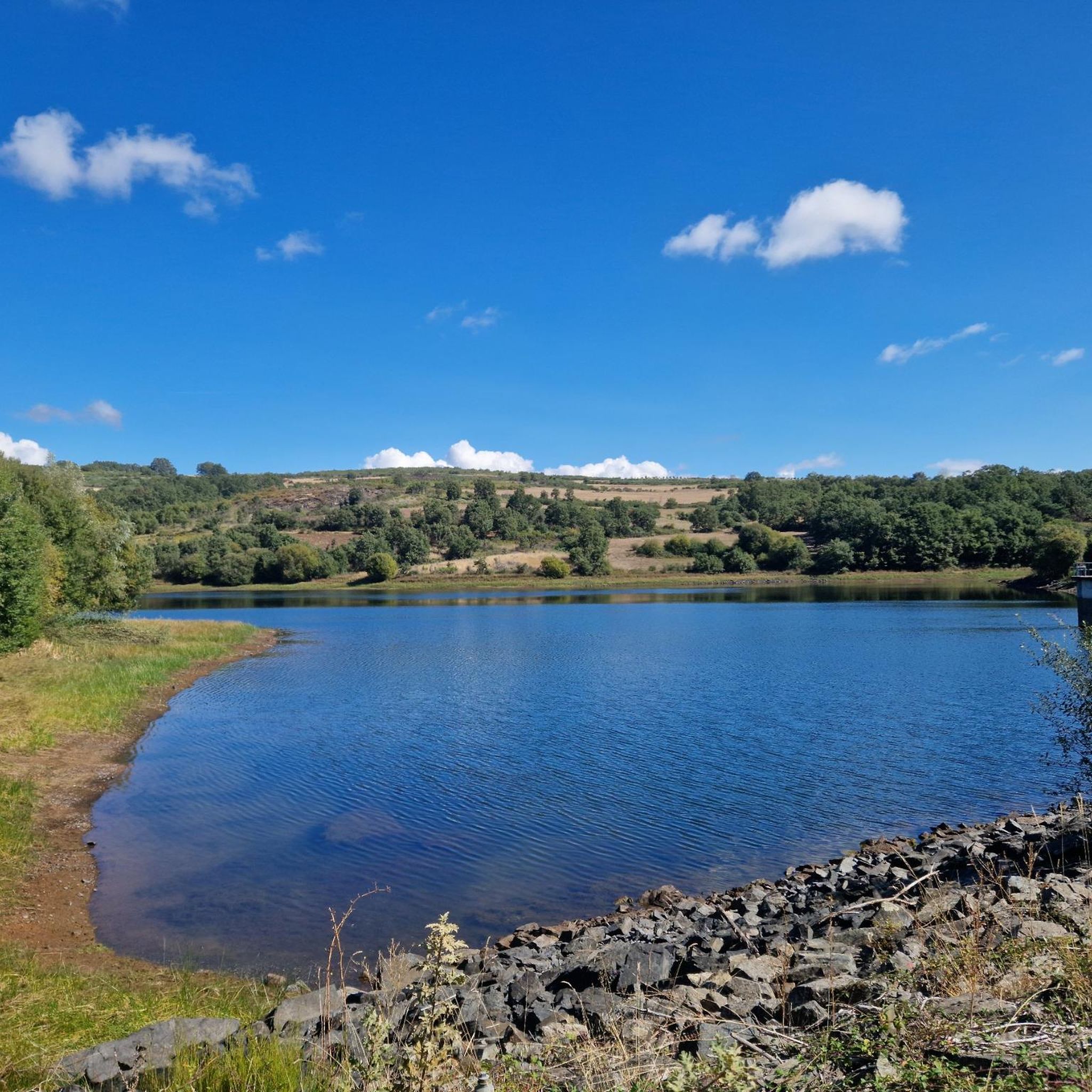
Road Cycling Routes around Montesinho
Tips from the Community

The bridge was designed and built in 1955 by the renowned Portuguese engineer Edgar Cardoso. It is considered the first motorway bridge in the Portuguese section of the Douro River and is a concrete arch bridge with a length of approximately 300 meters. It is named after the Portuguese naval officer and colonial administrator Almirante Manuel Maria Sarmento Rodrigues, who served as governor of Guinea and Mozambique under the Salazar dictatorship and later became Minister of Colonies.
1
0

Rio de Onor is not just a beautiful village; it's a "living museum" of a way of life that has almost disappeared in Europe. It's worth visiting because it is possibly the village with the most fascinating social history in Portugal. Here are the 4 main reasons to go there: 1. It's a Community Village ("Communitarianism") This is Rio de Onor's great trademark. For centuries, the village lived under a system of total sharing among neighbors, something very rare: Sharing of Goods: The bread oven, the watermill, and even the village bull belonged to everyone. The "Rod of Justice": Decisions and fines for infractions in the village were marked on a wooden rod, managed by the "judge" elected by the people. You can see this history explained at the Casa do Touro (House of the Bull), a small, unmissable museum in the village. 2. One Village, Two Countries Rio de Onor is a village bisected by the international border. On this side is Rio de Onor (Portugal); on the other side is Rihonor de Castilla (Spain). For the inhabitants, the border never really existed: they share land, livestock, and even speak their own dialect (Rionorês), an ancient mixture of Portuguese and Castilian. It's very curious to cross from one country to the other on foot in the middle of the main street. 3. The Schist Landscape and Nature Located in the Montesinho Natural Park, the village is visually stunning. The houses are made of dark schist with wooden balconies, typical of Trás-os-Montes, and are very well preserved. The Onor River, which crosses the village, has clear waters and creates a very pleasant natural river beach in the summer, perfect for picnics. 4. The "Roman" Bridge The old stone bridge (which is actually from the 19th century, despite its popular name) is the village's postcard image. The reflection of the arches in the water with the schist houses in the background creates one of the most photogenic landscapes in Northern Portugal. Visiting Rio de Onor is like stepping back in time and understanding how communities survived in isolation in the mountains, supporting each other. It's a lesson in life and history in an incredible natural setting.
2
0

It is not known when the castle was built or which monarch ordered it, however some authors argue that it was King D. Dinis, since there are references to works in Praça de Vinhais with the construction of some towers during his reign. Due to its border location, the castle had great military importance, as the territory had always been coveted by neighboring monarchs.
0
0
The walls of Vinhais date back to the time of the Roman invasion. Later, the Suebi or Visigoths reinforced and broadened the defensive line in the context of the Muslim invasion of the Iberian Peninsula. During the reign of King Denis of Portugal, the oval fence of the village was finished, with six towers, two of them flanking the main gate and one other, also integrated in the fence, functioning as a keep and an alcove. The castle's configuration, currently very dilapidated, would have a medieval image, in a late Gothic style. Already during the reign of King Manuel I of Portugal the degradation of the walls and of some towers was remarkable. Some bases of the old towers, a portal with a Gothic arch and a section of the barbican still remain.
0
0

Rio de Onor is a sleepy little village right on the Portugal/Spain border. The drive through it is a challenging one and absolutely not recommended for larger campervans.
3
1
The military road built by the Romans to connect Braga, Chaves and Astorga passed close to the present-day site of Vinhais and the Ponte da Rauca bridge also dates from that time. The town was founded in the thirteenth century by the Portuguese king D. Sancho, being situated on top of a hill that the Romans had used as a lookout post, from which they could supervise the whole region. It was later fortified in the fourteenth century at the orders of D. Dinis. Vinhais has succeeded in preserving a number of very interesting monuments, such as the church of São Facundo (founded by the Goths) and the convent of São Francisco, although, perhaps more than anything else, it is famed for the great richness of its cuisine, particularly its sausages, which are best purchased at the annual Smoked Meat Fair held here in February.
1
0
Small village in the Montesinho National Park. From here you can follow the old levadas to the river and there is also an excellent river beach...
3
0
Rio de Onor is one of the most emblematic villages in Bragança and the Montesinho Natural Park, and was elected the 7th Wonder of Portugal in 2017 – a village in a protected area. Crossing the border with Spain, on one side is Rio de Onor, and on the other, Rihonor de Castilla, which is why it is said to be “one village, two countries”!
5
0
Frequently Asked Questions
How many road cycling routes are available in Bragança?
Bragança offers a wide array of road cycling routes, with over 240 options available. These routes cater to various skill levels, including 6 easy, 88 moderate, and 148 difficult trails.
What kind of terrain can I expect on road cycling routes in Bragança?
Road cycling in Bragança features diverse terrain, ranging from challenging climbs through wild mountains and river valleys to gentler rides along former railway lines, known as ecopistas. You'll encounter lush mountain vegetation, oak and cork oak forests, and picturesque river views, especially within areas like Montesinho Natural Park and around the Albufeira do Azibo.
Are there road cycling routes suitable for beginners in Bragança?
Yes, Bragança has options for beginners. The region features converted old railway lines into 'ecopistas,' which offer smooth, often paved surfaces ideal for easier road cycling. An example is the Ecopista da Mãe d'Água. Overall, there are 6 easy road cycling routes available.
What are some options for long-distance road cycling in Bragança?
For long-distance road cycling, Bragança offers several challenging routes. One notable option is the From Bragança to Puebla de Sanabria — circular, which is over 83 km. Another is the From Freixo de Espada à Cinta through Castelo Rodrigo and Rio Duero — circular, extending nearly 140 km. The region also forms part of the Via da Prata, an alternative version of the Spanish route to Santiago de Compostela, offering extensive opportunities.
Are there circular road cycling routes in Bragança?
Yes, many road cycling routes in Bragança are circular, allowing you to start and end in the same location. Examples include the popular View of Pinela and Mós — circular of Bragança, the Montesinho Natural Park Loop from Bragança, and the International Douro Park Loop.
What natural features can I see along road cycling routes in Bragança?
Bragança's road cycling routes traverse a region rich in natural beauty. You can explore the wild landscapes of Montesinho Natural Park, featuring oak and cork oak forests, and diverse wildlife. The Albufeira do Azibo Protected Landscape offers scenic reservoir views and river beaches. You might also encounter significant natural monuments like the European chestnut (Castanea sativa) or visit the Biological Park of Vinhais.
Are there historical landmarks or points of interest accessible by road bike in Bragança?
Many road cycling routes in Bragança pass near historical landmarks and charming traditional villages. You can cycle past impressive structures like Bragança Castle or the View of Mogadouro Castle. Routes often lead through traditional villages such as Montesinho, Rio de Onor, and Gimonde, offering a glimpse into local culture and history.
When is the best time of year for road cycling in Bragança?
The best time for road cycling in Bragança is generally during the spring and autumn months. These seasons offer pleasant temperatures and less extreme weather, making for more comfortable rides. Summer can be quite warm, especially in the middle of the day, while winter may bring colder temperatures and a higher chance of rain or even snow in higher elevations.
Are there family-friendly road cycling routes in Bragança?
For families, the ecopistas (former railway lines converted into cycling paths) are an excellent choice due to their relatively flat and paved surfaces. The Fervença Bike Trail (Corredor Verde) is another convenient option for cycling within or near the city of Bragança, suitable for a more relaxed family outing.
Can I find road cycling routes that pass through traditional villages in Bragança?
Absolutely. Many road cycling routes in Bragança are designed to take you through remote and traditional villages, allowing for cultural immersion. You can expect to pass through charming places like Montesinho, Rio de Onor, and Gimonde, experiencing local life and architecture along your ride.
What do other road cyclists enjoy the most about road cycling in Bragança?
The road cycling experience in Bragança is highly rated by the komoot community, with an average score of 4.2 stars from over 30 reviews. Cyclists often praise the diverse terrain, from challenging mountain passes to scenic ecopistas, and the opportunity to explore expansive natural parks and traditional villages. The region's natural beauty and varied route options are frequently highlighted.
Are there road cycling routes that offer scenic viewpoints in Bragança?
Yes, Bragança's varied topography provides numerous opportunities for scenic viewpoints. Routes often traverse elevated areas within natural parks like Montesinho, offering panoramic vistas. Specific viewpoints you might encounter include the Olhos do Tua Viewpoint and the Yellow Rock Viewpoint, providing stunning perspectives of the landscape.
What is the difficulty level of road cycling routes in Bragança?
Bragança offers a wide range of difficulty levels for road cycling. You'll find everything from easy routes, often on converted railway lines (ecopistas), to moderate paths, and many challenging routes with significant elevation gains. Out of over 240 routes, 6 are easy, 88 are moderate, and 148 are classified as difficult, ensuring options for all experience levels.
Most popular routes in Bragança
Most popular attractions in Bragança

Get inspired with the komoot mobile app


Didn’t find what you were looking for?
Check out more Road cycling routes throughout Bragança below and find the perfect route in your destination.
Explore more
Browse the best Road cycling routes in other regions.
